

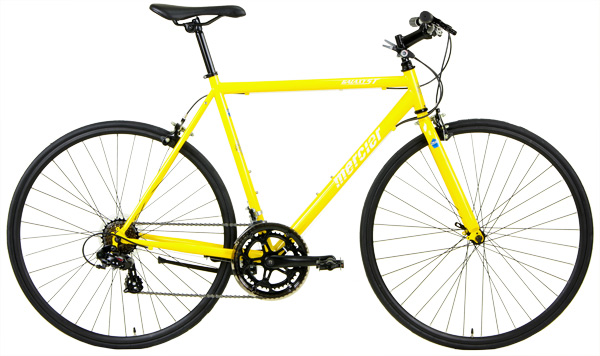
Look at your last week of driving. Grocery runs. Coffee pickups. Pharmacy stops. Gym visits. Most were under five miles. Many were under three. These are the trips where traffic wastes time and parking tests patience. The right bike can replace 70% of those drives.
Not a racing machine. Not a niche specialty build. A practical, comfortable setup built for real life. The key is choosing the right style for daily use, one that fits your routes, your comfort needs, and your cargo demands. This guide breaks down which bikes work best for daily errands and why they outperform cars for short local trips.
Why Short Car Trips Are the Easiest to Replace
Short drives are inefficient. Engines never warm up fully. Fuel economy drops. Parking adds stress. A bike solves these problems instantly. You leave when you’re ready. You park at the door. You move through traffic instead of waiting in it. But comfort determines whether this becomes a habit or a novelty. That’s where bike style matters.
The Everyday Champion: The Hybrid Bike
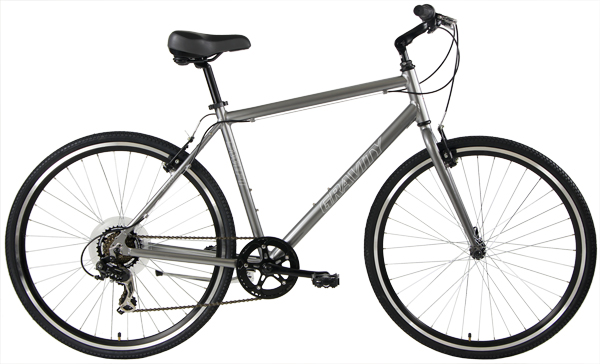
For most riders, the most versatile choice is a hybrid bike. It combines upright comfort with efficient wheels. It handles pavement, bike lanes, and light gravel paths without fuss. Wider tires smooth cracked roads. Flat handlebars keep control simple. For errands, this setup checks every box:
- Comfortable seating position
- Stable handling at moderate speeds
- Mounting points for racks and baskets
- Easy stop-and-go riding
If your daily routes include sidewalks, bike paths, and city streets, a hybrid bike feels natural from the first ride. It doesn’t demand athletic flexibility. It simply works. That practicality is why it replaces so many short car trips.
When Streets and Paths Mix: The Gravel Bike
Some neighborhoods aren’t smooth. Construction patches. Broken shoulders. Park shortcuts. This is where a gravel bike shines. With slightly wider tires and endurance-focused geometry, it smooths rough pavement without sacrificing speed. Riders who want efficiency but need durability often prefer a gravel bike for daily transport. It feels quicker than a commuter-focused build but more forgiving than a pure performance machine. If your errands involve mixed terrain, this style handles unpredictability without stress.
The Speed Solution: The Road Bike
Some riders value time above all else. A road bike turns a 15-minute drive into a 10-minute ride. Narrow tires roll fast. Lightweight frames accelerate quickly. For quick solo trips with minimal cargo, a road bike is unmatched in efficiency. It’s ideal for fitness-minded riders who want errands to double as training miles. However, comfort depends on flexibility and fit. If your routes are smooth and you prioritize speed, the road bike becomes a powerful car replacement tool.
Stability for Rougher Routes: The Mountain Bike
Not all short trips stay on pavement. If your route includes uneven sidewalks, dirt connectors, or broken roads, a mountain bike adds confidence. Wider tires and suspension absorb impacts. Upright posture improves visibility in traffic. A mountain bike may not be the fastest option, but for unpredictable urban surfaces, it feels stable and secure. For riders who prioritize control over speed, this style often replaces local car trips effortlessly.
Comfort Above All: The Beach Cruiser
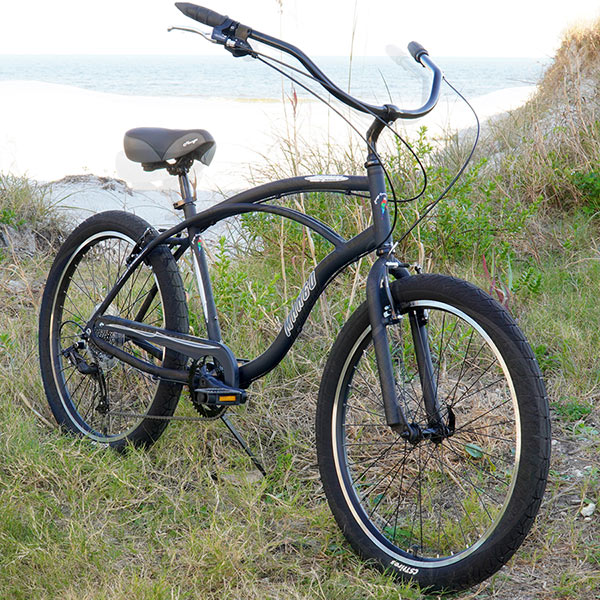
Errands don’t have to feel rushed. A beach cruiser focuses on ease. Wide cushioned tires. Upright bars. Relaxed geometry. For short neighborhood rides, coffee runs, post office stops, quick grocery pickups, a beach cruiser offers simple, stress-free transportation. You won’t chase speed records. You won’t need cycling gear. You’ll just ride comfortably. For many riders, that comfort is what turns occasional use into daily habit.
Extreme Conditions? Consider the Fat Bike
Snow. Sand. Broken winter pavement. A fat bike may seem excessive, but for certain climates it becomes a year-round transportation solution. Massive tires float over unstable surfaces. Low pressure absorbs harsh terrain. If weather usually forces you back into your car, a fat bike keeps short trips rideable. It’s not about speed. It’s about access. And access equals independence.
The Financial Shift: Think Beyond a Price Comparison
Most riders start with a price comparison. They compare bike cost to car cost. But the real math goes deeper. Fuel. Insurance. Parking. Wear and tear. Replacing even half your short drives reduces those recurring expenses. Over time, a bike pays for itself. And unlike a car, maintenance stays simple. Tires. Chain. Basic tune-ups. The value isn’t theoretical. It’s measurable.
What Makes a Bike Errand-Ready?
Regardless of category, daily-use bikes share practical traits:
- Comfortable geometry
- Stable tires
- Mounting points for racks
- Predictable braking
- Easy maintenance
The best choice depends on terrain, cargo needs, and personal comfort. The goal isn’t racing. It’s replacing keys with pedals.
Start With One Trip
Don’t aim to replace every drive tomorrow. Start with the easiest one:
- The coffee run.
- The pharmacy stop.
- The short grocery pickup.
When you realize the ride feels faster, simpler, and more enjoyable, momentum builds naturally. That’s how a bike replaces 70% of your short car trips, not through force, but through convenience.
Replace Short Drives With the Right Bike
At BikesDirect.com, you’ll find thoughtfully engineered aluminum options across every major category. Compare specifications confidently, review assembly guidance in the FAQ, and reach out directly through the Contact page for expert support.
Ready to ride lighter?
Browse the full collections: