
The Sweet Spot Bike: Where Comfort, Control, and Price Meet

Most riders don’t want the lightest race machine. They want a bike that feels good, rides confidently, and doesn’t empty their wallet. The search for the best value comfort bikes isn’t about chasing trends. It’s about finding the balance between smooth ride quality, reliable control, and smart pricing. That balance exists. You just need to know where to look.

What “Best Value” Really Means

Value isn’t about the cheapest option. It’s about return on investment. A bike that costs less but fits poorly or rides harshly is not a bargain. True value combines:

  • Upright, ergonomic positioning
  • Stable, predictable handling
  • Durable components
  • Fair, direct pricing

Certain categories consistently deliver this formula better than others.

Why the Hybrid Bike Often Wins

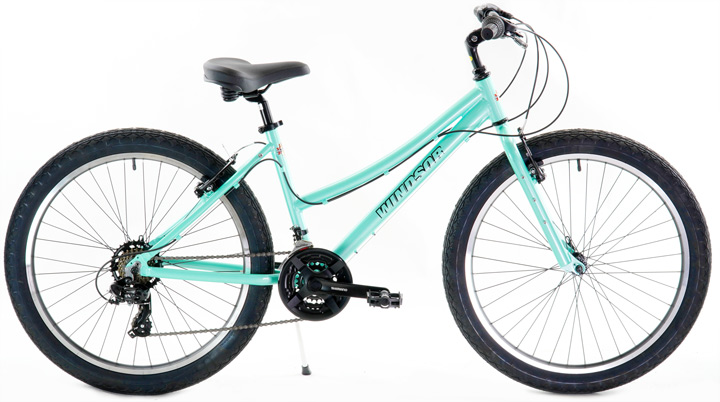
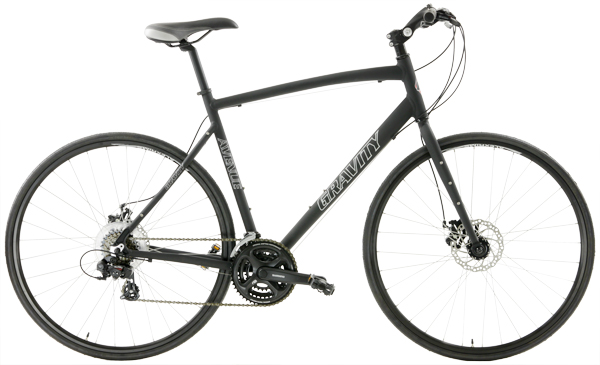
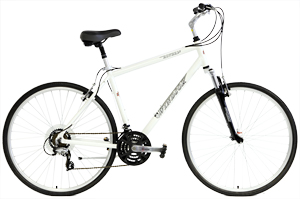
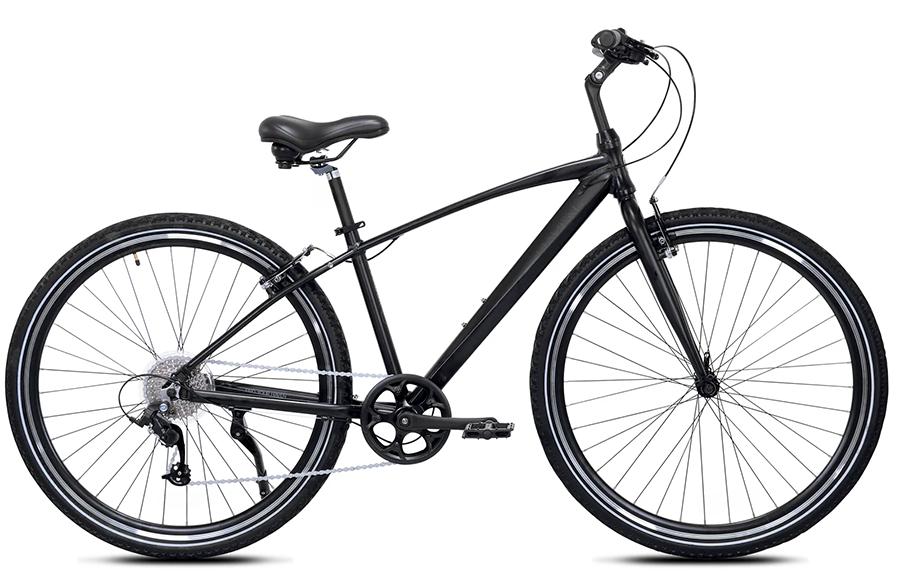
A well-designed hybrid bike sits at the center of comfort and versatility. It blends road efficiency with everyday practicality. Hybrids typically feature:

  • Upright geometry that reduces back and wrist strain
  • Medium-width tires for cushioning without drag
  • Flat handlebars for easy steering control

For commuting, fitness riding, and weekend miles, a hybrid bike checks nearly every box. You get smooth pavement performance with enough stability for light gravel paths. Riders who want one bike to do almost everything often land here. Comfort plus versatility equals strong long-term value.

Gravel Capability Without Premium Pricing
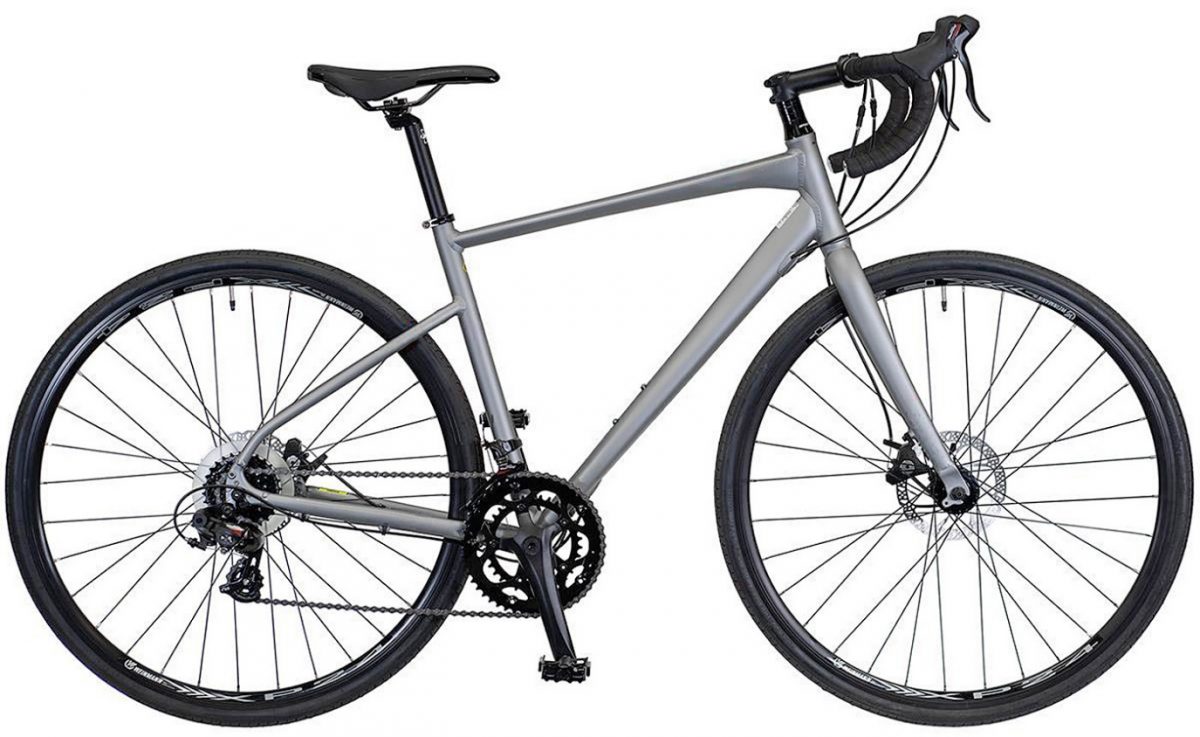
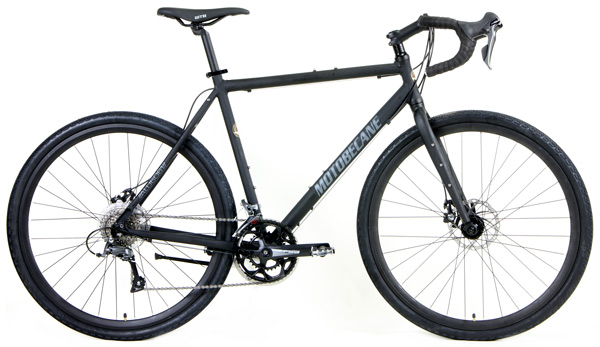
Gravel bike

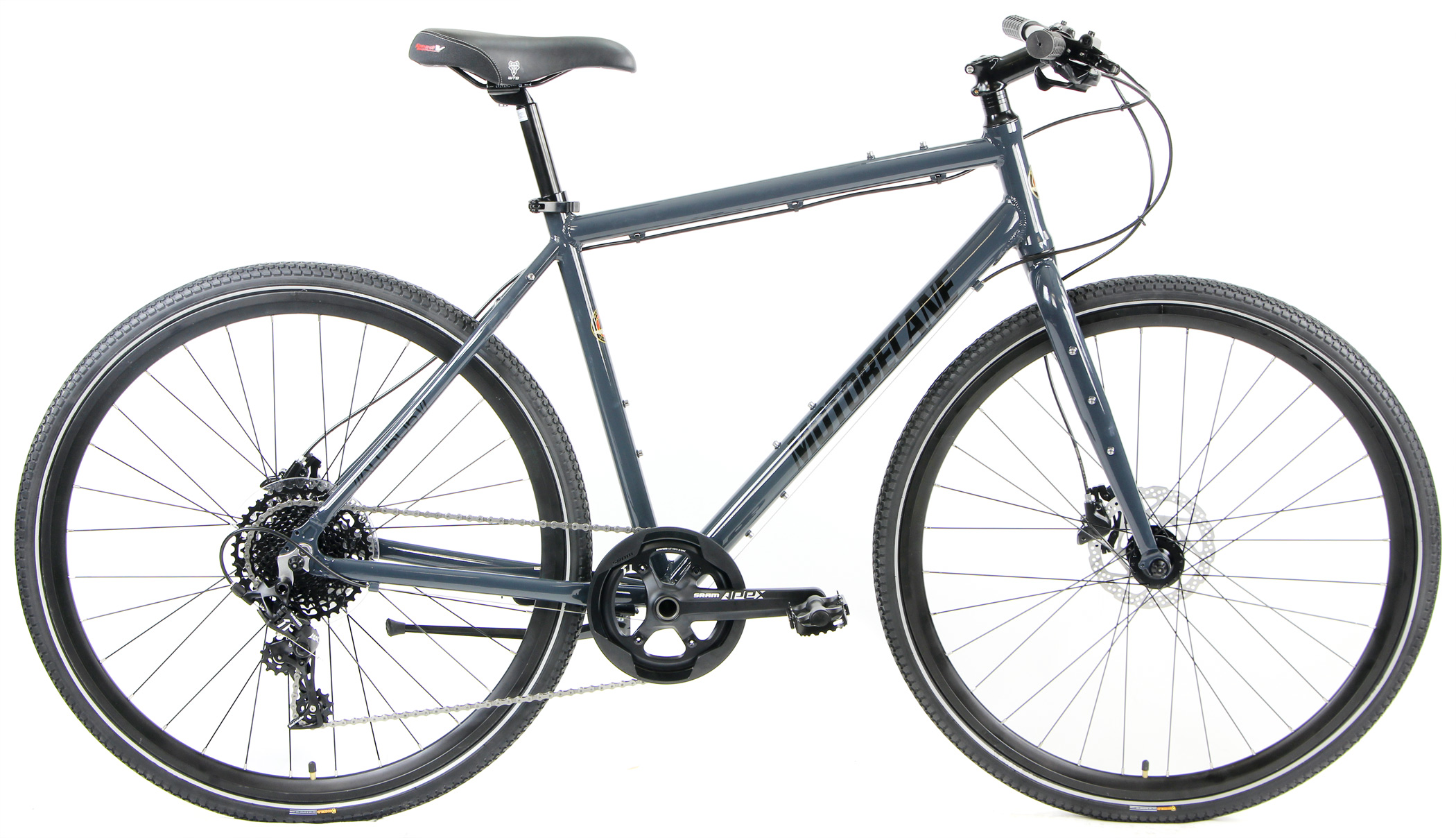
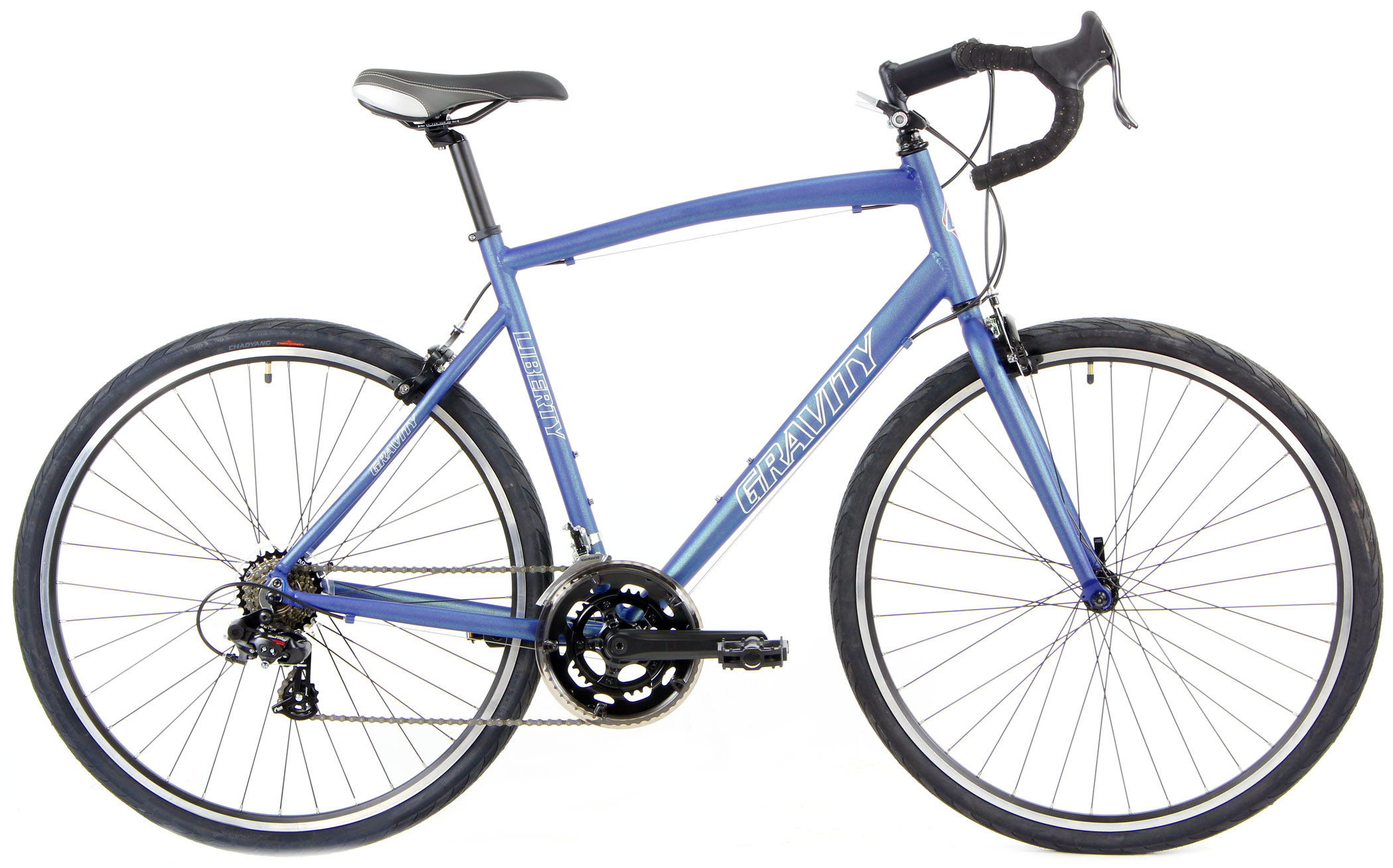
The rise of the gravel bike changed how riders define comfort. Wider tires and stable frames absorb rough pavement and dirt roads better than traditional race setups. A gravel bike typically provides:

  • Clearance for larger tires
  • Relaxed geometry compared to aggressive road frames
  • Disc brakes for confident stopping

For riders who mix pavement, backroads, and light trails, this category delivers exceptional ride quality per dollar. You gain durability and confidence without entering high-end race pricing. If your routes vary, this is often the sweet spot.

Rethinking the Modern Road Bike
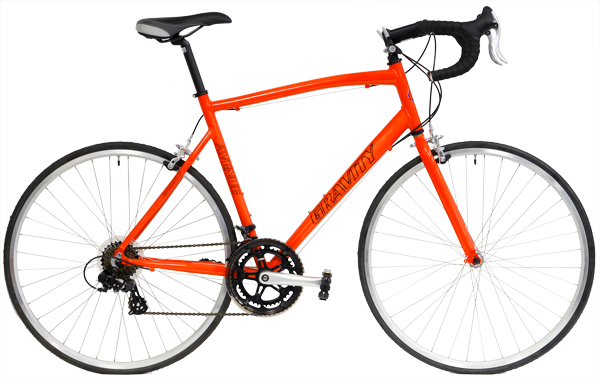
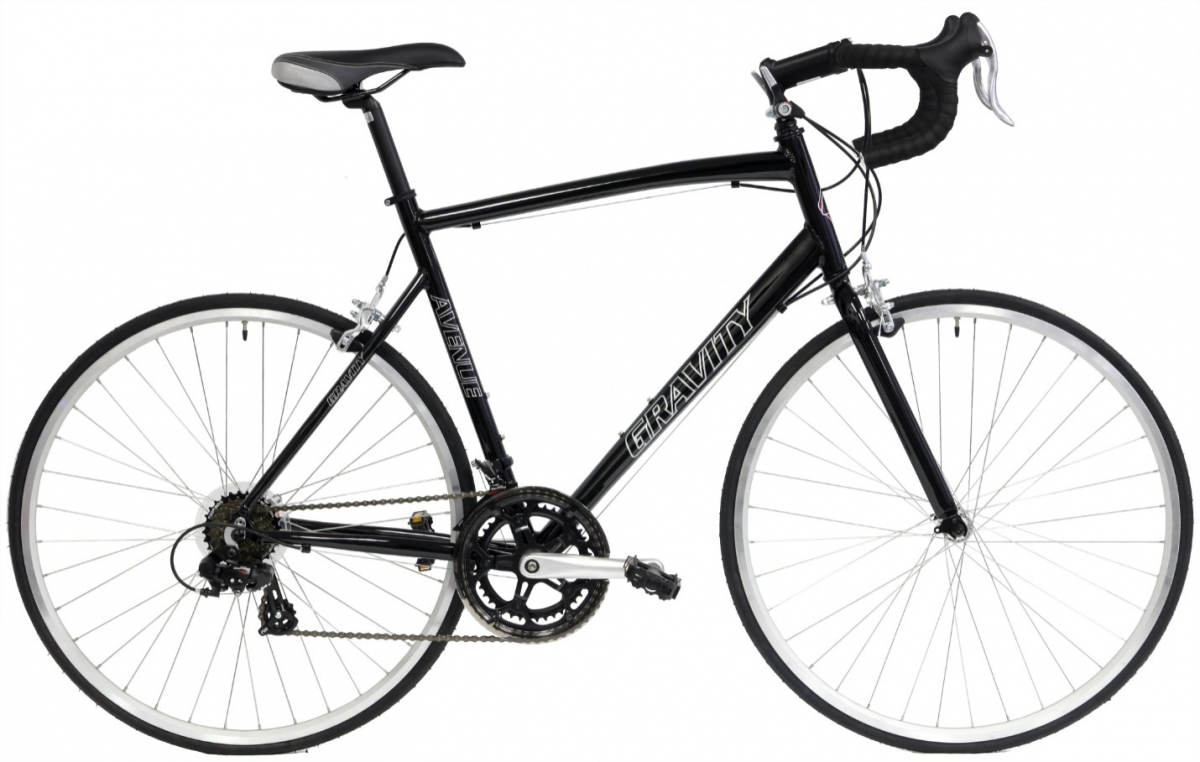
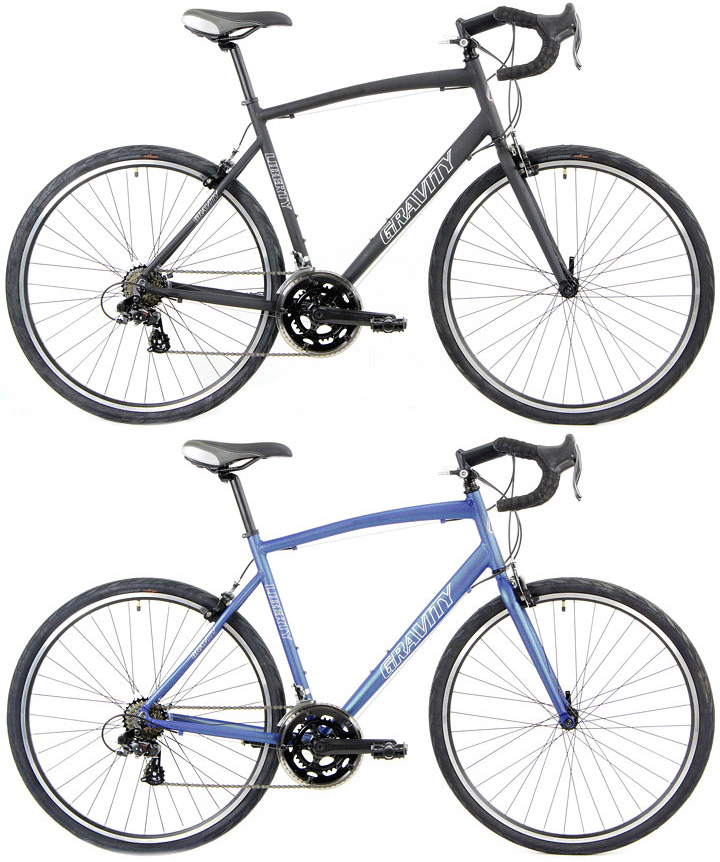
Road bike with endurance geometry

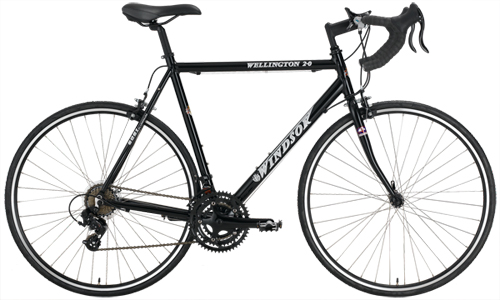
Not all road bikes are aggressive race machines. An endurance-style road bike prioritizes comfort geometry and smoother ride characteristics. Look for:

  • Slightly taller head tubes
  • Stable wheelbases
  • Vibration-reducing frame materials

A thoughtfully chosen road bike can feel efficient without being punishing. Riders who prioritize long pavement rides often find surprising comfort when geometry is right. Speed matters. But comfort keeps you riding.

Trail Stability from a Mountain Bike
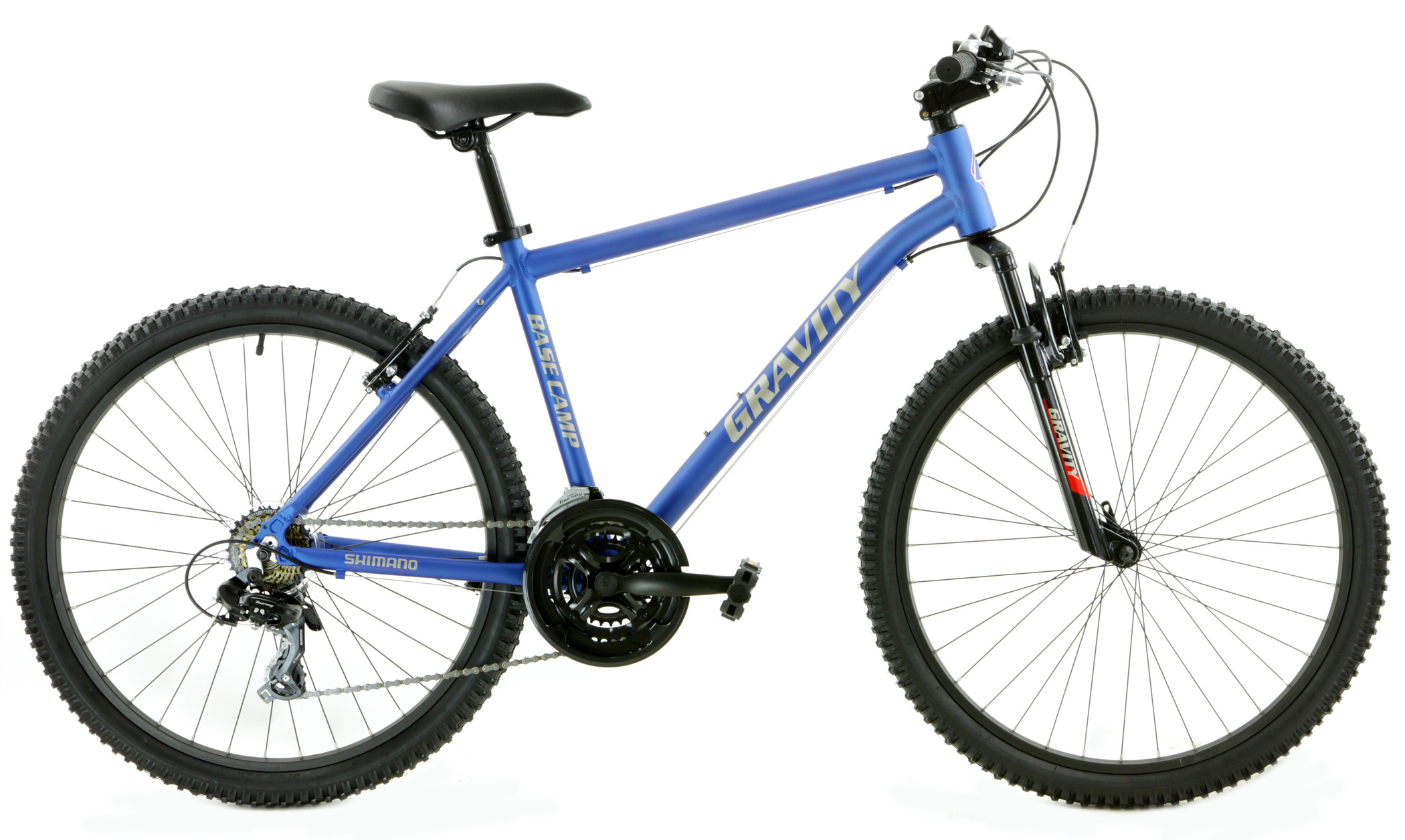
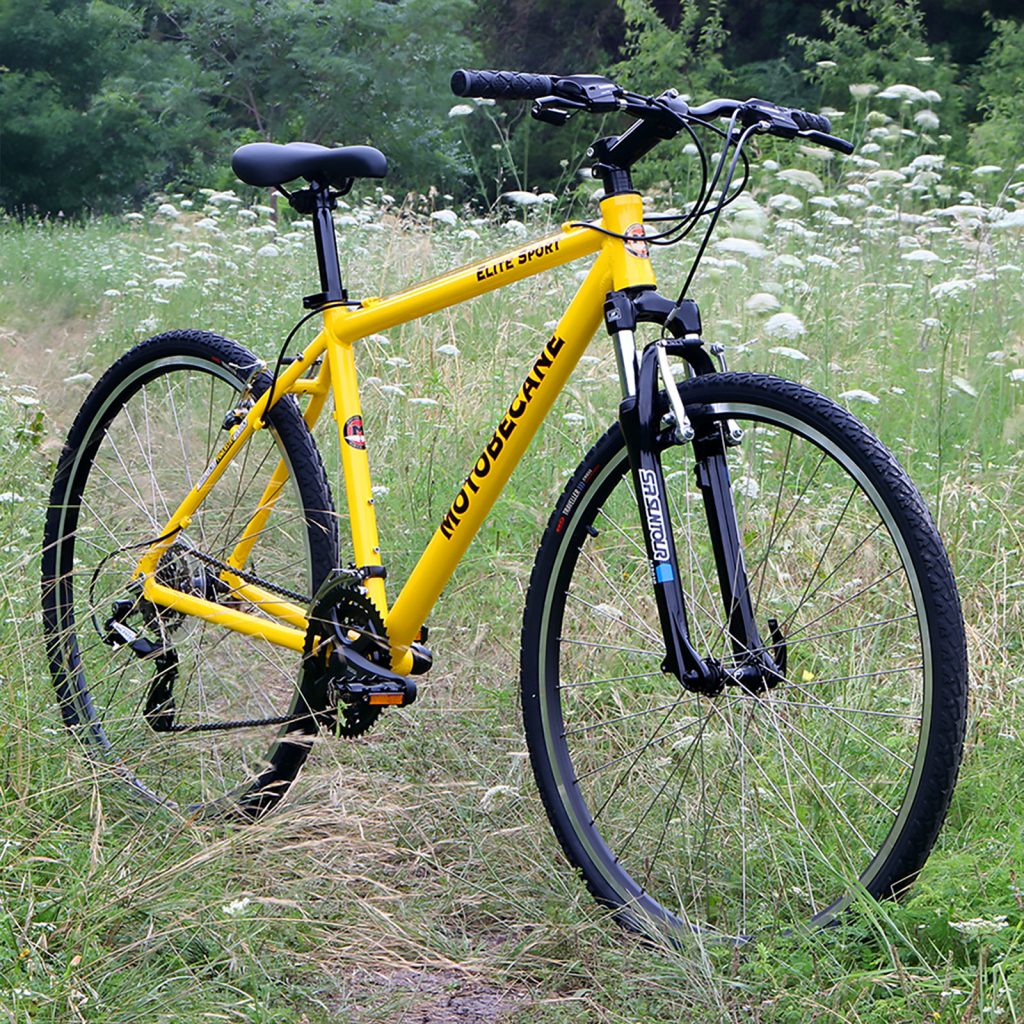
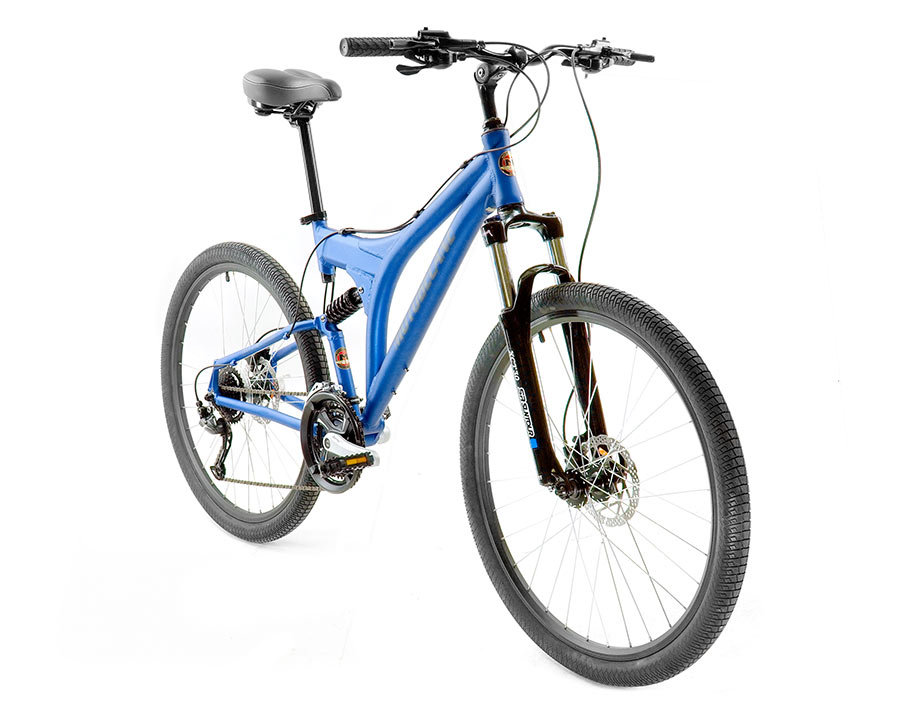
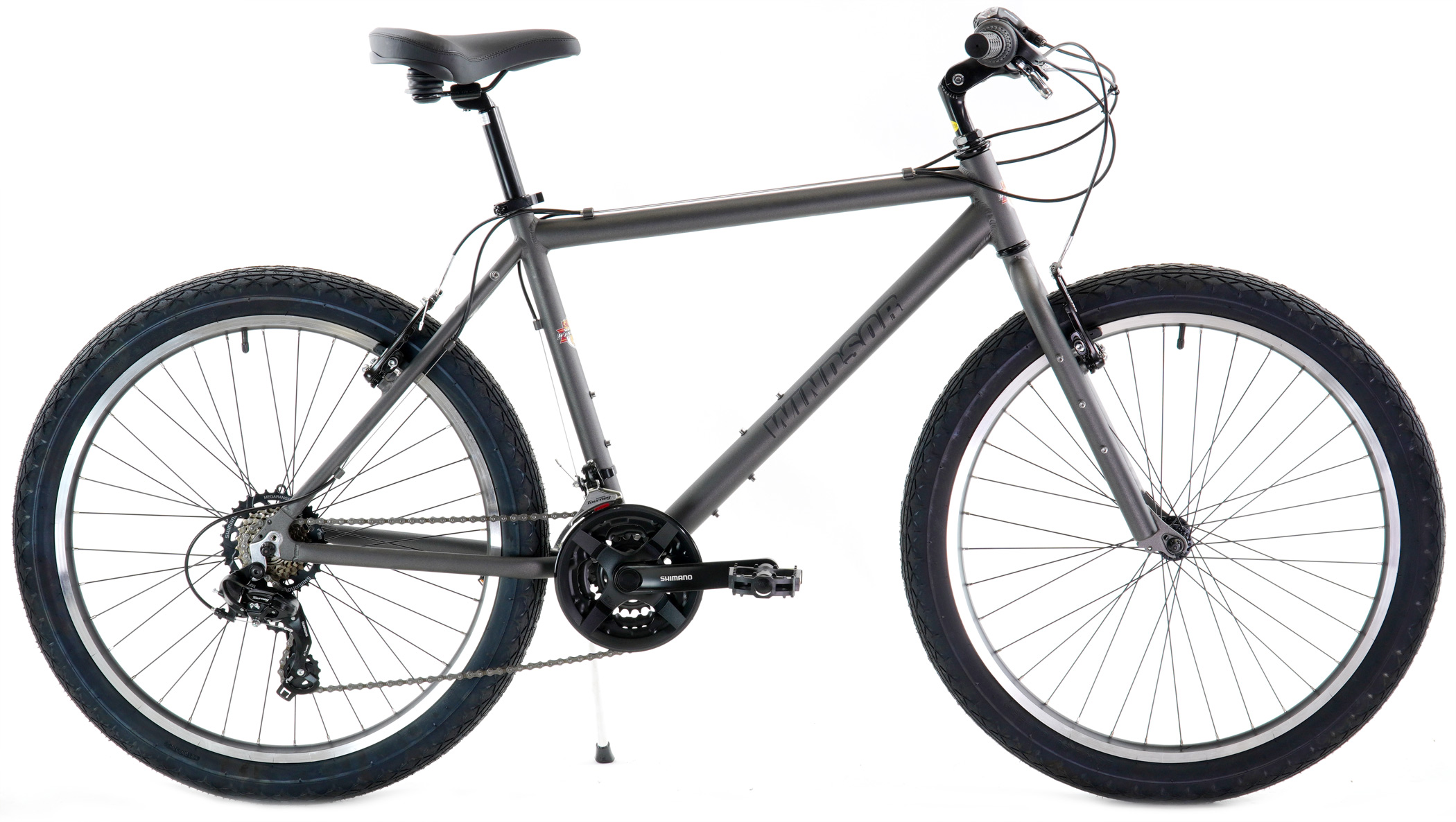
Hardtail mountain bike

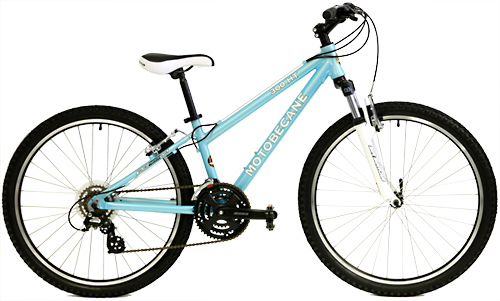
If your rides include uneven paths, roots, or park trails, a mountain bike delivers unmatched control. Modern hardtails provide front suspension and wide tires that absorb impact. A quality mountain bike gives riders:

  • Increased traction
  • Upright control
  • Strong braking performance

Even when used on rough pavement, the added tire volume improves comfort. For riders prioritizing stability over pure speed, this category delivers serious value.

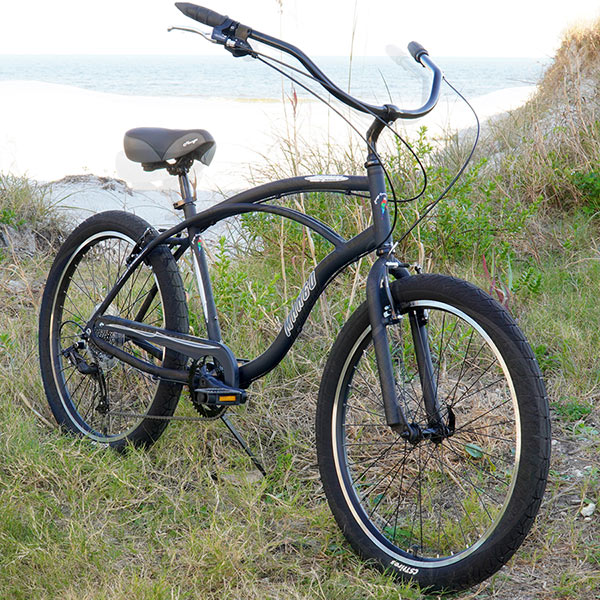
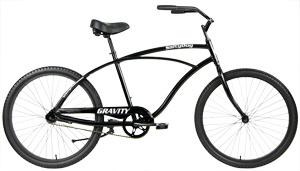
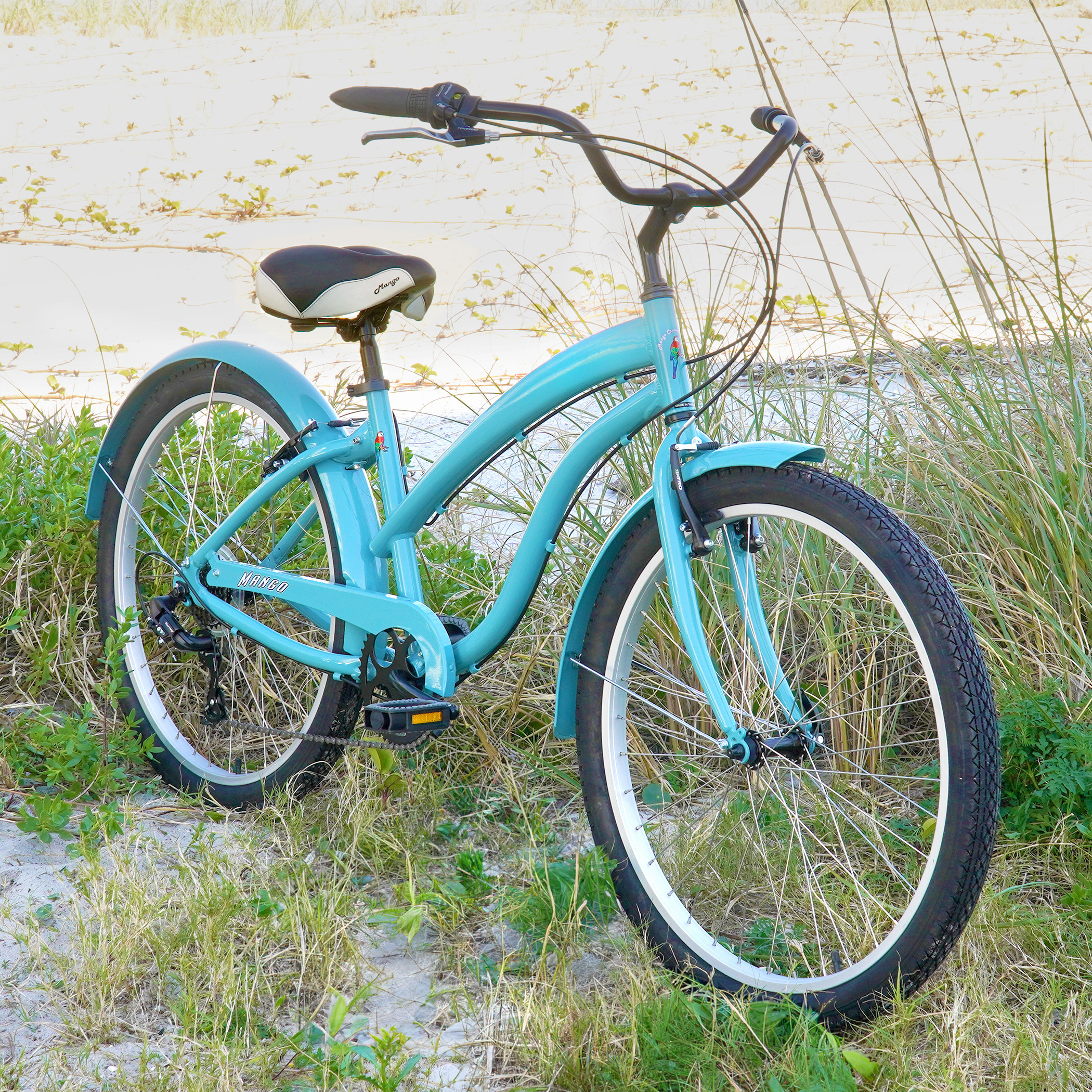
The Relaxed Appeal of a Beach Cruiser
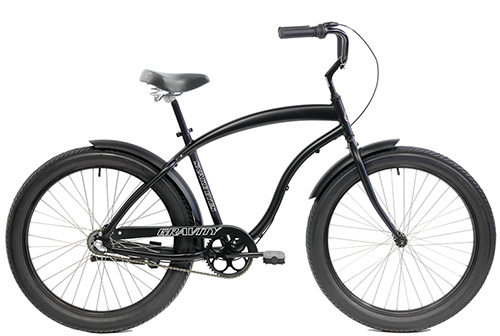
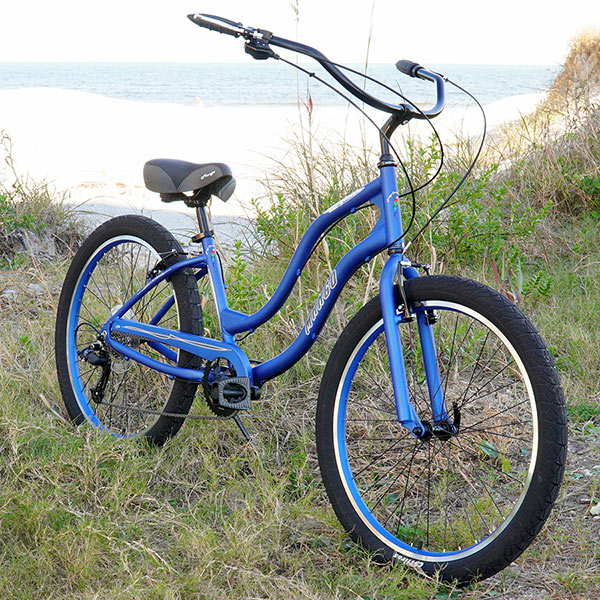
Beach cruiser bicycle

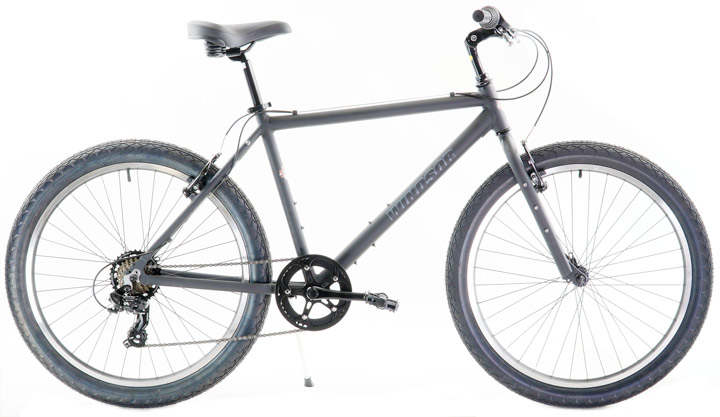
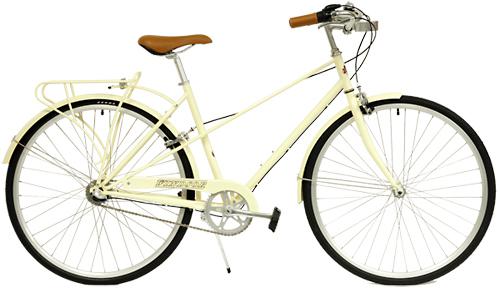
Sometimes value means simplicity. A beach cruiser strips cycling down to comfort and ease. With wide saddles, upright handlebars, and forgiving tires, a beach cruiser excels at short, casual rides. There are no aggressive angles. No complex components. Just smooth, relaxed motion. For neighborhood spins or boardwalk cruising, it’s hard to beat that experience per dollar spent.

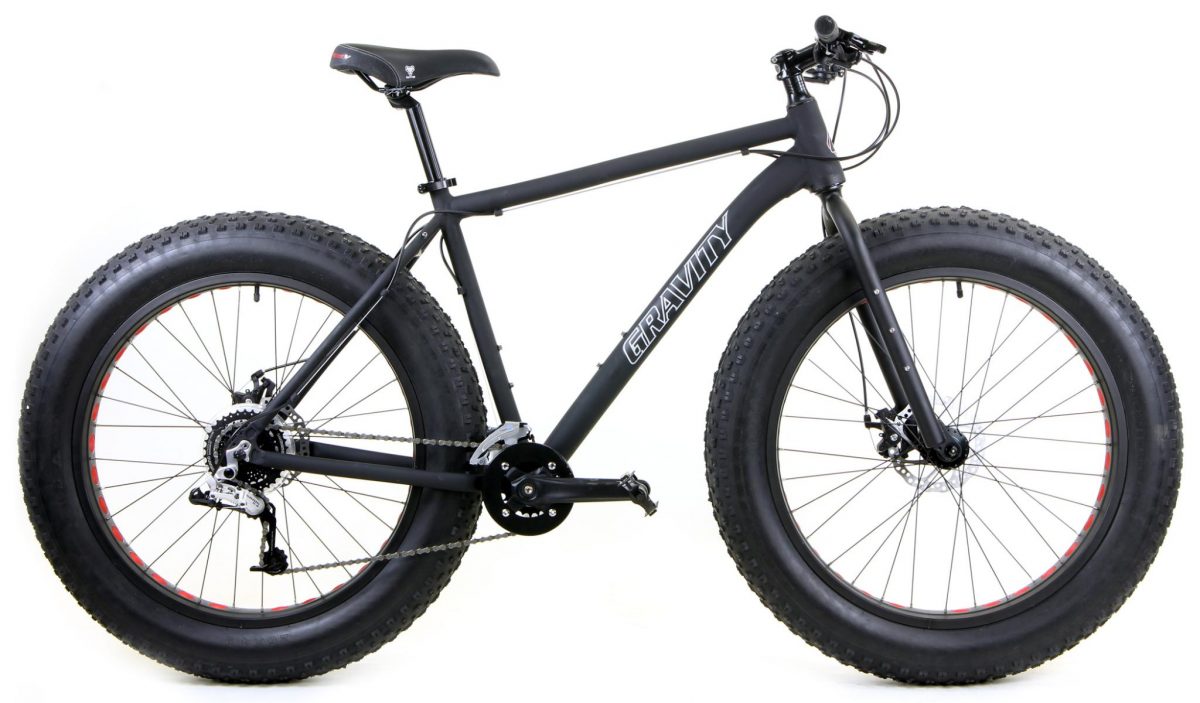
Extreme Comfort from a Fat Bike
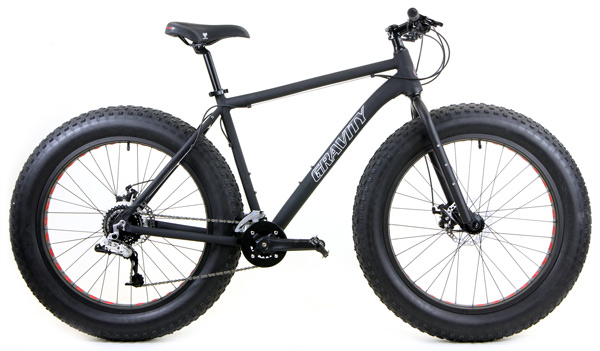
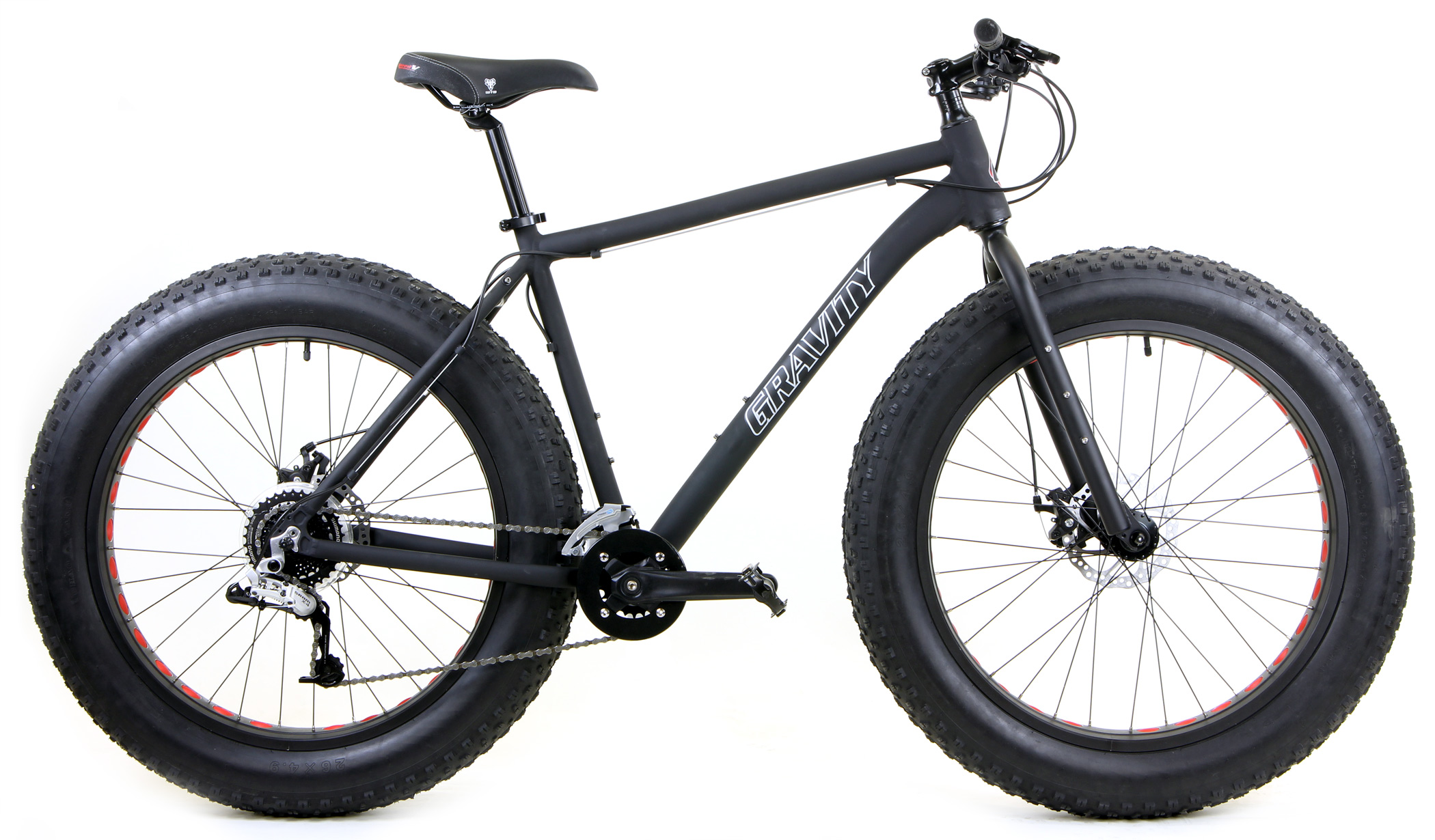
Fat bike with oversized tires designed for sand and snow riding

If comfort means absorbing everything beneath you, consider a fat bike. Oversized tires run at low pressure create natural suspension. A fat bike floats over sand, snow, and broken terrain. It’s not about speed. It’s about traction and shock absorption. For specific environments, the comfort-to-price ratio can be outstanding.

Smart Price Comparison Leads to Better Decisions

Value-focused buyers perform careful price comparison before committing. But comparing numbers alone misses the bigger picture. Effective price comparison evaluates:

  • Component quality
  • Frame design
  • Intended use
  • Long-term durability

Direct-to-consumer pricing helps eliminate traditional retail markups. That structure allows riders to access better specifications at lower price tiers. When comfort and build quality align with fair pricing, you’ve found the sweet spot.

How to Identify Your Comfort Category

Before buying, ask:

  1. Where will I ride most?
  2. Do I value speed, stability, or versatility?
  3. How upright do I want to sit?
  4. Do I need tire clearance for rough terrain?

Answering these questions narrows your options quickly.

  • A commuter often thrives on a hybrid.
  • A mixed-surface explorer benefits from gravel geometry.
  • A casual rider prefers cruiser simplicity.
  • A trail user demands mountain stability.

Clarity creates confidence.

Why Practical Value Beats Flashy Specs

High-end components look impressive on paper. But everyday riders rarely need pro-level drivetrains. Comfort geometry, dependable braking, and durable wheels matter more than marginal weight savings. Riders who focus on feel rather than marketing often enjoy better long-term satisfaction. The goal is simple: ride more often. Ride longer. Ride comfortably.

The Sweet Spot Is Personal

There is no universal best bike. There is only the best bike for how you ride. When comfort meets control and fair pricing, confidence follows. And confident riders stay consistent. That’s the real definition of value.

Find Your Sweet Spot at BikesDirect.com

The right bike should feel balanced from day one. Explore options that match your riding style without inflating your budget.

At BikesDirect.com, you’ll find thoughtfully engineered aluminum options across every major category. Compare specifications confidently, review assembly guidance in the FAQ, and reach out directly through the Contact page for expert support.

Ready to ride lighter? Browse the full collections:

Choose comfort. Choose control. Choose smart value. Find your sweet spot today.
Why Some Bikes Remove Fear for New Riders

Fear stops more new cyclists than fitness ever will. It’s not speed. It’s not distance. It’s instability. Wobbly steering. Harsh bumps. Unpredictable braking. Those sensations create hesitation. The right beginner-friendly bikes are engineered to remove that fear before it grows. Confidence on a bike is not accidental. It’s designed.

Stability Begins With Geometry

Frame geometry determines how a bike behaves before you pedal a single stroke.
Beginner-focused designs prioritize stability over aggression. A relaxed head tube angle slows steering slightly. A longer wheelbase increases balance. A higher handlebar keeps posture upright. That upright position reduces strain on wrists and neck. It also improves visibility in traffic. Many new riders find that a hybrid bike offers this exact balance of comfort and control. It feels steady at low speeds and predictable when turning.

Contrast that with a performance-focused road bike. It’s lighter and faster. But its forward-leaning position and quick steering can feel twitchy for someone just starting out. That doesn’t make it bad. It just means the rider must adapt faster. Beginner-friendly bikes reduce that learning curve.

Tire Width Changes Everything

Tires influence confidence more than most riders realize. Wider tires increase contact with the ground. That adds grip and stability. On a mountain bike, larger-volume tires cushion small bumps automatically. The rider feels less vibration and less surprise from uneven pavement. Even when used on city streets, those tires provide reassurance. A gravel bike balances width with efficiency. It rolls smoothly on pavement yet grips loose surfaces. For new riders unsure where they’ll ride, this versatility reduces anxiety. Wider tires also allow lower pressure. That softens impact. The result is a calmer, more forgiving ride.

Predictable Handling Reduces Panic

New riders fear sudden movements. Fast steering or abrupt shifts in balance create tension. A beach cruiser is a strong example of comfort-first handling. Its relaxed geometry and wide tires promote slow, stable turns. There’s no urgency in the design. Everything feels easy. That ease matters. When a bike responds gradually instead of sharply, the rider stays relaxed. Relaxed riders make smoother decisions.

a mountain bike

The same principle applies to entry-level hybrid bike models. They blend moderate steering speed with stability. The bike tracks straight without constant correction. That predictability builds trust.

Braking Confidence Is Psychological

Stopping power influences fear as much as balance. Reliable brakes allow new riders to explore without anxiety. Modern bikes often include disc brakes. These systems provide consistent stopping performance in varied conditions. When a rider knows they can slow down smoothly, hesitation fades. On a road bike, braking is sharp and efficient. On a mountain bike, braking is controlled and powerful. Both can inspire confidence when properly adjusted. Beginner-friendly bikes don’t just stop quickly. They stop predictably. That distinction matters.

The Role of Wheel Size

Wheel size affects how a bike rolls over obstacles. Larger wheels maintain momentum and smooth imperfections. A gravel bike with 700c wheels glides over cracks that might jar smaller wheels. A fat bike takes cushioning further, combining large diameter wheels with oversized tires. The result is exceptional shock absorption. For riders intimidated by rough pavement or loose paths, that comfort removes hesitation.

a gravel bike

Low Standover Height Matters

Many new riders worry about falling at stops. Frame design addresses this directly. Lower top tubes make mounting and dismounting easier. Riders can plant their feet quickly. That immediate security builds confidence. Step-through designs, often found on comfort-focused hybrid bike options and certain cruiser styles, remove intimidation entirely. There’s no awkward swing-over motion. Just simple access. This design detail alone prevents countless beginner fears.

Speed Is Not the Goal

Fear often stems from pressure to ride fast. Beginner-friendly bikes reject that premise. A beach cruiser emphasizes smooth rolling and relaxed cadence. A fat bike focuses on traction and float. Neither prioritizes speed. Both prioritize control. Even an entry-level road bike can feel comfortable when fitted properly and ridden at moderate pace. The key is matching design intent to rider expectation. When riders stop chasing speed, they start enjoying motion.

Weight and Balance

Lightweight frames feel responsive but too much responsiveness can overwhelm beginners. A slightly heavier mountain bike can feel planted. The bike tracks straight and resists sudden deflection from small obstacles. That planted sensation translates to emotional stability. Balance is more important than minimal weight for first rides.
Confidence grows from steadiness, not grams saved.

a beach cruiser

Environment Shapes Fear

New riders often start on pavement, while others try gravel paths or park trails. Choosing the wrong bike for terrain increases stress. A narrow-tire road bike on loose gravel feels unstable. A heavy fat bike on smooth pavement may feel sluggish but when terrain and bike align, anxiety drops.

  • A gravel bike for mixed paths.
  • A hybrid bike for commuting and fitness.
  • A mountain bike for uneven surfaces.
  • A beach cruiser for relaxed neighborhood rides.
  • A fat bike for sand or snow.

Fit the tool to the environment. Fear fades quickly.

The Importance of Value Transparency

New riders also fear making the wrong purchase. That’s where clear specs and honest pricing matter. A straightforward price comparison helps buyers understand what they’re paying for. Frame materials, tire width, brake type, these are practical factors, not marketing noise. When customers see transparent specifications and competitive pricing, uncertainty declines. Informed riders feel empowered. Confidence starts before the first ride.

Small Design Choices, Big Emotional Impact

Beginner-friendly bikes focus on:

  • Upright posture
  • Stable steering angles
  • Wider tires
  • Lower standover heights
  • Predictable braking
  • Balanced wheel size

Each element reduces cognitive load. Less tension means better focus. Better focus means safer riding. Confidence is engineered detail by detail.

Fear rarely comes from inability. It comes from unpredictability. When geometry feels stable, tires grip consistently, and braking responds smoothly, new riders relax. That relaxation unlocks enjoyment. Beginner-friendly bikes are not slower or lesser. They are intentionally designed to support early confidence and confidence is what keeps riders coming back.

Find Your Confidence at BikesDirect.com

The right bike removes hesitation before it starts. At BikesDirect.com, explore stable, confidence-building options designed for real-world riding. Compare features, review specs, and make an informed price comparison before you buy.

At BikesDirect.com, you’ll find thoughtfully engineered aluminum options across every major category. Compare specifications confidently, review assembly guidance in the FAQ, and reach out directly through the Contact page for expert support.

Ready to ride lighter? Browse the full collections:

Ride with confidence from day one.

The Bike That Replaces 70% of Your Short Car Trips

Look at your last week of driving. Grocery runs. Coffee pickups. Pharmacy stops. Gym visits. Most were under five miles. Many were under three. These are the trips where traffic wastes time and parking tests patience. The right bike can replace 70% of those drives.

Not a racing machine. Not a niche specialty build. A practical, comfortable setup built for real life. The key is choosing the right style for daily use, one that fits your routes, your comfort needs, and your cargo demands. This guide breaks down which bikes work best for daily errands and why they outperform cars for short local trips.

Why Short Car Trips Are the Easiest to Replace

Short drives are inefficient. Engines never warm up fully. Fuel economy drops. Parking adds stress. A bike solves these problems instantly. You leave when you’re ready. You park at the door. You move through traffic instead of waiting in it. But comfort determines whether this becomes a habit or a novelty. That’s where bike style matters.

The Everyday Champion: The Hybrid Bike

For most riders, the most versatile choice is a hybrid bike. It combines upright comfort with efficient wheels. It handles pavement, bike lanes, and light gravel paths without fuss. Wider tires smooth cracked roads. Flat handlebars keep control simple. For errands, this setup checks every box:

  • Comfortable seating position
  • Stable handling at moderate speeds
  • Mounting points for racks and baskets
  • Easy stop-and-go riding

If your daily routes include sidewalks, bike paths, and city streets, a hybrid bike feels natural from the first ride. It doesn’t demand athletic flexibility. It simply works. That practicality is why it replaces so many short car trips.

Gravel bike

When Streets and Paths Mix: The Gravel Bike

Some neighborhoods aren’t smooth. Construction patches. Broken shoulders. Park shortcuts. This is where a gravel bike shines. With slightly wider tires and endurance-focused geometry, it smooths rough pavement without sacrificing speed. Riders who want efficiency but need durability often prefer a gravel bike for daily transport. It feels quicker than a commuter-focused build but more forgiving than a pure performance machine. If your errands involve mixed terrain, this style handles unpredictability without stress.

The Speed Solution: The Road Bike

Some riders value time above all else. A road bike turns a 15-minute drive into a 10-minute ride. Narrow tires roll fast. Lightweight frames accelerate quickly. For quick solo trips with minimal cargo, a road bike is unmatched in efficiency. It’s ideal for fitness-minded riders who want errands to double as training miles. However, comfort depends on flexibility and fit. If your routes are smooth and you prioritize speed, the road bike becomes a powerful car replacement tool.

Stability for Rougher Routes: The Mountain Bike

Not all short trips stay on pavement. If your route includes uneven sidewalks, dirt connectors, or broken roads, a mountain bike adds confidence. Wider tires and suspension absorb impacts. Upright posture improves visibility in traffic. A mountain bike may not be the fastest option, but for unpredictable urban surfaces, it feels stable and secure. For riders who prioritize control over speed, this style often replaces local car trips effortlessly.

Beach cruiser parked

Comfort Above All: The Beach Cruiser

Errands don’t have to feel rushed. A beach cruiser focuses on ease. Wide cushioned tires. Upright bars. Relaxed geometry. For short neighborhood rides, coffee runs, post office stops, quick grocery pickups, a beach cruiser offers simple, stress-free transportation. You won’t chase speed records. You won’t need cycling gear. You’ll just ride comfortably. For many riders, that comfort is what turns occasional use into daily habit.

Extreme Conditions? Consider the Fat Bike

Snow. Sand. Broken winter pavement. A fat bike may seem excessive, but for certain climates it becomes a year-round transportation solution. Massive tires float over unstable surfaces. Low pressure absorbs harsh terrain. If weather usually forces you back into your car, a fat bike keeps short trips rideable. It’s not about speed. It’s about access. And access equals independence.

Side view of a bike

The Financial Shift: Think Beyond a Price Comparison

Most riders start with a price comparison. They compare bike cost to car cost. But the real math goes deeper. Fuel. Insurance. Parking. Wear and tear. Replacing even half your short drives reduces those recurring expenses. Over time, a bike pays for itself. And unlike a car, maintenance stays simple. Tires. Chain. Basic tune-ups. The value isn’t theoretical. It’s measurable.

What Makes a Bike Errand-Ready?

Regardless of category, daily-use bikes share practical traits:

  • Comfortable geometry
  • Stable tires
  • Mounting points for racks
  • Predictable braking
  • Easy maintenance

The best choice depends on terrain, cargo needs, and personal comfort. The goal isn’t racing. It’s replacing keys with pedals.

Start With One Trip

Don’t aim to replace every drive tomorrow. Start with the easiest one:

  • The coffee run.
  • The pharmacy stop.
  • The short grocery pickup.

When you realize the ride feels faster, simpler, and more enjoyable, momentum builds naturally. That’s how a bike replaces 70% of your short car trips, not through force, but through convenience.

Replace Short Drives With the Right Bike

At BikesDirect.com, you’ll find thoughtfully engineered aluminum options across every major category. Compare specifications confidently, review assembly guidance in the FAQ, and reach out directly through the Contact page for expert support.

Ready to ride lighter?
Browse the full collections:

Why Lighter Bikes Feel Faster Even When You’re Not Trying to Go Fast

Most riders notice it immediately. The bike doesn’t just move, it responds. It accelerates with less effort. It climbs without resistance. It feels alive beneath you. That sensation often has less to do with aerodynamics or tire width and more to do with frame material.  Lightweight aluminum bikes create a riding experience that feels quicker, even at relaxed speeds. This isn’t about racing. It’s about ease. When weight drops, effort drops. And when effort drops, enjoyment rises.

Weight Affects More Than Top Speed

Cycling discussions often focus on speed. But weight influences far more than how fast you can ride in a straight line.

Every ride includes:

  • Starts from traffic lights
  • Short hills and inclines
  • Stop-and-go intersections
  • Tight turns
  • Carrying the bike upstairs or into storage

A lighter frame makes each of those moments easier. That’s why even a casual rider on a hybrid bike can feel the difference immediately. The bike responds quickly to pedal input. It doesn’t feel sluggish off the line. Less mass means less force required to move forward. The physics are simple. The experience is transformative.

Starts and Stops Feel Effortless

Acceleration demands energy. The heavier the bike, the more effort it takes to bring it up to speed. On a road bike, that lighter aluminum frame helps riders roll smoothly away from intersections. You don’t have to “push through” the bike. It cooperates. The same applies on a gravel bike. Even when terrain adds rolling resistance, a lighter frame helps maintain momentum with less fatigue. These small savings in energy compound over time. After 30 minutes, the difference becomes noticeable. After an hour, it becomes meaningful.

Hills Become Manageable, Not Intimidating

Aluminum road bike

Climbing highlights weight more than any other riding scenario. Gravity does not negotiate. When riding uphill, every pound matters. A lighter mountain bike feels more agile when navigating switchbacks. A lighter road bike feels steadier and more efficient during steady climbs. Even riders on a comfort-focused hybrid bike benefit. The incline still requires work, but the bike doesn’t feel like an anchor pulling backward. The result isn’t necessarily higher speed. It’s reduced strain. And reduced strain keeps riders riding longer.

Aluminum Balances Strength and Efficiency

Aluminum remains popular for a reason. It offers:

  • High strength-to-weight ratio
  • Responsive handling
  • Corrosion resistance
  • Cost efficiency

That balance makes lightweight aluminum bikes accessible to everyday cyclists, not just competitive athletes. For example, a gravel bike built with aluminum tubing can handle mixed terrain without feeling heavy. It climbs well. It accelerates cleanly. It remains durable. Likewise, modern aluminum designs in a mountain bike provide confidence on trails while keeping weight manageable during climbs. Performance no longer requires exotic materials. Smart engineering delivers real-world benefits.

Comfort and Enjoyment Increase With Reduced Effort

Aluminum hybrid bike used for daily commuting in a neighborhood setting

Cycling enjoyment comes from rhythm. When pedaling feels smooth and controlled, riders settle into a natural cadence. Heavier bikes disrupt that rhythm. They require more energy to maintain pace. That constant demand builds fatigue. A lighter hybrid bike keeps commutes relaxed. A lighter beach cruiser feels easier to maneuver along neighborhood streets. Even though cruisers prioritize comfort, reducing frame weight improves handling and start-up effort. On longer weekend rides, that efficiency becomes more noticeable. Riders feel fresher at the end. They ride more often because the experience feels easier. That’s the true advantage.

Handling Feels Sharper and More Responsive

Weight affects handling dynamics. A lighter frame responds faster to steering input. On a mountain bike, this responsiveness improves technical control. On a gravel bike, it enhances confidence when navigating uneven surfaces. Even urban riders benefit. A lighter road bike changes direction quickly in traffic. A lighter hybrid bike weaves through bike paths with precision. Responsiveness creates a sensation of speed, even if the speedometer says otherwise.

Everyday Riding, Not Racing

It’s important to clarify something: lighter doesn’t mean fragile. Modern aluminum frames are engineered for durability. A fat bike built for sand or snow may prioritize tire volume over minimal weight. Yet aluminum construction still helps prevent unnecessary bulk. Similarly, a comfort-focused beach cruiser benefits from weight reduction without sacrificing stability. Lightweight aluminum bikes aren’t about chasing podiums. They’re about making daily cycling practical and enjoyable.

The Psychological Effect of Weight

Lightweight aluminum gravel bike

Perception shapes performance. When a bike feels light, riders feel capable. That confidence changes posture. It improves cadence. It reduces hesitation before hills or longer routes. A lighter road bike encourages extended rides. A lighter hybrid bike invites daily use. Even a fat bike built with aluminum components feels less cumbersome during transport and storage. The psychological benefit is real. When riding feels easy, motivation increases.

Weight and Long-Term Fatigue

Over time, excess weight amplifies fatigue. Every extra pound demands incremental effort. During short rides, that may not matter. During repeated weekly commutes or fitness sessions, it adds up. Lightweight aluminum bikes minimize cumulative strain. Riders conserve energy during accelerations and climbs. That conservation leads to consistency. Consistency builds fitness. Fitness builds enjoyment. The cycle reinforces itself.

Choosing the Right Bike for Your Riding Style

Weight matters across categories, but purpose still guides selection.

  • A responsive road bike maximizes efficiency on pavement.
  • A versatile hybrid bike balances comfort and speed for commuting.
  • A capable gravel bike handles mixed terrain with stability.
  • A durable mountain bike thrives on trails.
  • A relaxed beach cruiser prioritizes comfort and ease.
  • A wide-tire fat bike conquers sand and snow.

Within each category, lighter aluminum frames enhance ride feel without complicating ownership.

The Bottom Line: Lighter Feels Better

Speed impresses briefly. Effort reduction lasts. Lightweight aluminum bikes feel faster because they remove resistance from the riding experience. They reduce the energy required to accelerate, climb, and maneuver. They don’t demand maximum output. They reward consistent movement. For everyday riders, that difference matters more than stopwatch numbers.

Find Your Ideal Ride at BikesDirect.com

At BikesDirect.com, you’ll find thoughtfully engineered aluminum options across every major category. Explore a performance-driven road bike, a versatile hybrid bike, an adventure-ready gravel bike, a trail-capable mountain bike, a relaxed beach cruiser, or an all-terrain fat bike.

Compare specifications confidently, review assembly guidance in the FAQ, and reach out directly through the Contact page for expert support.

Ready to ride lighter?
Browse the full collections:

Choose a lighter frame. Feel the difference on every ride.

Why BikesDirect Prices Look Fake Until You Compare the Parts List

When riders first see affordable bikes online priced at $599 for a carbon fork road bike or $349 for a wide-tire gravel bike with disc brakes, the instinct is to assume something is missing. The truth is these prices reflect how BikesDirect eliminates middlemen and showroom overhead while offering bikes with genuine components.In this guide, we break down the actual parts lists, frame materials, and braking systems across several popular bike types, showing why these prices are not only real, they often outperform similarly priced options at local bike shops.

How Factory-Direct Pricing Changes the Game

The difference between BikesDirect’s pricing and traditional retail is all in the business model:

  • No showroom markup. Bikes ship straight to customers, reducing overhead
  • Centralized inventory. Brands can offer a wider range of models without spreading stock across locations
  • Selective assembly and support. Basic assembly tools and guides are included, giving riders flexibility

Local bike shops may include assembly, fitting, or first tune-ups, which add cost. The spec-per-dollar value from BikesDirect often exceeds what shop pricing allows.

Breaking Down Parts Lists: What $300–$600 Gets You

Frame Materials

  • Hybrid bikes often use lightweight aluminum with durable welds, ideal for commuting or city riding
  • Entry-level road bikes feature steel or alloy frames, balancing comfort and performance
  • Gravel bikes include frames designed for mixed terrain, ready for long rides over paved and unpaved surfaces

Braking Systems

  • Many bikes in this range feature mechanical disc brakes or quality rim brakes, sufficient for everyday use
  • Higher-end options may include hydraulic discs, but even basic disc systems provide superior stopping power compared to traditional rim brakes

Wheels and Tires

  • Wider tires on fat bikes or gravel bikes absorb bumps and enhance comfort
  • Tire selection is often a major differentiator between online value and retail options
Close-up of a road bike chassis

Real Examples of BikesDirect Value

Mercury Galaxy ST / ST Express

  • Price: as low as $229.95
  • Steel frame, reliable shifting, and basic disc brakes
  • Competitively spec’d against entry-level road bikes at local shops

Windsor Wellington 2.0 XTL

  • Price: $349 with free 48 US shipping
  • Aluminum frame, balanced geometry for comfort
  • A strong contender among online road bike options

Axis 300HT Mountain Bike

  • Price: $399
  • Front suspension, V-brake system, durable aluminum frame
  • Designed for new riders seeking off-road capability

Huffy Wide-Tire Fat Bike

  • Price: $499
  • Oversized tires for sand, snow, and rugged trails
  • Offers traction advantages rarely found at this price in stores

Why These Prices Surprise Riders

Online prices look too good to be true because the savings come from eliminating overhead, not reducing quality. A quick price comparison with local shops highlights:

  • Cost savings from removing middlemen
  • Direct shipping benefits
  • Access to higher-spec components for the same budget

This approach allows BikesDirect to offer top-quality hybrid bikes, road bikes, fat bikes, and beach cruisers at realistic, accessible prices.

fat bikefrom BikesDirect

5-Step Smart Comparison Checklist

If you want to validate value and specs:

  1. Total cost out the door. Include shipping, tax, and assembly tools
  2. Fit confidence. Compare sizing charts to ensure proper comfort
  3. Intended terrain. Choose mountain bikes for trails or road bikes for pavement
  4. Maintenance plan. Decide if you prefer DIY setup or shop-assisted assembly
  5. Key specs. Prioritize brakes, gearing, and tire width over minor extras
hybrid bike

Understanding the True Value of BikesDirect Pricing

Many riders hesitate when they see affordable bikes online, thinking something must be missing. A $349 gravel bike or a $599 road bike can look almost too good to be true. The reality is that BikesDirect achieves these prices through a factory-direct model, not by cutting corners on quality. Understanding what goes into the pricing helps riders make confident, informed decisions.

First, consider the frame and component selection. BikesDirect sources frames from established manufacturers and carefully matches them with components that deliver reliability and performance. For example, entry-level hybrid bikes use durable aluminum frames, offering a comfortable ride for commuting or casual fitness, while mountain bikes feature front suspension and V-brakes suited for trail adventures. Even the fat bike models include wide, traction-focused tires that outperform similarly priced retail alternatives.

Another critical factor is the absence of retail markups and showroom costs. Traditional bike shops carry expenses for rent, staff, and inventory spread across multiple locations. Those costs are included in the sticker price. BikesDirect ships directly from centralized warehouses, allowing the company to pass savings directly to the rider. That means a beach cruiser or road bike can have higher-spec parts at a fraction of the retail cost without compromising safety or performance.

The price comparison between online and local options highlights additional value. Online, riders gain access to a wider selection of bikes, from hybrid bikes for daily commuting to adventure-ready gravel bikes. Shoppers can explore specifications, tire widths, brake types, and drivetrain setups without feeling rushed or pressured, and they can compare models across multiple categories. This transparency empowers buyers to choose the bike that best fits their terrain, fitness level, and riding goals.

Finally, BikesDirect supports riders with resources for assembly and maintenance. Most bikes arrive 90 percent pre-assembled with step-by-step guides, helping new riders confidently get on the road. Online educational tools and customer support further enhance the buying experience, making it easier to enjoy a mountain bike trail ride, a casual beach cruiser outing, or a weekend adventure on a fat bike.

By looking beyond the initial sticker price and examining frames, components, and real-world usability, riders can see that these affordable bikes online truly offer quality that rivals much more expensive alternatives. Choosing BikesDirect is about maximizing value, gaining convenience, and accessing a wide range of bikes without compromise.

Seeing $599 road bikes or $349 gravel bikes online may initially raise skepticism. BikesDirect’s factory-direct pricing, transparent parts lists, and carefully chosen components explain the low numbers. Riders gain better value, wider selection, and convenience, while still enjoying high-quality bikes across hybrid, fat, and beach cruiser categories.For more information, check out BikesDirect’sHybrid Bikes, Gravel Bikes, Road Bikes, Fat Bikes, Mountain Bikes, and Beach Cruiser selections.Learn more about the company at About Us, read FAQs at FAQ, or get personalized support via Contact.

Why City Streets Are Destroying the Wrong Type of Bikes

Most riders do not live on perfect pavement. They ride on patched asphalt, broken edges, utility cuts, and potholes that appear overnight. Yet many bikes are designed with smooth roads in mind, and that mismatch is why some owners feel like their bike is constantly taking a beating.

Choosing the right bikes for rough roads is not about toughness alone. It is about comfort, stability, and components that stay reliable when the surface is unpredictable. If your daily route includes rough pavement, starting with the right category matters, and many riders find better results by browsing our gravel bike options or practical flat-bar commuters built for mixed conditions.

What broken pavement does to the wrong bike

A bike that is optimized for smooth, fast riding can feel harsh and fragile on city streets. The biggest issues usually show up in three places:

Tires: narrow tires at high pressure transmit every impact into your hands and lower back. They also increase the risk of pinch flats when you hit sharp edges.

Wheels: lighter wheels can be great, but rough roads punish poor durability. Repeated impacts can knock wheels out of true and loosen spokes.

Handling: twitchy steering feels exciting on clean pavement, but it can feel nervous on rough surfaces. That nervousness makes riders tense, and tension makes every bump feel worse.

This is why many people buy the bike they think they should own, then quietly stop riding because it feels uncomfortable and unpredictable.

The features that make bad roads manageable

Wider tires and sensible pressure

Tire volume is your first line of comfort. A wider tire can be run at lower pressure, which smooths the ride and improves grip on broken pavement. It also reduces the harshness that leads to fatigue on longer commutes.

Strong wheels and stable geometry

Durable wheels matter on pothole routes. Pair that with a frame geometry that feels calm at speed and steady at low speed, and you get a bike that inspires confidence instead of demanding constant attention.

Brakes that stay consistent

When streets are wet, gritty, or covered in debris, braking consistency becomes a safety issue. Disc brakes tend to keep their performance more stable across conditions. That matters when you are dealing with surprise stops and sketchy corners.

Practical fit and posture

A slightly more upright position improves visibility and control in traffic. That is one reason a gravel bike style setup or a commuter-focused hybrid can feel far better in the city than a bike built purely for speed.

Hybrids and comfort commuters win daily city riding

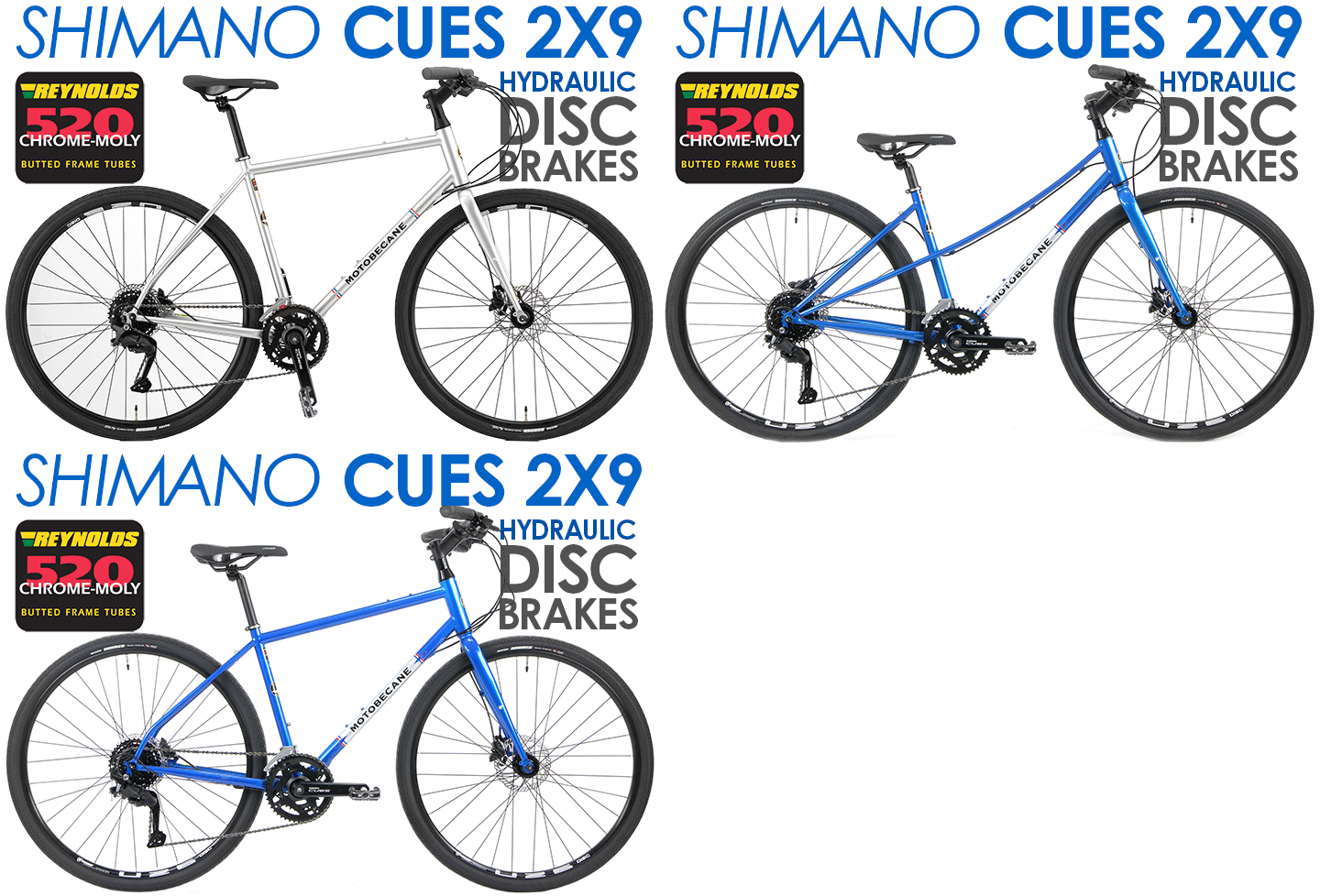
Flat-bar road bike with disc brakes and wider urban tires

Many riders assume a faster-looking bike is always better for commuting. In reality, the best commuter is usually the bike that keeps you comfortable and in control.

Hybrids and flat-bar commuters are easier to steer around obstacles, easier to outfit with racks and fenders, and generally better suited to stop-and-go riding. They also tend to accept wider tires, which is the simplest upgrade for rough pavement comfort.

A traditional fast setup can still work, but you often need to adapt it with wider tires, a more forgiving pressure choice, and a practical posture. If you are not excited about tuning and adapting, a purpose-built commuter is the easier route.

Small setup tweaks that help immediately

If your bike already feels harsh, you may not need a new bike right away.

Lower tire pressure slightly within safe limits.
Choose tougher tires if flats are a frequent issue.
Add ergonomic grips if your hands go numb.
Consider fenders if road grit is constantly hitting your drivetrain.

These changes help, but they cannot fully fix a bike that is fundamentally wrong for your streets. That is why picking the right platform matters.

Three models that handle potholes with less drama

Here are three options that are well suited to rougher pavement and real-world urban riding:

Stop fighting your streets

Steel flat-bar road bike with disc brakes and commuter-friendly geometry

City riding gets better when your bike matches reality. The right bikes for rough roads help you stay relaxed, roll over cracks without flinching, and keep your wheels and components happier over time. Comfort is not just about feeling nice. Comfort is what keeps you riding consistently.

We stock bikes designed for everyday riders who want a smoother, more confident ride on the streets they actually have. If you want guidance based on your route and your comfort goals, we can point you toward bikes for rough roads that make city miles feel easier.

Explore our categories including a road bike, a mountain bike, a gravel bike, a beach cruiser, a hybrid bike, or a fat bike. To get a quick recommendation for your local roads, please contact us.

The Best Bikes for People Who Haven’t Ridden in Years

If it has been years since your last ride, the first push-off can feel strange. That is normal. Balance returns quickly, but confidence comes faster when the bike feels stable, comfortable, and easy to control.

Choosing the best bike to start cycling again is less about speed and more about comfort, fit, and predictable handling. The goal is a first ride that feels welcoming, not intimidating. Many returning riders do well starting with a relaxed geometry and everyday features from our hybrid bike range, especially if they plan to ride roads, paths, and neighborhood streets.

What returning riders usually need most

A comfortable posture you can trust

An upright or semi-upright position improves visibility and makes steering feel calmer. It also reduces strain on the neck, shoulders, and hands. When you feel comfortable looking around, you feel more in control.

Easy starts and stops

Stop-and-go riding is where nervousness shows up first. A bike that feels stable at low speeds helps you relax. Step-through or low-step frames can also reduce awkward moments at intersections because getting on and off is simpler.

Tires that forgive imperfect roads

Wider tires cushion bumps and reduce the skittish feel you might remember from narrow tires. For a comeback bike, comfort is not luxury. Comfort is confidence.

Braking that feels predictable

You want brakes that feel smooth and steady, not grabby. A consistent braking feel helps you focus on riding instead of worrying about stopping.

Comfort features that matter in real life

It is easy to get distracted by components, but the most important comfort factors are simple.

Tire volume and pressure matter more than many new riders expect. A slightly wider tire at a sensible pressure can make a rough street feel dramatically calmer.

Saddle comfort matters, but it is not only padding. Saddle shape, position, and how the bike fits your hips are bigger factors than a thick cushion. A comfortable saddle should support you without forcing you to shift around constantly.

Touch points matter too. Grips that feel secure, bars that match your reach, and a stable stem setup make the whole bike feel composed.

If you are picking the best bike to start cycling again, prioritize comfort and stability first. You can always chase performance later.

Gearing that encourages you instead of overwhelming you

Returning riders often benefit from gearing that is simple to understand. You want a system that helps you manage small hills without thinking too hard.

If your rides are mostly flat, a simpler setup can be a relief. If you expect hills, you still do not need a confusing drivetrain. You need a range that supports your routes, with shifting that feels intuitive.

For some riders, the relaxed pace and simplicity of a beach cruiser can be exactly right, especially for neighborhood rides and paved paths. For others, a comfort hybrid with practical gearing is the sweet spot.

A short plan to rebuild confidence

Upright comfort bike with flat handlebars and stable hybrid frame

Start with rides that are so easy they feel almost too short. Ten to fifteen minutes is enough at first. Choose a calm loop where you can stop whenever you want.

On the second week, add time, not intensity. Extend to twenty minutes, then thirty. Your body will adapt quickly, and your comfort will grow faster when you keep early rides pleasant.

If something feels off, adjust fit before you assume you need a different bike. A small saddle height change can transform the ride.

Three friendly picks to get you rolling again

Here are three options that fit what many returning riders ask for:

  • The Windsor Dover X7 is a confidence-builder with a comfort-focused approach that suits riders who want stability right away.
  • The Windsor Rover 2 is a practical choice for easy cruising on streets and paths when you want a calm, everyday ride.
  • The Gravity Salty Dog is a relaxed option for riders who want a simple, comfortable style that feels approachable.

Make the comeback feel easy

Drop-bar bike with wider tires and disc brakes on a versatile frame

The best return-to-cycling story is the one where you finish the ride thinking, I can do that again tomorrow. The best bike to start cycling again is the one that removes barriers, not the one that tries to impress you on paper. Comfort, stability, and ease are what get you riding consistently.

We design our selection around real riders and real routes, so you can find a bike that makes the first ride back feel natural. If you tell us where you plan to ride and what you want to feel on the bike, we can help you choose the best bike to start cycling again without overthinking it.

You can also explore our broader lineup including a road bike, a mountain bike, a gravel bike, a beach cruiser, a hybrid bike, or a fat bike. For help choosing the right first-ride-back setup, please contact us.

Why Fewer Gears Often Make a Better Bike

Bike marketing loves big numbers. More gears, wider ranges, more options. But for everyday riders, the best riding experience is often the simplest one. The truth is that many people do not need a complicated drivetrain to enjoy cycling. They need a bike that feels intuitive the moment they roll away from the curb.

That is where simple bike gears come in. They reduce decision fatigue, cut down on adjustments, and make the bike feel consistent in stop-and-go riding. If you are comparing everyday options, it can be helpful to start by browsing our road bike section and noticing how often practical builds prioritize clarity over complexity.

More gears vs more usable range

A common misunderstanding is thinking gear count equals capability. In reality, what matters is usable range and how cleanly you can access it.

Many multi-gear setups include overlap. You shift a few clicks and end up in a gear that feels almost identical to the last one. On paper, that looks impressive. On the street, it can feel like noise.

Range is the real question. Do you need easier gears for hills and heavier loads, or do you ride mostly flat routes with steady speeds? Once you answer that, you can choose a drivetrain that supports your riding instead of distracting from it.

Why simpler drivetrains are easier to live with

Fewer parts to adjust

Every additional shifting component introduces alignment requirements. Cables stretch, housing compresses, and indexing drifts. With simple bike gears, there is less to drift. That translates into fewer frustrating moments where the bike sounds rough or refuses to shift cleanly.

Easier shifting decisions

Most daily riding happens in a narrow band of speeds. When you have a straightforward setup, shifting becomes a quick nudge, not a puzzle. You spend more attention looking ahead, reading traffic, and enjoying the ride.

Better reliability in messy conditions

Rain, grit, and road salt love exposed moving parts. Simpler setups are easier to keep clean, and they tend to tolerate neglect better. That matters for commuters and casual riders who are not interested in constant maintenance.

Cleaner look, quieter ride

A tidy drivetrain often feels quieter and more direct. The bike feels like one system instead of a collection of parts that all need attention.

Three drivetrain styles that keep life simple

Flat-bar road bike with a 1x drivetrain and compact urban frame

1) Single speed

Single speed bikes are refreshingly direct. You pedal, you go. For flatter cities and short commutes, the simplicity is hard to beat. There is very little to adjust, and the bike stays consistent for a long time.

2) One-by drivetrains

A one-by setup removes the front derailleur and keeps shifting focused on the rear. You get enough range for many routes, but fewer parts and fewer tuning points. For riders who like versatility without complexity, this is a strong middle ground.

3) Internal gearing

Internal gear hubs protect the shifting system inside the hub. That helps keep performance stable in wet weather and reduces upkeep. It is also friendly for riders who want shifting that stays predictable without constant tweaking.

When fewer gears is the smarter choice

If your riding looks like errands, commuting, fitness loops, or weekend coffee runs, a complicated drivetrain is rarely the difference-maker. Comfort, tire choice, and fit will matter more.

Simpler gearing shines when:

  • You ride mostly flat or gently rolling routes.
  • You store the bike outside sometimes.
  • You want to get on and go without thinking.
  • You prefer reliability over a spec-sheet trophy.

A simpler setup can still handle real terrain. The key is matching the range to your steepest hill, not to a marketing claim.

Three examples that keep shifting practical

Minimalist fixed-gear bike with straight handlebars and clean lines

Here are three bikes that illustrate the value of simplicity in different ways:

Less shifting, more riding

The best drivetrain is the one you actually enjoy using. For many riders, that means simple bike gears that feel natural in traffic and require less attention over time. When the bike is easy to operate, you ride more often because there is less friction between you and the road.

We focus on practical builds that deliver real value and straightforward ownership. If you are unsure whether a simpler setup fits your routes, we can help you compare options and pick a bike that matches your terrain and habits. In many cases, simple bike gears are the upgrade, even if the number on the spec sheet is smaller.

For more choices across riding styles, we carry options for a road bike, a mountain bike, a gravel bike, a beach cruiser, a hybrid bike, or a fat bike. If you want a quick, no-pressure recommendation, please contact us.

Bikes Built for People Who Hate Maintenance

Some bikes seem to demand constant tinkering, while others just work. For riders who prefer reliability over endless adjustments, low-maintenance bikes are a game-changer. Designed with practical features, these bikes allow you to focus on enjoying the ride, not repairing it.

Whether you’re commuting to work, exploring weekend trails, or cruising along the boardwalk, choosing the right low-maintenance bike reduces frustration and keeps cycling simple.

Features That Minimize Maintenance

Not all bikes are built the same. Several key features make a bike easier to care for:

  • Internal Gear Hubs: Unlike derailleurs that require frequent tuning, internal hubs stay protected from dirt and moisture.
  • Belt Drives: Replace traditional chains with belts that never rust and need little attention.
  • Disc Brakes: Hydraulic or mechanical disc brakes offer reliable stopping power without the frequent adjustments rim brakes demand.
  • Robust Tires: Wider tires with puncture-resistant layers prevent flats and reduce roadside repairs.

These design elements are becoming standard across categories like hybrid bikes, gravel bikes, and even beach cruisers, ensuring comfort and reliability without constant maintenance.

Why Hybrid Bikes Are Perfect for Minimal Upkeep

Hybrid bikes combine the best traits of road and commuter bikes. With durable frames, straightforward drivetrains, and comfortable ergonomics, they make daily rides smooth and dependable. Their versatility means you can handle paved streets, light gravel paths, or casual trails without worrying about frequent repairs.

Gravel Bikes: Adventure Without Worry

Gravel bike on a rocky path

Image filename: gravel-bike-durable-components.jpg
Alt-text:
Image Caption: Gravel bikes balance performance and reliability, making off-road adventures enjoyable with minimal upkeep.

For those who love adventure but dislike constant tinkering, gravel bikes offer a durable solution. Built for mixed surfaces and variable conditions, these bikes typically feature simple gearing systems and rugged components that tolerate dirt, rocks, and mud. Gravel bikes balance performance with dependability, making them ideal for riders who want versatility without the maintenance hassle.

Road Bikes That Stay in Shape

Even road bikes can be designed for low-maintenance reliability. Modern commuter road bikes often come with sealed bearings, minimal exposed chains, and durable wheels that reduce the need for frequent adjustments. This is perfect for cyclists who crave speed but not the constant tuning that traditional road racing bikes demand.

Mountain Bikes That Keep Up Without the Work

Mountain biking often conjures images of muddy trails and mechanical headaches. However, some mountain bikes now come with simplified drivetrains, robust suspensions, and durable wheelsets, making trail rides smoother with less upkeep. Oversized tires, wider rims, and high-quality components reduce the need for frequent maintenance even on rough terrain.

Fat Bikes: Extreme Comfort, Minimal Fuss

Fat bikes are designed for sand, snow, and broken terrain. While their wide tires get most attention for comfort, many models also feature low-maintenance components like belt drives and sealed hubs. This combination provides a smooth, reliable ride across harsh surfaces without constant tinkering.

Beach Cruisers: Simplicity Meets Relaxed Riding

For casual riders, beach cruisers remain the gold standard of low-maintenance design. Single-speed or internally geared setups, durable steel frames, and wide, cushioned tires make them easy to ride and easy to care for. They’re perfect for boardwalks, neighborhood streets, or short errands with minimal mechanical headaches.

Comparing Bikes Without Breaking a Sweat

When evaluating options, a straightforward price comparison can help you find bikes that deliver value and low upkeep. Consider drivetrain simplicity, brake type, and component durability alongside cost to identify models that save you time and money in the long run. Price comparison isn’t just about dollars, it’s about finding a bike that matches your lifestyle and minimizes maintenance stress.

The Bottom Line on Low-Maintenance Cycling

Choosing a low-maintenance bike allows you to ride more and worry less. From hybrid bikes to fat bikes, the right design choices reduce tune-ups, prevent mechanical failures, and make cycling a daily pleasure. Whether you’re commuting, adventuring, or enjoying a relaxed ride, reliable bikes ensure your focus stays on the journey.

Choosing the Right Bike for a Lifetime of Minimal Maintenance

Selecting a bike designed for long-term reliability doesn’t have to be complicated. The key is understanding which features reduce routine upkeep while still matching your riding style. For many riders, a well-chosen hybrid bike or gravel bike provides the perfect balance of performance and durability. Internal gear hubs, belt drives, and sealed components mean fewer adjustments and longer-lasting rides. For riders who spend more time on paved streets or light trails, a road bike with sealed bearings and robust wheels can offer both speed and low-maintenance reliability. Meanwhile, mountain bikes now come with simplified drivetrains and durable suspensions, letting you tackle trails confidently without constant tuning. Even for extreme conditions, fat bikes are built to absorb shocks from sand, snow, and rough terrain while keeping components protected from wear.

Fat bike

Casual riders shouldn’t be overlooked either. Beach cruisers remain a favorite because single-speed setups and sturdy frames create a predictable, low-maintenance experience. Wide, cushioned tires reduce the risk of flats and absorb road imperfections, making rides easy and comfortable. When evaluating bikes, don’t just look at price, consider a price comparison alongside durability and ease of care. A slightly higher upfront investment in low-maintenance features often pays off over years of reliable riding. By focusing on bikes that combine smart design with strong components, you can reduce time spent tinkering, avoid unexpected repairs, and enjoy every ride with confidence.

Beach cruiser bike on boardwalk, featuring wide tires and single-speed drivetrain

No matter your preferred riding style, choosing a bike built for low-maintenance performance ensures that your time is spent riding, not fixing. Prioritizing durability, simplicity, and reliability makes cycling more enjoyable for commuters, weekend adventurers, and casual riders alike.

Ready to Ride Without the Hassle?

Explore our full range of low-maintenance bikes designed for hassle-free riding:

Learn more about our story, read our FAQs, or contact us for personalized advice. Get your perfect, low-maintenance ride today and enjoy cycling without compromise.

How $349 Road Bikes Today Have Features That Used to Cost $1,000+

Five years ago, a performance-focused road bike with Shimano gearing, an aluminum frame, and aero wheelsets rarely dipped below $1,000 at many bike shops. Today, that same feature set is commonly found between $299 and $399 through factory-direct retailers.That shift changes the entire conversation around price comparison and true bike value for money.If you still think “cheap bike” means outdated components and heavy frames, the market has moved. Let’s break down exactly what you can expect in 2026 at entry-level pricing and why it is dramatically different from just a few seasons ago.

What $1,000 Used to Buy (And Why It Cost That Much)

In the early 2020s, a $1,000 road bike typically included:

  • Aluminum frame
  • Shimano drivetrain (entry or mid-tier)
  • Double-wall or semi-aero rims
  • Drop bars with integrated shifters
  • Comfort-oriented geometry for endurance riding

Those bikes were excellent but they reflected showroom overhead, local inventory costs, and bundled service pricing. When you did a full price comparison, much of the cost was not just parts. It was distribution layers.Today, centralized warehousing and factory-direct distribution compress those margins.The result is better specs per dollar.

What $349 Buys in 2026

Let’s look at what is currently available in the sub-$400 tier.A current aluminum road bike listing under $400 typically includes:

  • Lightweight 6061 aluminum frame
  • Shimano drivetrain components
  • Integrated brake/shift levers
  • Double-wall or aero-style rims
  • Endurance-focused geometry

Five years ago, that combination placed you in the $900 to $1,200 range at many retail stores.That is the core of modern bike value for money: component parity at half the historical price.

Aluminum Frames Are Now Standard

Entry-level bikes used to default to steel for cost reasons. Steel can ride comfortably, but aluminum is lighter and stiffer for climbing and acceleration.Today, aluminum is common even at $349. That dramatically changes ride feel:

  • Faster acceleration
  • Easier climbing
  • Lower overall weight
  • More responsive steering

When riders compare an older steel entry model to a modern aluminum road bike, the performance difference is noticeable.From a pure price comparison standpoint, frame material alone tells the story.

Shimano Gearing at Entry-Level Prices

Drivetrain reliability used to define price tiers. Shimano components were a clear dividing line between serious bikes and entry models.Now, Shimano gearing appears regularly in the sub-$400 range.

That means:

  • Consistent shifting
  • Proven durability
  • Easy parts availability
  • Familiar performance standards

This is not boutique racing equipment but it is dependable hardware that supports real training miles, commuting, and fitness riding.For buyers focused on bike value for money, drivetrain quality is one of the most important factors to evaluate.

Aero Rims and Modern Wheelsets

Wheels used to be an obvious cost-cutting area under $800.Now, entry-level listings often include:

  • Double-wall rims
  • Semi-aero rim profiles
  • Durable hubs
  • Wider tires for comfort

These upgrades improve ride efficiency and stability. They also make modern bikes look and feel like models that once lived in the four-figure range.A proper price comparison should account for wheels not just frame and gearing.

Steel frame road bike with drop bars displayed on pavement

Comfort Geometry Isn’t Just for Expensive Bikes

High stack, balanced reach, and relaxed endurance geometry used to be marketed as premium comfort.Today, that geometry trickles down to entry price tiers.That means newer riders do not have to sacrifice comfort for affordability. A modern road bike under $400 can support:

  • Fitness training
  • Weekend group rides
  • Commuting
  • Charity events

That redefines what budget means.

It’s Not Just Road Bikes

This pricing shift is not limited to drop-bar bikes.Factory-direct distribution has impacted multiple categories:

  • The modern hybrid bike now offers aluminum frames and disc brakes at historically low prices
  • A capable mountain bike with front suspension and trail-ready geometry costs far less than it did five years ago
  • Entry-level gravel bike models now include clearance for wider tires and versatile gearing without crossing $1,000
  • Even specialty categories like the fat bike have become more affordable thanks to volume production
  • Casual riders shopping for a beach cruiser benefit from the same streamlined pricing model

Across segments, the formula is the same: remove middle layers, increase production volume, pass savings on.

Lightweight hybrid bike

Why the Numbers Shifted

Three structural changes explain the difference:

1. Factory-direct pricing
Eliminating traditional retail distribution compresses margins

2. Centralized inventory
Lower overhead compared to multiple storefront locations

3. Volume purchasing
Bulk component buying lowers per-unit costs

When riders conduct a serious price comparison, the gap becomes clear. You are often comparing different business models not just bikes.

What This Means for New Riders

If you are entering cycling in 2026, you are benefiting from a dramatically improved baseline.For under $400, you can realistically expect:

  • Aluminum frame
  • Shimano shifting
  • Modern wheelsets
  • Comfort geometry
  • Real upgrade potential

That combination supports genuine training progress, not just casual rides.The key is evaluating total cost:

  • Shipping
  • Assembly (DIY vs local shop)
  • Accessories

Once you account for those, the overall bike value for money remains compelling.

Gravel bike.

A Smarter Way to Compare in 2026

Before deciding, run this quick checklist:

  1. Frame material
  2. Drivetrain brand
  3. Wheel quality
  4. Geometry fit
  5. Total out-the-door cost

Then perform a direct price comparison with similarly spec’d bikes elsewhere.You will often find that what once required $1,000 now lives comfortably at $349.That is not marketing language. That is supply-chain math.

Rethinking “Cheap Bikes”

The phrase “cheap bike” used to imply compromise.Today, it often means efficient distribution.When a $349 road bike offers aluminum construction, Shimano gearing, and aero-style wheels, the old pricing benchmarks no longer apply.

Explore our full range of bikes:

Learn more about our story, read our FAQs, or contact us for personalized advice. Ready to see what $349 buys today? Compare specs, review details, and ride smarter