
Disc Brakes vs Rim Brakes: Which Is Better for Your Bike?

Cycling technology evolves constantly, but few debates remain as persistent as disc brakes vs rim brakes. Both braking systems have decades of real-world use behind them, and both continue to appear on modern bikes across multiple categories—from entry-level commuters to high-performance racing machines.

For riders trying to choose the right bike, understanding braking systems is essential. Brakes directly affect control, safety, riding confidence, and maintenance requirements. A braking system that works well for one rider may not be ideal for another, depending on terrain, riding style, and the type of bicycle involved.

Today, you will find disc brakes and rim brakes across many bicycle categories, including the hybrid bike, gravel bike, road bike, fat bike, beach cruiser, and mountain bike. Each system offers advantages and trade-offs that influence how the bike behaves in real-world riding conditions.

This guide explores both braking systems in depth. Instead of oversimplifying the comparison, we will examine how each system works, where it performs best, how it affects bike design, and what riders should realistically expect over time.

By the end, you will have a clear understanding of which braking system makes the most sense for your riding needs.

Understanding How Bicycle Braking Systems Work

Before comparing disc brakes vs rim brakes, it helps to understand how each system generates stopping power.

Bicycle braking works through friction. When the rider pulls a brake lever, force is transmitted through a cable or hydraulic line that presses brake pads against a rotating surface. That friction slows the wheel until the bike stops.

The key difference between braking systems lies in where that friction is applied.

Rim Brake Operation

Rim brakes apply braking force directly to the outer rim of the wheel. When the rider pulls the brake lever, two brake pads squeeze the metal rim from both sides.

Because the rim itself becomes the braking surface, the wheel plays a direct role in the braking system. This design has been used for decades and remains common on many road bikes, hybrid bikes, and beach cruisers.

Common types of rim brakes include:

  • Caliper brakes (common on road bikes)
  • V-brakes or linear pull brakes (common on mountain bikes and hybrids)
  • Cantilever brakes (historically common on cyclocross and touring bikes)

The system is mechanically simple and easy to maintain, which has helped it remain relevant even as disc brakes become more common.

Disc Brake Operation

Disc brakes work differently. Instead of using the wheel rim as the braking surface, a separate metal rotor attached to the wheel hub provides the braking surface.

When the rider pulls the brake lever, brake pads clamp onto the rotor mounted near the center of the wheel.

This design separates braking performance from the wheel rim, allowing manufacturers to optimize both components independently.

Disc brakes are now widely used across:

  • Mountain bikes
  • Gravel bikes
  • Fat bikes
  • Hybrid bikes
  • Increasingly on modern road bikes

Disc brake systems are available in two types:

  • Mechanical disc brakes, which use cables
  • Hydraulic disc brakes, which use fluid for stronger and more consistent braking

Each system has advantages that influence where it performs best.
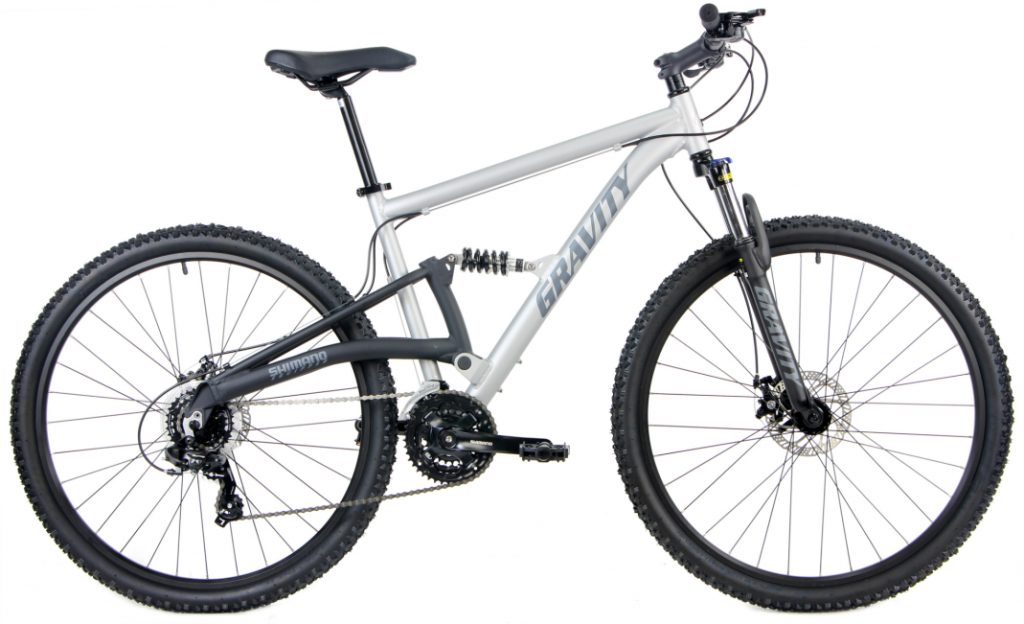
Full suspension mountain bike with hydraulic disc brakes built for trail riding and rough terrain

Stopping Power: How Much Braking Force Do You Really Need?

One of the most commonly discussed aspects of disc brakes vs rim brakes is stopping power.

Many riders assume that stronger braking automatically means better braking, but the reality is more nuanced. Braking performance depends on control, consistency, and modulation, not simply maximum force.

Rim Brake Stopping Performance

Rim brakes can generate significant stopping power under normal riding conditions.

On lightweight road bikes and hybrid bikes, rim brakes often provide more than enough braking force for everyday riding. Because the braking surface is large and positioned far from the wheel hub, rim brakes can generate strong stopping leverage.

For riders on paved surfaces and moderate terrain, rim brakes often feel responsive and predictable.

However, rim brakes do have limitations. Performance can decrease in situations where the rim surface becomes contaminated with water, dirt, or debris.

Disc Brake Stopping Performance

Disc brakes excel in consistent braking across varying conditions.

Because the rotor sits near the hub and is isolated from the ground surface, it stays cleaner and more protected than the rim. This helps maintain consistent braking performance in rain, mud, and dust.

For bikes that frequently encounter rough conditions—such as a mountain bike, gravel bike, or fat bike—disc brakes provide a noticeable advantage.

Hydraulic disc brakes also provide superior modulation, meaning riders can precisely control braking pressure instead of abruptly locking the wheel.

For technical riding situations, this extra control significantly improves safety and confidence.
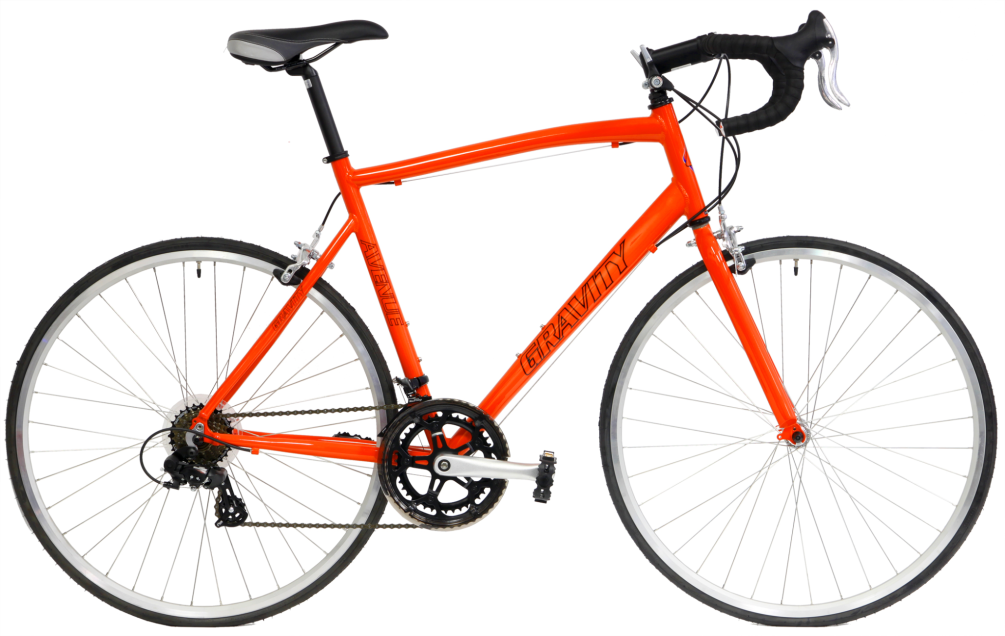
Bright orange road bike with a lightweight frame and traditional rim braking system

Performance in Wet and Dirty Conditions

Braking performance in bad weather is often where the differences between systems become most obvious.

Rim Brakes in Wet Weather

When riding in rain or through puddles, water coats the rim surface. Before braking begins effectively, the brake pads must first wipe water off the rim.

This creates a short delay in braking performance.

On road bikes used primarily in dry conditions, this delay may not be noticeable. However, riders who frequently ride in rain or muddy environments may find the performance less consistent.

In extremely muddy conditions, debris can accumulate on the rim, accelerating rim wear and reducing braking efficiency.

Disc Brakes in Wet Conditions

Disc brakes perform far better in wet or dirty environments.

Because the rotor sits closer to the center of the wheel and farther away from ground spray, it remains cleaner during rides.

This is particularly important for bikes designed for rough terrain:

  • Mountain bikes frequently encounter mud and dust.
  • Gravel bikes often ride on dirt roads and loose surfaces.
  • Fat bikes are commonly used on sand or snow.

In these situations, disc brakes maintain reliable stopping power even when conditions deteriorate.
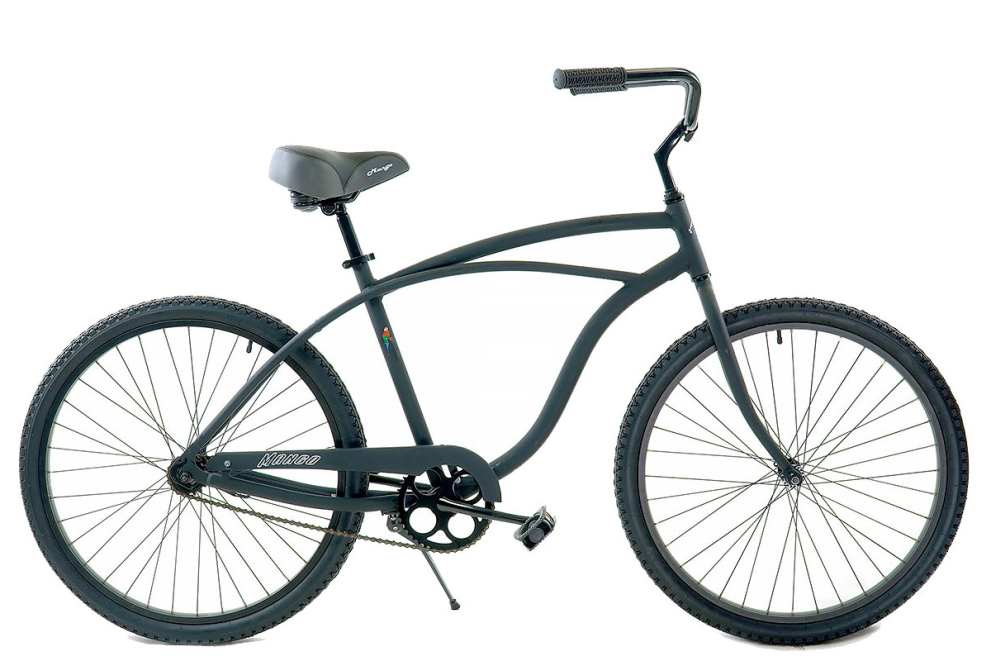
Black beach cruiser bicycle with wide tires designed for relaxed riding on pavement or boardwalks

Heat Management and Long Descents

Braking generates heat. During extended downhill riding, the braking system must dissipate that heat effectively to avoid performance loss.

Rim Brake Heat Characteristics

With rim brakes, the wheel rim absorbs the heat generated by braking.

On moderate terrain, this works well. However, during long mountain descents, rim heating can become a concern.

Excessive heat can lead to:

  • Reduced braking performance
  • Tire pressure changes
  • Rim wear over time

This is one reason many modern mountain bikes and gravel bikes use disc brakes instead.

Disc Brake Heat Management

Disc brakes manage heat differently. The rotor absorbs and dissipates heat without affecting the wheel rim.

Because rotors are designed specifically for braking, they can handle higher temperatures more efficiently.

This improves performance during long descents and aggressive riding situations. For riders tackling steep hills or off-road terrain, disc brakes provide more reliable thermal performance.
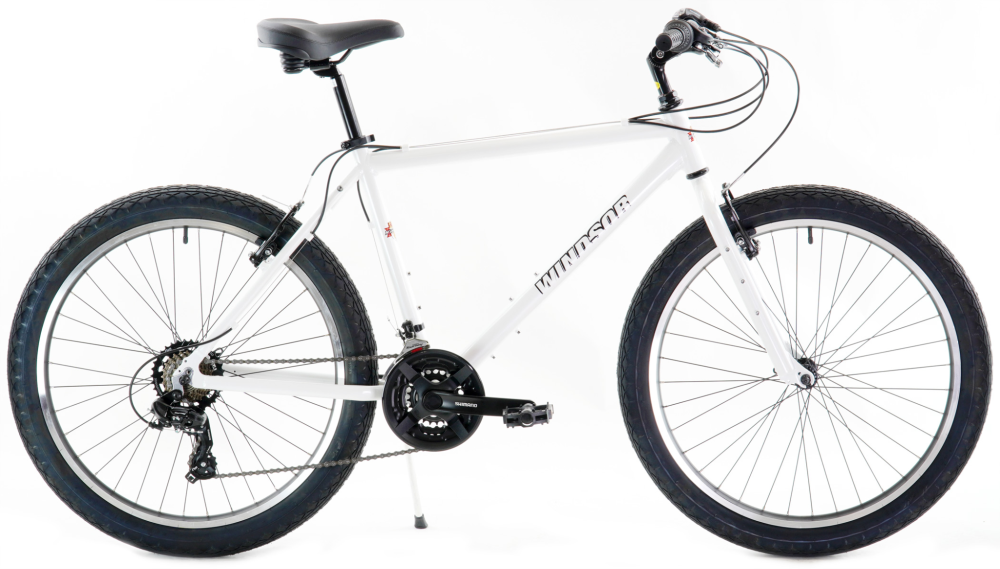
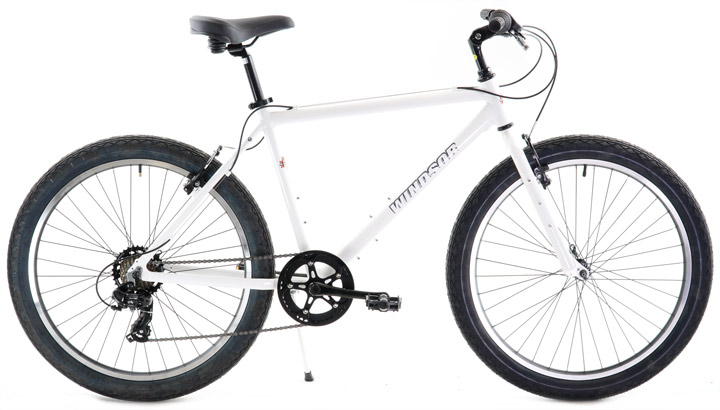
White comfort bike with upright handlebars and rim brakes built for casual neighborhood rides

Maintenance and Ease of Repair

Maintenance requirements also play an important role when comparing disc brakes vs rim brakes.

Rim Brake Maintenance

Rim brakes are known for their simplicity and accessibility.

Maintenance typically includes:

  • Replacing brake pads
  • Adjusting cable tension
  • Aligning brake arms

Most riders can learn to perform these tasks with minimal tools and basic mechanical knowledge.

Replacement parts are inexpensive, and repairs can often be completed quickly.

This simplicity makes rim brakes attractive for commuter bikes, beach cruisers, and budget-friendly hybrid bikes.

Disc Brake Maintenance

Disc brakes require slightly more attention, especially hydraulic systems.

Common maintenance tasks include:

  • Replacing brake pads
  • Aligning calipers
  • Bleeding hydraulic lines (for hydraulic systems)

While these tasks are manageable, they often require specialized tools and knowledge.

However, disc brake pads generally last longer because they are less exposed to debris compared to rim brake pads.

Over time, the maintenance difference between systems tends to balance out.
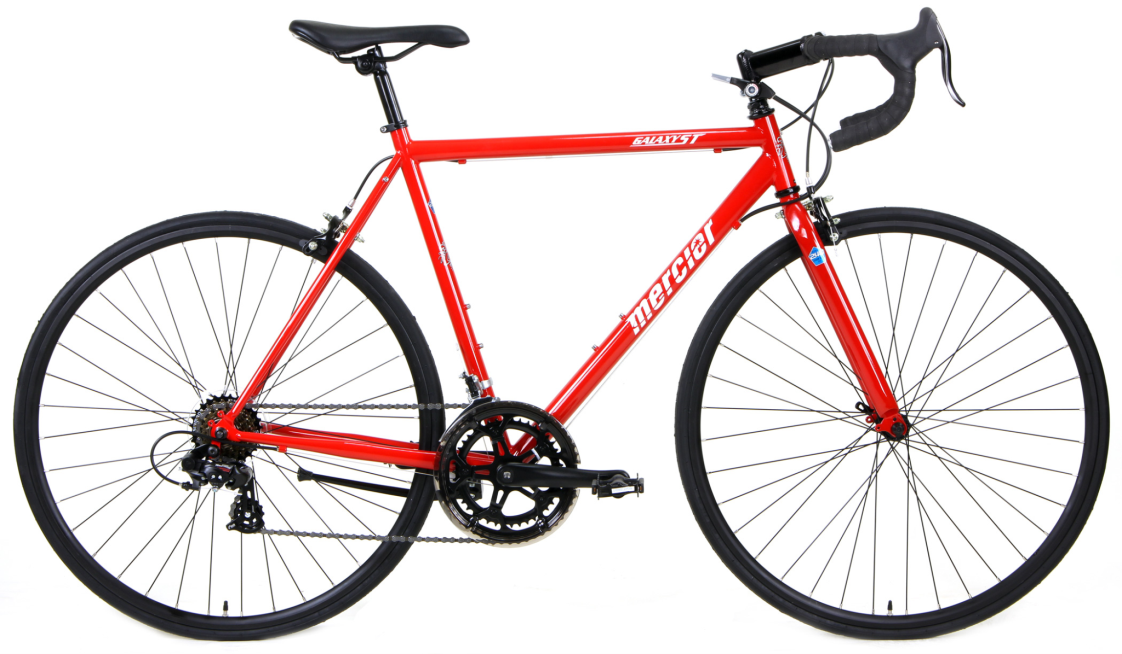
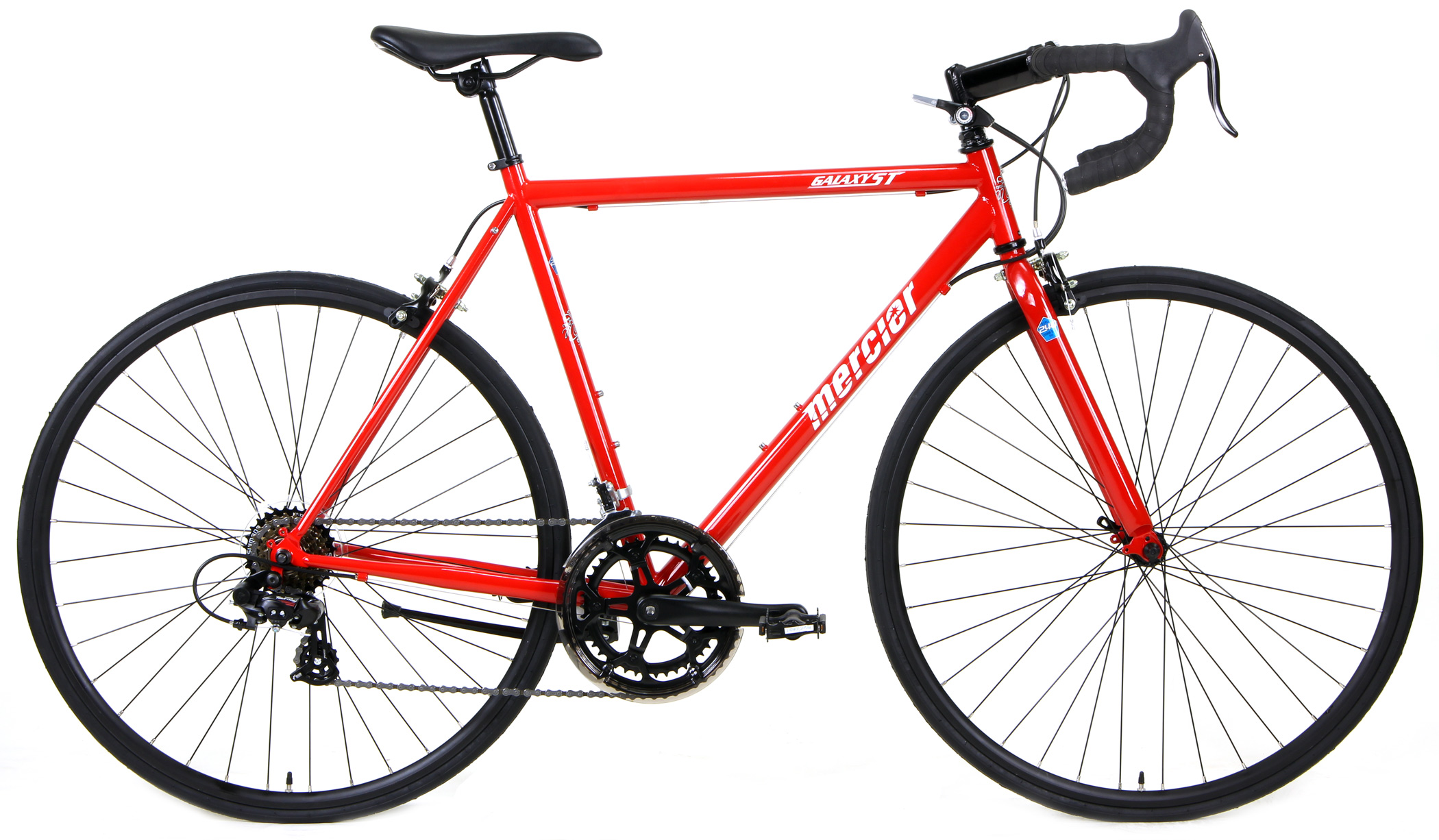
Red Mercier Galaxy road bicycle with slim tires and classic rim brake configuration

Wheel Durability and Long-Term Wear

Another important factor in the disc brakes vs rim brakes discussion is how each system affects wheel durability.

Rim Brake Wheel Wear

Because rim brakes press directly on the wheel rim, braking gradually wears the rim surface down.

Over many thousands of miles, this wear can eventually weaken the rim structure. Riders who frequently ride in gritty or muddy environments may see faster rim wear.

This is particularly relevant for riders who log high mileage on road bikes or hybrid bikes.

Eventually, the wheel rim must be replaced when the braking surface becomes too thin.

Disc Brake Wheel Longevity

Disc brakes remove this issue entirely because the braking surface is separate from the wheel.

The rotor absorbs braking wear instead of the rim.

This means the wheel itself lasts longer, especially in harsh environments such as off-road riding or winter commuting.

For riders who prioritize durability and long-term reliability, disc brakes offer a meaningful advantage.

Weight and Simplicity

Weight used to be one of the biggest arguments in favor of rim brakes.

Rim Brake Weight Advantage

Traditional rim brake systems are lighter and mechanically simpler.

Because they do not require rotors, calipers, and reinforced frames, rim brake bikes historically weighed less.

This mattered especially for competitive road bike riders, where every gram mattered.

However, advances in materials and design have reduced the weight difference significantly in modern bikes.

Disc Brake Weight Considerations

Disc brake systems add several components:

  • Rotors
  • Calipers
  • Hydraulic lines or cables
  • Reinforced frame and fork mounts

These additions slightly increase overall weight.

For everyday riders, the weight difference is usually negligible. The additional control and braking consistency often outweigh the small increase in mass.
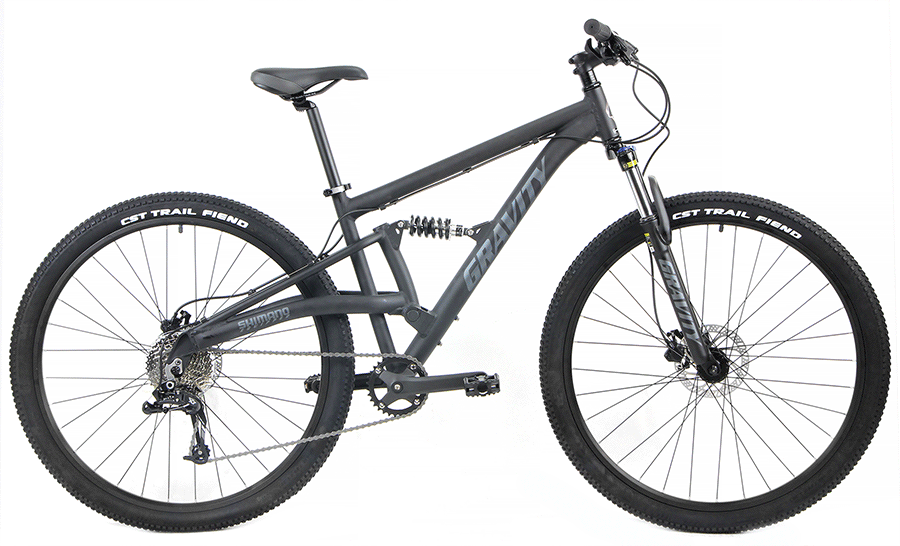
 Black full suspension trail mountain bike equipped with disc brakes for aggressive off-road riding

How Different Bike Types Use Each Brake System

The braking system used often reflects how a bike is intended to be ridden.

Road Bike

Traditional road bikes historically relied on rim brakes because of their simplicity and low weight.

However, many modern road bikes now use disc brakes to provide better braking control during high-speed descents and wet-weather riding.

Mountain Bike

A mountain bike almost always uses disc brakes today.

The terrain demands powerful and consistent braking across mud, rocks, and steep descents.

Gravel Bike

A gravel bike is designed for mixed terrain, including dirt roads and rough pavement. Disc brakes dominate this category because they handle variable conditions far better.

Hybrid Bike

The hybrid bike sits between road and mountain bikes. Many entry-level hybrids still use rim brakes for affordability, while higher-end models often use disc brakes for improved control.

Fat Bike

A fat bike is designed for snow, sand, and loose terrain. Disc brakes are standard here because rim brakes would struggle in such environments.

Beach Cruiser

A beach cruiser often uses simple braking systems such as coaster brakes or rim brakes. These bikes prioritize relaxed riding rather than aggressive stopping power.

Cost Differences Between Brake Systems

Cost can also influence the decision between disc brakes vs rim brakes.

Rim Brake Cost

Rim brake systems are generally less expensive.

Because the design is simpler and parts are widely available, rim brake bikes often cost less at entry-level price points.

This makes them attractive for budget-conscious riders looking for dependable transportation or recreational bikes.

Disc Brake Cost

Disc brake systems increase the manufacturing complexity of the bike.

Frames and forks require reinforcement to support the braking forces, and additional components increase overall cost.

However, as disc brakes become more common across the industry, price differences have become smaller.

Many affordable bikes now include mechanical disc brakes without dramatically increasing cost.

Which Brake System Should You Choose?

Choosing between disc brakes and rim brakes depends on how and where you ride.

Rim brakes work well for riders who:

  • Ride mostly on paved roads
  • Prefer simple maintenance
  • Want a lightweight bike
  • Ride in mostly dry conditions

Disc brakes work best for riders who:

  • Ride off-road or mixed terrain
  • Frequently ride in wet conditions
  • Descend steep hills regularly
  • Want consistent braking performance

Both systems remain viable options depending on riding style and priorities.

Finding the Right Bike for Your Riding Style

When choosing a bike, the braking system is only one piece of the puzzle. Frame geometry, tire clearance, drive train quality, and comfort features all influence how enjoyable the bike will be over time.

At BikesDirect, we focus on helping riders find high-quality bikes with practical components at exceptional value. Our selection includes everything from beginner-friendly hybrid bikes and beach cruisers to performance-focused road bikes, gravel bikes, fat bikes, and mountain bikes.

Because we sell bikes direct from the factory, riders can often access better components and stronger specifications for the same budget compared to traditional retail models.

If you’re exploring your next bike and trying to decide which braking system fits your riding style, browsing real-world bike categories can make the decision easier.

Explore our selection of road, gravel, hybrid, and mountain bikes and see how different braking systems pair with different riding styles.

The right bike should feel comfortable, capable, and ready for the way you actually ride.
Disc Brakes for Everyday Cyclists: What Actually Matters

The ride usually starts the same way. You roll out early, the pavement still damp from last night’s rain, traffic just beginning to wake up. A car slows suddenly ahead, a corner tightens more than expected, or a hill drops away faster than planned. In those moments, braking isn’t theoretical—it’s personal. That’s where the conversation around disc brakes on bikes becomes less about trends and more about trust.

For everyday cyclists, disc brakes aren’t about downhill racing or extreme terrain. They’re about consistency, confidence, and knowing your bike will respond the same way every single time, regardless of weather, speed, or load. Understanding what actually matters helps riders decide whether disc brakes make sense for their daily riding style.

Why Braking Matters More Than You Think

Most riders focus on frames, gears, and tires first. Brakes often come last—until they’re needed. Good brakes disappear into the background. Bad brakes demand attention at the worst possible moments.

Disc brakes changed everyday cycling because they deliver predictable stopping power. Instead of relying on rim contact, they clamp a rotor near the hub, away from road grime and water. That design difference reshapes how bikes behave in real-world conditions, not just ideal ones.

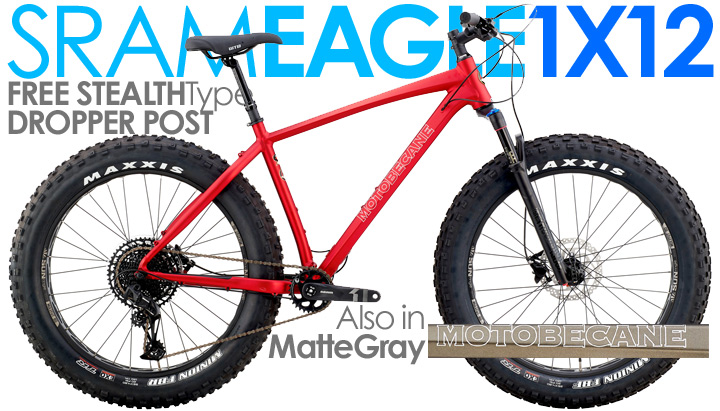
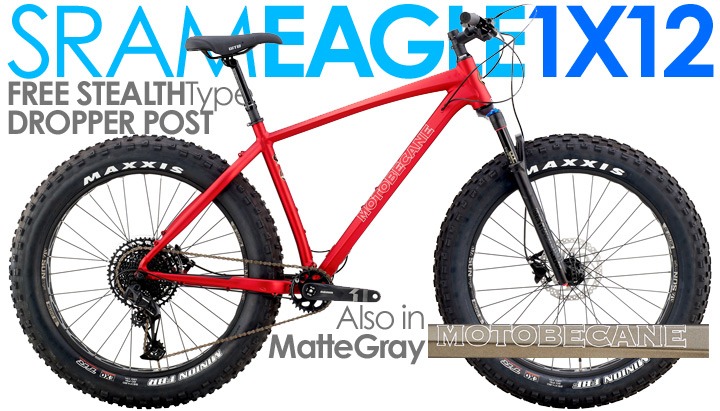
Fat bike with disc brakes designed for stable, controlled braking on sand, snow, and uneven terrain

Consistency Is the Real Advantage

The biggest benefit of disc brakes on bikes isn’t raw stopping power. It’s consistency. Whether you’re riding dry pavement, wet roads, or gritty city streets, disc brakes perform the same way. That reliability reduces mental load. You stop thinking about whether your brakes will work and focus on the ride itself.

This matters enormously on a hybrid bike used for commuting or fitness riding. Traffic, intersections, and changing surfaces demand predictable braking. Disc brakes deliver that predictability without requiring perfect conditions.

Wet Weather Confidence Changes Everything

Rim brakes lose efficiency when rims get wet. Riders feel the delay immediately. Disc brakes don’t suffer the same drawback. Because the rotor stays cleaner and dries faster, braking response remains immediate.

For riders on a gravel bike, wet-weather performance is a game-changer. Gravel riding often means dust one minute and puddles the next. Disc brakes keep braking smoothly and controlled, even when surfaces change mid-ride.

Low Maintenance for Real Life Riding

Daily cyclists don’t want complicated upkeep. Disc brakes simplify maintenance in ways many riders don’t realize. Rim brakes wear down rims over time, gradually compromising wheel lifespan. Disc brakes remove that wear entirely.

Brake pads are easy to replace, and rotors last a long time under normal use. Cable-actuated mechanical disc brakes, common on value-focused bikes, offer straightforward adjustments without specialized tools. For everyday riders, that translates to fewer surprises and longer component life.

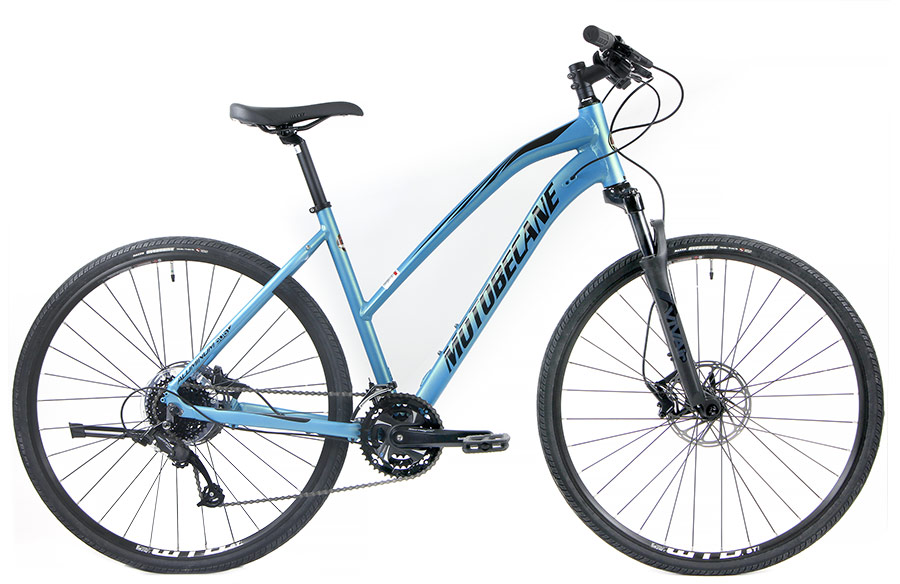
Step-through hybrid bike with disc brakes built for safe, low-maintenance daily commuting

How Disc Brakes Fit Different Bike Styles

Disc brakes aren’t limited to one category. They’ve become common across nearly every type of bike because their advantages scale with riding conditions.

On a road bike, disc brakes offer controlled braking at higher speeds, especially on descents. Riders gain confidence knowing braking performance won’t fade during long rides or sudden weather changes.

A mountain bike almost demands disc brakes. Dirt, mud, and uneven terrain overwhelm rim brakes quickly. Disc brakes maintain modulation and power where it matters most.

Even relaxed categories benefit. A beach cruiser ridden near coastal environments faces moisture and corrosion. Disc brakes resist those elements better, keeping braking reliable with minimal attention.

For extreme conditions, a fat bike relies on disc brakes to manage oversized tires and loose surfaces like snow or sand. Rim brakes simply can’t deliver consistent performance in those environments.

Mechanical vs Hydraulic: What Everyday Riders Should Know

Hydraulic disc brakes often dominate discussions, but mechanical disc brakes deserve credit. Mechanical systems use cables instead of fluid, making them easier to service and adjust. For many everyday cyclists, that simplicity outweighs the slight performance difference.

Hydraulic brakes offer smoother modulation and a lighter lever feel, but they also introduce complexity. Daily riders who prioritize reliability and easy maintenance often find mechanical disc brakes strike the right balance.

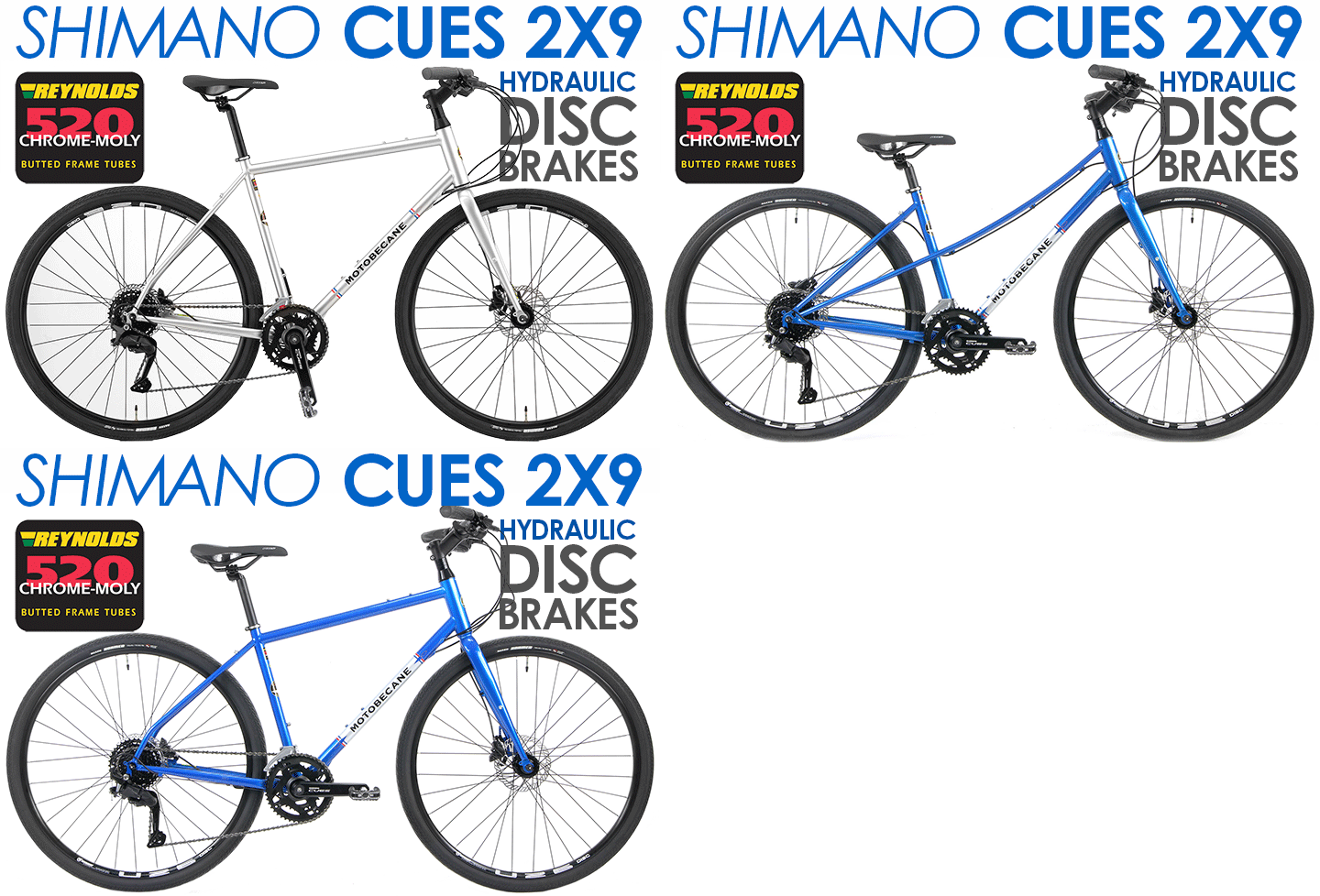
Commuter bike with hydraulic disc brakes providing dependable stopping power and reduced maintenance

Weight Isn’t the Dealbreaker It Once Was

Some riders hesitate because disc brakes add weight. While true in theory, the difference is small in practice. Modern disc-equipped bikes offset weight through improved frame design and components.

For everyday riding, that slight weight increase rarely matters. What matters more is control, especially when carrying bags, riding in traffic, or navigating unpredictable surfaces. Disc brakes deliver control without demanding athletic tradeoffs.

Rim Brakes Still Work—But Context Matters

Rim brakes haven’t disappeared because they’re bad. They remain effective in dry conditions and on lighter bikes. For riders who ride occasionally, avoid wet weather, and prefer simplicity, rim brakes still function well.

The shift toward disc brakes reflects changing riding habits. More people ride year-round, commute in mixed conditions, and expect consistent performance without constant adjustment. In that context, disc brakes simply make sense.

Disc brakes aren’t about pushing limits. They’re about removing uncertainty. For daily riders, that reliability transforms how a bike feels and how often it gets used. When brakes work the same way every time, riding becomes easier, safer, and more enjoyable.

Ready to Ride With Confidence?

Choose a bike that stops as confidently as it rolls. At Bikesdirect.com, you’ll find disc brake–equipped bikes across road, hybrid, gravel, mountain, and more—built for real-world riding, not ideal conditions. Ride through traffic, weather changes, and everyday challenges knowing your brakes respond instantly and predictably. Explore options that prioritize safety, consistency, and low maintenance so every ride feels smoother, calmer, and more controlled from start to stop.

The Benefits of Disc Brakes Over Rim Brakes for Every Rider

Upgrade your cycling experience with disc-equipped bikes from BikesDirect.com. Offering stronger stopping power, better control, and reliable performance in all weather conditions, disc systems provide confidence and safety on every ride. Perfect for road, mountain, gravel, and hybrid bikes, they deliver smooth handling and consistent braking across any terrain.

The Benefits of Disc Brakes Over Rim Brakes for Every Rider

The Benefits of Disc Brakes Over Rim Brakes for Every Rider

Picture this: you’re descending a winding mountain road, the air rushing past as your speed builds. Suddenly, a sharp turn appears. You squeeze your brakes, and in that split second, the difference between disc brakes and rim brakes becomes clear.

One delivers precise, confident stopping power regardless of the weather or terrain, while the other can leave you second-guessing. This moment of truth is why disc brakes are no longer reserved for professional cyclists—they are fast becoming the standard across modern road bikes, gravel bikes, mountainbikes, fat bikes, hybrid bikes, and even stylish beach cruisers.

In this article, we’ll explore why disc brakes are transforming cycling, what makes them superior to rim brakes in performance and reliability, and how they are shaping the future of Bikesdirect’s lineup.

A Quick Look at How Brakes Work

For decades, rim brakes ruled the cycling world. Simple and lightweight, they apply friction directly to the wheel’s rim to slow down the bike. For everyday use, rim brakes did the job, which is why they dominated road bikes and commuter bikes for years.

Disc brakes, however, take their cue from the motorcycle industry. Instead of relying on the rim, a disc rotor is mounted to the hub, and calipers clamp onto it to create braking force. This design moves the braking surface away from road grime, water, and mud, which immediately improves consistency and reliability.

Mercier road bike in red with a lightweight frame and rim brake setup

Why Disc Brakes Offer Superior Stopping Power

The biggest advantage of disc brakes is stopping power. Riders who switch often remark on how much more control they feel, especially at higher speeds or in wet conditions. Whether you’re descending an alpine pass on a road bike or navigating loose gravel trails, disc brakes allow you to stop faster and with less force at the lever.

This added power is especially noticeable for riders who carry extra weight, such as commuters with panniers or adventurers loading up a gravel bike for bikepacking. With rim brakes, heavy loads can strain braking performance, while disc brakes maintain consistent stopping efficiency.

All-Weather Performance: Rain, Mud, and Beyond

If you’ve ever tried to brake in the rain with rim brakes, you know the unnerving delay before the pads bite into the wet rim. That lag can feel like an eternity. Disc brakes eliminate this issue because the braking surface is higher up, away from splashes, and designed to clear water quickly.

On a mountain bike or fat bike, this difference is even more important. Mud, snow, and grit wreak havoc on rims, but discs keep working regardless of what the trail throws at you. That’s why riders in diverse climates—from snowy Minnesota winters to sandy Florida trails—see disc brakes as a must-have, not a luxury.

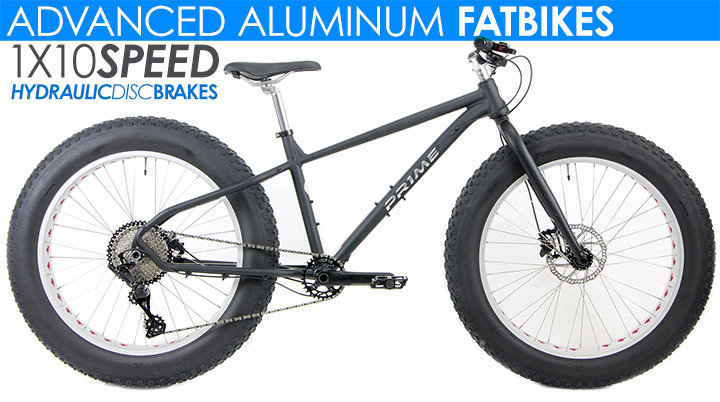
Prime aluminum fat bike with hydraulic disc brakes and wide tires

Control and Modulation: It’s Not Just About Power

Braking isn’t only about raw stopping force—it’s also about control. Rim brakes tend to feel more “all or nothing,” while disc brakes excel in modulation. This means you can feather your brakes to apply just the right amount of force, whether you’re slowing gradually or making an emergency stop.

Cyclists on gravel bikes especially appreciate this finesse. Loose gravel demands subtle braking inputs, and discs provide the fine-tuned control needed to stay upright. Similarly, on technical descents, mountain bike riders can modulate speed without locking up the wheels, leading to smoother and safer rides.

Maintenance: Rim Wear vs Rotor Longevity

One often overlooked advantage of disc brakes is how they protect your wheels. With rim brakes, every stop slowly wears down the rim’s braking surface. Over time, this can lead to costly wheel replacements. Disc brakes, on the other hand, use replaceable rotors. Not only are these cheaper to replace than rims, but they also last longer when maintained properly.

For the everyday rider on a hybrid bike or beach cruiser, this translates to fewer long-term expenses and more reliable performance. And for competitive cyclists, it means preserving expensive carbon rims from unnecessary wear.

Weight and Cost: Are Rim Brakes Still Relevant?

Of course, rim brakes still have their place. They’re lighter, cheaper, and simpler to maintain, which appeals to certain riders. If you’re racing in dry conditions on a lightweight road bike, rim brakes can shave precious grams and still perform adequately.

However, the industry trend is clear: disc brakes are now standard on almost all high-end road bikes, gravel bikes, and mountain bikes. Even fat bikes and hybrid bikes are increasingly disc-equipped. The slight weight penalty and extra cost are more than offset by the safety, performance, and durability benefits.

Disc Brakes Across Bike Categories

At Bikesdirect, the shift toward disc brakes is evident in nearly every category.

  • On road bikes, disc brakes provide the confidence to descend at speed and stop reliably in unpredictable city traffic.
  • On gravel bikes, they’re essential for managing variable terrain and long-distance endurance rides.
  • On mountain bikes, discs are the gold standard for tackling steep, technical trails.
  • On fat bikes, they handle snow, sand, and mud with ease.
  • Even hybrid bikes and beach cruisers are adopting disc setups, offering casual riders and commuters the same safety and control once reserved for elite athletes.

This universal adoption underscores one point: disc brakes are no longer just an upgrade—they’re the expectation.

Conclusion: Why Disc Brakes Make Sense for Every Rider

At the end of the day, cycling is about freedom, and that freedom feels best when it’s paired with safety and control. Disc brakes deliver both. They make steep descents less intimidating, wet commutes more predictable, and off-road exploration more exciting. While rim brakes still have a niche, the overwhelming trend in performance, reliability, and long-term value makes disc brakes the smarter choice for most riders.

If you’re ready to experience the difference, explore the growing lineup of disc-equipped road bikes, gravel bikes, mountain bikes, fat bikes, hybrid bikes, and even beach cruisers at Bikesdirect. The ride ahead will feel smoother, safer, and far more rewarding.

Now is the time to upgrade your ride. Don’t settle for outdated braking systems that limit your control and confidence. At Bikesdirect, you’ll find incredible deals on disc-equipped road bikes, gravel bikes, mountain bikes, fat bikes, hybrid bikes, and beach cruiser designed to perform in every condition. Explore the options, compare models, and see how much better your ride can be when you choose the braking technology that’s shaping the future of cycling.