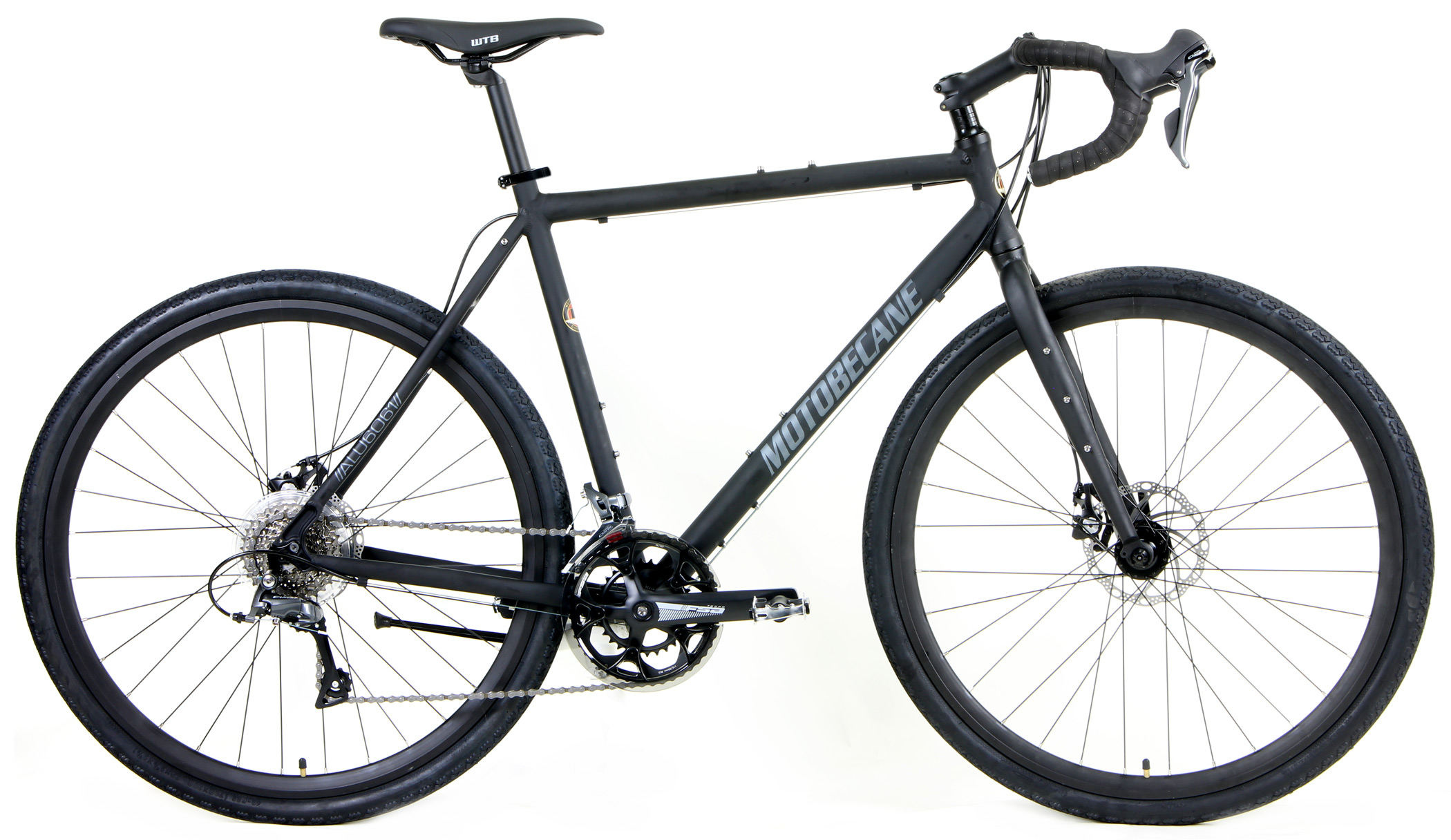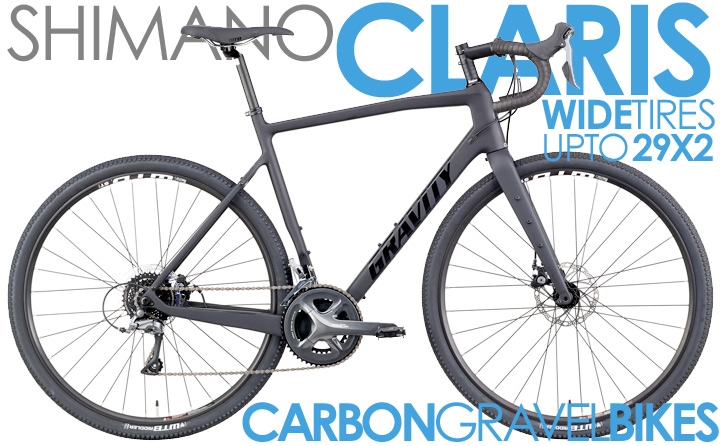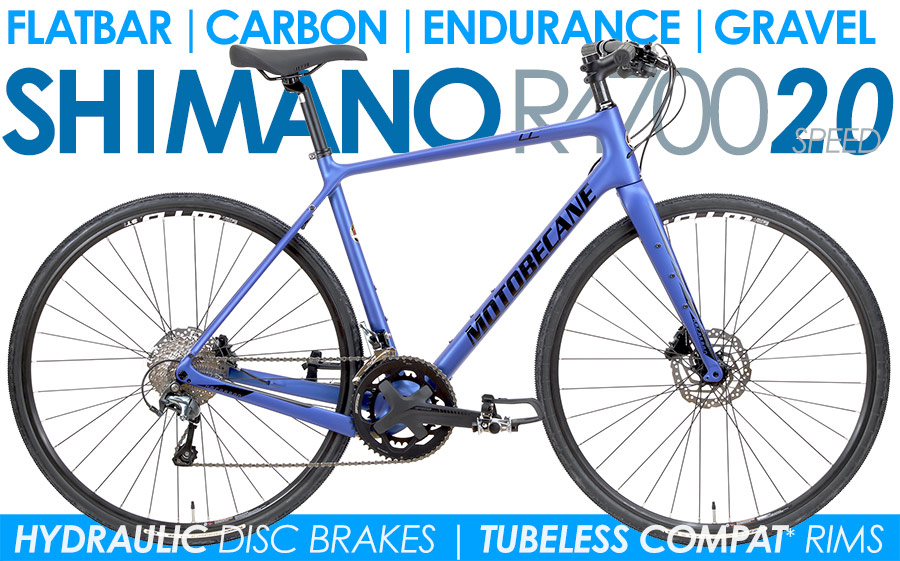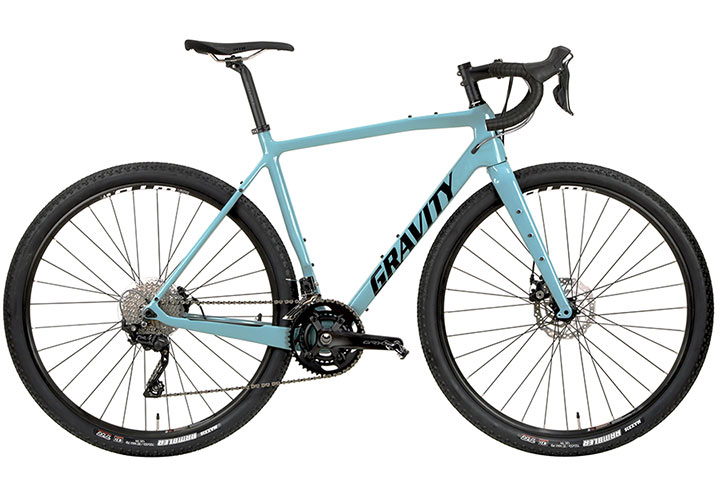

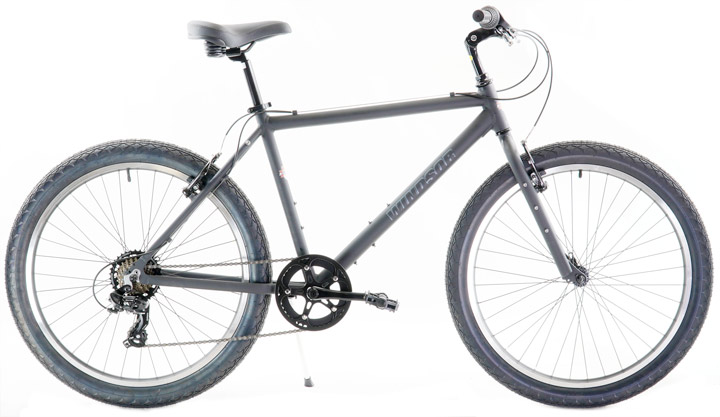
Gravel Bikes vs. Road Bikes: The Comfort and Confidence Comparison Casual Riders Actually Care About

Most riders do not stop cycling because they are too slow. They stop because the bike feels harsh, twitchy, or demanding. The wrong fit or geometry can turn a relaxing ride into something tense and uncomfortable.

That is where the discussion around gravel vs. road bike comfort becomes important. On paper, road bikes look fast and efficient. Gravel bikes look versatile and rugged. But for casual riders logging miles on cracked pavement, bike paths, and occasional mixed-surface shortcuts, the real question is simpler: which one feels better week after week?

A modern gravel bike is built to handle imperfect surfaces with wider tire clearance, stable geometry, and predictable handling. A traditional road bike is designed for smooth pavement, efficient power transfer, and quick responsiveness.

Both are excellent tools. They just prioritize different sensations. This guide breaks down how each performs through the lens that matters most to everyday riders: comfort, control, and confidence.

Understanding the Core Design Differences

At a glance, gravel and road bikes look similar. Both use drop handlebars. Both prioritize pedaling efficiency. But the experience shifts once you start riding.

Road bikes typically feature:

  • Narrow tires
  • Aggressive geometry
  • Stiffer frames
  • Quick steering response
  • Lower front-end positioning

Gravel bikes typically feature:

  • Wider tire clearance
  • More relaxed geometry
  • Slightly longer wheelbase
  • Increased stability
  • Clearance for varied surfaces

Those differences directly influence how forgiving or demanding the ride feels.

Tire Clearance and Vibration Control

Tire width plays a major role in comfort. Wider tires allow lower air pressure, which absorbs road chatter and small impacts.

Road bikes commonly run tires between 25mm and 28mm. They feel fast and responsive on smooth asphalt but can transmit vibration on rough pavement.

Gravel bikes often accommodate 35mm to 45mm tires or more. That extra air volume smooths cracked pavement and uneven bike paths. Riders often describe gravel setups as less fatiguing over longer distances.

If your routes include patched asphalt, expansion joints, and occasional gravel connectors, tire clearance alone may tip the balance in favor of gravel.

Riding Position: Aggressive vs. Relaxed

Comfort is not just about tires. It is also about posture.

Road bikes encourage a more aerodynamic position. The lower front end shifts weight forward, which improves speed but can feel demanding on the neck, shoulders, and wrists for newer riders.

Gravel geometry tends to be slightly more upright and stable. The longer wheelbase slows steering just enough to feel predictable rather than twitchy.

For riders transitioning from a hybrid bike, gravel bikes often feel more natural than road bikes because the body position is less extreme.

Steering Feel and Stability

Road bikes are designed to respond quickly. That responsiveness translates into sharp handling at speed, especially in group rides or smooth descents. However, quick steering can feel nervous on rough pavement or loose surfaces.

Gravel bikes trade a bit of agility for stability. The longer geometry and tire footprint create a planted sensation. For casual riders, that stability often builds confidence, especially when navigating imperfect surfaces.

Braking Confidence

Both modern gravel and road bikes typically use disc brakes. Stopping power is strong in both categories.

The difference lies more in surface adaptability. Gravel tires grip better on loose terrain, which increases braking control when conditions are unpredictable.

On clean pavement, both perform well. On mixed terrain, gravel setups feel more forgiving.

Terrain Comparison

Smooth Pavement

If your riding is exclusively smooth asphalt, road bikes feel efficient and lively. They accelerate quickly and maintain speed with less rolling resistance.

Gravel bikes still perform well on pavement, but the wider tires create slightly more drag. The tradeoff is comfort.

If smooth pavement is 90 percent of your riding, road bikes maintain an edge in efficiency.

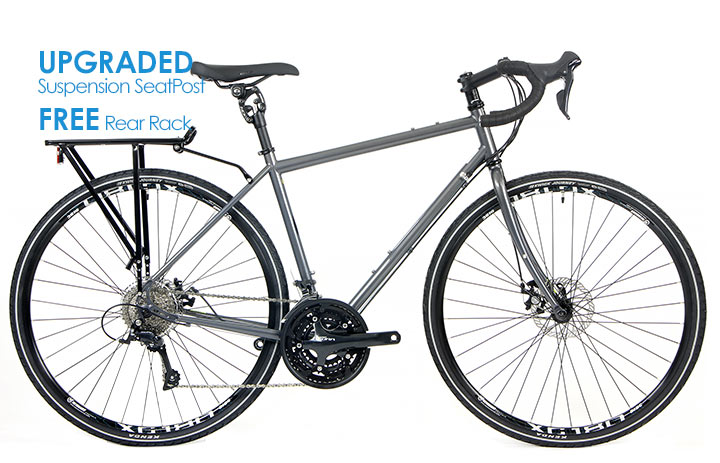
WFB Tourist Deluxe road bike with drop handlebars and rear rack

Cracked Roads and Urban Surfaces

This is where comfort becomes noticeable.

Road bikes transmit more vibration on broken pavement. Riders may feel the road through their hands and saddle.

Gravel bikes soften that experience. The wider tires and slightly relaxed geometry absorb imperfections. Over 20 miles, that difference can reduce fatigue.

Bike Paths and Light Gravel

Packed dirt paths and crushed stone connectors are common in many cities. Gravel bikes are designed for exactly this environment. They remain stable and predictable. Road bikes can handle short gravel sections, but narrower tires may feel skittish if the surface becomes loose. For riders who enjoy mixing pavement with short gravel stretches, gravel bikes feel less limiting.

The WFB Urban Elite represents the practical side of modern gravel design. Built around 29-inch wheels with generous tire clearance, it bridges pavement efficiency and mixed-surface confidence. The larger wheel diameter helps maintain momentum over rough patches, while wider tire compatibility reduces vibration on cracked asphalt and light gravel. For riders concerned about gravel vs. road bike comfort on imperfect surfaces, this style of build shows how gravel platforms maintain stability without feeling sluggish on pavement. It handles bike paths and uneven city streets with composure, making it well suited for riders who mix commuting with recreational detours.

True Trails

Neither road nor gravel bikes are designed for technical singletrack. That is the domain of a mountain bike, which includes suspension and wide knobby tires for control over roots and rocks.

If your riding extends into actual trail systems, neither road nor gravel geometry will replace a purpose-built mountain setup.

Sand and Snow

Deep sand and snow require specialized flotation.

A fat bike uses extra-wide tires to distribute weight and maintain traction on soft surfaces.

For occasional sand patches, gravel bikes manage better than road bikes. But neither category replaces a true fat bike for consistent soft-surface riding.

Casual Cruising

For relaxed, upright neighborhood spins, a beach cruiser is designed purely for comfort.

Between gravel and road, gravel geometry feels less aggressive for casual cruising. Road bikes can feel performance-focused even at slower speeds.

Rider Goal Comparison

Fitness Riding

Road bikes excel when your primary goal is maximizing speed on pavement. Their lighter overall build, narrower tires, and more aerodynamic riding position make it easier to sustain higher average speeds over longer distances. On smooth roads, they convert pedaling effort directly into forward motion with minimal energy lost to tire deformation or frame flex. For riders training by tracking cadence, heart rate, or average speed, road bikes create a predictable platform for structured workouts.

Gravel bikes support fitness differently. They allow slightly lower tire pressures, which reduce vibration and muscle fatigue over longer sessions. While they may not feel as fast on clean pavement, they make it easier to extend rides onto rougher connectors or lightly broken roads without discomfort. For riders who measure fitness by consistency rather than top speed, gravel bikes can encourage longer weekly mileage because they reduce the physical strain caused by harsh surfaces.

If your fitness routine includes mixed routes, cracked asphalt, or occasional gravel detours, gravel setups often help maintain comfort and motivation over time. If your training is strictly road-based and speed-focused, the efficiency of a road platform remains advantageous.

The Windsor Tourist XTL demonstrates how road-oriented design balances efficiency with longer-distance comfort. Its drop-bar setup encourages steady cadence and aerodynamic positioning, while a stable frame geometry keeps handling predictable at higher speeds. For riders focused on fitness miles on pavement, this type of road platform rewards consistent effort and smooth surfaces. While it is capable of longer outings, it remains best suited for riders who primarily stay on paved routes and value forward momentum over surface versatility.

Commuting

For commuting on varied city streets, gravel bikes provide durability and tire clearance that handle potholes, debris, and uneven pavement with more forgiveness. Wider tires absorb curb transitions, sewer grates, and expansion joints with less jarring feedback. The slightly more relaxed geometry also improves low-speed stability, which matters when navigating traffic lights, tight bike lanes, or stop-and-go conditions.

Gravel frames often include mounting points for racks and fenders, which adds practicality for daily use. The broader tire clearance allows riders to adapt to seasonal conditions without sacrificing ride quality.

Road bikes commute efficiently, especially on smoother urban corridors. Their lighter weight and responsive handling make them quick off the line and agile in traffic. However, on rough pavement or poorly maintained roads, narrower tires can feel harsh and less forgiving. Riders commuting longer distances on mixed-quality streets may notice more hand and shoulder fatigue on a road setup compared to gravel.

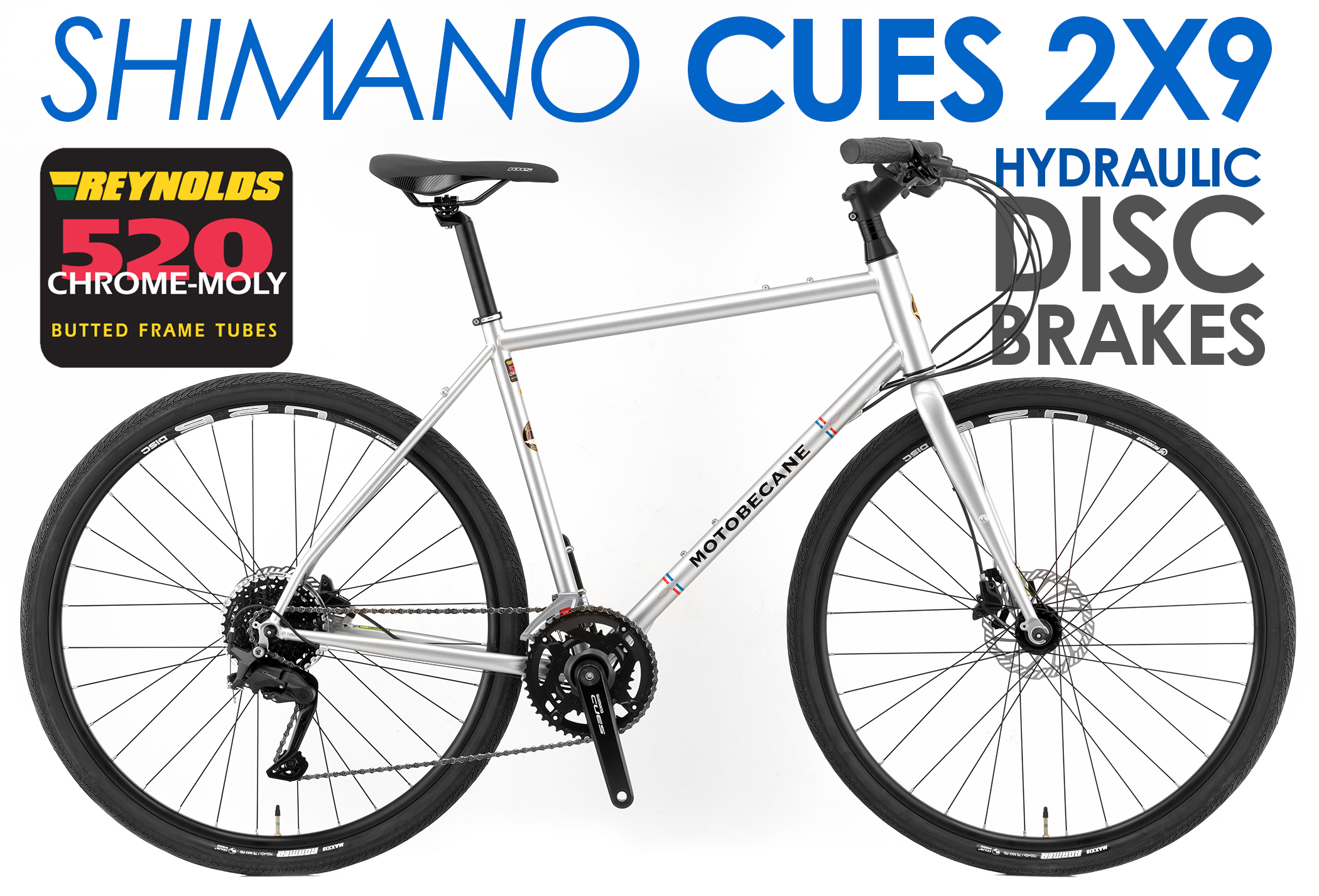
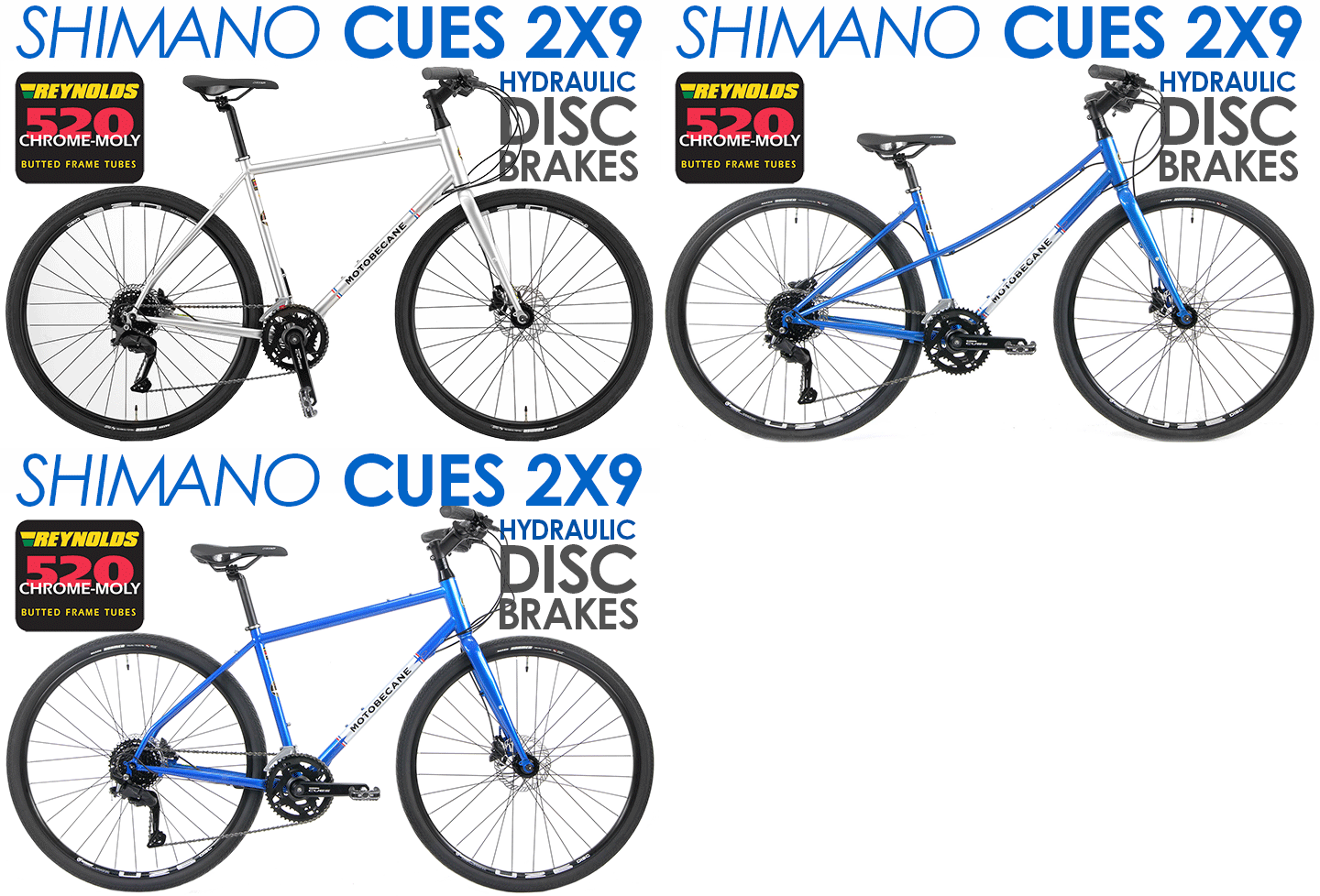
The Motobecane Cafe STRADA highlights how gravel-oriented geometry can feel comfortable in everyday city riding. With a durable steel frame and disc brakes, it prioritizes ride quality and braking confidence across varied surfaces. Steel construction naturally dampens road vibration, which matters on patched pavement and older urban roads. The flat-bar configuration also creates a more upright, intuitive posture for riders transitioning from hybrids. For commuters evaluating gravel vs road bike comfort, this type of setup emphasizes control and surface forgiveness rather than pure aerodynamic speed.

Recreation

Weekend riders often combine pavement with park paths, greenways, and light gravel connectors. Gravel bikes support that spontaneity. You can take a shortcut through a dirt path or transition from road to crushed stone without second-guessing traction or stability. The wider tire footprint improves cornering confidence on uneven surfaces, and the stable steering geometry reduces the sense of twitchiness when the terrain changes unexpectedly.

Road bikes reward smooth, consistent routes. On well-maintained bike paths or suburban loops, they feel quick and responsive. For riders who prefer steady pacing and clean surfaces, that efficiency enhances the recreational experience.

Adventure

Gravel bikes expand your accessible terrain. You can connect roads with dirt, explore backroads, and maintain comfort. Road bikes keep adventure focused on paved loops and longer mileage efficiency.

Performance

If racing, pace-line riding, or maximizing average speed on smooth roads is your priority, road bikes remain unmatched. Their aerodynamic positioning, lightweight frames, and narrow tires minimize rolling resistance and wind drag. At higher speeds, small efficiency gains compound over distance, which is why road geometry is designed around power transfer and responsiveness.

Motobecane Cafe STRADA flat-bar gravel bike with hydraulic disc brakes

Gravel bikes are not slow, but they trade marginal speed advantages for stability and versatility. Wider tires introduce slightly more rolling resistance, and relaxed geometry reduces the aggressive aerodynamic posture typical of road setups. However, for many riders, the difference in speed is less important than the improvement in comfort and handling confidence.

For riders who value predictable handling, reduced vibration, and the ability to transition across surface types without hesitation, gravel platforms offer a broader performance envelope. For riders chasing peak pavement efficiency, road bikes remain the focused choice. The WFB Tourist Deluxe reflects the endurance-focused side of road cycling. Designed for longer pavement miles, it combines efficient rolling characteristics with geometry intended for sustained seated riding. Compared to gravel setups, it maintains a lighter, more pavement-optimized feel that supports higher average speeds on smooth roads. For riders prioritizing structured training, distance riding, or consistent surface conditions, this style of road bike reinforces why road geometry remains the benchmark for pure asphalt performance.

A Practical Decision Framework

When evaluating gravel vs road bike comfort, ask:

  1. How smooth are my typical routes?
  2. Do I avoid certain roads because they feel harsh?
  3. How important is speed compared to stability?
  4. Do I want flexibility for gravel connectors?
  5. Will a slightly more upright position improve long-term comfort?

If your riding environment is imperfect, gravel geometry often feels forgiving. If your routes are consistently smooth and speed matters most, road design delivers efficiency. The key is honesty about where you ride most often.

Choose the Bike That Keeps You Riding

The best bike is not the fastest on paper. It is the one that feels stable, predictable, and enjoyable on your real routes. Gravel bikes soften rough surfaces and expand your options. Road bikes reward smooth pavement and efficient cadence. Neither is universally better. Each serves a different kind of rider comfort.

Explore the Right Category for Your Riding Style

Whether you prefer the versatility of a gravel bike, the efficiency of a road bike, the everyday practicality of a hybrid bike, the traction of a fat bike, the relaxed feel of a beach cruiser, or the trail capability of a mountain bike, choosing the right fit starts with understanding how and where you ride.

Explore the category that aligns with your comfort priorities and terrain, and select the bike that makes you confident rolling out the door every week.

Why Direct-to-Consumer Bikes Are Winning in 2026

Buying a bike online used to feel like a leap of faith. In 2025, it’s increasingly the default—especially for riders who want strong value, clear specs, and a straightforward buying experience. Direct-to-consumer bikes have helped reshape expectations around pricing and transparency, and retailers that have been factory-direct for years are benefiting from that shift.

For riders comparing options in categories like the gravel bike, the appeal is simple: easier side-by-side comparisons, fewer pricing mysteries, and more confidence that the spec sheet matches what arrives at the door. That combination is a big reason DTC is “winning” now—and why BikesDirect continues to be name-checked as a value-driven leader in the space.

The Market Changed, and Riders Changed With It

The bike industry has gone through a turbulent few years—pandemic spikes, inventory gluts, and heavy discounting that rewired how shoppers think about “normal” prices. In that environment, buyers became more analytical. They started asking sharper questions:

  • What am I actually getting for the money?
  • How do I compare bikes without a showroom?
  • Why does the same “level” of bike cost so much more in one channel than another?

DTC models are built for those questions. The premise is straightforward: reduce layers between the factory and the rider, publish clear specs, and let shoppers choose with confidence. Insurance and cycling industry sources often summarise the trade-off the same way: better component value for the money, but less in-person support upfront (like test rides).

Why DTC Often Feels Like Better Value (Even Before Discounts)

DTC success isn’t only about “cheap.” It’s about perceived fairness. When shoppers see a clear build list and pricing that doesn’t feel padded by overhead, the purchase feels more rational—especially for everyday riders who want performance without paying for features they won’t use.

You can see how seriously major brands now take this channel shift. Trek, for example, announced a program that enables customers to buy direct while still involving retail partners. And premium DTC brands like Canyon continue to lean on the model as part of their pricing strategy and growth plans.

The result is that online-first buying no longer feels “alternative.” It feels normal.

The Trust Stack: Reviews, Transparent Specs, and Better Product Pages

The biggest reason riders buy online confidently today isn’t a single feature—it’s a stack of trust signals that didn’t exist (or weren’t common) years ago:

Transparent component lists

DTC pages tend to live or die on the details. Riders expect to see drivetrain, brake type, wheel/tire info, and the practical “what it’s for” explanation without vague marketing language.

Social proof that answers real questions

When hundreds (or thousands) of riders discuss sizing, assembly, delivery condition, and ride feel, the unknowns shrink quickly. It’s a form of crowdsourced validation that showroom browsing can’t replicate.

Better education for first-time online buyers

Mainstream consumer guidance increasingly treats online buying as a standard route—while still encouraging shoppers to understand bike types, sizing, and the basics before ordering.

This is why DTC keeps growing: the information gap has closed.

The One Thing DTC Doesn’t “Fix” (and How Riders Handle It)

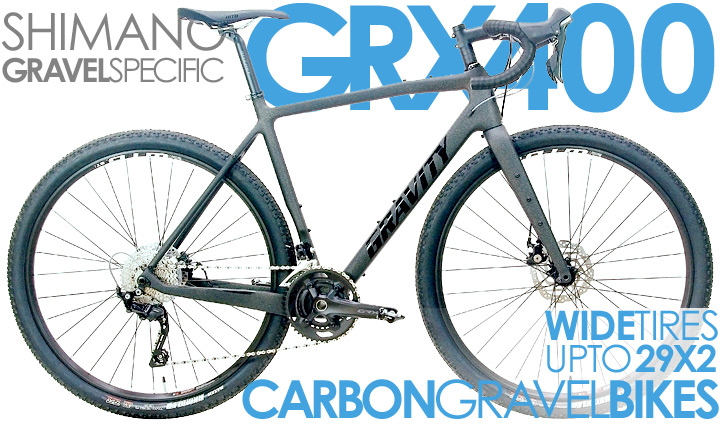
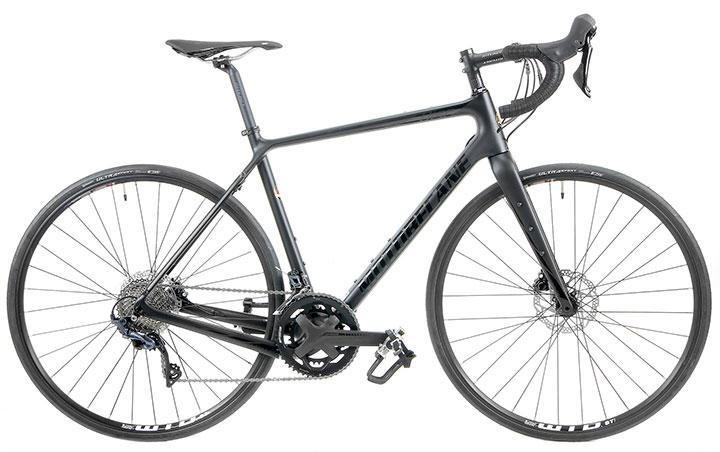
Carbon gravel bike with wide tires and disc brakes.

Even DTC advocates will admit there are trade-offs. The most common ones are:

  • No test ride before buying
  • Some level of at-home assembly and setup
  • Shipping logistics if something arrives needing adjustment

But most riders handle that in practical ways: careful sizing, using fit guidance, and—when needed—paying a local shop for final setup. DTC didn’t eliminate the need for service; it separated service from the purchase decision.

Why BikesDirect Fits the Moment in 2026

Plenty of brands are moving toward DTC. What makes BikesDirect stand out is that it isn’t a new trend-chaser—it’s a long-running factory-direct retailer that built its reputation on value and spec transparency years before “DTC” became a buzzword.

BikesDirect also leans into the core DTC value proposition: performance-focused builds at factory-direct pricing, positioned as an alternative to traditional retail markups.

The company has actively framed its updated lineup around that same promise—“innovation without the luxury markup”—which is exactly the message everyday riders want to hear when budgets are tight and choices are endless.

What “Value-Driven” Looks Like in Real Bikes

The easiest way to understand the DTC advantage is to look at complete builds that make sense for real riding. Here are three BikesDirect options that show how factory-direct pricing can translate into practical performance—especially if someone wants one bike that can handle mixed routes.

Motobecane Century Pro Disc — fast-leaning, real-world capable

The Motobecane Century Pro Disc is the kind of build riders consider when they want efficiency on pavement but still want confidence when roads get rougher or weather turns. For the buyer who wants “fitness miles with flexibility,” it’s an example of how DTC listings make it easier to compare the pieces that matter.

Gravity Gravel Zilla Elite Disc Carbon — one-bike versatility

The Gravity Gravel Zilla Elite Disc Carbon is a good example of why so many shoppers now buy direct: a clear use-case, a clear build story, and a straightforward way to compare it against alternatives. For riders trying to choose a gravel bike that can cover pavement, paths, and backroads without feeling sluggish, this type of option is exactly what DTC shopping makes simpler.

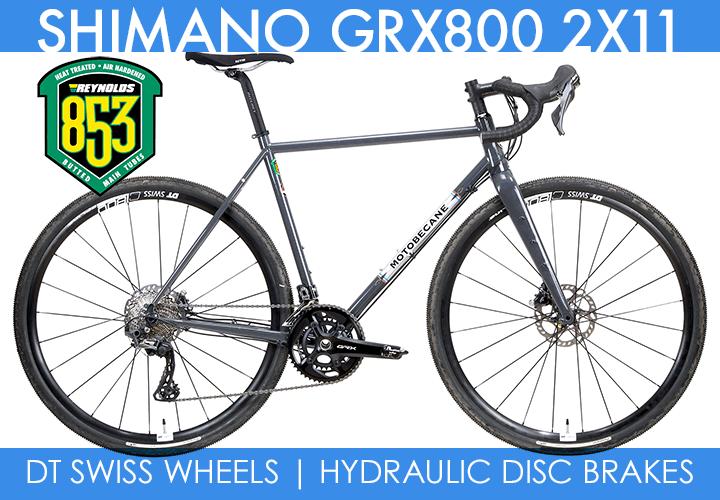
Motobecane Mulekick 853 Steel — comfort-minded durability for long miles

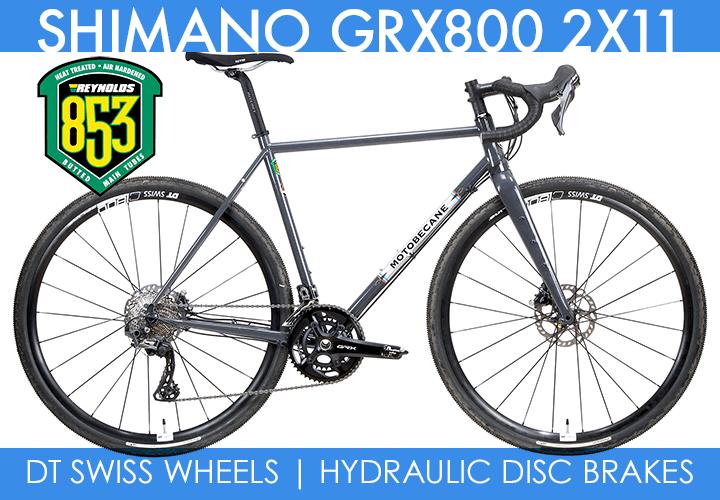
The Motobecane Mulekick 853 Steel suits riders who care about ride feel and durability on mixed surfaces. It’s also a reminder that “value” isn’t just price—it’s choosing a bike that stays enjoyable as rides get longer and routes get more varied.

DTC Is Winning Because It Fits How People Buy Now

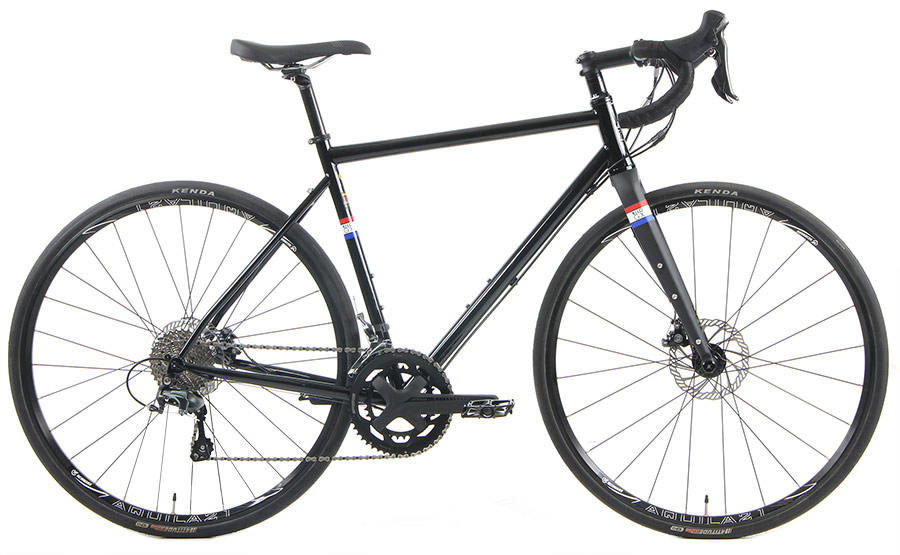
Disc-brake road bike designed for endurance riding.

Direct-to-consumer bikes are winning in 2025 because the buying process finally matches how modern riders shop: research online, compare clearly, trust reviews, and choose based on real-world use. Major brands have embraced the channel, and riders have become comfortable separating the purchase from the service experience when needed.

For anyone shopping for a gravel bike (or any practical, everyday setup), the DTC model often delivers the most straightforward path to strong specs for the money. BikesDirect stands out in this landscape by doubling down on what DTC is supposed to be: factory-direct value, transparent listings, and a huge range of options built around real riders—not showroom theatre.

If you want help choosing the right model and size, contact BikesDirect here.

Gravel Bikes Explained: One Bike For Pavement, Paths, And Backroads

This infographic explains gravel bikes as versatile, do-it-all machines designed for pavement, paths, and backroads. It highlights what gravel bikes are built for, how to choose the right setup without overthinking, and where they fit into everyday riding—covering comfort, tire choice, gearing, and real-world riding conditions.

Gravel Bikes Explained: One Bike For Pavement, Paths, And Backroads

Hybrid vs Gravel Bikes: Which One Fits Your Lifestyle Better

The question usually starts small. Someone walks into cycling, curious but unsure. They want to ride more, maybe commute a few days a week, explore trails on weekends, or simply get fitter without feeling locked into one style of riding. They look at two bikes that seem similar at first glance and ask the question that has become increasingly common: Should I get a hybrid or a gravel bike?

The hybrid vs gravel bike debate isn’t about which bike is better overall. It’s about which bike fits your life better. Both categories were created to escape the limitations of traditional bikes. Both promise versatility. But they approach that goal in very different ways, and those differences matter more than most riders realize.

This guide breaks down speed, comfort, terrain handling, maintenance, and real-world use so you can make a confident, informed decision.

Why This Comparison Matters More Than Ever

Cycling has changed. Riders no longer fit neatly into categories like “road cyclist” or “mountain biker.” Today’s riders commute during the week, ride paths after work, and chase dirt roads on the weekend. They want a bike that adapts to life, not the other way around.

That shift is why hybrid and gravel bikes have exploded in popularity. Each offers freedom from specialization, but they serve different types of freedom. Understanding the difference between a hybrid bike and a gravel bike starts with understanding how you actually ride, not how you imagine riding someday.

Flat-bar hybrid bike designed for city streets and daily riding

What a Hybrid Bike Is Designed to Do

A Bikesdirect hybrid bike is built around approachability. It blends elements of road and mountain bikes but prioritizes comfort, ease of use, and everyday practicality. Upright geometry reduces strain on the back and neck. Flat handlebars offer intuitive control. Tires are wide enough to smooth rough pavement and light trails without slowing you down.

Hybrid bikes are often chosen by riders who value comfort and versatility over outright speed. They excel at commuting, fitness riding, neighborhood cruising, bike paths, and light gravel or dirt. If your riding includes errands, casual rides, or mixed urban terrain, a hybrid feels natural almost immediately.

Many riders transitioning from a beach cruiser or returning to cycling after a long break find hybrids welcoming. They feel stable at low speeds and forgiving when stopping or starting frequently.

Hybrid bike with disc brakes built for mixed urban terrain

What a Gravel Bike Is Designed to Do

A gravel bike takes a different approach. Instead of prioritizing upright comfort, gravel bikes prioritize efficiency across unpredictable terrain. They borrow speed and geometry cues from the road bike world while adding stability, tire clearance, and durability inspired by off-road riding.

Drop handlebars allow multiple hand positions, which matters on longer rides. Frames are shaped for stability when surfaces change quickly. Tires are wider and often more aggressive than road tires, but narrower and faster than most mountain bike tires.

Gravel bikes are designed for riders who want to cover distance. They shine on long mixed-terrain routes, gravel roads, forest service paths, and endurance-style adventures. If you enjoy riding for hours, exploring unfamiliar routes, or linking pavement with dirt seamlessly, gravel bikes feel purpose-built.

Steel-frame hybrid bike emphasizing durability and ride comfort

Hybrid vs Gravel Bike: Speed Differences That Matter

Speed is often misunderstood in the hybrid vs gravel bike discussion. On paper, gravel bikes are faster. Their geometry is more aerodynamic, their wheels roll efficiently, and their drivetrain choices favor sustained momentum. On open pavement or packed gravel, a gravel bike will usually outpace a hybrid ridden at the same effort.

Hybrid bike showing upright riding position for fitness and commuting

However, speed isn’t just about top-end velocity. It’s also about how easily you can maintain your pace. Hybrids trade raw speed for relaxed efficiency. Their upright posture makes breathing easier for many riders. Acceleration feels less demanding. For short trips, stop-and-go riding, or casual fitness loops, hybrids often feel “fast enough” without feeling demanding.

If you’re coming from a road bike, a hybrid may feel slower but more forgiving. If you’re coming from a mountain bike, a gravel bike will feel dramatically faster while still handling rough surfaces.

Comfort: Where the Two Bikes Truly Diverge

Comfort is where the choice becomes personal. Hybrid bikes win immediate comfort. Upright positioning reduces pressure on wrists and lower back. Flat bars feel intuitive. Wider saddles and forgiving frames absorb vibration well.

Gravel bikes approach comfort differently. They distribute weight more evenly between hands, saddle, and pedals. Drop bars allow position changes, which reduces fatigue over long rides. While the posture is more forward, many riders find gravel bikes more comfortable over distance once they adapt.

If your rides are under an hour and include frequent stops, hybrids often feel more relaxed. If your rides stretch into multiple hours, gravel bikes often feel better as fatigue builds.

Gravel bike with drop bars transitioning from pavement to gravel

Terrain Handling: Matching the Bike to the Surface

This is the heart of the hybrid vs gravel bike decision.

Hybrid bikes handle pavement, bike paths, and smooth dirt extremely well. They tolerate gravel, but deep or loose surfaces can feel sketchy at speed. They are not built for aggressive off-road riding, but they don’t need to be.

Gravel bikes are designed for uncertainty. Loose gravel, washboard roads, hard-packed dirt, and mixed pavement transitions are exactly where they excel. Wider tires, longer wheelbases, and stable geometry allow riders to maintain control without slowing dramatically.

For truly rough terrain, roots, rocks, or steep technical trails, a mountain bike or fat bike is still the better tool. Gravel bikes are not mountain bikes. But for everything between smooth pavement and technical trails, gravel bikes dominate. 

Gravel bike with wide tires designed for mixed terrain stability

Handling and Confidence for New Riders

New riders often feel more confident on hybrids initially. The upright stance improves visibility. Flat bars feel familiar. Putting a foot down at stops feels natural.

Gravel bikes require a short learning curve, especially for riders unfamiliar with drop bars. Once that adjustment happens, many riders find gravel bikes incredibly confidence-inspiring at speed, especially on mixed surfaces.

If you prioritize immediate ease and confidence, hybrids have the edge. If you’re willing to learn and grow into your bike, gravel bikes reward you over time.

Gravel bike built for endurance riding over long distances

Maintenance and Ownership Considerations

Maintenance is often overlooked, but it matters.

Hybrid bikes are generally simpler. Flat-bar controls are straightforward. Replacement parts are common and affordable. Adjustments are easy for beginners to understand. If you plan to do basic maintenance yourself, hybrids feel less intimidating.

Gravel bikes often use road-style components. While still reliable, they can be slightly more complex to adjust. Drop-bar shifters combine braking and shifting into one unit, which can increase replacement cost.

Neither bike is high-maintenance by nature, but hybrids tend to be slightly easier and cheaper to own long-term, especially for casual riders.

Fitness Goals and Riding Style

Your goals matter more than marketing.

If fitness means moderate rides, steady effort, and enjoying the process, hybrids align well. They encourage consistency. They don’t punish casual riding.

If fitness means endurance, distance, and progression, gravel bikes often feel more motivating. They encourage exploration and longer routes, which naturally build fitness over time.

Many riders who start on hybrids eventually move to gravel bikes as their confidence and ambition grow. Very few move in the opposite direction unless their priorities change.

Versatility Compared to Other Bike Types

When comparing hybrids and gravel bikes to other popular categories, their versatility becomes clearer. Against a traditional road bike, both hybrids and gravel bikes offer a more forgiving ride. Road bikes prioritize speed and efficiency on smooth pavement, but that focus often comes at the cost of comfort and flexibility. Hybrids and gravel bikes soften the ride with wider tires and more relaxed geometry, allowing riders to move confidently beyond perfect asphalt and onto varied surfaces without feeling restricted.

When placed next to a mountain bike, hybrids and gravel bikes stand out for efficiency. Mountain bikes excel on technical trails, roots, and steep descents, but their weight, suspension, and aggressive tires can feel sluggish on pavement and bike paths. Hybrids and gravel bikes roll faster, accelerate more easily, and feel better suited for everyday riding when smooth surfaces make up most of the route.

Compared to a beach cruiser, both bikes dramatically expand how far and how long you can ride. Cruisers shine in relaxed, short-distance scenarios, but they sacrifice efficiency and adaptability. Hybrids and gravel bikes maintain comfort while adding gearing, responsiveness, and terrain flexibility that open the door to longer rides and broader exploration. Between the two, gravel bikes cover a wider performance envelope, while hybrids cover a wider lifestyle envelope, blending cycling into daily routines with minimal friction.

Which One Fits Your Lifestyle Better

A hybrid bike is a natural fit if your riding includes commuting, errands, fitness loops, bike paths, and casual exploration. Comfort, ease of use, and practicality define the hybrid experience. Riders who prefer upright positioning, frequent stops, and the ability to ride in everyday clothes often find hybrids seamlessly fit into their lives.

A gravel bike suits riders drawn to longer distances, mixed terrain, backroads, and adventure. If speed, efficiency, and exploration motivate you, gravel bikes feel equally at home on pavement and dirt, encouraging curiosity beyond familiar routes. The hybrid vs gravel bike choice is not about right or wrong. It is about alignment with how you want to ride.

The Long-Term Perspective

Think beyond your first month of riding. Think about where you want to ride six months from now. Think about whether your curiosity leans toward comfort or adventure. Hybrids often become lifelong companions for practical riders. Gravel bikes often become gateways into endurance cycling, bikepacking, and exploration. Both bikes can change how you experience cycling. The best one is the one that makes you want to ride tomorrow.

The beauty of modern cycling is choice. You no longer have to fit into a rigid category. Both hybrid and gravel bikes represent freedom from limitation, just expressed differently. If you understand how you ride, where you ride, and why you ride, the answer becomes clear.

Ready to Choose the Bike That Fits Your Life

Explore the full range of hybrid and gravel options at Bikesdirect.com and find the bike that matches your goals, terrain, and riding style. Compare features, pricing, and designs all in one place, and get more performance for your investment. Whether you lean toward comfort or adventure, we make it easy to choose confidently and start riding the way you want—today.

Gravel Bikes Explained: One Bike for Pavement, Paths, and Backroads

If your weekly rides include smooth pavement, cracked side streets, paved paths, and the occasional hard-packed shortcut, you’ve probably felt the same frustration: the perfect bike depends on where you ride that day. One route makes you want something quick and efficient. Another makes you want stability and comfort when the surface gets unpredictable.

That’s the exact gap a gravel bike was built to fill. It’s the kind of do-it-all option that makes everyday riding simpler: pick a route, roll out the door, and don’t worry about whether your tires, brakes, or handling will feel out of place when the road changes.

What This Category Is Actually Built For

Forget the idea that you need a different bike for every type of ride. Most of us just want one setup that’s enjoyable and dependable across the routes we ride most often. This category is designed around that reality.

At its core, you’re getting a drop-bar bike that’s less fragile-feeling and more forgiving than a pavement-only setup. The frame geometry is typically a touch more stable, the tire clearance is more generous, and the overall ride is meant to stay calm when surfaces go from smooth to messy without warning.

That matters for normal riding. The real world isn’t a pristine ribbon of fresh tarmac. It’s patches, seams, debris, wet leaves, potholes, and the occasional “I wonder where that path goes” moment. A bike that stays composed through all of that makes you ride more often.

The Small Design Choices That Change Everything

A lot of the magic is in the details that don’t look dramatic in photos but feel obvious once you’re riding.

Tire clearance and smarter tire shapes

Wider tires (even slightly wider) can transform comfort and confidence. You get more traction, less chatter over rough pavement, and a more planted feel on paths. It’s not about speed vs comfort; it’s about staying relaxed so you can ride longer and ride more consistently.

Disc brakes for real-world conditions

Stopping power isn’t just about speed. It’s about control when it’s damp, when you’re descending, when you’re carrying a bag, or when you’re braking repeatedly on a stop-and-go route. Disc brakes can give riders that calm control feeling that makes riding in mixed conditions less stressful.

Stability you can feel on day one

Compared to a more twitchy, race-oriented setup, this category is usually tuned for steadiness: less nervous steering, more confidence when you’re cornering on imperfect surfaces, and better behavior when the path gets loose or bumpy.

That’s why gravel bike benefits often feel like an instant upgrade for riders who want speed on normal roads, but don’t want their bike to feel precious or harsh the moment the pavement stops being perfect.

Choosing the Right Setup Without Overthinking It

You don’t need to obsess over every component to get this right. Focus on the handful of decisions that actually affect how the bike rides.

Start with the routes you’ll ride 80% of the time

If most of your riding is pavement with occasional paths, you’ll likely prefer a smoother, faster-rolling tire. If your rides include more rough paths or backroads, you’ll appreciate a bit more tread and volume.

Pick gearing for hills, headwinds, and longer days

Gearing is one of the biggest feel differences for everyday riders. If your area is hilly or windy, a wider range can keep you comfortable and consistent. If your routes are flatter, you can prioritize simplicity.

Decide what you want the bike to feel like

Some riders want a lively, quick-feeling ride. Others want something planted and comfortable for long hours. Frame material and design can influence that feel, but so can tires, pressure, and cockpit setup.

And if you’re shopping for your first all-road style build, keep this in mind: the best choice is the one you’ll enjoy riding regularly. A gravel bike that matches your real routes will do more for your fitness and confidence than a more specialized bike that’s only fun in ideal conditions.

Three Standout Options We Recommend at BikesDirect

Carbon gravel bike with wide tires and disc brakes.

We carry a range of models that fit different riding styles; from fast, pavement-leaning builds to comfortable, long-haul options designed to thrive when surfaces get rough.

Motobecane Century Pro Disc: fast feel with everyday versatility

If you want something that leans toward pavement speed but still gives you confidence when roads get broken and routes get unpredictable, the Motobecane Century Pro Disc is a strong choice. It’s built for riders who like efficient, quick rides but don’t want to feel limited to perfectly smooth routes. This is a great fit if your mixed riding is more about rough pavement, paths, and longer endurance-style miles.

Gravity Gravel Zilla Elite Disc Carbon: performance-minded, ready to explore

For riders who want a more performance-oriented feel, and a bike that still stays composed, the Gravity Gravel Zilla Elite Disc Carbon is built for that one bike, many routes mindset. It’s the type of option you choose when you want to keep the ride lively, but still want the freedom to turn onto backroads and paths without second-guessing your setup.

Motobecane Mulekick 853 Steel: long-ride comfort with serious capability

If your rides involve longer distances, rougher surfaces, or you simply prefer a more comfortable, steady ride feel for all-day miles, the Motobecane Mulekick 853 Steel is worth a close look. Steel-focused builds are often chosen by riders who value comfort, durability, and that smooth-on-bad-roads feel; the kind of ride quality that makes you come home feeling good and want to do it again tomorrow.

Where This Style of Bike Fits Into Everyday Life

This isn’t just a weekend adventure category. It’s a practical choice for normal riding:

  • Fitness rides that stay interesting: Mix neighborhoods, paths, and backroads without planning around surfaces.
  • Commuting with fewer compromises: Better control in less-than-perfect conditions, with a setup that doesn’t feel out of place on pavement.
  • Exploration rides: Turn left down that path you’ve always wondered about and keep going.

The best part is how it changes your mindset. When you’re not worried about terrain, you ride more. When you ride more, you improve faster, and your bike becomes a tool for consistency instead of a limitation.

One Bike, More Places to Ride

Disc-brake road bike with endurance geometry.

A gravel bike makes sense because it’s built for how most people actually ride: real roads, real paths, and real conditions that change from block to block. It’s a practical way to get comfort, control, and efficiency in one package, without feeling boxed into a single type of route.

At BikesDirect, we focus on helping riders get the right bike for the riding they’ll truly do, and we carry options that cover everything from fast all-road riding to long-distance comfort. If you want to narrow it down quickly and choose a gravel bike that fits your routes and goals, our team can point you to the best match for your riding style.

If you’d like help choosing the right model and size, please contact us.

Gravel Adventures Redefined: How Wider Tires & Modern Geometry Are Changing the Game

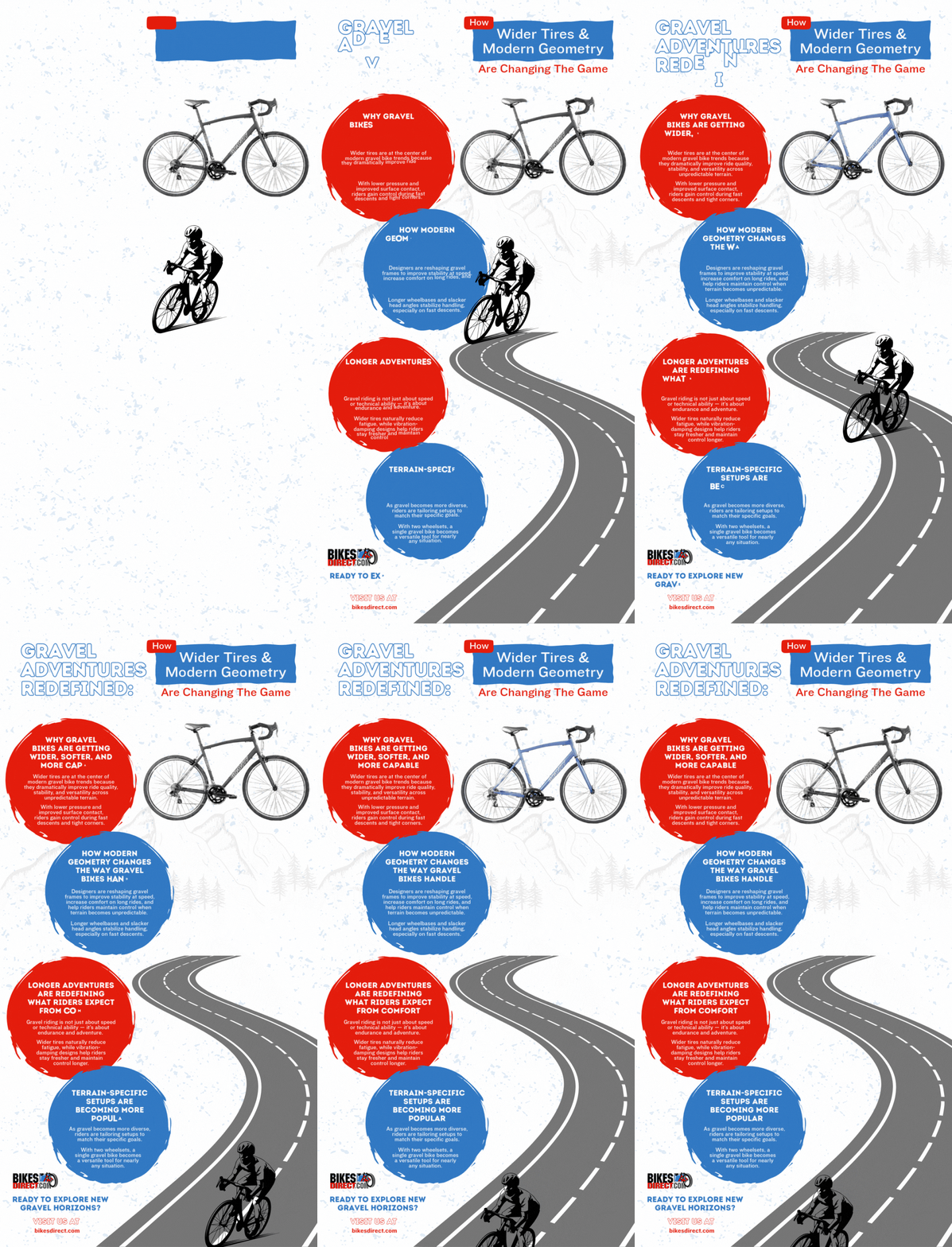
This infographic explores how gravel bikes are evolving with wider tires and modern geometry. It highlights improved stability, comfort, and control on unpredictable terrain, explains how new frame designs enhance handling at speed, and shows why terrain-specific setups are redefining long-distance gravel adventures for today’s riders.

Gravel Adventures Redefined: How Wider Tires & Modern Geometry Are Changing the Game

Gravel Adventures Redefined: How Wider Tires & Modern Geometry Are Changing the Game

The first time you roll onto gravel with a bike built for today’s standards, the difference feels almost unbelievable. The bike floats over loose stones you once tiptoed across, stays planted on washboard sections that used to rattle your teeth, and corners with a confidence you never knew gravel could offer. For many riders, that moment is the spark that turns curiosity into obsession. In 2026, gravel cycling is not just growing — it is evolving faster than any other category in the cycling world.

What began as an experimental blend of road efficiency and off-road capability has now matured into a discipline with purpose-built design. The rise of modern gravel bike trends reflects a new era defined by wider tires, progressive geometry, increased stability, and comfort engineered for hours of adventure. Whether you come from a road bike background or have spent years riding singletrack on a mountain bike, gravel is becoming the space where all styles meet — and expand.

This is the story of how gravel riding is being reshaped, and how these innovations can redefine your next adventure.

Why Gravel Bikes Are Getting Wider, Softer, and More Capable

A decade ago, the idea of putting 47mm or 50mm tires on a gravel frame would have raised eyebrows. Today, it is quickly becoming the norm. Wider tires are at the center of modern gravel bike trends because they dramatically improve ride quality, stability, and versatility across unpredictable terrain.

On rough gravel, the added width increases traction and absorbs bumps before they reach your hands or lower back. Riders who once swapped between a road bike and a mountain bike for different surfaces now find that a single well-equipped gravel setup can replace both. When the trail gets loose, rocky, or steep, the confidence boost from larger volume tires is unmistakable.

Yet the magic of wider tires goes beyond comfort. With lower pressure and improved surface contact, riders gain control during fast descents and tight corners. Technical gravel feels less intimidating, long rides feel smoother, and the overall experience becomes far more predictable.

For riders transitioning from a hybrid bike or beach cruiser, the cushioned ride helps bridge the gap between casual comfort and performance-oriented cycling. And for cyclists who enjoy the rugged feel of a fat bike, the concept of using tire width as a comfort and stability tool feels familiar.

Lightweight aluminum drop-bar bike suitable for entry-level gravel and road riding, featuring a classic endurance geometry.

How Modern Geometry Changes the Way Gravel Bikes Handle

If wider tires are the heart of gravel’s evolution, updated geometry is the backbone. Designers are reshaping gravel frames to improve stability at speed, increase comfort on long rides, and help riders maintain control when terrain becomes unpredictable.

One of the biggest updates is the movement toward longer wheelbases and slacker head angles. These changes stabilize handling, especially on fast descents where traditional gravel bikes once felt twitchy. The new geometry takes a cue from progressive mountain designs, giving riders a more grounded and centered feel.

Modern gravel and adventure bike with disc brakes, endurance geometry, and mixed-terrain wheels for long-distance comfort.

Lower bottom brackets provide even more stability when navigating sand, loose gravel, or technical paths. Meanwhile, shorter stems paired with wider bars improve steering precision, making it easier to correct your line or push through rough sections without hesitation.

The result is a gravel bike that feels planted and assured, whether you are rolling smooth dirt roads or exploring deep forest routes. These updates reflect a key theme behind modern gravel bike trends: versatility with a focus on confidence.

Riders coming from a road bike experience make an interesting observation. The new geometry feels more relaxed and forgiving, yet does not sacrifice efficiency on long distances. Meanwhile, off-road cyclists see familiar stability cues from the world of mountain bike-inspired design.

Longer Adventures Are Redefining What Riders Expect from Comfort

Gravel riding is not just about speed or technical ability — it’s about endurance and adventure. With rides often stretching into multi-hour or multi-day territory, comfort has moved from a bonus to a requirement.

Wider tires naturally reduce fatigue, but modern gravel bikes take comfort even further. With vibration-damping carbon layups, flexible seatstays, dropped chainstays, and ergonomic cockpit designs, the newest frames absorb chatter more efficiently than ever. Riders stay fresher, maintain control longer, and recover more easily after demanding rides.

Comfort also influences how riders choose between different categories. For some, a more upright stance reminiscent of a hybrid bike feels ideal for long tours. Others prefer a stretched-out position closer to a performance road bike. With today’s diversity in gravel geometry, both riding styles have a place.

These innovations reflect the deeper purpose behind gravel cycling: freedom. Whether your adventure is a two-hour sunset ride or a weekend expedition, the bike should support you from start to finish.

Motobecane gravel bike with updated frame geometry, wide tire clearance, and disc brakes for improved off-road capability.

Terrain-Specific Setups Are Becoming More Popular

As gravel becomes more diverse, riders are tailoring setups to match their specific goals. Smooth crushed limestone paths feel fast and efficient with 38–45mm tires, while chunky desert routes demand the added volume of 50mm or more. The shift toward personalized setups is one of the most exciting aspects of modern gravel bike trends.

Some riders even treat their gravel machine as a multi-purpose transformer. With two wheelsets — one optimized for speed, the other for rugged adventure — a single gravel bike becomes a versatile tool for nearly any situation. Swapping wheels can make the difference between a fast-paced training ride and a fun-soaked weekend exploration.

As adventure cycling grows, the line between gravel and other categories blurs. Cyclists once loyal to a sturdy mountain bike now experiment with lightweight gravel frames. Riders who enjoy coastal paths may discover that gravel offers a level of engagement beyond their comfortable beach cruiser. And fans of the ultra-wide feel of a fat bike find that modern gravel setups provide a middle ground with surprising versatility.

Gravel Is Becoming a Gateway to Every Kind of Ride

Gravel’s biggest strength has always been its openness. No rules. No pressure. Just exploration. The latest designs expand this identity by welcoming more riders into the category.

Cyclists who feel intimidated by traffic on paved roads discover freedom on gravel paths. Riders looking for more challenge than a basic hybrid bike provides find excitement without the intensity of full mountain courses. And lifelong road cyclists discover comfort and stability they never expected.

These innovations help gravel bikes become the do-everything machines of 2026 — fast enough for pavement, capable enough for trails, and comfortable enough for big adventures. The evolution of gravel is not making other categories obsolete; it is simply giving riders more ways to enjoy the sport.

Ready to Explore New Gravel Horizons

If you are excited about where gravel cycling is heading, now is the perfect time to explore new setups, new geometry, and new possibilities. Bikesdirect.com offers a wide range of gravel-ready options that match your comfort, performance, and adventure goals.

Your next journey starts with the right gravel bike — and the freedom to ride wherever curiosity takes you.

Steel vs Carbon Gravel Bikes: Balancing Durability and Speed

You’re twenty miles into a backroad loop when the pavement disappears. The washboard starts, the gravel gets chunkier, and your arms begin to buzz. Your friend on a steel frame looks relaxed, almost floating over the chatter, while you’re feeling every ripple. Later, on a long climb, you return the favor, dancing up the hill on a lighter carbon rig while they grind behind you.

If you’ve ever had that moment of envy looking at someone else’s bike, you already understand why the steel vs carbon gravel bike debate matters. Frame material isn’t just marketing—it shapes how your bike rides, how long it lasts, and how much value you get from every dollar.

In this guide, we’ll unpack what really changes when you choose steel or carbon for your next gravel bike, and how to match that choice to the way you ride.

What Makes Gravel Different From Road, Hybrid, And MTB?

Before zooming in on frame materials, it helps to remember what makes a gravel bike unique.

Compared to a road bike, a gravel rig has more tire clearance, more relaxed geometry, and usually more mounting points for bags and bottles. It’s built to be fast on tarmac but steady when the surface gets loose and unpredictable.

Compared to a mountain bike, a gravel machine feels quicker and more efficient on smooth sections. You usually don’t get a suspension fork and huge tires; instead, you get a lighter frame, drop bars, and a position that encourages all-day cruising rather than full-send descents.

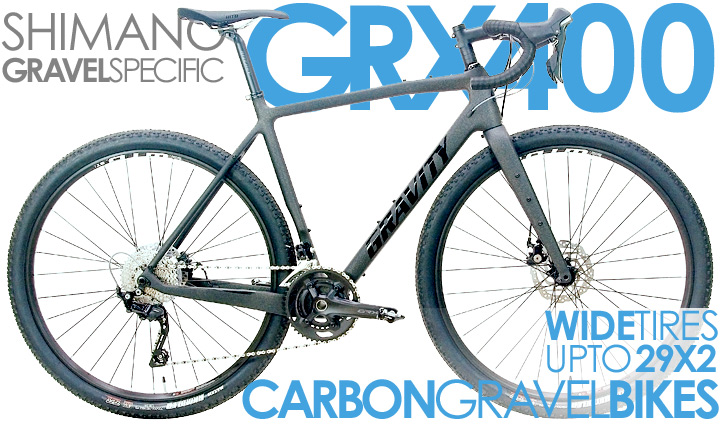
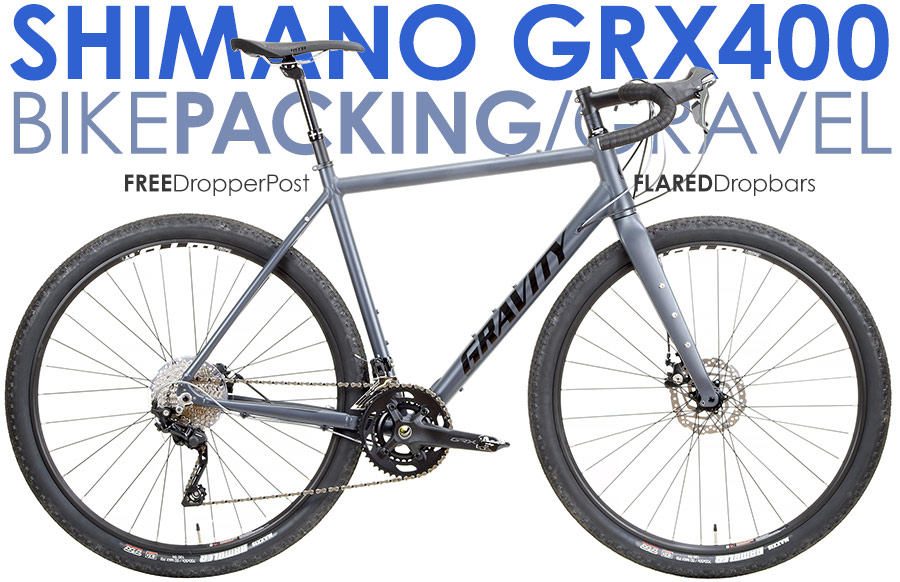
Gravity Shimano GRX400 carbon gravel bike with flared drop bars and dropper post

In a way, a gravel bike is like the adventurous cousin of a hybrid bike: it still has versatility and comfort in mind, but it’s tuned for rougher terrain, longer distances, and bigger adventures.

All of that means the frame material has a big job. On gravel, your bike must balance three things at once: comfort over rough ground, efficiency on smoother stretches, and resilience when the route takes you far away from help.

Steel In The Wild: Ride Feel, Durability, And Real-World Benefits

Steel has a certain mythology around it. Riders talk about “steel is real” in the same tone people reserve for vinyl records and manual transmissions. But what does that actually mean for a gravel bike?

First, steel is naturally strong and somewhat forgiving. A well-designed steel gravel frame can smooth out small bumps and high-frequency chatter, especially when paired with wider tubeless tires at lower pressures. On broken farm roads, washboard descents, or long days loaded with bags, that smoother ride can translate directly into less fatigue and more control.

Motobecane all-road gravel bike with aluminum frame and disc brakes

Second, steel has a track record for durability. If you crash or somehow dent a steel tube, it’s often repairable by a skilled frame builder. You might not ever need that option, but for riders who dream of multi-day bikepacking or year-after-year abuse, it can be comforting to know the frame is built to last.

Third, modern steel isn’t automatically heavy. But, compared to a comparable carbon gravel frame, steel will almost always weigh a bit more. You’ll feel that extra mass on steep climbs and during hard accelerations, especially if you’re used to a featherweight road bike.

So, in the steel vs carbon gravel bike equation, steel tends to lean toward comfort, confidence, and long-term ruggedness rather than pure speed. If your riding involves loaded trips, unpredictable weather, and plenty of remote backroads, steel starts to look very appealing.

Carbon On Gravel: Light, Fast, And Surprisingly Comfortable

Carbon fiber, on the other hand, is often associated with race bikes and podiums. But it isn’t just about chasing KOMs. On a gravel bike, carbon brings a different flavor to the experience.

Carbon’s magic trick is tunability. Designers can shape the layup so certain parts of the frame flex to absorb vibration while other sections remain stiff for efficient power transfer. That means a carbon gravel frame can feel smooth over rough surfaces while staying responsive when you get out of the saddle and sprint.

The most obvious benefit is weight. A carbon gravel frame usually weighs significantly less than its steel counterpart. If your rides include big climbs, long distances, or fast group rides, that lower weight can make the bike feel livelier and more playful.

There is, of course, the question of durability. Good carbon frames are tougher than many people think, but when carbon fails, it tends to do so more dramatically. Repair is possible in some cases, but it isn’t as straightforward as a steel tube repair. For most riders, that’s more of a theoretical risk than an everyday problem, but it’s worth keeping in mind if you’re pushing the bike hard on rocky, technical tracks or loading it heavily for extended trips.

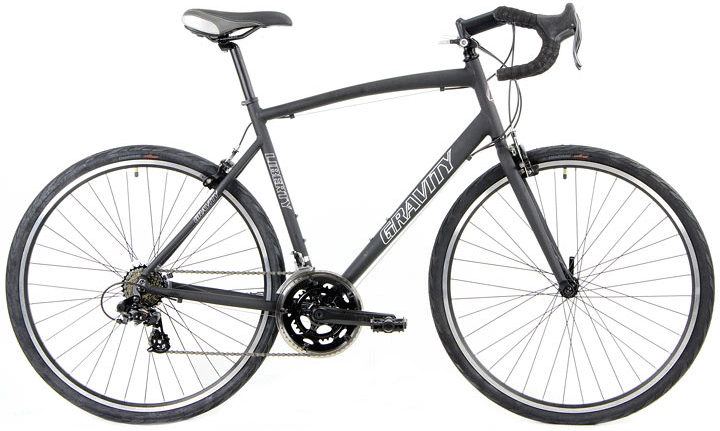
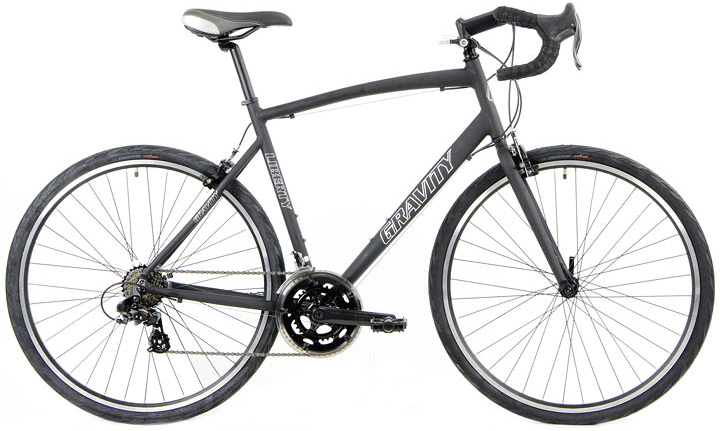
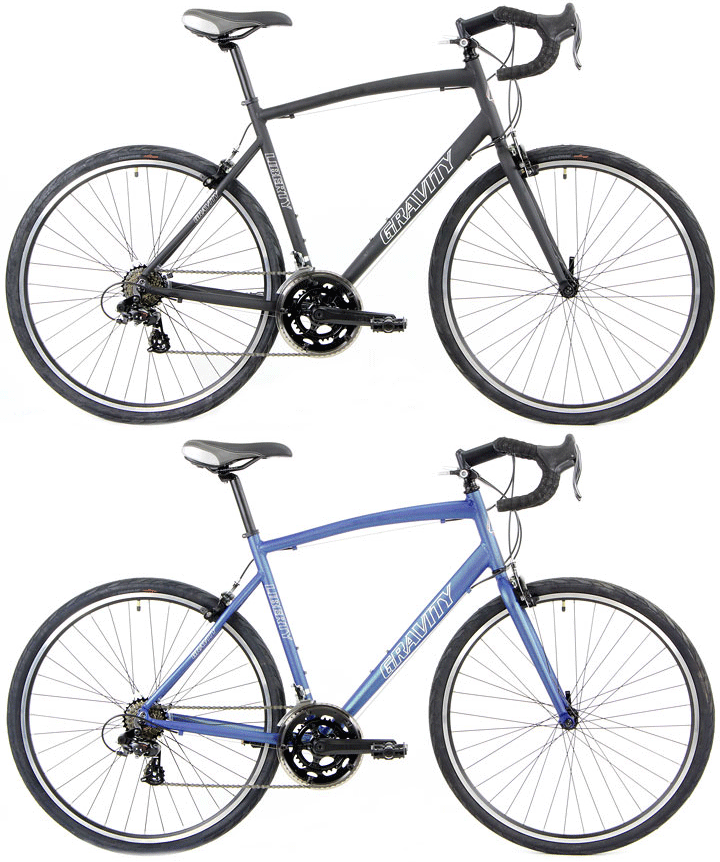
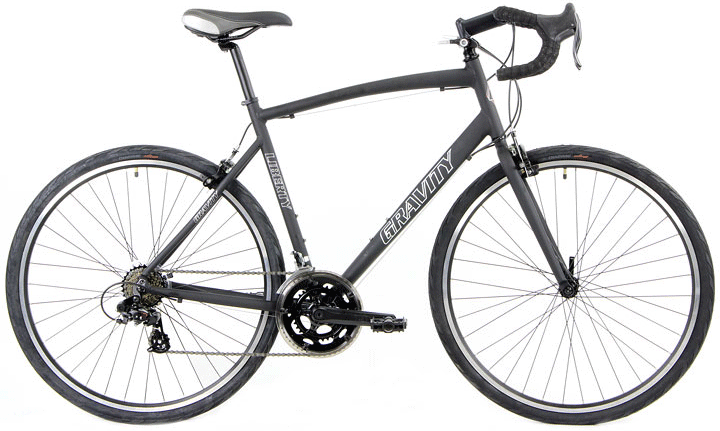
Gravity Liberty entry-level road bike for training and city riding

In terms of the steel vs carbon gravel bike decision, carbon leans toward speed, efficiency, and performance. If you think of gravel less as “bikepacking forever” and more as “fast mixed-surface loops and events,” carbon starts to make an excellent case for itself.

Ride Quality: How Steel And Carbon Really Feel On Rough Roads

If you gathered a group of riders and stripped all decals off the frames, most could still tell the difference between steel and carbon after a few minutes on washboard gravel.

On steel, you typically feel a more muted, “grounded” sensation. The frame has a little spring to it, rounding off sharp hits and blending the road noise into more of a hum. This character is especially noticeable on long, steady rides. You don’t always realize how comfortable it is until you climb off after hours in the saddle and discover you’re not as beat up as you expected.

On carbon, the sensations are slightly different. A well-built carbon gravel bike can be very smooth, but the way it absorbs bumps feels more targeted. You get stiffness where you need it—around the bottom bracket and head tube—while seatstays and fork legs flex just enough to tame vibration. The result can feel like the bike is eager to accelerate and respond instantly, yet still forgiving on rough patches.

Between steel vs carbon gravel bike options, your personal preference matters a lot. Some riders love that planted, classic feel of steel. Others fall in love with the snappy, responsive feeling of carbon and never look back.

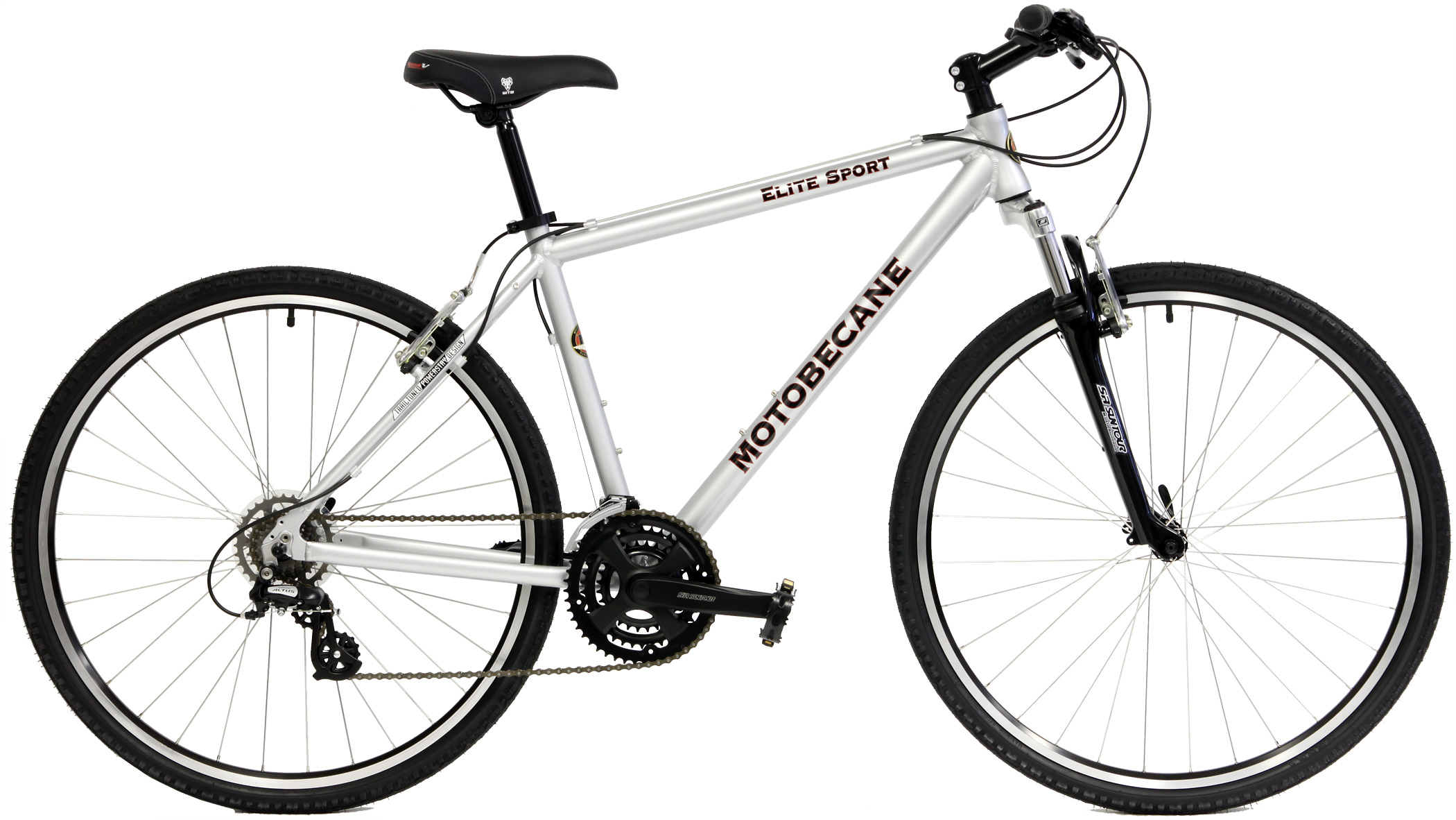
Motobecane Elite Sport hybrid bike designed for both pavement and light trails

One useful strategy is to compare it to the other bikes you enjoy. If you love the soft, relaxed ride of a beach cruiser, steel may resonate with you. If you’re more excited by the quick response of a performance road bike or lightweight mountain bike, carbon might feel more “right” under you.

Longevity: How Long Do Steel And Carbon Gravel Frames Really Last?

Many riders ask which frame material “lasts longer,” but the real answer is more nuanced than just steel vs carbon.

A quality steel gravel frame, ridden in all seasons and cared for properly, can last decades. The main enemy is corrosion. If you live in a wet or salty environment, you’ll want to be extra diligent about keeping the frame clean, inspecting any chips in the paint, and possibly using rust-inhibiting products inside the tubes. Do that, and steel will often outlive the components you bolt onto it.

Carbon, on the other hand, doesn’t rust. As long as it doesn’t suffer a serious impact or crush damage, a good carbon frame can also last many years. The concern is less about slow decay and more about hidden damage if you crash hard or clamp the frame incorrectly in a work stand. For riders who push the bike in rocky terrain or travel frequently with it, regular inspections are important.

In the steel vs carbon gravel bike context, longevity depends as much on how and where you ride as on the material itself. A steel frame that lives on salted winter roads and never gets cleaned will age quickly. A carbon frame that you crash repeatedly into rock gardens will also have a shorter life. Cared for properly, both can be long-term partners.

Cost And Value: Where Does Your Money Go?

This is where BikesDirect.com comes into the conversation in a big way. Because of the factory-direct model, the price difference between a steel gravel bike and a carbon gravel bike might not be as massive as you’d expect from traditional retail—but there will still be a gap.

Steel gravel bikes usually come in at a more accessible price point. You get a durable, comfortable frame and solid components without a scary sticker shock. That makes steel attractive if you’re building your first serious gravel bike or if you want a reliable all-rounder in addition to a dedicated road bike, fat bike, or hybrid bike.

Carbon gravel bikes usually cost more, but you’re paying for lower weight, tuned ride characteristics, and often upgraded components. If you’re entering events, riding long distances, or simply want a bike that feels as light and responsive as your best road machine, the extra investment can be worth it every time you clip in.

Best value is personal. For a rider who loves long, loaded tours and wants one bike to do everything, a reasonably priced steel build offers incredible bang for the buck. For a rider chasing ambitious goals and big miles, a carbon frame with quality parts might deliver more satisfaction per dollar over the life of the bike.

The important thing is that both sides of the steel vs carbon gravel bike equation can offer excellent value if you choose the right model for your style and budget.

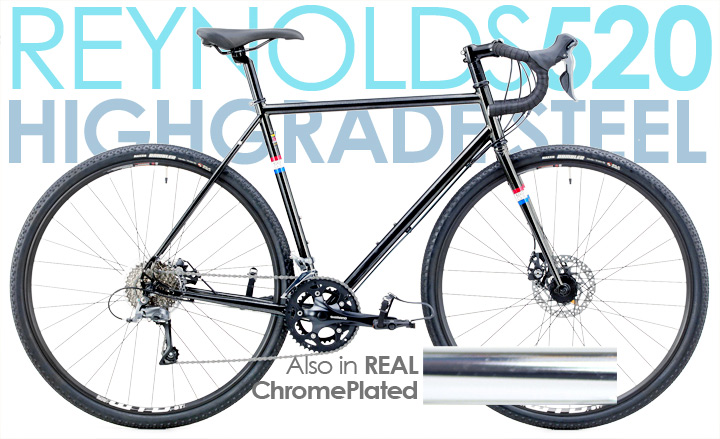
Reynolds 520 chrome-plated steel gravel bike with disc brakes and classic styling

Matching Material To Your Riding Style

The most useful question isn’t “Which is better, steel or carbon?” It’s: “Which one fits the way I actually ride?”

If your ideal day involves exploring unmarked farm roads, stringing together dirt connectors between small towns, and occasionally strapping on bags for an overnighter, steel provides a sense of reliability and calm that’s hard to beat. The slightly higher weight matters less when your priority is comfort and toughness over endless miles.

If your rides look more like fast weekend loops, mixed-surface fondos, and competitive gravel events where you’re trying to hang with a quick group, carbon starts to shine. You’ll enjoy the lower weight on climbs, the responsive handling, and the sense that every watt you put in goes straight into forward motion.

Of course, many riders split the difference and own multiple bikes. That’s where other categories at BikesDirect become handy. Maybe you pick a steel gravel bike for adventure duty and keep a carbon road bike for dedicated tarmac rides. Maybe you pair a carbon gravel bike with a relaxed beach cruiser for truly effortless spins.

There is no one correct answer. The best choice is simply the one that makes you want to ride more.

Practical Tips When Choosing Your Next Gravel Bike

Once you’ve narrowed your preference in the steel vs carbon gravel bike debate, it helps to look at the finer details.

Pay attention to tire clearance, especially if you plan to ride in muddy conditions or want the option to run bigger tires for rough terrain. Check mounting points for racks, fenders, and extra bottles if you’re leaning toward bikepacking or year-round commuting.

Consider the drivetrain and braking. Modern gravel bikes—steel and carbon alike—often come with wide-range gearing and disc brakes that give you confidence on steep, loose descents. In many cases, the frame material choice will matter less than the overall build when it comes to how the bike feels day to day.

Don’t forget your other bikes. If you already own a lightweight road bike and a tough mountain bike, you might choose a gravel machine that fills a different niche rather than duplicating what you have.

Most of all, be honest about the kind of riding that leaves you smiling. A “perfect” carbon race rig is wasted if you secretly want to meander down quiet gravel lanes with bags and a camera. A beautifully built steel tourer won’t feel as magical if what really inspires you is the feeling of flying up climbs and chasing friends on hard, fast rides.

So, Steel Or Carbon: Which One Wins?

When you boil it all down, there’s no universal winner in the steel vs carbon gravel bike debate—only a better fit for you.

Steel offers warmth, durability, and a classic ride feel that shines on long days, heavy loads, and unpredictable routes. It’s the frame material many riders trust for “forever bikes” and big adventures.

Carbon delivers light weight, sharp responsiveness, and refined comfort that shines when you want speed, efficiency, and a performance edge. It turns mixed-surface riding into something that feels closer to flying than grinding.

Both can be fantastic. Both can last for years. Both can carry you to the same horizon in very different ways.

Ready To Find Your Next Gravel Partner?

Choosing between steel and carbon isn’t just a spec sheet decision—it’s about the kind of rides you want to remember a year from now. If you’re curious how each material feels in the real world, dive into the gravel line-up at BikesDirect, compare builds side by side, and think about where you actually ride most.

You can start with an affordable steel option to test the waters or jump straight into a lighter carbon setup if you know you love that snappy feel. Either way, we are here to help you stretch your budget as far as your adventures. Explore the current gravel bike deals, check out the specs, and get ready to say yes to a lot more dirt in your life.

Gravel Bikes: Affordable Adventurers vs High-End Off-Road Machines

Not long ago, cyclists were faced with a simple choice: hit the tarmac with a sleek road bike or head for the dirt on a rugged mountain bike. Today, there’s a new frontier—the gravel bike. Built to thrive on everything from smooth pavement to rocky fire roads, gravel bikes offer unmatched versatility. They’ve exploded in popularity because they invite riders to push beyond the limits of traditional cycling. But here’s the catch: gravel bike prices vary widely, and what you get for your money can look very different.

That’s where the challenge begins for cyclists shopping online. Should you invest in a budget-friendly gravel setup designed for adventure seekers, just testing the waters? Or should you take the leap into high-end models crafted for endurance events, racing, and all-day comfort? Let’s compare what you can expect at three key tiers—from affordable to advanced—using some of the best options available at Bikesdirect.com.

Entry-Level Gravel: Affordable Freedom at $299

For newcomers, the Gravity Liberty GRV Gravel Bike is a prime example of how accessible gravel riding has become. At $299, this bike keeps costs down while still delivering the essentials needed to explore beyond the pavement.

With an aluminum frame, wide tire clearance, and disc brakes, it provides the confidence riders need on mixed terrain. It’s ideal for those who want to explore country roads, towpaths, or local gravel paths without the worry of wrecking a costly high-end machine.

At this price, the drivetrain will be simpler and less efficient than premium models, but for commuting, weekend adventures, or experimenting with gravel, it gets the job done. It’s the “gateway” gravel bike—proof you don’t have to spend thousands to enjoy the ride.

Mid-Tier Gravel: Performance Meets Value at $649

Move up to the Motobecane Gravel X3, priced around $649, and you start to see what a step up in gravel bike prices can buy. This bike is engineered for riders who’ve caught the gravel bug and want more durability and efficiency without overspending.

Here, you’ll find an upgraded Shimano drivetrain with a wider gear range, hydraulic disc brakes for confident stopping power, and a frame built to handle tougher, longer rides. That extra investment makes a big difference in handling steep climbs, technical descents, and longer adventures where reliability matters.

The Gravel X3 is a strong fit for riders who split their time between pavement and dirt, blending endurance comfort with weekend off-road exploration.

Motobecane Gravel X3 mid-range gravel bike with disc brakes and endurance geometry for daily commuting and weekend off-road exploration.

Premium Steel: Endurance and Heritage at $997

Steel has long been celebrated in the cycling world for its ride quality, and the Mercier Kilo GX Reynolds 520 brings that tradition to modern gravel at $997. Made with Reynolds 520 chromoly tubing, this bike offers a smooth, forgiving ride that stands out on long gravel grinds or multi-day adventures.

At this tier, components take another leap forward. Shimano drivetrains deliver crisp shifting, while disc brakes and thru-axles provide stability and control. For riders who value comfort over the long haul—think bikepacking, centuries, and endurance races—steel frames deliver a timeless combination of resilience and ride feel.

Yes, it costs more than aluminum, but for those who prioritize comfort on unpredictable terrain, the investment pays off every mile.

Carbon Value: Lightweight Speed at $1,099

Enter the world of carbon with the Gravity Gravel CF Comp, priced at $1,099. Carbon is the material of choice for competitive cyclists, and for good reason: it’s lighter, stiffer, and designed to transfer power more efficiently.

This model offers a significant weight reduction compared to steel or aluminum bikes, making climbs easier and speed more attainable. Carbon also damps road vibrations, keeping riders comfortable on long stretches of gravel. Add in modern hydraulic disc brakes and a carefully designed geometry, and you get a bike capable of both racing and rugged adventure.

It’s the go-to choice for riders who want a taste of high-end performance without entering the $4,000+ price range seen in boutique gravel bikes. 

Gravity carbon gravel bike with Shimano Claris groupset and wide tire clearance, designed for speed and efficiency on mixed surfaces.

High-End Carbon: Ultimate Performance at $1,499

At the top tier, the Motobecane Café Century CF 20 shows what you get when you push gravel bike prices into the premium bracket of $1,499. This bike is purpose-built for endurance cyclists who demand speed, comfort, and versatility.

Its full carbon frame and advanced Shimano drivetrain are tuned for efficient power transfer, long-distance comfort, and durability. Hydraulic disc brakes ensure confident handling in all weather, while flat bar geometry adds a touch of commuter-friendly control. This makes it a rare hybrid of performance and practicality—equally suited for race day or weekday rides through city traffic.

For cyclists serious about gravel events or multi-day tours, this bike offers near-pro-level performance without the sticker shock of boutique racing machines.

Motobecane R7000 carbon gravel bike with Shimano 20-speed drivetrain, tubeless-ready rims, and hydraulic disc brakes for high-end endurance and racing use.

Comparing Gravel Bike Prices: What’s Worth It?

So, what do these comparisons tell us? The jump in gravel bike prices reflects real differences in material, drivetrain quality, braking systems, and long-distance comfort. A $699 entry-level aluminum gravel bike opens the door to adventure, while a $2,599 high-end carbon machine equips you for serious endurance riding and racing.

What matters most is matching your goals with your budget. If you’re dipping a toe into gravel riding, start with a budget-friendly model that delivers solid value. As your passion and mileage grow, upgrading to mid-tier or premium models will give you noticeable gains in performance and comfort.

Final Thoughts: Finding Your Perfect Gravel Bike

Gravel riding is about freedom—the freedom to explore roads less traveled, discover new landscapes, and push your limits. But that doesn’t mean you need the most expensive bike to enjoy it. From aluminum workhorses under $1,000 to premium carbon machines built for competition, Bikesdirect.com makes it possible to find the right gravel bike at the right price.

When you shop here, you skip the retail markups and access deals that make high-quality bikes more attainable. Whether you’re buying your first hybrid bike for city commuting, a road bike for speed, a mountain bike for trails, or a fat bike for snow and sand, Bikesdirect.com has something designed for your riding style.

If you’re ready to ride gravel bike—whether as a weekend adventurer or a competitive racer—don’t wait. Explore our full collection today, compare models side by side, and take the next step toward your perfect ride. Your gravel journey begins with the bike that fits both your goals and your budget.

The Evolution Of Bike Technology: What’s Changed In The Last Decade

BikesDirect.com explores the evolution of modern cycling, showcasing how innovations like disc brakes, carbon frames, the versatile gravel bike, and the powerful e-bike have transformed riding experiences. These advancements redefine performance, comfort, and adventure, helping every rider find the perfect balance of speed, freedom, and technology.