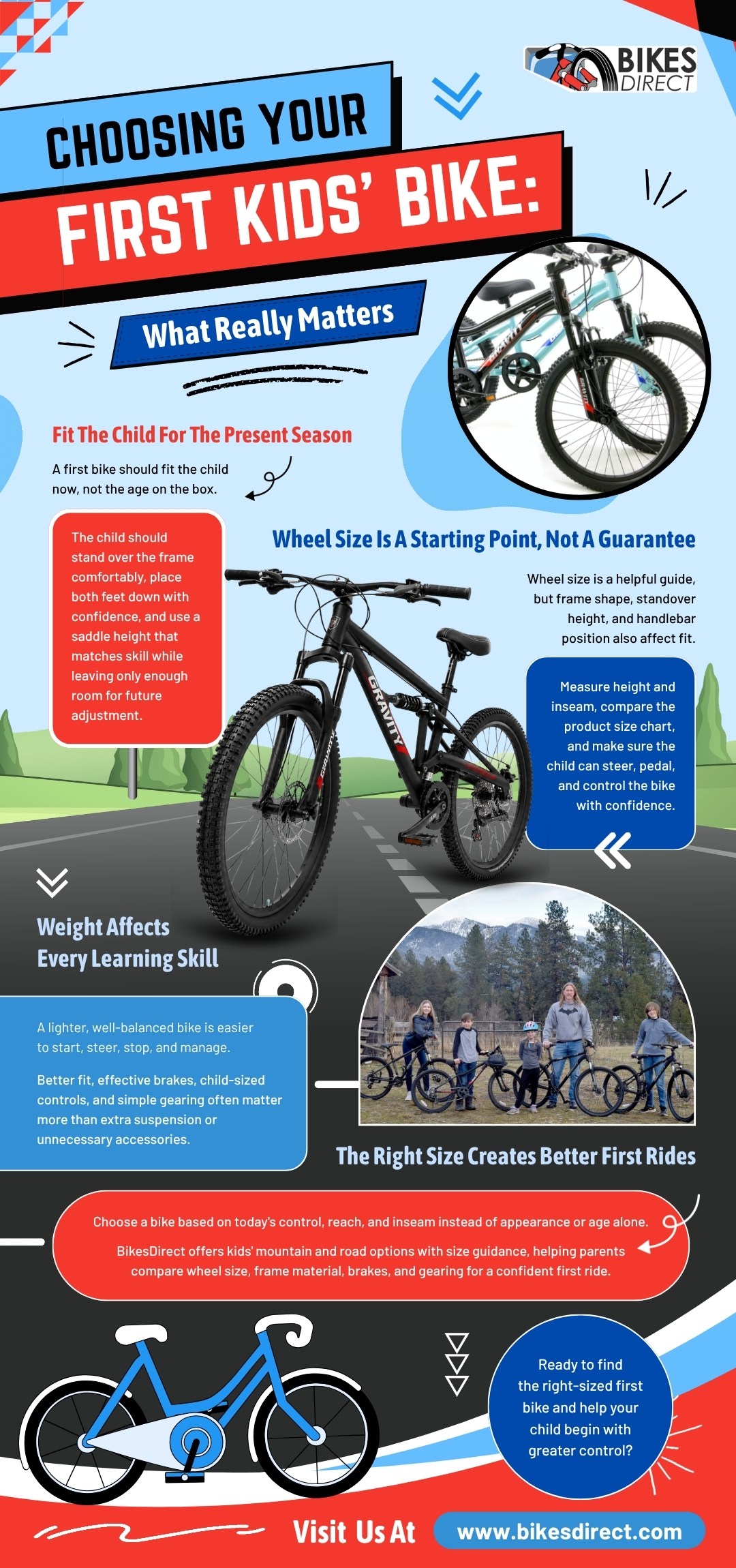
Choosing Your First Kids’ Bike: What Really Matters

Get Official Bikesdirect and Bicycle Industry Insider News

A size label gives us a starting point, not a finished riding position. Two people of the same height can need different frames or cockpit settings because their inseams, torsos, arms, mobility, and riding goals differ. This complete bike fit guide builds the position from the frame outward so each adjustment has a clear purpose.
The ideal posture also changes with the bicycle. A mountain bike must leave room for movement and control on uneven ground, while a road setup may place the hands lower for speed. Comfort does not mean forcing every bicycle into the same upright shape.
We will begin with measurements and frame geometry, then set saddle height, reach, handlebar position, controls, and cleats. We will also separate basic DIY work from situations that justify a virtual fit, professional fitting session, or medical assessment.
The frame establishes fixed relationships that stems, spacers, and seatposts can adjust only within a sensible range. A shorter stem can reduce reach, but an extremely short replacement may change steering feel. A tall stack of spacers can raise the bars, but it cannot turn a low racing frame into a purpose-built upright bicycle.
We therefore want a frame that already places the rider close to the intended posture. Final fitting then refines the contact points rather than correcting a basic mismatch. This approach also protects future options because the owner can make small changes without reaching the limits of a seatpost, steerer, or saddle rail.
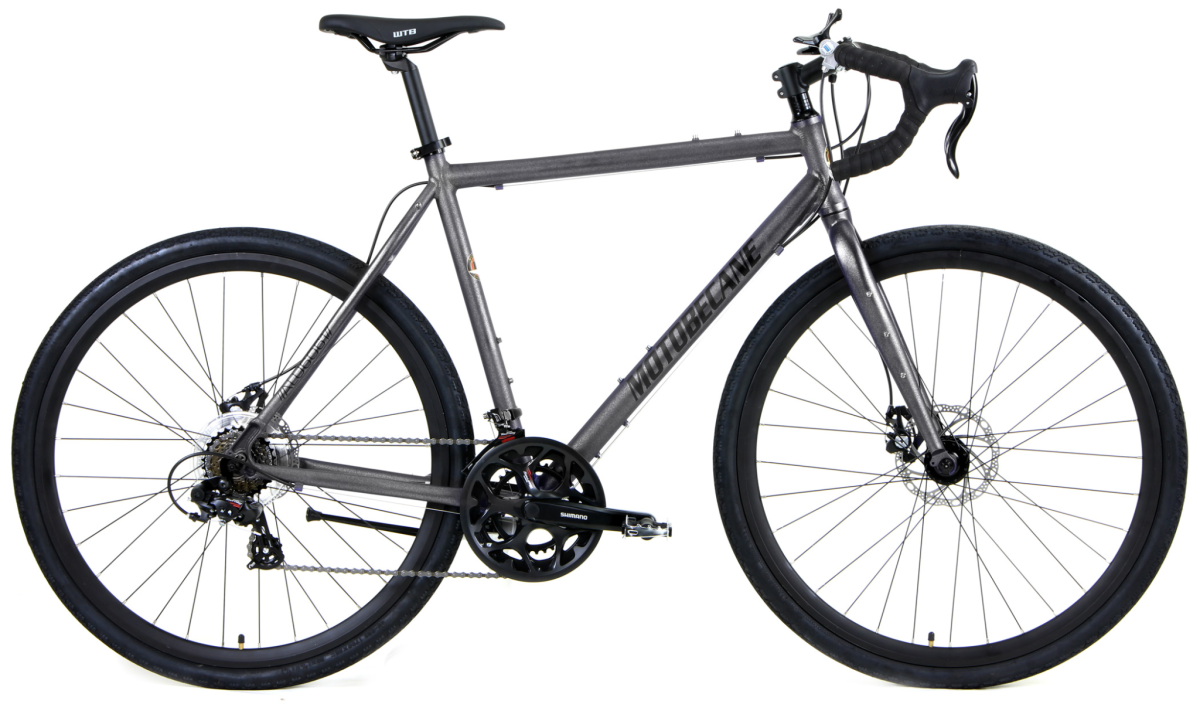
Continue reading “The Complete Bike Fit Guide: Sizing, Geometry, and Comfort”Gravel bikes now cover an unusually broad range of riding. Some feel quick and familiar on pavement, while others are built around large tires, low gearing, and mounts for long trips. In this complete gravel bike buying guide, we will sort those differences by the riding experience they create, not by isolated specifications.
A rider coming from a road bike may want speed with extra confidence on broken pavement. Another buyer may expect loose climbs, forest roads, or loaded weekends. Both can shop in the same category, but they should not choose the same setup.
Our best starting point is simple: picture the routes that will fill most of the bike’s miles. Once the intended surface, pace, distance, and cargo are clear, geometry, tires, gearing, frame material, brakes, and mounting points become much easier to judge.
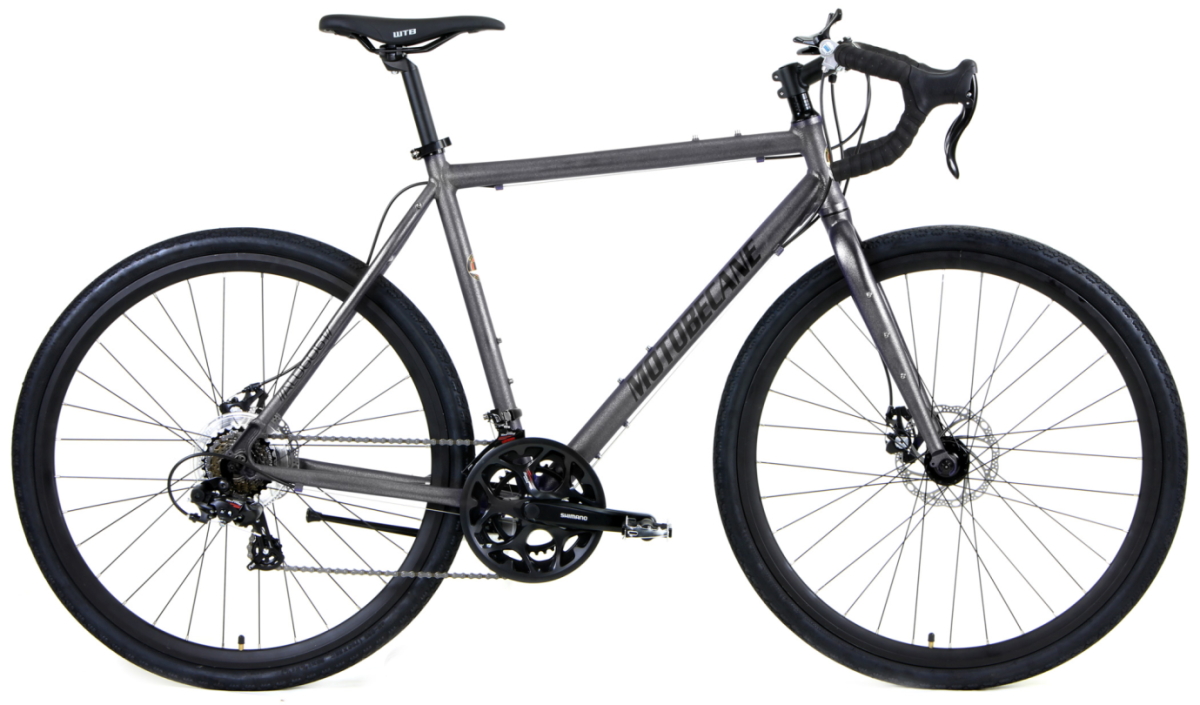
For riders who spend most of their time on asphalt, a fast all-road setup usually makes sense. Moderately wide tires, a close-ratio drivetrain, and a position that still feels efficient in a headwind can preserve much of the road-bike experience. The extra tire volume adds comfort on patched streets and confidence when a paved route turns into firm dirt.
We would avoid buying the widest and most heavily equipped option simply because it looks adventurous. Extra tire weight, very low gearing, and a tall front end can feel unnecessary if the bike rarely leaves smooth roads. A lighter, pavement-oriented gravel setup can still accept a second wheelset or wider tires later.
Continue reading “The Complete Buyer’s Guide to Gravel Bikes in 2026”Weekend gravel riding can mean a smooth rail trail on Saturday and a loose, hilly farm road on Sunday. Our review of the best gravel bikes under $2000 therefore starts with route demands rather than brand prestige. Tire room, climbing range, braking control, fit, and mounting points affect the ride more directly than a single headline component.
A fast road bike remains the better tool for riders who stay on clean pavement and value close gear steps. Gravel buyers accept a little aerodynamic and rolling compromise in exchange for wider tires, steadier handling, lower gearing, and the ability to carry equipment.
Current prices can move with promotions and inventory, so every buyer should confirm the live product page. The comparisons below focus on designs that remain meaningful even when the exact sale figure changes.
The REI gravel-bike guide recommends matching geometry, tire width, gearing, and carrying features to intended terrain. We use the same approach. A lower-priced bicycle can be the better value if it covers the route without forcing immediate upgrades.
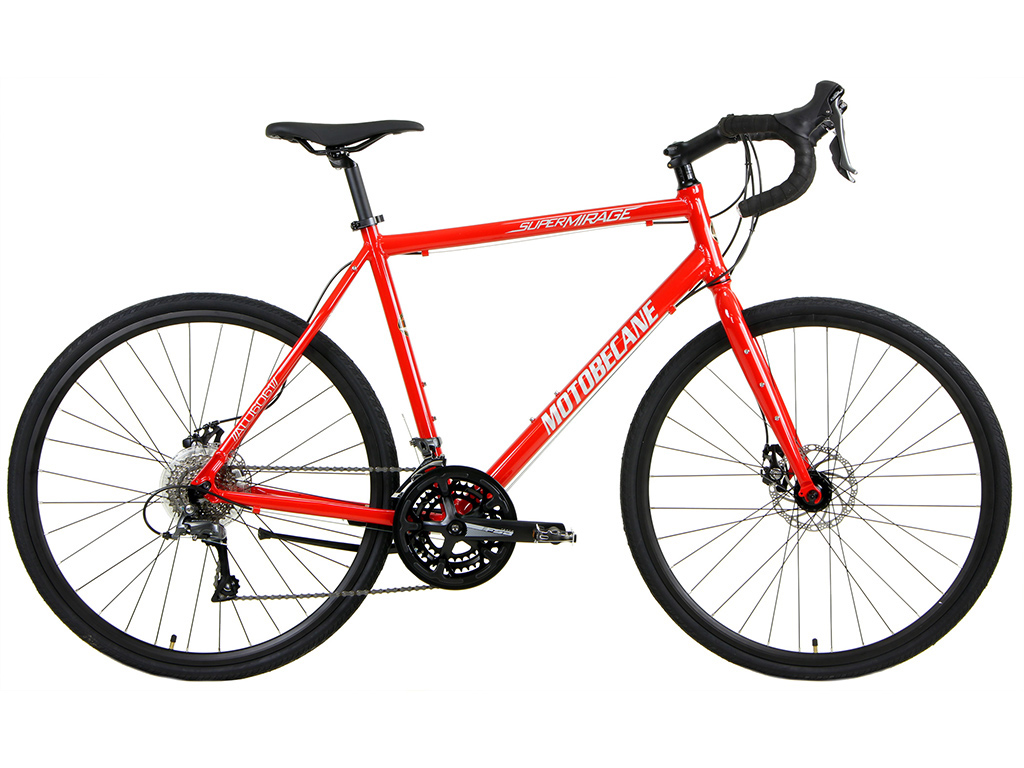
Continue reading “Best Gravel Bikes Under $2000 for Weekend Adventures”Buying a first road bike should feel exciting, not like an exam in component codes. In this guide to the best road bikes under $1500, we focus on the details a new cyclist can actually feel: a manageable riding position, useful climbing gears, dependable braking, sensible tires, and a frame size that supports confidence from the first ride.
Some riders discover that an upright hybrid bike better suits short errands and casual paths. Riders who want longer paved rides, faster group outings, or structured fitness usually benefit from drop handlebars and the more efficient body position of a road bike. The right choice is the one that fits the intended use rather than the category with the most impressive advertising.
Prices and availability change, so the figures discussed here should be treated as a snapshot rather than a permanent promise. We compare four current BikesDirect models by their underlying design and equipment, which remain the more useful buying signals.
A good entry-level road bike does not need racing credentials. It needs a sound frame, predictable steering, enough range for local hills, and parts that a bicycle shop can adjust or replace without a scavenger hunt. The REI road-bike buying guide similarly recommends starting with intended riding, frame material, geometry, and components instead of judging a bike by price alone.
Continue reading “Best Road Bikes Under $1500 for New Cyclists”A useful 1x vs 2x drivetrain comparison begins with ratios, not chainring count. A single front chainring can still provide a very broad range through a large cassette, while a double can deliver small steps and high top-end speed without necessarily giving the lowest climbing gear. The correct system depends on terrain, cadence preference, control simplicity, and maintenance habits.
A performance road bike commonly retains two chainrings because riders value close ratio changes and the ability to pedal efficiently at high speed. Mountain bikes have moved strongly toward 1x systems, and gravel bikes use both. That split reflects different riding problems rather than one technology replacing the other everywhere.
We will compare usable range, gear spacing, weight, chain retention, efficiency, adjustment, component cost, and discipline-specific needs. We will also use complete bicycles to show how the same drivetrain format can serve very different riders.
A 1x drivetrain uses one chainring, one rear derailleur, and a cassette with several cogs. The left-hand front shifter and front derailleur disappear. Modern mountain and gravel versions often pair a narrow-wide chainring with a clutch rear derailleur to control chain movement over rough ground.
The rider shifts only at the rear. That is intuitive during technical riding because every click moves in one direction through the sequence. The simplicity is especially useful when the rider is braking, standing, choosing a line, and changing gears within a few seconds.
Continue reading “1x vs 2x Drivetrains: A Complete Comparison for Modern Cyclists”The argument over hardtail vs full suspension often produces an answer before the rider has described a single trail. That is backwards. A smooth cross-country loop, a root-filled forest descent, and a gravel access road place different demands on a bicycle. The better platform is the one that supports the terrain, budget, maintenance habits, and skills of the person riding it.
A wide-tire fat bike can add flotation and grip on snow, sand, or very loose ground, but tire volume is not the same as suspension travel. Hardtails and full-suspension bikes manage impacts differently, and understanding that mechanical difference makes the rest of the comparison much clearer.
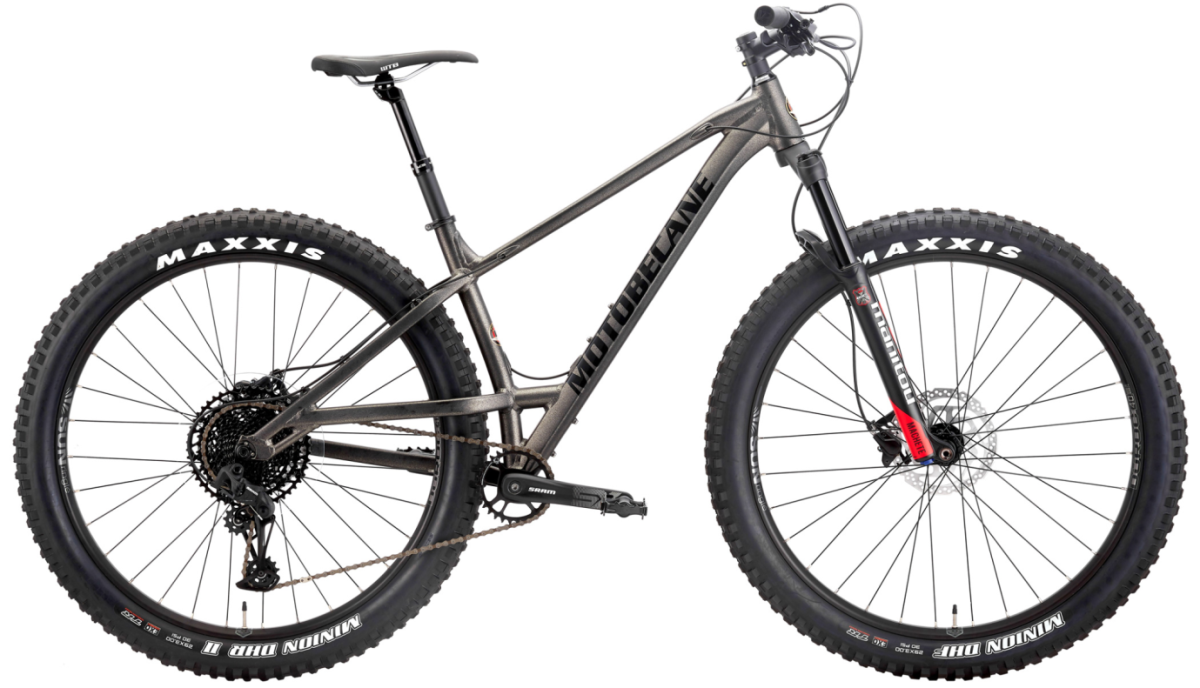
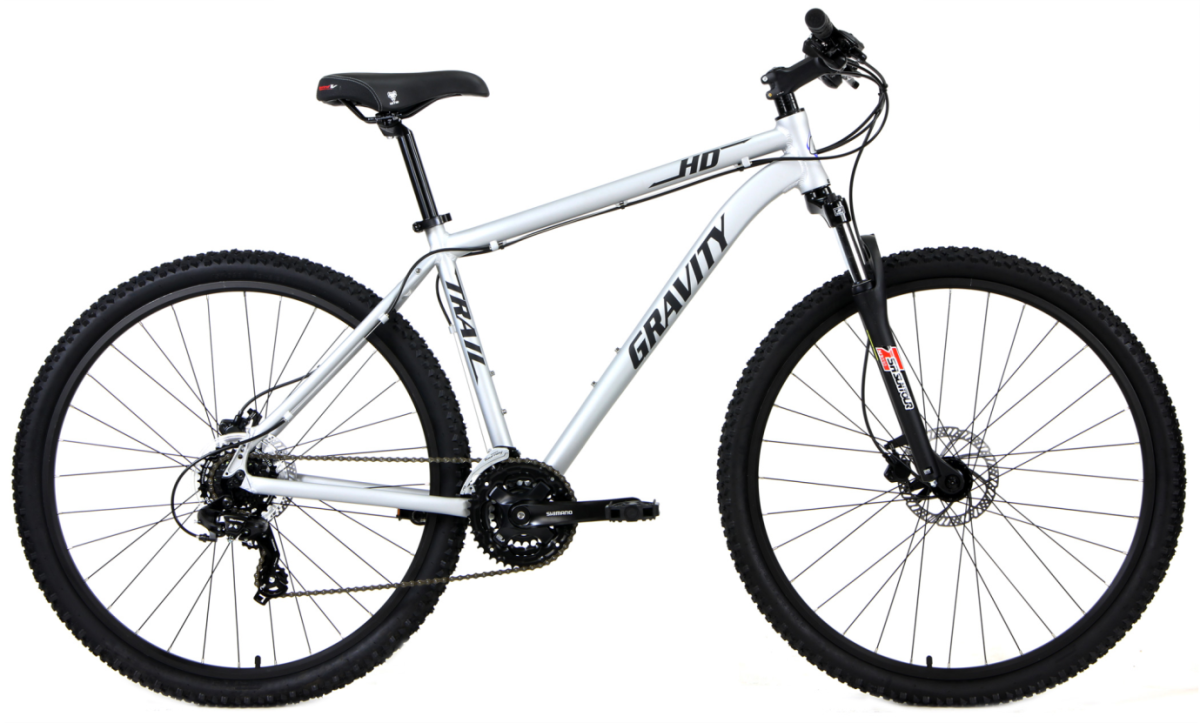
We will compare purchase value, weight, pedaling, climbing traction, descending control, comfort, durability, service needs, and rider development. We will also use four current BikesDirect examples to show why a low-cost full-suspension bicycle and a higher-spec hardtail may target very different buyers.
The REI mountain-bike buying guide defines a hardtail as a mountain bike with front suspension and a rigid rear triangle. A full-suspension bike adds a rear shock and moving linkage between the front and rear portions of the frame. That extra movement changes traction, comfort, maintenance, and price.
A hardtail sends pedaling force through a rear triangle with no pivots or shock. On smooth ground, that direct connection can feel lively and efficient. There are fewer moving parts to inspect, fewer bearings exposed to mud, and no rear shock requiring pressure checks or periodic service.
The rigid rear end also makes trail feedback more obvious. Riders learn to unweight the saddle, choose smoother lines, and use their legs as suspension. That can build useful technique, but it can also create fatigue on long sections of repeated rocks and roots.
Continue reading “Hardtail vs Full Suspension Mountain Bikes: Which One Wins?”