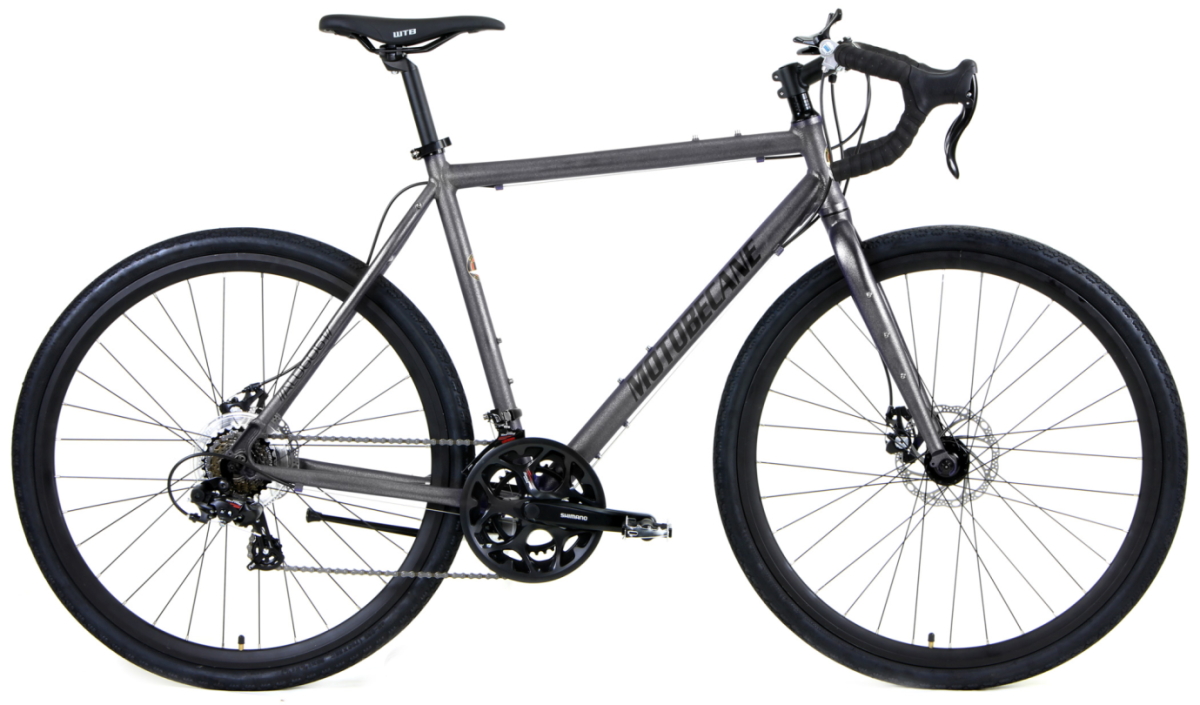
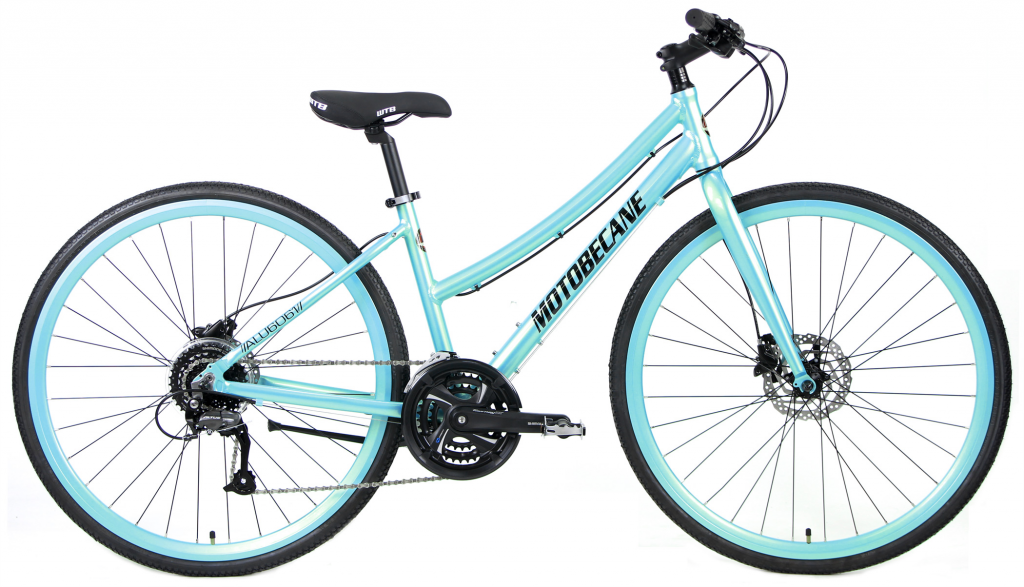
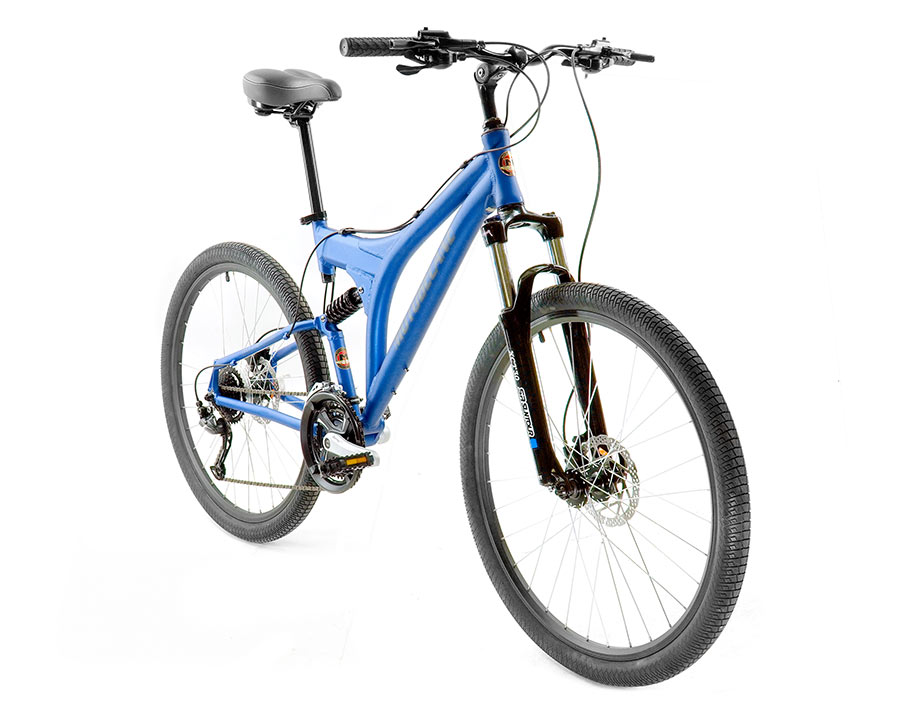
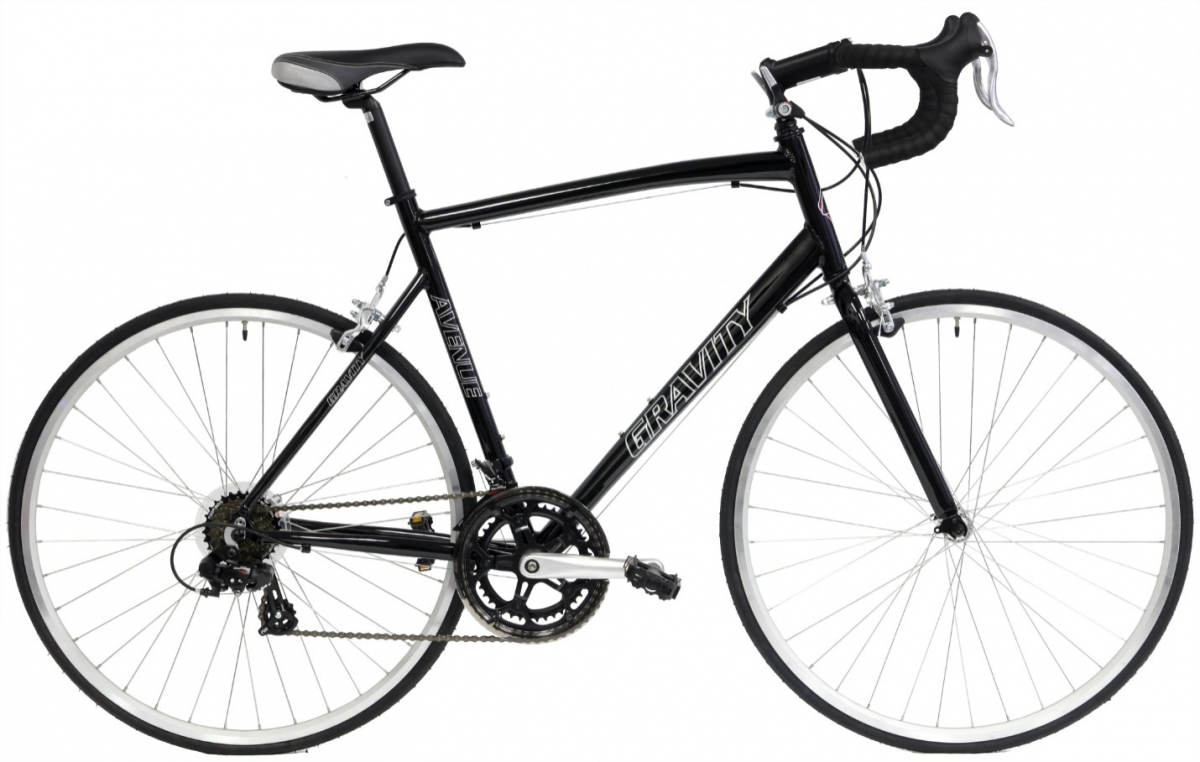
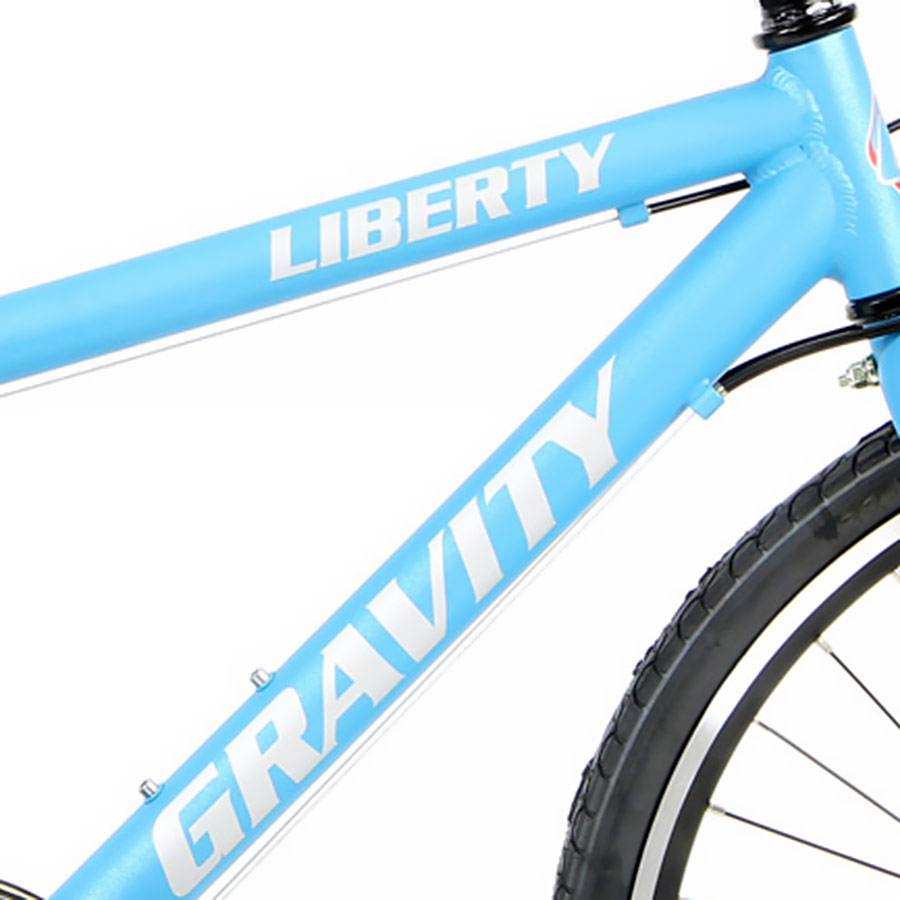
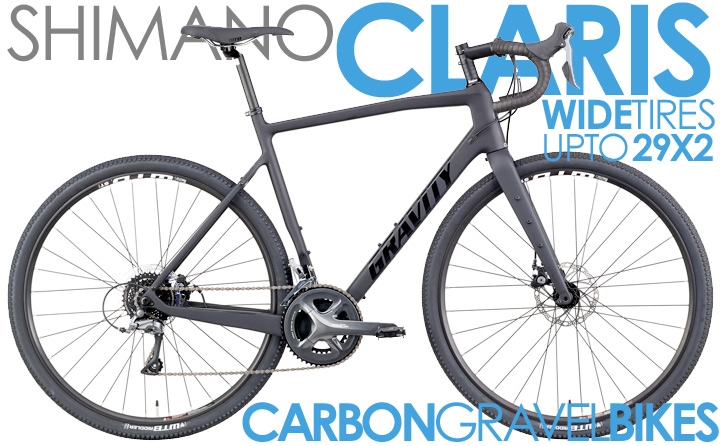
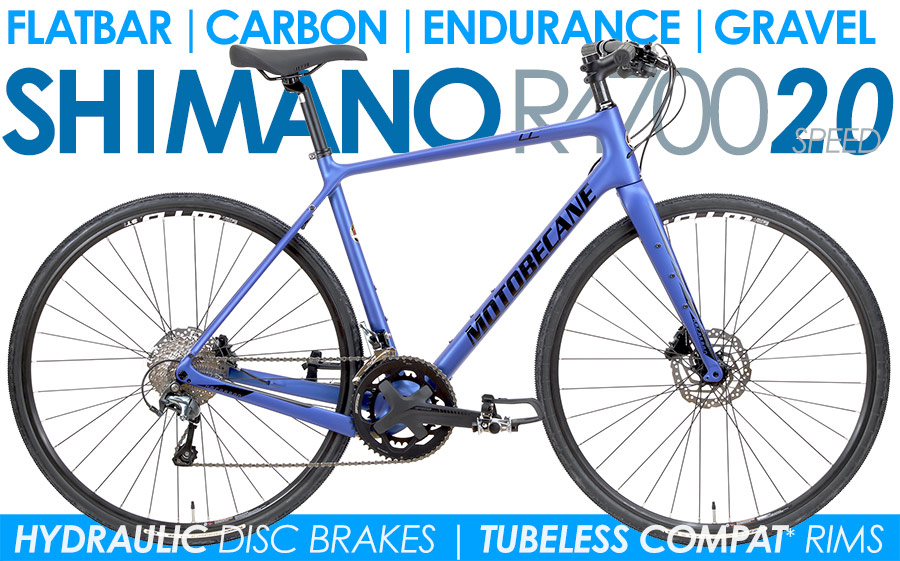
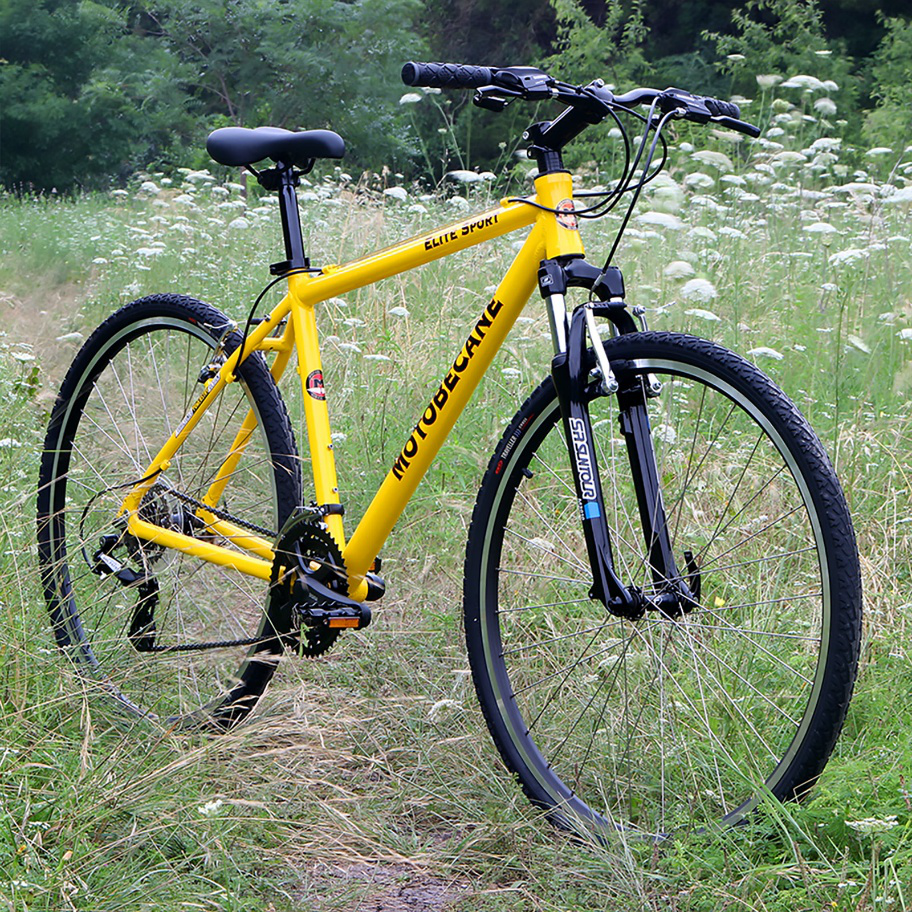
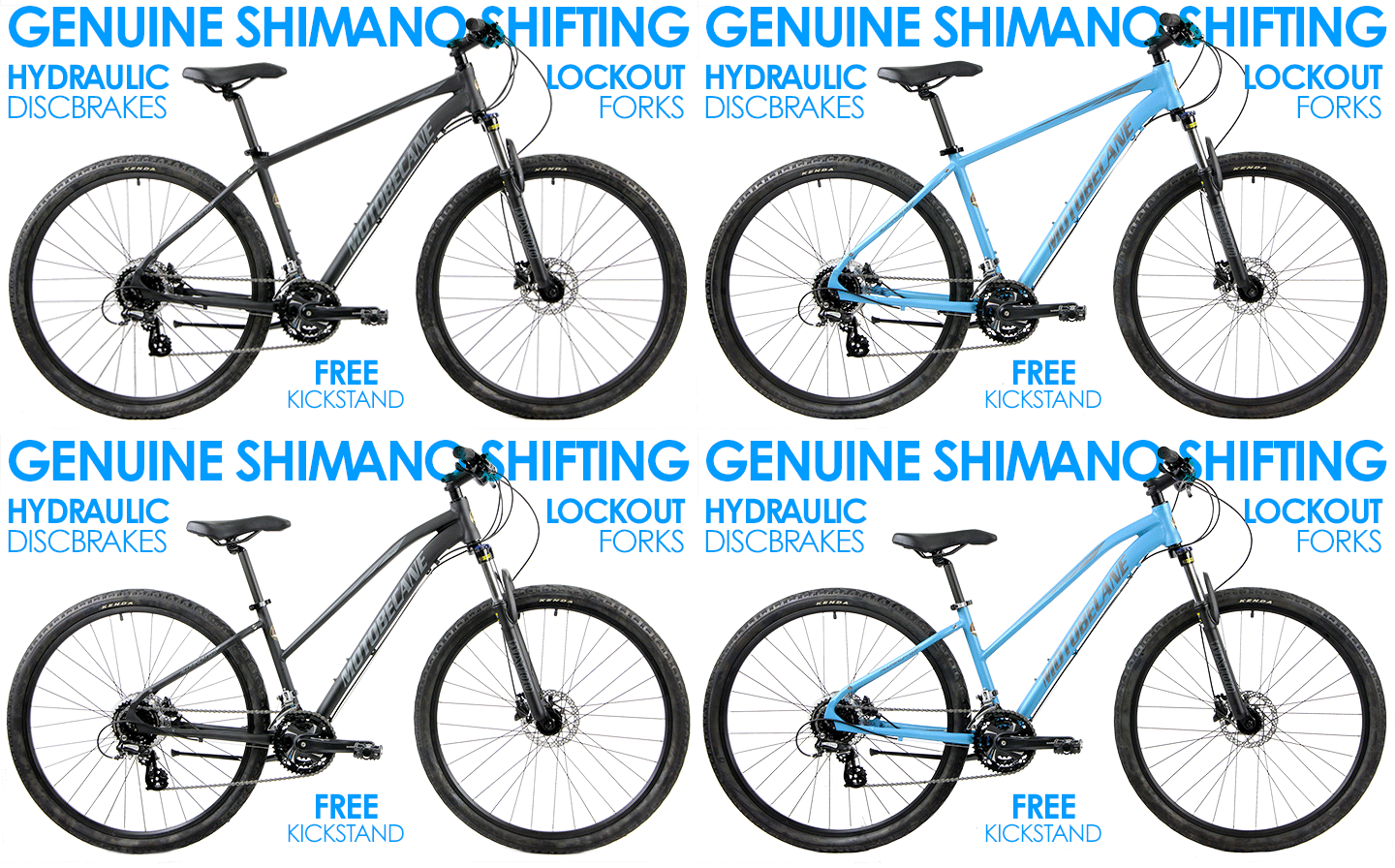
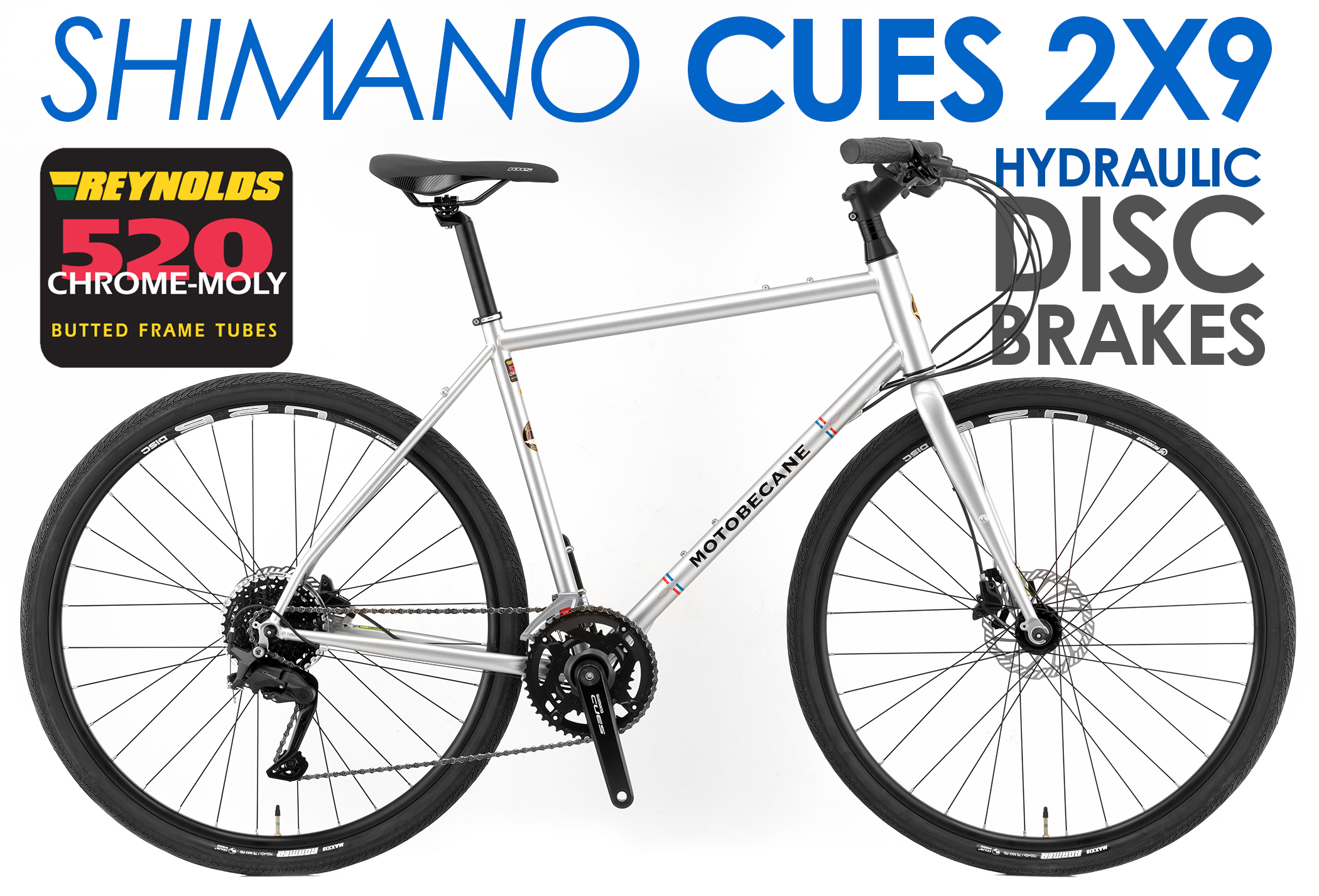
Weekend gravel riding can mean a smooth rail trail on Saturday and a loose, hilly farm road on Sunday. Our review of the best gravel bikes under $2000 therefore starts with route demands rather than brand prestige. Tire room, climbing range, braking control, fit, and mounting points affect the ride more directly than a single headline component.
A fast road bike remains the better tool for riders who stay on clean pavement and value close gear steps. Gravel buyers accept a little aerodynamic and rolling compromise in exchange for wider tires, steadier handling, lower gearing, and the ability to carry equipment.
Current prices can move with promotions and inventory, so every buyer should confirm the live product page. The comparisons below focus on designs that remain meaningful even when the exact sale figure changes.
How We Judge an Affordable Gravel Bike
The REI gravel-bike guide recommends matching geometry, tire width, gearing, and carrying features to intended terrain. We use the same approach. A lower-priced bicycle can be the better value if it covers the route without forcing immediate upgrades.
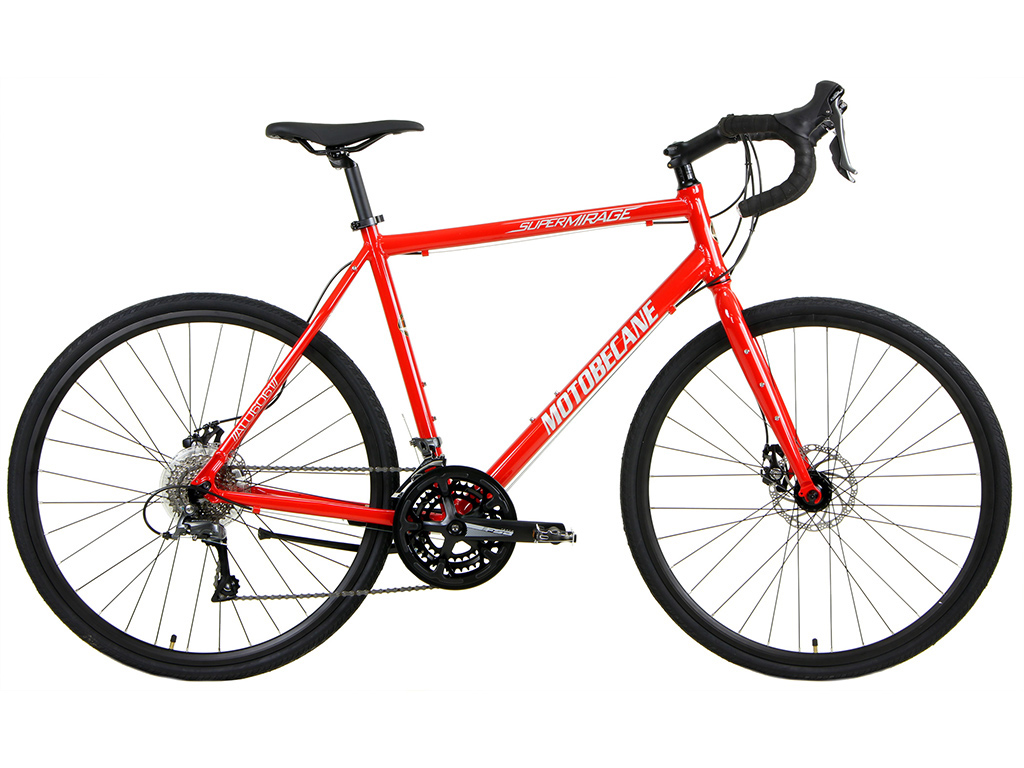
Buying a first road bike should feel exciting, not like an exam in component codes. In this guide to the best road bikes under $1500, we focus on the details a new cyclist can actually feel: a manageable riding position, useful climbing gears, dependable braking, sensible tires, and a frame size that supports confidence from the first ride.
Some riders discover that an upright hybrid bike better suits short errands and casual paths. Riders who want longer paved rides, faster group outings, or structured fitness usually benefit from drop handlebars and the more efficient body position of a road bike. The right choice is the one that fits the intended use rather than the category with the most impressive advertising.
Prices and availability change, so the figures discussed here should be treated as a snapshot rather than a permanent promise. We compare four current BikesDirect models by their underlying design and equipment, which remain the more useful buying signals.
What Real Value Looks Like Below $1500
A good entry-level road bike does not need racing credentials. It needs a sound frame, predictable steering, enough range for local hills, and parts that a bicycle shop can adjust or replace without a scavenger hunt. The REI road-bike buying guide similarly recommends starting with intended riding, frame material, geometry, and components instead of judging a bike by price alone.
For thousands of riders across the U.S., the daily commute has quietly transformed from a four-wheeled chore into a two-wheeled escape. An e-bike turns a sweaty 30-minute slog into a 20-minute glide that gets you to the office fresh, gets you home before traffic builds up, and replaces gas money with a few cents for charging. The challenge is that “commuter e-bike” now spans everything from $4,000 European cargo rigs to suspicious $400 online specials. Somewhere in between sits the real sweet spot — and that is exactly where the best electric bikes under $2000 live.
This guide focuses on the best electric bikes under $2000 currently available on Bikesdirect.com — a price tier where build quality, motor reliability, and battery longevity finally align. We compare four commuter-focused Motobecane models, each built around the same Shimano STEPS mid-drive architecture and engineered for the daily rider who wants to skip the gas station for good. Each bike covered below is available now through Bikesdirect.com, with sizing tools, detailed specs, and shipping included.
What $2,000 Buys in 2026
The under-$2,000 e-bike category has improved more in the past three years than in the entire previous decade. A well-chosen commuter e-bike at this price now includes a name-brand mid-drive motor, a reliable lithium-ion battery with reasonable range, hydraulic disc brakes, and integrated lighting. The best electric bikes under $2000 typically deliver 30 to 50 miles of real-world range on a single charge, which comfortably covers most commuters’ needs with room to spare. According to PeopleForBikes, this price tier is where most first-time e-bike buyers land — and it is where the gap between marketing claims and actual performance finally starts to close meaningfully.
Motobecane Elite eUrban: The Pure Commuter
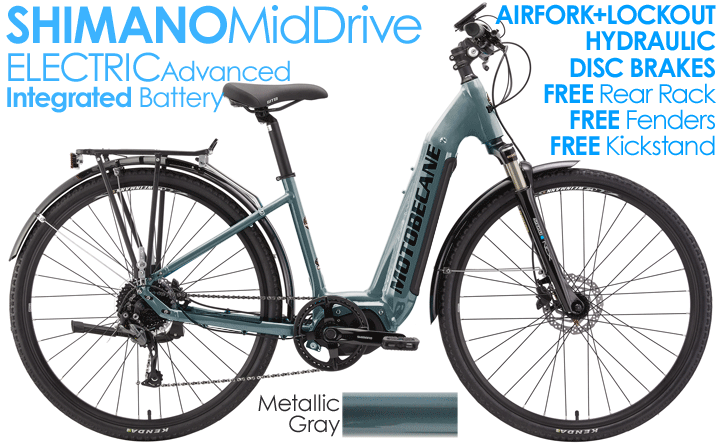
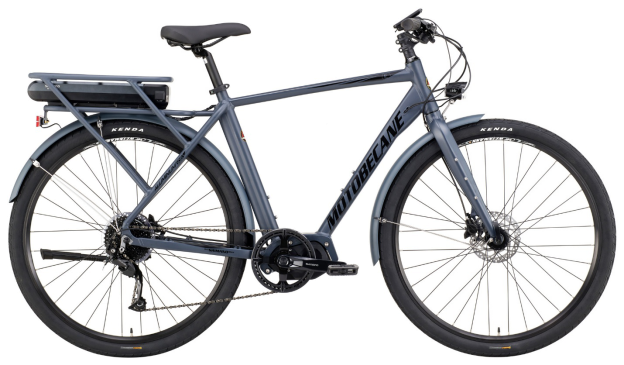
If your goal is the cleanest, most pavement-focused daily ride, the Motobecane Elite eUrban hits the sweet spot. Built around a hydroformed aluminum frame and Shimano STEPS E5000 mid-drive motor, this bike delivers a natural pedal-assist response that mimics a stronger version of you rather than a scooter. The integrated battery looks cleaner than externally mounted alternatives and disappears into the down tube. A 1×9 drivetrain, hydraulic disc brakes, and AIR lockout suspension forks round out a build that punches above its price. Among the best electric bikes under $2000 for pure urban use, this lands near the top. Riders coming from a flat-bar hybrid bike background will find the geometry familiar and confidence-inspiring from the first pedal stroke.
Motobecane Elite e Adventure: When Routes Get Mixed
If your daily commute includes paved bike paths, occasional gravel sections, or rough urban surfaces, the Motobecane Elite eAdventure handles the variety beautifully. The same Shimano STEPS mid-drive system pairs with longer-travel front suspension, wider tires, and clearance for up to 2.3-inch rubber. The LTD trim adds an internal battery and front/rear lighting for full-fledged commuter readiness. This bike sits somewhere between a flatbar gravel bike platform and a traditional commuter — versatile in a way that the best electric bikes under $2000 sometimes struggle to be. Riders who want to extend their commute into weekend exploration will find this the most adaptable option in the lineup.
Motobecane Elite eSport: Fitness-First Commuting
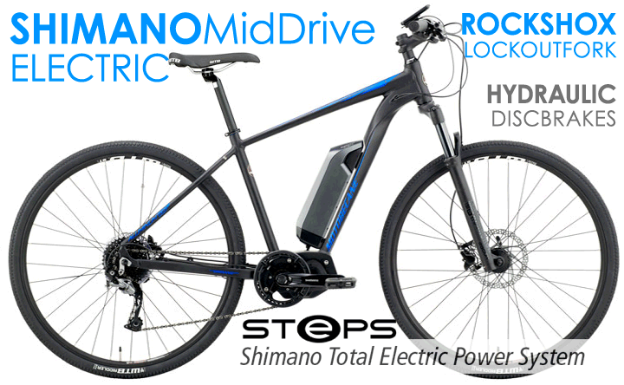
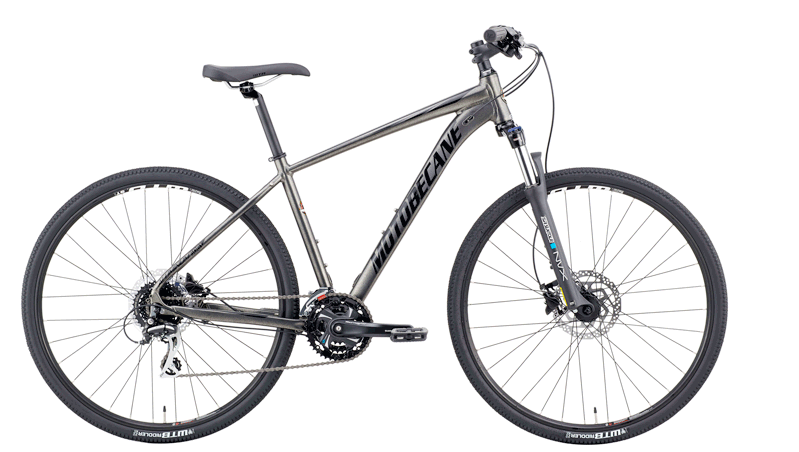
For commuters who also want their e-bike to double as a fitness tool, the Motobecane Elite eSport meets both goals. Built on a lightweight 29er frame with bladed forks, this model leans into the kind of efficient, athletic geometry usually reserved for a fitness road bike. The Shimano E5000 mid-drive provides assistance without overpowering your own effort, which makes it especially useful for riders who want to maintain fitness while reducing commute time and arrival sweat. Among the best electric bikes under $2000, the eSport stands out for riders who think of their bike as a workout partner first and a transportation tool second.
Motobecane EF3: The Folding Commuter Solution
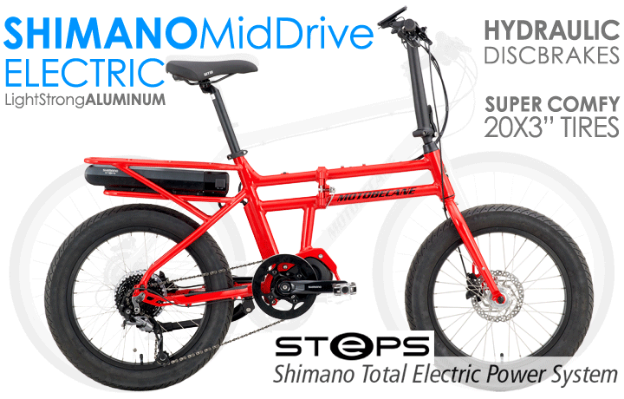
Apartment dwellers, train riders, and multi-modal commuters need a different kind of e-bike — one that folds. The Motobecane EF3 packs a Shimano STEPS mid-drive system into a folding aluminum frame, with hydraulic disc brakes and a configuration designed for the elevator, the subway car, and the office closet. It travels with you in ways a fixed-frame mountain bike never could, and it stores in space barely larger than a suitcase. For riders whose commute involves trains, buses, or shared offices, the EF3 unlocks a flexibility no other entry in the best electric bikes under $2000 category can match.
How to Choose Between These Four
Picking between these four bikes mostly comes down to your commute geography. Pure pavement riders should consider the Elite eUrban for its integrated, polished commuter feel. Riders on mixed routes should consider the Elite eAdventure for its broader tire clearance and suspension. Fitness-minded commuters benefit most from the Elite eSport’s athletic frame design. Multi-modal commuters who need to fold and carry their bike should jump straight to the EF3. According to recent commuter cycling coverage by Bicycling magazine, the single most important factor in e-bike satisfaction is matching the bike to your actual route — not the route you wish you had. All four models in this best electric bikes under $2000 lineup share the same proven Shimano STEPS mid-drive system, so the choice really comes down to fit, geometry, and storage needs.
A Quick Note on Other Categories
Before you commit, consider whether an electric commuter is even the right category for your situation. Some riders explore winter commutes on a fat bike for snow and ice, while others on flat beach routes prefer the relaxed posture of a beach cruiser over a pedal-assist commuter. The best electric bikes under $2000 we’ve outlined above suit year-round commuters, urban professionals, and anyone replacing a short car trip with a healthier alternative — but the right category is always the one that matches how you actually ride, not the one trending on social media this month.
Ready to Make the Switch?
Stop watching gas prices climb. Browse the full collection of the best electric bikes under $2000 on Bikesdirect.com, compare specs across the Motobecane commuter lineup, and let us help you find the e-bike that finally replaces those rush-hour drives. Use our sizing tools and configurator, and you’ll be commuting clean within a week. Your next ride starts here — pick the bike, and let us handle the rest.
Many new riders begin cycling without knowing which bike category actually fits their riding habits. Some want speed on pavement, others want comfort for commuting, while some expect their bike to handle mixed terrain. Understanding these differences makes the buying process much easier.
A road bike is designed primarily for efficient riding on pavement. Lightweight frames, drop handlebars, and narrow tires help riders maintain speed while covering longer distances with less effort.
Other categories serve different purposes. A hybrid bike blends comfort with moderate speed for commuting and casual rides. A gravel bike expands capability for mixed terrain. A mountain bike focuses on rough trails and technical terrain, while a fat bike excels on sand and snow. Riders seeking relaxed neighborhood cruising often prefer a beach cruiser.
For riders focused primarily on pavement performance and long-distance efficiency, road bikes remain the most practical choice. Fortunately, the best road bikes under $1000 now deliver impressive performance with modern materials and dependable drivetrains.
This guide examines several strong options available at BikesDirect and explains how to balance performance, comfort, and value.
Choosing a first bike often feels overwhelming. New riders are usually deciding between speed, comfort, durability, and price, all at the same time. The truth is most people simply want a bike that feels stable, easy to ride, and capable of handling everyday routes.
That’s where a hybrid bike stands out. Hybrid bikes combine the efficient rolling of pavement-oriented bikes with the comfort and stability needed for daily riding. For beginners, that balance makes them one of the most practical starting points.
Many riders exploring cycling also consider alternatives such as a road bike for speed or a mountain bike for trail riding. Others may be drawn toward the versatility of a gravel bike, the traction of a fat bike, or the relaxed comfort of a beach cruiser.
However, when price, comfort, and everyday versatility are priorities, hybrid bikes under $500 often provide the most balanced value.
This guide highlights several beginner-friendly options while explaining what features actually matter when choosing a reliable budget hybrid.
What Makes a Good Hybrid Bike Under $500
Budget-friendly bikes still need solid fundamentals. The goal is not simply finding the cheapest option but identifying models that provide dependable components and a comfortable riding experience.
Key features beginners should look for include:
Frame Material Most hybrids under $500 use aluminum frames. Aluminum offers a good balance between strength and weight while resisting corrosion. A well-designed aluminum frame keeps the bike responsive without becoming heavy or sluggish.
Reliable Drivetrain A Shimano drivetrain is common in this category. Multi-speed gearing allows riders to manage hills, headwinds, and longer rides more comfortably. Smooth shifting is especially important for beginners who are still developing cadence and pacing habits.
Disc Brakes Many modern hybrid bikes include hydraulic or mechanical disc brakes. Disc braking systems provide consistent stopping power in different weather conditions and require less hand effort compared to traditional rim brakes.
Comfort-Oriented Geometry Hybrids are designed for an upright riding position. This reduces strain on the neck, shoulders, and wrists while giving riders better visibility in traffic and on shared paths.
These features help ensure that a budget bike remains enjoyable rather than frustrating.
Standout Hybrid Bikes Under $500
Several models in this price category demonstrate how well-equipped entry-level hybrids can be.
Motobecane Elite Adventure COMP
The Motobecane Elite Adventure COMP combines versatility with components usually found on more expensive bikes. It uses a hydroformed aluminum frame paired with a lockout front suspension fork that helps absorb rough pavement or light trail chatter.
A full Shimano 24-speed drivetrain provides a wide gear range, allowing riders to climb hills or maintain comfortable cadence on longer rides. Hydraulic disc brakes improve braking confidence, especially during wet conditions.
The bike also includes wide 29-inch wheels and tires designed to roll smoothly on pavement while remaining capable on gravel paths and park trails. For beginners exploring multiple riding environments, this combination of comfort and capability makes it a strong value.
Motobecane Cafe DISC Elite
The Cafe DISC Elite takes a slightly different approach by emphasizing pavement efficiency with commuter-friendly comfort. Its aluminum frame and chromoly fork deliver a smooth ride while maintaining responsive handling.
This model includes a full Shimano drivetrain and hydraulic disc brakes, giving riders dependable shifting and stopping power. Flat handlebars and an upright riding position create a comfortable posture for commuting or casual fitness rides.
With 700c wheels and moderate-width tires, the Cafe DISC Elite rolls efficiently on paved routes but still absorbs small surface imperfections common on city streets.
For beginners planning regular commuting or recreational road rides, this type of setup balances speed with comfort.
Motobecane Jubilee Elite FS
The Jubilee Elite FS focuses heavily on ride comfort. It features a full suspension design that absorbs road vibration and uneven surfaces more effectively than rigid hybrids.
This bike also includes a Shimano 24-speed drivetrain and hydraulic disc brakes, ensuring reliable shifting and braking performance. Wide 27.5-inch tires increase traction while further improving comfort.
For riders who prioritize smoothness and stability over maximum efficiency, the added suspension can make longer rides noticeably more enjoyable.
Terrain Comparison: Where Hybrid Bikes Work Best
Hybrid bikes are designed for versatility, but different terrain types highlight different strengths.
Pavement Hybrids perform very well on paved roads. Medium-width tires provide enough cushioning without slowing the bike down significantly.
Gravel Paths On packed gravel or crushed stone, hybrid bikes maintain good stability. Wider tires and upright posture help riders stay balanced even when surfaces become uneven.
Trails While hybrids can manage light dirt paths, technical singletrack with rocks and roots is better suited to a dedicated mountain bike.
Sand and Snow Loose surfaces such as sand or deep snow require the flotation of a fat bike. Standard hybrid tires are not designed for those conditions.
Casual Cruising For relaxed neighborhood rides, hybrids are comfortable and efficient. Riders looking for maximum comfort at slower speeds may still prefer the laid-back geometry of beach cruisers.
Understanding terrain helps beginners choose a bike that aligns with their typical riding environment.
Rider Goals: Choosing the Right Bike Style
Different riders prioritize different experiences. The best bike depends on how it will actually be used.
Fitness Riding Hybrid bikes support fitness riding by offering comfortable posture and efficient pedaling. Riders can maintain steady mileage without the aggressive position of road bikes.
Commuting For commuting, hybrids provide stability, visibility, and tire durability suited to city streets. Many frames also support racks and accessories.
Recreation Weekend riders benefit from hybrids because they adapt well to mixed surfaces and relaxed pacing.
Adventure Riding If rides regularly include rough gravel roads or long mixed-terrain routes, gravel bikes may offer additional stability and tire clearance.
Performance For riders focused on speed and road efficiency, road bikes remain the better choice.
Hybrid bikes sit in the middle of these categories, which is why they appeal to beginners.
A Practical Buyer Decision Framework
Before choosing a bike under $500, beginners should consider a few practical questions:
Where will most rides happen? Paved streets, park paths, and commuting routes favor hybrid bikes.
How often will the bike be used? Frequent riders should prioritize durability and reliable components.
What level of comfort feels right? Upright geometry and wider tires reduce fatigue over longer rides.
Is terrain varied? If routes regularly include gravel connectors or rough pavement, wider tires and stable geometry become more important.
Answering these questions narrows the options quickly.
Finding the Right Hybrid Bike for Your Riding Style
Budget does not have to limit quality. Many hybrid bikes under $500 deliver dependable components, comfortable geometry, and practical versatility for new riders.
Models like the Motobecane Elite Adventure COMP, Cafe DISC Elite, and Jubilee Elite FS demonstrate that affordability can still include features such as aluminum frames, hydraulic disc brakes, and Shimano drivetrains.
The key is choosing a bike that matches how you plan to ride. A comfortable and reliable setup encourages consistency, and consistency is what builds confidence and enjoyment.
When riders first see affordable bikes online priced at $599 for a carbon fork road bike or $349 for a wide-tire gravel bike with disc brakes, the instinct is to assume something is missing. The truth is these prices reflect how BikesDirect eliminates middlemen and showroom overhead while offering bikes with genuine components.In this guide, we break down the actual parts lists, frame materials, and braking systems across several popular bike types, showing why these prices are not only real, they often outperform similarly priced options at local bike shops.
How Factory-Direct Pricing Changes the Game
The difference between BikesDirect’s pricing and traditional retail is all in the business model:
No showroom markup. Bikes ship straight to customers, reducing overhead
Centralized inventory. Brands can offer a wider range of models without spreading stock across locations
Selective assembly and support. Basic assembly tools and guides are included, giving riders flexibility
Local bike shops may include assembly, fitting, or first tune-ups, which add cost. The spec-per-dollar value from BikesDirect often exceeds what shop pricing allows.
Breaking Down Parts Lists: What $300–$600 Gets You
Frame Materials
Hybrid bikes often use lightweight aluminum with durable welds, ideal for commuting or city riding
Entry-level road bikes feature steel or alloy frames, balancing comfort and performance
Gravel bikes include frames designed for mixed terrain, ready for long rides over paved and unpaved surfaces
Braking Systems
Many bikes in this range feature mechanical disc brakes or quality rim brakes, sufficient for everyday use
Higher-end options may include hydraulic discs, but even basic disc systems provide superior stopping power compared to traditional rim brakes
Wheels and Tires
Wider tires on fat bikes or gravel bikes absorb bumps and enhance comfort
Tire selection is often a major differentiator between online value and retail options
Real Examples of BikesDirect Value
Mercury Galaxy ST / ST Express
Price: as low as $229.95
Steel frame, reliable shifting, and basic disc brakes
Competitively spec’d against entry-level road bikes at local shops
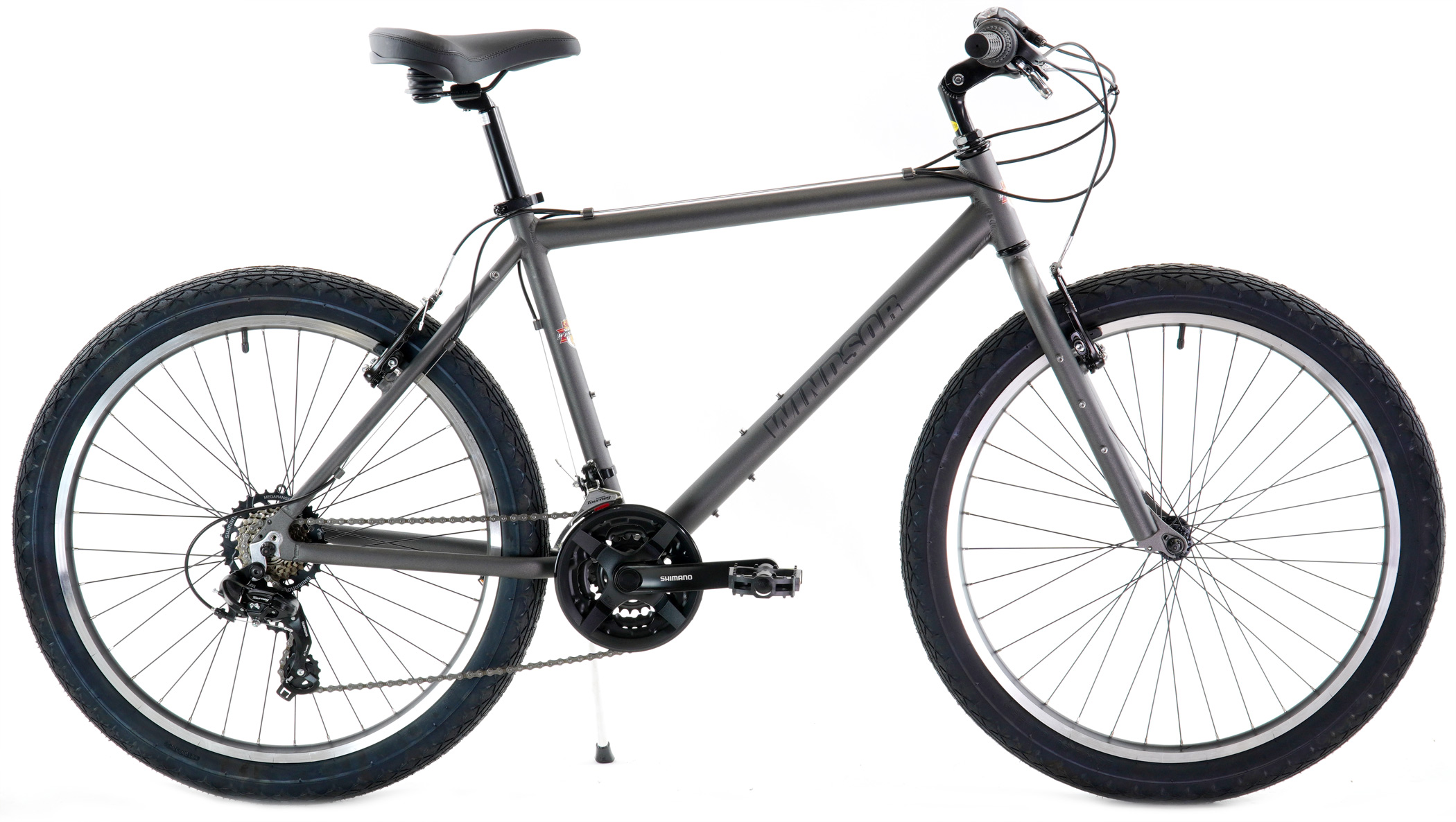
Windsor Wellington 2.0 XTL
Price: $349 with free 48 US shipping
Aluminum frame, balanced geometry for comfort
A strong contender among online road bike options
Axis 300HT Mountain Bike
Price: $399
Front suspension, V-brake system, durable aluminum frame
Designed for new riders seeking off-road capability
Huffy Wide-Tire Fat Bike
Price: $499
Oversized tires for sand, snow, and rugged trails
Offers traction advantages rarely found at this price in stores
Why These Prices Surprise Riders
Online prices look too good to be true because the savings come from eliminating overhead, not reducing quality. A quick price comparison with local shops highlights:
Cost savings from removing middlemen
Direct shipping benefits
Access to higher-spec components for the same budget
This approach allows BikesDirect to offer top-quality hybrid bikes, road bikes, fat bikes, and beach cruisers at realistic, accessible prices.
5-Step Smart Comparison Checklist
If you want to validate value and specs:
Total cost out the door. Include shipping, tax, and assembly tools
Fit confidence. Compare sizing charts to ensure proper comfort
Intended terrain. Choose mountain bikes for trails or road bikes for pavement
Maintenance plan. Decide if you prefer DIY setup or shop-assisted assembly
Key specs. Prioritize brakes, gearing, and tire width over minor extras
Understanding the True Value of BikesDirect Pricing
Many riders hesitate when they see affordable bikes online, thinking something must be missing. A $349 gravel bike or a $599 road bike can look almost too good to be true. The reality is that BikesDirect achieves these prices through a factory-direct model, not by cutting corners on quality. Understanding what goes into the pricing helps riders make confident, informed decisions.
First, consider the frame and component selection. BikesDirect sources frames from established manufacturers and carefully matches them with components that deliver reliability and performance. For example, entry-level hybrid bikes use durable aluminum frames, offering a comfortable ride for commuting or casual fitness, while mountain bikes feature front suspension and V-brakes suited for trail adventures. Even the fat bike models include wide, traction-focused tires that outperform similarly priced retail alternatives.
Another critical factor is the absence of retail markups and showroom costs. Traditional bike shops carry expenses for rent, staff, and inventory spread across multiple locations. Those costs are included in the sticker price. BikesDirect ships directly from centralized warehouses, allowing the company to pass savings directly to the rider. That means a beach cruiser or road bike can have higher-spec parts at a fraction of the retail cost without compromising safety or performance.
The price comparison between online and local options highlights additional value. Online, riders gain access to a wider selection of bikes, from hybrid bikes for daily commuting to adventure-ready gravel bikes. Shoppers can explore specifications, tire widths, brake types, and drivetrain setups without feeling rushed or pressured, and they can compare models across multiple categories. This transparency empowers buyers to choose the bike that best fits their terrain, fitness level, and riding goals.
Finally, BikesDirect supports riders with resources for assembly and maintenance. Most bikes arrive 90 percent pre-assembled with step-by-step guides, helping new riders confidently get on the road. Online educational tools and customer support further enhance the buying experience, making it easier to enjoy a mountain bike trail ride, a casual beach cruiser outing, or a weekend adventure on a fat bike.
By looking beyond the initial sticker price and examining frames, components, and real-world usability, riders can see that these affordable bikes online truly offer quality that rivals much more expensive alternatives. Choosing BikesDirect is about maximizing value, gaining convenience, and accessing a wide range of bikes without compromise.
Seeing $599 road bikes or $349 gravel bikes online may initially raise skepticism. BikesDirect’s factory-direct pricing, transparent parts lists, and carefully chosen components explain the low numbers. Riders gain better value, wider selection, and convenience, while still enjoying high-quality bikes across hybrid, fat, and beach cruiser categories.For more information, check out BikesDirect’sHybrid Bikes, Gravel Bikes, Road Bikes, Fat Bikes, Mountain Bikes, and Beach Cruiser selections.Learn more about the company at About Us, read FAQs at FAQ, or get personalized support via Contact.
Five years ago, a performance-focused road bike with Shimano gearing, an aluminum frame, and aero wheelsets rarely dipped below $1,000 at many bike shops. Today, that same feature set is commonly found between $299 and $399 through factory-direct retailers.That shift changes the entire conversation around price comparison and true bike value for money.If you still think “cheap bike” means outdated components and heavy frames, the market has moved. Let’s break down exactly what you can expect in 2026 at entry-level pricing and why it is dramatically different from just a few seasons ago.
What $1,000 Used to Buy (And Why It Cost That Much)
In the early 2020s, a $1,000 road bike typically included:
Aluminum frame
Shimano drivetrain (entry or mid-tier)
Double-wall or semi-aero rims
Drop bars with integrated shifters
Comfort-oriented geometry for endurance riding
Those bikes were excellent but they reflected showroom overhead, local inventory costs, and bundled service pricing. When you did a full price comparison, much of the cost was not just parts. It was distribution layers.Today, centralized warehousing and factory-direct distribution compress those margins.The result is better specs per dollar.
What $349 Buys in 2026
Let’s look at what is currently available in the sub-$400 tier.A current aluminum road bike listing under $400 typically includes:
Lightweight 6061 aluminum frame
Shimano drivetrain components
Integrated brake/shift levers
Double-wall or aero-style rims
Endurance-focused geometry
Five years ago, that combination placed you in the $900 to $1,200 range at many retail stores.That is the core of modern bike value for money: component parity at half the historical price.
Aluminum Frames Are Now Standard
Entry-level bikes used to default to steel for cost reasons. Steel can ride comfortably, but aluminum is lighter and stiffer for climbing and acceleration.Today, aluminum is common even at $349. That dramatically changes ride feel:
Faster acceleration
Easier climbing
Lower overall weight
More responsive steering
When riders compare an older steel entry model to a modern aluminum road bike, the performance difference is noticeable.From a pure price comparison standpoint, frame material alone tells the story.
Shimano Gearing at Entry-Level Prices
Drivetrain reliability used to define price tiers. Shimano components were a clear dividing line between serious bikes and entry models.Now, Shimano gearing appears regularly in the sub-$400 range.
That means:
Consistent shifting
Proven durability
Easy parts availability
Familiar performance standards
This is not boutique racing equipment but it is dependable hardware that supports real training miles, commuting, and fitness riding.For buyers focused on bike value for money, drivetrain quality is one of the most important factors to evaluate.
Aero Rims and Modern Wheelsets
Wheels used to be an obvious cost-cutting area under $800.Now, entry-level listings often include:
Double-wall rims
Semi-aero rim profiles
Durable hubs
Wider tires for comfort
These upgrades improve ride efficiency and stability. They also make modern bikes look and feel like models that once lived in the four-figure range.A proper price comparison should account for wheels not just frame and gearing.
Comfort Geometry Isn’t Just for Expensive Bikes
High stack, balanced reach, and relaxed endurance geometry used to be marketed as premium comfort.Today, that geometry trickles down to entry price tiers.That means newer riders do not have to sacrifice comfort for affordability. A modern road bike under $400 can support:
Fitness training
Weekend group rides
Commuting
Charity events
That redefines what budget means.
It’s Not Just Road Bikes
This pricing shift is not limited to drop-bar bikes.Factory-direct distribution has impacted multiple categories:
The modern hybrid bike now offers aluminum frames and disc brakes at historically low prices
A capable mountain bike with front suspension and trail-ready geometry costs far less than it did five years ago
Entry-level gravel bike models now include clearance for wider tires and versatile gearing without crossing $1,000
Even specialty categories like the fat bike have become more affordable thanks to volume production
Casual riders shopping for a beach cruiser benefit from the same streamlined pricing model
Across segments, the formula is the same: remove middle layers, increase production volume, pass savings on.
Why the Numbers Shifted
Three structural changes explain the difference:
1. Factory-direct pricing Eliminating traditional retail distribution compresses margins
2. Centralized inventory Lower overhead compared to multiple storefront locations
When riders conduct a serious price comparison, the gap becomes clear. You are often comparing different business models not just bikes.
What This Means for New Riders
If you are entering cycling in 2026, you are benefiting from a dramatically improved baseline.For under $400, you can realistically expect:
Aluminum frame
Shimano shifting
Modern wheelsets
Comfort geometry
Real upgrade potential
That combination supports genuine training progress, not just casual rides.The key is evaluating total cost:
Shipping
Assembly (DIY vs local shop)
Accessories
Once you account for those, the overall bike value for money remains compelling.
A Smarter Way to Compare in 2026
Before deciding, run this quick checklist:
Frame material
Drivetrain brand
Wheel quality
Geometry fit
Total out-the-door cost
Then perform a direct price comparison with similarly spec’d bikes elsewhere.You will often find that what once required $1,000 now lives comfortably at $349.That is not marketing language. That is supply-chain math.
Rethinking “Cheap Bikes”
The phrase “cheap bike” used to imply compromise.Today, it often means efficient distribution.When a $349 road bike offers aluminum construction, Shimano gearing, and aero-style wheels, the old pricing benchmarks no longer apply.
Learn more about our story, read our FAQs, or contact us for personalized advice. Ready to see what $349 buys today? Compare specs, review details, and ride smarter
Not long ago, cyclists were faced with a simple choice: hit the tarmac with a sleek road bike or head for the dirt on a rugged mountain bike. Today, there’s a new frontier—the gravel bike. Built to thrive on everything from smooth pavement to rocky fire roads, gravel bikes offer unmatched versatility. They’ve exploded in popularity because they invite riders to push beyond the limits of traditional cycling. But here’s the catch: gravel bike prices vary widely, and what you get for your money can look very different.
That’s where the challenge begins for cyclists shopping online. Should you invest in a budget-friendly gravel setup designed for adventure seekers, just testing the waters? Or should you take the leap into high-end models crafted for endurance events, racing, and all-day comfort? Let’s compare what you can expect at three key tiers—from affordable to advanced—using some of the best options available at Bikesdirect.com.
Entry-Level Gravel: Affordable Freedom at $299
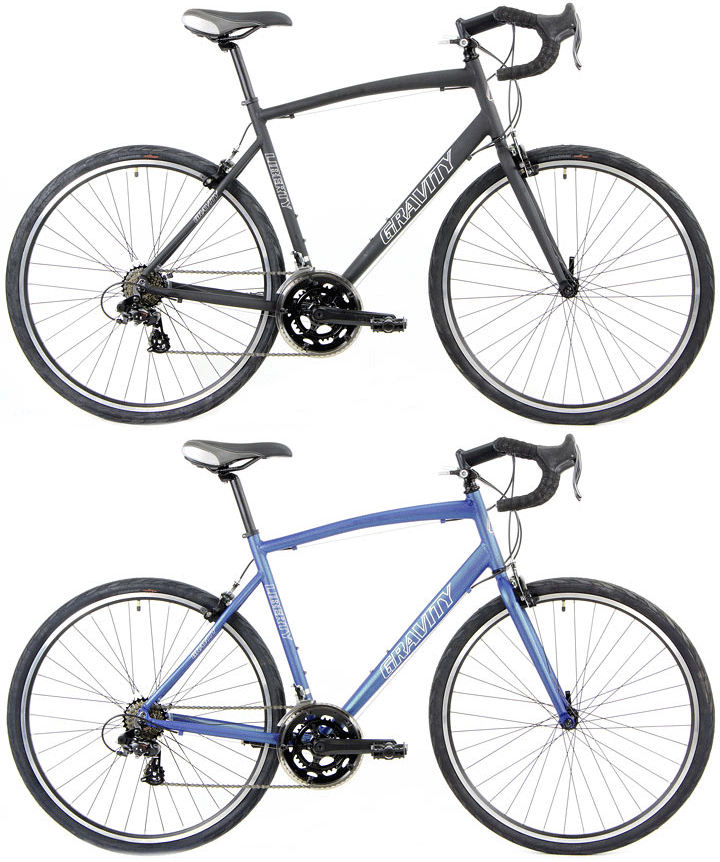
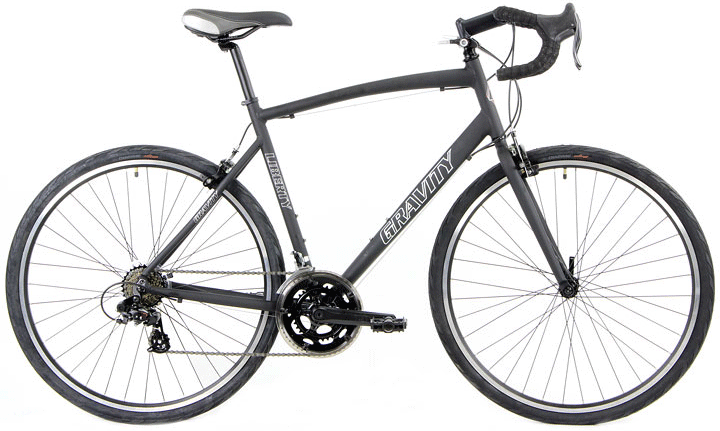
For newcomers, the Gravity Liberty GRV Gravel Bike is a prime example of how accessible gravel riding has become. At $299, this bike keeps costs down while still delivering the essentials needed to explore beyond the pavement.
With an aluminum frame, wide tire clearance, and disc brakes, it provides the confidence riders need on mixed terrain. It’s ideal for those who want to explore country roads, towpaths, or local gravel paths without the worry of wrecking a costly high-end machine.
At this price, the drivetrain will be simpler and less efficient than premium models, but for commuting, weekend adventures, or experimenting with gravel, it gets the job done. It’s the “gateway” gravel bike—proof you don’t have to spend thousands to enjoy the ride.
Mid-Tier Gravel: Performance Meets Value at $649
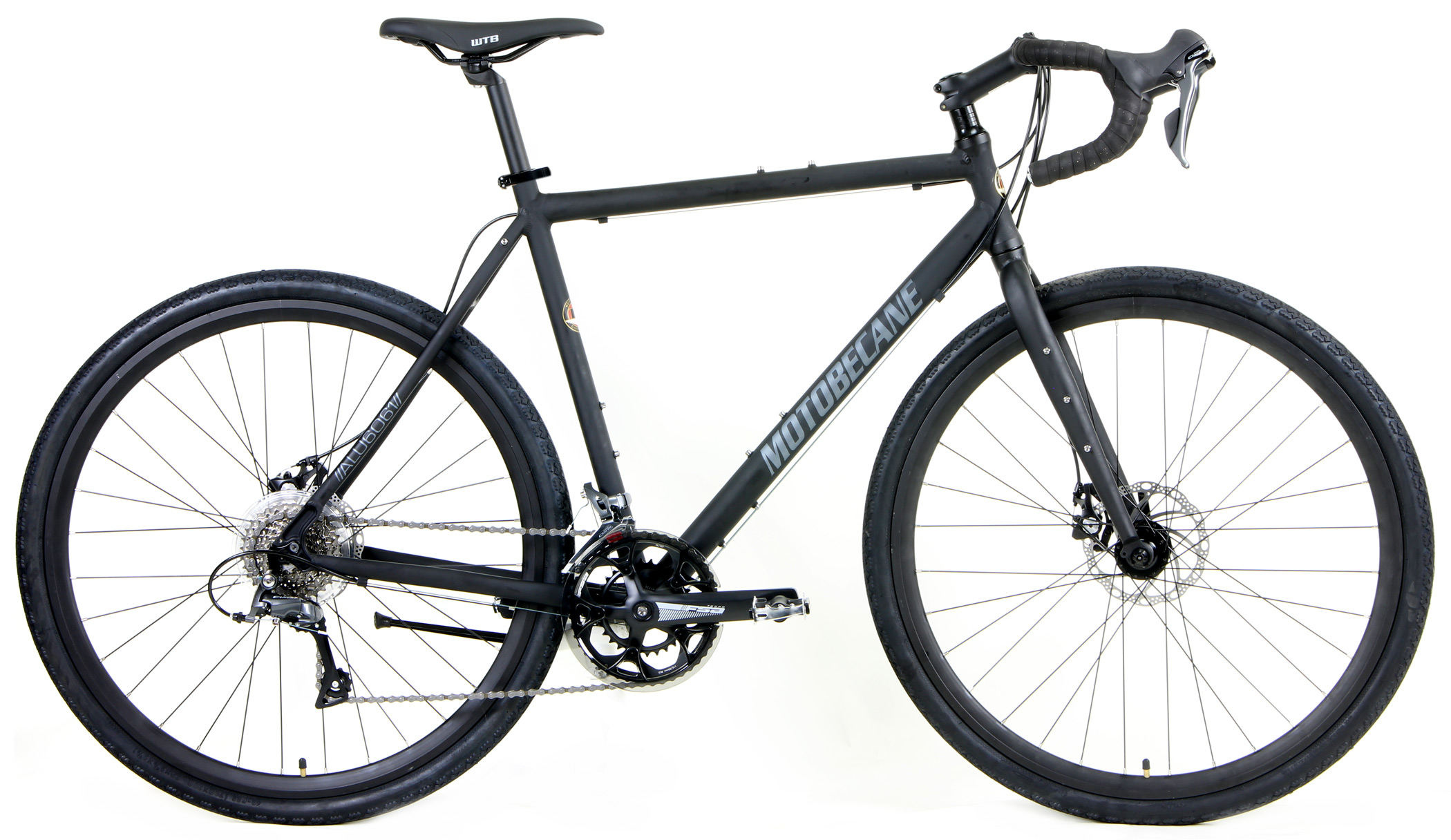
Move up to the Motobecane Gravel X3, priced around $649, and you start to see what a step up in gravel bike prices can buy. This bike is engineered for riders who’ve caught the gravel bug and want more durability and efficiency without overspending.
Here, you’ll find an upgraded Shimano drivetrain with a wider gear range, hydraulic disc brakes for confident stopping power, and a frame built to handle tougher, longer rides. That extra investment makes a big difference in handling steep climbs, technical descents, and longer adventures where reliability matters.
The Gravel X3 is a strong fit for riders who split their time between pavement and dirt, blending endurance comfort with weekend off-road exploration.
Premium Steel: Endurance and Heritage at $997
Steel has long been celebrated in the cycling world for its ride quality, and the Mercier Kilo GX Reynolds 520 brings that tradition to modern gravel at $997. Made with Reynolds 520 chromoly tubing, this bike offers a smooth, forgiving ride that stands out on long gravel grinds or multi-day adventures.
At this tier, components take another leap forward. Shimano drivetrains deliver crisp shifting, while disc brakes and thru-axles provide stability and control. For riders who value comfort over the long haul—think bikepacking, centuries, and endurance races—steel frames deliver a timeless combination of resilience and ride feel.
Yes, it costs more than aluminum, but for those who prioritize comfort on unpredictable terrain, the investment pays off every mile.
Carbon Value: Lightweight Speed at $1,099
Enter the world of carbon with the Gravity Gravel CF Comp, priced at $1,099. Carbon is the material of choice for competitive cyclists, and for good reason: it’s lighter, stiffer, and designed to transfer power more efficiently.
This model offers a significant weight reduction compared to steel or aluminum bikes, making climbs easier and speed more attainable. Carbon also damps road vibrations, keeping riders comfortable on long stretches of gravel. Add in modern hydraulic disc brakes and a carefully designed geometry, and you get a bike capable of both racing and rugged adventure.
It’s the go-to choice for riders who want a taste of high-end performance without entering the $4,000+ price range seen in boutique gravel bikes.
High-End Carbon: Ultimate Performance at $1,499
At the top tier, the Motobecane Café Century CF 20 shows what you get when you push gravel bike prices into the premium bracket of $1,499. This bike is purpose-built for endurance cyclists who demand speed, comfort, and versatility.
Its full carbon frame and advanced Shimano drivetrain are tuned for efficient power transfer, long-distance comfort, and durability. Hydraulic disc brakes ensure confident handling in all weather, while flat bar geometry adds a touch of commuter-friendly control. This makes it a rare hybrid of performance and practicality—equally suited for race day or weekday rides through city traffic.
For cyclists serious about gravel events or multi-day tours, this bike offers near-pro-level performance without the sticker shock of boutique racing machines.
Comparing Gravel Bike Prices: What’s Worth It?
So, what do these comparisons tell us? The jump in gravel bike prices reflects real differences in material, drivetrain quality, braking systems, and long-distance comfort. A $699 entry-level aluminum gravel bike opens the door to adventure, while a $2,599 high-end carbon machine equips you for serious endurance riding and racing.
What matters most is matching your goals with your budget. If you’re dipping a toe into gravel riding, start with a budget-friendly model that delivers solid value. As your passion and mileage grow, upgrading to mid-tier or premium models will give you noticeable gains in performance and comfort.
Final Thoughts: Finding Your Perfect Gravel Bike
Gravel riding is about freedom—the freedom to explore roads less traveled, discover new landscapes, and push your limits. But that doesn’t mean you need the most expensive bike to enjoy it. From aluminum workhorses under $1,000 to premium carbon machines built for competition, Bikesdirect.com makes it possible to find the right gravel bike at the right price.
When you shop here, you skip the retail markups and access deals that make high-quality bikes more attainable. Whether you’re buying your first hybrid bike for city commuting, a road bike for speed, a mountain bike for trails, or a fat bike for snow and sand, Bikesdirect.com has something designed for your riding style.
If you’re ready to ride gravel bike—whether as a weekend adventurer or a competitive racer—don’t wait. Explore our full collection today, compare models side by side, and take the next step toward your perfect ride. Your gravel journey begins with the bike that fits both your goals and your budget.
When you picture the perfect city ride, what comes to mind? Maybe it’s a smooth glide down a tree-lined boulevard, or a quick sprint through morning traffic that feels almost effortless. For many riders, the hybrid bike is the bridge between casual comfort and performance-driven speed. But here’s the catch—hybrid bike prices can vary dramatically. Some models cost as little as a few hundred dollars, while others climb into the high-end range. The difference often comes down to drivetrain efficiency, comfort, and versatility.
The real question for cyclists is simple: do you need a budget-friendly commuter to get from A to B, or is it worth investing in a premium hybrid that transforms your daily rides into something exceptional? Let’s break down how these bikes compare and explore which one might fit your lifestyle best.
Why Hybrid Bikes Are a City Rider’s Dream
Before diving into hybrid bike prices, it helps to understand what makes them so popular. A hybrid bike combines the best features of a road bike and a mountain bike. You get the efficiency and lighter frame of a road model, but with the comfort and upright position of a mountain bike. For commuting, weekend rides, or exploring city trails, hybrids give you the versatility most single-purpose bikes can’t match.
Unlike a sleek gravel bike built for off-road endurance or a laid-back beach cruiser designed for coastal paths, hybrids hit that sweet spot between function and flexibility. Whether you’re cruising across downtown or pedaling through suburban greenways, the hybrid adapts with ease.
The $299 Entry-Level Hybrid: Gravity Swift Flatbar Hybrid XIV
At $299, the Gravity Swift Flatbar Hybrid XIV represents the true budget commuter. For that price, you’ll find a solid aluminum frame, flat handlebars for upright posture, and an honest drivetrain that gets you from point A to B. The trade-offs are clear: you won’t get high-end shifting, fancy components, or featherlight weight, but you do get a reliable, no-frills ride.
For short commutes, errands, or casual weekend spins, this model can shine. On smoother roads, its simplicity works in your favor. The limited gear range might challenge you on hills, but for flat or rolling terrain, it holds up well. This hybrid reminds us that sometimes the lowest hybrid bike prices get you the essentials—and nothing superfluous.
The $449 Mid-Range Hybrid: Motobecane Dual Strada Comp
Step up to $449, and you reach a sweet spot where performance and cost start to align. The Motobecane Dual Strada Comp brings improvements you’ll feel right away: smoother shifting, more gear range, better brakes (often hydraulic disc), and components built to last.
On commutes, you’ll appreciate the responsiveness—acceleration is crisper and gear changes feel reliable. On weekend rides, you’ll stretch further without fatigue. Because the mid-range model handles mixed terrain, it becomes more versatile. It bridges the gap between “just get me there” and “let’s enjoy the ride.”
The $699 Premium Hybrid: What You Gain
At $699, you enter premium hybrid territory, such as the 2025 Motobecane Strada. Expect refined ergonomics, higher-grade components, refined frame geometry, and a drivetrain suited for both daily riding and spirited weekend rides. Shifts feel crisp, braking is confident, and the overall experience is more refined.
This is the bike for riders who cycle frequently, want efficiency, and don’t want to compromise. For daily commuters, the premium hybrid’s smoother ride means less fatigue. For urban explorers, it’s capable of handling paved roads, light trails, or scenic routes with ease.
Hybrid Bike Prices and Value Over Time
Here’s where it gets interesting: hybrid bike prices don’t just reflect upfront cost. They reflect long-term value.
The $249 entry-level commuter saves money upfront but may need more frequent tune-ups and component replacements.
The $449 mid-tier option is the sweet spot for riders balancing budget and performance. It lasts longer and provides noticeable improvements in comfort.
The $699 premium hybrid might seem like a leap, but over years of regular riding, the smoother drivetrain, stronger brakes, and lighter weight can justify the investment.
Think of it this way: a budget hybrid is like an economy car—it’ll get you where you need to go. But a premium hybrid feels more like a luxury sedan: the ride is smoother, more efficient, and far more enjoyable.
Comfort and Versatility Across the Price Range
At every price point, hybrids emphasize comfort. Even the entry-level model offers an upright position that eases strain on your back and shoulders. But as you move up the ladder, comfort features become more refined.
Mid-range hybrids often include better saddles, wider gear ratios for varied terrain, and stronger frames that absorb vibration. Premium models add high-quality brakes and drivetrains that reduce fatigue on longer rides.
And versatility? That’s where hybrids shine, no matter the price. Commuters can outfit their bikes with racks, fenders, or lights, while explorers can push into weekend trails without needing a second bike. Whether you’re comparing hybrids to a fat bike for snow or sand, or a performance-driven road bike, hybrids remain the best all-around option for riders who want one bike to do it all.
Making the Right Choice
So how do you choose between a $249 commuter and a $699 city explorer? It comes down to your riding goals.
If you’re a student or casual rider who pedals short distances, the budget-friendly hybrid bike is a smart, cost-effective choice. If you’re a daily commuter, a mid-range bike pays off in reliability and efficiency. And if cycling is a big part of your lifestyle—if you’re logging long rides on weekends or tackling varied terrain—the premium hybrid elevates every mile.
The important thing to remember is that every hybrid, regardless of price, delivers flexibility. The difference lies in how much comfort, efficiency, and joy you want to add to the ride.
Grab Your Bike Today
Your perfect ride doesn’t have to break the bank—but it does need to match your lifestyle. At Bikesdirect.com, you’ll find everything from entry-level hybrids for quick commutes to premium models that make every mile smoother and more enjoyable. Don’t settle for a bike that doesn’t fit your goals. Whether you want a simple, budget-friendly commuter or a top-tier city explorer, we’ve got the perfect hybrid bike waiting for you. Start shopping today and discover just how much more enjoyable cycling can be with the right bike beneath you.