
The Hidden Design Secrets Behind Truly Comfortable Bikes

A lot of adults return to cycling with one hope: ride more and feel better. Then the first long ride happens, and the body sends a clear message. Sore hands. Tight shoulders. A back that needs a stretch break.

It is tempting to blame the saddle. But comfort rarely starts there.

The most comfortable bikes for adults are comfortable because posture, geometry, and tires work together. When those three pieces line up, you can ride longer without constantly shifting around or counting minutes until you get home.

If you are shopping, start by looking at bikes built for comfort by design, such as models in the Comfort Bike category, where relaxed posture is part of the blueprint.

Secret one: reach is the silent comfort killer

Reach is how far you have to stretch to the bars. Too much reach forces you to lock your elbows, round your back, and brace through your hands. That creates pressure and fatigue even if you feel fine for the first few miles.

Many adults simply feel better when the bars are higher and closer. That posture reduces the load on wrists and shoulders and lets you keep your head up naturally. It is one reason some riders struggle on road bikes for casual riding, even though the bikes are great at speed.

A comfort-first bike should let you hold the bars with a relaxed grip, not white knuckles. If your shoulders can drop and your elbows can stay soft, you are on the right track.

Secret two: tire volume is built-in smoothing

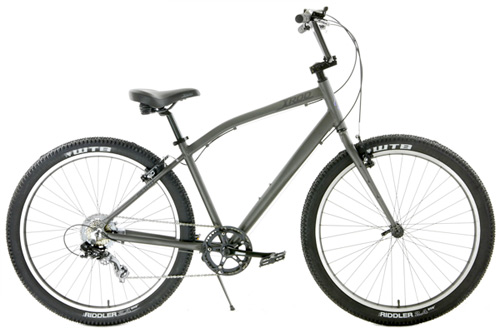
Dutch-style bike with step-through frame

Tires are your first suspension. More air volume can soak up vibration and tame rough pavement. This matters a lot for adult riders because small impacts add up over time.

Higher volume tires also increase grip, which reduces the feeling that the bike is skittering across cracks and debris. That alone can make riding feel more relaxed because you are not constantly guarding against slips.

A bike like the Windsor Dover X7 highlights how a comfort-oriented build can pair upright posture with wider tires for a smoother, more forgiving ride on everyday surfaces.

Secret three: comfort comes from how your body stacks over the bike

A truly comfortable ride often looks like this:

  • Your torso angle feels natural.
  • Your hands feel light.
  • Your hips feel open.
  • Your vision is forward without strain.

That body stacking is why step-through and upright designs can be so appealing for adults. Getting on and off feels easy, stops feel stable, and the bike invites relaxed riding instead of demanding an athletic pose.

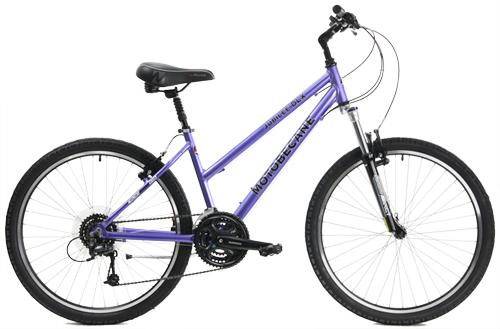
If you want a comfort example built for easy posture adjustment and smooth cruising, the Motobecane Jubilee Deluxe is designed around the idea that comfort should be the default, not an afterthought.

Secret four: the best comfort bikes let you fine-tune posture
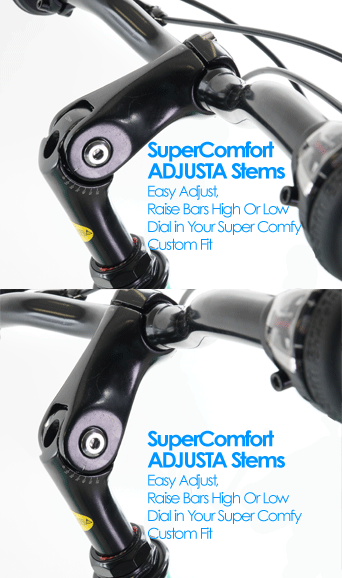
Endurance-style bike with balanced proportions

Adults come in every shape and flexibility level. Most comfortable bikes for adults make it easy to dial in small changes that have big impact.

A few practical adjustments help most riders:

  • Raise the bars slightly if your hands carry too much weight.
  • Slide the saddle so your knees feel natural over the pedals.
  • Choose grips that reduce pressure points.
  • Use tires with enough width to smooth your typical routes.

You do not need a complicated fit session to benefit. The goal is simple: a posture you can hold without tension.

Secret five: comfort still needs stability

Comfort is not only soft. It is also predictable.

A bike that handles calmly helps you relax your upper body. That is why comfort bikes often feel reassuring, even at slow speeds. In contrast, a bike designed for quick response can feel nervous when you are trying to cruise.

This matters when riding on paths, neighborhood roads, and uneven pavement where calm handling keeps your shoulders loose and your breathing steady.

How to spot comfort in five minutes
Hybrid bike with simple drivetrain and flat handlebars

If you are deciding between bikes, here are quick signs you are on a comfort-forward design:

  • You can sit tall without feeling pulled forward.
  • Your hands can stay relaxed without numbness.
  • You can scan left and right easily.
  • Bumps feel muted, not sharp.
  • Starts and stops feel steady.

When those boxes are checked, the ride tends to feel easy longer. That is exactly what most returning riders want.

Comfort is what makes cycling stick

The most comfortable bikes for adults are not just pleasant, they are practical. They reduce aches, increase confidence, and make it easier to ride often. If you have tried to ride more and your body pushed back, switching to a design that supports comfortable bikes for adults comfort is often the difference between quitting and building a habit.

We carry bikes for every style of riding, including road bike options, trail-ready mountain bike builds, mixed-surface gravel bikes, laid-back beach cruisers, versatile hybrid bike models, and adventure-focused fat bikes. If you want help choosing the best match for your comfort goals, please contact us.
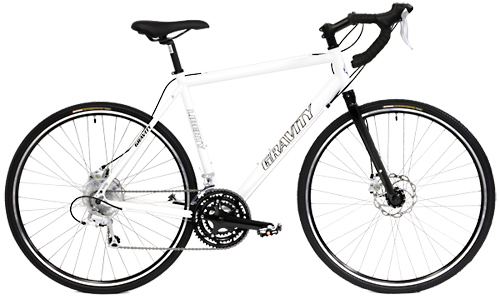
Why Tire Choice Can Make or Break Your Ride

When most cyclists think about upgrading their ride, they imagine a lighter frame, a new groupset, or a more comfortable saddle. Yet one of the simplest upgrades—and one of the most impactful—is often overlooked: the tires. The choice of tires shapes every pedal stroke, every turn, and every descent. The difference between a smooth, efficient ride and a sluggish, jarring one often comes down to what’s wrapped around your wheels. Understanding how to choose the best bike tires for performance is key to unlocking speed, comfort, and control across any terrain.

The Role Tires Play in Performance

Tires are the single point of contact between a bike and the ground, which means they influence rolling resistance, grip, and shock absorption. Riders often underestimate how dramatically tires can alter a bike’s feel. For example, swapping narrow slick tires for wider, more treaded ones can transform a nimble road bike into a tool for rougher roads, while switching to low-pressure, oversized rubber can turn a fat bike into a snow- or sand-crushing machine. The right tire choice is not about fashion—it’s about function.

Road Cycling: Speed Depends on Precision

For road bike enthusiasts, tire selection is all about speed and efficiency. Narrower tires, often in the 23–28mm range, reduce rolling resistance, allowing the rider to cover more ground with less effort. However, the recent trend has shifted toward slightly wider tires, such as 28–32mm. These provide better grip and comfort without dramatically sacrificing speed. Modern rims and frames now accommodate this size, giving riders the best of both worlds: speed and smoother handling.

On a road bike, smooth tread patterns are essential for minimizing friction against pavement. High-pressure inflation keeps the contact patch small, maximizing speed. Yet too much pressure can cause harsh rides and reduced traction, especially in wet conditions. The takeaway is balance—choosing tires that let you glide efficiently while still gripping enough for confident cornering.

Shop Road Bikes

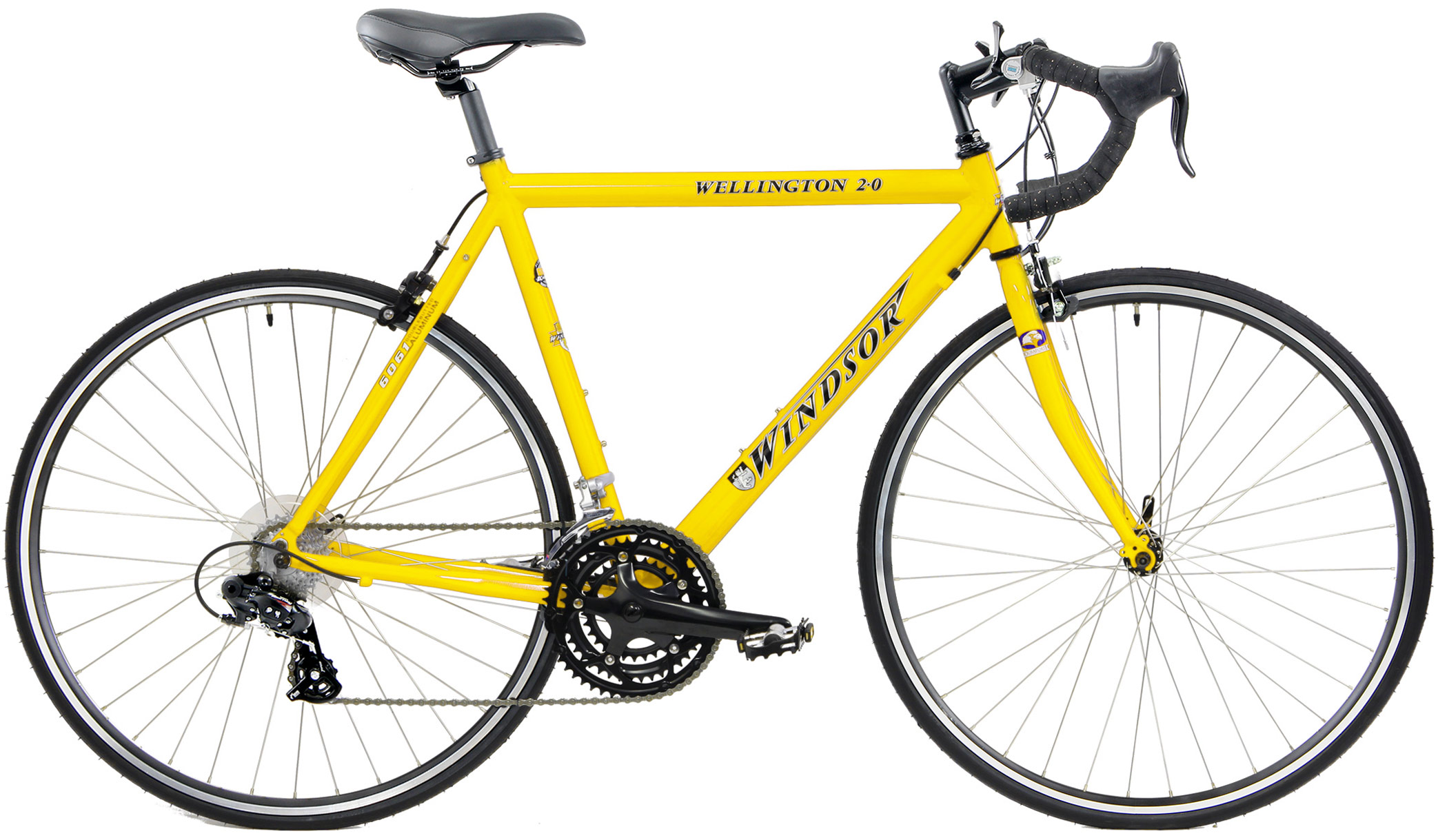
Yellow Windsor road bike featuring a lightweight frame and narrow tires for racing performance

Gravel Adventures: Tires for Versatility

If the pavement ends and adventure calls, the gravel bike demands tires built for unpredictability. Gravel riders need versatility: tires wide enough to handle loose terrain but efficient enough not to feel like an anchor on smoother roads. Typical widths range from 35–45mm, with semi-slick tread down the center for speed and knobbier edges for grip.

Tubeless setups are increasingly popular for gravel because they allow lower pressures without risking pinch flats. Lower pressure means better traction and comfort on rough ground. The gravel bike tire is the perfect example of performance being context-specific—what works on a crit circuit won’t work in the backcountry, and gravel tires bridge the gap between speed and security.

Shop Gravel Bikes

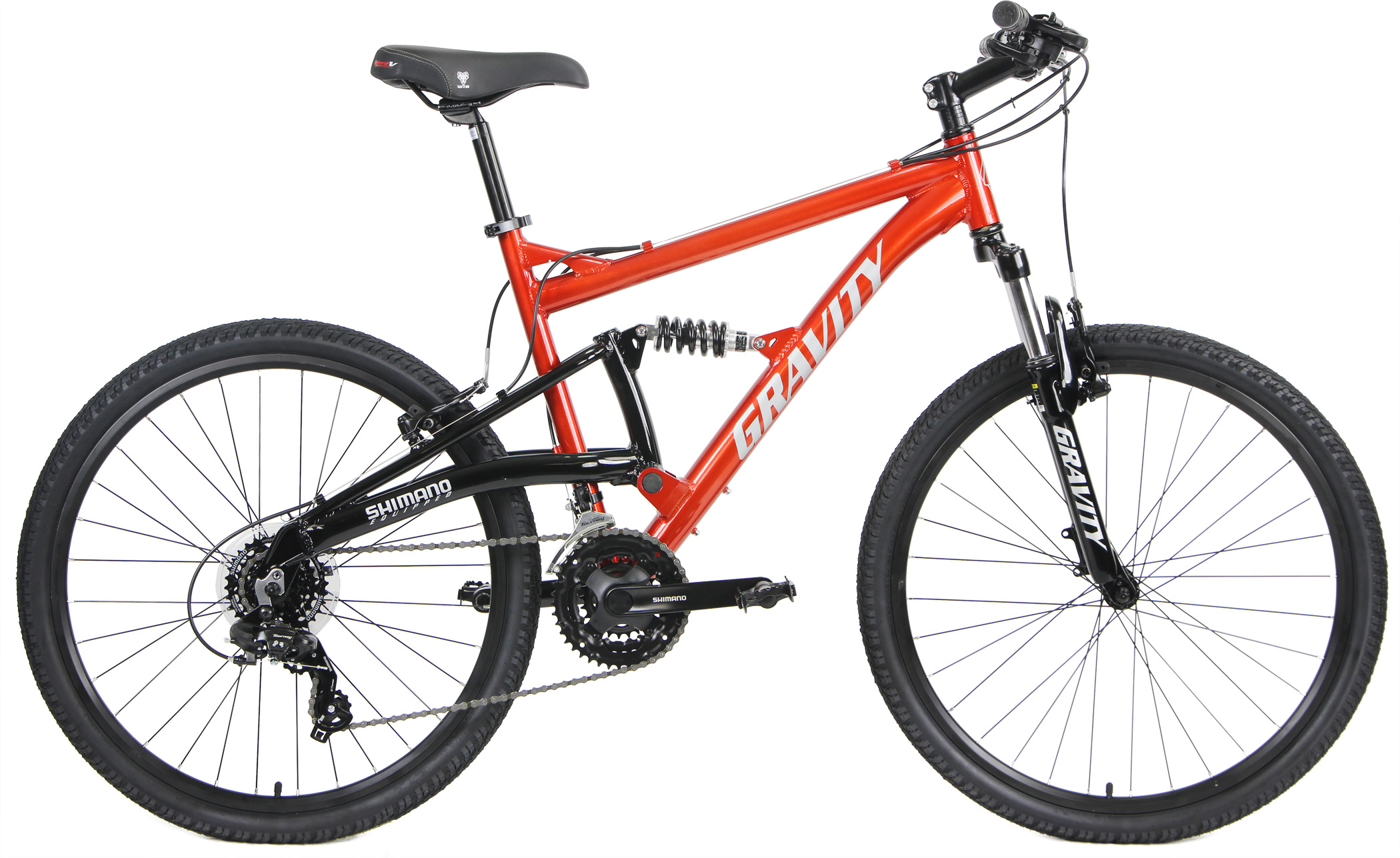
Red Gravity mountain bike with wide, knobby tires for off-road traction and control

Mountain Biking: Grip Rules the Trail

On a mountain bike, tire choice directly affects confidence and control. Wider tires with aggressive tread provide the grip needed to tackle loose dirt, roots, and rocks. Downhill riders often choose widths of 2.4 inches or more, while cross-country riders might stick to 2.2 inches for lighter rolling resistance.

Mountain biking also highlights the importance of casing and sidewall protection. Trails punish tires, and flimsy rubber can leave you stranded with a puncture. Many riders opt for reinforced sidewalls or tubeless-ready designs to avoid flats. Pressure is equally critical—too much air, and the ride feels bouncy; too little, and traction suffers. Dialing in mountain bike tire pressure can mean the difference between skidding out or carving a perfect line.

Shop Mountain Bikes

Fat Bikes: The Masters of Traction

Few cycling experiences are as unique as riding a fat bike. With tires often 4–5 inches wide, fat bikes thrive on surfaces where traditional bikes fail: snow, sand, and mud. Their massive footprint allows them to “float” over unstable ground, spreading the rider’s weight and preventing sinkage.

The key to fat bike tire performance lies in pressure. Riders often run as low as 5–8 psi in soft conditions, which dramatically increases traction. However, this comes at the cost of rolling efficiency, making fat tires sluggish on pavement. Fat bike riders must carefully consider where they’ll be riding most to find the sweet spot between flotation and resistance.

Shop Fat Bikes

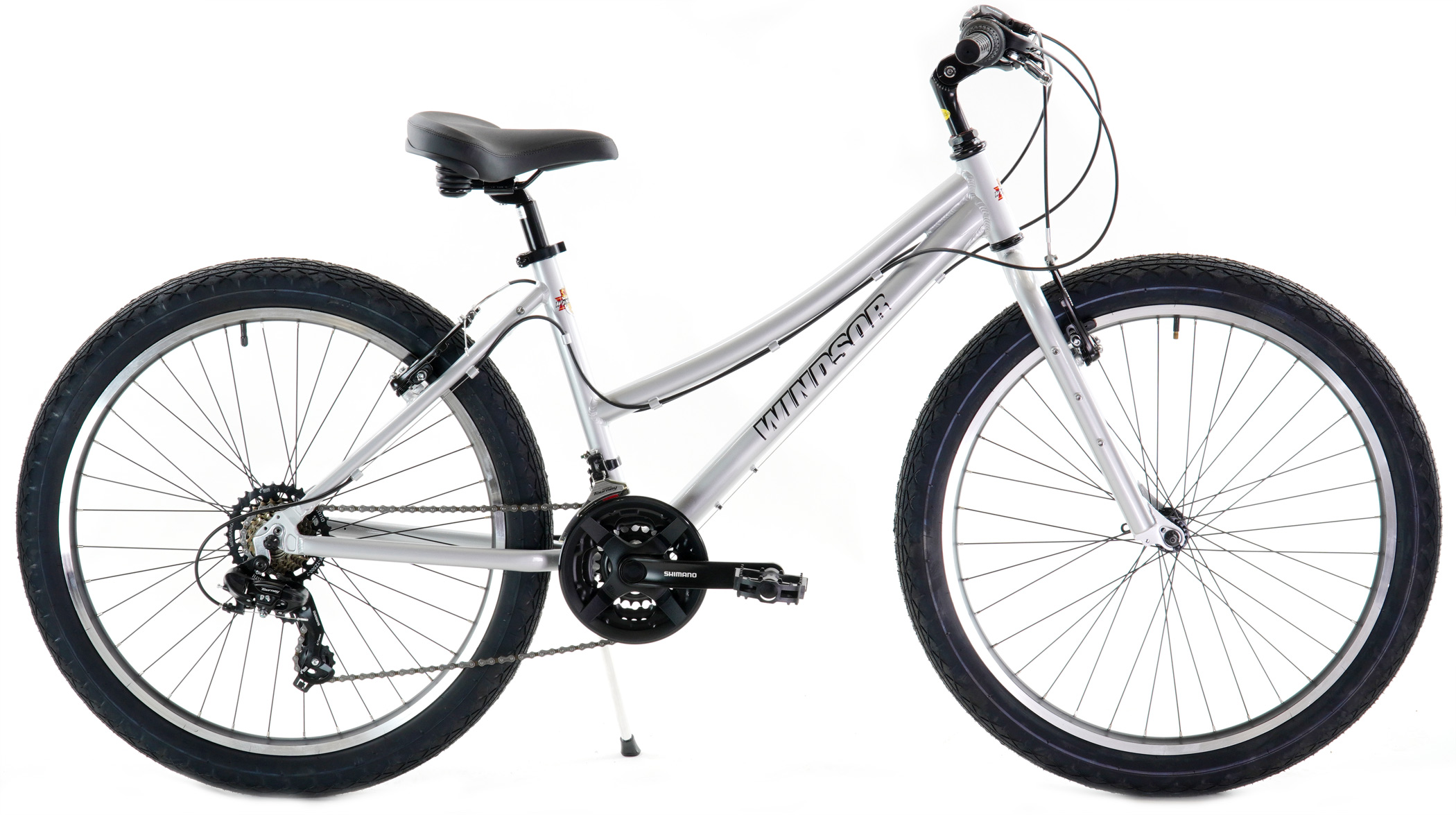
Silver Windsor hybrid bike with versatile mid-width tires suitable for mixed road and trail riding

Hybrid Bikes: Everyday Balance

For riders who want one bike for multiple uses, the hybrid bike offers flexibility. Hybrid tires usually fall between 32–38mm wide, with semi-slick tread that balances pavement efficiency with light gravel capability. They aren’t as fast as pure road tires or as grippy as mountain treads, but they are dependable all-rounders.

Tire choice for hybrids is about matching lifestyle. A commuter who rides mostly on city streets might lean toward narrower, smoother tires for speed. Someone using their hybrid on park trails may opt for wider, more treaded options. In every case, the hybrid tire reflects compromise, making it an approachable choice for recreational riders.

Shop Hybrid Bikes

Beach Cruisers: Comfort is King

For relaxed rides by the water or around the neighborhood, nothing beats the smooth roll of a beach cruiser. These bikes often sport balloon-style tires—wide, cushy, and low-pressure. The extra air volume soaks up bumps and creates a plush ride that matches the cruiser’s laid-back spirit.

Cruiser tires aren’t built for speed or technical performance, but they excel at what they’re designed for: comfort. Their width adds stability, making them beginner-friendly, while their retro style appeals to riders who care as much about aesthetics as functionality.

Shop Beach Cruisers

Matching Tire Choice to Riding Goals

The critical question for cyclists is not “What’s the best tire?” but rather, “What’s the best tire for my riding?” The best bike tires for performance depend on the rider’s goals, terrain, and style. A competitive racer will have very different needs than a weekend beach cruiser enthusiast. Even within categories, preferences vary: some road cyclists swear by narrower high-pressure tires, while others prioritize comfort with slightly wider setups.

What unites all riders is the undeniable impact of tires. A fresh set can make an old bike feel new again, while worn or ill-suited tires can make even the best frame feel sluggish. Investing in the right tires is not an accessory choice—it’s a performance decision.

The Bottom Line: Tires Define the Ride

Cycling is full of gear debates, but few components rival tires in their influence on the riding experience. Whether you’re chasing podiums on a road bike, exploring backroads on a gravel bike, shredding singletrack on a mountain bike, floating over snow with a fat bike, commuting with a hybrid bike, or cruising the boardwalk on a beach cruiser, your tire choice is a performance-defining decision.

The next time your ride feels sluggish, uncomfortable, or less controlled than you’d like, don’t immediately think about upgrading your bike. Instead, take a closer look at what’s under you—the tires might just be the secret weapon you’ve been missing.

Ready to upgrade your ride? Explore Bikesdirect.com for the best selection of road, gravel, mountain, hybrid, fat, and cruiser bikes—because the right tires deserve the right bike.