Buying a road bike today can feel exciting. The category has changed dramatically, with lighter materials, smarter drivetrains, and better braking. Understanding the most important modern road bike features helps you separate useful performance from flashy marketing.
Here are the top features to look for when choosing a modern road bike that delivers the best combination of speed, comfort, efficiency, and long-term value.
A Frame That Balances Speed and Comfort
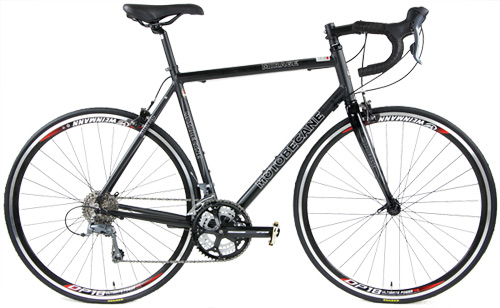
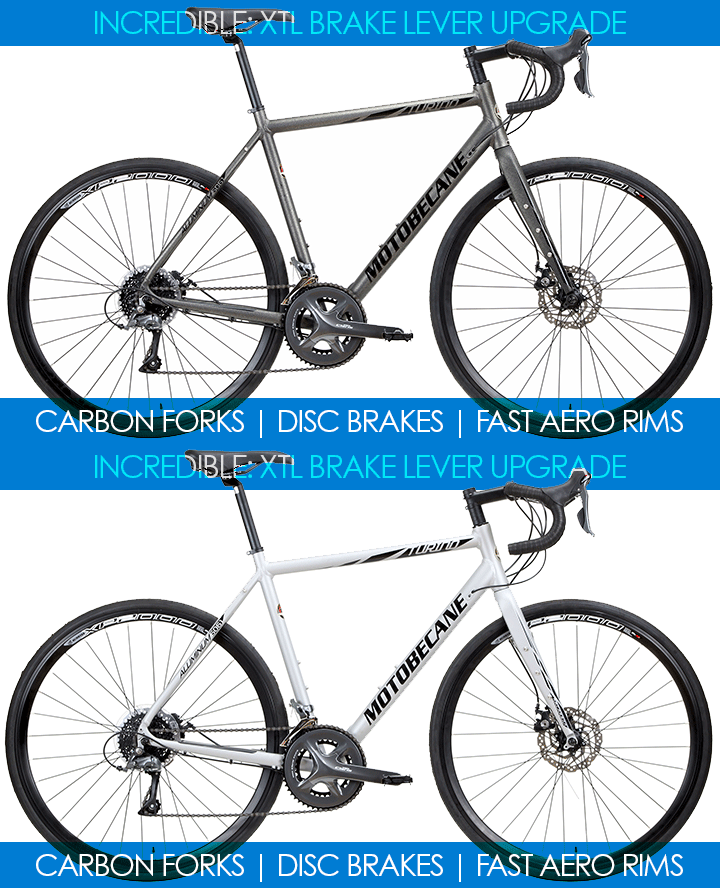
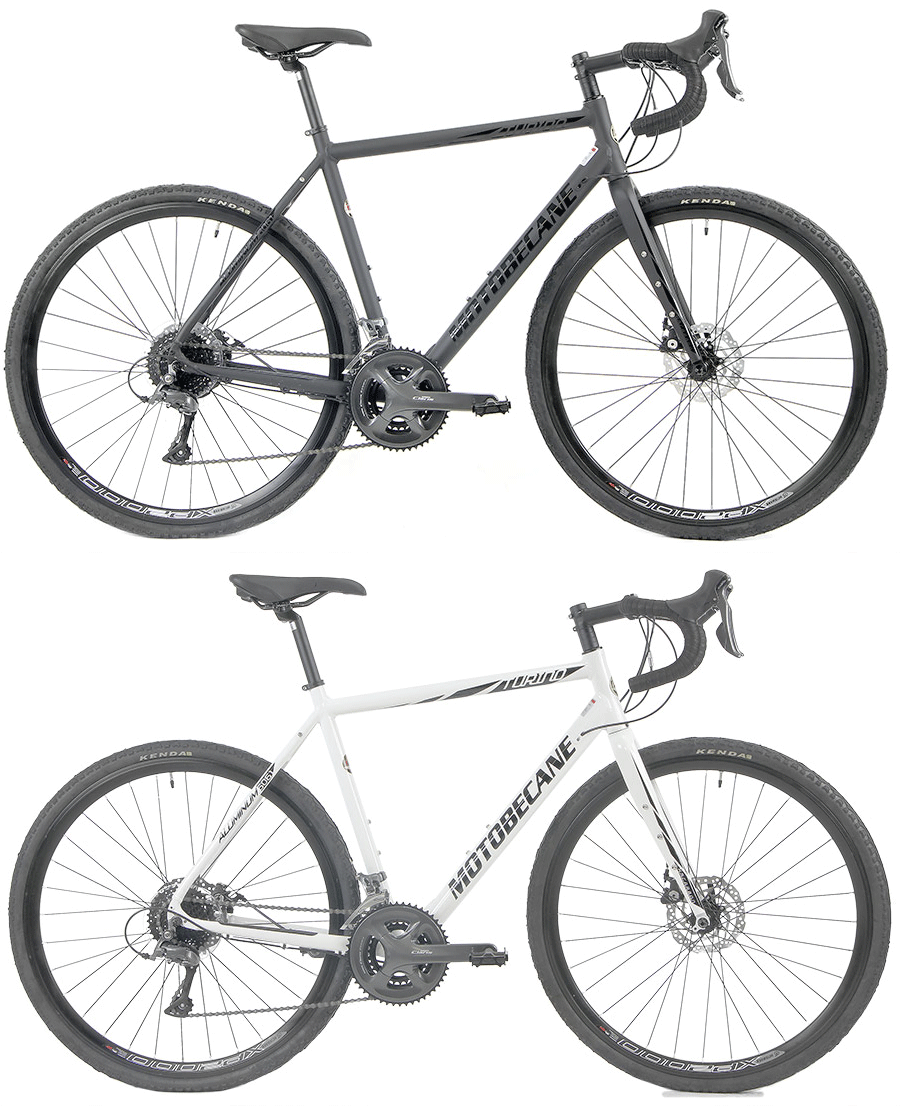
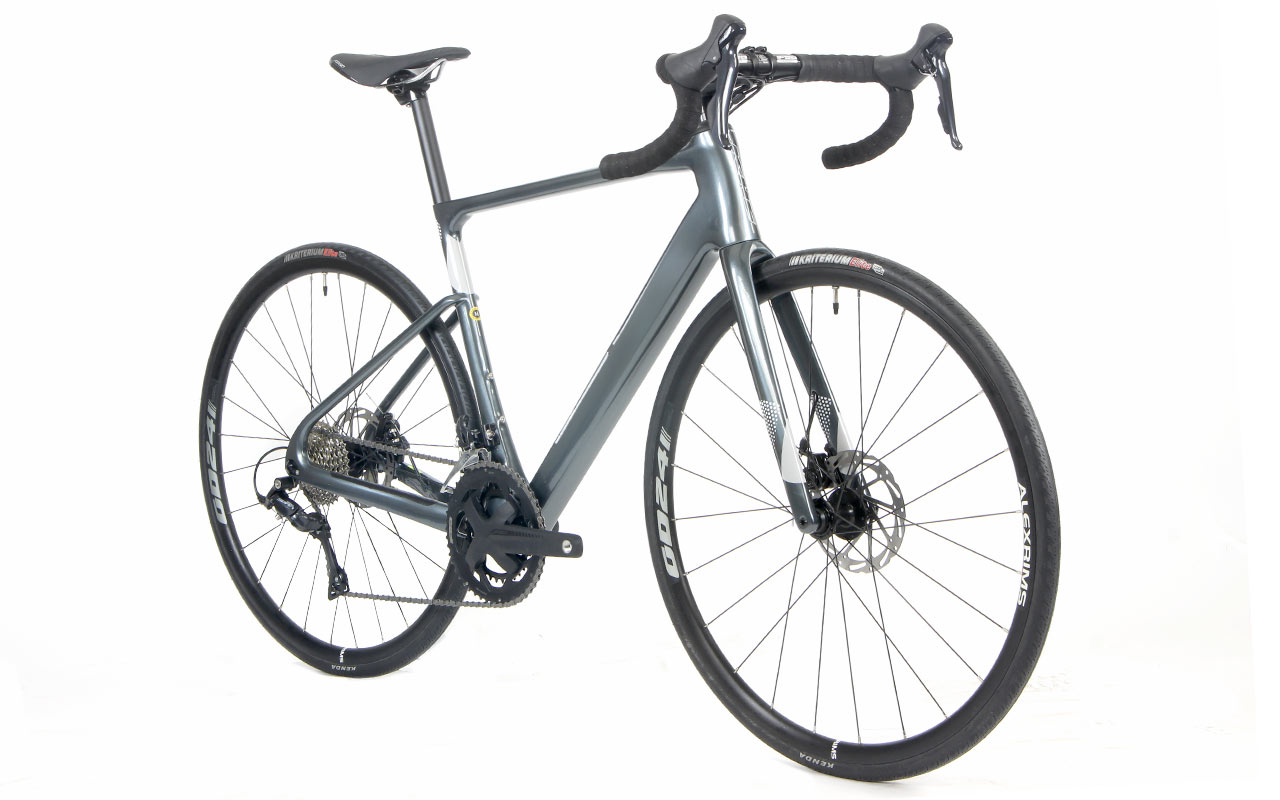
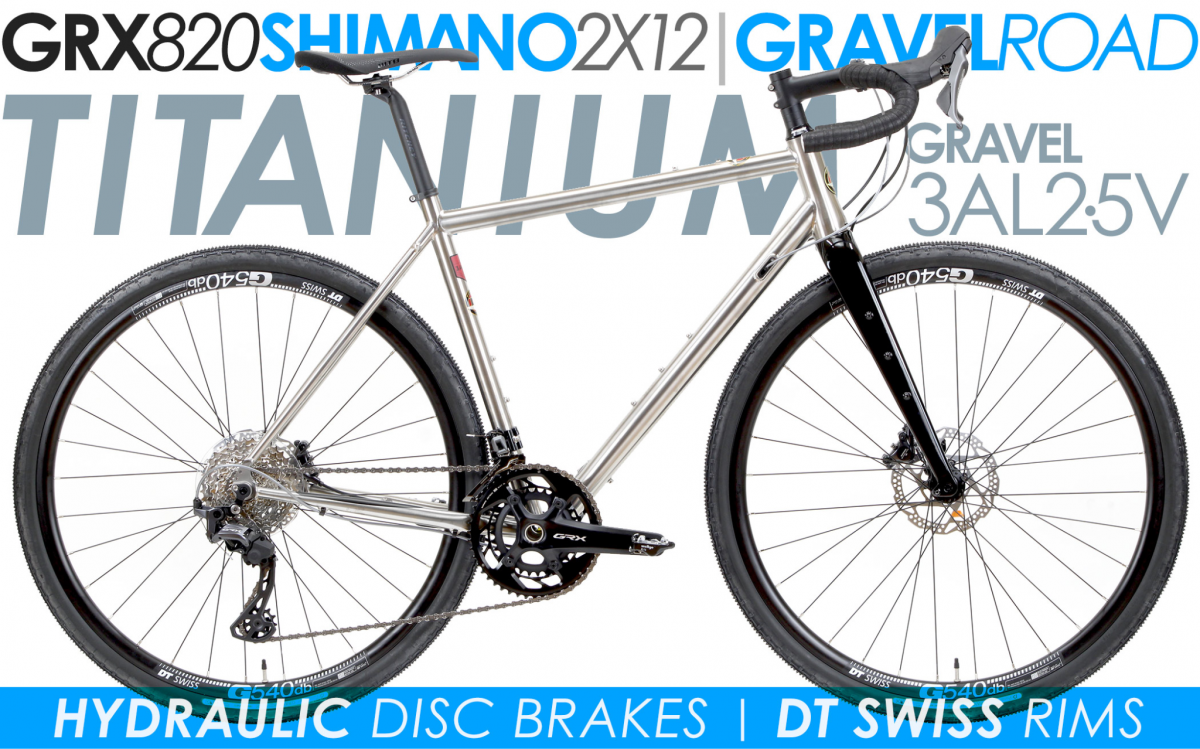
The frame is the heart of any road bike, and modern designs focus on more than low weight. Aerodynamic tube shapes reduce drag, especially when you ride fast or face headwinds. Carbon fiber frames are popular because they can be shaped for stiffness, comfort, and efficiency, while quality aluminum frames still offer excellent value for newer riders.
The best frame is not always the most aggressive one. Race geometry places you lower and farther forward, which can improve speed but may feel uncomfortable on longer rides. Endurance geometry keeps the position slightly more relaxed, making it better for daily fitness, charity rides, and weekend mileage. Among modern road bike features, frame fit affects every mile.
Aerodynamics That Work in the Real World
Aerodynamics used to matter mostly to racers, but today’s riders benefit from smoother frames, hidden cables, deeper wheels, and integrated cockpits. These details can help a bike hold speed. However, buyers should be realistic. A fully aerodynamic setup is most valuable if you ride quickly, train seriously, or spend long stretches on open roads.
For casual riders, comfort and handling may matter more than the sleekest profile. A bike that feels stable encourages longer rides. That is why aerodynamic design should complement your riding style rather than control the entire purchase.
Getting into cycling is an exciting step, whether you’re aiming to improve fitness, commute more efficiently, or explore long-distance riding. One of the most popular entry points into the sport is choosing a beginner road bike, designed to offer speed, efficiency, and a smooth riding experience on paved surfaces.
However, with so many options available, selecting your first bike can feel overwhelming. From frame materials to gearing systems and wheel design, each component plays a role in how the bike performs and how comfortable it feels.
If you’re comparing options like a hybrid bike, gravel bike, or even a mountain bike, understanding what makes a road bike unique will help you make the right decision. In this guide, we’ll break down everything you need to know before buying your first road bike.
What Is a Road Bike?
A road bike is built for speed and efficiency on paved surfaces. Its lightweight frame, narrow tires, and aerodynamic riding position allow riders to cover longer distances with less effort.
Choosing the right bicycle can make a huge difference in how enjoyable and efficient your daily commute becomes. Whether you’re riding to work, running errands, or simply replacing short car trips with a healthier alternative, the type of bike you ride plays a major role in comfort, speed, and overall convenience.
Many commuters find themselves comparing hybrid bike vs road bike options because both are designed for paved surfaces and everyday riding. However, they serve slightly different purposes and rider preferences. Understanding their unique features, advantages, and limitations will help you select the perfect bike for your commuting routine.
In this guide, we’ll break down the differences between a hybrid bike vs road bike, including riding position, comfort level, terrain compatibility, and practical commuting features, so you can confidently decide which one suits your needs.
What is a Hybrid bike?
A hybrid bike blends features from road bikes, mountain bikes, and comfort bikes. The goal is to create a versatile bicycle that performs well in a variety of environments, making it ideal for commuting and casual rides.
Most hybrid models feature:
Upright riding position for comfort
Flat handlebars for easier control
Medium-width tires for stability
Frames designed for durability and everyday riding
Because of their balanced design, hybrid bikes are especially popular among commuters who ride through mixed environments like city streets, bike paths, and occasional gravel paths.
Another advantage is their practicality. Many hybrid bikes include mounts for racks, fenders, and water bottles, which makes them excellent for carrying bags or groceries during daily travel.
For riders who prioritize comfort and versatility over pure speed, a hybrid bike is often one of the most practical choices available.
What Is a Road Bike?
A road bike is designed primarily for speed and efficiency on smooth pavement. These bikes are built with lightweight frames, narrow tires, and aerodynamic geometry that help riders travel longer distances faster.
Typical road bike features include:
Drop handlebars for aerodynamic riding positions
Lightweight aluminum or carbon frames
Thin tires that reduce rolling resistance
High gear ratios for maintaining speed
Because of their design, road bikes are often used for fitness cycling, racing, and long-distance rides on paved roads. Commuters who have longer travel distances or prioritize speed often gravitate toward road bikes.
However, their aggressive riding position and narrow tires may not always provide the same comfort level as hybrids, especially on rough city streets or uneven pavement.
Comfort and Riding Position
Comfort is often one of the biggest factors when choosing between a hybrid bike and a road bike for commuting.
Hybrid bikes offer a more upright riding position, which reduces strain on the neck, shoulders, and wrists. This position also gives riders better visibility in traffic, which can be a major benefit when navigating busy urban streets.
Road bikes, on the other hand, encourage a forward-leaning posture that reduces wind resistance and improves efficiency. While this position helps with speed, it may feel less comfortable for beginners or riders who prefer a relaxed riding experience.
For shorter city commutes or casual riding, many people prefer the comfort-oriented design of hybrid bikes. Riders focused on performance and speed may feel more comfortable adapting to the aerodynamic position of a road bike.
Speed and Efficiency
Speed is where the road bike truly shines.
Because road bikes are built with lightweight frames and narrow tires, they require less effort to maintain higher speeds. This makes them ideal for commuters with longer routes or those who want to reach their destination quickly.
Hybrid bikes, while still efficient, are generally slightly slower because their wider tires create more rolling resistance. Their heavier frames and upright riding position also prioritize comfort over aerodynamic performance.
However, for many urban commuters, the speed difference is minimal compared to the added stability and comfort a hybrid bike provides.
Terrain and Versatility
City streets aren’t always perfectly smooth, and this is where hybrids often have an advantage.
Hybrid bikes feature wider tires that absorb bumps and cracks in the pavement more effectively. They can also handle light gravel paths, bike trails, and park routes without difficulty.
Road bikes perform best on smooth pavement and dedicated cycling lanes. Rough surfaces, potholes, or gravel paths can feel uncomfortable due to their narrow tires and stiff frames.
For commuters who encounter mixed surfaces during their ride, a hybrid bike offers greater versatility and confidence.
If your commute involves trails or rougher terrain, some riders also explore options like a gravel bike or mountain bike, which are built to handle off-road environments more easily.
Practical Features for Daily Commuting
When it comes to commuting convenience, hybrid bikes tend to offer more built-in practicality.
Many hybrid models include mounts for:
Rear racks for carrying bags
Fenders to block water and mud
Kickstands for parking
Bottle cages for hydration
Road bikes typically focus on lightweight performance rather than utility. While racks and accessories can sometimes be added, they are not always the primary design focus.
For riders who need to carry work bags, groceries, or other items during their commute, a hybrid bike often provides more flexibility.
Alternative Bike Types for Different Riding Needs
While the comparison often centers on hybrid bike vs road bike, there are other bike styles that serve specific riding environments.
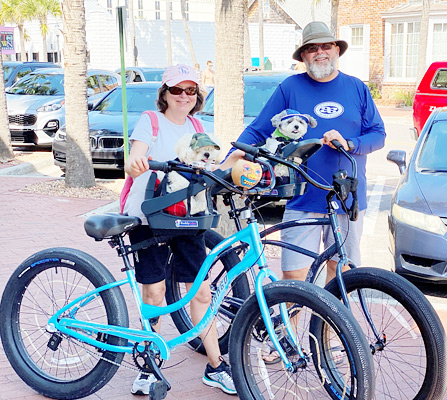
For example, a fat bike is designed with extra-wide tires for riding on sand, snow, or loose terrain. These bikes offer incredible stability but are generally not the fastest option for commuting.
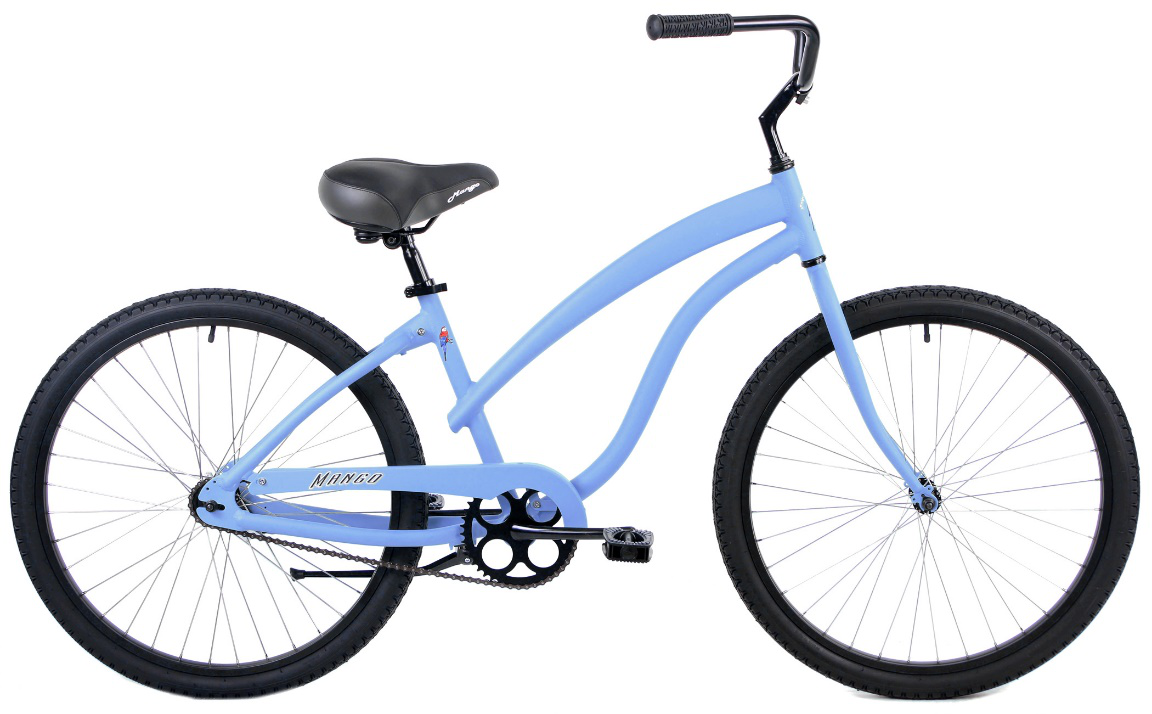
A beach cruiser is another comfort-oriented bicycle designed for relaxed rides along boardwalks and flat paths. While extremely comfortable, cruisers are usually better suited for leisure riding than daily commuting.
Meanwhile, riders who frequently tackle dirt trails or rugged terrain may prefer a mountain bike, which is built with suspension and aggressive tires to handle off-road conditions.
Understanding these alternatives can help riders choose a bike that perfectly matches their lifestyle and terrain.
How to Choose the Right Bike for Your Commute
When deciding between a hybrid and a road bike, it helps to consider a few key questions:
How long is your commute?
Are your roads smooth or rough?
Do you need to carry bags or gear?
Do you prefer comfort or speed?
Short urban commutes with uneven roads often favor hybrid bikes. Longer distances on smooth pavement may make road bikes the better option.
Ultimately, the best bike is the one that matches your comfort level and riding environment.
Find the Perfect Bike for Your Ride
Whether you’re searching for a comfortable commuter or a fast performance bike, choosing a high-quality bicycle makes all the difference.
At BikesDirect, riders can explore a wide selection of bikes designed for every riding style and budget. From versatile hybrid bike options to performance-focused road bike models, there are choices available for beginners and experienced cyclists alike.
With competitive pricing, trusted service, and a long-standing reputation in the cycling community, BikesDirect has helped over a million riders find the perfect bike since 1997.
Browse the full lineup today and discover the bike that will make your daily commute faster, more comfortable, and more enjoyable.
Most riders do not stop cycling because they are too slow. They stop because the bike feels harsh, twitchy, or demanding. The wrong fit or geometry can turn a relaxing ride into something tense and uncomfortable.
That is where the discussion around gravel vs. road bike comfort becomes important. On paper, road bikes look fast and efficient. Gravel bikes look versatile and rugged. But for casual riders logging miles on cracked pavement, bike paths, and occasional mixed-surface shortcuts, the real question is simpler: which one feels better week after week?
A modern gravel bike is built to handle imperfect surfaces with wider tire clearance, stable geometry, and predictable handling. A traditional road bike is designed for smooth pavement, efficient power transfer, and quick responsiveness.
Both are excellent tools. They just prioritize different sensations. This guide breaks down how each performs through the lens that matters most to everyday riders: comfort, control, and confidence.
Understanding the Core Design Differences
At a glance, gravel and road bikes look similar. Both use drop handlebars. Both prioritize pedaling efficiency. But the experience shifts once you start riding.
Road bikes typically feature:
Narrow tires
Aggressive geometry
Stiffer frames
Quick steering response
Lower front-end positioning
Gravel bikes typically feature:
Wider tire clearance
More relaxed geometry
Slightly longer wheelbase
Increased stability
Clearance for varied surfaces
Those differences directly influence how forgiving or demanding the ride feels.
Tire Clearance and Vibration Control
Tire width plays a major role in comfort. Wider tires allow lower air pressure, which absorbs road chatter and small impacts.
Road bikes commonly run tires between 25mm and 28mm. They feel fast and responsive on smooth asphalt but can transmit vibration on rough pavement.
Gravel bikes often accommodate 35mm to 45mm tires or more. That extra air volume smooths cracked pavement and uneven bike paths. Riders often describe gravel setups as less fatiguing over longer distances.
If your routes include patched asphalt, expansion joints, and occasional gravel connectors, tire clearance alone may tip the balance in favor of gravel.
Riding Position: Aggressive vs. Relaxed
Comfort is not just about tires. It is also about posture.
Road bikes encourage a more aerodynamic position. The lower front end shifts weight forward, which improves speed but can feel demanding on the neck, shoulders, and wrists for newer riders.
Gravel geometry tends to be slightly more upright and stable. The longer wheelbase slows steering just enough to feel predictable rather than twitchy.
For riders transitioning from a hybrid bike, gravel bikes often feel more natural than road bikes because the body position is less extreme.
Steering Feel and Stability
Road bikes are designed to respond quickly. That responsiveness translates into sharp handling at speed, especially in group rides or smooth descents. However, quick steering can feel nervous on rough pavement or loose surfaces.
Gravel bikes trade a bit of agility for stability. The longer geometry and tire footprint create a planted sensation. For casual riders, that stability often builds confidence, especially when navigating imperfect surfaces.
Braking Confidence
Both modern gravel and road bikes typically use disc brakes. Stopping power is strong in both categories.
The difference lies more in surface adaptability. Gravel tires grip better on loose terrain, which increases braking control when conditions are unpredictable.
On clean pavement, both perform well. On mixed terrain, gravel setups feel more forgiving.
Terrain Comparison
Smooth Pavement
If your riding is exclusively smooth asphalt, road bikes feel efficient and lively. They accelerate quickly and maintain speed with less rolling resistance.
Gravel bikes still perform well on pavement, but the wider tires create slightly more drag. The tradeoff is comfort.
If smooth pavement is 90 percent of your riding, road bikes maintain an edge in efficiency.
Cracked Roads and Urban Surfaces
This is where comfort becomes noticeable.
Road bikes transmit more vibration on broken pavement. Riders may feel the road through their hands and saddle.
Gravel bikes soften that experience. The wider tires and slightly relaxed geometry absorb imperfections. Over 20 miles, that difference can reduce fatigue.
Bike Paths and Light Gravel
Packed dirt paths and crushed stone connectors are common in many cities. Gravel bikes are designed for exactly this environment. They remain stable and predictable. Road bikes can handle short gravel sections, but narrower tires may feel skittish if the surface becomes loose. For riders who enjoy mixing pavement with short gravel stretches, gravel bikes feel less limiting.
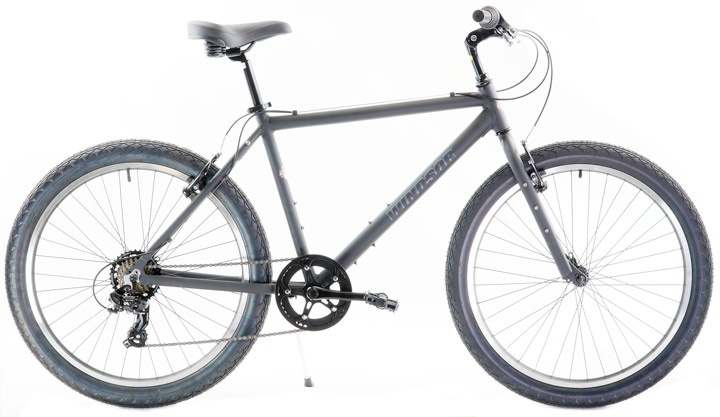
The WFB Urban Elite represents the practical side of modern gravel design. Built around 29-inch wheels with generous tire clearance, it bridges pavement efficiency and mixed-surface confidence. The larger wheel diameter helps maintain momentum over rough patches, while wider tire compatibility reduces vibration on cracked asphalt and light gravel. For riders concerned about gravel vs. road bike comfort on imperfect surfaces, this style of build shows how gravel platforms maintain stability without feeling sluggish on pavement. It handles bike paths and uneven city streets with composure, making it well suited for riders who mix commuting with recreational detours.
True Trails
Neither road nor gravel bikes are designed for technical singletrack. That is the domain of a mountain bike, which includes suspension and wide knobby tires for control over roots and rocks.
If your riding extends into actual trail systems, neither road nor gravel geometry will replace a purpose-built mountain setup.
Sand and Snow
Deep sand and snow require specialized flotation.
A fat bike uses extra-wide tires to distribute weight and maintain traction on soft surfaces.
For occasional sand patches, gravel bikes manage better than road bikes. But neither category replaces a true fat bike for consistent soft-surface riding.
Casual Cruising
For relaxed, upright neighborhood spins, a beach cruiser is designed purely for comfort.
Between gravel and road, gravel geometry feels less aggressive for casual cruising. Road bikes can feel performance-focused even at slower speeds.
Rider Goal Comparison
Fitness Riding
Road bikes excel when your primary goal is maximizing speed on pavement. Their lighter overall build, narrower tires, and more aerodynamic riding position make it easier to sustain higher average speeds over longer distances. On smooth roads, they convert pedaling effort directly into forward motion with minimal energy lost to tire deformation or frame flex. For riders training by tracking cadence, heart rate, or average speed, road bikes create a predictable platform for structured workouts.
Gravel bikes support fitness differently. They allow slightly lower tire pressures, which reduce vibration and muscle fatigue over longer sessions. While they may not feel as fast on clean pavement, they make it easier to extend rides onto rougher connectors or lightly broken roads without discomfort. For riders who measure fitness by consistency rather than top speed, gravel bikes can encourage longer weekly mileage because they reduce the physical strain caused by harsh surfaces.
If your fitness routine includes mixed routes, cracked asphalt, or occasional gravel detours, gravel setups often help maintain comfort and motivation over time. If your training is strictly road-based and speed-focused, the efficiency of a road platform remains advantageous.
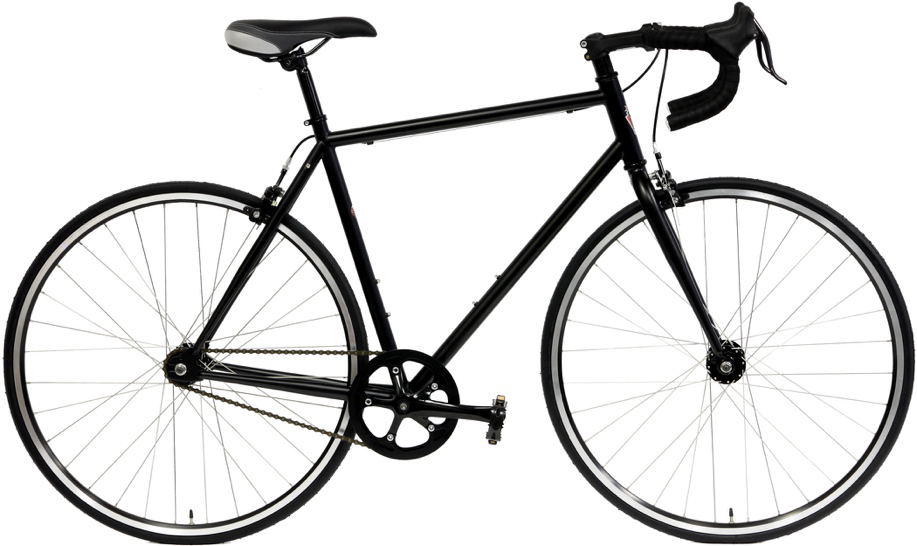
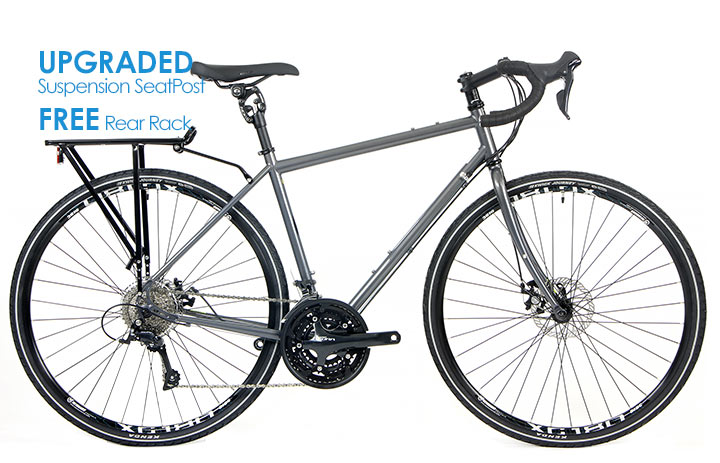
The Windsor Tourist XTL demonstrates how road-oriented design balances efficiency with longer-distance comfort. Its drop-bar setup encourages steady cadence and aerodynamic positioning, while a stable frame geometry keeps handling predictable at higher speeds. For riders focused on fitness miles on pavement, this type of road platform rewards consistent effort and smooth surfaces. While it is capable of longer outings, it remains best suited for riders who primarily stay on paved routes and value forward momentum over surface versatility.
Commuting
For commuting on varied city streets, gravel bikes provide durability and tire clearance that handle potholes, debris, and uneven pavement with more forgiveness. Wider tires absorb curb transitions, sewer grates, and expansion joints with less jarring feedback. The slightly more relaxed geometry also improves low-speed stability, which matters when navigating traffic lights, tight bike lanes, or stop-and-go conditions.
Gravel frames often include mounting points for racks and fenders, which adds practicality for daily use. The broader tire clearance allows riders to adapt to seasonal conditions without sacrificing ride quality.
Road bikes commute efficiently, especially on smoother urban corridors. Their lighter weight and responsive handling make them quick off the line and agile in traffic. However, on rough pavement or poorly maintained roads, narrower tires can feel harsh and less forgiving. Riders commuting longer distances on mixed-quality streets may notice more hand and shoulder fatigue on a road setup compared to gravel.
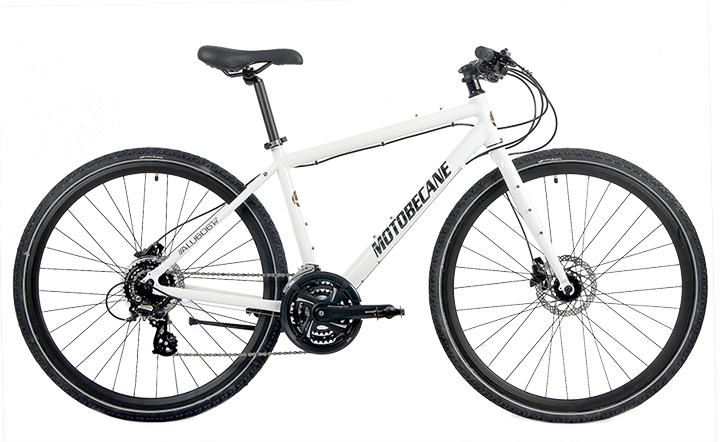
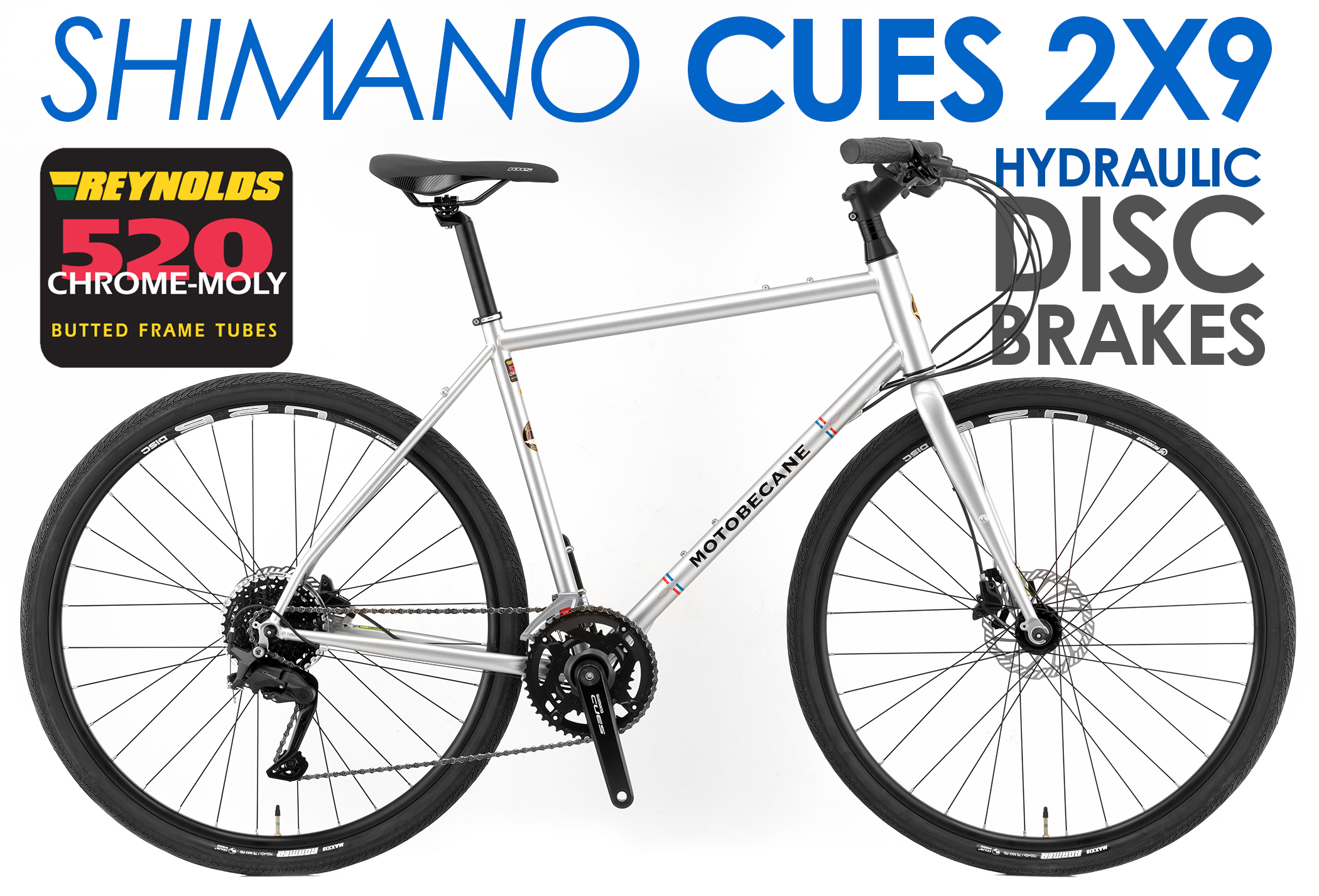
The Motobecane Cafe STRADA highlights how gravel-oriented geometry can feel comfortable in everyday city riding. With a durable steel frame and disc brakes, it prioritizes ride quality and braking confidence across varied surfaces. Steel construction naturally dampens road vibration, which matters on patched pavement and older urban roads. The flat-bar configuration also creates a more upright, intuitive posture for riders transitioning from hybrids. For commuters evaluating gravel vs road bike comfort, this type of setup emphasizes control and surface forgiveness rather than pure aerodynamic speed.
Recreation
Weekend riders often combine pavement with park paths, greenways, and light gravel connectors. Gravel bikes support that spontaneity. You can take a shortcut through a dirt path or transition from road to crushed stone without second-guessing traction or stability. The wider tire footprint improves cornering confidence on uneven surfaces, and the stable steering geometry reduces the sense of twitchiness when the terrain changes unexpectedly.
Road bikes reward smooth, consistent routes. On well-maintained bike paths or suburban loops, they feel quick and responsive. For riders who prefer steady pacing and clean surfaces, that efficiency enhances the recreational experience.
Adventure
Gravel bikes expand your accessible terrain. You can connect roads with dirt, explore backroads, and maintain comfort. Road bikes keep adventure focused on paved loops and longer mileage efficiency.
Performance
If racing, pace-line riding, or maximizing average speed on smooth roads is your priority, road bikes remain unmatched. Their aerodynamic positioning, lightweight frames, and narrow tires minimize rolling resistance and wind drag. At higher speeds, small efficiency gains compound over distance, which is why road geometry is designed around power transfer and responsiveness.
Gravel bikes are not slow, but they trade marginal speed advantages for stability and versatility. Wider tires introduce slightly more rolling resistance, and relaxed geometry reduces the aggressive aerodynamic posture typical of road setups. However, for many riders, the difference in speed is less important than the improvement in comfort and handling confidence.
For riders who value predictable handling, reduced vibration, and the ability to transition across surface types without hesitation, gravel platforms offer a broader performance envelope. For riders chasing peak pavement efficiency, road bikes remain the focused choice. The WFB Tourist Deluxe reflects the endurance-focused side of road cycling. Designed for longer pavement miles, it combines efficient rolling characteristics with geometry intended for sustained seated riding. Compared to gravel setups, it maintains a lighter, more pavement-optimized feel that supports higher average speeds on smooth roads. For riders prioritizing structured training, distance riding, or consistent surface conditions, this style of road bike reinforces why road geometry remains the benchmark for pure asphalt performance.
A Practical Decision Framework
When evaluating gravel vs road bike comfort, ask:
How smooth are my typical routes?
Do I avoid certain roads because they feel harsh?
How important is speed compared to stability?
Do I want flexibility for gravel connectors?
Will a slightly more upright position improve long-term comfort?
If your riding environment is imperfect, gravel geometry often feels forgiving. If your routes are consistently smooth and speed matters most, road design delivers efficiency. The key is honesty about where you ride most often.
Choose the Bike That Keeps You Riding
The best bike is not the fastest on paper. It is the one that feels stable, predictable, and enjoyable on your real routes. Gravel bikes soften rough surfaces and expand your options. Road bikes reward smooth pavement and efficient cadence. Neither is universally better. Each serves a different kind of rider comfort.
Explore the Right Category for Your Riding Style
Whether you prefer the versatility of a gravel bike, the efficiency of a road bike, the everyday practicality of a hybrid bike, the traction of a fat bike, the relaxed feel of a beach cruiser, or the trail capability of a mountain bike, choosing the right fit starts with understanding how and where you ride.
Explore the category that aligns with your comfort priorities and terrain, and select the bike that makes you confident rolling out the door every week.
If you’re shopping for a road bike price comparison under $800, you’ve probably noticed something confusing: online listings can look shockingly affordable, while many local bike shops start well above that number. The gap isn’t just about “markup” or “deals”—it’s about how bikes are sold, what’s included, and which specs brands choose to put at each price point.
In this guide, we’ll compare what you can realistically expect under $800 from an online, factory-direct approach versus a local bike shop model—so you can make a smart, apples-to-apples decision.
Why Online Prices Can Look Lower (Even for New Bikes)
Online pricing often looks lower because the sales model is different:
Lower retail overhead (no showroom footprint per location)
Inventory is centralized instead of spread across shops
Less bundled service (fit, assembly, tune-ups may be optional)
That last point is key: a local shop price often includes value you don’t see on the tag—professional assembly, advice, and sometimes a first tune-up. Online buying can still be a great deal, but you want to compare total cost and total experience, not just the number on the screen.
What “Under $800” Usually Buys You: The Spec Trade-Offs That Matter
Under $800, every brand has to make choices. The bikes can be excellent—if you know which compromises are normal and which ones you’ll actually feel.
Frame material and ride feel
Steel at this price can be durable and comfortable, especially for newer riders or commuters.
Aluminum often feels snappier and lighter at similar prices, but it can ride a bit firmer, depending on the tires and setup.
Brakes
Rim brakes are still common under $800 and can work well for many riders.
Disc brakes are increasingly common, but at lower price points, you may see more basic mechanical disc setups.
Drivetrain and gearing
You’re typically looking at simpler, reliable shifting in this range (fewer gears, wider steps).
The bigger question isn’t “how many speeds,” it’s whether the gearing suits your terrain and fitness goals.
Wheels and tires
This is where comfort lives. A slightly wider tire (and correct pressure) can make a budget bike feel dramatically better—especially on imperfect pavement.
A Fair Comparison: What’s Included in the Price?
This is where shoppers often compare unfairly without realizing it.
Local bike shop pricing often includes:
Assembly and safety checks
In-person sizing help
A relationship for service and adjustments
Sometimes a first tune-up (varies by shop)
Online pricing often includes:
Direct-to-door convenience
Wider selection at any moment
Strong spec-per-dollar potential
(But) You may need to handle basic assembly or pay a shop for setup
The right choice depends on what you value most: bundled service and test rides, or maximum value and selection.
Two Real Under-$800 Examples From BikesDirect (and Why They Compete So Well)
If your goal is staying under $800 for a new drop-bar setup, factory-direct options can open up choices that are simply rare at many storefront price points.
Mercier Galaxy ST / ST Express
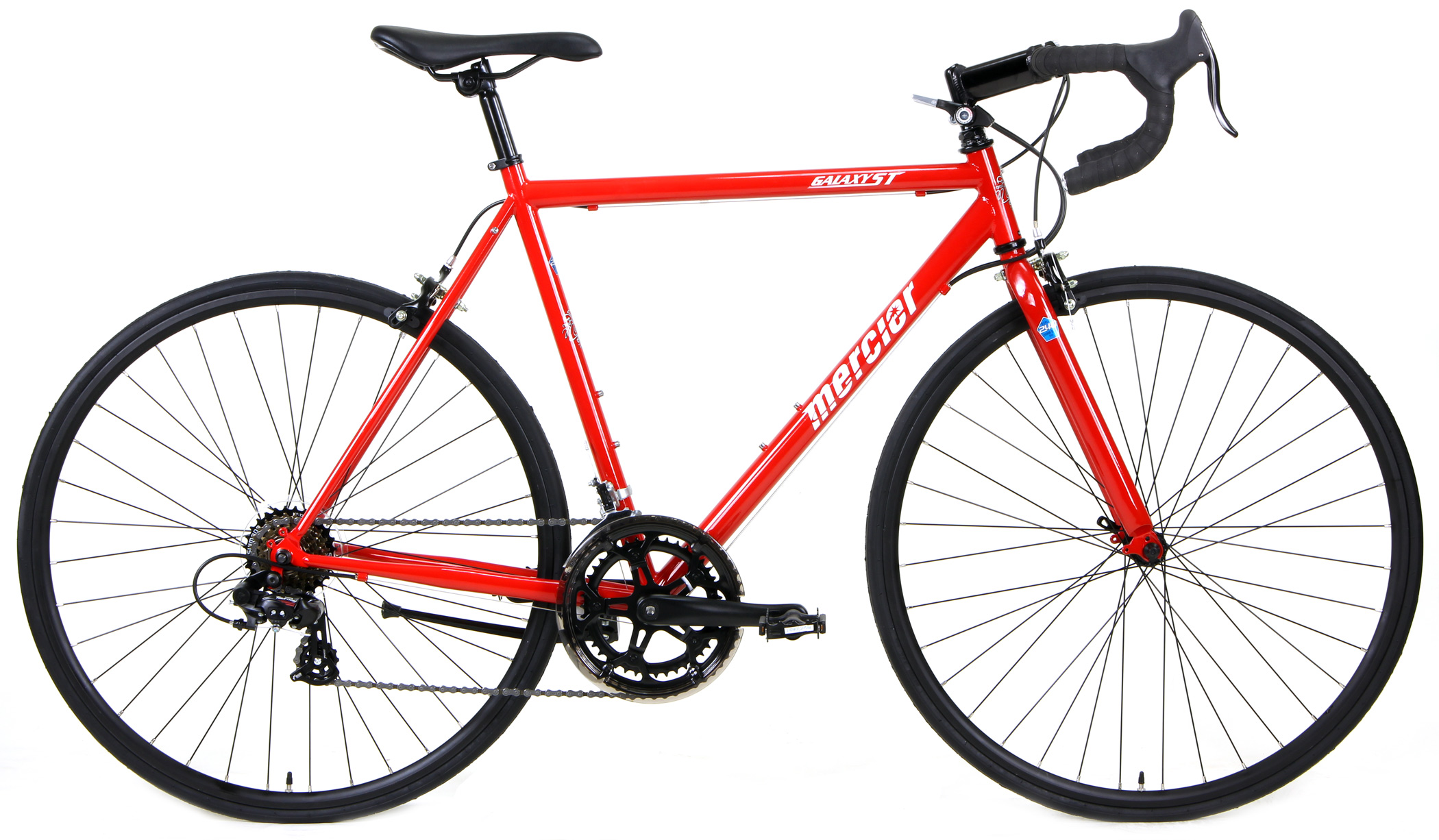
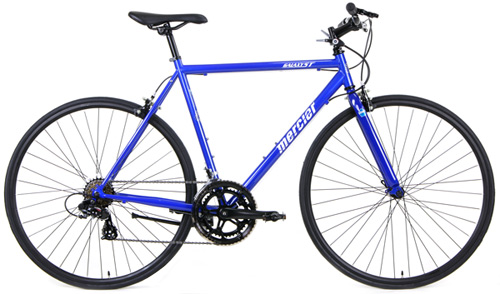
The Mercier Galaxy ST / ST Express has been offered as a budget-friendly road option with a published sale price as low as $229.95 (with a higher list price shown on the same listing). That kind of pricing is exactly why online, factory-direct models stand out in this budget tier—especially for riders who want an affordable starting point and prefer to spend later on essentials like a helmet, lights, and a lock.
Windsor Wellington 2.0 XTL
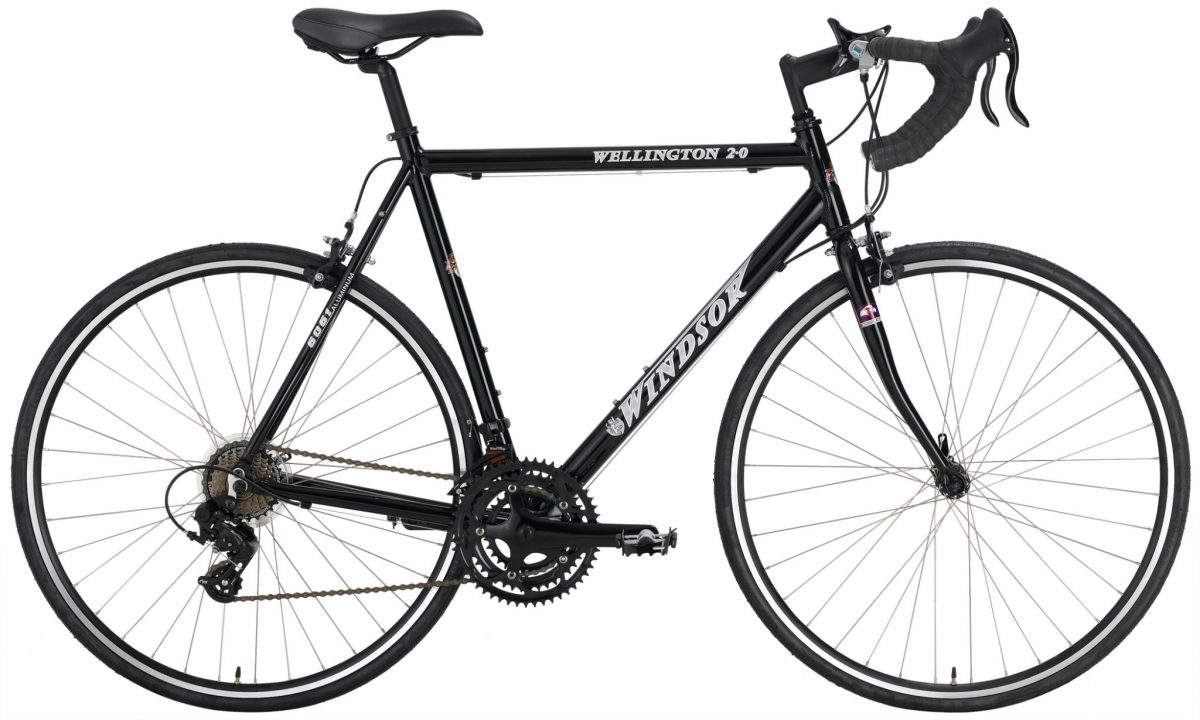
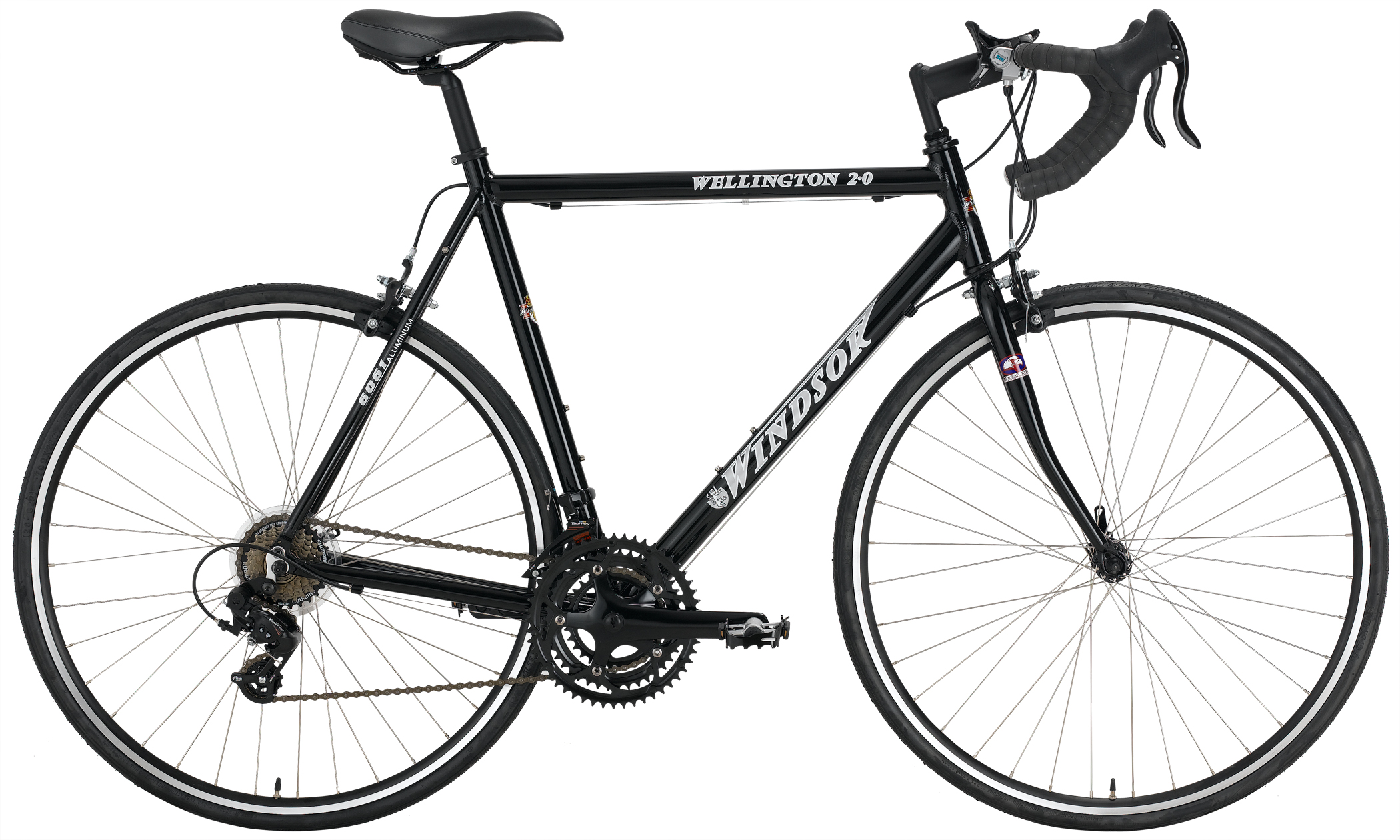
For riders who want an aluminum road bike feel at a low price, the Windsor Wellington 2.0 XTL is listed with a sale price of $349 and “FREE 48 US shipping” on the product page snippet. That’s a meaningful difference versus the $1,000+ range where many big-brand entry road bikes sit.
The Smart Way to Compare Under $800: A 5-Step Checklist
If you want a clean, practical comparison between online and shop options, run every bike through the same checklist:
1) Total out-the-door cost
Include shipping, tax, and any setup cost if you’ll pay a shop to assemble it.
2) Fit confidence
If you’re between sizes or unsure of reach/stack, local shops can be a real advantage. If you’re confident in sizing (or have a bike to compare to), online becomes easier.
3) Your roads
If your pavement is rough, prioritize tire clearance and comfort over “racy” feel. A budget bike with better comfort can be faster in the real world because you’ll ride longer and more consistently.
4) Your maintenance plan
If you love the idea of a shop relationship and service support, factor that in. If you’re comfortable doing basic adjustments—or you already have a shop you trust—online can be a strong fit.
5) Spec priorities that actually matter
At this price, don’t get distracted by “number of gears.” Focus on brakes you trust, gearing that suits your hills, and tires that don’t beat you up.
Under $800 Is Possible—But Only If You Compare the Right Way
A road bike under $800 is absolutely achievable, but the best value often depends on how you buy. Local bike shops can deliver excellent support, fitting help, and peace of mind—benefits that are real, especially for newer riders. At the same time, online factory-direct models can dramatically improve what’s available under $800, especially when many mainstream entry-level road bikes list at $1,000+ from major brands.
If your priority is stretching your budget as far as possible while still getting a capable road bike, BikesDirect is built around that value-driven approach—offering options like the Mercier Galaxy ST / ST Express and Windsor Wellington 2.0 XTL at prices that are difficult to match through many traditional retail channels.
If you want help choosing the right model and size, please contact us.
A lot of people assume a drop-bar fitness setup is only for racers, group rides, and weekend warriors chasing personal bests. In reality, plenty of everyday riders choose road bikes for everyday riding for a much simpler reason: it makes normal riding feel smoother, faster, and more rewarding, even when you’re not training for anything.
If you’ve been thinking about getting into road-style riding but don’t want a race-only feel, we’ve built our lineup to match real routes and real schedules. A great example is theMercier Galaxy ST Express, which is a straightforward, approachable option for riders who want efficiency and fitness without the intimidation factor.
The Biggest Misconception: If I’m Not Racing, It’s Not for Me
Most people aren’t trying to win sprints. They just want a bike that helps them:
Cover more distance in the same amount of time
Keep a steady pace without feeling like they’re fighting the wind
Turn a short ride into a longer ride because it feels good to keep going
Build fitness without needing a complicated plan
That’s exactly why a road bike can make sense for real-world riding. It’s a tool for momentum. When the bike rolls efficiently, you naturally ride more often. And the more often you ride, the faster fitness builds.
The key is choosing the right style within the category. Not every road-style build is an aggressive, twitchy race machine. Many options are designed for comfort, stability, and longer days in the saddle.
Why Road-Style Efficiency Helps Everyday Fitness
One of the most underrated benefits of road riding is how it turns effort into results. When the bike feels responsive, your energy goes into forward motion instead of getting soaked up by heavy rolling resistance or overly upright wind exposure.
That doesn’t mean uncomfortable. It means efficient.
With the right setup, you can keep your rides in that sweet spot where you’re working, breathing, and getting fitter, but you’re not suffering. Over time, this style of riding becomes a reliable routine: a quick loop after work, a longer weekend ride, a consistent way to build stamina without needing a gym schedule.
This is also where the not a racer mindset actually becomes a strength. You’re not chasing numbers. You’re chasing consistency. And consistency is what changes how you feel week to week.
Comfort for Normal People Comes Down to Fit and Position
The biggest difference between this feels amazing, and this is not for me is usually fit.
A comfortable road-style setup should let you ride with:
Relaxed shoulders and hands
A natural reach to the bars (not locked out, not cramped)
A stable, predictable feel when you’re turning or descending
A position you can hold for the duration of your ride, not just the first 10 minutes
If you’re new to road riding, it helps to remember this: comfort is adjustable. Small changes to saddle height, bar position, and stem length can completely transform the feel.
And comfort isn’t only about posture. Route comfort matters, too. Real roads are imperfect. So choosing a build that suits your surface quality (and your tolerance for vibration) is a smart move, especially if your area has rough pavement or frequent cracks and patches.
Real-World Features That Matter More Than Race Features
It’s easy to get lost in spec comparisons. In day-to-day riding, a few priorities tend to matter far more than marginal performance features.
Gearing that matches your rides
A good gear range makes normal riding enjoyable. It helps with hills, headwinds, and those days when your legs don’t feel fresh. The goal is simple: you should be able to keep pedaling smoothly, not grinding.
Stability you can trust on imperfect roads
A calmer, more stable feel is often a better fit for everyday riders than razor-sharp race handling. Predictability matters when you’re riding near traffic, cornering on patchy pavement, or descending on a route you don’t know well.
A setup that makes you want to ride again tomorrow
For non-competitive riders, the best means the bike that keeps getting used. The right road bike fits your lifestyle: it’s easy to grab, easy to ride, and rewarding even when you’re just doing a quick loop.
Our Picks: Built for Fitness, Speed, and Real Routes
We choose models that feel practical for normal riders: people who want to ride farther, get fitter, and enjoy that smooth, efficient feeling without building their whole personality around cycling.
Windsor Wellington 2 XV XTL: performance feel without the race-only vibe
If you want something that feels quick and responsive for fitness riding, theWindsor Wellington 2 XV XTL is a strong choice. It’s the kind of option that works well for riders who want to improve pace over time, enjoy longer weekend miles, and still feel comfortable enough to ride consistently. This is a smart fit for riders who want that I’m moving feeling the moment they start pedaling, without needing an aggressive, unforgiving setup.
Gravity Liberty GRV XTL: flexible route choice for riders who mix surfaces
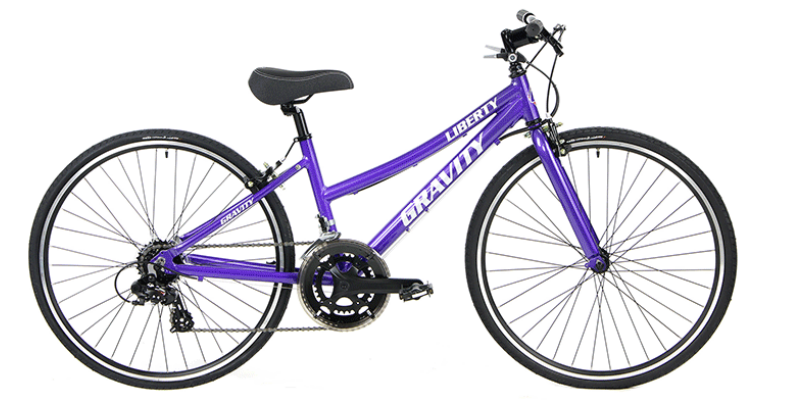
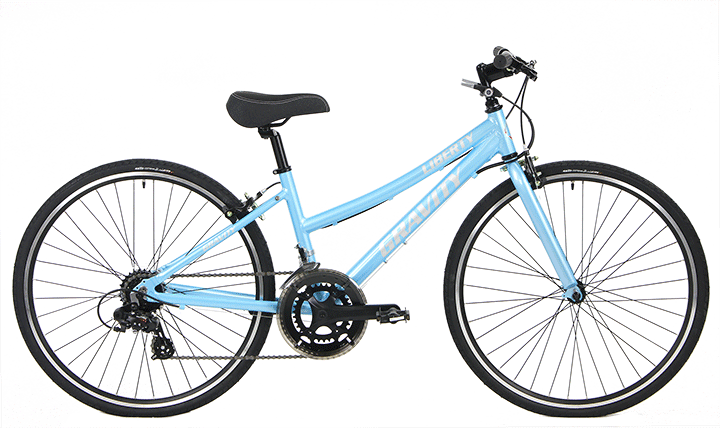
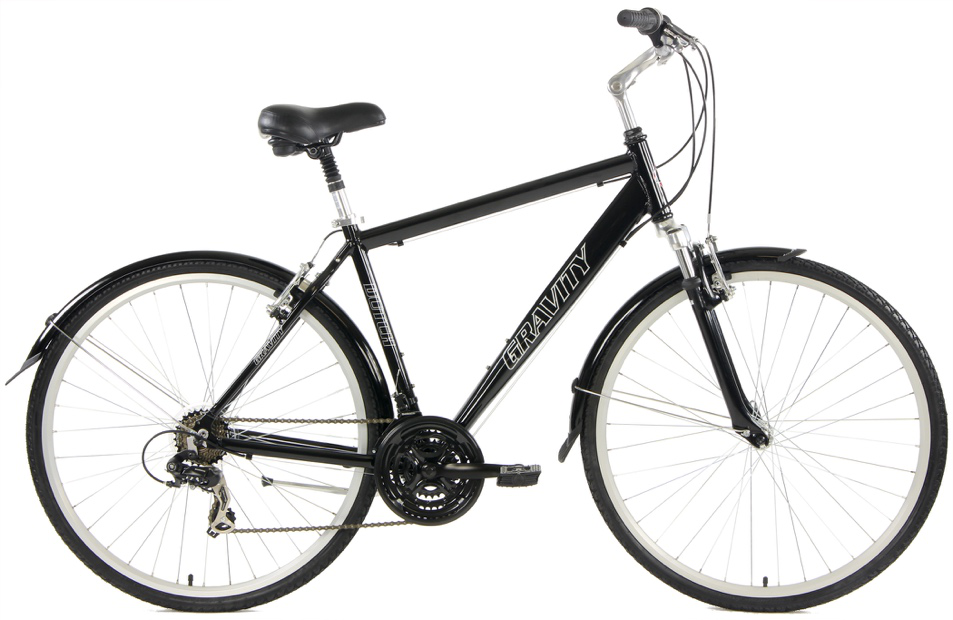
Not everyone’s routes are smooth from start to finish. If your normal riding includes rougher roads, mixed surfaces, or you just want more flexibility in where you can go, theGravity Liberty GRV XTL is worth considering. It’s built for riders who want a road-style experience but don’t want their route options limited by imperfect pavement or the occasional detour onto less-polished paths.
How to Know You’re Choosing the Right One
Before you buy, picture a normal week of riding. Not the fantasy version where you wake up early every day and do epic miles. The real version.
Ask yourself:
Am I riding mostly for fitness, errands, or both?
Are my roads smooth, rough, or mixed?
Do I want a fast feel first, or comfort first?
Am I more likely to ride 30–60 minutes regularly, or do I want longer weekend rides?
The right choice is the one that aligns with your reality. When the bike matches your real routes, you ride more. When you ride more, you get fitter. And when you get fitter, everything about cycling gets more enjoyable.
A Road Bike That Fits Real Life Will Get Used
A road bike doesn’t need to be a race machine to be valuable. For everyday riders, it’s often the most practical way to make fitness riding efficient, enjoyable, and consistent. The right setup turns I should ride into I actually ride, because the experience feels smooth, fast, and motivating.
At BikesDirect, we focus on giving riders straightforward options that make sense outside of racing culture. If you want a simple starting point, you can begin with theMercier Galaxy ST Express and build your routine from there. Once you’ve done a few weeks of steady riding, you’ll know exactly what direction you want to go next, and your road bike choice becomes easier and more confident.
If you want help choosing the best fit for your routes and goals, please contact us.
It often starts the same way. Someone tries a friend’s fast, lightweight bike on a weekend ride, and suddenly a switch flips. The speed feels addictive. The freedom feels bigger than any gym workout. They go home ready to buy… but the price of road bikes in most bike shops hits like a bucket of ice water.
Entry-level models that used to cost $799 now sit closer to $1400. Add in accessories, shop fees, and assembly, and the total often climbs past $2000. That shock is a major barrier for new riders, even though the desire to ride is real.
That is where a real, data-driven road bike price comparison becomes helpful. Because when you compare similarly equipped models from traditional retail to the direct-to-consumer pricing at Bikesdirect.com, the difference is not subtle. It can be hundreds — sometimes over a thousand dollars — saved on the exact same level of parts, gearing, and braking.
This blog breaks down what to look for when shopping under $1000, why online value is rising, and which models deliver the most performance for the price.
What Matters Most on a Sub-1000 Road Bike
When you are browsing, it is tempting to focus on flashy paint or brand names. But performance comes from the parts, not the decals.
Three features deserve the most attention:
Frame material influences weight and efficiency. Aluminum is standard. Carbon frames at this price are rare — unless you buy direct.
Drivetrain determines how smoothly you shift. Shimano Claris, Sora, Tiagra, or 105 are typical ranges. When a bike offers higher-level drivetrain under 1000, that is worth noticing.
Brakes are for safety. Disc brakes are increasingly popular, especially for mixed conditions or hilly routes.
Paying attention to those three features will tell you more about value than any marketing slogan.
To give context, a rider choosing between a gravel bike and a road bike should think about surface. Gravel adds versatility for dirt paths. Road adds efficiency for paved speed. Both are good, but priced differently depending on features.
The Challenge With Retail Markup
Local bike shops have undeniable strengths. They offer fitting services, local advice, and maintenance. What they cannot bypass is overhead. Rent, staffing, shipping, assembly, and showroom costs all roll into price tags.
This is why many entry-level bikes in retail stores arrive dressed in budget parts while still carrying premium prices. Direct-to-consumer avoids most of that. You get the same parts, same frames, same drivetrains, but without paying store markup. It is like buying your own “shop-quality” build without the store’s operating costs attached.
That is where Bikesdirect.com has built its reputation — strong performance for far less money.
A Real-World Price Comparison Using Four Models
To make this real, let us look at four bikes currently offered online, each meeting the sub-1000 category and offering excellent value.
Motobecane Mirage SLX – Classic Lightweight Speed
The Mirage SLX shows how far value has come. Lightweight aluminum frame, modern geometry, and smooth shifting make it ideal for anyone wanting fitness rides or weekend group cycling without overspending.
Similar spec bikes in retail? Commonly 1199–1499.
Mirage SLX? Under 1000.
That price difference could cover riding shorts, pedals, a helmet, and still save money.
Turino Expert – Disc Brakes for Modern Conditions
Disc brakes offer better control on climbs, wet pavement, or fast descents. This is the style of braking most new riders want, and the Turino Expert brings it into affordable territory.
Disc brake models in shops usually start near 1400. Direct pricing lands far lower, but with the same control and stability you would expect from more expensive builds.
Turino Elite – A Higher-Spec Option Still Under Budget
The Elite adds upgraded drivetrain precision. Shifts are smoother, the ride feels more responsive, and the overall build pushes performance without pushing budget. You would rarely see this drivetrain and disc brakes together under 1000 in a retail environment.
This is the power of direct sale.
Carbon Aero Speed That Should Cost More
The R600 is a bike that surprises anyone used to retail shopping. Carbon fork and aero shaping at well under traditional pricing. Most carbon bikes in shops start closer to 2000, so finding one below 1000 is eye-opening.
Carbon at this price is the definition of value.
A Gravel Option for Riders Who Want Versatility
Not everyone rides perfect pavement. Some want adventure. The Gravel X3 brings disc brakes, wider tires, and stable geometry for dirt paths, side roads, or weekend wandering.
This gravel bike expands what a sub-1000 purchase can do. When compared to retail, the savings stay consistent: similar spec for hundreds less.
What Riders Gain Per Dollar
Price is only part of the story. What matters most is ride experience.
Buying direct often means better parts for the same money. A road bike at this price can include features normally associated with higher tiers:
For many new cyclists, this is their first real performance bike. They are transitioning from a hybrid bike, a mountain bike, or even a beach cruiser, chasing speed and efficiency.
Direct pricing makes that transition easier.
Final Thoughts: The Best Budget Is the One That Lets You Ride More
Cyclists who spend less often end up riding more — not because the bike is cheaper, but because the savings give them freedom. They can buy accessories, clothing, upgraded tires, or even save toward a second bike later.
A fat bike for winter? A gravel bike for adventures? A mountain bike for trails? Options grow when the budget is not blown on the first purchase.
That is what value means.
Riders looking for true performance under 1000 can explore an entire range of bikes at Bikesdirect.com. Our company highlights real value through direct pricing, offering components and features normally priced much higher at traditional retail. Whether someone wants a fast road machine, a versatile gravel build, or something built for fitness and weekend enjoyment, Bikesdirect.com makes cycling more accessible without cutting quality.
There’s a reason so many cyclists describe their time on two wheels as therapy. Picture this: the wind against your face, rhythmic pedal strokes, and the worries of the day fading into the background. What feels like a simple ride actually has deep roots in science. Researchers increasingly point to the strong link between cycling and mental health benefits, showing how the act of pedaling can reduce stress, elevate mood, and sharpen mental clarity. Whether you’re gliding on a beach cruiser, tackling hills on a mountain bike, or cruising the city on a hybrid bike, the mental lift is as real as the physical workout.
The Mood-Boosting Science of Cycling
One of the most studied effects of cycling is its ability to release endorphins — those “feel-good” chemicals that flood the brain during physical activity. Regular exercise, particularly aerobic exercise like cycling, stimulates serotonin and dopamine production, both of which play key roles in reducing anxiety and fighting depression. Unlike high-impact activities, cycling provides a steady, sustainable way to achieve these benefits without punishing the joints. A leisurely ride on a beach cruiser can be just as effective for mood regulation as a more intense session on a road bike.
Stress Reduction on Two Wheels
Cycling acts as a moving meditation. The repetitive, circular motion of pedaling naturally relaxes the nervous system, encouraging mindfulness and presence. Studies have shown that even 20 to 30 minutes of moderate cycling can lower cortisol levels, the hormone responsible for stress. Commuters who swap car rides for a spin on a hybrid bike often report arriving at work more refreshed and less frazzled. And unlike sitting in traffic, the ride itself becomes part of the solution to stress, not the cause of it.
Sharpening Focus and Cognitive Health
Beyond mood and stress, the cycling and mental health benefits extend into cognition. Research has linked regular cycling with improved memory, faster learning, and sharper problem-solving. Increased blood flow and oxygen supply to the brain stimulate new cell growth in the hippocampus, the area tied to memory and emotion regulation. Riders who regularly take out their gravel bike or fat bike on weekend adventures may notice improved focus not only during rides but also in their work and studies. Cycling is not just an escape — it’s mental cross-training for the brain.
Building Confidence and Resilience
Every ride is a chance to challenge yourself, whether that means pushing up a steep hill, navigating new trails, or simply sticking to a riding routine. Achieving small cycling goals can build self-confidence and resilience that extend far beyond the saddle. This applies whether you’re aiming for a century ride on a road bike, hitting tough trails with a mountain bike, or simply commuting more days a week on a hybrid bike. Each success builds a mental foundation that reinforces positivity and discipline.
Social Connection and Community
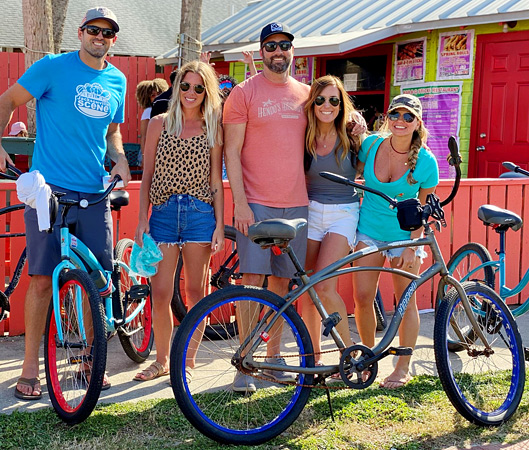
Humans are wired for connection, and cycling naturally brings people together. Joining a local cycling club, riding with friends, or even participating in casual group rides fosters belonging and social support — both crucial for mental well-being. For some, the beach town cruiser group rides bring joy and laughter; for others, gravel grinding with a weekend crew builds camaraderie through shared adventure. These experiences help combat loneliness, which is a growing contributor to poor mental health in modern society.
Nature, Freedom, and the Joy of the Ride
One often overlooked aspect of the cycling and mental health benefits is the way riding connects us to the outdoors. Modern life keeps many people tethered to screens and artificial light for most of the day, but cycling pulls you outside, where fresh air, sunshine, and open skies create a natural reset for the mind. Research has shown that exposure to nature significantly reduces symptoms of anxiety and stress, and cycling offers one of the most enjoyable ways to access that restorative environment.
The sense of freedom also plays a huge role. Unlike a treadmill or gym routine, cycling invites exploration. A casual spin through a new park on a hybrid bike or a scenic adventure on a gravel bike becomes more than exercise — it’s an experience. Riders report feeling lighter, less burdened, and more optimistic after exploring even short routes. The blend of physical activity, natural settings, and the thrill of movement creates a perfect storm of positivity.
This freedom is why so many riders describe their bikes not just as tools for fitness but as companions for wellness. Every pedal stroke is a reminder that better mental health can be just around the corner.
Making Cycling a Habit for Mental Wellness
The best part of cycling is its accessibility. Riders can tailor it to fit their lifestyle and mental health needs. For those seeking calm, a quiet spin on a beach cruiser through the neighborhood works wonders. For others craving adrenaline, technical trails on a mountain bike or endurance sessions on a road bike may deliver the mental reset they’re after. The consistency of showing up for yourself, whether through daily commutes or weekend adventures, is what transforms cycling into a reliable tool for mental wellness.
Conclusion: Ride for Your Mind
Cycling isn’t just about fitness stats or mileage logged — it’s about the way each ride makes you feel. From stress relief to sharper focus and greater resilience, the mental health benefits of cycling are available to everyone who pedals, regardless of skill level or bike type. Whether your preference is a casual beach cruiser, a versatile hybrid bike, a rugged mountain bike, or a sleek road bike, every ride becomes a step toward better mental health.
Bikesdirect.com makes finding the right bike easier than ever, with options across categories and price points so every rider can experience the joy and peace of mind that cycling brings. By choosing your perfect ride at Bikesdirect.com, you’re not just investing in a bike — you’re investing in your mental wellness and a healthier, happier lifestyle.
Every cyclist remembers the thrill of their first bike—the sense of freedom it gave them, the miles they logged, and the memories they created along the way. But as time goes on, even the most beloved bikes can start to feel outdated or unable to keep up with your ambitions. If you’re finding yourself fighting with your ride more than enjoying it, that might be your cue: it’s time for an upgrade.
Knowing when to upgrade your bike isn’t always easy. Some issues show up in the form of worn-out components or a noisy drivetrain. Others are less obvious, like persistent discomfort on longer rides or realizing your current bike no longer matches the kind of cycling you want to do. In this guide, we’ll cover the five clearest signs that it’s time to consider a new ride, and we’ll highlight three excellent upgrade options from BikesDirect that deliver performance and value.
1. Your Components Are Wearing Out
One of the most common signs you need to upgrade is constant mechanical issues. If you’ve been hearing the chain skip when you pedal hard, or if your gears don’t shift smoothly no matter how often you adjust them, your drivetrain may be past its prime. Brakes that squeal or feel mushy even after servicing are another sign.
Yes, you can replace individual components. But here’s the catch: when several parts are wearing out at once, those repairs quickly add up. In many cases, riders spend hundreds of dollars replacing chains, cassettes, derailleurs, and brake systems, only to be left with a frame and wheels that are still dated.
By upgrading your entire bike, you get not just new parts, but the benefit of modern technology: wider-range gearing, stronger hydraulic disc brakes, and lighter, more efficient frames. For road riders, a model like theMotobecane Mirage SLX delivers smooth, precise Shimano shifting at a fraction of the price you’d pay in a traditional shop. Instead of patching an old ride, you can start fresh with equipment that’s designed to last.
2. Your Riding Style Has Outgrown Your Bike
Think back to when you first bought your current bike. Maybe you were commuting around town, or sticking to neighborhood loops on weekends. But now, perhaps you’ve discovered a love for long-distance road cycling, or maybe your friends have pulled you onto mountain trails. Suddenly, your old bike feels mismatched to the kind of riding you’re excited about.
As your cycling style evolves, so should your bike. A hybrid may be perfect for city streets, but it can’t deliver the speed and efficiency of a true road bike, like the Mercier Galaxy ST Express Road Bike. Likewise, a simple hardtail mountain bike might not provide the comfort and control you need if you’re tackling rock gardens or steep descents.
That’s where the right upgrade matters. TheMotobecane Mirage SLX is perfect for riders transitioning into longer road rides or group cycling. Meanwhile, off-road enthusiasts can step up to something like the Motobecane HAL 5 Trail, which has the full-suspension setup to handle technical terrain. Choosing the right bike for your new goals ensures that every ride feels like an adventure, not a struggle.
3. You’re Experiencing Discomfort
Cycling should make you feel energized—not sore, cramped, or in pain. If you’ve been dealing with recurring aches after every ride, your bike may be the culprit. Outdated geometry or poor sizing can put unnecessary strain on your back, shoulders, and knees. Narrow tires running at high pressure can make every crack in the road feel like a shock to your body.
Modern bikes are designed with comfort in mind. Endurance-style road frames, for instance, place riders in a more relaxed position, reducing strain over long distances. Cruisers and hybrids keep you upright, with wider saddles and ergonomic grips that prioritize relaxation over speed. Even mountain bikes today feature dropper posts and suspension systems designed to keep you balanced and comfortable through technical terrain.
For riders who want pure comfort, the Mango Toucan Deluxe 3 Speed Aluminum Cruiser is a perfect example of how far bike design has come. Its upright geometry, wide balloon tires, and padded saddle transform riding into a stress-free experience. If your bike leaves you sore after every ride, it may be time to upgrade to something that puts comfort first.
4. Your Bike Technology Is Outdated
Cycling has changed a lot in the past decade. Disc brakes, once a high-end feature, are now standard across road, gravel, and mountain bikes. Tubeless-ready wheels let you run lower pressures for more comfort and fewer flats. Frames are lighter yet stronger, and drivetrains offer more gears with smoother shifting.
If your bike still relies on rim brakes, narrow clearances, or heavy tubing, you’re missing out on the safety and efficiency modern bikes provide. Even small updates—like the ability to run wider tires—can drastically improve your ride quality.
The Motobecane HAL 5 Trail demonstrates what upgrading looks like in today’s market. With modern trail geometry, long-travel suspension, and tubeless-ready wheels, it’s built for riders who want cutting-edge features at direct-to-consumer prices. Compared to a ten-year-old mountain bike, it’s an entirely different experience.
5. You’re Ready for a New Challenge
Sometimes the biggest sign you need to upgrade is your own ambition. Maybe you’ve set your sights on completing your first century ride, exploring gravel backroads, or conquering advanced singletrack trails. Your current bike may have served you well, but it wasn’t designed for the next stage of your cycling journey.
Upgrading your bike is as much about motivation as it is about equipment. A new ride inspires you to push further, ride longer, and embrace challenges with fresh confidence. Choosing a bike that aligns with your goals ensures you’ll actually enjoy the process.
Want to go faster on pavement? TheMotobecane Mirage SLX is a road bike designed to give you that edge. Craving relaxed comfort for casual rides? The Mango Toucan Deluxe 3 Speed Aluminum Cruiser keeps things stylish and stress-free. Hungry for off-road adventures? The Motobecane HAL 5 Trail will take you places your old bike could never go.
Don’t Let Your Bike Hold You Back
Every rider eventually faces the moment when their bike feels more like a limitation than a companion. Whether it’s worn-out components, persistent discomfort, outdated technology, or simply the desire to explore new challenges, the message is clear: it’s time to upgrade your bike.
The good news? Upgrading doesn’t mean overspending. At BikesDirect, you can find high-quality models at up to 60% off typical retail prices. That means you can access bikes like theMotobecane Mirage SLX for road biking, the Mango Toucan Deluxe 3 Speed Aluminum Cruiser for relaxed comfort, and the Motobecane HAL 5 Trail for trail adventures—without straining your budget.
Cycling is about freedom, progress, and joy. Don’t let an outdated bike keep you from experiencing that. Upgrade your bike today, and open the door to rides that are faster, smoother, and more fun than ever before.
Buying your first road bike is a big step. For many riders, it’s the moment cycling shifts from a casual activity to a serious passion. But with so many choices on the market, it’s easy to feel overwhelmed. Frame materials, gear ratios, wheel sizes, and even handlebars all play a role in how a bike feels on the road.
The good news? You don’t need to be a gearhead to find the right fit. By understanding the basics of what makesroad bikes unique, you can narrow down your options and find a model that matches your goals, budget, and style. And thanks to the direct-to-consumer model at BikesDirect, you can get an incredible bike without breaking the bank.
Why Choose a Road Bike?
Cycling comes in many flavors—mountain biking, gravel riding, commuting—but road bikes are still the most efficient and versatile option for covering distance quickly. They’re lightweight, aerodynamic, and designed for long hours on pavement. Whether you want to join group rides, tackle a charity event, or simply improve your fitness, a road bike is the right tool for the job.
And road bikes aren’t just for racing. With the right setup, they’re equally at home on weekend recreational rides, commutes, or even light touring. Their efficiency means you can go farther, faster, with less effort—a huge confidence boost for beginners.
What to Look For in Your First Road Bike
When shopping for your first road bike, focus on three essentials: frame material, gearing, and fit.
Frame Material: Aluminum frames, like those on theMotobecane Mirage SLX, are lightweight, stiff, and affordable—perfect for beginners. Higher-end bikes may use carbon fiber, which offers even lighter weight and smoother ride quality, but aluminum is often the best value starting point.
Gearing: A wide range of gears makes climbing easier and flats more enjoyable. Compact cranksets paired with wide cassettes give new riders the flexibility to ride comfortably on varied terrain.
Fit: The most important factor. A properly sized bike ensures comfort and prevents injury. BikesDirect provides detailed sizing charts so you can match your height and inseam to the right frame.
Great Entry-Level Models to Consider
To help make things simple, here are three beginner-friendly models that deliver excellent value and performance.
The Mirage SLX is one of BikesDirect’s most popular entry-level road bikes. Built around a lightweight aluminum frame with a carbon fork, it balances speed with comfort. The Shimano Claris drivetrain offers 24 gears, giving you the range to tackle hills and flats without feeling overmatched. At just under $700, it’s an unbeatable deal for new riders looking for a reliable, versatile first bike.
If you want the added stopping power of disc brakes, the Super Mirage SL (Disc) is a fantastic choice. Disc brakes provide consistent control in all conditions—rain, gravel, or city streets. With its aluminum frame, carbon fork, and Shimano Claris components, this model is both beginner-friendly and future-proof. At around $476, it’s one of the best-value road bikes on the market.
For those who want to go a step further, the Super Mirage SLX XTL (Disc) is a smart upgrade option. It combines the comfort of wider tire clearance with Shimano’s reliable drivetrain, giving you flexibility for different riding styles. Whether you’re sticking to pavement or venturing onto mixed surfaces, this bike is ready for it all.
Why These Bikes Stand Out
All three models deliver what beginners need most: lightweight frames, reliable gearing, and approachable pricing. They strip away unnecessary complexity while still giving you the performance to grow as a rider. The inclusion of carbon forks across these models smooths out road chatter, while the option for disc brakes ensures safety and control no matter the conditions.
Most importantly, each bike represents outstanding value. Because BikesDirect sells factory-direct, you’re paying far less than you would at a traditional bike shop for similar components. That means you can get started without overspending—and still enjoy features that will carry you into your intermediate years as a rider.
Accessories Worth Adding
Once you’ve chosen your first road bike, a few accessories will make your rides safer and more enjoyable:
Helmet: Always the first purchase.
Clipless Pedals and Shoes: Improve efficiency and control once you’re comfortable.
Lights: For visibility during early morning or evening rides.
Repair Kit: A spare tube, tire levers, and pump are essential for peace of mind.
Investing in these basics ensures you’re prepared and confident from the start.
Common Beginner Mistakes
It’s easy to get caught up in flashy features, but beginners should focus on the essentials: proper fit, gearing that matches your terrain, and a reliable frame. Don’t overspend on exotic materials or high-end components until you know your preferences. Many riders also neglect sizing and end up with discomfort that could have been avoided by referencing BikesDirect’s detailed charts.
At BikesDirect, we make it simple to get started. With savings up to 60% off retail prices, you can invest in a quality road bike today and know it will grow with you as your skills and ambitions expand. Your first road bike is more than just a purchase—it’s the beginning of a journey. And with the right model, that journey will be smoother, faster, and more enjoyable than you ever imagined.