
Why Fat Bikes Are the Unsung Heroes of All‑Season Riding

Every rider has a favorite “what if” route. What if you could stay on the shoreline where the sand is firm and the breeze smells like salt. What if the unplowed winter path through the woods became your fastest shortcut to work. What if the gravel road at the edge of town, the one that dissolves into washboard beyond the last mailbox, felt as welcoming as a paved bike path. Fat bikes make those “what ifs” real. With huge tires, frames built for clearance, and geometry that favors balance over drama, fat bikes for all terrain unlock surfaces that defeat ordinary rubber. They float where others sink, grip where others spin, and—most importantly—turn questionable conditions into genuinely fun rides. In this article, we’ll explain the physics of float, share practical setup guidance for sand, snow, and gravel, highlight components that matter, and point you to specific models in our lineup that deliver four‑season capability without demanding a lottery ticket.

The Physics of Float and Grip

The two numbers that define the fat bike experience are tire width and pressure. Typical mountain bikes roll on 2.2–2.6‑inch rubber; a fat bike starts around 3.8 inches and stretches to five inches or more. Spread that wide tire across a correspondingly wide rim and you lower the ground pressure under each knob. Instead of knifing into soft surfaces, the tire distributes your weight so the bike rides on top of sand or snow. Pressure completes the magic. Where a conventional trail setup might use 20–28 PSI, fat bikes come alive between roughly 4 and 12 PSI depending on rider weight and terrain. Lower pressure mushrooms the contact patch into an elongated footprint that grabs texture, irons out chatter, and keeps momentum alive. The change is so dramatic that a half PSI can be the difference between trenching and gliding. That sensitivity is part of the fun; you become the pilot of a small, friendly hovercraft.

Sand: Surf Without Sinking

Sand punishes narrow tires by dragging them down into a rut. The fatter the tire and the lower the pressure, the less you sink and the less energy you spend clawing back to the surface. On beaches and dunes, experienced riders often start around 6–8 PSI and drop lower as the surface softens. Steer with your hips and eyes, not your arms; any abrupt input digs the front end. Momentum is your ally, so pick lines that keep the bike rolling. If your riding life includes salty air, rinse bikes after shoreline sessions and keep a close eye on chains, cassettes, and bolts. Aluminum frames are naturally corrosion‑resistant; carbon also plays nicely with maritime conditions; steel requires a little extra care but rewards you with a lovely ride. For playful coastal rides where you’ll split time between hard sand and softer patches, a 3.8–4.5‑inch tire works wonders. When you want to push deeper into soft dunes or carry bags for sunset picnics, stepping up to five‑inch rubber increases float and stability.

Snow: The Winter “Play” Button

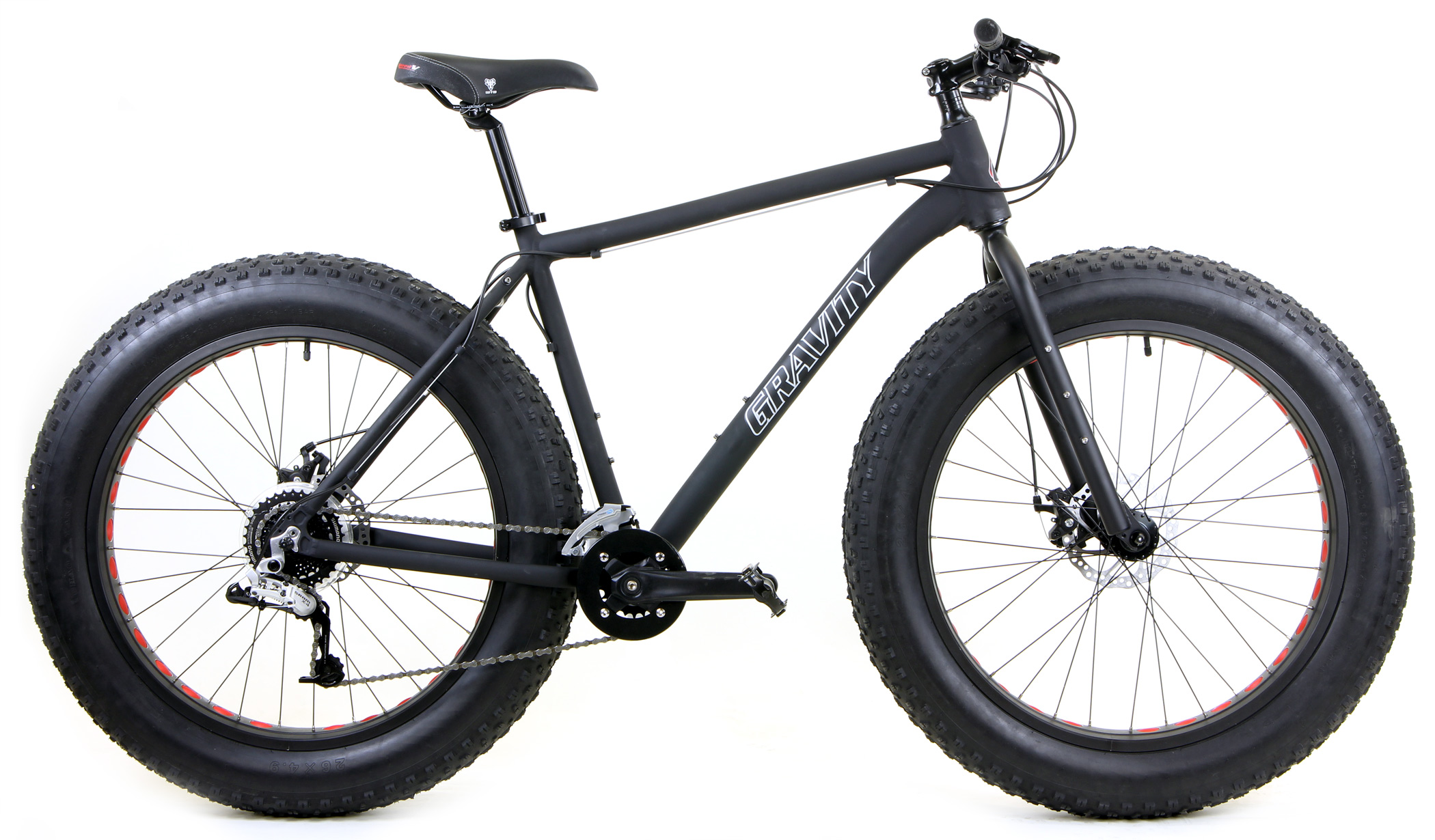
Motobecane Boris LTD fat bike equipped with oversized tires and durable frame.

A groomed fat bike trail in winter rides like a dream. The snow packs into a firm ribbon that rewards a little extra pressure—enough to speed you up without losing the gentle traction that makes corners feel glued. Fresh powder is a different game, one that favors very low PSI so the tire deforms around snow crystals and taps whatever texture exists in the subsurface. Many riders aim for 4–6 PSI and adjust by feel; on deep days, lighter riders drop even lower with careful attention to rim strikes. Wide platforms are forgiving of winter footwear; big flat pedals with aggressive pins keep boots planted. Dress like you would for a cross‑country ski—multiple layers, breathable shells, and gloves that allow free finger motion. If ice is part of your winter, studded tires are a superpower. They turn glazed corners and freeze‑thaw mornings from “nope” into “let’s go.” Keep drivetrain lube winter‑friendly and don’t forget that cold reduces sealant’s eagerness; check tubeless levels more often in January than in June.

Gravel and Loose Rock: Comfort Meets Control

Gravel looks easy from a car. From the saddle, it’s a different story: washboard ripples sap energy and numb hands, marbles at the crown threaten to roll under your tires, and surprise potholes hide in the shade. Fat bikes answer with tire volume. At 8–12 PSI, they erase much of the washboard and let you aim for the smoothest line instead of the only line. The result is a quieter ride and a steadier heart rate. You can chat through miles that would be teeth‑rattlers on a conventional setup. If your local gravel includes long paved connectors, add a few PSI to reduce squirm and enjoy a surprisingly efficient roll. Fat bikes won’t out‑sprint road bikes on tarmac, but on the mixed surfaces they’re built for, they are often faster simply because they maintain momentum where others stall.

Frame Materials for Fat Bikes: Aluminum, Carbon, and Steel

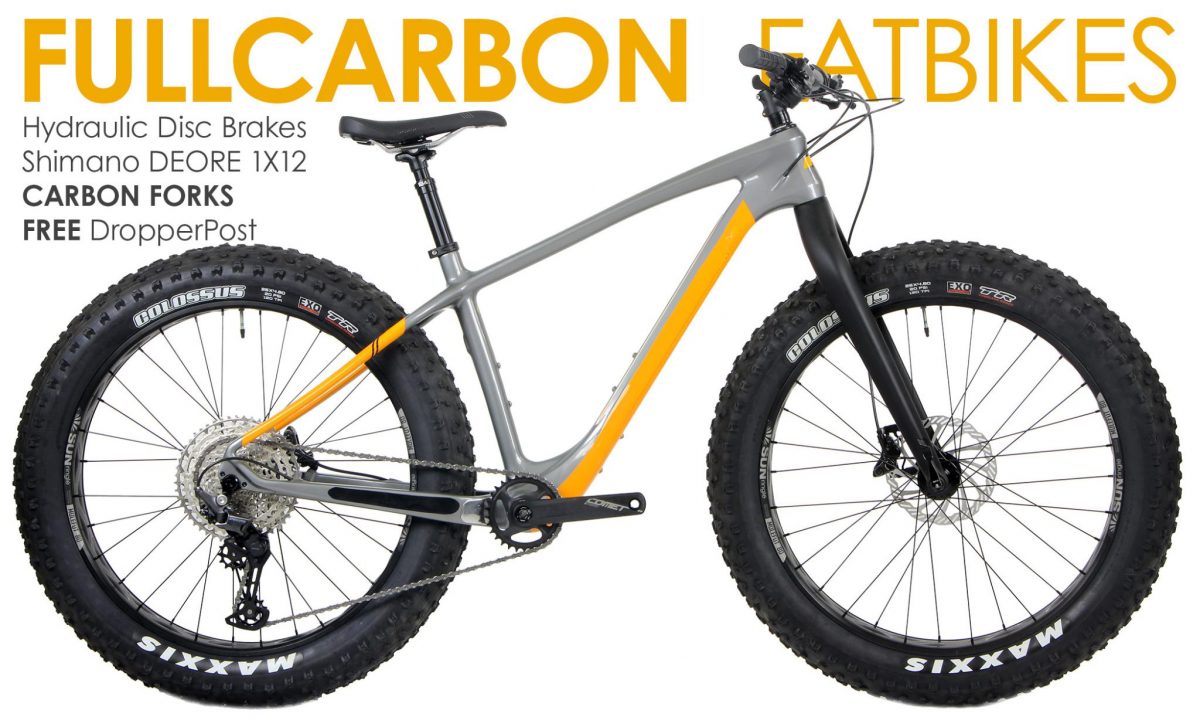
Fat bikes succeed because of tires, but frame material still shapes your experience. Aluminum remains the value king, pairing low weight with durability and corrosion resistance. It’s a natural choice for riders who want a four‑season tool that doesn’t demand fancy stewardship. Carbon trims real pounds from already heavy platforms, making a difference you feel every time you heave the bike onto a rack or loft the front wheel over a crust line. The ride is smooth, the handling precise, and the acceleration surprisingly lively for something that wears shoes the size of loaves. Steel brings classic feel and real‑world toughness; the material’s calm flex harmonizes with low PSI to produce a planted, confident ride in the softest conditions. In our lineup you’ll find all three personalities. Value‑packed aluminum platforms like the Prime wide‑tire fat bikes put four‑season fun within easy reach. If you want a proven alloy trail brawler with geometry that invites confidence, the Motobecane Boris LTD delivers. When low weight and premium feel are priorities, our carbon range—the WFB F4000, WFB F5000, and Motobecane Night Train CF—shows what happens when precision layups meet big rubber.

How to Choose the Right Fat Bike for Your Terrain

WFB F4000 carbon fat bike combining lightweight design with rugged capability.

Start with the surfaces you’ll ride most. If you live near groomed winter networks or beaches with firm morning sand, 3.8–4.5‑inch tires on supportive rims cover a huge range with satisfying speed. If you’re targeting dunes and deep snowfields, five‑inch tires tilt the odds in your favor. Consider weight not just for climbing but for every lift, carry, and roof‑rack moment in a year; carbon saves energy many times before you even pedal. Geometry matters too. Look for stable front ends that keep steering calm at low speeds, reasonable bottom bracket heights that won’t turn pedaling into pedal strikes, and chainstay lengths that balance traction with playful handling. Think about your kit: racks, frame bags, and bottle locations become more important when your rides stretch into shoulder seasons. Finally, get fit right. Standover, reach, and stack govern comfort when you’re layered in winter gear or balancing on shifting surfaces. If you’re between sizes, your preferred cockpit length and handling style should decide.

Setup Fundamentals: Pressure, Tread, and Tubeless

Treat pressure as a daily ritual. Check it before every ride because temperature swings can shift PSI dramatically; a tire that felt perfect at noon can feel wooden at dawn. Use a gauge that reads the low numbers accurately. On soft snow or deep sand, hover in the 4–6 PSI zone and let the bike float under you. On mixed trails, nudge toward 7–10 PSI for support. On hardpack and pavement connectors, 10–14 PSI improves efficiency without losing the fat‑bike calm. Tread depends on terrain. Low‑to‑mid knobs roll quickly and still bite into groomed snow or compact gravel; paddle‑style treads shine in loose sand and mashed‑potato snow. Studs are a specialized choice that pay dividends the first time you meet glare ice. Tubeless is worth the effort for lower pressures and fewer pinch flats. Bring plugs, a mini pump, and a little patience the first time you try to seat wide tires; once dialed, the system is dependable year‑round.

Drivetrain, Brakes, and Small Parts That Matter

Simplify shifting with a 1x drivetrain and a wide‑range cassette; the fewer moving pieces you have in grit and slush, the better. Pick a chainring that lets you spin through soft sections without turning squares; many riders like 28–32T up front paired with 46–50T out back. Hydraulic disc brakes are a blessing in wet and cold; they offer smooth power you can modulate with gloves. In salty or sandy environments, choose metallic pads for longevity and clean rotors regularly. Threaded bottom brackets keep maintenance straightforward after beach weeks or snow seasons. Don’t overlook contact points. Wide flat pedals with sharp pins keep winter boots planted. A slightly wider bar and a shorter stem steady steering at low speed. A dropper post, even on a fat bike, is a gift on steep beach cuts and snowy descents where shifting weight down and back builds confidence.

Accessory Kit for All‑Season Riding

WFB F5000 carbon fat bike featuring premium components for advanced performance.

Lights matter in winter not just because days are short but because snow amplifies glare and contrast. Run a bright headlight with a steady beam on dim trails and a flashing mode for road connectors; pair it with a powerful rear light that cuts through spray. Full‑coverage fenders are priceless on slushy commutes. Frame bags keep weight centered and sheltered from spray; pogies turn frigid winds into tolerable breezes by shielding your hands; a small thermos in a bottle cage can be the difference between finishing the loop and bailing early. For beach rides, bring a compact brush to knock sand off drivetrains before you rack the bike. For desert routes, stash extra water and a sunscreen stick where you can reach it without stopping. The goal isn’t to carry a store; it’s to remove excuses so you ride more.

Real‑World Scenarios: Three Riders, Three Terrains

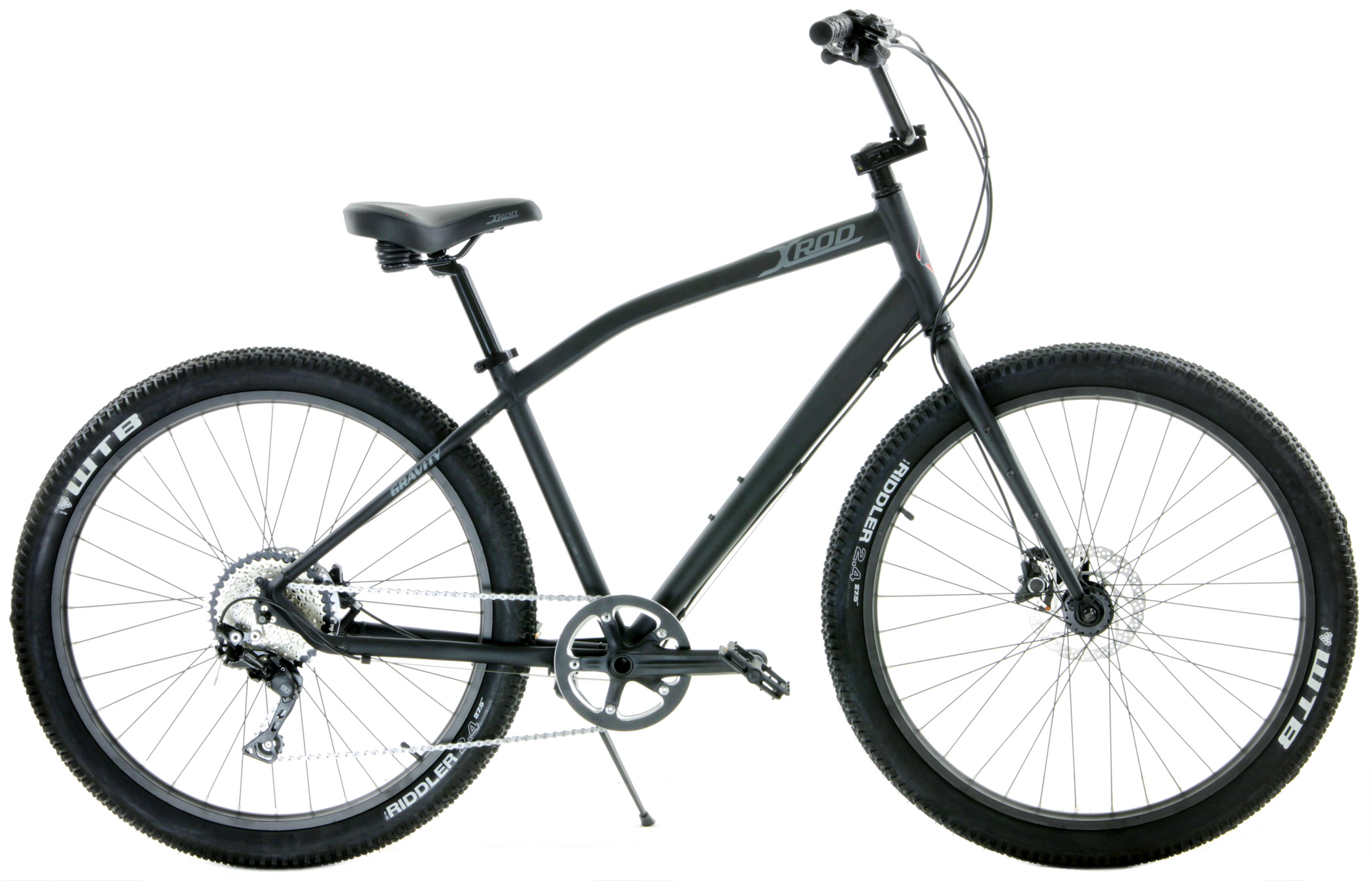
Picture a coastal rider who starts at dawn when the sand is cool and firm. They roll on 4.5‑inch tires at 7 PSI, tracing the waterline until seashells glitter like streetlights. A mid‑day loop adds a pound of pressure to avoid squirm as the surface warms and softens. An aluminum platform like the Prime fat bikes keeps costs low while delivering everything that matters on the beach: float, balance, and parts that shrug off salt with a little rinsing. Now imagine a mountain town rider with snowfall from November through March. They aim for groomed singletrack after work, and on weekends they string together snowmobile corridors and quiet roads. They run 4–6 PSI in fresh snow and switch to studs in January. Low weight pays off when every start is from a cold stop; a carbon option such as the WFB F4000 or Motobecane Night Train CF makes winter feel a size smaller. The third rider lives in a place where dirt is either marbles or moon dust. They want traction on loose climbs and comfort on washboard but still enjoy playful handling. An alloy trail favorite like the Motobecane Boris LTD nails the brief; when they want a different flavor of massive traction with added suspension pop, they grab a plus‑tire alternative like our Gravity FSXBoost Monster Eagle 27Plus, which isn’t a fat bike but overlaps in all the best ways.

Addressing Common Concerns

“Aren’t fat bikes slow?” Only when you judge them on the wrong surface. On snow, sand, and sketchy gravel, they carry momentum while other bikes hesitate or stall. “Aren’t they heavy?” The tires are big, but weight depends on the build. Modern alloy options are very reasonable, and carbon trims meaningful pounds from frames and forks. “Are they only for winter?” Absolutely not. True, winter communities embraced them first, but fat bikes thrive anywhere surfaces get loose. “Will shifting suffer in the cold?” Choose a winter‑appropriate lube, keep cables clean, and favor simple, sealed components; reliability follows. “What about sizing?” Fat bikes feel especially stable, so some riders prefer slightly shorter cockpits for agility. Use each model’s chart and think about reach in your winter layers.

Maintenance That Actually Keeps You Rolling

Fat bikes are honest machines. Rinse bikes after salty or gritty rides. Wipe chains and re‑lube often in slop, less often in summer sand. Re‑seat tire beads and top off sealant at the start of each season. Check spoke tension and wheel true after rocky miles. Torque bolts after a few rides on a new build; wide tires at low pressure encourage playful line choices, and it’s best practice to verify everything stays snug. Store bikes at neutral temperatures; extreme cold collapses pressure and can make rubber feel wooden. Do these simple things and your fat bike will reward you with seasons of low‑drama adventure.

Upgrade Path: Six Months and Beyond

Motobecane Night Train CF carbon fat bike built for extreme terrain.

Once you’ve learned your terrain and pressure preferences, upgrades become obvious. A second wheelset lets you keep studs mounted for winter and swap quickly when spring arrives. Saddles that feel perfect at 10 PSI might feel different at 6 PSI; test until your contact points disappear beneath you. Consider a dropper post if your routes include steep sand cuts or winter descents; a single lever press can transform confidence. If you started with 4.0‑inch tires and discover you love dunes and deep snow, moving to 4.8–5.0 inches turns sloggy afternoons into floaty joy. If your winter commutes include long dark stretches, double your headlight and add a helmet light to read icy texture at speed.

Featured Picks From Our Lineup

If you want carbon lightness with the precise, quiet ride that makes every mile feel easier, start with the WFB F4000 and WFB F5000; both channel the advantages of advanced layups into real‑world speed on soft ground. The Motobecane Night Train CF is a proven platform for riders who live where winter is serious but fun. For alloy value with geometry you can trust from your first snowy corner to your thousandth mile of gravel, the Motobecane Boris LTD is a crowd favorite. When you want to keep costs friendly without skimping on capability, the Prime wide‑tire fat bikes are the most direct route to four‑season smiles. And if you decide the plus‑tire full‑suspension path fits your local singletrack better, the Gravity FSXBoost Monster Eagle 27Plus delivers many of the same stability benefits with added suspension pop for rocky trails.

The Joy Factor

Numbers and specs get you to the start of a ride. Joy keeps you riding. Fat bikes offer a kind of permission that other bikes don’t. They invite you to pedal when snow is falling, when the beach is empty, when the gravel road looks like a collection of marbles. They flatten bad surfaces into good days and make familiar routes new. If you’ve ever watched a winter sunrise alone on a silent trail or rolled past a tide pool at low tide with your tires whispering on the sand, you know how much that matters. This is what fat bikes for all terrain deliver: access, stability, creativity, and a bigger riding season than you thought you had.

Ready to Ride Anywhere? We Can Help

Gravity FSXBoost Monster Eagle 27.5+ full-suspension bike.

If your riding wish list includes sand, snow, and the sketchy miles between, a fat bike is the right kind of overkill. We love helping riders pick the tire width, frame material, and build that match local conditions and personal style. Whether you’re eyeing the value and reliability of the Prime fat bikes, the trail‑proven Boris LTD from Motobecane, or the weight‑saving zing of the WFB F4000, WFB F5000, or Night Train CF, our team will get you dialed. And if your local singletrack says “plus tires and suspension,” we’ll walk you through the FSXBoost Monster Eagle 27Plus alternative. At Bikes Direct, we ride year‑round because our bikes let us, and we want the same for you. Tell us where you ride and what surfaces you dream about. We’ll help you choose with confidence and build for the conditions that make other riders stay home. When you’re ready, reach out and contact our team—we’ll match you with a fat bike that makes all seasons feel like your season.

Kids’ Bikes That Fit Today and Tomorrow

Parents don’t need a warehouse of bikes to cover three years of growth. With smart kids bike sizing, you can choose a bike that’s easy to ride now, leaves measured room to grow, and passes down safely when the next rider is ready. This guide explains wheel sizes in plain language, how to check standover and reach without a fitting rig, why gearing and weight matter more than paint, and the simple growth-room rules that keep confidence high. We’ll point to a few real models so you can see what “right-sized” looks like—not just on paper, but on your driveway.

Wheel Sizes, Demystified

Children’s bikes are typically named by wheel diameter—12″, 14″, 16″, 18″, 20″, 24″, then junior 26″. But the number doesn’t tell the whole story, because frame design, standover, and handlebar height can vary wildly between brands. Two 20″ bikes can feel completely different to the same child.

Here’s the practical view. Balance bikes and 12–14″ wheels suit toddlers learning to glide, with low saddles and simple coaster brakes. At 16–18″, kids start pedaling real rides. The sweet spot for many grade-schoolers is 20″, where you can pick purpose—trail, cruiser, or all-rounder—without condemning them to a heavy, hard-to-ride chassis. For adventurous riders who are stretching into real trail distance, 24″ adds stability and rollover without feeling like a shrunken adult bike.

What you’re looking for is the smallest wheel that gives enough stability without forcing a long reach or tall standover. Smaller wheels keep the weight lower and make starting and stopping less intimidating. Larger wheels smooth bumps and carry speed. When in doubt between two sizes, choose the one where your child can start and stop by themselves with relaxed shoulders and a smile. That independence is the best fit test of all.

Standover, Saddle Height, and Reach

Standover is the distance from the ground to the top of the top tube, measured where a child would straddle the bike. A safe rule: when the saddle is at the right pedaling height, your child should have an inch or more of clearance between the top tube and their inseam while standing flat-footed. If the top tube touches or they have to tip-toe to stop, the bike is too big.

Saddle height should allow a slight bend in the knee at the bottom of the pedal stroke, not a locked knee and not a deep crouch. If your child rides mostly off-road or is still gaining confidence, start a little lower so they can dab a foot quickly, then raise the saddle a few millimeters each week as skills grow.

Reach is how far they have to stretch to the bars. Watch the shoulders: if they shrug toward the ears or slump forward to grab the grips, the cockpit is too long or too low. A neutral, soft-elbow stance with eyes up is your green light. Shorter stems and riser bars can improve reach, but if the basic frame is long, choose a different size.

Gearing and Weight: Why “Lighter and Simpler” Wins

A kid’s engine is smaller than an adult’s; heavy frames, stiff cranks, and draggy tires punish enthusiasm. Prioritize low overall weight and functional parts over suspension frills. On 20″ and 24″, a 1x drivetrain (single front chainring) with sensible rear gearing is ideal: fewer levers to manage, fewer dropped chains, and easy hill starts. If you live in flat neighborhoods, a simple single speed works beautifully; hills call for 6–8 rear gears or a wide-range 1x.

Brakes should fit small hands. Short-reach levers with cable or hydraulic discs give gentle, controlled stops and build confidence. Coaster-only bikes can be fine for first pedals, but hand brakes teach real control sooner.

Growth-Room Rules That Keep Confidence High

The temptation to “buy big so it lasts” is strong. Don’t. Oversized bikes feel vague and top-heavy, and the “you’ll grow into it” period is when kids decide they don’t like riding. Instead:

  • Leave one season of growth in standover and saddle height, not three.
  • Choose bars that can rise a little and a seatpost with room to extend; that’s your built-in growth.
  • Re-check fit every couple of months; a 5 mm saddle change can restore perfect feel.

If they’re between sizes, think about terrain. For smooth paths and beach boardwalks, the larger wheel may roll nicer. For neighborhood turns, short driveways, and trail learning, the smaller frame helps balance and low-speed control.

Passing Bikes Down Safely

Hand-me-downs are great for budgets and memories, but safety first. Inspect the frame for dents or cracks, especially at the head tube and around the seat tube clamp. Replace tires that are dry, cracked, or squared off. Fit new brake pads and adjust cables so levers bite early with a light squeeze. Swap grips if the ends are torn; bar-end plugs protect little hands in a tip-over. Set saddle height and reach for the new rider; don’t assume last year’s marks are right. Finally, check chain wear—a cheap replacement saves sprockets and improves shifting.

Real-World Examples That Fit and Roll

For a light, trail-ready 20″ that doesn’t overwhelm small riders, explore the Gravity Nugget 20″ kids’ mountain bike. It pairs kid-correct geometry with gears they can actually turn, so neighborhood laps and park paths turn into real adventures. If your crew rides sand, snow days, or loose gravel, the Gravity Monster 3 kids’ fat bike brings mega-traction at low pressures that boosts balance and fun—fat-tire confidence is magic for wobbly first trail attempts. For seaside towns and mellow paths, a simple, durable cruiser like the Salty Dog 20″ kids’ beach cruiser keeps posture upright and steering calm while resisting salt-air corrosion with easy-care parts.

How to Do a Five-Minute Driveway Fit

Have your child stand over the bike in flat shoes. Confirm standover clearance. Set the saddle so their heel on the pedal gives a straight knee at the bottom; when they ride on the ball of the foot, that becomes a slight bend—perfect. Adjust brake levers inboard so their first finger naturally lands on the tip; angle the levers in line with the forearm and hand. Roll, coast, and practice three gentle stops: rear brake only, front only, then both together. If they brace hard on the bars when stopping, lower the saddle a touch. If steering wobbles at start, point the saddle slightly nose-down (one or two degrees) to make sit-downs easier, then re-level once they start feeling natural.

Signs It’s Time to Size Up

Frequent knee-to-elbow collisions in turns, saddle at its maximum mark with toes stretching at stops, or a cramped look with shoulders hunched are your cues. If they’re clearing curbs easily and asking for longer rides, consider moving from 20″ to 24″ before boredom sets in. Keep the older bike road-worthy for younger siblings; a familiar, well-fitting bike builds skills quickly when it’s their turn.

Keep It Fun, Keep It Rolling

Add a bell and a kickstand if your neighborhood riding includes lots of start-stop moments—small conveniences make kids proud caretakers of their bikes. In dusty or sandy areas, teach a two-minute post-ride wipe-down of the chain and rims. Celebrate little milestones: first no-wobble start, first hill, first lap without a foot down. Fit and confidence grow together.

Ready to Pick a Bike That Fits Today—and Tomorrow?

gravity-nugget-20-kids-mountain-bike

We’re parents and riders too, and our sizing advice always starts with control and smiles. Tell us your child’s height, inseam, riding surfaces, and whether you want gears now or later. We’ll point you to the right wheel size and frame shape, from a trail-happy 20″ like the Gravity Nugget to the confidence-boosting Monster 3 kids’ fat bike or a beach-friendly Salty Dog 20″. Our goal is simple: a light, right-sized bike that invites “one more block!” instead of excuses. When you’re ready, contact our team and we’ll help you choose a bike that fits today, grows sensibly for tomorrow, and passes down safely when it’s time.

Frame Materials Face-Off: Aluminum, Steel, Carbon, and Titanium

If you’ve ever shopped for a new bike, you’ve probably noticed how much emphasis goes into what your frame is made of. And no wonder — your bike frame isn’t just the backbone of your ride; it is your ride. It affects weight, comfort, handling, durability, and even how much joy you feel pedaling down your favorite stretch of road.

But with so many frame materials, like aluminum, steel, carbon, and titanium, how do you choose the one that truly fits your riding style? Let’s dive into this friendly face-off and see what each bike frame material brings to the road (or trail).

1. Aluminum: The Lightweight Workhorse

Ah, aluminum — the crowd favorite and perhaps the most common material you’ll find on bikes today. It’s affordable, light, and gives you plenty of speed for your dollar.

Weight: Aluminum bikes are generally on the lighter side, making them great for quick commutes or zippy rides through the city. You’ll feel that instant responsiveness when you push down on the pedals.

Comfort: Now, let’s bust one of the biggest myths out there: “Aluminum rides harsh.” Nope, not anymore. Modern frame engineering and better tubing designs have made today’s aluminum bikes smoother and more forgiving than ever. Many even rival steel in ride comfort, especially when paired with the right tires and seatpost.

Repairability & Longevity: Aluminum isn’t as easy to repair as steel, but it’s incredibly durable for everyday use. You might not pass it on to your grandkids, but it’ll faithfully get you to work, the café, and weekend rides for years.

Best For: Commuters and budget-conscious riders who want performance without breaking the bank.

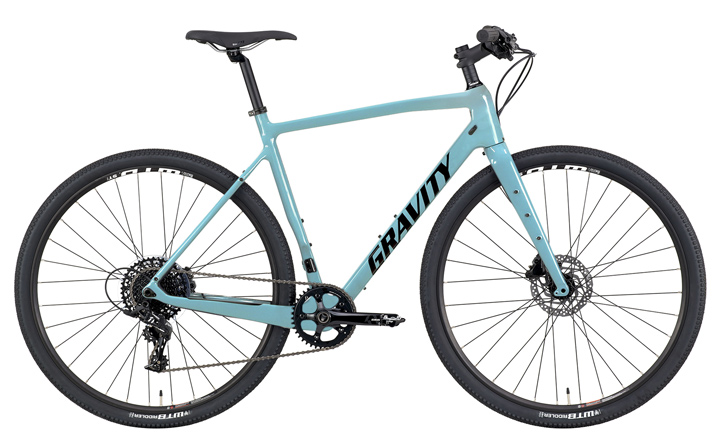
An image of a hybrid bike

2. Steel: The Classic That Keeps on Rolling

There’s a reason people get poetic about steel bikes. They have that unmistakable feel — smooth, solid, and connected to the road. It’s a material that has stood the test of time (and then some).

Weight: Steel bikes are typically heavier than aluminum or carbon, but that added heft translates into stability. You won’t be flying up hills quite as fast, but you’ll glide down them with confidence.

Comfort: Steel has a natural springiness that absorbs vibrations beautifully. That’s why touring cyclists and gravel grinders love it—it smooths out the bumps and keeps you comfortable hour after hour.

Repairability & Longevity: Steel wins hands down in repairability. Got a dent or crack? A skilled welder can bring it back to life. And with proper care, a steel frame can last decades. Think of it as the “forever bike” material.

Best For: Gravel grinders, touring enthusiasts, and anyone who values durability and comfort over shaving a few seconds off their Strava time.

3. Carbon Fiber: The Speed Demon

If aluminum is practical and steel is soulful, carbon fiber is the overachiever. It’s the go-to choice for racers and performance-driven riders for a reason—it’s light, strong, and sleek.

Weight: Carbon frames are often the lightest of the bunch, which makes them ideal for climbing, sprinting, or anyone who simply wants to feel like they’re flying.

Comfort: Another myth alert: “Carbon is fragile.” Nope! High-quality carbon frames are actually tougher than many people realize. And when it comes to comfort, carbon shines because engineers can precisely tune the material to dampen road chatter in specific areas. That means you get stiffness where you need power and softness where you need comfort.

Repairability & Longevity: While carbon can’t be welded like steel, minor cracks can be repaired by specialists. And when properly maintained, a carbon bike can last a very long time—it doesn’t rust or corrode like metal frames.

Best For: Racers, serious cyclists, and anyone who wants the perfect blend of speed, stiffness, and technology-driven comfort.

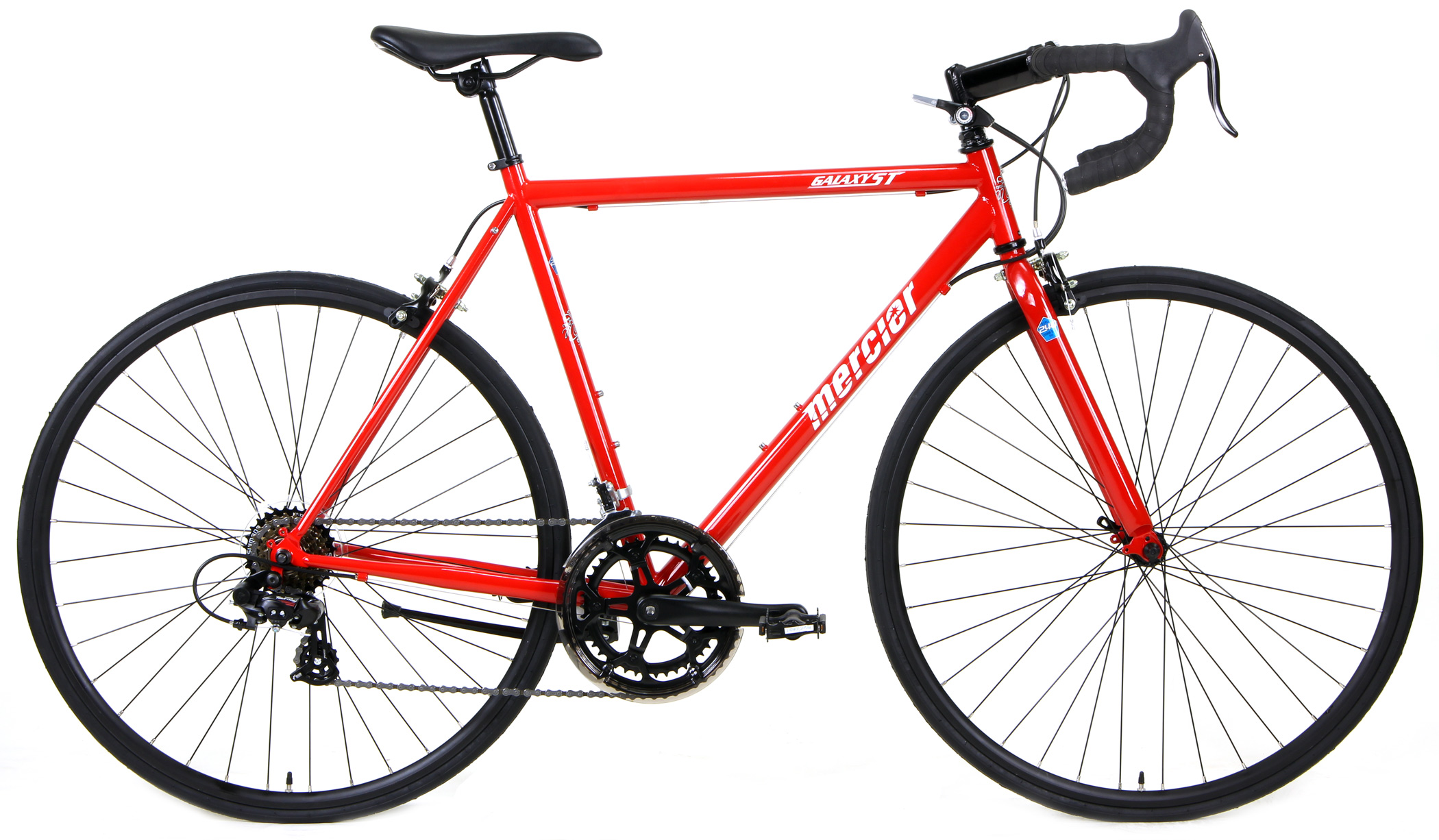
An image of a road bike

4. Titanium: The Dream Ride

If there were a “luxury class” in the world of frame materials, titanium would be it. It’s strong, corrosion-resistant, and offers a ride quality many describe as “magic.”

Weight: Titanium splits the difference between steel and aluminum. It’s lighter than steel but not as featherweight as carbon. What you gain, though, is incredible strength-to-weight efficiency and better performance.

Comfort: Titanium frames deliver buttery-smooth rides with excellent vibration damping. They have the smoothness of steel with a hint of liveliness that makes long rides feel effortless.

Repairability & Longevity: Titanium is nearly indestructible—it won’t rust, corrode, or fatigue easily. Though repairs require specialized tools, you’ll rarely need them. Many titanium bikes last a lifetime, and look as good on their 20th ride as they did on their first.

Best For: Riders who want a “forever bike,” one that’s equally at home on mountain passes, gravel trails, or century rides.

5. Head-to-Head Comparison

FeatureAluminumSteelCarbonTitanium
WeightLightModerateVery LightMedium-Light
ComfortGood (modern designs)ExcellentExcellentExceptional
RepairabilityDifficultEasyModerate (specialist)Moderate (specialist)
LongevityModerateHighHighVery High
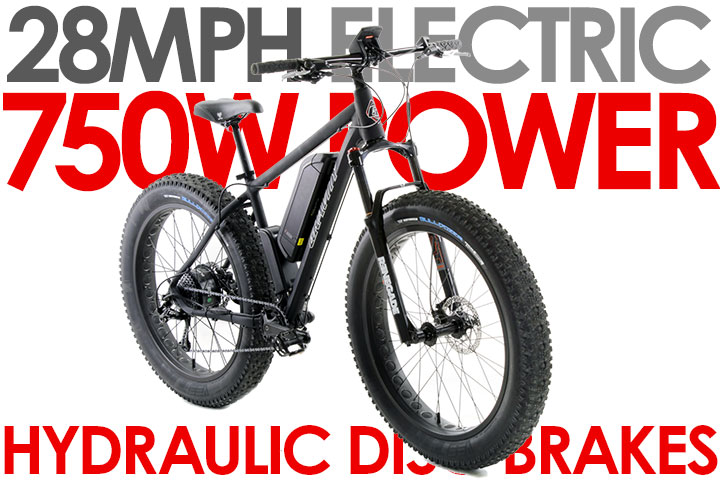
An image of a mountain bike

6. Choosing the Right Frame for You

Your ideal frame material really depends on your lifestyle and priorities:

City Commuter: Aluminum — it’s light, affordable, and efficient for daily rides.

Gravel Grinder or Tourer: Steel — for all-day comfort and durability on rough roads.

Speed Seeker: Carbon — for pure performance and power.

Lifelong Cyclist: Titanium — for that dream bike you’ll never want to sell.

Whatever your choice, the most important part is that the bike feels right when you ride it—balanced, responsive, and fun.

The Frame is Just the Beginning

At BikesDirect, we believe your bike should match your lifestyle. That’s why we offer high-quality aluminum, steel, carbon, and titanium bikes for every rider and every budget.

Explore our full collection of hybrid bikes, mountain bikes, road bikes, gravel bikes, and fat bikes today and experience the freedom, comfort, and excitement that come from riding the right frame for you. Reach out now.

Why Fat Bikes Are the Unsung Heroes of All-Season Riding

This guide highlights why a Fat Bike excels in all seasons, explaining how wide tires, low PSI, and strong traction make it ideal for sand, snow, gravel, and mixed terrain. It covers riding tips, pressure ranges, and top models, helping riders enjoy stability, comfort, and control on any adventure.

Why Fat Bikes Are the Unsung Heroes of All-Season Riding

Steel vs Carbon Gravel Bikes: Balancing Durability and Speed

You’re twenty miles into a backroad loop when the pavement disappears. The washboard starts, the gravel gets chunkier, and your arms begin to buzz. Your friend on a steel frame looks relaxed, almost floating over the chatter, while you’re feeling every ripple. Later, on a long climb, you return the favor, dancing up the hill on a lighter carbon rig while they grind behind you.

If you’ve ever had that moment of envy looking at someone else’s bike, you already understand why the steel vs carbon gravel bike debate matters. Frame material isn’t just marketing—it shapes how your bike rides, how long it lasts, and how much value you get from every dollar.

In this guide, we’ll unpack what really changes when you choose steel or carbon for your next gravel bike, and how to match that choice to the way you ride.

What Makes Gravel Different From Road, Hybrid, And MTB?

Before zooming in on frame materials, it helps to remember what makes a gravel bike unique.

Compared to a road bike, a gravel rig has more tire clearance, more relaxed geometry, and usually more mounting points for bags and bottles. It’s built to be fast on tarmac but steady when the surface gets loose and unpredictable.

Compared to a mountain bike, a gravel machine feels quicker and more efficient on smooth sections. You usually don’t get a suspension fork and huge tires; instead, you get a lighter frame, drop bars, and a position that encourages all-day cruising rather than full-send descents.

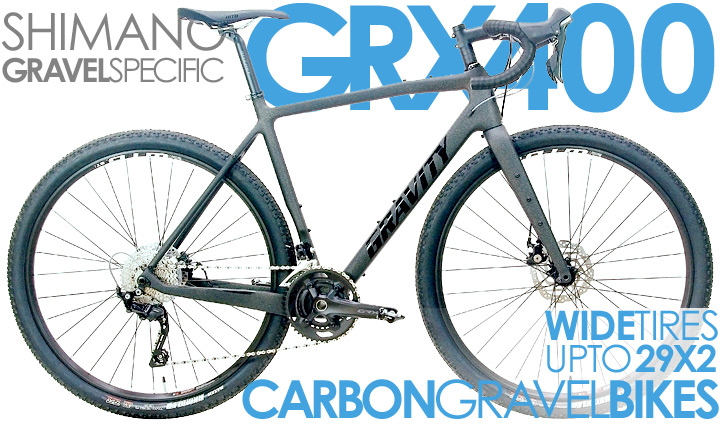
Gravity Shimano GRX400 carbon gravel bike with flared drop bars and dropper post

In a way, a gravel bike is like the adventurous cousin of a hybrid bike: it still has versatility and comfort in mind, but it’s tuned for rougher terrain, longer distances, and bigger adventures.

All of that means the frame material has a big job. On gravel, your bike must balance three things at once: comfort over rough ground, efficiency on smoother stretches, and resilience when the route takes you far away from help.

Steel In The Wild: Ride Feel, Durability, And Real-World Benefits

Steel has a certain mythology around it. Riders talk about “steel is real” in the same tone people reserve for vinyl records and manual transmissions. But what does that actually mean for a gravel bike?

First, steel is naturally strong and somewhat forgiving. A well-designed steel gravel frame can smooth out small bumps and high-frequency chatter, especially when paired with wider tubeless tires at lower pressures. On broken farm roads, washboard descents, or long days loaded with bags, that smoother ride can translate directly into less fatigue and more control.

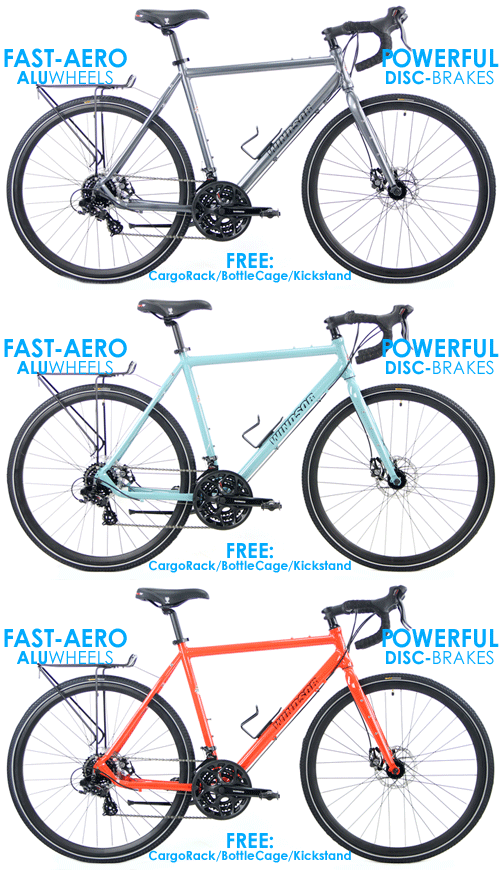
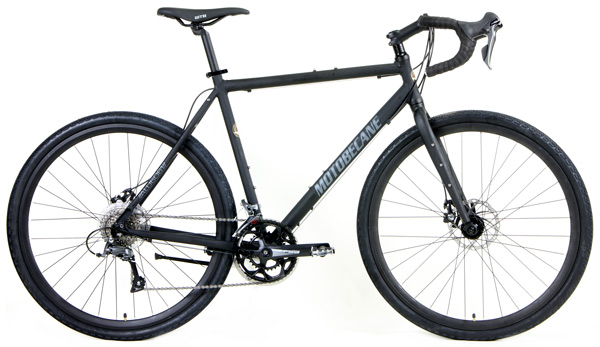
Motobecane all-road gravel bike with aluminum frame and disc brakes

Second, steel has a track record for durability. If you crash or somehow dent a steel tube, it’s often repairable by a skilled frame builder. You might not ever need that option, but for riders who dream of multi-day bikepacking or year-after-year abuse, it can be comforting to know the frame is built to last.

Third, modern steel isn’t automatically heavy. But, compared to a comparable carbon gravel frame, steel will almost always weigh a bit more. You’ll feel that extra mass on steep climbs and during hard accelerations, especially if you’re used to a featherweight road bike.

So, in the steel vs carbon gravel bike equation, steel tends to lean toward comfort, confidence, and long-term ruggedness rather than pure speed. If your riding involves loaded trips, unpredictable weather, and plenty of remote backroads, steel starts to look very appealing.

Carbon On Gravel: Light, Fast, And Surprisingly Comfortable

Carbon fiber, on the other hand, is often associated with race bikes and podiums. But it isn’t just about chasing KOMs. On a gravel bike, carbon brings a different flavor to the experience.

Carbon’s magic trick is tunability. Designers can shape the layup so certain parts of the frame flex to absorb vibration while other sections remain stiff for efficient power transfer. That means a carbon gravel frame can feel smooth over rough surfaces while staying responsive when you get out of the saddle and sprint.

The most obvious benefit is weight. A carbon gravel frame usually weighs significantly less than its steel counterpart. If your rides include big climbs, long distances, or fast group rides, that lower weight can make the bike feel livelier and more playful.

There is, of course, the question of durability. Good carbon frames are tougher than many people think, but when carbon fails, it tends to do so more dramatically. Repair is possible in some cases, but it isn’t as straightforward as a steel tube repair. For most riders, that’s more of a theoretical risk than an everyday problem, but it’s worth keeping in mind if you’re pushing the bike hard on rocky, technical tracks or loading it heavily for extended trips.

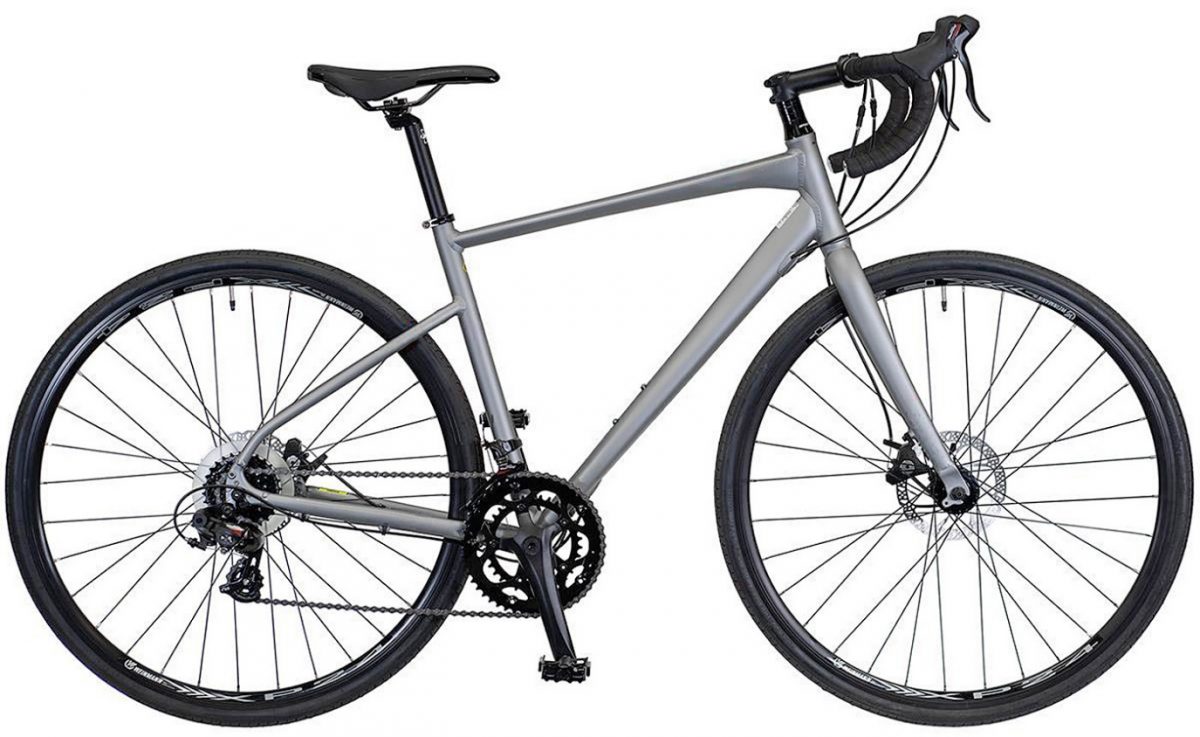
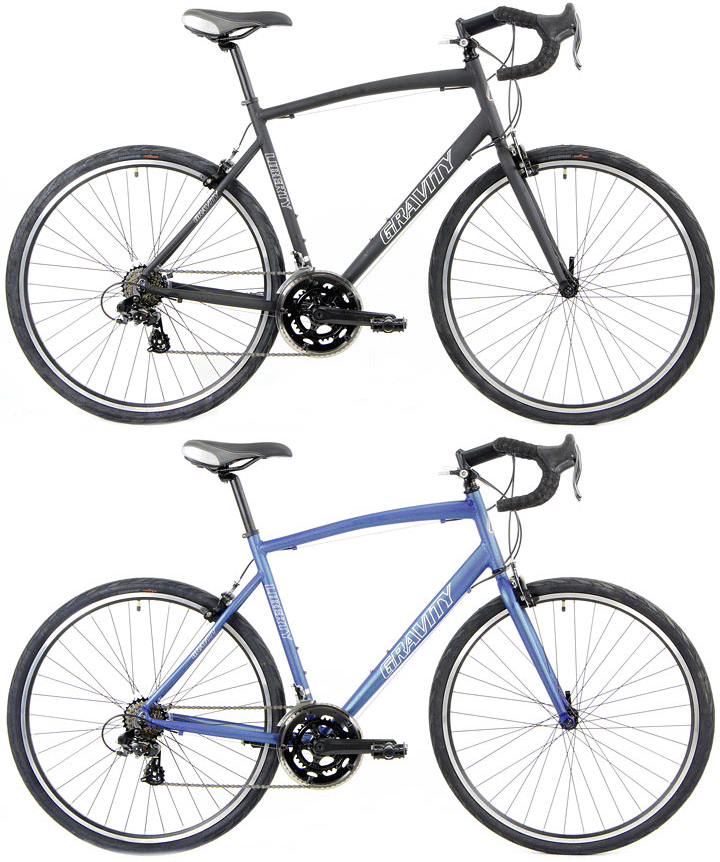
Gravity Liberty entry-level road bike for training and city riding

In terms of the steel vs carbon gravel bike decision, carbon leans toward speed, efficiency, and performance. If you think of gravel less as “bikepacking forever” and more as “fast mixed-surface loops and events,” carbon starts to make an excellent case for itself.

Ride Quality: How Steel And Carbon Really Feel On Rough Roads

If you gathered a group of riders and stripped all decals off the frames, most could still tell the difference between steel and carbon after a few minutes on washboard gravel.

On steel, you typically feel a more muted, “grounded” sensation. The frame has a little spring to it, rounding off sharp hits and blending the road noise into more of a hum. This character is especially noticeable on long, steady rides. You don’t always realize how comfortable it is until you climb off after hours in the saddle and discover you’re not as beat up as you expected.

On carbon, the sensations are slightly different. A well-built carbon gravel bike can be very smooth, but the way it absorbs bumps feels more targeted. You get stiffness where you need it—around the bottom bracket and head tube—while seatstays and fork legs flex just enough to tame vibration. The result can feel like the bike is eager to accelerate and respond instantly, yet still forgiving on rough patches.

Between steel vs carbon gravel bike options, your personal preference matters a lot. Some riders love that planted, classic feel of steel. Others fall in love with the snappy, responsive feeling of carbon and never look back.

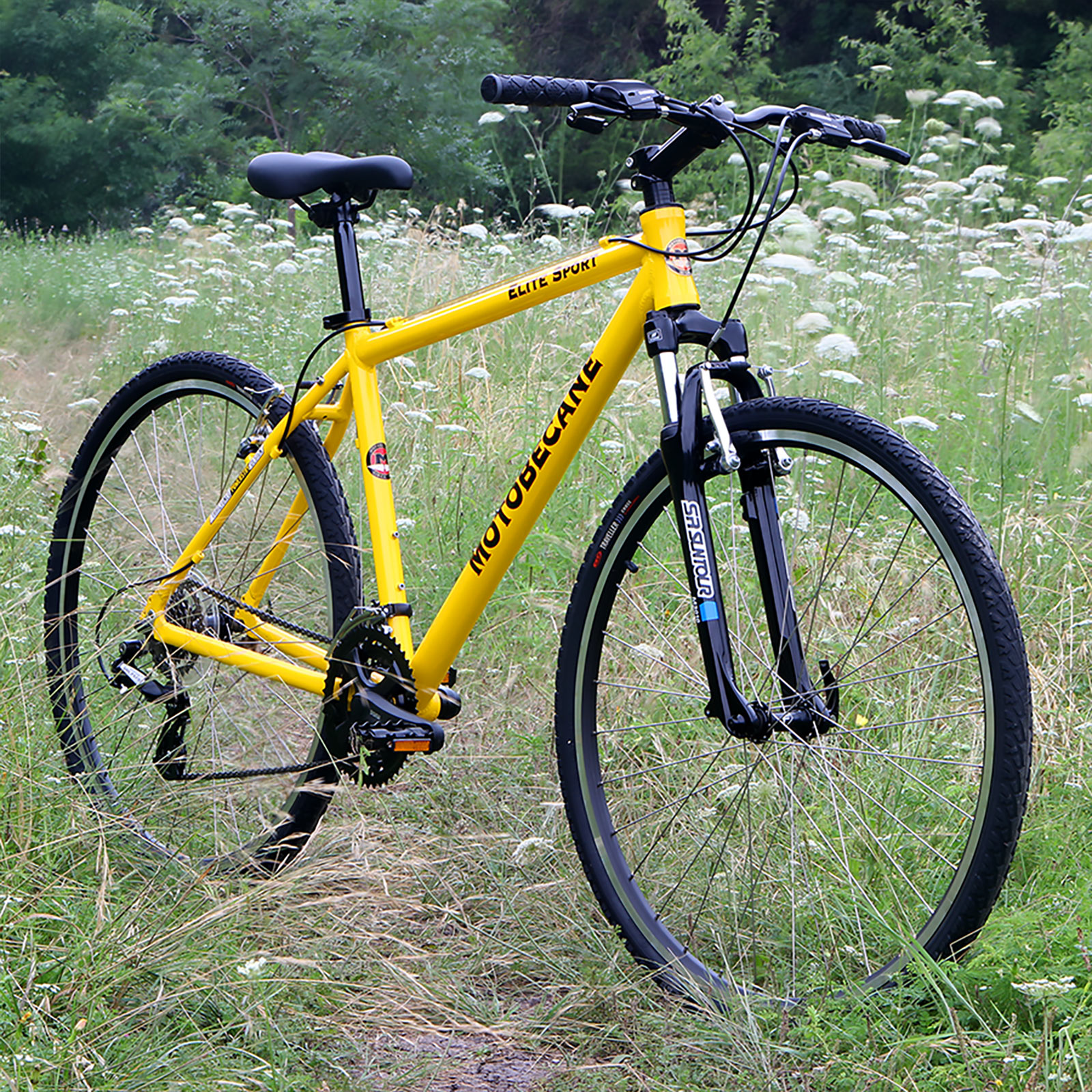
Motobecane Elite Sport hybrid bike designed for both pavement and light trails

One useful strategy is to compare it to the other bikes you enjoy. If you love the soft, relaxed ride of a beach cruiser, steel may resonate with you. If you’re more excited by the quick response of a performance road bike or lightweight mountain bike, carbon might feel more “right” under you.

Longevity: How Long Do Steel And Carbon Gravel Frames Really Last?

Many riders ask which frame material “lasts longer,” but the real answer is more nuanced than just steel vs carbon.

A quality steel gravel frame, ridden in all seasons and cared for properly, can last decades. The main enemy is corrosion. If you live in a wet or salty environment, you’ll want to be extra diligent about keeping the frame clean, inspecting any chips in the paint, and possibly using rust-inhibiting products inside the tubes. Do that, and steel will often outlive the components you bolt onto it.

Carbon, on the other hand, doesn’t rust. As long as it doesn’t suffer a serious impact or crush damage, a good carbon frame can also last many years. The concern is less about slow decay and more about hidden damage if you crash hard or clamp the frame incorrectly in a work stand. For riders who push the bike in rocky terrain or travel frequently with it, regular inspections are important.

In the steel vs carbon gravel bike context, longevity depends as much on how and where you ride as on the material itself. A steel frame that lives on salted winter roads and never gets cleaned will age quickly. A carbon frame that you crash repeatedly into rock gardens will also have a shorter life. Cared for properly, both can be long-term partners.

Cost And Value: Where Does Your Money Go?

This is where BikesDirect.com comes into the conversation in a big way. Because of the factory-direct model, the price difference between a steel gravel bike and a carbon gravel bike might not be as massive as you’d expect from traditional retail—but there will still be a gap.

Steel gravel bikes usually come in at a more accessible price point. You get a durable, comfortable frame and solid components without a scary sticker shock. That makes steel attractive if you’re building your first serious gravel bike or if you want a reliable all-rounder in addition to a dedicated road bike, fat bike, or hybrid bike.

Carbon gravel bikes usually cost more, but you’re paying for lower weight, tuned ride characteristics, and often upgraded components. If you’re entering events, riding long distances, or simply want a bike that feels as light and responsive as your best road machine, the extra investment can be worth it every time you clip in.

Best value is personal. For a rider who loves long, loaded tours and wants one bike to do everything, a reasonably priced steel build offers incredible bang for the buck. For a rider chasing ambitious goals and big miles, a carbon frame with quality parts might deliver more satisfaction per dollar over the life of the bike.

The important thing is that both sides of the steel vs carbon gravel bike equation can offer excellent value if you choose the right model for your style and budget.

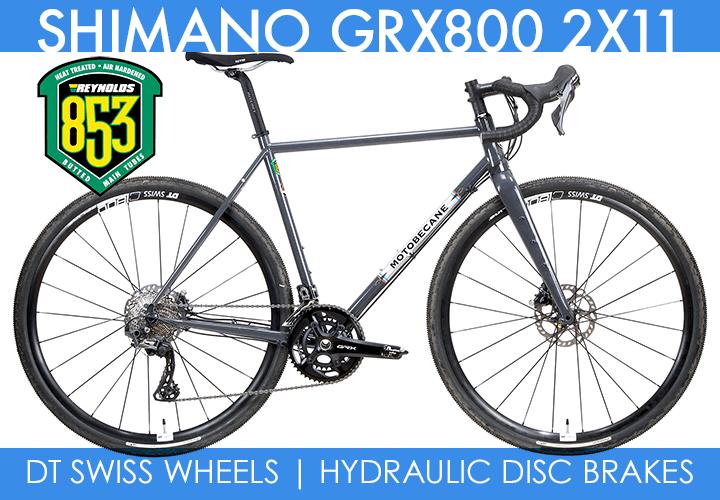
Reynolds 520 chrome-plated steel gravel bike with disc brakes and classic styling

Matching Material To Your Riding Style

The most useful question isn’t “Which is better, steel or carbon?” It’s: “Which one fits the way I actually ride?”

If your ideal day involves exploring unmarked farm roads, stringing together dirt connectors between small towns, and occasionally strapping on bags for an overnighter, steel provides a sense of reliability and calm that’s hard to beat. The slightly higher weight matters less when your priority is comfort and toughness over endless miles.

If your rides look more like fast weekend loops, mixed-surface fondos, and competitive gravel events where you’re trying to hang with a quick group, carbon starts to shine. You’ll enjoy the lower weight on climbs, the responsive handling, and the sense that every watt you put in goes straight into forward motion.

Of course, many riders split the difference and own multiple bikes. That’s where other categories at BikesDirect become handy. Maybe you pick a steel gravel bike for adventure duty and keep a carbon road bike for dedicated tarmac rides. Maybe you pair a carbon gravel bike with a relaxed beach cruiser for truly effortless spins.

There is no one correct answer. The best choice is simply the one that makes you want to ride more.

Practical Tips When Choosing Your Next Gravel Bike

Once you’ve narrowed your preference in the steel vs carbon gravel bike debate, it helps to look at the finer details.

Pay attention to tire clearance, especially if you plan to ride in muddy conditions or want the option to run bigger tires for rough terrain. Check mounting points for racks, fenders, and extra bottles if you’re leaning toward bikepacking or year-round commuting.

Consider the drivetrain and braking. Modern gravel bikes—steel and carbon alike—often come with wide-range gearing and disc brakes that give you confidence on steep, loose descents. In many cases, the frame material choice will matter less than the overall build when it comes to how the bike feels day to day.

Don’t forget your other bikes. If you already own a lightweight road bike and a tough mountain bike, you might choose a gravel machine that fills a different niche rather than duplicating what you have.

Most of all, be honest about the kind of riding that leaves you smiling. A “perfect” carbon race rig is wasted if you secretly want to meander down quiet gravel lanes with bags and a camera. A beautifully built steel tourer won’t feel as magical if what really inspires you is the feeling of flying up climbs and chasing friends on hard, fast rides.

So, Steel Or Carbon: Which One Wins?

When you boil it all down, there’s no universal winner in the steel vs carbon gravel bike debate—only a better fit for you.

Steel offers warmth, durability, and a classic ride feel that shines on long days, heavy loads, and unpredictable routes. It’s the frame material many riders trust for “forever bikes” and big adventures.

Carbon delivers light weight, sharp responsiveness, and refined comfort that shines when you want speed, efficiency, and a performance edge. It turns mixed-surface riding into something that feels closer to flying than grinding.

Both can be fantastic. Both can last for years. Both can carry you to the same horizon in very different ways.

Ready To Find Your Next Gravel Partner?

Choosing between steel and carbon isn’t just a spec sheet decision—it’s about the kind of rides you want to remember a year from now. If you’re curious how each material feels in the real world, dive into the gravel line-up at BikesDirect, compare builds side by side, and think about where you actually ride most.

You can start with an affordable steel option to test the waters or jump straight into a lighter carbon setup if you know you love that snappy feel. Either way, we are here to help you stretch your budget as far as your adventures. Explore the current gravel bike deals, check out the specs, and get ready to say yes to a lot more dirt in your life.

Climb Like a Natural: Cadence, Gearing, and Pacing for Hills

There’s something magical about a hill. It’s both a challenge and a teacher, testing your limits, rewarding your grit, and offering that sweet sense of victory when you crest the top.

Whether you’re grinding up a local climb or taking on mountain passes that stretch for miles, mastering the art of climbing isn’t about brute strength alone. It’s about rhythm, efficiency, and knowing how to work with the hill instead of against it.

Let’s break down how you can climb like a natural, finding your perfect cadence, choosing the right gears, pacing smartly, and breathing your way to the summit without burning out too soon.

1. Understanding Cadence: Finding Your Climbing Rhythm

Cadence, your pedal revolutions per minute, is the secret sauce to smooth, efficient climbing. Think of it as your cycling heartbeat. Too slow, and you’ll fatigue your muscles early; too fast, and you’ll burn energy without gaining speed.

A good climbing cadence usually sits between 70–90 RPM, depending on your fitness level and terrain. The goal? Keep your pedal stroke fluid and consistent, like a smooth circle rather than a stomp.

Try this: next time you hit a moderate hill, shift into an easier gear and focus on steady pedal revolutions. Keep your upper body relaxed, hands light on the bars, and imagine you’re spinning rather than pushing. When you find that steady tempo where you feel both in control and powerful — that’s your magic zone.

An image of a hybrid bike

2. Gearing Smart: Choosing the Right Cassette Range

When it comes to climbing, your gears are your greatest allies. A well-chosen cassette can make the difference between powering up a hill or feeling like you’re towing a car.

For most riders tackling varied terrain, a cassette with a wide range, such as 11–34T or 11–36T, is ideal. These give you enough low-end options to spin up steep grades without grinding your knees into dust. Pair that with a compact or mid-compact crankset (like 50/34T), and you’ll have a setup that’s forgiving yet fast.

If you’re still finding your climbing legs, don’t be afraid of easier gears. Using your gears smartly isn’t a sign of weakness — it’s a sign of wisdom. The goal is to keep a sustainable cadence and conserve energy for when you really need it.

3. Standing vs. Sitting: When to Get Out of the Saddle

Ah, the great climbing debate — should you sit or stand? The truth is, both have their place.

Seated climbing is your go-to for longer ascents. It conserves energy and allows your large muscle groups (glutes and quads) to work efficiently. Keep your core engaged, shoulders relaxed, and hands light.

Standing climbs, on the other hand, are great for short bursts, powering through steep pitches or giving your muscles a change of engagement. When you rise, shift to a slightly harder gear to prevent “spinning out,” and let your bike sway naturally under you.

A good rule of thumb: stay seated 80% of the time and stand strategically when you need extra torque or relief.

4. Pacing for the Long Game: Don’t Blow Up Early

It’s easy to get caught up in the adrenaline of a climb — that urge to attack the hill, legs pumping like pistons, heart racing. But blow up early, and you’ll be crawling before the halfway mark.

Start every climb at a controlled pace, even if it feels too easy. Your heart rate will naturally rise as the grade steepens, so let your effort build gradually. The best climbers don’t sprint up; they flow up.

If you use a power meter, aim for 80–90% of your FTP (Functional Threshold Power) during longer climbs. Without one, rely on your breathing and perceived exertion. You should be able to talk in short sentences — if you’re gasping, you’re going too hard too soon.

An image of a road bike

5. Breathing: Your Built-In Performance Booster

Breathing might sound like the simplest part of riding, but when you’re pushing uphill, it becomes a powerful performance tool.

Instead of shallow chest breathing, focus on deep belly breathing, inhaling through your nose, expanding your diaphragm, and exhaling steadily through your mouth. This helps maximize oxygen intake, calm your heart rate, and keep your mind focused.

Here’s a cue: as you climb, imagine breathing down into your pedals. Each deep inhale fuels your legs; each exhale releases tension. Stay in rhythm — your breath, cadence, and effort should all flow together.

6. A Repeatable Climbing Workout to Build Strength and Endurance

Want to make climbing second nature? Here’s a simple, repeatable workout to train your body and mind for hills. You can do it indoors on a trainer or outdoors on your favorite local climb.

Workout: “The Hill Repeater”

  • Warm-Up (10 minutes): Easy spin, gradually increasing cadence.
  • Climb Set (4–6 rounds):
    • 5 minutes climbing at moderate effort (75–80% effort, 75–85 RPM)
    • 1 minute of standing climbing at harder effort (85–90%)
    • 3 minutes easy recovery spin between rounds
  • Cool Down (10 minutes): Gentle pedaling, light breathing, full relaxation.

This workout builds muscular endurance, improves pacing awareness, and teaches your body how to shift gears smoothly under load — all essentials for real-world climbs.

An image of a mountain bike

The Mental Game: Turning Hills Into Opportunities

At BikesDirect, we believe every rider deserves the tools to climb higher, ride farther, and enjoy every pedal stroke along the way. Whether you’re looking for hybrid bikes, mountain bikes, road bikes, gravel bikes, or fat bikes, we’ve got you covered with unbeatable prices.

Don’t just dream about conquering climbs — ride them with confidence, power, and style. Reach out now.

Shimano vs SRAM: Which Drivetrain Delivers the Best Performance for Your Money?

If you’re shopping drivetrains, you’re really asking two questions: how does it shift when the ride gets messy, and how much performance do I buy for each dollar? This shimano vs sram comparison answers both by looking at real-world tiers—from value builds to weekend-race machines—and weighing shifting feel, durability, serviceability, and upgrade paths. You’ll also see how those tradeoffs show up on actual Bikes Direct models, such as an affordable hardtail that’s often equipped with Shimano value groups, an alloy full-suspension bike that commonly ships with SRAM’s Eagle ecosystem, and a light 27.5 trail bike with a simple, fast single-ring setup.

Our goal isn’t to crown one brand for every rider. It’s to show where each wins on price-to-performance so you can spend smart and smile more.

How to Read This Comparison

Every brand stacks features from entry level to premium. Shimano’s family names run from Tourney/Altus/Acera/Alivio into Deore, SLX, XT, and XTR on the mountain side; on road and gravel, think Claris/Sora/Tiagra into 105, Ultegra, and Dura-Ace. SRAM’s mountain progression goes SX/NX → GX → X01/XX (with T-type Transmission at the top), and its drop-bar line moves Apex → Rival → Force → Red. Rather than list them all, we’ll translate typical price brackets into riding experience and value. Exact pricing changes, but the patterns below hold steady.

Entry Value (Everyday Fitness and New-to-Trails)

If your budget lands in the true “starter bike” zone, the best drivetrain is the one that shifts dependably in the grit, survives knocks, and is cheap to replace when you inevitably wear out a chain and cassette. Shimano has long dominated this space with sensibly geared 2x or 3x setups and, increasingly, wide-range 1x options. The shifting feel at this level is pleasantly light and consistent; you give up some crispness under heavy load compared to mid-tier, but you gain easy parts availability and low running costs.

SRAM’s answer in this bracket is usually 1x with SX or NX Eagle. The upside is intuitive shifting and a very large 12-speed range that flattens hills. The tradeoff is a bit more sensitivity to perfect setup and hanger alignment; keep cables fresh and limit screws dialed and it’s great.

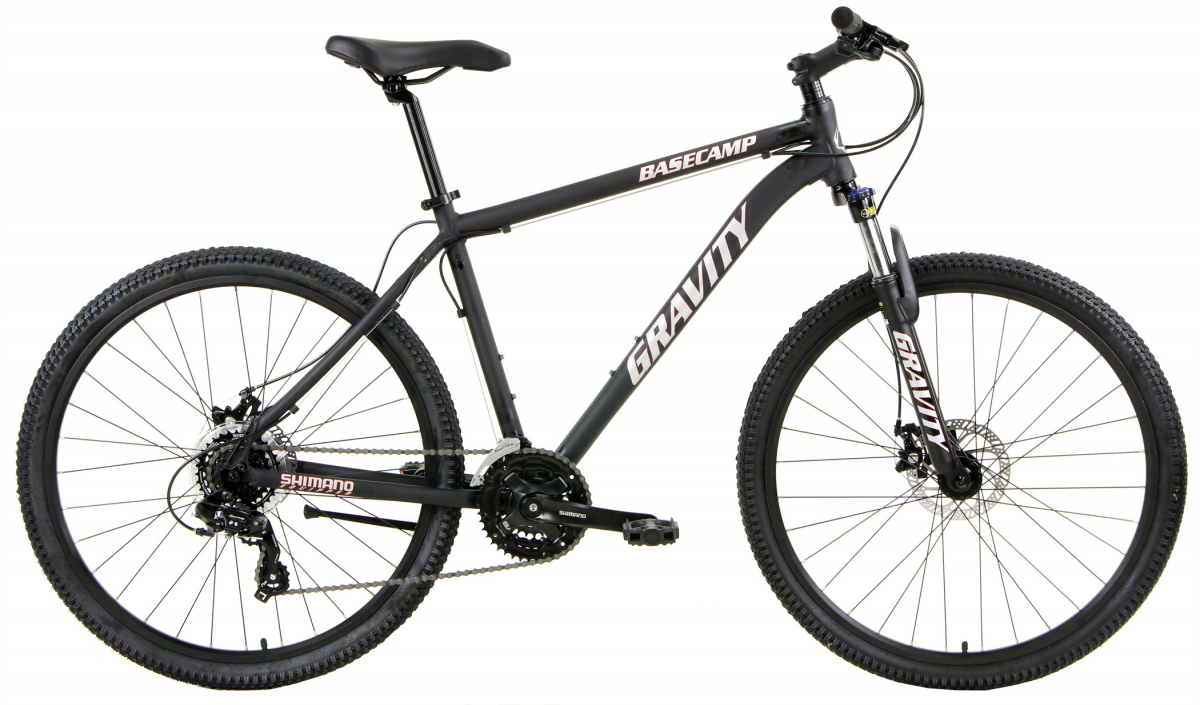
Where this shows up in our lineup: a value hardtail like the Gravity BaseCamp V7 is frequently spec’d with reliable Shimano components that are easy to live with and cheap to service—exactly what new riders need. If you prefer the simplicity of 1×12 from day one, an alloy trail bike with SRAM SX or NX is a smart place to start; our full-suspension example below shows why.

Value verdict: At the true entry point, Shimano often wins cost of ownership with low-priced cassettes and chains, while SRAM wins simplicity via 1x 12-speed range. If you ride in all weather and want “set and forget,” Shimano’s value tiers are hard to beat. If you want a single ring and massive range for steep trails, SRAM SX/NX offers real performance per dollar—just be a bit more attentive to setup.

Mid-Tier Sweet Spot (Enthusiast Trail and Fast Fitness)

This is where most riders get the best “wow per dollar.” For Shimano, Deore and SLX bring crisp, forgiving shifts, clutched derailleurs that tame chain slap, and cassettes that last. For SRAM, GX Eagle is the everyday hero—lighter, snappier than NX/SX, and still well-priced. Both brands deliver wide-range 1x, strong clutches, and lever ergonomics that encourage frequent, confident shifting.

A great real-world example is a value-packed full-suspension mountain bike that commonly ships with SRAM Eagle SX/GX. The Motobecane HAL5 Eagle SX 27.5 shows why this tier is so popular: big 12-speed range for climbs, chain management that stays quiet on descents, and upgrade paths that don’t force a full drivetrain swap. On the Shimano side, Deore/SLX builds on alloy hardtails and short-travel bikes deliver buttery, predictable shifts under load with parts that feel nearly bombproof for the price.

Value verdict: In the mid tier, it’s effectively a tie on ride quality. Your decision tilts with priorities: Shimano mid-tiers excel in shift feel under load and long wear life; SRAM GX wins with broad ecosystem support and upgrade flexibility (mix-and-match cassettes/derailleurs/chainrings). If you want to keep spares cheap, Shimano has the edge. If you dream of incremental upgrades toward premium 12-speed (or Transmission later), SRAM’s path is smooth.

Upper-Mid and Race-Curious (Lighter, Crisper, Still Sensible)

Motobecane HAL5 Eagle SX 27.5 full-suspension mountain bike with SRAM Eagle drivetrain.

Move one tier up and you’re paying for less weight, snappier engagement, and extra polish. Shimano SLX/XT and SRAM GX/X01 are the classic pairings. Shift quality under power tightens, clutch behavior quiets the bike, and cassettes often jump to lighter carriers. You’ll feel the difference on punchy climbs and in tight, technical shifting where precision saves dabs.

This is also where 1x drivetrains truly shine for everyday riders. A simple, light front end with a wide 10-50/52T cassette makes the bike feel modern and fast. If you want to keep that same simplicity with a quick, light platform, the Fantom 2.5 SS12 27.5 is a great illustration of the “less is more” mindset—light wheels, agile handling, and a single-ring drivetrain keep focus on the ride, not the wrench.

Value verdict: If your budget can stretch here, both brands return a lot on investment. Shimano XT is legendary for durability and buttery shifts; SRAM X01 (and even well-specced GX) feels taut and racy. The best “money well spent” choice is whichever shows up on the frame you love at the better total price—because the differences in this band are subtle and all good.

Shifting Feel, in Plain English

Shimano’s signature at any tier is silky engagement that remains smooth when you’re still pedaling hard. The lever stroke is light and the chain tends to climb cogs gracefully even if your timing isn’t perfect. SRAM’s hallmark is positive, mechanical snap—you feel the click, and the shift completes decisively. On rough trails with lots of on-off power, SRAM’s tactile feedback can be confidence-building; on long climbs and steady road or gravel miles, Shimano’s fluidity feels effortless. Neither is “better”; they’re different flavors of good. If you’re unsure, your best-value choice is the one attached to the best-priced complete bike that fits you well.

Durability and Running Costs

Cassettes and chains are your recurring costs. Shimano’s steel cassettes at value and mid tiers typically undercut SRAM on price while wearing very well with frequent chain swaps. SRAM’s GX cassettes are durable and shift beautifully but can cost more than a comparable Deore/SLX unit. Derailleur clutches are excellent from both companies; service intervals and feel are similar in real life. If you ride lots of wet grit or commute year-round, budget for chains more than anything else, and replace early to protect the cassette—whichever brand you choose.

Upgrades and Ecosystems

SRAM’s Eagle ecosystem makes mixing tiers straightforward: you can start SX/NX and move to a lighter GX derailleur and cassette later, or go all the way to X01. Shimano offers similar compatibility within 12-speed Deore/SLX/XT/XTR, with the added perk that replacement parts are easy to find worldwide. If you plan to upgrade piece-by-piece, SRAM’s ladder is particularly friendly; if you plan to ride a bike “as-is” for years with low fuss, Shimano’s parts availability and pricing are compelling.

Road and Gravel Sidebar

While this comparison leans MTB, the value logic mirrors on drop-bar bikes. Shimano 105 and Ultegra deliver astonishing performance per dollar for pavement and endurance gravel; SRAM Rival and Force bring intuitive eTap AXS wireless shifting that many riders love. The calculus is similar: Shimano = excellent price/performance with long wear; SRAM = cutting-edge ergonomics and simple upgrades within the same family.

Real Bikes, Real Budgets: How to Decide

Motobecane Fantom 2.5 27.5 mountain bike built for performance and durability.

Image Filename: motobecane-fantom2p5-ss12-mountain-bike.jpg

Alt Text: Motobecane Fantom 2.5 27.5 mountain bike built for performance and durability.

Caption: The Fantom 2.5 demonstrates how both Shimano and SRAM groupsets deliver great value across varying budgets and terrains.

Image Link: https://www.bikesdirect.com/products/motobecane/275-650b-bikes/fantom2p5-ss12-mtb-275.htm 

Start by choosing the frame and suspension platform that match your trails and fitness. Then look at the total bike price for the drivetrain tier you want. For example, if your heart says “playful full-suspension,” and you find a sharp deal on a SRAM-equipped build like the HAL5 Eagle SX 27.5, you’re buying a complete experience—geometry, tires, brakes, and a 12-speed range that climbs anything. If your plan is “learn, explore, upgrade slowly,” a Shimano-equipped value hardtail such as the BaseCamp V7 keeps costs low while delivering dependable shifting on day one. If you crave nimble and minimal, a light 27.5 single-ring trail bike like the Fantom 2.5 SS12 maximizes speed-per-dollar by spending money on the parts you feel every second: wheels, tires, cockpit—and one good derailleur.

Bottom Line: Best Performance for Your Money

  • Tightest budgets and all-weather utility: Shimano value and Deore tiers usually win total cost of ownership without sacrificing shift quality.
  • Mid-tier trail riders who love simple 1x range and clear, tactile shifts: SRAM GX (and well-set-up NX/SX) delivers huge capability per dollar.
  • Upper-mid budgets chasing durability and polish: Shimano XT vs SRAM X01/GX is a rider-preference tie; choose the better-priced complete bike you love.

We ride what we sell, and we’re happy to steer you toward the best value for how and where you ride your mountain bike. Tell us your budget, terrain, and upgrade appetite, and we’ll point you to the exact build—Shimano or SRAM—that turns money into miles the smartest way. When you’re ready, contact our team and we’ll help you pick the drivetrain and the bike that make the most sense for you right now—and for the rides you’ll be doing six months from now.

Bikepacking Starter Kit: Pack Light, Sleep Better, Ride Farther

There’s something liberating about hitting the open road (or trail) with nothing but your bike, a map, and a well-packed set of bags. Bikepacking combines the best of cycling and camping — the freedom of the ride with the calm of sleeping under the stars. But if you’ve ever tried to pack for an overnight trip, you know the line between “prepared” and “overpacked” can get blurry fast.

Whether you’re planning a two-day adventure or just starting your journey into bikepacking, the secret lies in packing smart — not heavy. Let’s dive into how to distribute weight on your bike, what to skip, and what essentials to always keep.

1. Finding Your Balance: Where to Pack the Weight

Bikepacking isn’t about stuffing everything you own into a backpack and pedaling off. It’s about strategic packing that keeps your bike balanced, your ride smooth, and your body comfortable. Here’s how to map out where each item should go.

2. Frame Bag – The Core Zone

Your frame bag is the heart of your setup. This is where you’ll store dense, heavy items like tools, spare tubes, a mini-pump, snacks, or even a hydration bladder.

Why? Because this central position keeps the weight low and evenly distributed, it maintains your balance when climbing or cornering.

Pro Tip: If you’re using a full-suspension mountain bike, make sure the bag doesn’t interfere with the shock or cables.

An image of a road bike

3. Handlebar Bag – The Comfort Compartment

This is your spot for light but bulky gear — think your sleeping bag, inflatable pillow, or clothing layers. Since it’s on the front of your bike, adding too much weight can make steering sluggish.

Keep it compact and soft. Roll items tightly and balance both sides if you’re using double pouches.

Pro Tip: Use waterproof stuff sacks or compression bags — there’s nothing worse than a soggy sleeping bag after a rain shower.

4. Seat Pack – The Trunk of the Trail

Behind you sits the seat pack, which is ideal for medium-weight items such as your sleeping pad, lightweight tent, or spare clothes.

Make sure it’s tightly secured to prevent the dreaded “seat waggle” that throws off your rhythm on climbs.

Pro Tip: Use straps or tension cords to eliminate sway and ensure nothing shifts when you’re pedaling uphill.

5. Backpack or Hip Pack – The Overflow Zone

If you must carry a backpack, keep it light — hydration, a camera, or quick-access snacks only. Remember, every ounce on your back impacts comfort over long miles. A small hip pack can be a great compromise.

6. What to Skip: Because Less is More

Packing light isn’t about cutting corners — it’s about trimming the excess. Every item should earn its place.

Here’s what you don’t need on a two-day ride:

Multiple outfits: You’ll survive with one riding kit and one camp outfit.

Bulky cooking gear: A small stove or cold meals work just fine.

Extra shoes: One pair for biking, one for camp — done.

Too much food: Plan meals carefully; pack just enough for your route plus a small buffer.

Full-size toiletries: You’re in nature — a toothbrush and wet wipes will do.

Remember: the lighter the load, the farther you’ll go — and the better you’ll sleep.

An image of a mountain bike

7. Your Two-Day Bikepacking Checklist

Before you roll out, check your gear. Here’s a practical checklist for a weekend adventure:

Bike Essentials

  • A well-tuned bike (check brakes, gears, and tires)
  • Spare tube, tire levers, multi-tool, and mini pump
  • Chain lube and patch kit
  • Lights and reflective gear
  • Bike lock

Camping Gear

  • Lightweight tent or bivy sack
  • Sleeping bag (compact, rated for expected temps)
  • Sleeping pad
  • Compact pillow or inflatable neck pillow

Clothing

  • 1 cycling outfit (jersey, shorts, socks)
  • 1 camp outfit (light pants, shirt, fleece or jacket)
  • Lightweight rain gear
  • Gloves and hat (weather-dependent)

Food & Hydration

  • Two water bottles or a hydration bladder
  • Compact stove and fuel (optional)
  • Instant or dehydrated meals
  • Protein bars, nuts, and easy snacks
  • Lightweight utensils

Navigation & Safety

  • GPS device or printed map
  • Power bank or spare batteries
  • First-aid kit
  • Sunscreen and bug repellent
  • ID, cash, and emergency contact info

Final Check: Shake your bike once packed — if you hear rattling, secure your gear tighter.

An image of a mountain bike

8. Route Planning Template: Map Out Your Adventure

Planning your route is as important as your packing list. A well-thought-out path ensures you don’t burn out halfway or end up sleeping under a “closed for maintenance” sign.

Here’s a simple route-planning template to get you started:

Day 1: Outbound

  • Start Point: (e.g., home or trailhead)
  • Destination: (e.g., campsite, hostel, or landmark)
  • Mileage Goal: ___ miles/km
  • Terrain Type: (gravel, pavement, mixed)
  • Water Stops: (list 2–3 refill points)
  • Estimated Ride Time: ___ hours
  • Planned Breaks: ___ minutes every ___ miles

Day 2: Return

  • Departure Time: ___ AM
  • Alternate Route: (optional scenic loop back)
  • Emergency Exit Points: (in case of fatigue or bad weather)
  • Estimated Arrival: ___ PM

Pro Tip: Apps like Komoot, Ride with GPS, or Gaia GPS are great for offline navigation — just remember to download maps before heading out.

9. Sleep Better, Ride Farther

A good night’s rest transforms your ride the next day. So don’t compromise on your sleep setup.

  • Choose a flat, dry spot with natural wind protection.
  • Store food away from your tent (trust us, curious critters exist everywhere).
  • Stretch lightly before bed to loosen your legs.
  • Keep your shoes inside your tent — nothing says “good morning” like discovering a spider made itself at home overnight.

The Joy of Traveling Light

Bikepacking is about freedom — not perfection. You’ll make mistakes (we all overpack on the first trip), but each adventure teaches you what truly matters: simplicity, balance, and the sheer joy of the open road.

Ready to ride farther and lighter? At BikesDirect, we’re here to fuel your next adventure with high-performance hybrid bikes, mountain bikes, road bikes, gravel bikes, and fat bikes designed for comfort, endurance, and exploration. Whether it’s your first bikepacking trip or your tenth, the right ride makes all the difference. Reach out now.

E-Bike Commuting 101: Range, Batteries, and Real Costs

There’s something undeniably satisfying about cruising past rush-hour traffic with the breeze in your face and not a hint of car exhaust clouding your morning. That’s the magic of electric bike commuting, offering freedom, fitness, and financial savvy.

Whether you’re switching from four wheels to two or just curious about how far those batteries can take you, this guide breaks down everything you need to know about e-bike range, batteries, and the real costs of commuting on electric power.

Let’s dive in and get you rolling smarter, faster, and cheaper.

1. What Powers an E-Bike, Anyway?

At the heart of every e-bike lies its battery and motor, your silent partners in conquering hills and headwinds. While it might seem simple (“just charge it and go”), understanding what makes an e-bike tick helps you get more range, performance, and life out of your ride.

An e-bike battery stores energy in watt-hours (Wh). Think of watt-hours as your “fuel tank” — the higher the number, the farther you can ride before needing a recharge. For example, a 500Wh battery can power a 250-watt motor for about two hours (500 ÷ 250 = 2). But real-world factors like terrain, rider weight, and pedal assist level also come into play, and we’ll get into that next.

An image of an electric bike

2. Range 101: How Far Can You Really Go?

Manufacturers might promise “up to 60 miles per charge,” but anyone who’s ridden an e-bike knows that number can swing dramatically. The real range depends on how and where you ride.

Here’s what affects your e-bike’s range the most:

Terrain: Hills drain your battery faster than flat city streets. Expect a shorter range if your commute includes steep climbs.

Riding Mode: Crank up pedal assist or throttle-only mode, and your range drops. Keep it moderate for longer trips.

Tire Type: Wide, knobby tires = more rolling resistance. Smooth, narrow tires = more miles per charge.

Weather and Wind: Cold temps and strong headwinds can sap your battery faster than you’d expect.

Rider Weight & Load: Carrying groceries or a backpack? That extra weight means your motor works harder.

Pro tip: If you ride 10–15 miles daily, a 500–700Wh battery should comfortably handle your commute without midweek charging anxiety.

3. Motor Classes: Which One Fits Your Commute?

E-bikes aren’t one-size-fits-all — they’re classified by how their motors assist you. Knowing the difference helps you choose the right ride for your daily grind.

Class 1 (Pedal Assist): The motor kicks in only when you pedal, helping up to 20 mph. Great for bike paths and commuters who like to get a little workout.

Class 2 (Throttle Assist): Includes a throttle that propels you up to 20 mph without pedaling — perfect for stop-and-go city traffic.

Class 3 (Speed Pedelec): Pedal-assist up to 28 mph. Fast, efficient, and ideal for longer-distance commuters or suburban riders.

If your route mixes city streets and bike lanes, a Class 1 or 3 e-bike offers the best blend of speed, legality, and exercise.

4. Battery Breakdown: Charging Time, Lifespan, and Cost

E-bike batteries might feel like high-tech wizardry, but they’re surprisingly straightforward once you know the basics.

Charging Time: Most e-bike batteries take 3–6 hours for a full charge. Plug in overnight or during work hours, and you’re set for the next day.

Lifespan: A quality lithium-ion battery lasts 500–1,000 charge cycles, roughly 3 to 5 years of daily use.

Replacement Cost: A new battery can run $300–$800, depending on capacity and brand. While that might sound steep, it’s peanuts compared to gas and maintenance costs.

Treat your battery kindly — avoid storing it fully drained, keep it out of extreme heat, and charge it halfway for long-term storage. Your e-bike will thank you with years of reliable rides.

An image of an electric bike

5. The Real Costs: E-Bike vs. Car vs. Transit

Now for the fun part — let’s talk numbers. E-bikes aren’t just eco-friendly; they’re budget-friendly too. Here’s how commuting costs stack up per month:

Commute MethodMonthly Cost (Approx.)What You’re Paying For 
E-Bike$5–$15Electricity + minimal maintenance
Car$200–$400Gas, insurance, parking, maintenance
Rideshare$300–$600Daily fares + surge pricing 
Public Transit$80–$150Bus/train passes + time delays

Even if you splurge on a high-end e-bike, it typically pays for itself within a year or two compared to car commuting — and you’ll still arrive fresh, awake, and stress-free.

6. Terrain Tales: Why Your Route Matters

Before you buy, take a hard look at your route. Is it flat city terrain or a rollercoaster of hills?

If your daily commute includes steep climbs, opt for a mid-drive motor, which distributes power through your bike’s gears for better efficiency on inclines. For mostly flat commutes, a hub motor is more than enough and usually more affordable.

Think of it this way — your terrain determines your power needs, and your power needs determine your ideal battery size. It’s a balancing act that ensures you’re not overpaying for watt-hours you’ll never use.

An image of an electric bike

7. Real-World Example: The 20-Mile Round Trip

Let’s say you commute 10 miles each way, five days a week. That’s 100 miles total.

  • With a 600Wh battery, you’ll average 30–50 miles per charge.
  • You’ll likely recharge twice a week, costing you around $0.10–$0.20 total in electricity.
  • Compare that to filling up your gas tank twice a week — it’s not even close.

The result? You save hundreds every month, skip traffic, and still get your heart rate up.

Ready to Ditch the Car Commute?

Discover a smarter, cleaner, and more affordable way to commute with BikesDirect. Our wide selection of high-performance electric bikes delivers the perfect mix of power, range, and comfort.

Whether you’re tackling city streets, steep hills, or long suburban commutes, we have an e-bike built to keep up with your lifestyle and your budget. Say goodbye to gas prices and traffic jams — and hello to electric freedom.

Shop online for hybrid bikes, mountain bikes, road bikes, gravel bikes, and fat bikes today and start your journey toward effortless, everyday riding. Reach out now.

Disc Brake Deep Dive: Squeal Fixes, Pad Choices, and Rotor Care

This Disc Brake guide explains pad choices, noise fixes, rotor care, and braking performance for different bikes. It highlights how proper setup improves stopping power and safety, especially for a Hybrid Bike, offering smoother, quieter, and more controlled braking on every ride.

Disc Brake Deep Dive: Squeal Fixes, Pad Choices, and Rotor Care