

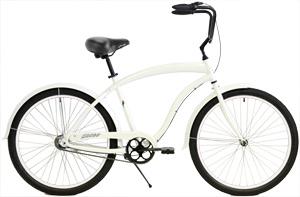
Shopping for an easy, confidence-building bike can take you in two very different directions: the laid-back simplicity of a beach cruiser, or the big-tire confidence of a fat bike. On paper, both look “comfortable” because both put a lot of rubber on the ground and both can feel stable at low speeds. In practice, they’re built for different kinds of comfort—and different kinds of riding.
This beach cruiser vs fat bike comparison breaks down the real differences in posture, tire width, ride feel, and best-use scenarios so you can choose the bike that matches how you’ll actually ride.
The Quick Summary: Which One Fits Your Life?
If your rides are mostly local and relaxed—neighborhood loops, errands, short commutes, and casual weekend cruising—comfort usually means a natural upright posture and easy handling. That’s where the beach cruiser shines.
If you ride in conditions where traction is unpredictable—soft sand, snow, loose dirt, chunky gravel, or rough terrain—and you want maximum grip and stability, capability becomes the priority. That’s where the fat bike earns its reputation.
Neither is “better.” They’re just built to solve different problems.
Riding Posture: Upright Ease vs Neutral Control
Beach cruiser posture: relaxed by design
Cruisers are built around an upright, easy position that keeps your shoulders relaxed, your head up, and your wrists comfortable. The steering is typically calm and forgiving, and the bike feels intuitive if you’re riding in normal clothes and you’re stopping frequently.
This is why cruisers feel so approachable for adults who want low-stress riding. A cruiser invites slow rides, casual trips, and comfort-first routine miles.
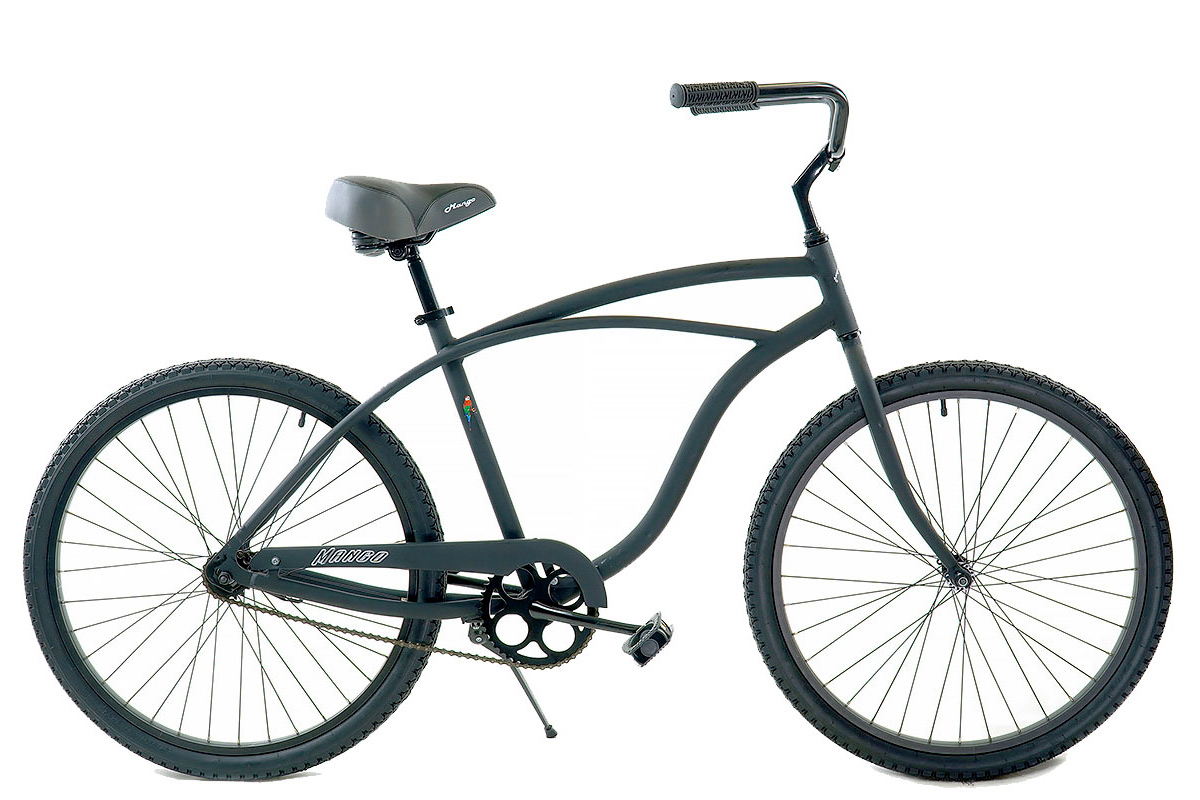
If that’s your priority, BikesDirect’s Mango lineup is a strong reference point for what modern cruisers are meant to feel like:
Fat bike posture: built for leverage and control
Fat bikes vary, but most are designed to handle rough surfaces and low-traction conditions. The posture tends to be more “neutral control” than pure upright lounging. You’ll often feel like you’re positioned to steer and manage big tires through uneven terrain, rather than sitting fully upright for a leisurely roll.
That difference matters. If your main goal is relaxed comfort on smooth streets, a cruiser posture is often the winner. If your goal is stability in challenging conditions, fat bike posture supports that kind of control.
Tire Width: The Real Difference Most Riders Feel Immediately
Tires are where these two categories diverge most dramatically.
Cruiser tires: comfort through moderation
Cruiser tires are usually wider than typical road tires, but they’re not extreme. They’re designed to roll smoothly on pavement while taking the edge off cracks, seams, and rough patches. That means you get a softer feel without turning every ride into a workout.
This is “comfort for everyday surfaces.” It works for neighborhood streets, paved paths, and casual commuting.
Fat bike tires: capability through maximum flotation
Fat bike tires are designed to stay in place on soft or loose terrain. The added width creates flotation and grip in conditions where a normal tire would sink or slip. That’s why fat bikes are popular for sand and snow, and why they feel so stable on loose surfaces.
The trade-off is rolling resistance. On pavement, big tires can feel slower and heavier, especially over longer distances. Many riders love that stability, but if your riding is mostly on smooth roads, the extra tire can feel like more work than you need.
Comfort Isn’t Just “Soft”: It’s How the Bike Matches Your Routes
Here’s a useful way to think about comfort:
- Cruiser comfort = relaxed posture + easy rolling on pavement
- Fat bike comfort = stability + traction in unpredictable terrain
If your “comfort problem” is related to body position (neck, shoulders, wrists) or you want a calmer ride at casual speeds, a beach cruiser tends to solve it better.
If your “comfort problem” is fear of slipping, sinking, or losing control on loose surfaces, a fat bike tends to solve it better.
Best-Use Scenarios: Which Bike Wins Where?
Choose a beach cruiser if you want:
- Short rides, errands, neighborhood cruising
- An upright posture that feels natural immediately
- Easy handling in stop-start situations
- A low-stress bike you’ll actually use frequently
Cruisers are also great if you’re returning to riding and want to rebuild consistency without discomfort. The Mango options linked above are excellent examples of cruiser setups that prioritize everyday rideability.
Choose a fat bike if you want:
- Sand, snow, or consistently loose terrain
- Maximum traction and stability off pavement
- A bike that thrives when routes are rough or unpredictable
- A “go anywhere” mindset, even if it’s slower on pavement
If your routes are mostly paved with occasional dirt paths, a fat bike can be overkill. But if you truly ride soft, loose terrain regularly, it can feel like the perfect tool.
What About “Mixed Riding”? Consider This Middle Ground
A lot of riders are choosing between these categories because they want comfort and versatility. If your riding is mixed—streets, paths, rough pavement, and occasional hardpack—there’s a strong argument for a different style entirely: a hybrid bike or a gravel bike.
- A hybrid can provide you with upright comfort and practical versatility without requiring extreme tires.
- A gravel-style setup can provide efficiency and stability across pavement and paths, eliminating the rolling resistance of a fat bike.
If you’re in that “mostly pavement but sometimes rough” zone, those middle options often deliver the best balance.
Comfort vs Capability Comes Down to Your Real Routes
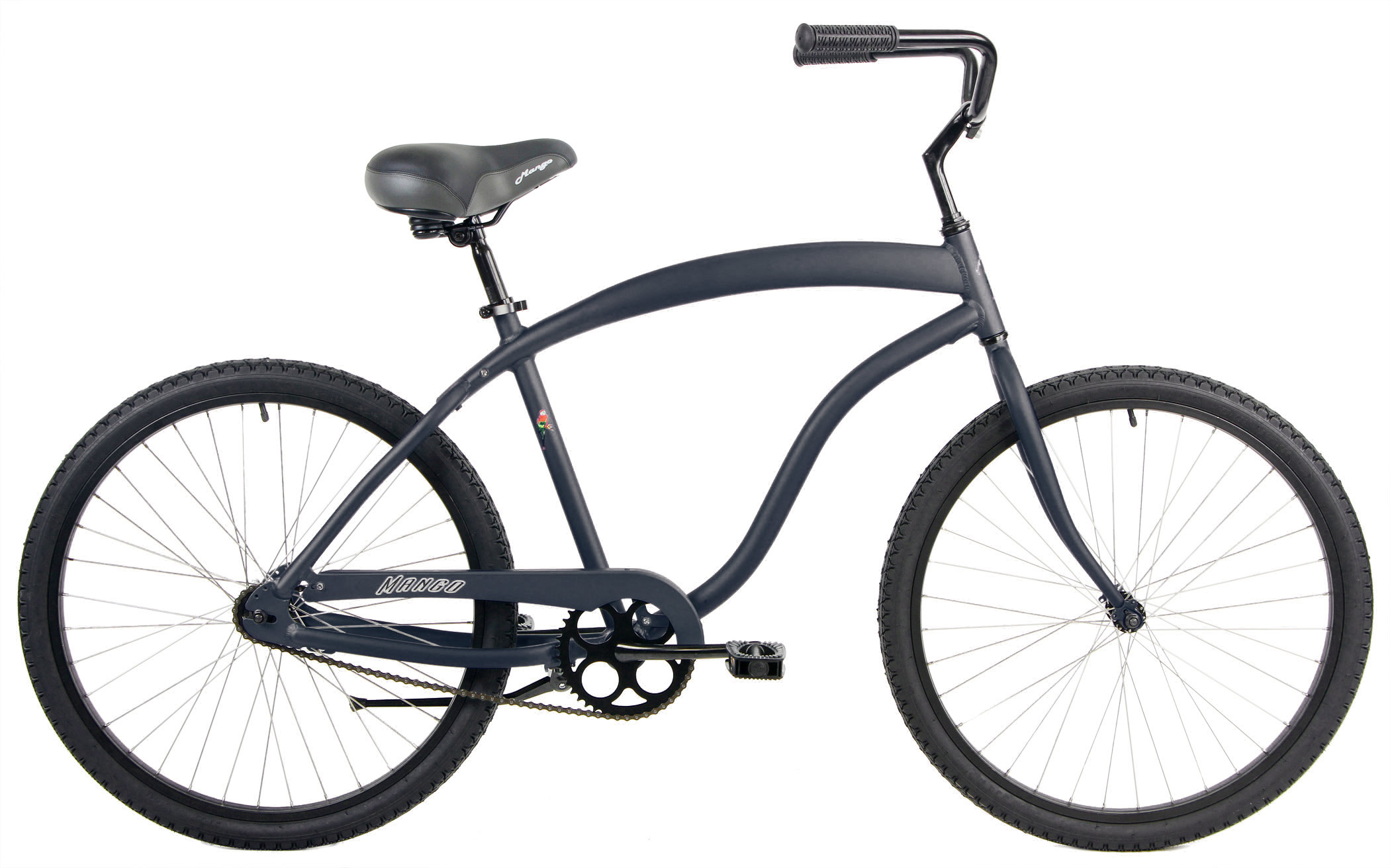
The beach cruiser is the comfort choice when comfort means relaxed posture, easy handling, and enjoyable everyday riding on normal streets and paths. The fat bike is the capability choice when capability means traction and stability in loose, soft, unpredictable terrain.
If your goal is to ride more often, run errands, and enjoy low-stress cruising, a beach cruiser setup—like the Mango cruisers available through BikesDirect—will usually be the best match. If your goal is to ride sand, snow, or rough terrain where flotation and grip matter most, a fat bike is hard to beat.
If you want help choosing the right category and a bike that fits your riding style, please contact us.