

Ask any rider what their training routine looks like, and you’ll likely hear about long climbs, intervals, or weekend centuries. What often goes unmentioned? Rest. Many cyclists—whether they’re pushing their limits on a road bike or tackling trails on a mountain bike—fall into the trap of thinking progress comes only from piling on more miles. In reality, your body grows stronger not during the ride itself but in the hours and days after, when recovery kicks in.
The Science Behind Recovery
At its core, training is controlled stress. Each ride creates micro-tears in your muscles and taxes your cardiovascular system. Without recovery, those systems can’t repair or adapt. That’s why ignoring rest days often leads to fatigue, poor performance, and even overtraining syndrome.
Research consistently shows that cycling recovery tips—like proper sleep, nutrition, and active recovery rides—are as important as structured workouts. Sleep in particular triggers the release of growth hormones that rebuild muscle. Meanwhile, glycogen stores need time and fuel to replenish. When you skip this stage, you’re essentially riding on an empty tank.
Active vs. Passive Recovery
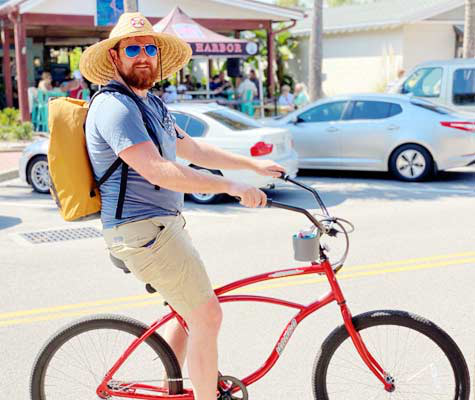
Recovery doesn’t always mean lounging on the couch, though sometimes that’s exactly what your body needs. Passive recovery is total rest—no rides, no gym, just letting your system recharge. Active recovery, on the other hand, involves light activity, such as a 30-minute spin on a hybrid bike or an easy cruise on a beach cruiser. These low-intensity sessions boost circulation, helping deliver nutrients to muscles and flush out waste products.
A common rule of thumb: after a high-intensity ride, follow with an active recovery day, then a full rest day if needed. The key is listening to your body. If your legs feel heavy, your heart rate spikes unusually high on easy rides, or motivation is low, it’s time to prioritize rest.
Nutrition: Fuel for Repair
Another overlooked aspect of recovery is nutrition. What you eat in the hours after a ride can determine how quickly you bounce back. Aim for a mix of carbohydrates to restore glycogen and protein to rebuild muscle. Hydration is just as vital. Even mild dehydration can slow down recovery significantly.
Think of your body like a finely tuned machine. You wouldn’t neglect oiling the chain of your gravel bike before a long ride. Similarly, skipping recovery nutrition leaves your “engine” less efficient for the next outing.
The Role of Equipment in Recovery
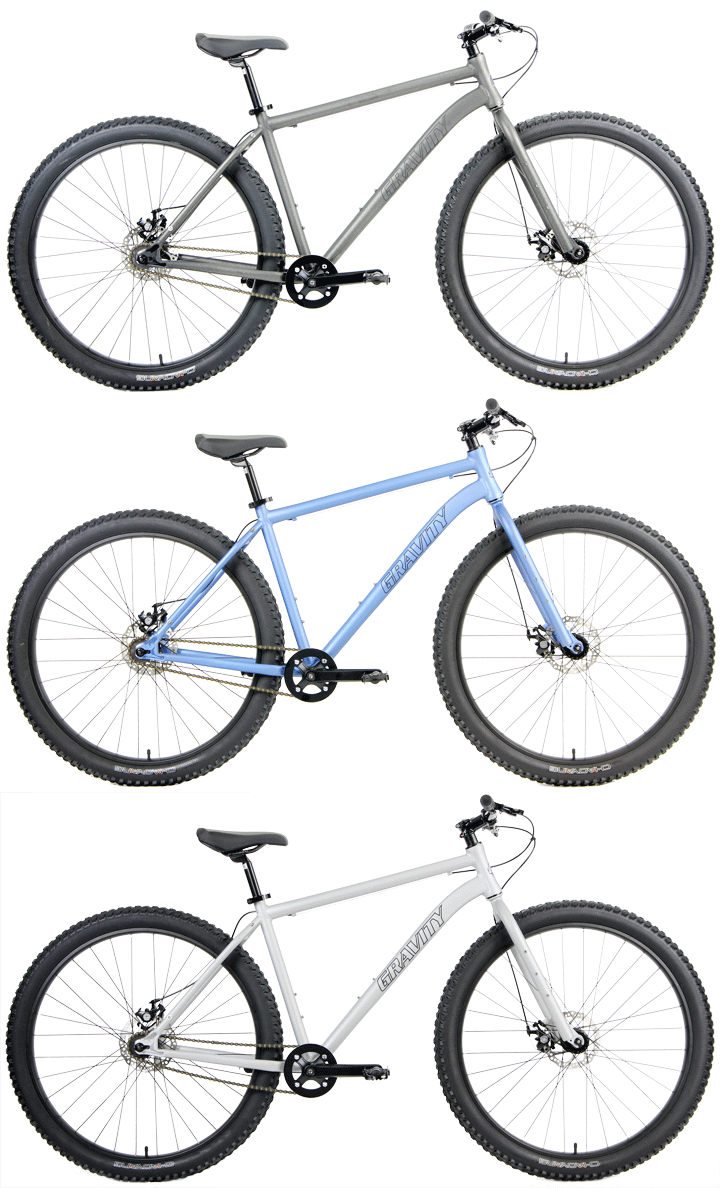
Believe it or not, your gear also plays a role in how well you recover. For example, tire choice affects fatigue. Wider tires on a fat bike or gravel setup can reduce road vibration, sparing your joints on long rides. Properly fitted saddles, ergonomic handlebars, and quality pedals reduce strain, making it easier for your body to rebound.
Even something as simple as switching to clipless pedals on a road bike can distribute power more evenly, minimizing hotspots that take longer to recover from. When your equipment supports efficiency, recovery starts the moment you pedal.
Mental Recovery: The Overlooked Element
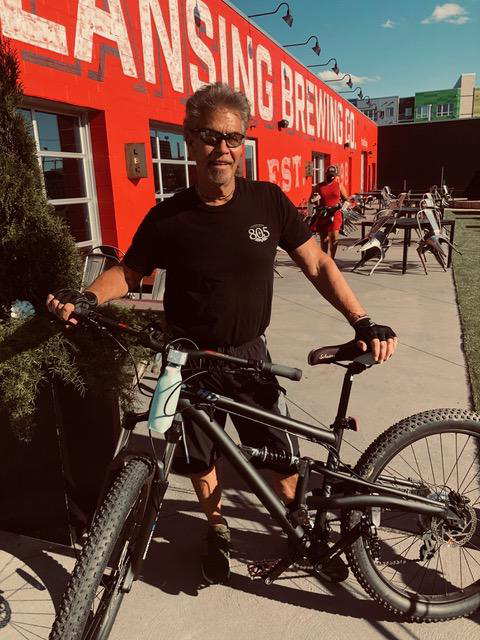
Physical rest is only half the equation. Cycling is mentally demanding, too. Structured training blocks, data tracking, and performance goals can weigh heavily on riders. Taking intentional mental recovery days helps prevent burnout.
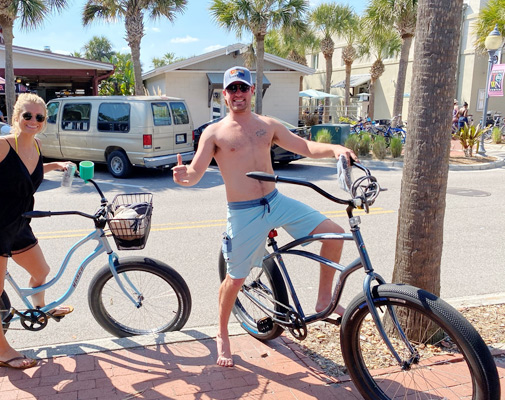
This might look like leaving the power meter at home for a relaxed spin along the coast on a beach cruiser, or joining a social ride with no pace goals. These shifts remind us why we started cycling in the first place: joy, freedom, and connection.
Recovery Techniques That Work
Experienced riders often swear by small but powerful recovery habits. Foam rolling eases tight muscles, compression gear supports circulation, and stretching maintains mobility. Cold showers or contrast baths can reduce inflammation, while yoga adds flexibility. None of these replaces the need for rest, but together they accelerate it.
Another tried-and-true method? Sleep. While training apps and gadgets provide endless data, the simplest of all cycling recovery tips remains consistent: high-quality rest. Aim for seven to nine hours of sleep, with consistency being the real game changer.
Rest Days Don’t Mean Regression
Many cyclists fear that taking a day off will undo their progress. The opposite is true. When done strategically, recovery is the bridge between where you are and where you want to be.
Imagine training for a long off-road event. If you’re hammering daily sessions on a mountain bike, fatigue eventually builds faster than fitness. Incorporating recovery rides or off days allows adaptations to catch up, meaning you arrive at the start line strong, not burned out.
In fact, most training plans for endurance events—whether it’s a 100-mile road race or a gravel grinder—intentionally schedule rest. Elite cyclists don’t consider rest optional, and neither should everyday riders.
Conclusion: Rest as Part of the Ride
Cycling culture often glorifies the grind, celebrating riders who log endless hours. But true progress happens in the balance between effort and recovery. Whether you’re training on a road bike, exploring gravel trails, or cruising along the beach, your performance tomorrow depends on how well you rest today.
So embrace recovery not as an interruption to training but as an essential part of it. Prioritize sleep, fuel wisely, and don’t hesitate to take a full day off when needed. You’ll return stronger, fresher, and ready to enjoy the ride.
Ready to take your cycling further with smarter training and recovery? Find the perfect ride for your next adventure at Bikesdirect.com—whether it’s a road, gravel, mountain, or cruiser bike, we’ve got the bike that fits your journey.