

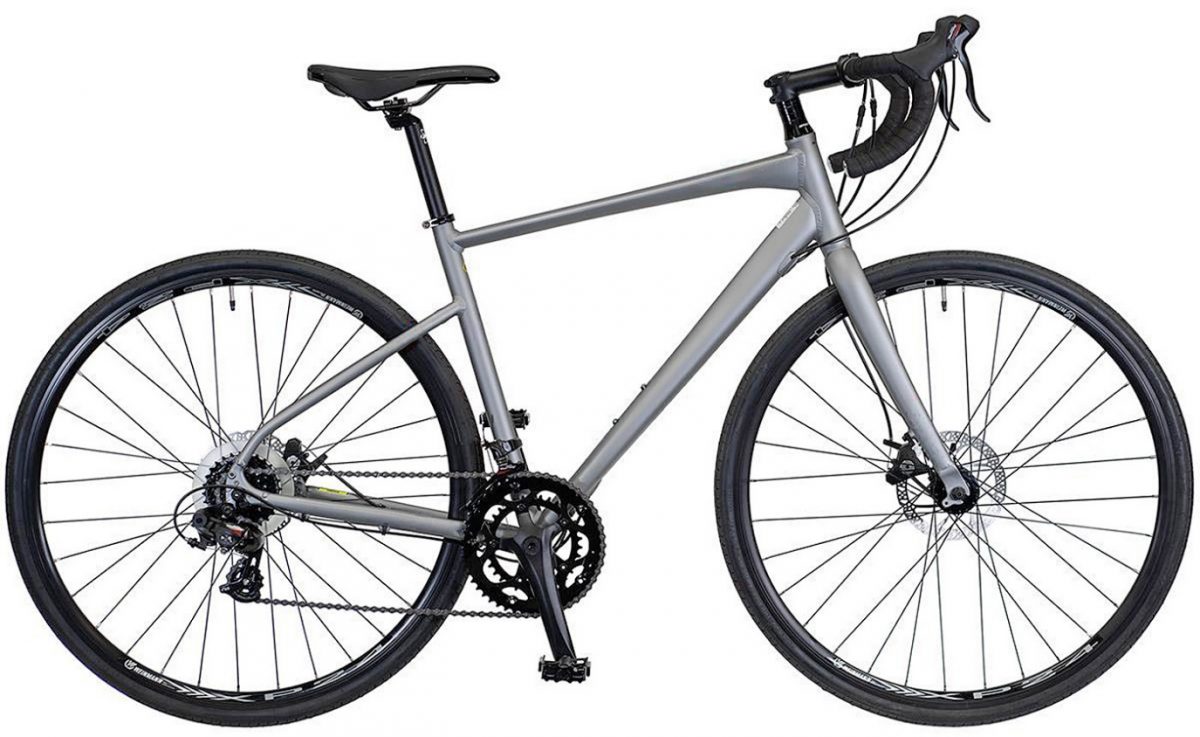
Five years ago, a performance-focused road bike with Shimano gearing, an aluminum frame, and aero wheelsets rarely dipped below $1,000 at many bike shops. Today, that same feature set is commonly found between $299 and $399 through factory-direct retailers.That shift changes the entire conversation around price comparison and true bike value for money.If you still think “cheap bike” means outdated components and heavy frames, the market has moved. Let’s break down exactly what you can expect in 2026 at entry-level pricing and why it is dramatically different from just a few seasons ago.
What $1,000 Used to Buy (And Why It Cost That Much)
In the early 2020s, a $1,000 road bike typically included:
- Aluminum frame
- Shimano drivetrain (entry or mid-tier)
- Double-wall or semi-aero rims
- Drop bars with integrated shifters
- Comfort-oriented geometry for endurance riding
Those bikes were excellent but they reflected showroom overhead, local inventory costs, and bundled service pricing. When you did a full price comparison, much of the cost was not just parts. It was distribution layers.Today, centralized warehousing and factory-direct distribution compress those margins.The result is better specs per dollar.
What $349 Buys in 2026
Let’s look at what is currently available in the sub-$400 tier.A current aluminum road bike listing under $400 typically includes:
- Lightweight 6061 aluminum frame
- Shimano drivetrain components
- Integrated brake/shift levers
- Double-wall or aero-style rims
- Endurance-focused geometry
Five years ago, that combination placed you in the $900 to $1,200 range at many retail stores.That is the core of modern bike value for money: component parity at half the historical price.
Aluminum Frames Are Now Standard
Entry-level bikes used to default to steel for cost reasons. Steel can ride comfortably, but aluminum is lighter and stiffer for climbing and acceleration.Today, aluminum is common even at $349. That dramatically changes ride feel:
- Faster acceleration
- Easier climbing
- Lower overall weight
- More responsive steering
When riders compare an older steel entry model to a modern aluminum road bike, the performance difference is noticeable.From a pure price comparison standpoint, frame material alone tells the story.
Shimano Gearing at Entry-Level Prices
Drivetrain reliability used to define price tiers. Shimano components were a clear dividing line between serious bikes and entry models.Now, Shimano gearing appears regularly in the sub-$400 range.
That means:
- Consistent shifting
- Proven durability
- Easy parts availability
- Familiar performance standards
This is not boutique racing equipment but it is dependable hardware that supports real training miles, commuting, and fitness riding.For buyers focused on bike value for money, drivetrain quality is one of the most important factors to evaluate.
Aero Rims and Modern Wheelsets
Wheels used to be an obvious cost-cutting area under $800.Now, entry-level listings often include:
- Double-wall rims
- Semi-aero rim profiles
- Durable hubs
- Wider tires for comfort
These upgrades improve ride efficiency and stability. They also make modern bikes look and feel like models that once lived in the four-figure range.A proper price comparison should account for wheels not just frame and gearing.
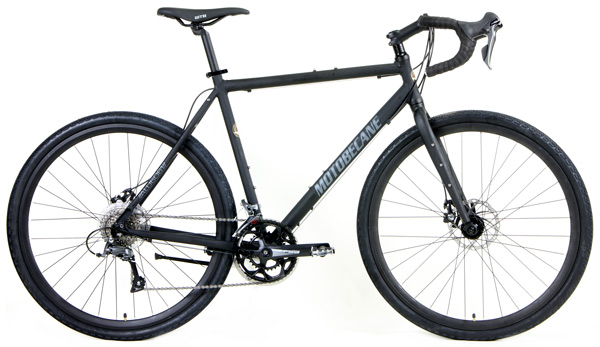
Comfort Geometry Isn’t Just for Expensive Bikes
High stack, balanced reach, and relaxed endurance geometry used to be marketed as premium comfort.Today, that geometry trickles down to entry price tiers.That means newer riders do not have to sacrifice comfort for affordability. A modern road bike under $400 can support:
- Fitness training
- Weekend group rides
- Commuting
- Charity events
That redefines what budget means.
It’s Not Just Road Bikes
This pricing shift is not limited to drop-bar bikes.Factory-direct distribution has impacted multiple categories:
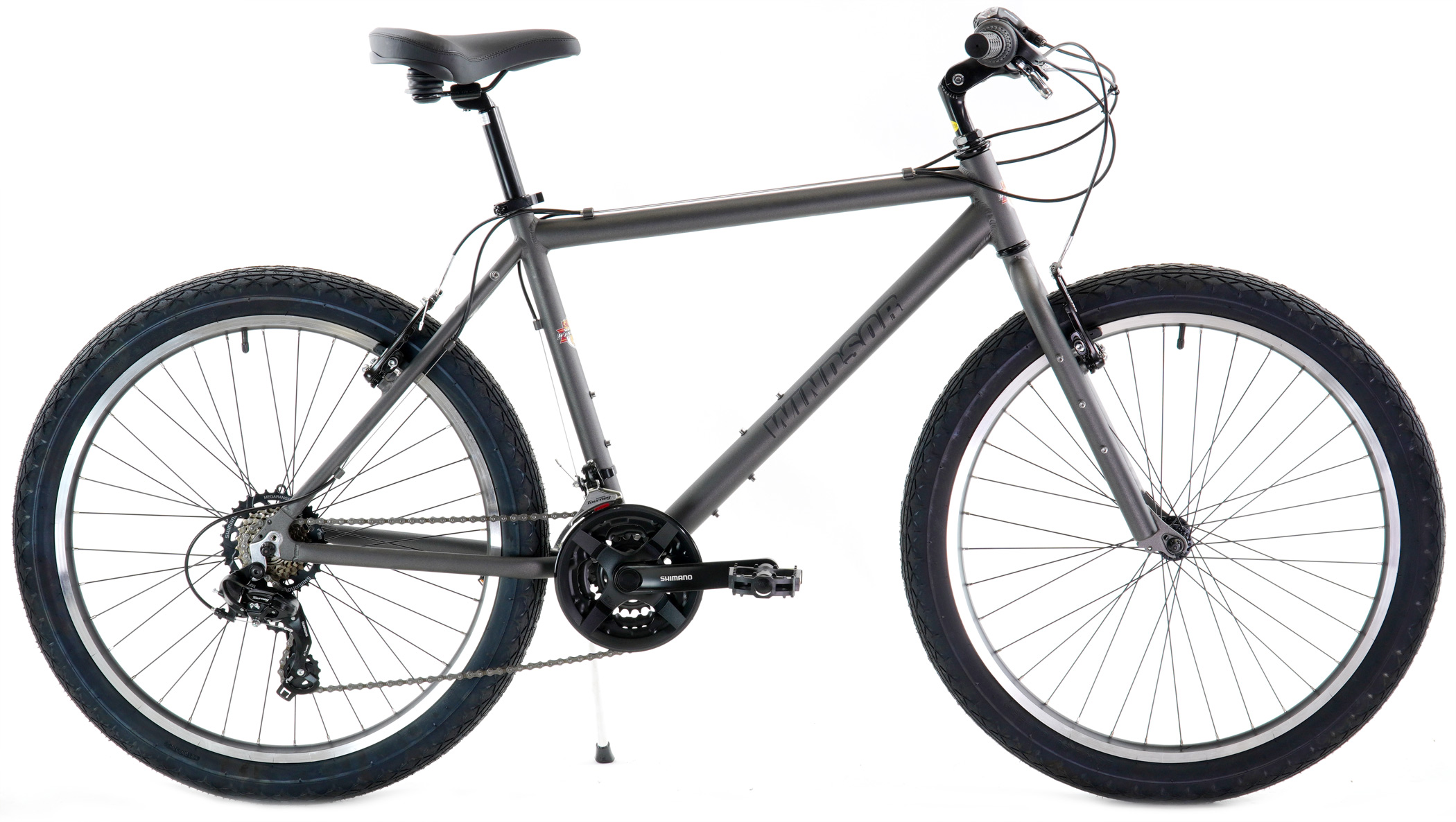
- The modern hybrid bike now offers aluminum frames and disc brakes at historically low prices
- A capable mountain bike with front suspension and trail-ready geometry costs far less than it did five years ago
- Entry-level gravel bike models now include clearance for wider tires and versatile gearing without crossing $1,000
- Even specialty categories like the fat bike have become more affordable thanks to volume production
- Casual riders shopping for a beach cruiser benefit from the same streamlined pricing model
Across segments, the formula is the same: remove middle layers, increase production volume, pass savings on.
Why the Numbers Shifted
Three structural changes explain the difference:
1. Factory-direct pricing
Eliminating traditional retail distribution compresses margins
2. Centralized inventory
Lower overhead compared to multiple storefront locations
3. Volume purchasing
Bulk component buying lowers per-unit costs
When riders conduct a serious price comparison, the gap becomes clear. You are often comparing different business models not just bikes.
What This Means for New Riders
If you are entering cycling in 2026, you are benefiting from a dramatically improved baseline.For under $400, you can realistically expect:
- Aluminum frame
- Shimano shifting
- Modern wheelsets
- Comfort geometry
- Real upgrade potential
That combination supports genuine training progress, not just casual rides.The key is evaluating total cost:
- Shipping
- Assembly (DIY vs local shop)
- Accessories
Once you account for those, the overall bike value for money remains compelling.
A Smarter Way to Compare in 2026
Before deciding, run this quick checklist:
- Frame material
- Drivetrain brand
- Wheel quality
- Geometry fit
- Total out-the-door cost
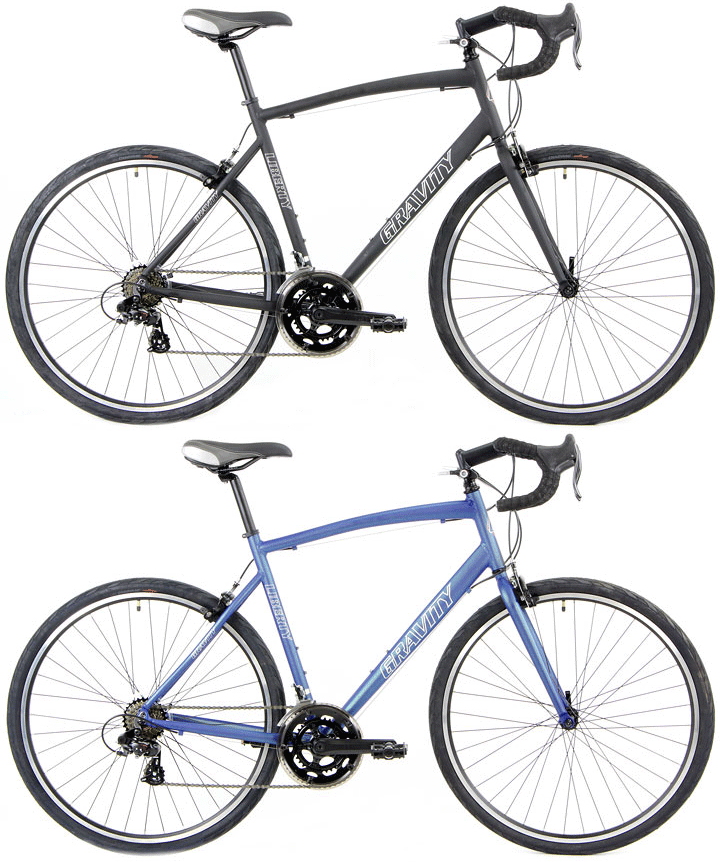
Then perform a direct price comparison with similarly spec’d bikes elsewhere.You will often find that what once required $1,000 now lives comfortably at $349.That is not marketing language. That is supply-chain math.
Rethinking “Cheap Bikes”
The phrase “cheap bike” used to imply compromise.Today, it often means efficient distribution.When a $349 road bike offers aluminum construction, Shimano gearing, and aero-style wheels, the old pricing benchmarks no longer apply.
Explore our full range of bikes:
Learn more about our story, read our FAQs, or contact us for personalized advice. Ready to see what $349 buys today? Compare specs, review details, and ride smarter