

Riding through showers shouldn’t feel like survival mode. With a few smart tweaks to tires, layers, and maintenance, cycling in the rain becomes calm, predictable, and even fun. This guide shows how to choose tread and pressure for wet pavement and dirt, how to stay visible without overheating, and how to keep chains clean and brakes powerful so every stop and start feels confident.
Traction Starts at the Tires
Rain reshapes the road. Oils lift to the surface during the first minutes of a storm, painted lines and metal plates become treacherous, and grit collects along the gutter. On dirt, the top layer turns slick while the bed beneath may stay supportive. The fix begins with the right tread and pressure for the conditions you actually face.
Wet Pavement: Tread and Pressure That Work
For road rides, prioritize a supple tire with a smooth or lightly textured tread and a proven wet-grip compound. You’re not trying to channel water like a car tire; bicycles rely on rubber chemistry and contact patch, not deep channels. The goal is maximizing consistent contact while avoiding hydroplaning—which essentially doesn’t occur at cycling speeds with properly inflated tires.
Run lower pressure than you would on a dry, hot day. Dropping roughly 10–15% below your dry setup increases the footprint and lets the casing conform to microtexture in the asphalt. If you usually ride 85 PSI on a 28 mm tire, try the mid-70s; if you’re on wider 32–35 mm rubber, you can experiment with the 50s–60s depending on rider weight and rim width. Check pressure before the ride; a few PSI make a noticeable difference in the wet.
Wet Dirt and Gravel: Bite Without Bogging
On mixed surfaces, choose an intermediate tread that presents plentiful edges without tall, draggy knobs. Think closely spaced center blocks for rolling, with more pronounced shoulder lugs for off-camber support. Mud will pack tall lugs and turn them into slicks; a mid tread sheds better and remains predictable. Pressure is your main tuning tool: go low enough to find grip over roots and embedded rock, yet high enough to avoid rim impacts when puddles hide holes. Start 2–4 PSI lower than your dry setting, then fine-tune a half PSI at a time after a short test loop.
Smooth Inputs, Clean Lines
Traction is a technique as much as equipment. On wet pavement, straighten the bike before you apply strong braking, and lean your body more than the bike in corners to keep the contact patch planted. On wet dirt, look for the crown of the trail or the firm edges, and treat painted trail markings, roots, and wood bridges as if they’re ice. Soft pedaling across slick sections, then resuming power when traction returns, keeps the bike composed.
Visibility Without the Sauna Effect
Being seen is only half of the problem; the other half is staying dry enough to remain warm while avoiding the personal steam room that kills your motivation. The solution is layered, breathable protection that stays bright from every angle.
Layering That Vents While Staying Bright
Start with a wicking base that won’t saturate. Add a mid layer appropriate to temperature: a light thermal for cool rain, or a simple jersey for warm showers. Top it with a waterproof or highly water-resistant shell that has real vents you can operate while riding—pit zips, back yoke vents, or two-way front zips. Prioritize a high-visibility color or large reflective zones front and back so drivers see shape, not just motion. If your shell is dark, add a reflective gilet over it; a bright, removable layer lets you adapt as clouds thin.
Hands and feet need the same logic. Thin, water-resistant gloves with a fleece or merino liner keep dexterity while shedding spray. Neoprene overshoes or water-resistant socks preserve warmth even if some water sneaks in. A brimmed cap under the helmet keeps rain out of your eyes; clear or lightly tinted lenses protect vision when the light goes flat.
Lights for Daytime Rain
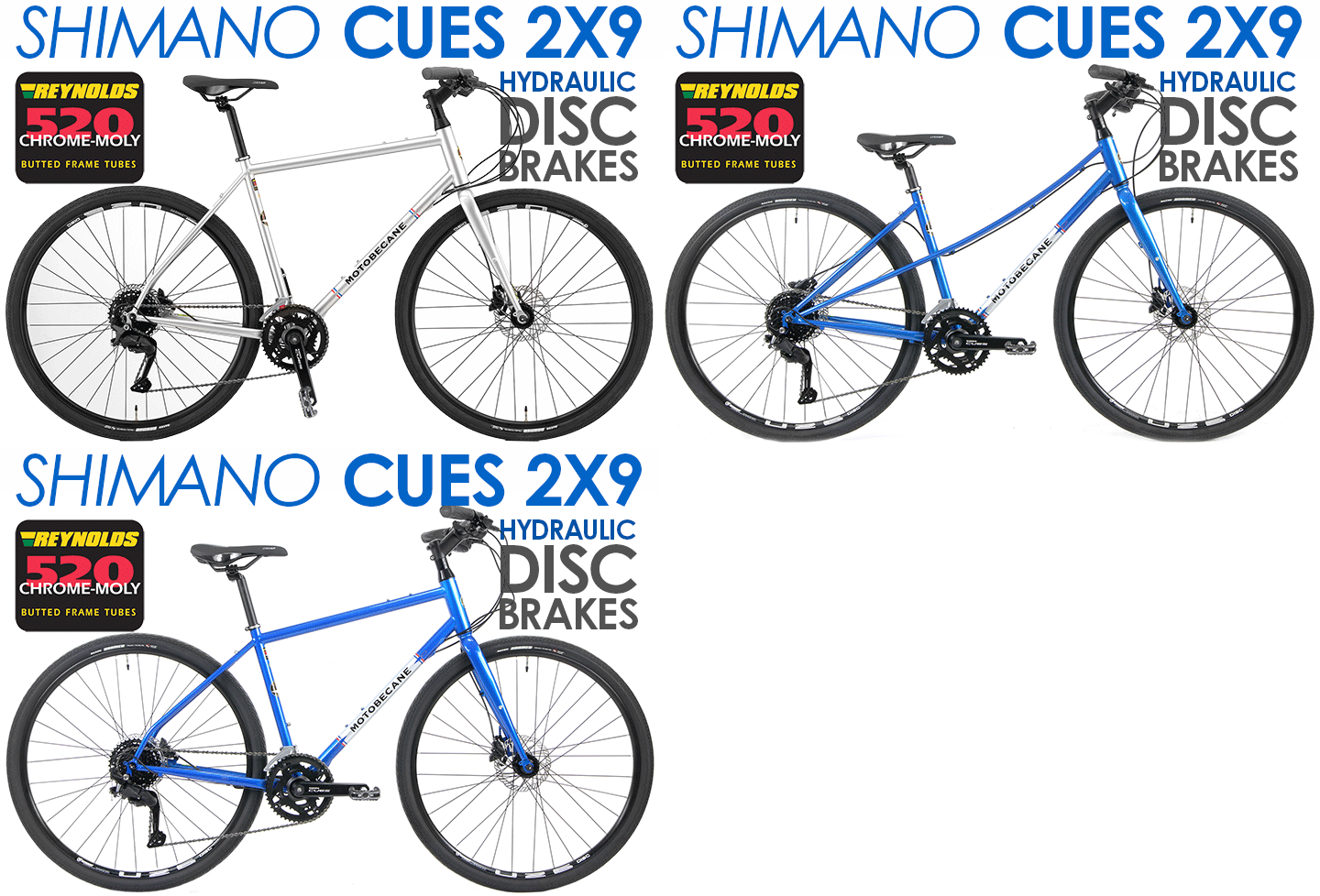
Even in daytime, rain dims contrast. Run a steady headlight aimed low enough to avoid dazzling others and a pulsing taillight to cut through spray. Mount a second rear light higher on a bag or seatpost for redundancy; if one is coated in grime, the other still communicates your presence. On road and city miles, a flat-bar disc road bike like the steel Café Strada keeps you upright and visible in traffic while offering confident braking; explore the Motobecane Café Strada 4130 Disc Flatbar.
Drivetrain Protection: Clean, Lube, Repeat
Rain turns dust into grinding paste. The trick is accepting that a lighter, more frequent ritual beats one big clean every few weeks.
Pre-Ride Prep
Start with a relatively clean chain and a wet-weather lube designed to resist wash-off. Apply a modest amount, backpedal to distribute, then wipe the outer plates thoroughly with a clean rag so you don’t attract extra grit. A thin, even film on the rollers is all you need. If your route includes extended dirt, consider a wax-based wet blend that sheds water yet leaves less sticky residue than classic wet lubes.
Post-Ride Reset
As soon as you’re home, aim a low-pressure hose or a bucket and sponge at the drivetrain and brake calipers. Avoid blasting bearings or directly spraying into calipers. Wipe the chain dry, drip a small refresh of lube on warm metal, and run the gears across the cogs to work it in. Finish with another wipe to remove excess. This five-minute habit transforms how long your cassette and chainrings last, and it keeps shifting crisp for the next storm.
Brakes That Stay Powerful
Disc brakes are your friend when the forecast turns gray, but they still demand attention to stay sharp.
Pads, Rotors, and Technique
Metallic pads tolerate grit and heat, making them ideal for rainy commutes and long descents. Resin pads feel a bit more progressive and quiet but can glaze if contaminated by oil. If you hear a sudden shriek or feel weak bite, inspect pads for glaze or embedded grit and sand lightly if needed.
Keep rotors clean with isopropyl alcohol and lint-free cloth. If you use a bike-mounted lube, shield the rotors during application. In the wet, lightly feather brakes early in a descent or before an intersection to wipe the rotors dry, then increase pressure once bite returns. Practice this on an empty street so the sensation becomes second nature.
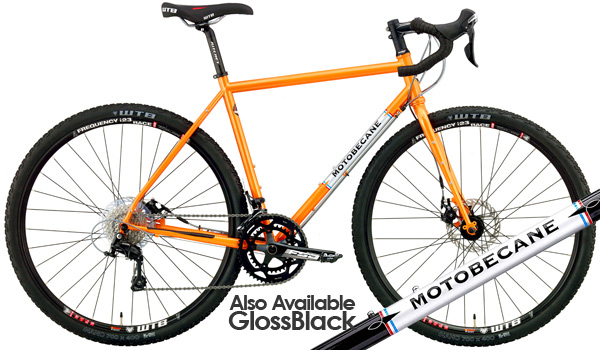
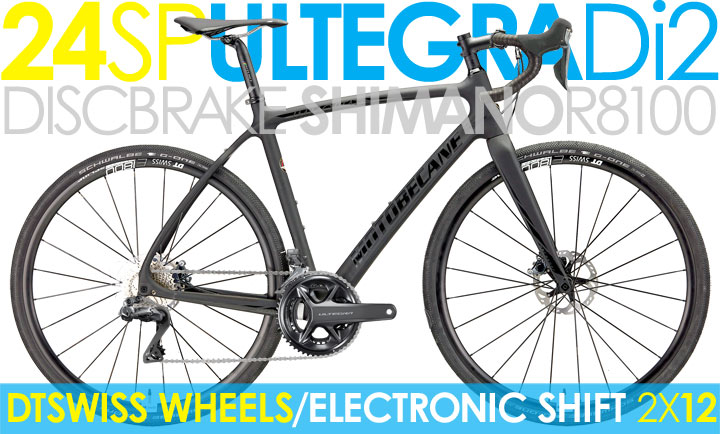
Disc-equipped road platforms give you an immediate upgrade in foul-weather control. If you want a fast, racy feel with confident stopping, consider the Motobecane Immortal Disc Team (Di2). For riders who prefer the classic calm of steel with modern discs, the Strada CM Comp Disc delivers steady manners when roads are shiny.
Fenders, Lines, and Little Habits
Full-coverage fenders are the difference between damp and drenched. They keep the rooster tail off your back and, crucially, out of your drivetrain and calipers. Choose sturdy stays and a mudflap that reaches close to the road for maximum effect. On shared paths, fenders also keep the rider behind from wearing your spray.
Pick clean lines through corners and avoid the rainbow sheen after a long dry spell followed by rain; the first hour of precipitation releases the most oil. Cross metal grates and paint upright, not leaned. On dirt, scan for the faint high-traction seams that form where water drains; those slightly darker streaks often hide the best grip.
Three Rain-Ready Bike Personalities
If your rainy miles are mostly city and suburban streets, a flat-bar disc road bike like the Café Strada 4130 Disc Flatbar gives upright vision, space for fenders, and steel’s calm over rough patches. If you chase spirited group rides regardless of forecast, the carbon Immortal Disc Team Di2 brings precise shifting and confident braking when the sprint line is soaked. If you love the timeless feel of steel with hydraulic discs and all-weather manners, the Strada CM Comp Disc is a reliable partner for twelve-month riding.
A Simple Ten-Minute Post-Ride Routine
Hang the bike and do quick triage: rinse, spin the wheels to watch for wobble or embedded flints, wipe the chain and lube, squeeze the brakes to feel for consistent engagement, and check the pads for grit. Shake out your jacket and gloves, open vents to dry, and charge your lights. The next time you reach for the bike, you’ll start fresh rather than fixing problems on the sidewalk.
Make Rain Days Good Days
The first drops on your top tube don’t have to mean a slog. With the right tire choices and pressures, layers that vent and stay bright, and a simple maintenance loop, cycling in the rain feels controlled and satisfying. And with modern disc-brake road and city platforms, stopping power stays strong long after the asphalt turns glossy.
We ride year-round and design our lineup to make that easy. If you want help matching a rain-friendly bike to your routes, or you’re deciding between steel calm and carbon zip, we’re here to help. Tell us your roads, your weather, and your goals, and we’ll suggest the build, fenders, and small parts that turn gray forecasts into green lights. When you’re ready, contact our team and we’ll get you set up for confident miles in any weather.