

On a cool fall morning, before traffic builds and engines hum across the city, something remarkable happens. Cyclists glide past stalled intersections, roll through quiet neighborhoods, and arrive downtown calm, energized, and ahead of schedule. That sense of freedom is powerful, but in 2026 and beyond, it is becoming more than a personal benefit — it is a climate solution. As cities worldwide push toward ambitious 2030 environmental targets, bicycles are no longer viewed as recreational tools; they are now essential pillars in sustainable transportation planning.
The rise of sustainable bicycle commuting reflects a cultural and environmental shift. People are recognizing that the simplest machine — two wheels powered by human energy — can dramatically reduce emissions, congestion, and dependence on fossil fuels. With cleaner mobility topping urban agendas, bikes of every kind, from a versatile hybrid bike to a dedicated commuter e-bike, are helping riders rewrite their daily routines and redefine what sustainable living looks like.
Why Bikes Are at the Heart of Urban Climate Strategies
Cities face a pressing challenge: transportation emissions continue to climb, and traffic congestion is eroding both time and air quality. Many municipalities have identified cycling as one of the fastest, most cost-effective solutions to reduce carbon output while improving public health and mobility. Unlike large transit systems, bicycles require no fuel, minimal infrastructure, and virtually no maintenance cost from the city — and yet the impact is enormous.
Every mile traveled by bike instead of a car significantly cuts emissions. Multiply that by thousands of commuters, and entire cities shift toward cleaner air and reduced carbon footprints. This is why many climate action plans center on converting daily short car trips, especially those under five miles, into cycling trips.
A rider who chooses a road bike for weekday commutes or a gravel bike for mixed urban terrain contributes directly to emission reduction without sacrificing mobility. Cycling is not just an alternative; it is a scalable solution that cities can support quickly and affordably.
How Modern Bikes Make Sustainable Commuting More Accessible
Commuting by bike once felt practical only for the dedicated few. Now, thanks to advancements in bicycle design, many riders find themselves genuinely excited to ditch the car. The new generation of commuter-focused models is smoother, easier to ride, and far more adaptable.
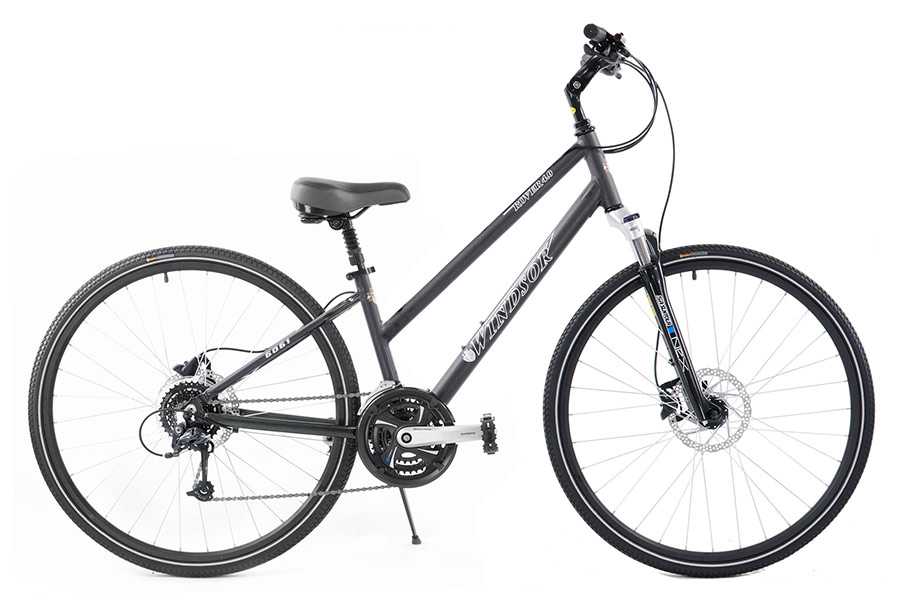
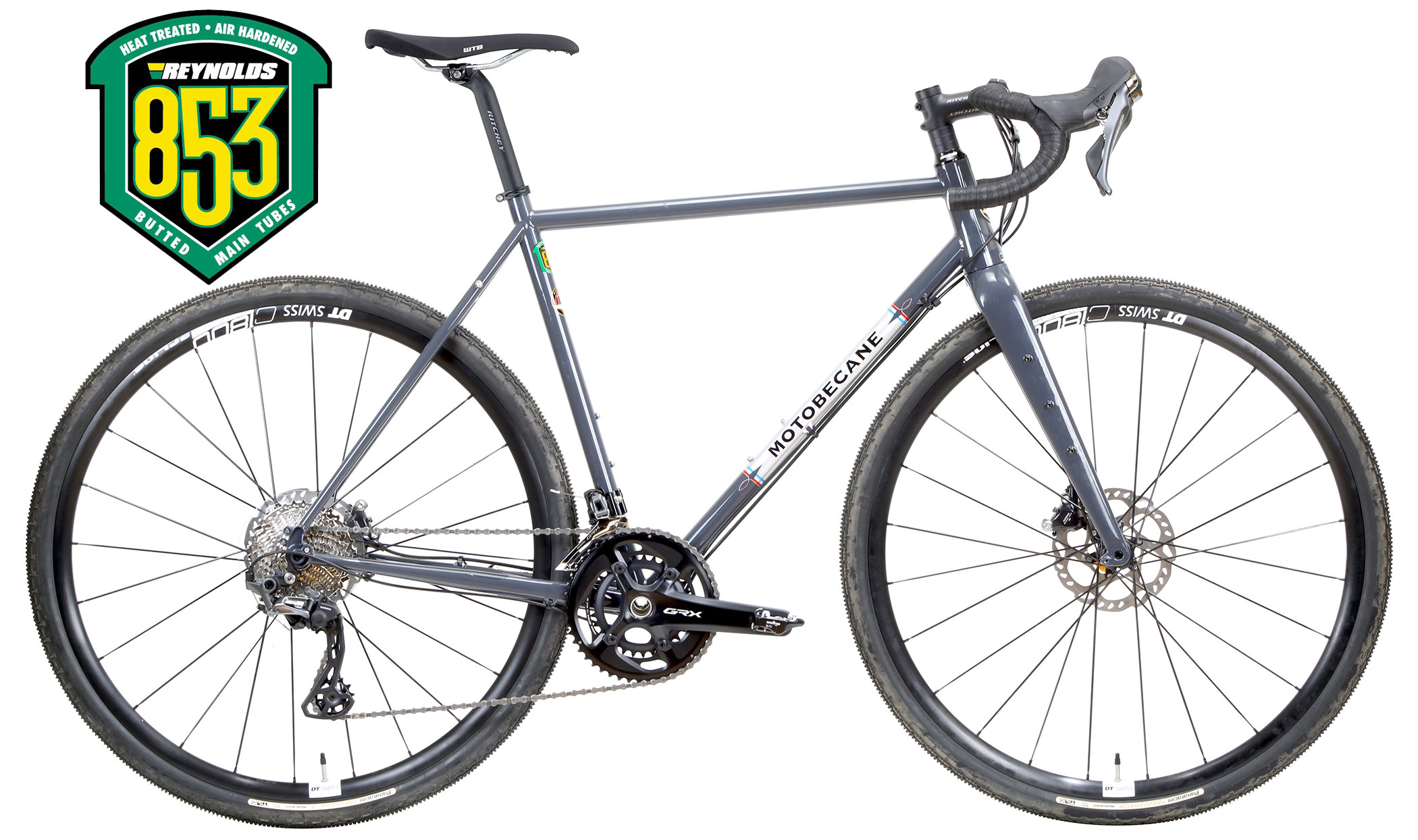
A hybrid bike strikes an ideal balance for many commuters, offering upright comfort, efficient rolling, and stability across pavement and light gravel. Riders navigating sections of unpaved greenway paths or shortcut trails appreciate how a gravel bike handles unpredictable surfaces without sacrificing speed. Even a nimble mountain bike becomes an excellent commuter for those riding through hilly terrain or storm-damaged routes where wider tires offer added security.
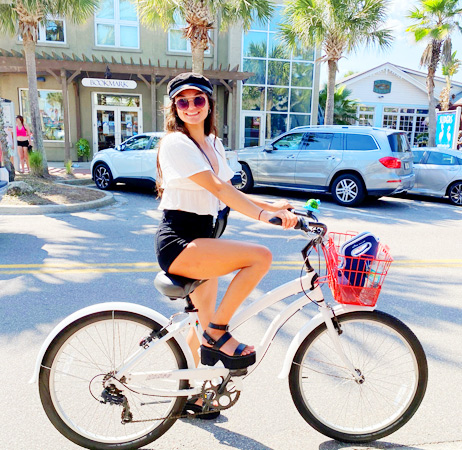
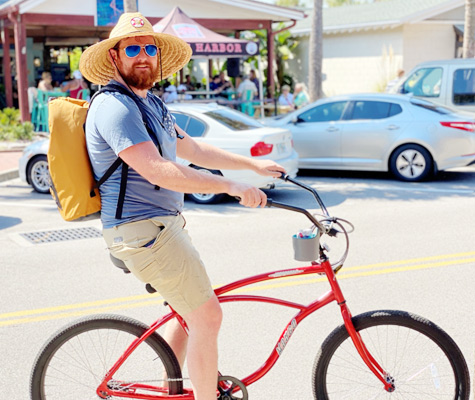
On the other end of the spectrum, some riders prefer the ease of a beach cruiser for short, relaxed urban travel, proving that sustainable commuting is not limited to performance-minded cyclists. And with the expansion of e-bikes, commuters across age, ability, and fitness levels have more options than ever.
Each category brings something unique to the commuting landscape, making it easier for riders to match their environment, comfort preference, and climate-conscious goals.
The Environmental Impact Riders Create Every Day
Choosing to commute by bike is one of the most effective personal actions an individual can take to reduce their carbon footprint. Studies repeatedly show that replacing even a few car trips per week with cycling slashes emissions significantly. These reductions compound over time and across entire populations.
Car-dependent cities face a challenge: many daily trips are short but still made by vehicle. These short trips often generate the highest per-mile emissions because cars produce more pollution during the first few minutes of operation. Switching these trips to a bicycle delivers immediate environmental benefits.
Even riders using electric-assist bikes contribute meaningfully, since e-bikes operate at a fraction of the energy consumption of cars. When many riders choose options like a hybrid commuter or an all-weather-capable fat bike, the reduction in fuel use, noise pollution, and roadway wear becomes substantial.
Cycling is often described as a small act with a big impact — and that is true. But when thousands participate, it becomes transformative.
Reducing Congestion and Reclaiming Urban Space
Sustainable mobility is not just about emissions; it is also about creating livable, breathable cities. Cars require enormous space — for roads, parking, idling queues, and storage. Bikes require a fraction of that footprint.
When a commuter chooses a road bike instead of a sedan, they instantly reduce congestion on already-strained roads. Multiply that action across thousands of rush-hour riders, and cities can reclaim road lanes, repurpose parking lots, and invest more thoughtfully in green infrastructure.
The ripple effects are profound. Neighborhoods become quieter. Pedestrian safety improves. Small businesses see increased walk-up and bike-up traffic. Urban planners gain flexibility to create more parks, greenways, and cycling corridors.
This is why bikes are considered essential to achieving 2030 climate goals — they reshape urban life in ways that benefit everyone, not just cyclists.
The Human Side of Sustainable Commuting
Beyond environmental metrics and emissions charts, there is a human story unfolding. People who shift to cycling often experience something unexpected: a boost in daily well-being.
Cycling lowers stress, increases cardiovascular health, and turns routine commutes into active moments of clarity and movement. Riders often say they arrive at work more focused, energized, and optimistic compared to sitting in traffic. The ride home becomes a decompression zone — a moving reset button.
Whether you ride a comfortable beach cruiser along waterfront paths or a sturdy mountain bike through uneven shortcuts, the journey becomes a purposeful part of your day.
Sustainable commuting is not only about meeting climate goals. It is also about creating healthier, happier communities. When cities invest in cycling infrastructure, they invest in people.
How to Shift from Car Commuting to Bike Commuting
Making the transition from driving to biking is easier than most people expect. Success begins with choosing the right bike for your terrain and comfort level. For example, a hybrid bike works beautifully for mixed-surface urban routes, while a gravel bike thrives on unpaved shortcuts or park connectors. If your commute has steep climbs, a wider-tire setup like a mountain bike or fat bike adds traction and confidence.
Consistency matters more than speed. Start with one or two bike days per week, gradually building comfort and familiarity. Many riders discover they actually prefer cycling once they experience the reduced stress, predictable travel time, and sense of accomplishment.
Before long, the car begins to feel like the inconvenient option.
Why Bikes Are Key to Reaching 2030 Climate Targets
Cities cannot rely on one solution to solve the climate crisis. They need a combination of improved transit, electric mobility, renewable energy, and meaningful individual action. Cycling ties these efforts together, offering an immediate, scalable, and affordable tool for change.
When commuters embrace sustainable bicycle commuting, they move cities closer to their 2030 climate goals one ride at a time. And as infrastructure grows, encouragement rises, and more people begin riding, the movement strengthens.
Cycling is more than transportation — it is a commitment to the future.
Start Riding Toward a Cleaner Tomorrow
If you are ready to make your commute more sustainable, healthier, and more enjoyable, now is a perfect time to choose the bike that matches your goals. Explore the options at Bikesdirect.com and take the first step toward a cleaner, greener way of moving through your city.
Your ride can be part of the solution — and your journey toward sustainability starts today.