

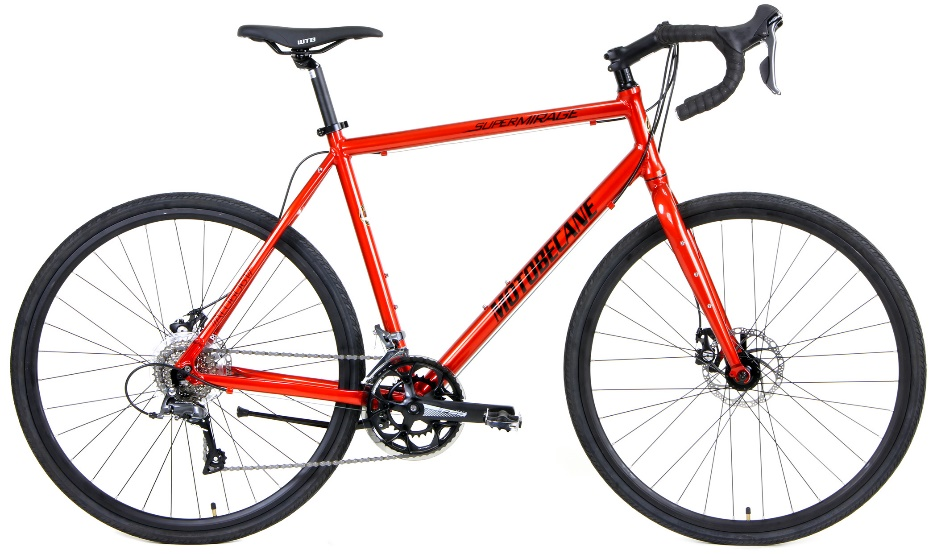
There’s something liberating about hitting the open road (or trail) with nothing but your bike, a map, and a well-packed set of bags. Bikepacking combines the best of cycling and camping — the freedom of the ride with the calm of sleeping under the stars. But if you’ve ever tried to pack for an overnight trip, you know the line between “prepared” and “overpacked” can get blurry fast.
Whether you’re planning a two-day adventure or just starting your journey into bikepacking, the secret lies in packing smart — not heavy. Let’s dive into how to distribute weight on your bike, what to skip, and what essentials to always keep.
1. Finding Your Balance: Where to Pack the Weight
Bikepacking isn’t about stuffing everything you own into a backpack and pedaling off. It’s about strategic packing that keeps your bike balanced, your ride smooth, and your body comfortable. Here’s how to map out where each item should go.
2. Frame Bag – The Core Zone
Your frame bag is the heart of your setup. This is where you’ll store dense, heavy items like tools, spare tubes, a mini-pump, snacks, or even a hydration bladder.
Why? Because this central position keeps the weight low and evenly distributed, it maintains your balance when climbing or cornering.
Pro Tip: If you’re using a full-suspension mountain bike, make sure the bag doesn’t interfere with the shock or cables.
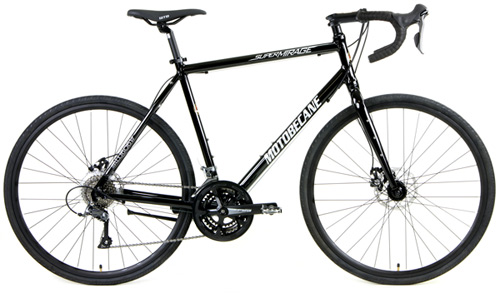
3. Handlebar Bag – The Comfort Compartment
This is your spot for light but bulky gear — think your sleeping bag, inflatable pillow, or clothing layers. Since it’s on the front of your bike, adding too much weight can make steering sluggish.
Keep it compact and soft. Roll items tightly and balance both sides if you’re using double pouches.
Pro Tip: Use waterproof stuff sacks or compression bags — there’s nothing worse than a soggy sleeping bag after a rain shower.
4. Seat Pack – The Trunk of the Trail
Behind you sits the seat pack, which is ideal for medium-weight items such as your sleeping pad, lightweight tent, or spare clothes.
Make sure it’s tightly secured to prevent the dreaded “seat waggle” that throws off your rhythm on climbs.
Pro Tip: Use straps or tension cords to eliminate sway and ensure nothing shifts when you’re pedaling uphill.
5. Backpack or Hip Pack – The Overflow Zone
If you must carry a backpack, keep it light — hydration, a camera, or quick-access snacks only. Remember, every ounce on your back impacts comfort over long miles. A small hip pack can be a great compromise.
6. What to Skip: Because Less is More
Packing light isn’t about cutting corners — it’s about trimming the excess. Every item should earn its place.
Here’s what you don’t need on a two-day ride:
Multiple outfits: You’ll survive with one riding kit and one camp outfit.
Bulky cooking gear: A small stove or cold meals work just fine.
Extra shoes: One pair for biking, one for camp — done.
Too much food: Plan meals carefully; pack just enough for your route plus a small buffer.
Full-size toiletries: You’re in nature — a toothbrush and wet wipes will do.
Remember: the lighter the load, the farther you’ll go — and the better you’ll sleep.
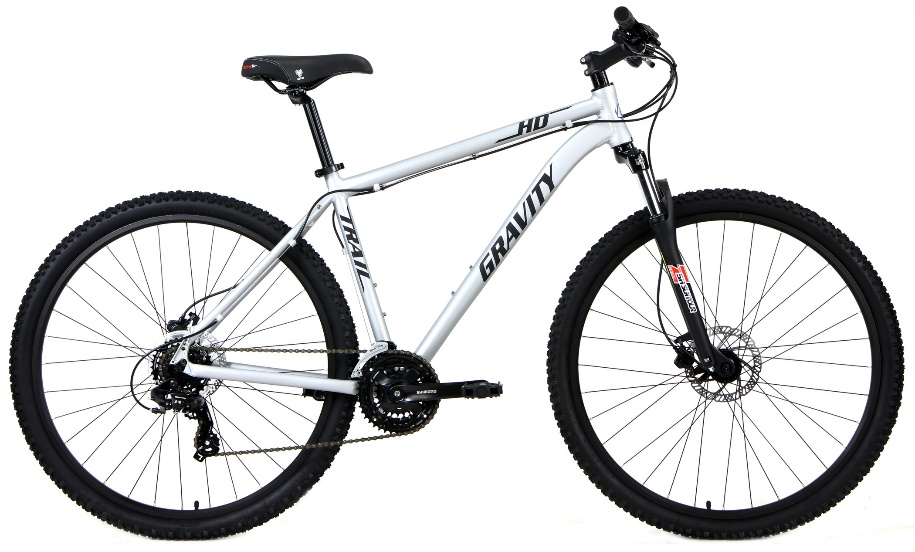
7. Your Two-Day Bikepacking Checklist
Before you roll out, check your gear. Here’s a practical checklist for a weekend adventure:
Bike Essentials
- A well-tuned bike (check brakes, gears, and tires)
- Spare tube, tire levers, multi-tool, and mini pump
- Chain lube and patch kit
- Lights and reflective gear
- Bike lock
Camping Gear
- Lightweight tent or bivy sack
- Sleeping bag (compact, rated for expected temps)
- Sleeping pad
- Compact pillow or inflatable neck pillow
Clothing
- 1 cycling outfit (jersey, shorts, socks)
- 1 camp outfit (light pants, shirt, fleece or jacket)
- Lightweight rain gear
- Gloves and hat (weather-dependent)
Food & Hydration
- Two water bottles or a hydration bladder
- Compact stove and fuel (optional)
- Instant or dehydrated meals
- Protein bars, nuts, and easy snacks
- Lightweight utensils
Navigation & Safety
- GPS device or printed map
- Power bank or spare batteries
- First-aid kit
- Sunscreen and bug repellent
- ID, cash, and emergency contact info
Final Check: Shake your bike once packed — if you hear rattling, secure your gear tighter.
8. Route Planning Template: Map Out Your Adventure
Planning your route is as important as your packing list. A well-thought-out path ensures you don’t burn out halfway or end up sleeping under a “closed for maintenance” sign.
Here’s a simple route-planning template to get you started:
Day 1: Outbound
- Start Point: (e.g., home or trailhead)
- Destination: (e.g., campsite, hostel, or landmark)
- Mileage Goal: ___ miles/km
- Terrain Type: (gravel, pavement, mixed)
- Water Stops: (list 2–3 refill points)
- Estimated Ride Time: ___ hours
- Planned Breaks: ___ minutes every ___ miles
Day 2: Return
- Departure Time: ___ AM
- Alternate Route: (optional scenic loop back)
- Emergency Exit Points: (in case of fatigue or bad weather)
- Estimated Arrival: ___ PM
Pro Tip: Apps like Komoot, Ride with GPS, or Gaia GPS are great for offline navigation — just remember to download maps before heading out.
9. Sleep Better, Ride Farther
A good night’s rest transforms your ride the next day. So don’t compromise on your sleep setup.
- Choose a flat, dry spot with natural wind protection.
- Store food away from your tent (trust us, curious critters exist everywhere).
- Stretch lightly before bed to loosen your legs.
- Keep your shoes inside your tent — nothing says “good morning” like discovering a spider made itself at home overnight.
The Joy of Traveling Light
Bikepacking is about freedom — not perfection. You’ll make mistakes (we all overpack on the first trip), but each adventure teaches you what truly matters: simplicity, balance, and the sheer joy of the open road.
Ready to ride farther and lighter? At BikesDirect, we’re here to fuel your next adventure with high-performance hybrid bikes, mountain bikes, road bikes, gravel bikes, and fat bikes designed for comfort, endurance, and exploration. Whether it’s your first bikepacking trip or your tenth, the right ride makes all the difference. Reach out now.