

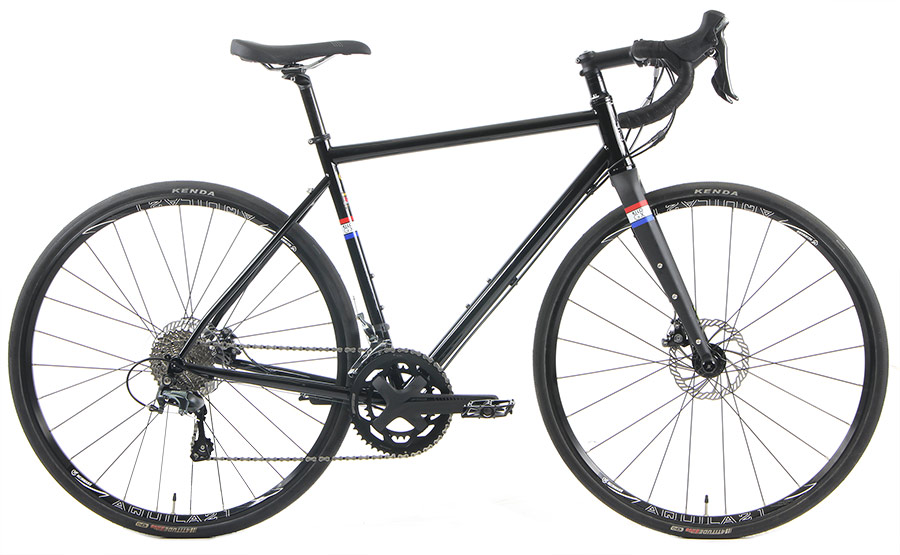
There’s something magical about a hill. It’s both a challenge and a teacher, testing your limits, rewarding your grit, and offering that sweet sense of victory when you crest the top.
Whether you’re grinding up a local climb or taking on mountain passes that stretch for miles, mastering the art of climbing isn’t about brute strength alone. It’s about rhythm, efficiency, and knowing how to work with the hill instead of against it.
Let’s break down how you can climb like a natural, finding your perfect cadence, choosing the right gears, pacing smartly, and breathing your way to the summit without burning out too soon.
1. Understanding Cadence: Finding Your Climbing Rhythm
Cadence, your pedal revolutions per minute, is the secret sauce to smooth, efficient climbing. Think of it as your cycling heartbeat. Too slow, and you’ll fatigue your muscles early; too fast, and you’ll burn energy without gaining speed.
A good climbing cadence usually sits between 70–90 RPM, depending on your fitness level and terrain. The goal? Keep your pedal stroke fluid and consistent, like a smooth circle rather than a stomp.
Try this: next time you hit a moderate hill, shift into an easier gear and focus on steady pedal revolutions. Keep your upper body relaxed, hands light on the bars, and imagine you’re spinning rather than pushing. When you find that steady tempo where you feel both in control and powerful — that’s your magic zone.
2. Gearing Smart: Choosing the Right Cassette Range
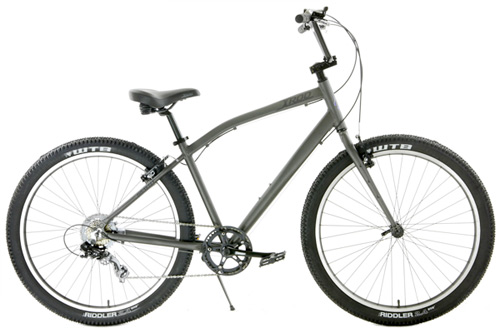
When it comes to climbing, your gears are your greatest allies. A well-chosen cassette can make the difference between powering up a hill or feeling like you’re towing a car.
For most riders tackling varied terrain, a cassette with a wide range, such as 11–34T or 11–36T, is ideal. These give you enough low-end options to spin up steep grades without grinding your knees into dust. Pair that with a compact or mid-compact crankset (like 50/34T), and you’ll have a setup that’s forgiving yet fast.
If you’re still finding your climbing legs, don’t be afraid of easier gears. Using your gears smartly isn’t a sign of weakness — it’s a sign of wisdom. The goal is to keep a sustainable cadence and conserve energy for when you really need it.
3. Standing vs. Sitting: When to Get Out of the Saddle
Ah, the great climbing debate — should you sit or stand? The truth is, both have their place.
Seated climbing is your go-to for longer ascents. It conserves energy and allows your large muscle groups (glutes and quads) to work efficiently. Keep your core engaged, shoulders relaxed, and hands light.
Standing climbs, on the other hand, are great for short bursts, powering through steep pitches or giving your muscles a change of engagement. When you rise, shift to a slightly harder gear to prevent “spinning out,” and let your bike sway naturally under you.
A good rule of thumb: stay seated 80% of the time and stand strategically when you need extra torque or relief.
4. Pacing for the Long Game: Don’t Blow Up Early
It’s easy to get caught up in the adrenaline of a climb — that urge to attack the hill, legs pumping like pistons, heart racing. But blow up early, and you’ll be crawling before the halfway mark.
Start every climb at a controlled pace, even if it feels too easy. Your heart rate will naturally rise as the grade steepens, so let your effort build gradually. The best climbers don’t sprint up; they flow up.
If you use a power meter, aim for 80–90% of your FTP (Functional Threshold Power) during longer climbs. Without one, rely on your breathing and perceived exertion. You should be able to talk in short sentences — if you’re gasping, you’re going too hard too soon.
5. Breathing: Your Built-In Performance Booster
Breathing might sound like the simplest part of riding, but when you’re pushing uphill, it becomes a powerful performance tool.
Instead of shallow chest breathing, focus on deep belly breathing, inhaling through your nose, expanding your diaphragm, and exhaling steadily through your mouth. This helps maximize oxygen intake, calm your heart rate, and keep your mind focused.
Here’s a cue: as you climb, imagine breathing down into your pedals. Each deep inhale fuels your legs; each exhale releases tension. Stay in rhythm — your breath, cadence, and effort should all flow together.
6. A Repeatable Climbing Workout to Build Strength and Endurance
Want to make climbing second nature? Here’s a simple, repeatable workout to train your body and mind for hills. You can do it indoors on a trainer or outdoors on your favorite local climb.
Workout: “The Hill Repeater”
- Warm-Up (10 minutes): Easy spin, gradually increasing cadence.
- Climb Set (4–6 rounds):
- 5 minutes climbing at moderate effort (75–80% effort, 75–85 RPM)
- 1 minute of standing climbing at harder effort (85–90%)
- 3 minutes easy recovery spin between rounds
- Cool Down (10 minutes): Gentle pedaling, light breathing, full relaxation.
This workout builds muscular endurance, improves pacing awareness, and teaches your body how to shift gears smoothly under load — all essentials for real-world climbs.
The Mental Game: Turning Hills Into Opportunities
At BikesDirect, we believe every rider deserves the tools to climb higher, ride farther, and enjoy every pedal stroke along the way. Whether you’re looking for hybrid bikes, mountain bikes, road bikes, gravel bikes, or fat bikes, we’ve got you covered with unbeatable prices.
Don’t just dream about conquering climbs — ride them with confidence, power, and style. Reach out now.