

“Future bicycle technology” often sounds abstract—AI this, IoT that. The most useful way to understand where hybrid bikes are headed is to ride it today. So we’re treating three smart, urban-focused e-bikes as living previews of the next five years and comparing them like products you can buy right now. You’ll see how connectivity, assist intelligence, safety systems, and serviceability translate into daily gains for commuting, errands, and weekend explorations—and what to expect in future bicycle technology.
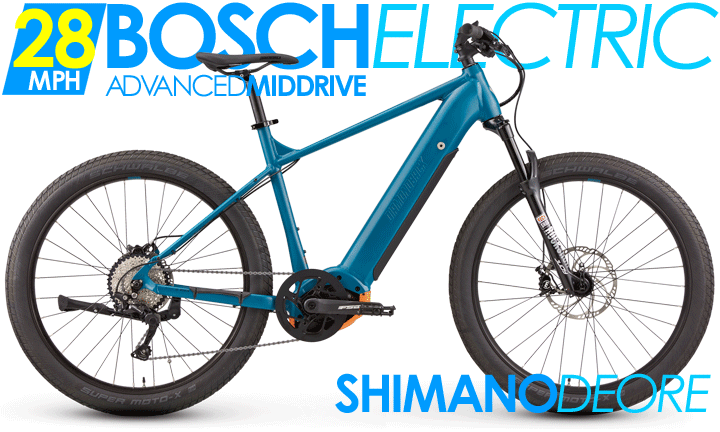
Our three reference points are the Diamondback Union 2, the Diamondback Union 1, and the Diamondback Response—three flavors of modern e-commuters that already embed the trends reshaping the category. Explore them here: Union 2, Union 1, and Response.
Assist intelligence: from “power on” to ride-aware support
The biggest shift in e-bike feel is how the motor chooses to help. Early systems were binary: tap the button, get a surge. Modern torque-sensing units read your pedal force dozens of times per second and blend in power so you still feel like you. On a route with rolling grades and traffic cues, that nuance is everything. The Union 2 and Union 1 focus on that calm, predictable ramp—no lurch off the line, no empty lag when you need to thread a gap. The Response takes the same principle into rougher, mixed-surface use, where seamless assist keeps your weight balanced over uneven patches rather than pitching you forward.
This ride-aware support is the foundation for the next wave—AI-assisted profiles that learn your habits. In the near term, expect “adaptive eco” modes that quietly stretch range on tailwinds or dial up support when you consistently arrive late to a meeting on Tuesdays. The hardware in these Diamondback platforms is already tuned for smooth blending; firmware is where future wins stack up.
Connectivity: batteries, diagnostics, and anti-theft that actually help
Connectivity has matured from novelty apps to useful tools. The obvious win is range confidence—knowing, not guessing, you’ll make it home. Union-series connectivity focuses on simple status you’ll check routinely: charge state, estimated range based on recent riding, and service reminders. The next step—already trickling into premium lines—is over-the-air updates for motor tuning and battery management. That will feel like your phone’s OS update, but with tangible ride effects: a smoother torque curve, smarter regen on long descents, or quicker wake-from-sleep at lights.
Anti-theft is growing up, too. Expect tighter integration with location services and tamper alerts that matter in busy bike racks. We’re already seeing “movement detected” pings and lockout features that render the assist unusable if a bike is powered without the owner’s credential. The Union and Response frameworks are designed to accept those integrations as the ecosystem standardizes.
Safety tech: brighter beams, better braking, smarter mounts
Progress in safety is incremental but compounding. Integrated lighting is moving toward automotive-style beam shaping: cutoffs that light the road without dazzling, and day-flash patterns that stand out against urban clutter. The Union models are lighting-ready by design; riders typically mount a compact, road-legit headlight and a high-placement rear. Over the next five years, expect DIN-style standards for brightness and patterns to spread from Europe, making “good” lights more consistent across brands.
Braking is already “the new normal”: hydraulic discs with consistent lever feel in rain and better pad compounds for longevity. The Response’s spec leans into that for mixed surfaces, where tire grip can vary by the meter. Combine predictable braking with bigger urban tires at honest pressures and you get the magic safety cocktail: shorter stops, straighter lines, and calmer hands.
Batteries: chemistry, longevity, and smart charging
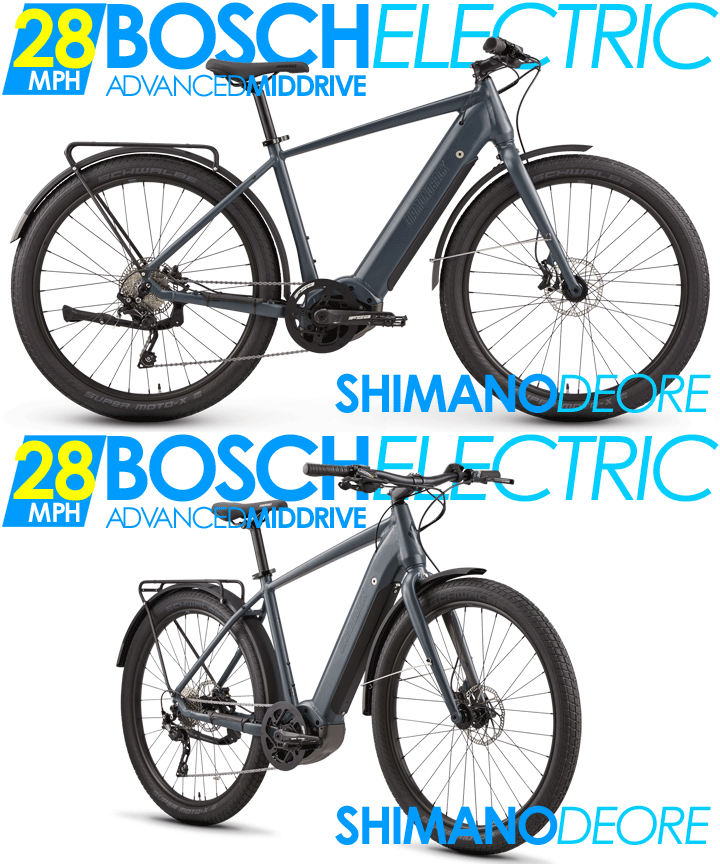
Battery gains are less about headline capacity and more about usable cycles and smarter management. The near-term future is improved cell chemistry paired with BMS logic that reduces stress: charging that slows at high percentages, storage modes that preserve health when you travel, and temperature-aware safeguards. For riders, this translates into multi-year reliability and fewer range surprises in winter. The Union 2 and Union 1 emphasize easy, routine charging workflows; the Response’s mixed-surface intent benefits from the same predictability when you stretch routes off pavement.
We expect “fleet thinking” to filter down—analytics that show you which assist modes, speeds, and stop patterns age your pack faster, then suggest tweaks. The hardware is there; software will surface those insights in plain language.
Drivetrains and maintenance: toward cleaner, quieter, easier
Another future-ready shift is the move from oily chains to belt drives and sealed gear hubs on more urban bikes. That change reduces weekly fuss, keeps pant legs clean, and pairs perfectly with e-assist torque. While our three Diamondback references use conventional drivetrains, the chassis decisions—frame stiffness, dropout design, hub spacing—are increasingly made with future upgradability in mind. Expect more commuter lines to add belt-ready frames, even when they ship with chains for price accessibility.
Digital maintenance is the wildcard. We’re already seeing simple service logs in companion apps. The next evolution is guided troubleshooting: “That click is likely pad rub; loosen caliper bolts, squeeze lever, retighten to X Nm.” For riders without a home workshop, that’s time back every month.
Frames, materials, and integration: lighter without fragility
Weight reductions will be real but modest; urban e-bikes prioritize durability. The bigger gains are where grams disappear—rotational mass and accessory sprawl. Expect slimmer, stiffer wheel builds and cleaner cable paths, with mounts that disappear when unused but accept racks, child seats, and fenders without creaks. Union-series frames already take this seriously: plenty of mounts, tidy routing, and geometry that stays predictable when you add cargo. The Response extends that thinking to harsher terrain, where a quiet bike becomes a safe bike because you can hear the city around you.
Which future fits which rider today?
Choose the Diamondback Union 2 if you want the most refined road-mannered assist and an urban package that feels “finished” now, with clear upgrade paths for lighting and software features as they arrive. Choose the Union 1 if your routes are shorter or flatter and you want the same predictability at a friendlier price; you still get the smooth torque-sensing ride and the daily-driver calm that makes e-commuting stick. Choose the Response if your city miles include rough connectors, canal paths, or steep cut-throughs; its stance and component picks are built for surfaces that change under you while the motor keeps your rhythm even.
How we expect the next five years to play out
- Assist gets more adaptive. The bike learns your week and quietly optimizes support to hit your arrival times with comfortable battery margin.
- Connectivity gets more useful. Over-the-air tweaks become routine; anti-theft blends alerts with genuine immobilization.
- Safety becomes standardized. Headlight cutoffs and day-flash norms make visibility less of a lottery; wet-brake performance converges upward.
- Maintenance gets guided. Apps turn anxious noises into simple, confidence-building fixes—or tell you exactly what to ask a mechanic.
- Urban spec shifts cleaner. Belts and hubs move downmarket; mounts and racks integrate better; tires get wider by default because comfort is control.
The future should feel calmer, not just faster
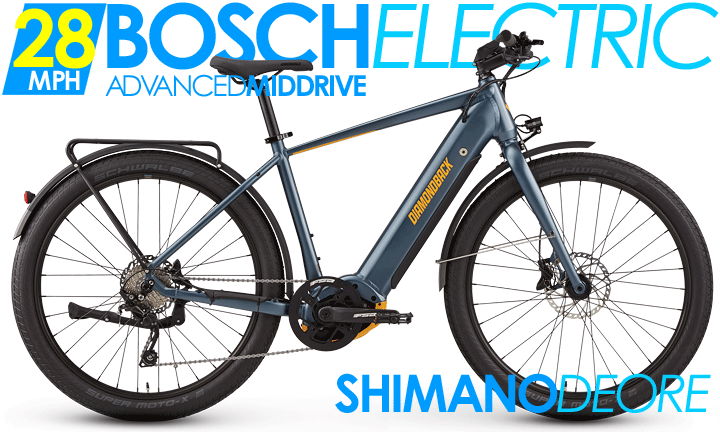
Good tech fades into the background and delivers reliable, predictable rides. That’s the through-line across Union 2, Union 1, and Response: smooth assist that respects your inputs, components chosen for real city surfaces, and frames prepared for accessories you’ll actually use. If you want help deciding which setup matches your streets, hills, and weekly range, we’ll map your routes to the right spec today and keep an eye on the upgrades that matter tomorrow. Tell us how you ride and what must never go wrong—launches at busy lights, rainy descents, late-evening returns—and we’ll build a shortlist that’s future-ready without future-shock. To compare sizes, features, and pricing side-by-side, contact our team and we’ll configure a hybrid bike or gravel bike that feels like tomorrow while solving your commute today.