


Most people don’t buy the wrong bike because they picked a bad brand; they buy the wrong bike because they picked the wrong category for their day-to-day riding. A bike that feels amazing on one surface can feel slow, harsh, or unstable on another. And once a bike feels like work instead of fun, it sits.
If you’re here because you searched for the types of bikes, we’ll make this simple and practical. In this guide, we’re going to match bike categories to real riding situations: commuting, fitness, weekend exploring, trails, and casual cruising, so you can choose with confidence.
To keep this easy to shop as you read, we’ll include links to our main categories and talk through what to look for (and what not to overthink). If you already know you want a pavement-focused bike, you can start browsing our Road bike category right away and use the sections below to narrow in on the best fit.
A fast decision framework that works for nearly everyone
Before we get into road vs. mountain vs. gravel, let’s zoom out. The best buyer’s guide isn’t a list of features; it’s a way to decide quickly based on your needs.
1) Surface: What will you ride most of the time?
Be honest here. Most of the time, daily surface matters more than the once-a-month adventure ride.
- Smooth pavement → efficiency and speed matter; narrower tires usually feel faster.
- Rough pavement + paths → comfort and stability move up the priority list.
- Dirt, roots, rocks, and real trails → traction and control become the whole game.
- Sand/ snow/ very loos terrain → you’ll want serious tire volume for float.
2) Goal: What does a great ride mean to you?
- Fitness & speed: you’ll enjoy a bike designed to reward effort.
- Comfort & easy miles: upright posture and stable handling keep you riding longer.
- Exploration: versatility matters; tire clearance, mounts, and confident handling on mixed surfaces.
- Utility: commuting and errands are smoother with practical features and predictable steering.
3) Posture: How upright do you want to sit?
This is one of the biggest differences between categories.
- More forward: can be efficient and fast, especially over distance.
- More upright: often feels more natural for casual riding, commuting, and city routes.
Neither is better. The best posture is the one you’ll happily ride for an hour.
4) Tolerance for maintenance and tinkering
More complex setups can mean more fine-tuning over time. Many riders love that and enjoy dialing in their bike. Others want simple, reliable, and low-fuss. There’s no right answer; only what fits you.
5) Where your budget makes the biggest difference
If you’re trying to get the best ride quality per dollar, prioritize:
- braking confidence
- drivetrain feel (shift quality + useful gearing)
- wheels and tires (comfort and traction live here)
Now, let’s apply this to the categories you’ll see most often.
Road bikes: fast, efficient, and made for pavement
A road bike is the category built to cover distance efficiently. The geometry is designed to translate your effort into speed. Tires are typically narrower than other categories, and the position is often more forward-leaning for aerodynamic efficiency and power transfer.
If most of your rides revolve around pavement, fitness loops, longer weekend rides, group rides, or distance goals, this is where to start: Road bike.
What to look for in a road bike (without overcomplicating it)
Fit and comfort come first. A road bike that’s a little more relaxed can be a better everyday choice than an ultra-aggressive setup, especially if you’re newer to the category or you’re planning longer rides.
Gearing should match your terrain. If you’ve got hills, you’ll want enough low gears to keep climbs enjoyable. Riders often regret too tall gearing more than they regret a little extra range.
Don’t obsess over tiny weight differences. It’s easy to get pulled into grams. In practice, fit, tire choice, and your route choice matter more.
When a road bike isn’t the best fit
If your local roads are broken up, you ride mixed-use paths a lot, or you want to leave pavement whenever curiosity strikes, you may be happier on a gravel bike or a hybrid. You’ll give up a little pure-road speed, but you’ll often gain comfort and confidence.
Mountain bikes: control, traction, and confidence off-road
Mountain bikes are designed for terrain where traction and stability matter more than aerodynamics. They’re built to handle uneven surfaces; dirt, rocks, roots, and steep grades; and they’re tuned to keep you in control when trails get rough.
If trails, parks, and off-road routes are your main priority, browse here: Mountain bike.
Hardtail vs. full suspension: the difference you’ll feel immediately
Hardtail (front suspension, rigid rear)
- Often feels efficient when climbing
- Typically simpler and lighter
- Great for smoother trails, mixed terrain, and riders who want a responsive ride feel
Full suspension (front + rear suspension)
- Often feels more controlled on rough trails
- Can reduce fatigue and increase comfort on longer rides
- Helps keep traction when the ground gets choppy and unpredictable
If you ride terrain that regularly beats you up, or if you’re building confidence and want a bike that feels more forgiving, full suspension can be a real quality-of-life upgrade.
A practical full-suspension example: Gravity FSX 1.0 Advent26 1BY
When riders are trying to understand what full suspension actually changes, we like pointing to a straightforward trail-ready option as a reference point. The Gravity FSX 1.0 Advent26 1BY is a great example of the kind of bike that can make rougher routes feel smoother and more controllable, especially for riders who want more comfort and traction without jumping straight into a premium price bracket.
The key takeaway isn’t that full suspension is always better. It’s that full suspension can make trail riding more approachable and less punishing, which usually means you ride more and progress faster.
Key mountain-bike comparisons that actually matter
Wheel size and stability
Larger wheels can feel steadier over obstacles and carry momentum well. Smaller wheels can feel more agile and playful. Neither is a universal win; the best choice depends on your trails and your preferences.
Tire width and tread
Tires do a lot of work. If you want more confidence, look at the tire setup before you get lost in marketing terms.
What kind of trails are you riding?
Smooth flow trails, rocky technical trails, steep descents, and mixed terrain all ask for different priorities. Choose the bike that matches the riding you’ll do next weekend, not the riding you might do someday.
Gravel bikes: the one-bike answer for mixed surfaces
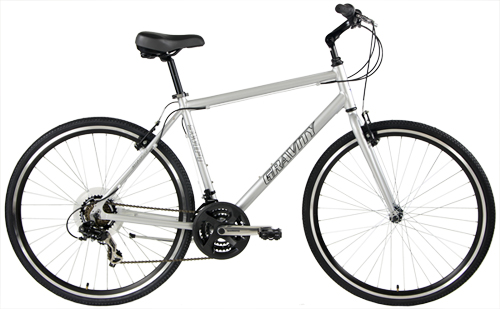
Gravel bikes are built for riders who want versatility without giving up the ability to cover distance efficiently. They’re designed to feel stable on mixed terrain, accept wider tires than most road bikes, and stay comfortable over longer rides, especially when the pavement turns rough, or you decide to explore a dirt road just to see where it goes.
If your riding includes rough pavement, rail trails, dirt roads, or a blend of everything, start here: Gravel bike.
Why gravel feels different from road (in a good way)
Tire clearance and comfort
Wider tires can add comfort and stability on surfaces that would feel harsh on narrower road setups.
Stable handling
Many gravel designs prioritize predictable steering and composure on loose terrain.
Practical versatility
Gravel bikes are often chosen by riders who want one bike that can handle weekday fitness rides and weekend adventure routes without needing a separate specialized bike for every scenario.
And when riders ask for types of bikes explained, gravel is often the category that unlocks the decision, because it bridges the gap between fast pavement riding and confident mixed-surface exploring.
A comfort-focused option worth knowing about: Windsor Dover 1.0
Not every rider wants a forward-leaning posture. Some riders care most about stable handling, comfort, and day-to-day practicality, and that’s where comfort-leaning builds can shine.
The Windsor Dover 1.0 is a great example of a bike that fits into real-life riding; the kind of routes that mix neighborhoods, paths, and imperfect pavement where comfort and confidence matter more than chasing top speed. If your goal is to ride more often, feel steady, and keep things enjoyable, this style of bike can be an excellent match.
Hybrid bikes: the everyday sweet spot for fitness, commuting, and comfort
If you want one bike that feels natural right away, and doesn’t demand you dress like a cyclist to enjoy it, a hybrid is often the easiest win. Hybrids blend an efficient pedaling position with a more upright posture and stable handling, which is why so many riders end up happiest here long-term.
You can browse our hybrid selection here: Hybrid bike.
Who a hybrid is perfect for
A hybrid is a great fit if your rides look like:
- paved paths, greenways, and bike lanes
- neighborhood loops and casual fitness rides
- commuting to work or school
- errands where you want stable handling and easy starts/stops
- mixed real-world pavement (cracks, rough patches, less-than-perfect surfaces)
Hybrids also shine for riders who value comfort and confidence over outright speed. You may not win a sprint against a dedicated road setup, but you’ll likely ride more often and enjoy it more, because the bike feels friendly instead of demanding.
What to look for in a hybrid (the stuff you’ll actually notice)
1) Fit and posture
Hybrids are typically more upright than road bikes, which can be easier on your neck, shoulders, and hands, especially if you’re returning to cycling after a break.
2) Tire width and ride feel
Moderately wider tires can make rough pavement feel smoother. If your routes include bumpy paths or city streets, this matters more than most people expect.
3) Gearing that matches your area
If you’ve got hills, you’ll want low gears you can actually use. If you’re mostly flat, simpler gearing can be perfectly satisfying.
4) Brakes you trust
The best brakes are the ones that feel consistent and predictable for your conditions, especially if you’ll ride in traffic, in wet weather, or on descents.
Two real-world hybrid examples from our lineup
If you want a capable, straightforward bike for paths, commuting, and daily miles, the Gravity Swift DLX24 is an excellent do a bit of everything option. It’s the kind of hybrid we recommend to riders who want a stable ride, practical ergonomics, and an easy setup that supports regular use; fitness rides during the week, longer path rides on the weekend, and the occasional errand without fuss.
If comfort is the priority, and you want a ride that stays calm and steady on imperfect pavement, the Windsor Rover 2.0 is a great match. Riders often gravitate toward this style when they want more upright confidence and a just-feels-right posture for everyday riding.
Hybrid vs. gravel vs. road: choosing the right pavement-plus bike
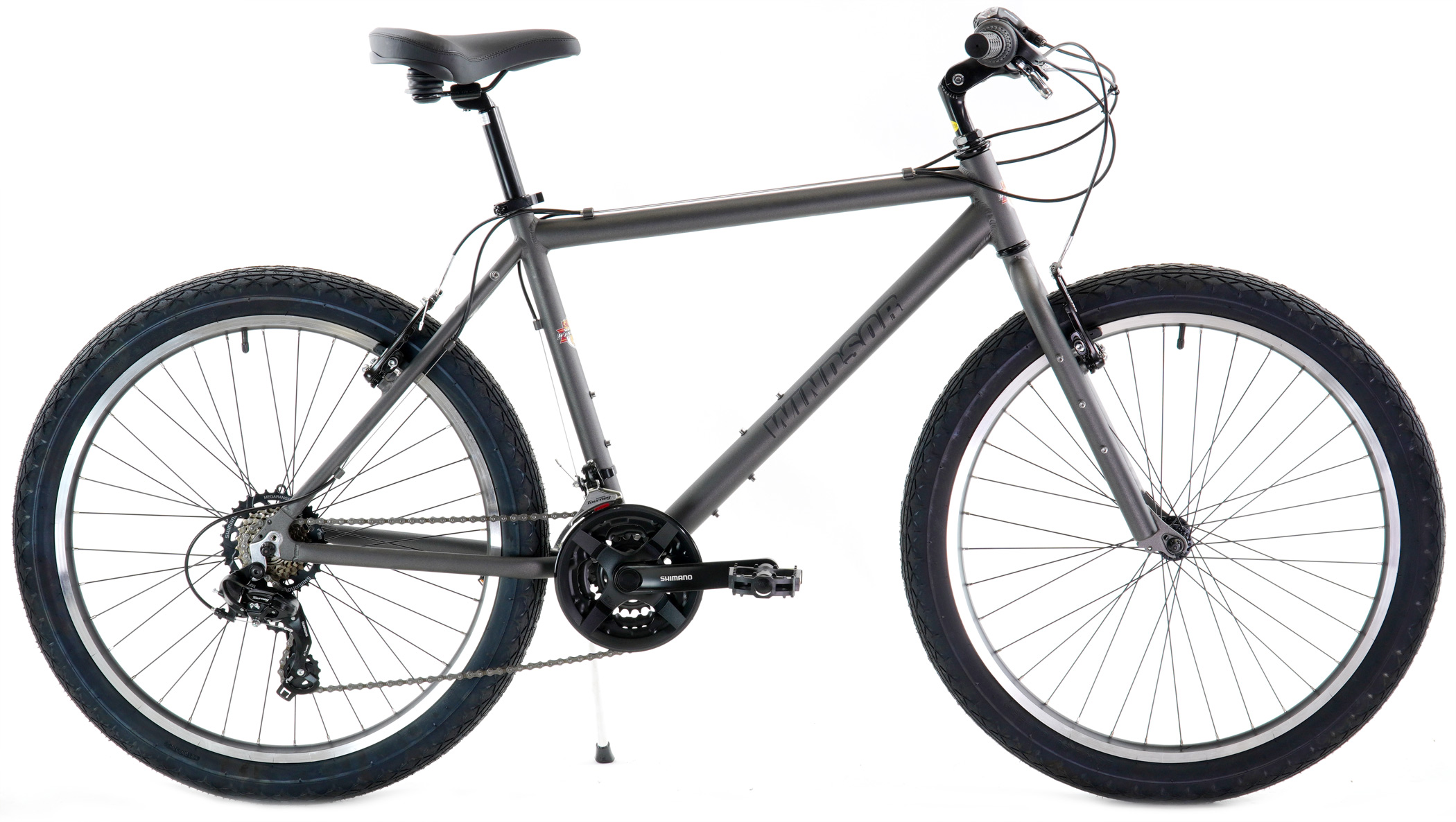
A lot of riders get stuck here: they mostly ride the pavement, but they don’t want to feel limited. The good news is you don’t need to overthink it; just match the bike to how you actually ride.
Choose a hybrid if…
- want upright comfort and predictable handling
- ride in traffic, around neighborhoods, or on mixed paths
- value ease of use and stability more than top-end speed
- want a bike that feels approachable from the first ride
Choose a gravel bike if…
- routes regularly include rough pavement, dirt roads, or rail trails
- like the idea of exploring beyond the pavement without committing to a mountain bike
- want one bike that can do a lot while still feeling efficient
Choose a road bike if…
- rides are primarily smooth pavement, and you care about speed and distance efficiency
- enjoy a more forward riding position
- want a bike built to reward effort over longer miles
The decision often comes down to posture and surface: more upright and practical points toward hybrid; more mixed surfaces and longer distance exploring points toward gravel; smooth pavement and speed goals toward road.
Cruisers: comfort-first riding for relaxed fun
Cruisers are exactly what they sound like: simple, comfortable bikes built for enjoying the ride. They’re ideal when you care more about comfort, style, and easy miles than you care about speed or technical performance.
Start here if that’s your vibe: Beach cruiser.
Why cruisers feel so good for casual riding
Upright posture
Cruisers typically put you in a relaxed position that feels intuitive; great for sightseeing, neighborhood rides, and short errands.
Stable steering
They’re designed to feel calm and steady at casual speeds.
Simplicity
Many cruiser setups keep things straightforward, which can be appealing if you’re not looking for a project bike.
When a cruiser is the best choice
Cruisers are a great fit if:
- ride mostly flat terrain
- ou want short-to-medium casual rides
- want something comfortable and easy to hop on
- ou’re riding boardwalks, beach paths, and neighborhoods
When a cruiser is not the best choice
If your area is hilly, or you want longer fitness rides where efficiency matters, you may be happier on a hybrid or gravel setup. Cruisers can absolutely be ridden beyond short rides, but they’re happiest when the goal is relaxed comfort.
Fat bikes: traction and float for sand, snow, and loose terrain
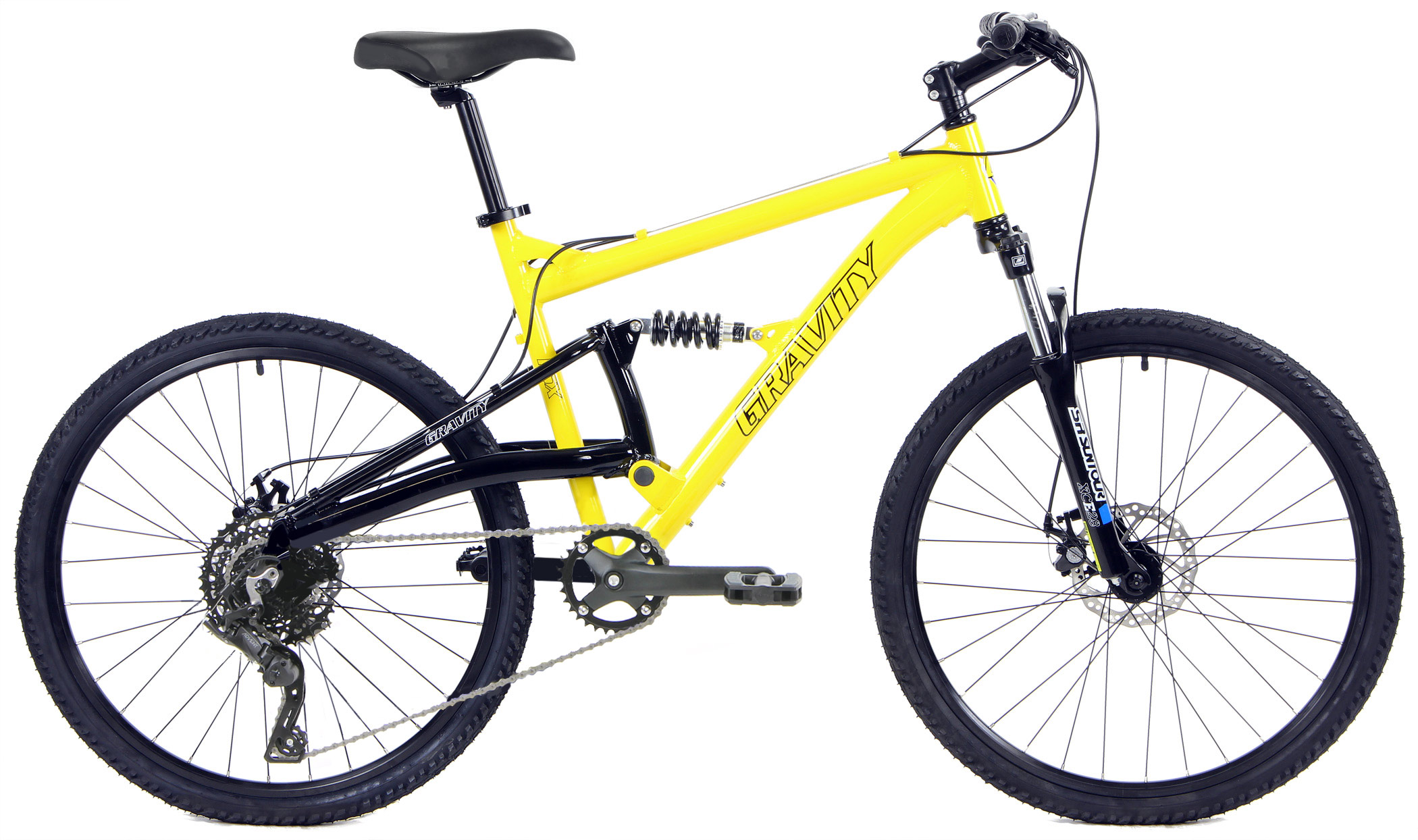
Fat bikes are built for conditions where typical tires struggle. They use very wide tires at relatively low pressures to create float, helping you stay on top of soft, loose surfaces like sand or snow.
Browse the category here: Fat bike.
What fat bikes are best at
Sand and snow
This is the classic fat-bike use case. The wide tires help you keep momentum where other bikes sink or spin out.
Loose and rugged terrain
They can be extremely confidence-inspiring on unpredictable surfaces.
Comfort through tire volume
Even when you’re not on sand or snow, the tire volume can feel cushy and stable; though it’s not the same as suspension, and it comes with tradeoffs (more rolling resistance on pavement).
The tradeoffs to know before you choose one
Fat bikes can be amazing, but they aren’t a universal upgrade.
- On pavement, they often feel slower than a hybrid or gravel bike because the tires create more resistance.
- They can be heavier and more tractor-like, which many riders love off-road, but not everyone wants them day to day.
If your riding includes true sand/snow seasons or consistently loose terrain, a fat bike can be the perfect tool. If most of your riding is pavement and paths, you’ll usually get more everyday enjoyment from a hybrid or gravel setup.
A quick match your ride cheat sheet
If you want a simple way to sanity-check your choice, use this:
- Mostly pavement, fitness goals, longer distances → road bike
- Mostly pavement + paths + commuting + comfort → hybrid bike
- Pavement plus mixed-surface exploring → gravel bike
- Real trails: dirt, rocks, roots, technical terrain → mountain bike
- Relaxed short rides and comfort-first fun → cruiser
- Sand/snow/loose terrain priority → fat bike
This cheat sheet is simple on purpose. Most people don’t need more complexity than that to choose well.
Fit, sizing, and a first-ride setup checklist
You can pick the perfect category and still end up frustrated if the fit is off. Fit is what turns good on paper into I can’t wait to ride it again.
Fit basics that matter immediately
1) Standover and confidence
You should be able to stand over the bike comfortably when stopped. Confidence at stops is a big part of how enjoyable a bike feels.
2) Reach (how stretched you feel)
If you feel like you’re reaching too far to the handlebars, you’ll feel it in your shoulders, neck, and hands. A slightly shorter reach often makes riding dramatically more comfortable.
3) Saddle height (the biggest performance/comfort lever)
A too-low saddle can make your knees and quads work harder than they should. A too-high saddle can cause hip rocking and discomfort. Getting this close to right makes a massive difference.
4) Handlebar height and angle
Small adjustments can change wrist comfort and reduce pressure on your hands. If you’ve ever gotten numb hands, this matters.
First-ride setup checklist (simple and practical)
Before your first longer ride, do a quick confidence lap and a few checks:
- Tires: Inflate to an appropriate pressure (use the sidewall range as your guide).
- Brakes: Test braking at slow speed and confirm the levers feel firm and consistent.
- Shifting: Shift through gears on a short ride and confirm it’s smooth.
- Bolts: Confirm key areas are snug (handlebar/stem, seatpost, pedals).
- Comfort: After 10–15 minutes, reassess: Is the saddle height right? Are you reaching too far? Do your wrists feel natural?
If something feels off, it’s usually fixable with small adjustments. Getting the setup right early makes the whole experience better.
How to avoid the most common category mistakes
A few patterns show up again and again. Avoid these, and you’ll save yourself time and frustration:
Mistake 1: Buying for the someday ride instead of the weekly ride
If you ride paved paths every week and do trails twice a year, buy for the paved paths. The right bike for your weekly ride is the bike that will actually get used.
Mistake 2: Overbuying complexity
You don’t need advanced features to have fun or get fit. In many cases, a simpler, well-matched bike rides better day to day than a more complex bike that doesn’t fit your riding style.
Mistake 3: Ignoring posture preferences
If you want upright comfort, don’t talk yourself into a more aggressive posture because it sounds faster. Comfort is what keeps you riding.
Mistake 4: Underestimating tires
Tires influence comfort and confidence more than most people expect. The right tire for your terrain often matters more than tiny frame differences.
Choose with confidence, and get a bike you’ll actually ride
The best category choice is the one that matches your routes, your comfort preferences, and your goals. When you choose that way, riding becomes easier, more fun, and more consistent, because the bike feels like it belongs in your life.
If you came here looking for types of bikes explained, remember this: road bikes reward efficiency on pavement, mountain bikes deliver control on real trails, gravel bikes bridge surfaces for exploring, hybrids balance comfort and practicality, cruisers prioritize relaxed fun, and fat bikes unlock sand and snow.
At BikesDirect, we’ve built our categories so you can shop clearly, compare real specs, and find the best value for the way you ride. And if you’re still narrowing it down, revisiting types of bikes explained through the lens of your terrain and posture preference is one of the fastest ways to land on the right bike without second-guessing yourself.
If you’d like help choosing a category, picking the right size, or comparing models, please contact us here.