

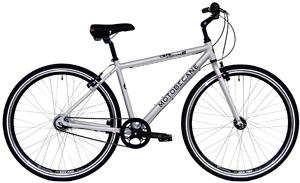
That first moment matters. You hop on, push off, and your brain instantly decides whether the bike feels calm or unpredictable. For new riders and returning riders, that first 30 seconds can decide whether cycling becomes a habit or a headache.
The good news is that this feeling is not random. A bike that feels steady usually has design traits that support balance and reduce surprises. If you are shopping for stable bikes for beginners, you can look for a few signals that predict how the bike will behave before you ever worry about upgrades.
A great starting point is choosing a category built for everyday handling, like a hybrid bike, where fit and stability are often prioritized over aggressive posture.
What your body notices before you can explain it
When you push off, your body starts collecting data:
- How often you need to correct the steering
- Whether the bike tracks straight or wanders
- How planted the front wheel feels in a turn
- Whether your hands feel relaxed or tense
If you have to constantly correct your line, the bike feels twitchy. If it naturally holds a direction and responds smoothly, it feels reassuring. Beginners often assume they just need more skill. In reality, a lot of that sensation comes from geometry and fit.
Stability comes from geometry, not luck
Two bikes can look similar and feel completely different. That difference is usually baked into the frame design.
A longer wheelbase generally feels steadier because it resists quick pitching and yawing. Steering geometry also matters. Many comfortable, all-around bikes use design choices that create a calmer steering feel. For a beginner, that reduces the sensation that the front wheel wants to dart around.
Fit matters just as much. If the reach is too long, you end up bracing with your arms, and every bump turns into a steering input. With stable bikes for beginners, a slightly more upright posture helps because your weight is centered and your hands are not fighting the bars.
Contact points can make a steady bike feel shaky
Even a stable frame can feel wrong if the contact points are off.
Handlebar width and shape influence leverage. Wider bars can feel more controllable, especially on imperfect pavement. Bar height changes how much weight lands on your hands. If the bars are too low, you shift forward and the steering can feel overly sensitive.
Saddle position plays a role too. If you are too far back, you may feel light on the front wheel. Too far forward, and your hands carry more load.
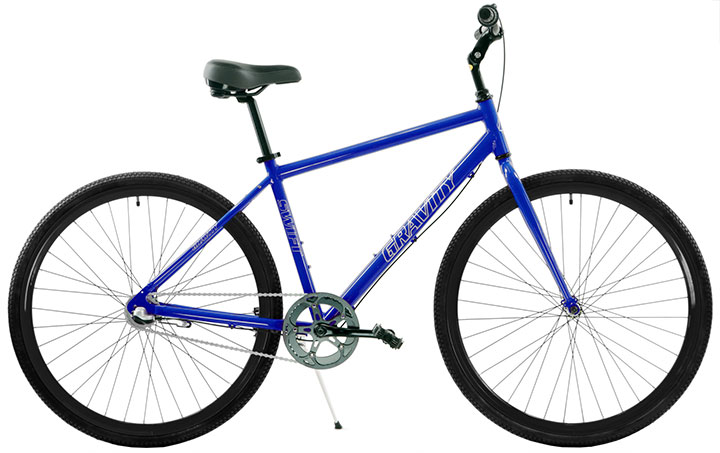
A practical way to shop is to look at bikes designed for easy posture adjustment. The Gravity Swift3 is one example of a practical, everyday setup built for straightforward handling and comfort-focused riding.
Tires are the secret confidence booster
Tires are where the bike meets the world, and they shape your first impression more than most people expect.
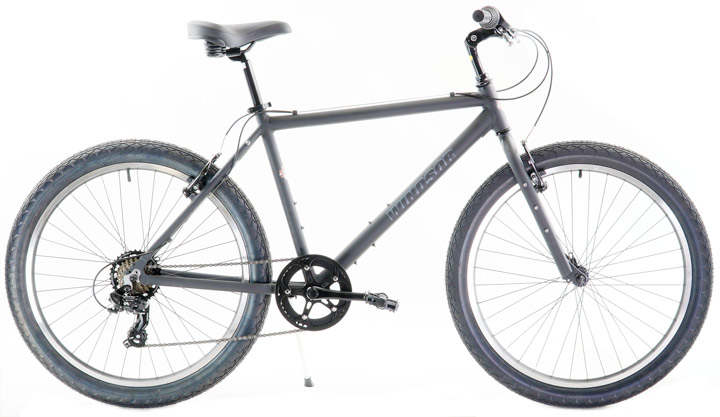
Wider tires at appropriate pressure can smooth vibrations and increase grip. That grip makes starts, stops, and turns feel more predictable. If your routes include rough pavement, bike paths, or mixed surfaces, tire choice can be the difference between feeling in control and feeling nervous.
This is one reason a bike like the Windsor Dover X7 tends to feel friendly for a wide range of riders, especially when road conditions are less than perfect.
The first-ride checklist that works
Before you overthink specs, use a simple test mindset. On your first push-off, ask yourself:
- Can I keep my grip light?
- Can I look ahead without straining my neck?
- Does the bike track straight when I relax my shoulders?
- Do turns feel smooth, not sudden?
If the answer is yes, you are probably on a bike designed to feel stable early.
If you want a fitness-oriented option that still leans into predictable handling, a flat-bar commuter style like the Motobecane Cafe Express 8 can be a strong match for riders who want a familiar, confidence-forward feel.
Why stability matters more than speed early on
Beginners do not need the sharpest handling. They need a bike that forgives small mistakes and rewards relaxed posture. Stability helps you learn faster because you are not spending mental energy correcting the bike every second.
As your skill grows, you might decide you want a quicker feel. But starting with stable bikes for beginners lets you build comfort and confidence first. Once cycling feels natural, you can decide whether your next bike should be faster, lighter, or more specialized.
Confidence is a feature you can choose
If your first moments on a bike feel calm, you are more likely to ride again. That is why we point new riders toward designs that make stable bikes for beginners a reality through fit, geometry, and sensible tires. A bike that feels right quickly is not a luxury, it is the foundation for consistency.
We stock a wide range of bikes for different goals, including road bikes models, mountain bike builds, a versatile gravel bike lineup, relaxed beach cruiser options, practical hybrid bike choices, and go-anywhere fat bike designs. If you want help narrowing it down, please contact us.