

Most riders do not quit because they are not tough enough. They quit because their bike quietly makes every ride feel like a small penalty.
It starts innocent. A short spin after work. A weekend loop. Then the aches show up. Wrists feel loaded. Neck gets tight. Lower back complains when you stand up after the ride. You tell yourself you just need to get used to it. But the next ride feels the same. Within a month, the bike becomes a garage decoration.
If that sounds familiar, you are not alone. And the fix is often simpler than training plans or fancy components: ride a bike built for the way most people actually ride. A properly fit upright riding bike style setup takes pressure off your hands, opens your hips, and lets you look forward without craning your neck. That is why comfort-focused designs like a hybrid bike or relaxed city builds keep more riders consistent.
The discomfort nobody budgets for
When people shop, they compare gears, frame materials, and weight. Comfort gets treated like a bonus, something you solve later with a softer saddle. But discomfort is a compounding cost. It turns a 45 minute ride into a countdown to relief.
The tricky part is that early discomfort is easy to dismiss. You might feel fine for the first 15 minutes, then start shifting your hands on the bars, scooting on the seat, or rolling your shoulders to find relief. That constant micro-adjusting is your body telling you the bike is asking for a posture you cannot comfortably hold.
If your goal is riding more often, not racing a clock, the true upgrade is the one that makes you want to ride tomorrow.
Why aggressive geometry feels fast but drains real-world riders
A more aggressive setup can feel exciting at first. You are leaned forward, your body is low, and the bike may respond quickly to small inputs. That can be a great experience when you are trained, flexible, and purposely riding in a performance posture like many people do on a road bike.
But day-to-day riding is different. You are scanning traffic, checking for cracks and potholes, turning your head to stay aware, maybe carrying a small bag, maybe wearing regular clothes. Aggressive reach and bar drop tend to shift your weight forward. That weight ends up on your hands, which can irritate wrists and shoulders. Your neck must extend more to keep your eyes forward. Your hips stay more closed, which can feel tight when you are not warmed up.
A quick self-check: while riding, can you relax your grip and keep your elbows soft, or do you feel like you are holding yourself up? If you are constantly supporting your upper body with your arms, it is not a willpower issue. It is a design and fit issue.
What changes when your posture becomes upright
An upright posture is not about being slow. It is about being sustainable.
When your bars are higher and closer, your torso angle becomes more neutral. Your hips sit in a position that many adults can hold comfortably for longer periods. Less weight pushes onto your hands. You can breathe and look around more easily. Your steering inputs also tend to feel calmer because you are not perched as far forward.
That is why comfort-forward bikes feel inviting right away. A true upright riding bike experience is built around geometry first, not padding. It is the difference between enduring a ride and enjoying it.
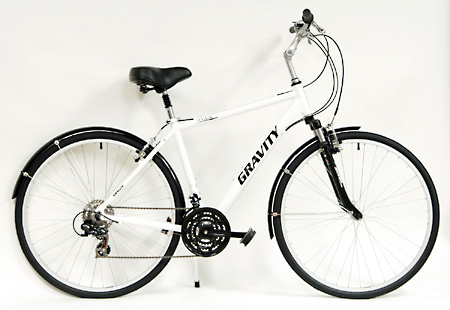
If you want a clear example of this approach, look at bikes designed specifically for relaxed posture and everyday surfaces, like the Gravity Dutch, which is built around comfort features and an adjustable riding position.
Comfort is a system, not a seat
Seats matter, but they are the last step, not the first. Comfort comes from how your whole body stacks over the bike.
Three design choices do most of the heavy lifting:
- Geometry that reduces reach so your arms are not acting like support beams
- Tires with enough volume to smooth rough pavement and bike paths
- Contact points that match posture so you are not fighting the bike every minute
A comfort design often pairs a taller front end with sensible steering. It favors stability over twitchiness. It assumes you will ride on imperfect surfaces, not glass-smooth training roads.
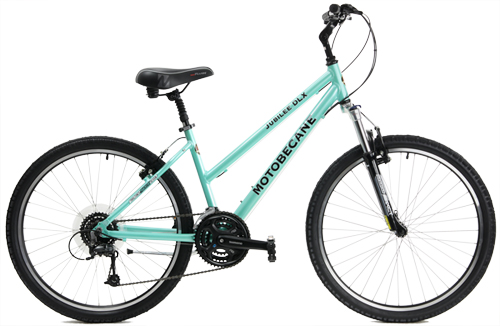
A great illustration of comfort-first thinking is the Motobecane Jubilee Deluxe, which is built for relaxed cruising and longer neighborhood rides where comfort matters more than a sprint finish.
The everyday bikes that keep people riding
Riders who stick with cycling usually find a bike that fits their life, not a bike that looks fast on paper.
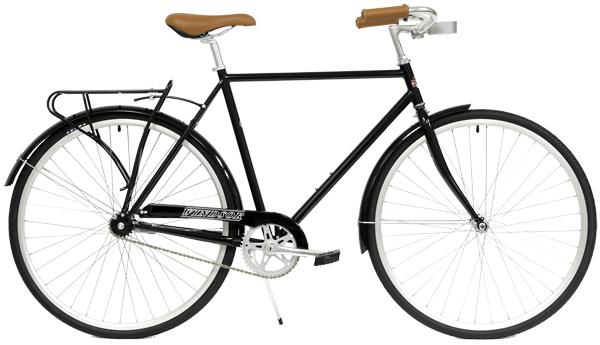
For commuting and errands, city-style bikes tend to be friendly because the fit is natural and the handling is predictable. A bike like the Windsor Essex Deluxe leans into practicality and an upright stance that works well for stop-and-go riding.
For fitness rides on mixed pavement, a hybrid bike can be the sweet spot: efficient enough to cover ground, relaxed enough to stay comfortable. If you spend time on paths or bumpy roads, a bit more tire volume can transform how you feel after an hour.
For pure relaxation, a beach cruiser style ride makes sense when the goal is comfort and fun, not speed. If you have ever ridden along a boardwalk or through a neighborhood at an easy pace, you already understand why these bikes have loyal fans.
Comfort is the performance upgrade most riders need
If you only ride once a week because your bike beats you up, then shaving weight or adding gears will not change your habits. If you ride four times a week because your bike feels good, your fitness improves, your confidence grows, and your speed climbs naturally.
That is why we encourage riders to treat comfort as a performance decision. In the real world, a bike that feels good is the bike you ride.
Ride more, enjoy more, then upgrade what matters
When you choose a bike built around upright riding bike comfort, you are not settling. You are choosing the setup that supports consistency. And consistency is what makes cycling feel better over time. If your current bike leaves you sore, switching to a true upright riding bike posture can be the change that brings riding back into your week.
We keep a wide range of bikes designed for real-world riding, including road bike options for speed, mountain bike builds for trails, a capable gravel bike selection for mixed surfaces, laid-back beach cruiser styles, practical hybrid bike choices, and adventure-ready fat bike models. If you want help picking the right fit, please contact us.