

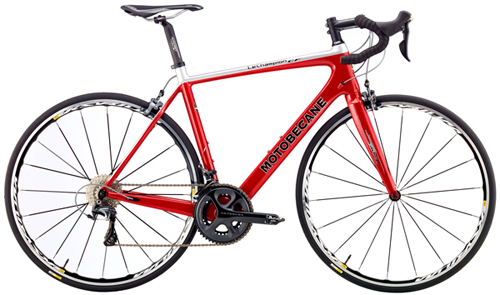
Carbon wheels used to be pro-only, an exotic upgrade reserved for WorldTour budgets and wind tunnel daydreams. In 2025, prices and technology have moved the goalposts. What used to be a rarefied leap is now an achievable, high-impact upgrade for many riders, if you understand what carbon actually changes on the road, path, or gravel loop. We’ll translate lab concepts into felt improvements, address the biggest myths around durability and braking, explain how tire width and pressure tie the whole system together, and give clear scenarios where the value adds up, or doesn’t.
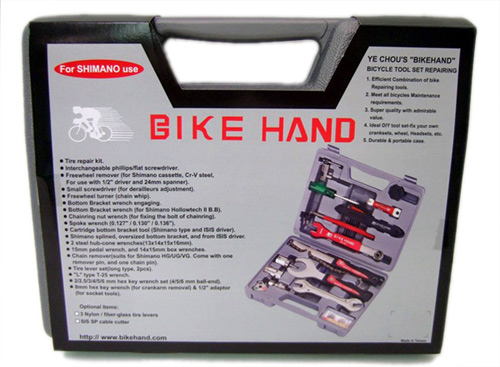
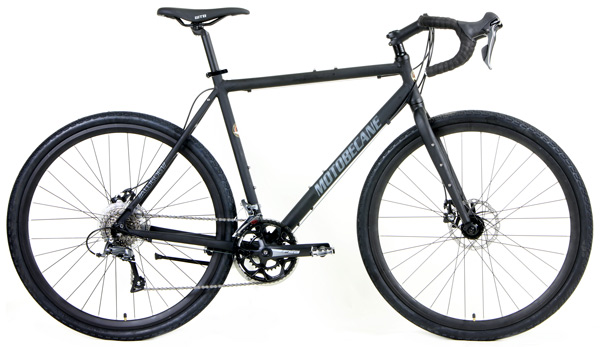
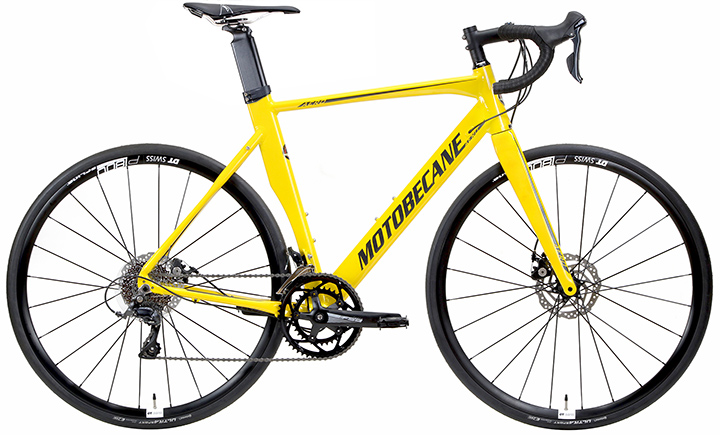
Along the way, we’ll point to complete bikes in our range that show how carbon rims, wide tubeless tires, and modern frames amplify one another: the quick, all-day smooth Le Champion CF LTD, the push-button precision of the Immortal Disc Team Di2, the speed-holding Fast Aero Road Elite Disc, and the classically versatile Gravel X3 Disc. We’ll also flag a simple toolkit that makes owning nicer wheels painless, the compact, do-it-right Essential Tool Kit.
What Carbon Wheels Change, In Plain Language
On the bike, you feel four main things when you swap from basic alloy to well-designed carbon: how easily the wheel holds speed, how calm it feels over rough surfaces, how predictably it behaves in crosswinds, and how precisely it corners and tracks under load. The physics behind each sensation has a jargon term, aerodynamics, vertical compliance, side-force stability, lateral stiffness, but your body translates them as steadier speed at lower effort, fewer “buzz” fatigue signals from your hands and shoulders, less twitchiness when wind hits, and sharper lines through turns.
Holding speed. Deep-section carbon rims, even in moderate depths, reduce the energy you lose to disturbed air. The effect is most obvious in the 18–25 mph range on open roads, but commuters and fitness riders feel it, too, because real-world riding strings together hundreds of short accelerations from 12 to 20 mph. Better aero doesn’t just make a fast section faster, it makes the whole ride quieter in your legs. That means you start the last miles with more charge in the battery, whether your finish line is a café, office, or town-line sprint.
Calming rough surfaces. Carbon’s internal layup lets designers tune how the rim flexes vertically. Paired with modern 28–32 mm road tires or 38–45 mm gravel tires at sensible pressures, a good carbon wheel takes the harsh edges off chipseal, seams, and washboard. You don’t float like on a suspension fork, but your nervous system stops bracing for chatter. You feel fresh longer and corner with less white-knuckle grip because the tire stays planted.
Crosswind manners. Old deep wheels shoved you around. Modern rim shapes aim to turn gusts into gentle nudges instead of yanks by controlling how air reattaches around the rim. You still feel wind, physics hasn’t retired, but the steering inputs are smaller and slower. Riders who once swore off deep rims for windy corridors often discover they can run a moderate depth daily with zero drama.
Tracking and cornering. Lateral stiffness keeps the bike feeling laser-guided when you load the front through a sweeping bend or stand to punch over a rise. The front wheel, especially, steers where your eyes go. With carbon, that connection tightens without turning harsh. Confidence goes up, micro-corrections go down, and speed sneaks higher with no extra risk.
Weight and Inertia: Why “Lighter” Isn’t the Whole Story
Everyone knows carbon can be lighter, but the bigger everyday gain comes from where you save weight: the rotating mass at the rim and tire. Reducing mass far from the hub lowers rotational inertia, so the wheel spins up with less effort and changes speed more willingly. The effect is clear in stop-start riding, short hills, and rolling terrain. Paradoxically, a slightly heavier but more aerodynamic carbon wheel can still beat a lighter shallow alloy wheel on most real routes, because air drag dominates once you’re moving. It’s not a binary; the best modern carbon sets find a sweet spot of low inertia and useful aero with strong side-wind manners.
Tires, Pressure, and Tubeless: The System That Makes Carbon Sing
Wheels don’t roll in isolation. The rim profile, internal width, and tire choice form a system. Mount a too-narrow, overinflated tire on a deep rim and you’ll lose much of the comfort and traction you paid for; mount a good-volume tire at realistic pressure and everything clicks.
Road and endurance. On the road, 28–32 mm tires at lower pressures than you’d have run five years ago provide lower rolling resistance on imperfect pavement and far better comfort. A bike like our Le Champion CF LTD is built around that reality: carbon frame calmness, disc braking for wet-weather control, and room for modern tire sizes that turn carbon wheels from “race day only” to “every ride.” If you prefer a more race-adjacent posture and tempo-friendly geometry, the Fast Aero Road Elite Disc shows how an aero-leaning platform pairs with deep carbon to hold speed between turns.
Gravel and mixed surfaces. For gravel, internal rim widths that let a 38–45 mm tire take a round, supported shape at 30–45 PSI transform washboard and marbles from “hang on” into “choose your line.” That’s why a capable all-road like the Gravel X3 Disc is such a natural stepping stone; even with alloy wheels out of the box, its geometry and clearance make it carbon-upgrade ready when you want to add snap without sacrificing comfort.
Tubeless. Going tubeless is the single best complement to carbon wheels. You can run safer, lower pressures without pinch flats, and sealant quietly saves your ride by closing micro punctures you’d never even notice. The “speed + calm” combination is addictive in the best way.
Braking and Heat: Disc Brakes Changed the Conversation
Rim-brake carbon once had a real weakness: heat build-up under prolonged braking on long descents. Modern resins improved things, but disc brakes largely solve the problem by moving braking away from the rim entirely. Heat goes into a rotor designed to shed it, pad compounds are consistent in wet and dry, and carbon rims are free to focus on aero, stiffness, and compliance rather than brake heat. For riders in rainy cities, this is a quiet revolution; you get predictable stops and a much bigger wheel design envelope. That’s part of why bikes like the Immortal Disc Team Di2 feel so composed in foul weather: carbon frame smoothness, disc brake control, and the option to pair with deep, well-mannered carbon rims without brake-track compromises.
Durability Myths vs. Reality
Two myths dominate: that carbon shatters easily, and that one pothole will write off an expensive wheel. The reality is more nuanced. Quality carbon rims are engineered to survive substantial impacts and loads. They fail differently than alloy, often either fine or clearly damaged rather than “bent but rideable”, but day-to-day robustness is excellent when pressures are appropriate and spokes are correctly tensioned. The common real-world “wheel killer” isn’t material; it’s under-inflation for the hit you took, or slamming square-edge obstacles with locked elbows and no unweighting. Good riding habits and realistic tire pressures protect any wheel, and carbon is no exception.
Hookless vs. hooked rim beds enter the durability conversation, too. Hookless road/gravel rims can be safe and fast when paired with compatible tires at the right pressures. The benefit is manufacturing precision and weight savings; the requirement is reading the tire label and not inflating well beyond recommended limits. If you prefer maximal tire compatibility and the option to run higher pressures on narrower tires, a hooked carbon rim remains an excellent choice.
Crosswinds and Handling Confidence
Deep rims are no longer a binary choice between speed and terror in gusts. Rounded, blunted leading edges and careful sidewall curvature broaden the “stable yaw” window, the angles at which the wheel feels neutral or gently self-correcting. For everyday riders, that means you can pick a depth for your terrain instead of your nerves. On exposed flats and rolling roads, 40–50 mm can be a set-and-forget daily depth. In mountainous areas with gusty canyons, 35–45 mm front with 45–55 mm rear balances calm steering and strong speed retention. On gravel, mid-depth rims with generous internal width keep handling neutral without the sail effect of very deep sections.
The Commuter’s Case: Are Carbon Wheels Worth It for City Miles?
If your commute is flat, short, and full of stops, the gains are subtler, but still real. Reduced rotational inertia helps you leave every light with less effort. Better compliance at realistic tire pressures reduces fatigue from broken pavement. Aero benefits are smaller at commuter speeds, but holding 16–18 mph into a headwind with a fairing-like rim shape feels kinder than muscling shallow, boxy rims. The value hinges on how often you ride and the surfaces you face. If you’re daily year-round, carbon can be a quality-of-life upgrade: fewer rattles, calmer steering, easier pace. If you roll twice a week for three miles each way, you might prioritize lights, fenders, and puncture protection before chasing carbon.
The Weekend Warrior’s Case: Fitness, Group Rides, and “Fast Feels”
Weekend group rides reveal the best of carbon wheels. You get lower effort to stay glued in the draft, faster recovery between pulls, and extra free speed on rolling terrain. If you love the sensation of speed and smoothness, a mid-deep set turns any spirited loop into a highlight reel. This is where an aero-honest bike like the Fast Aero Road Elite Disc pairs beautifully with a 40–50 mm wheel: good manners in varied wind, solid momentum between corners, and a cockpit that stays composed under braking.
The Long-Distance Rider’s Case: Comfort Is Speed
Century riders and randonneurs know the truth: comfort compounding over hours becomes speed. Carbon’s tuned compliance plus wide tubeless tires at lower pressures keeps micro-trauma away from hands, shoulders, and low back. You eat better, drink more regularly, and end fresher because your nervous system isn’t fried. The upgrade pays you back in the last hour, when many rides are decided by who has “just enough” left. On a carbon endurance platform like the Le Champion CF LTD, mid-depth rims with 30–32 mm tires hit a sweet spot: meaningful aero, confident grip, and a velvety feel over patchy pavement.
Gravel Reality: Carbon Wheels Beyond the Pavement
Some riders worry carbon wheels on gravel are fragile. The lived experience with the right setup says otherwise. Generous internal widths support 40–45 mm tires so you can run pressures that absorb square-edge hits. Compliance tuned into the rim shelves off high-frequency buzz that makes washboard so taxing. The main caution is pressure discipline: don’t chase ultra-low pressures without testing for rim strikes. Start conservatively, drop a few PSI at a time, and learn where your combo feels plush but protected. When you’re ready, a bike like our Gravel X3 Disc is built around these principles, so a carbon wheelset later feels like a natural extension rather than a splurge that fights the frame.
Cost, Value, and “Where Will I Feel It First?”
Every upgrade decision is a budget equation. The honest way to judge value is to ask: how often will I feel this, and for how long? Carbon wheels answer with “on every acceleration and across most of the ride.” Contrast that with a boutique cockpit you notice when you look down, or superlight tires you notice until the first flat. If you ride three to five days a week for fitness or commute year-round, carbon wheels often return more joy-per-dollar than chasing marginal frame weight savings. If you’re fitting out your first serious road bike, it can make sense to buy a great complete bike first, something like the Immortal Disc Team Di2, and schedule wheels as your year-two gift to yourself. You’ll get the baseline sorted (fit, gearing, braking), then amplify it with a wheelset that matches your riding personality.
How to Choose Depth, Width, and Spokes, Without a PhD
Pick depth for wind and speed, width for tire choice, and spoke count for your use case. In windy, rolling regions or for lighter riders, a ~40 mm front / 45–50 mm rear balances stability and speed. For flatter, steadier routes or bigger riders comfortable in gusts, 50–60 mm can be a satisfying daily choice. For road tires at 28–32 mm, look for internal widths in the ~19–23 mm range; for gravel 38–45 mm, 23–25+ mm internal widths shape the tire well. Spoke counts around 24 front / 24–28 rear cover most road and all-road needs; heavier cargo or rough gravel may push you to 28 rear for extra margin.
Installation, Care, and the “New Wheel” Checklist
Great wheels deserve a deliberate setup. Measure your frame and brake caliper clearances with your actual tires. Tape tubeless rims carefully; valve seating matters. Use a torque wrench on rotor bolts and through-axles to avoid over-tightening and creaks. Align calipers anew, carbon rims may change rotor position by a fraction. Set tire pressures with a reliable gauge; don’t guess. Then ride a short shakedown before your big day, listening for spoke ping (normal first rides), checking rotor rub, and confirming sealant did its job. The little things you do in the first ten minutes produce months of silence. Our compact Essential Tool Kit is designed for exactly this: the right hexes, a torque tool, and the small stuff that turns “hope” into “done right.”
Common Mistakes, And the Fastest Fixes
Overinflation is the number one performance killer. If your bike chatters and skips on tiny bumps, your pressure is too high for your volume and weight. Drop 5–8 PSI, ride the same section, then add back 1–2 PSI if turn-in feels vague. Mismatched tire and rim widths create lightbulb shapes that corner weirdly; choose a tire that fills the rim without bulging. Neglecting rotor realignment after a wheel swap causes “mystery rub”, loosen caliper bolts, squeeze the brake to center, and re-torque. Skipping a post-install re-check after 50–100 miles lets early spoke stretch turn into long-term ping; a quick stress-relief and tension balance by a shop or skilled home mechanic keeps the set silent and true.
Who Should Upgrade Now, and Who Can Wait
If you ride group rides and care about sustainable speed, carbon wheels are the most noticeable upgrade you can make after proper fit. If you’re an endurance rider who values feeling strong in hour four, the comfort-at-speed dividend is real. If you’re a commuter on broken tarmac who wants fewer rattles and easier launches from lights, the “everyday calm” may be worth it. If you’re new to drop bars and still sorting fit, shoes, and tire pressure, lock those in first. The best wheel in the world can’t outrun a too-long cockpit or under-padded hands. Think sequence: fit and tires first, then wheels, then marginal flourishes.
Putting It All Together on Real Bikes
Our lineup reflects the system reality. The Le Champion CF LTD is a carbon endurance platform that turns mid-depth wheels and 30–32 mm tubeless tires into a magic-carpet feel over imperfect roads. The Fast Aero Road Elite Disc is the speed-keeper, translating aero rims into relaxed, high-tempo cruising between corners. The Immortal Disc Team Di2 layers in electronic shifting, press, shift, done, so you can stay in the wind for longer without cognitive load. And the Gravel X3 Disc is a reminder that all-road frames with real tire clearance and stable geometry are carbon-wheel naturals when you want comfort and snap in one package. Keep a tidy setup with the Essential Tool Kit, and your “upgrade” becomes your new normal.
A Simple Decision Framework
Picture your three most common rides. If at least two of them would benefit from steadier speed at moderate effort, calmer feel over rough surfaces, and more decisive turn-in, carbon wheels make sense. If your rides are short, flat, and gear-heavy, lots of stops, heavy cargo, you might invest first in lights, fenders, and puncture-proof tires, then revisit wheels. If you’re on a great alloy set already, consider where the bottleneck is. If wind pushes you around, choose a moderate depth with modern crosswind stability. If you’re beat up by chipseal, choose a rim that supports wider tires at lower pressures. If you love the idea of gliding, choose both.
The Bottom Line
Carbon wheels in 2025 aren’t just about looking fast; they’re about feeling fast in a sustainable, repeatable way. They hold momentum with less effort, smooth the ride so you arrive fresher, behave politely in wind, and turn where you look without fuss. They shine for weekend warriors and endurance riders and still make sense for committed commuters who want daily calm. They’re not a Band-Aid for poor fit or rock-hard tires, but when you pair them with realistic pressures and a frame that supports modern rubber, they become the upgrade you notice on every ride.
If you want help matching rim depth to your wind and terrain, pairing tire sizes to rim widths, or simply deciding whether now is the moment to leap on your road bike, we’re happy to talk through the options. Tell us about your routes, your speeds, and what you want to feel different in the first ten minutes and the last ten miles. We’ll point you to the right setup, and the right bike to make the most of it.
When you’re ready to tailor wheels to your ride, contact our team and we’ll turn “are carbon wheels worth it?” on your gravel bike into a confident yes or an informed “not yet”, based on your roads, your goals, and your budget.