

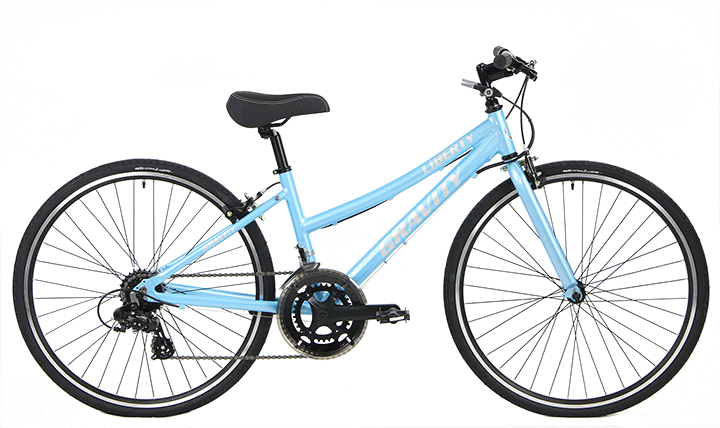
When it comes to cycling, most riders focus on frame, gears, or suspension, but one often overlooked factor can dramatically change your ride: tire width. Choosing the right tire width can mean the difference between a smooth, fast, and efficient ride or a bumpy, sluggish, and unstable experience. That’s why this bicycle tire width guide is essential for every rider, whether you’re a casual commuter or a seasoned enthusiast.
Tire width affects three critical aspects of performance: speed, traction, and comfort. Narrow tires on a road bike reduce rolling resistance, helping you fly down smooth pavement. Wider tires, like those on gravel bikes or mountain bikes, increase contact with the ground for better grip and control on rough or uneven terrain. Meanwhile, hybrid bikes strike a balance between comfort and speed, fat bikes conquer snow and sand, and beach cruisers prioritize a relaxed, stable ride.
In this guide, you’ll learn how different tire widths suit different bikes and riding styles. We’ll explore the science behind tire width, compare options across popular bike types, and give practical tips so you can choose the right tire for your next adventure.
What is Tire Width?
Bicycle tire width refers to the measurement of a tire from one sidewall to the other, usually expressed in millimeters (mm) or inches. This simple number has a big impact on how your bike handles, how fast it rolls, and how comfortable your ride feels. Knowing your tire width is the first step toward choosing the right tire for your riding style and terrain.
Different bikes have different typical ranges of tire widths. Road bikes usually feature narrow tires, often 23–28mm, for minimal rolling resistance and maximum speed. Hybrid bikes and gravel bikes fall into a medium range, around 30–40mm, offering a balance of comfort, traction, and efficiency. Mountain bikes and fat bikes use wide tires, up to 4 inches or more, to provide superior grip, shock absorption, and stability on loose or rugged surfaces.
Tire width affects ride quality in several ways: narrower tires are faster on smooth surfaces, while wider tires improve comfort and stability on rough terrain. The width also influences rolling resistance; the narrower the tire, the less energy needed to pedal, but stability and traction may be sacrificed.
How Tire Width Affects Bike Speed
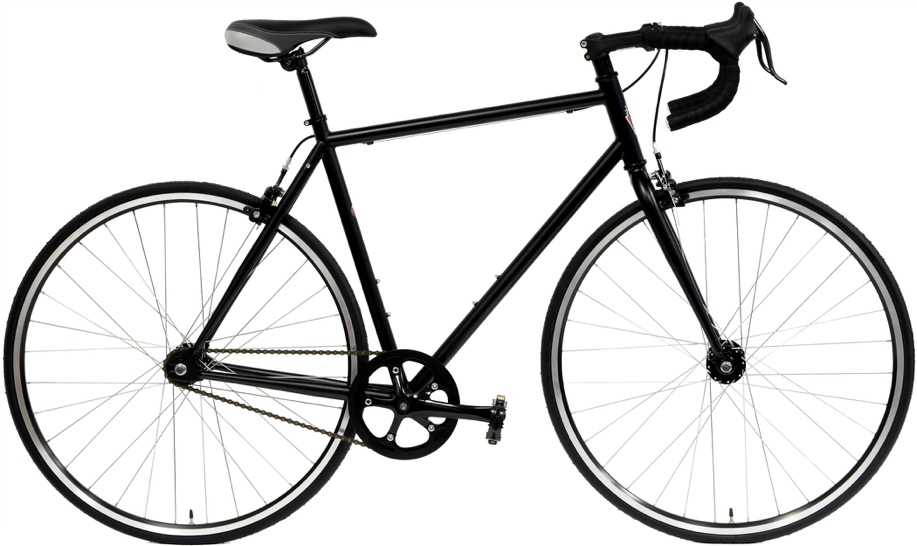
Tire width plays a critical role in your bike’s speed by influencing rolling resistance and the size of the contact patch, the area where your tire touches the ground. Narrow tires have a smaller contact patch, reducing friction and allowing the bike to roll faster, making them ideal for road bikes built for speed. For example, a 23mm road tire offers less resistance than a 28mm tire, helping you maintain higher speeds with less effort.
Wider tires, such as the 32mm–40mm tires on gravel bikes or the 2.5-inch tires on mountain bikes, increase the contact patch for better traction and control. While this improves stability on uneven terrain, it also slightly increases rolling resistance, which can slow you down on smooth pavement. However, wider tires can often be run at lower pressures, which absorbs bumps and improves comfort without drastically compromising speed.
Tire pressure works hand in hand with width. Narrow tires need higher pressure to prevent excessive rolling resistance, while wider tires perform better at moderate pressures, maintaining a balance between grip and speed. Upgrading your tires without considering width and pressure can lead to slower rides or poor handling.
Before making any changes, check your bike’s recommended tire width and pressure to ensure optimal performance. For more guidance, explore our road bikes and gravel bikes to find the right tire setup for your riding style.
Tire Width and Traction
Tire width has a major influence on traction, which is the bike’s ability to grip the surface and maintain control. Wider tires create a larger contact patch, the portion of the tire touching the ground, providing more grip on loose, uneven, or slippery surfaces. This is why fat bikes with extra-wide tires excel on snow, sand, or muddy trails. Similarly, mountain bikes use wider tires with deep tread patterns to maintain traction on technical trails and rugged terrain.
Narrow tires, by contrast, have a smaller contact patch, reducing grip but allowing for faster rides on smooth asphalt or concrete. This makes them ideal for road bikes where high-speed efficiency is the priority. However, it’s important to remember that width alone doesn’t determine traction; tread patterns play a critical role. A wider tire with minimal tread may slip on loose surfaces, while a narrower tire with aggressive tread can provide surprising grip in some conditions.
Understanding the balance between width and tread helps riders choose the right tires for their terrain and riding style. For adventures in snow, sand, or any loose terrain, a wider tire is essential. Explore our selection of fat bikes to find models designed for maximum traction in challenging conditions.
Comfort and Shock Absorption
Ride comfort is closely tied to tire width. Wider tires can absorb more bumps, vibrations, and irregularities in the road, offering a smoother, more forgiving ride. This makes them ideal for off-road adventures, rough trails, or leisurely rides where comfort is a priority. Fat bikes and mountain bikes rely on wide tires to soften impacts, giving riders greater control and reducing fatigue.
Narrow tires, while faster on smooth roads, tend to transmit more vibrations to the rider, making the ride feel harsher. This is one reason road bikes prioritize speed over shock absorption. Meanwhile, hybrid bikes and gravel bikes provide a middle ground, using medium-width tires that balance comfort with efficiency. They allow riders to maintain a brisk pace while still enjoying a forgiving ride over rough patches, potholes, or cobblestone streets.
Tire pressure also interacts with width to impact comfort. Lower pressure in wider tires increases cushioning, while higher pressure in narrow tires maintains speed but reduces shock absorption. Adjusting both can help tailor the ride to your terrain and personal preference.
Choosing the Right Tire Width by Bike Type
Choosing the right tire width depends largely on the type of bike you ride and the surfaces you tackle. Using the correct width ensures optimal speed, traction, and comfort, making every ride safer and more enjoyable. Here’s a breakdown of recommended tire widths for different bike types:
Road Bikes
For road bikes, narrow tires typically range from 23–28mm. These tires reduce rolling resistance, allowing you to maintain higher speeds on smooth pavement. Narrow widths also improve aerodynamic efficiency, which is essential for racing or long-distance rides. If speed and pavement efficiency are your priorities, check out our selection of road bikes.
Gravel Bikes
Gravel bikes often use tires between 30–45mm wide. This medium range balances traction, comfort, and speed, making them perfect for mixed surfaces such as dirt roads, packed gravel, and light trails. Wider tires provide better grip on loose surfaces, while still allowing efficient pedaling on smoother paths. Explore our collection of gravel bikes for versatile adventure-ready options.
Hybrid Bikes
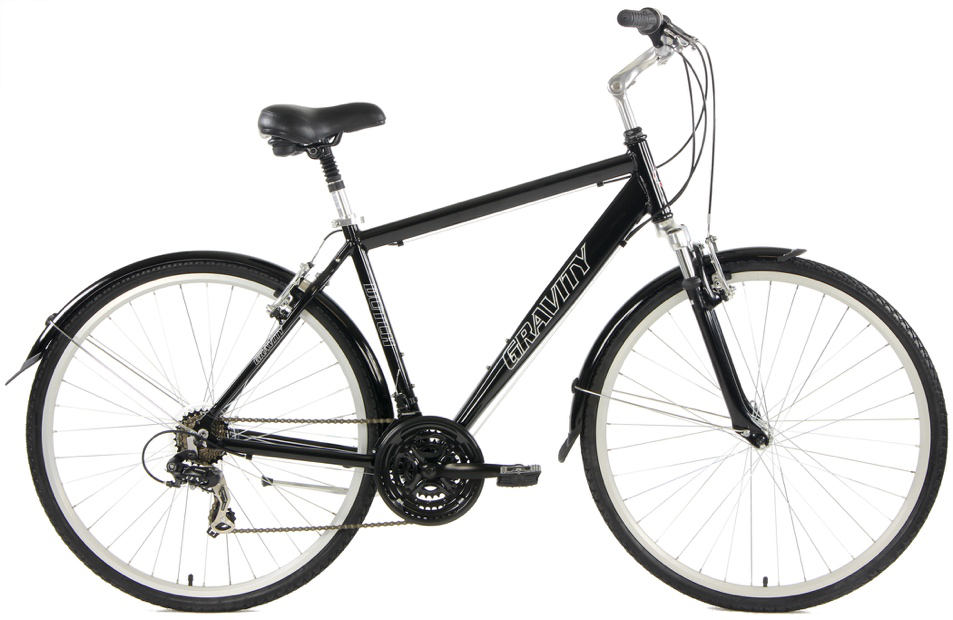
Hybrid bikes typically feature 28–42mm tires. They are designed for commuters and casual riders who need a mix of comfort and moderate speed. These tires handle both pavement and light off-road terrain, making hybrids an excellent all-around choice. Find your ideal hybrid bike for daily rides or weekend explorations.
Mountain Bikes
For trail riding, mountain bikes usually have tires ranging from 2.0–2.6 inches wide. These wider tires absorb shocks from obstacles, improve stability on rough terrain, and enhance traction on steep or uneven trails. Check out our mountain bikes for models built to handle demanding off-road adventures.
Fat Bikes
Fat bikes feature extreme widths, from 3.8–5.0 inches. Designed for snow, sand, and mud, these tires provide maximum traction and floatation in challenging conditions. If you’re planning to tackle extreme terrain, our fat bikes offer unparalleled stability and grip.
Beach Cruisers
Beach cruisers usually have tires between 2.0–3.0 inches. These are ideal for flat terrain, casual rides, and stylish comfort. They prioritize a smooth, stable ride over speed, making them perfect for leisurely rides along boardwalks or city streets. Browse our beach cruisers for laid-back riding enjoyment.
For quick reference, download our bicycle tire width guide chart to compare widths, bike types, and recommended usage. Having this guide handy ensures you always choose the perfect tire for your ride.
Tire Width and Terrain: Matching Your Tires
Your choice of bicycle tire width should always consider the terrain you ride most often. Matching tire width to terrain ensures better traction, speed, and ride comfort. Here’s how different widths perform across common surfaces:
Pavement
For smooth roads, narrow tires with higher pressure are ideal. They reduce rolling resistance, allowing road bikes and some hybrid bikes to maintain maximum speed and efficiency. Typical widths range from 23–28mm for road bikes.
Gravel and Paths
Medium-width tires provide a balance between grip and speed, perfect for gravel bikes or versatile hybrid bikes. Tires around 30–45mm handle packed dirt, gravel trails, and mixed surfaces with stability while still keeping pedaling effort manageable.
Trails and Mud
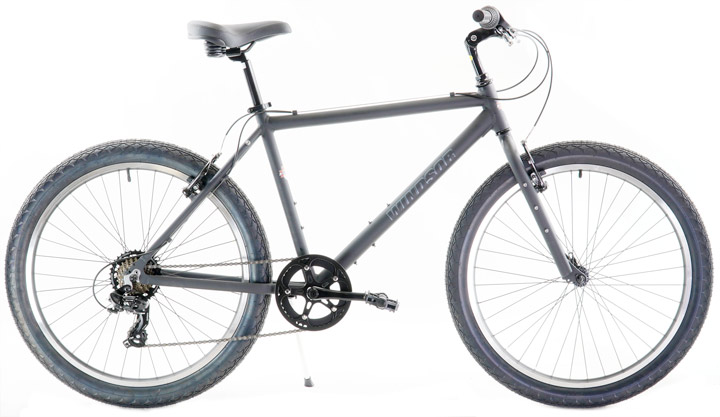
When tackling trails, mud, or uneven terrain, wider tires with aggressive tread are essential. Mountain bikes with 2.0–2.6-inch tires offer the stability and grip needed for obstacles, roots, and loose dirt. These tires allow confident cornering and better control on technical trails.
Sand and Snow
Extra-wide tires, like those on fat bikes (3.8–5.0 inches), provide maximum flotation on soft surfaces such as sand or snow. The wide footprint prevents sinking and improves traction in conditions where narrower tires would struggle.
Visual Tip: Consider diagrams showing tire footprint versus terrain—wider tires spread weight across soft surfaces, while narrow tires concentrate contact for speed on hard pavement.
What’s your favorite terrain to ride on, and which tire width do you prefer? Share your experience in the comments below and help fellow riders make informed choices about their tires!
How Tire Width Affects Handling and Cornering
Bicycle tire width plays a crucial role in how your bike handles corners and maintains stability. Wider tires offer a larger contact patch, which improves grip and allows for more confidence when leaning into turns. This makes them ideal for gravel bikes, mountain bikes, and fat bikes, tackling uneven or loose terrain.
On the other hand, narrow tires are more responsive and allow for quicker steering adjustments, which is why road bikes favor widths like 23–28mm. While these tires excel on smooth pavement and high-speed riding, they are less forgiving when you push the limits in sharp turns or on slippery surfaces.
The combination of tire width and pressure also affects handling. Lower pressures in wider tires increase traction but can feel slower, while higher pressures in narrower tires maintain speed but reduce cornering forgiveness. Riders should consider both factors when selecting a tire for their riding style.
Tire Width and Rolling Resistance: Myths vs Facts
When it comes to bicycle tire width, many riders believe the narrower the tire, the faster the ride. This common myth overlooks the critical role of tire pressure, terrain, and tire construction. In reality, the right combination of width and pressure determines your rolling resistance and overall speed.
For example, on rough roads or mixed surfaces, slightly wider tires, like those on gravel bikes, can outperform narrower road tires. The larger contact patch distributes weight more effectively and reduces energy loss caused by vibrations and surface irregularities. Conversely, a narrow tire on rough terrain can feel faster initially but will demand more effort to maintain speed.
Choosing the correct tire width for your riding style and terrain is key. Always consider your bike type, road, hybrid, or gravel bikes, and follow manufacturer recommendations. Regularly checking and adjusting tire pressure ensures your tires perform optimally and safely.
Maximize your ride efficiency by matching tire width and pressure to your style. Check your bike’s recommended specifications and experiment with different widths for the best balance of speed, comfort, and traction.
Tips for Upgrading or Changing Your Tires
Upgrading or changing your bicycle tire width can significantly improve performance, comfort, and handling, but it’s important to do it correctly. First, ensure your rims are compatible with your chosen tire width. Not all tires fit every rim, and improper pairing can affect safety and ride quality.
Next, check your bike’s frame and fork clearance. Tires that are too wide may rub against the frame, while overly narrow tires can reduce stability. Consider your riding style and typical terrain: road bikes benefit from narrower tires for speed, gravel and hybrid bikes strike a balance, and fat or mountain bikes thrive with wider tires for traction and shock absorption.
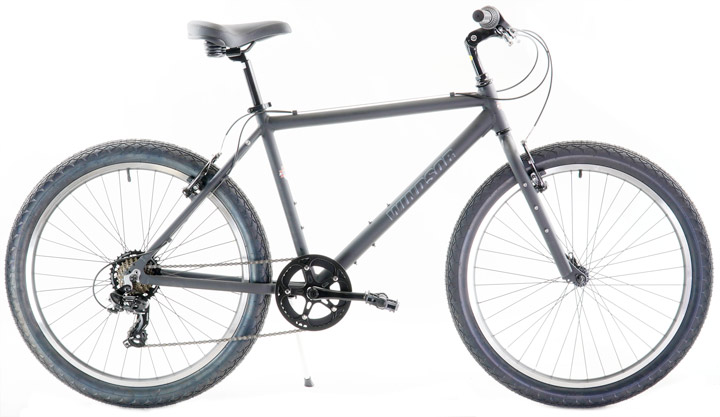
Avoid common mistakes, such as selecting a tire solely based on width without accounting for tread pattern or pressure recommendations. A tire that looks ideal on paper may underperform if it doesn’t match your bike type or riding conditions.
Choosing the Right Tire Width for Every Ride
Understanding your bicycle tire width is key to optimizing speed, traction, and comfort on every ride. This bicycle tire width guide has shown how tire width impacts rolling resistance, grip, shock absorption, and handling, helping you choose the best tire for your needs.
Matching tire width to your bike type and riding style is essential. Narrow tires excel on smooth roads for road bikes, medium widths provide versatility for hybrid and gravel bikes, while wide tires offer stability and grip for mountain and fat bikes. Even beach cruisers benefit from tires suited to flat, leisurely terrain.
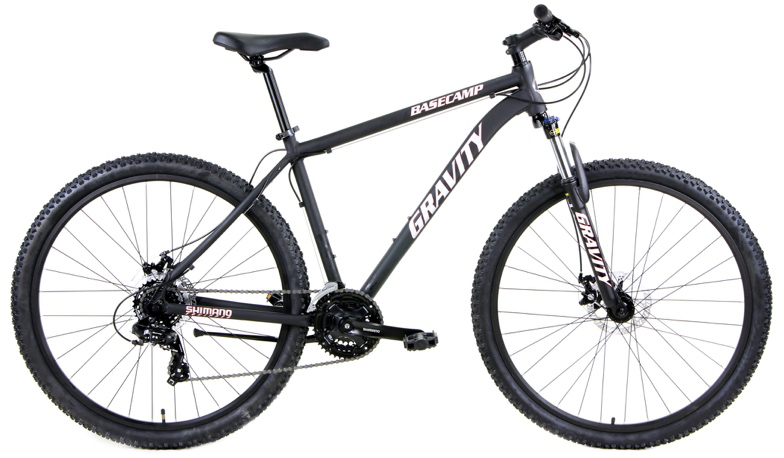
Don’t be afraid to experiment within the recommended range to find your perfect balance of speed, comfort, and control.
Ready to ride smarter? Browse our bikes by type and select the right tire today at Bikesdirect.