

If riders argue about one number more than gear inches or rim depth, it’s tire width. In 2025, the “right” width isn’t just fashion, it’s physics you can feel. Wider casings at honest pressures can roll faster on real roads, corner with more security, and reduce fatigue, while too-wide or too-narrow pairings can sabotage handling and speed. In this guide we break down what 28 mm, 32 mm, and 40 mm actually do beneath you; how rim width, casing construction, and tubeless pressure interact; why your routes and body weight matter; and how to choose a width that transforms your everyday rides. We’ll ground the advice in real bikes from our lineup, from road to gravel to flat-bar fitness, so you can see how the numbers translate on the path, the lane, and the long Sunday loop.
We’ll use “road” to mean primarily paved rides, “all-road” for pavement plus light gravel, and “gravel” for mixed surfaces where unpaved miles are a feature, not a surprise. The headline: 28 mm is still the aero-friendly racer’s friend, 32 mm is the modern endurance sweet spot for many riders, and 40 mm is the control-and-comfort king for mixed terrain. But the best choice depends on your roads, your speed, and your frame and rim.
Why Width Matters More Than Ever
Three changes reshaped the tire discussion:
- Rough real-world surfaces. Chipseal, patched lanes, brick, and frost cracks dominate everyday routes. On these surfaces, “impedance losses”, energy absorbed by your body and bike, often exceed pure hysteretic rolling losses inside the tire. A wider tire at lower pressure reduces those losses and can be faster than a narrow, high-pressure tire.
- Wider rims. Modern internal rim widths support larger casings in a rounder profile. A round profile keeps the contact patch centered and the sidewalls working efficiently, improving grip and predictable cornering.
- Tubeless. Removing inner tubes reduces friction inside the tire and allows lower pressures with less risk of pinch flats. Sealant quietly closes micro punctures so you keep rolling.
Put together, these make 28–40 mm tires viable and quick across far more bikes and routes than even a few years ago.
The Feel of 28 vs 32 vs 40, In Plain Language
- 28 mm: snappy, aero-friendly, and precise. On good pavement at moderate-to-high speeds, 28s feel lively. They still benefit from lower pressures than “old school” norms, but their smaller air volume gives a firmer ride over rough patches. On long, smooth rides or fast group efforts, 28s hold speed without feeling sluggish, especially on aero-leaning road bikes that pair with mid-depth wheels.
- 32 mm: calm speed. The extra air volume softens chatter, keeps traction over broken surfaces, and reduces fatigue without feeling slow. For most endurance road riders and commuters on imperfect tarmac, 32s hit the best balance: fast enough in a paceline, forgiving enough at 6 p.m. into a headwind, and confidence-boosting in rain.
- 40 mm: control and comfort unlocked. On chipseal, rough shoulders, towpaths, and light gravel, 40s maintain momentum where narrow tires ping and skip. Cornering feels planted, braking distances shrink in the wet, and you can explore cut-throughs and backroads without route anxiety. They’re not just for gravel bikes; many “all-road” and even some endurance frames now clear 40s.
Real Bikes That Bring the Width Debate to Life
We design our complete bikes around modern tire reality, so the frame and wheel choices you make keep options open:
- A carbon endurance road platform like the Motobecane Le Champion CF LTD accepts modern tire sizes that make 28s and 32s both viable depending on your routes and priorities. Check it here: Le Champion CF LTD.
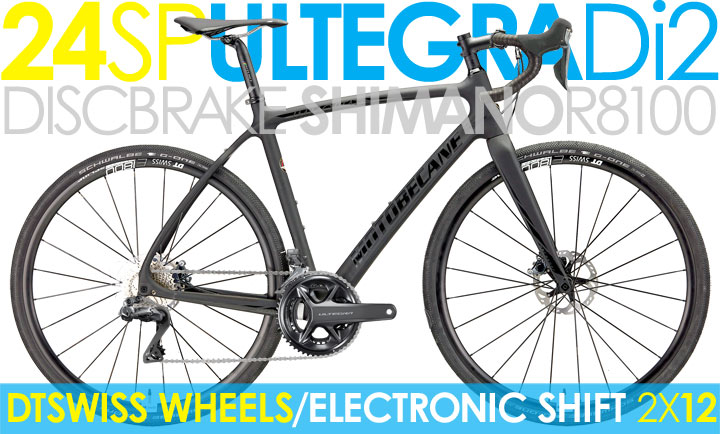
- If you want carbon smoothness plus electronic precision on wet or rolling routes, the Immortal Disc Team Di2 is a natural home for 28s in summer and 32s for shoulder seasons: Immortal Disc Team Di2.
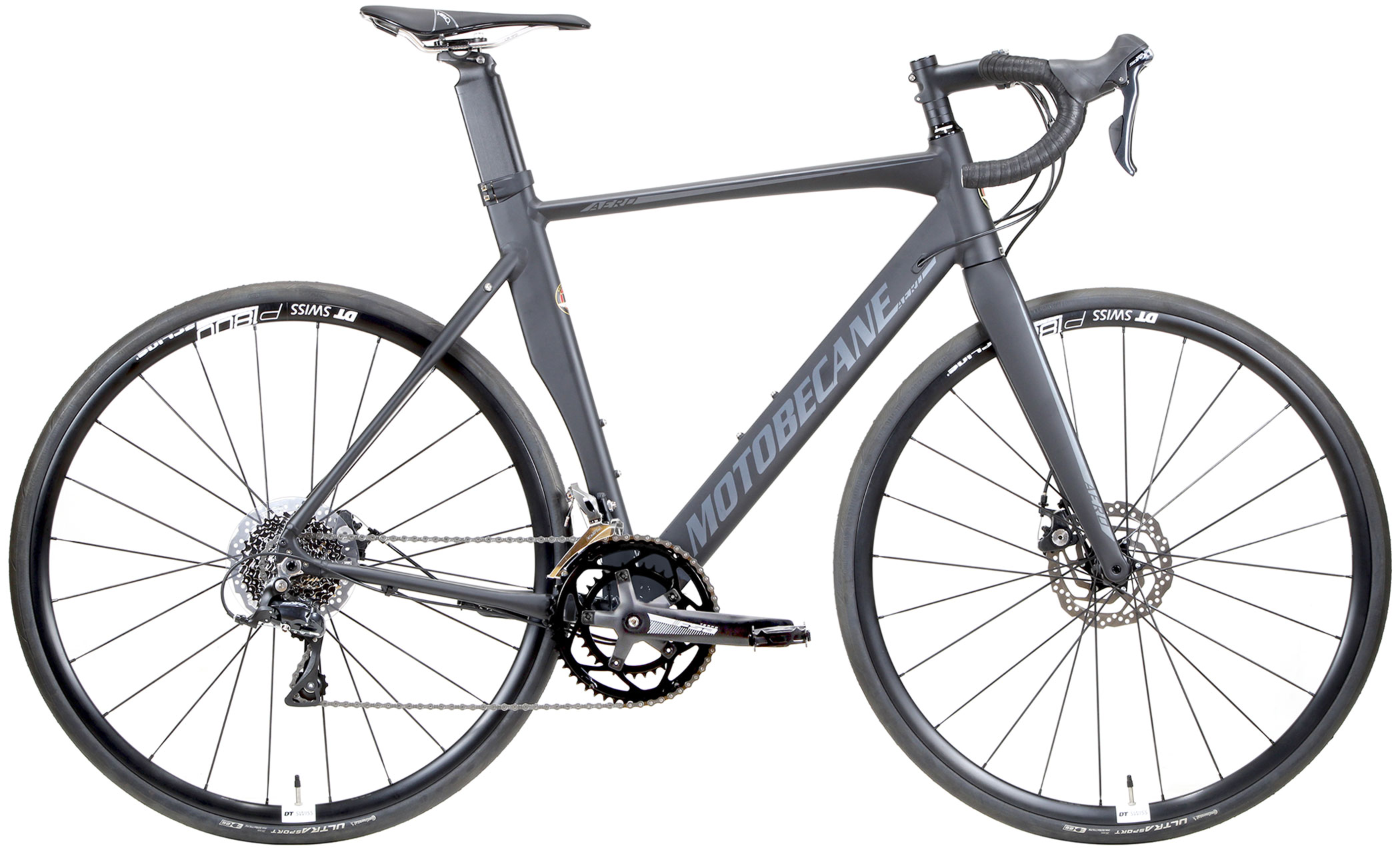
- Riders who live on flatter terrain or love “hold speed” efforts can enjoy 28s on a fast platform such as the Fast Aero Road Elite Disc, while still stepping up to 30–32 mm for rougher centuries: Fast Aero Road Elite Disc.
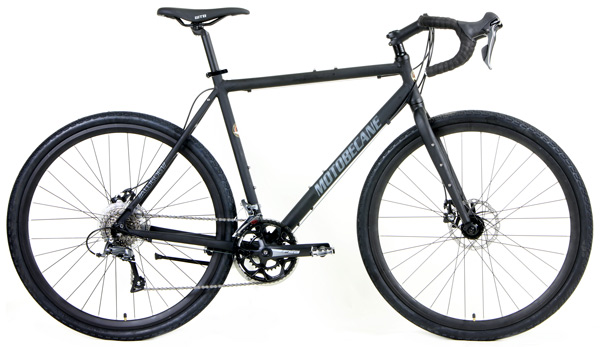
- For mixed-surface curiosity or outright gravel bike fun, the Gravel X3 Disc is built to make 38–45 mm shine on wider rims at tubeless pressures: Gravel X3 Disc.
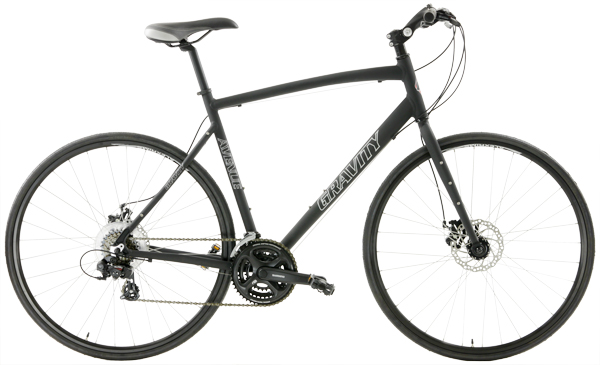
- Prefer flat-bar comfort with fitness pace and commuter practicality? The Gravity Avenue FXD Disc pairs brilliantly with 32–38 mm for city calm and weekend loops: Avenue FXD Disc.
These frames accept sensible width ranges, so you can change character by swapping tires rather than whole bikes.
Rim Pairing: Why Internal Width and Tire Width Must Get Along
The tire’s shape decides much of its feel. On too-narrow rims, a wide tire “lightbulbs,” making cornering vague. On too-wide rims, a narrow tire can square off, losing comfort and risking pinch at realistic pressures.
As a rule of thumb:
- Road tires 28–32 mm are happiest on rims with ~19–23 mm internal width.
- All-road/gravel tires 38–45 mm shine on ~23–25+ mm internal width.
That range yields a round profile, consistent sidewall support, and a contact patch that stays centered when you lean. If you’re unsure, match the middle: a 21–23 mm internal road rim plays well with 28–32; a 23–25 mm internal gravel rim loves 38–45.
Pressure: The Number That Makes or Breaks Your Choice
Pressure is where width pays off, or gets wasted. The goal is to run the lowest pressure that still supports cornering and protects rims. Too high, and the bike chatters, skips on painted lines, and beats you up; too low, and it wallows in turns or risks rim strikes.
Because pumps and gauges vary, treat these as starting points for tubeless setups, adjusting by 1–2 PSI at a time:
- 28 mm road:
• ~60–70 PSI (riders ~55–70 kg)
• ~65–80 PSI (riders ~70–85 kg)
• ~75–90 PSI (riders ~85–100 kg) - 32 mm endurance:
• ~45–55 PSI (55–70 kg)
• ~50–65 PSI (70–85 kg)
• ~60–75 PSI (85–100 kg) - 40 mm all-road/gravel:
• ~28–34 PSI (55–70 kg)
• ~32–38 PSI (70–85 kg)
• ~36–44 PSI (85–100 kg)
Run tubes? Add ~5–8 PSI. Ride smoother roads? You might creep 2–3 PSI higher; ride coarse chipseal or light gravel? Drop a touch. The correct pressure is the one that makes the ride quiet in your hands while staying composed in corners.
Rain and cold adjustments
Lower grip in wet conditions isn’t about magic compounds alone. Drop 2–3 PSI to improve conformity on slick paint and manhole covers. Cold weather stiffens casings; check pressure immediately before rolling, not the night before.
Rolling Resistance vs. “Suspension” Losses: Why Wider Can Be Faster
Classic rolling resistance tests on glass-smooth drums favored narrow, high-pressure tires. Real roads aren’t drums. When the surface is rough, energy gets lost in you, your muscles and soft tissues, because the bike is shaking you. Wider tires at lower pressures reduce that shake, lowering total losses. That’s why riders often see equal or better speeds on 32s compared to 25s on rough pavement at the same effort. Similarly, 40s on hardpack gravel can roll astonishingly well because they keep momentum through washboard instead of bouncing on top.
The caveat: at very high speeds on truly smooth pavement, narrower can still win aerodynamically. That’s where 28s paired to mid-depth rims on a fast bike still make perfect sense, particularly for race-leaning riders.
Cornering and Braking Confidence
Width shapes the size and stability of the contact patch. With correct pressure, a 32 will feel more forgiving mid-corner than a 28, letting you carry speed through imperfect lines. A 40 at proper PSI gives remarkable bite on dusty shoulders and wet chipseal, and it shortens braking distances by keeping the tire keyed into the surface rather than skittering. If you’ve ever flinched over a surprise patch of fresh gravel in a turn, you’ll appreciate the extra margin of wider casings.
Aerodynamics: Matching Tire and Rim
A tire wider than the external rim can disturb clean airflow, eroding some of the aero benefit of deep wheels. Modern rims often aim for an external width slightly wider than the tire’s true measured width to maintain a smooth shape. On many mid-depth road rims, a labeled 28 measures ~29–30 mm, still a good match. On very wide, modern aero rims, a 30–32 can pair acceptably, especially for endurance priorities. For 40 on gravel, aero is secondary to control and stability, but some gravel rims are now shaped to keep airflow polite at mixed speeds.
If your routine is 18–22 mph in the wind, we’ll help you pick a rim-tire combo that keeps aero honest. If your routine is multi-surface exploration, we’ll keep the focus on stability and comfort first.
Frame Clearance and Reality Checks
Not every frame clears every width. Measure with your wheels. A safe rule is at least 3–4 mm of clearance each side under load, more if you ride mud or gravel. Brakes, stays, seat tube cutouts, and fenders all constrain choices. The good news: many endurance road frames now clear 32 easily, and all-road/gravel frames take 40 without drama. Our product pages list clearances so you can match the width you want to the bike that makes it simple, whether that’s the Le Champion CF LTD for 28/32 flexibility, the Fast Aero Road Elite Disc for aero with modern tire room, the Immortal Disc Team Di2 for foul-weather precision, the Gravel X3 Disc for 40+ ease, or the Avenue FXD Disc for comfy, quick flat-bar commuting.
Tubeless vs. Tubes: Which Suits Which Width?
Wider, lower-pressure tires benefit the most from tubeless: fewer pinch flats, lower pressures with security, and automatic sealing of small punctures. For 28 at higher pressures, tubeless still brings comfort and puncture benefits, but quality latex tubes can be fine for riders who prefer simplicity. For 32 and 40, tubeless is our default recommendation for daily calm and fewer roadside delays.
Hooked vs. hookless rims matter here. Hookless road setups require compatible tires and careful pressure discipline. We’ll help you interpret the labels and select a combo that’s both quick and safe.
Use-Case Playbook: Which Width Wins Where?
Fast group rides on decent pavement (road race vibe).
Choose 28 mm for aero alignment and lively feel, especially on a platform like the Fast Aero Road Elite Disc. If your roads are rougher, a fast 30–32 can match speed with more stamina.
Endurance centuries, gran fondos, mixed pavement quality.
Choose 32 mm tubeless on a calm endurance bike such as the Le Champion CF LTD or Immortal Disc Team Di2. You’ll descend with less tension and finish fresher.
Commute on patched city streets with surprise grit.
Choose 32–38 mm on a flat-bar fitness bike like the Avenue FXD Disc. Lower pressure takes the sting out of seams; disc brakes and volume improve wet safety.
All-road exploration, pavement, towpaths, light gravel.
Choose 38–40 mm on an all-road frame like the Gravel X3 Disc. Start around 34–38 PSI tubeless and adjust. Your world of route options expands.
Gravel with loose corners and washboard.
Choose 40–45 mm if the frame clears it. Stability and traction outweigh notional drag. Keep pressures low enough to hook up, high enough to avoid rim strikes.
Wet Weather and Winter: Width as a Safety Feature
When roads glisten, a wider contact patch pays immediate dividends. 32s at slightly reduced PSI stick better over paint and steel. 40s at gravel-appropriate pressures make damp hardpack manageable. Pair width with good rubber compounds and clean braking surfaces. In winter, check pressure at the door, cold air shrinks PSI, and consider a hair lower pressure for grip.
Common Mistakes, and How We Fix Them
Over-inflation. The most frequent culprit behind harsh rides and “mystery” slipping on paint. If your bike chatters over pebbly tarmac, drop 3–5 PSI and test the same section.
Mismatched rim and tire widths. A 40 on a very narrow rim can feel vague; a 28 on an extra-wide rim can feel wooden. We’ll match your tire to your rim so the profile stays round and predictable.
Ignoring clearance. That “it almost fits” rub becomes a crisis in mud or under hard cornering. We’ll confirm clearance with your real wheels and preferred pressures.
Choosing width by fashion. Start with routes and comfort goals. If your “problem” is fatigue after 90 minutes, 32 might fix it better than chasing deeper rims or a lighter frame. If your “problem” is explorability, 40 is a key that unlocks new loops.
How Width Interacts with Wheels and Frames You Already Own
Upgrading tires can feel like upgrading the bike. On a mid-depth carbon wheelset, moving from 28 → 32 may boost comfort and confidence with negligible speed loss on ordinary roads. On a stout alloy wheelset, moving from 32 → 40 on an all-road frame changes your world of routes more than any drivetrain tweak. And on a fast road frame, staying at 28 but dialing pressure realistically can be the cheapest speed you ever buy.
If you’re picking a complete bike with width flexibility baked in, we built the Le Champion CF LTD to run 28s for club rides and 32s for late-season centuries. The Immortal Disc Team Di2 thrives with both widths when conditions turn wet. The Fast Aero Road Elite Disc stays honest with aero but accepts modern rubber. The Gravel X3 Disc wears 40 like a uniform. The Avenue FXD Disc makes 32–38 the city-friendly default.
A Simple, Repeatable Setup Routine
- Measure your rims’ internal width so you choose a tire that forms a round profile.
- Start pressures from our band and adjust in 1–2 PSI steps. Ten minutes of A/B riding beats guessing.
- Go tubeless for 32–40 mm if possible; refresh sealant every few months.
- Align brakes and check clearances with wheels under load. Spin through the gears, stand, and rock the bike to confirm no rub.
- Log your “golden numbers.” When a combo feels magic, write down front/rear PSI, temperature, and route. Replicate it next time.
Decision Framework: Choose by Route, Feel, and Flexibility
- If your average ride is paved, brisk, and you prize aero sharpness, choose 28, especially on a fast bike like Fast Aero Road Elite Disc, and commit to pressure discipline.
- If your average ride mixes good and mediocre pavement, or you value finishing fresh as much as top speed, choose 32, the sweet spot on Le Champion CF LTD or Immortal Disc Team Di2.
- If your average ride includes rough shoulders, backroads, or purposeful gravel, choose 40, the happy place on Gravel X3 Disc, and enjoy new lines on familiar maps.
- If commuting and fitness share calendar space, a flat-bar platform like Avenue FXD Disc with 32–38 makes every errand calmer and every loop more inviting.
Tire width isn’t a personality test; it’s a tool. 28 mm rewards aero-honest speed on smooth roads. 32 mm delivers calm, efficient pace across the imperfect realities most of us ride. 40 mm unlocks control and route freedom far beyond pavement. All three can be fast when paired with the right rim and pressure, but only one will be fast for you on your roads with your goals.
Tell us about your surfaces, your typical speeds, and how you want your bike to feel in the first ten minutes and the last ten miles. We’ll match width, rim, and pressure to your reality, and point you to the complete bike that keeps your options open as seasons and routes change, whether that’s the Le Champion CF LTD, Immortal Disc Team Di2, Fast Aero Road Elite Disc, Gravel Bike X3 Disc, or Avenue FXD Disc road bikes.
Ready to dial your ride with the right width? Contact our team and we’ll turn numbers on a sidewall into everyday speed, comfort, and confidence.