

Most riders remember the first time a bike surprised them—not with speed, but with how smooth it felt. The road was rough, the pavement imperfect, yet the bike seemed to float instead of rattle. That experience rarely comes down to frame material or fancy components. More often, it’s wheel size quietly doing the heavy lifting. When it comes to bike wheel size comfort, diameter matters far more than many cyclists realize, especially for everyday riding across mixed surfaces.
Speed tends to dominate conversations about wheels, but comfort is what keeps riders pedaling longer, riding more often, and enjoying the journey. Understanding how wheel size affects ride quality can help cyclists choose bikes that feel right instead of just looking right on paper.
Why Wheel Size Influences Comfort So Much
At its core, wheel diameter determines how easily a bike rolls over imperfections. Larger wheels approach bumps at a shallower angle, which reduces the jolt transferred to the rider. Smaller wheels hit those same bumps more abruptly, sending sharper feedback through the frame.
This isn’t theory—it’s physics at work on every crack, curb edge, and patch of gravel. Tire volume and pressure matter too, but wheel size sets the foundation for how forgiving a bike feels before suspension or tire width even enters the conversation.
The Comfort Advantage of Larger Diameter Wheels
Larger wheels maintain momentum more easily and smooth out uneven surfaces. That’s why many riders describe bikes with bigger wheels as calmer or more stable, even at moderate speeds.
On a road bike, 700c wheels dominate not because they’re trendy, but because they balance efficiency and comfort. They roll cleanly over small imperfections and reduce fatigue during long rides. Even though road bikes prioritize speed, riders often notice comfort benefits first.
This same principle carries into other categories where ride quality matters more than outright acceleration.
How Wheel Size Shapes Everyday Hybrid Comfort
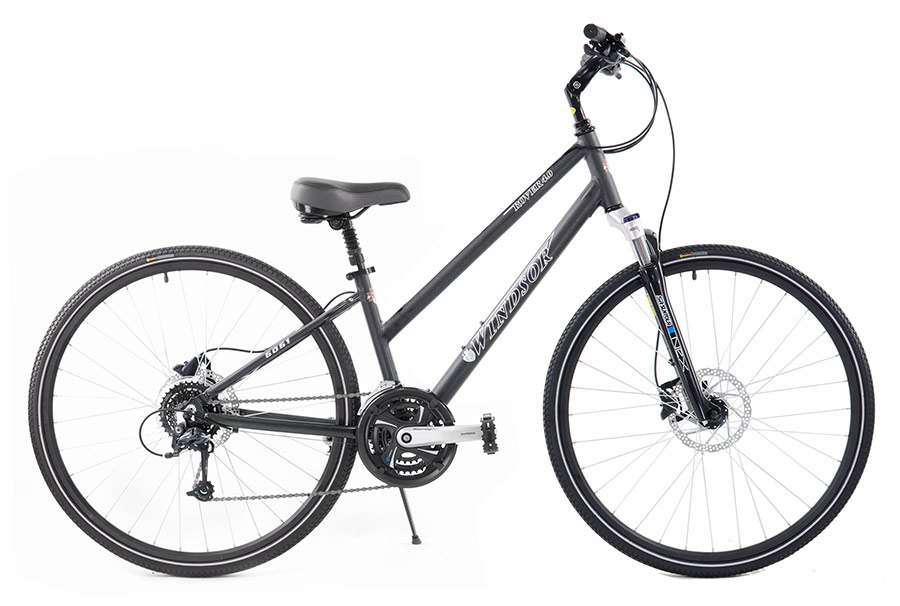
Hybrid bikes are designed for versatility, so comfort plays a central role. Most modern hybrid bike models use 700c wheels similar to road bikes, but with wider tires and lower pressures. That combination creates a forgiving ride that absorbs cracks, expansion joints, and light gravel without feeling sluggish.
For commuters and fitness riders, this wheel size strikes an ideal balance. The bike feels stable and predictable, reducing strain on hands, wrists, and lower back over repeated rides. In daily use, this comfort advantage often matters more than minor speed differences.
Gravel Bikes and the Comfort of Rolling Over Chaos
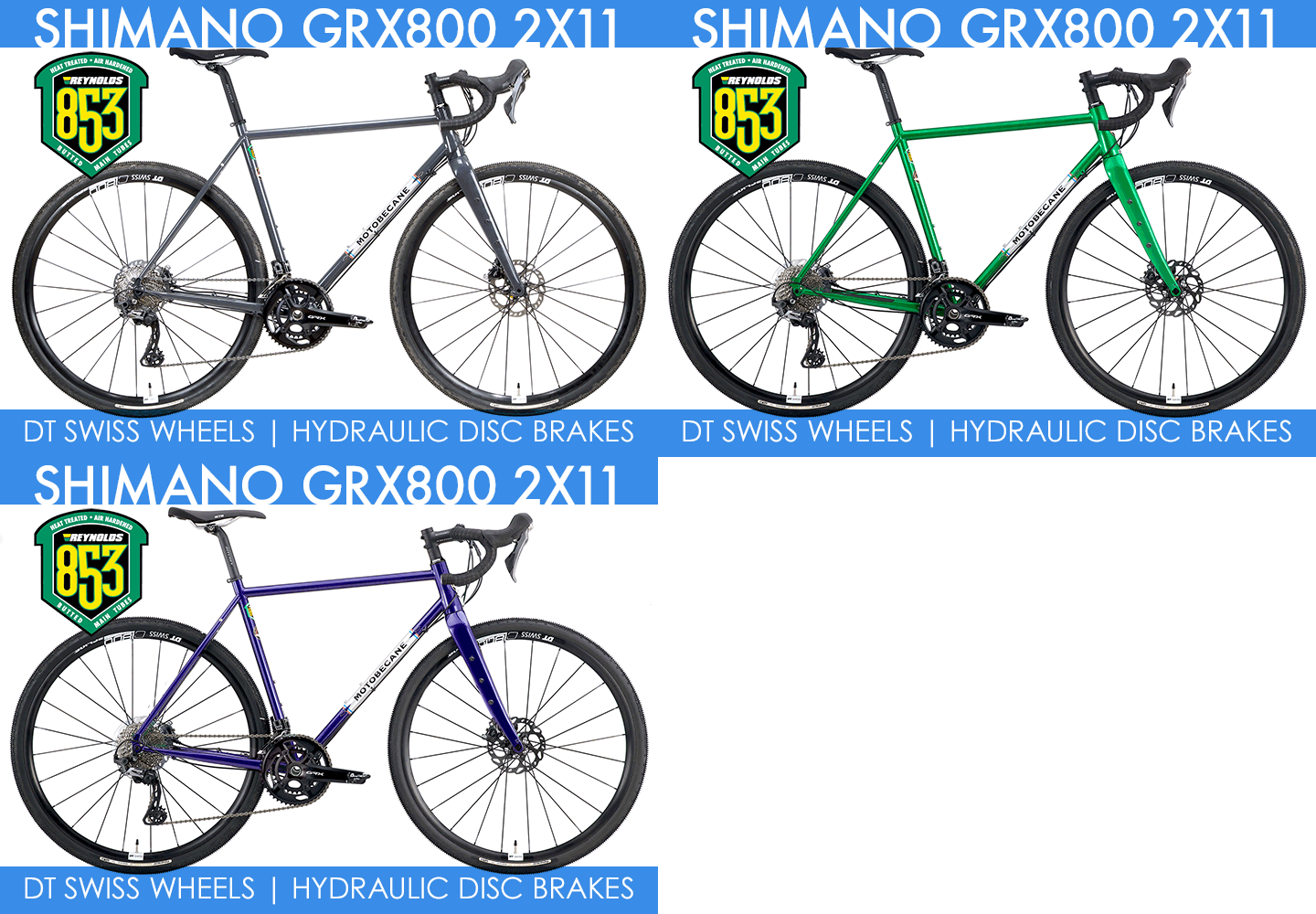
Gravel riding exposes wheel size benefits immediately. Loose surfaces, washboard roads, and unpredictable terrain punish small wheels. A gravel bike typically uses 700c or slightly smaller 650b wheels, depending on design intent.
Here, comfort becomes adjustable. Larger 700c wheels excel at smoothing long stretches of rough gravel, while 650b wheels paired with wider tires add cushioning and traction. Both prioritize comfort over speed, but they do so in slightly different ways. Riders often choose based on terrain rather than fitness level.
Mountain Bikes: When Diameter Dictates Confidence
Mountain biking may seem like a suspension-first conversation, but wheel size still plays a massive role. The shift from 26-inch wheels to 27.5 and 29-inch wheels transformed how trail bikes feel.
A mountain bike with 29-inch wheels rolls over roots and rocks with less drama, offering smoother momentum and improved stability. Riders feel less pitched forward on obstacles, which reduces fatigue and builds confidence.
Smaller wheels remain popular for maneuverability, but for comfort-focused trail riders, larger diameters often win. The ride feels calmer, especially on longer or rougher routes.
Fat Bikes and the Ultimate Comfort Formula
If comfort had a visual representation, it would probably look like a fat bike. While tire width steals the spotlight, wheel diameter still contributes significantly to ride feel.
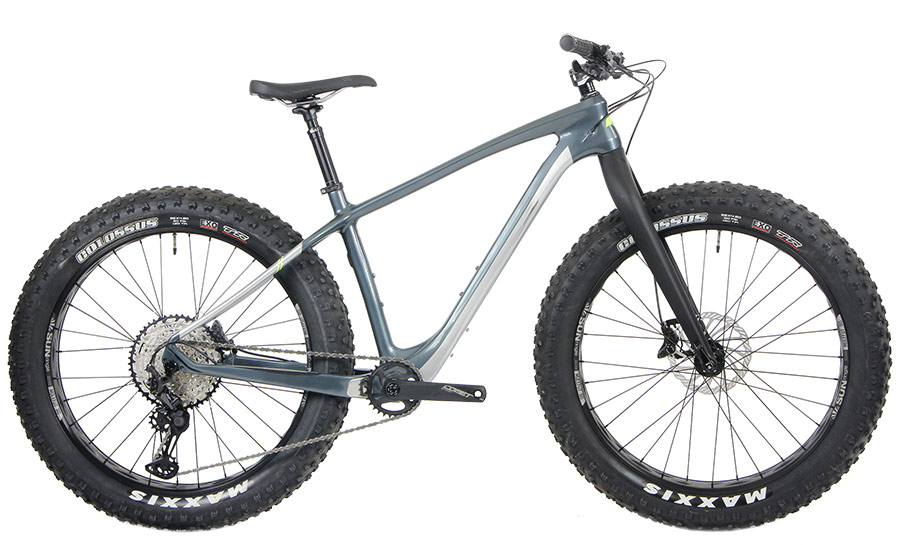
Fat bikes use large-diameter wheels combined with massive tires run at low pressure. This setup creates unmatched shock absorption on sand, snow, and broken terrain. The wheel size helps maintain forward motion while the tires smooth out everything beneath them.
Speed takes a back seat here, but comfort and control take center stage—exactly what many riders want in extreme conditions.
Beach Cruisers and the Comfort-First Mindset
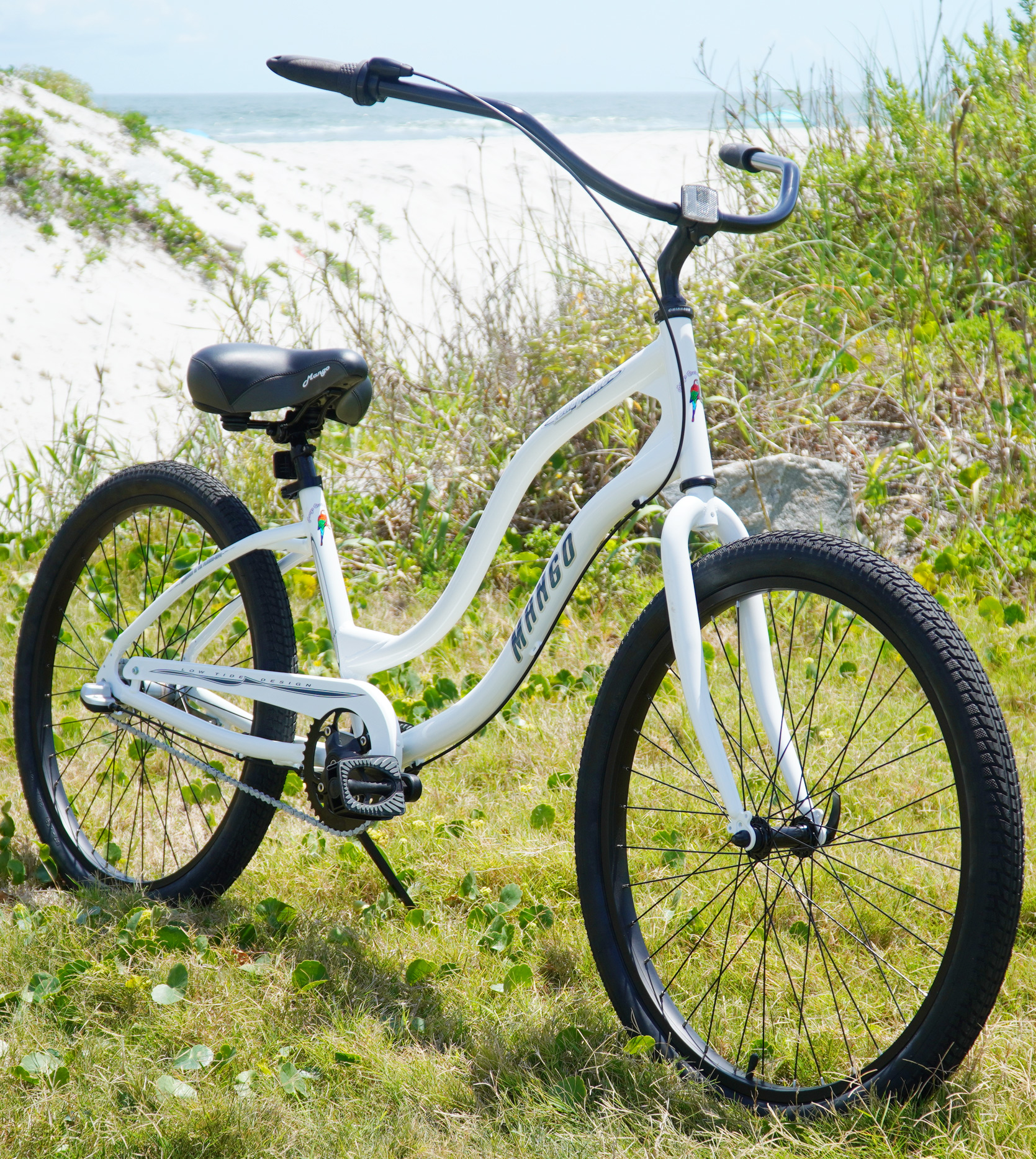
Comfort doesn’t always involve technical terrain. A beach cruiser is built around relaxed geometry and forgiving wheels. Many cruisers use 26-inch wheels, which may be smaller than modern road or hybrid wheels but are paired with wide, cushioned tires.
This combination softens bumps at low speeds and keeps handling predictable. For casual riding along boardwalks or neighborhood streets, the comfort equation prioritizes ease and stability over efficiency.
Smaller Wheels Aren’t Always Uncomfortable—Context Matters
Smaller wheels respond more quickly to steering input, which can feel lively and fun. In urban environments with frequent stops and tight turns, that responsiveness has value.
Comfort suffers only when the wheel size doesn’t match the terrain or usage. A smaller wheel on rough pavement transmits more vibration. On smooth surfaces, it can feel perfectly fine. This is why wheel size choices should reflect where and how the bike will be ridden, not just rider height or trends.
Tire Size and Pressure Complete the Comfort Picture
Wheel diameter sets the stage, but tires finish the performance. Wider tires at lower pressure amplify the comfort benefits of larger wheels. Narrow, high-pressure tires reduce comfort regardless of diameter.
The key takeaway for bike wheel size comfort is synergy. Wheel size, tire width, and pressure work together. Choosing a bike with the right wheel diameter allows riders to fine-tune comfort later through tires without changing the entire setup.
Comfort Keeps Riders Riding
Speed impresses on short rides. Comfort determines longevity. Riders who feel less beaten up ride farther, more often, and with greater confidence. Wheel size quietly shapes that experience every mile.
When bikes feel forgiving instead of punishing, cycling becomes part of daily life rather than an occasional challenge.
The Bottom Line on Wheel Size and Comfort
Wheel size isn’t about chasing marginal gains. It’s about shaping how a bike feels beneath you. Larger wheels smooth the ride, reduce fatigue, and increase confidence across most riding styles. Smaller wheels offer agility but demand smoother surfaces to stay comfortable.
Choosing the right diameter ensures the bike supports your body instead of fighting it. That’s the real advantage of understanding bike wheel size comfort.
Find Your Smoothest Ride at Bikesdirect.com
Comfort starts with the right foundation. At Bikesdirect.com, explore bikes designed with wheel sizes that match how you actually ride—whether that’s long pavement miles, mixed gravel routes, relaxed cruising, or trail adventures. Choose a bike that absorbs bumps, reduces fatigue, and keeps every ride enjoyable instead of exhausting. When your wheels work with the terrain, comfort follows naturally, mile after mile.