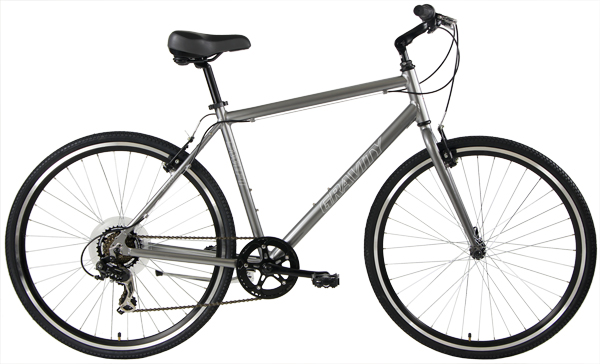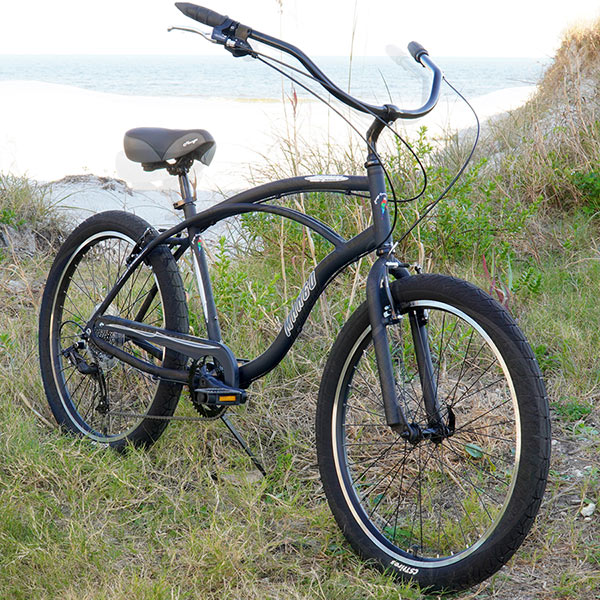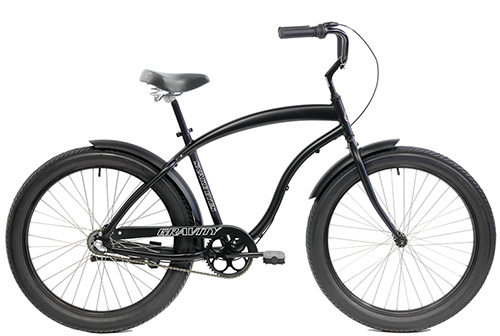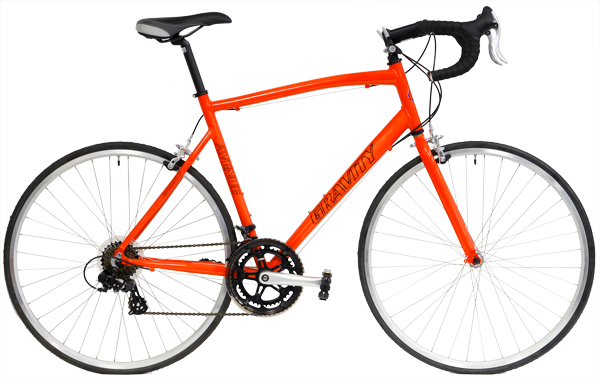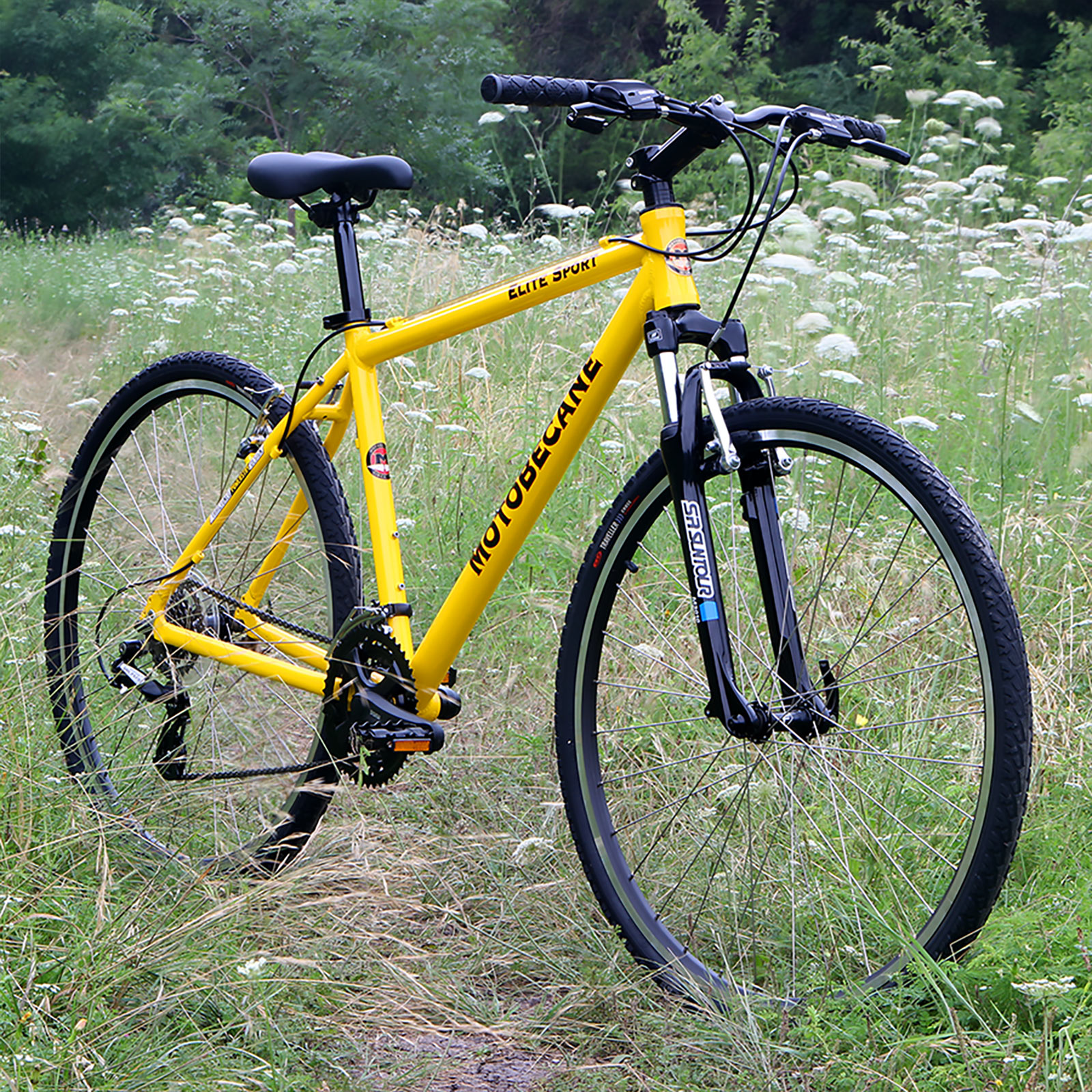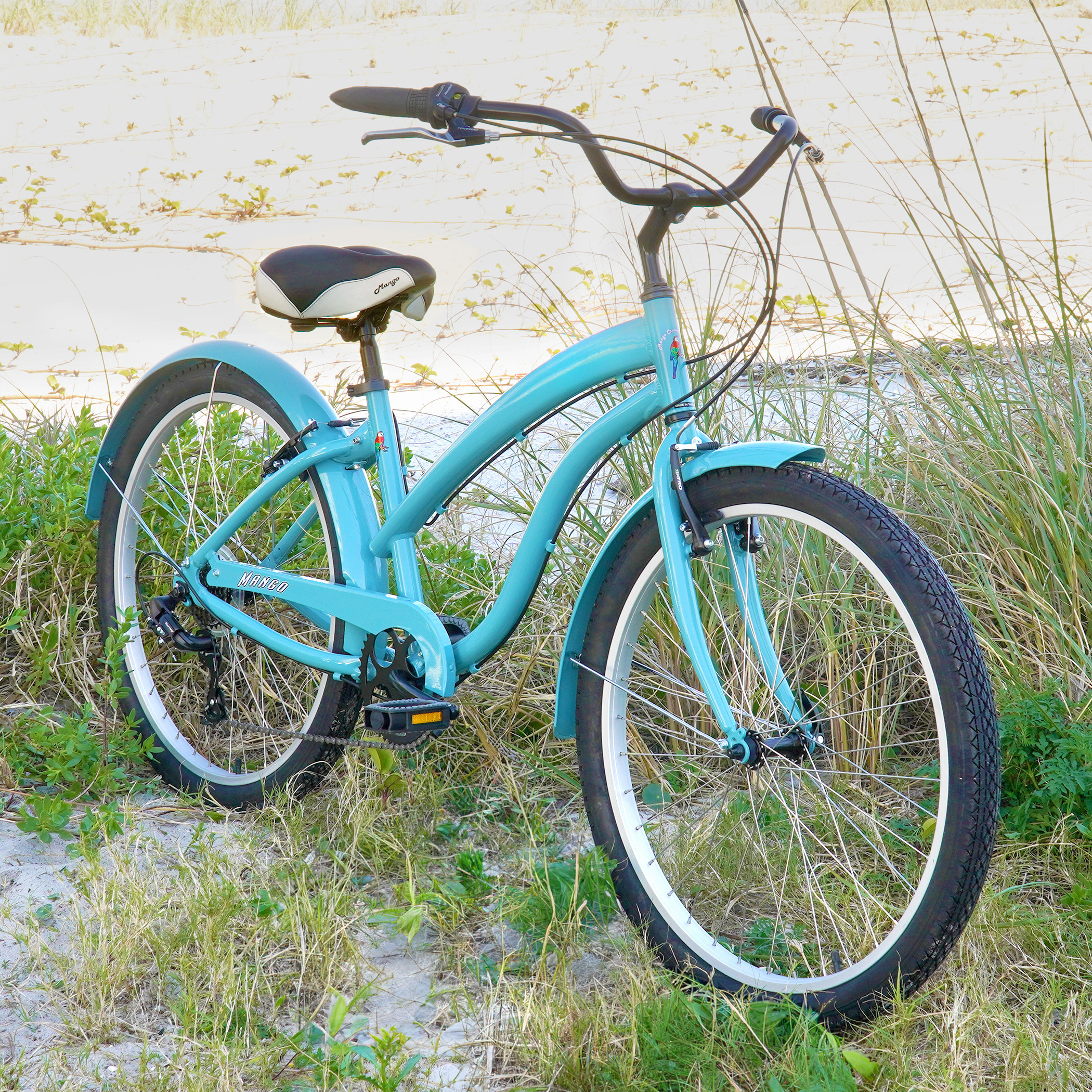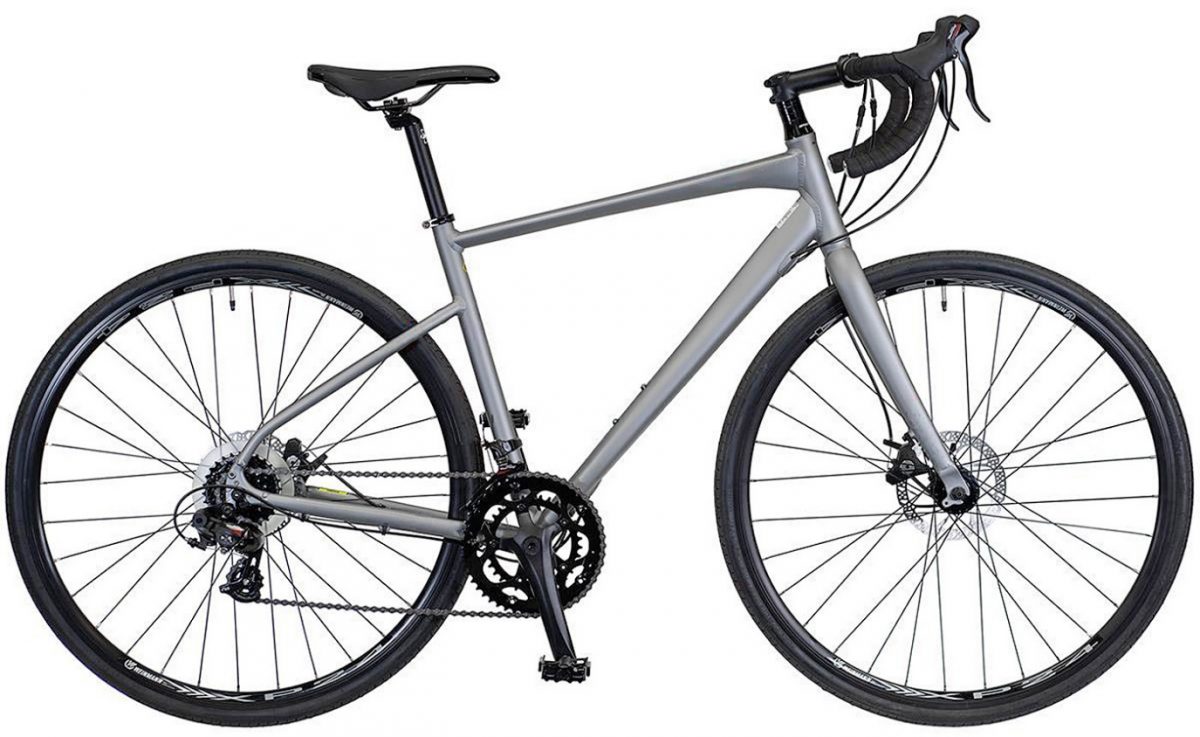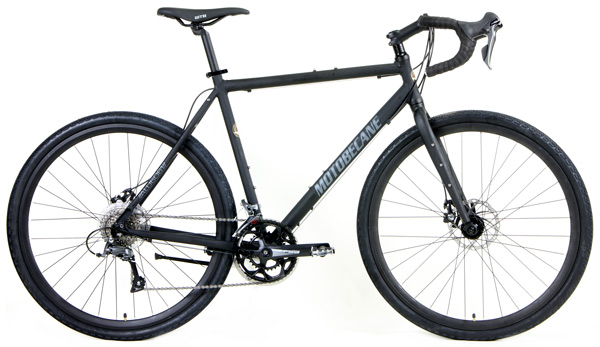

If you’re shopping for a road bike price comparison under $800, you’ve probably noticed something confusing: online listings can look shockingly affordable, while many local bike shops start well above that number. The gap isn’t just about “markup” or “deals”—it’s about how bikes are sold, what’s included, and which specs brands choose to put at each price point.
In this guide, we’ll compare what you can realistically expect under $800 from an online, factory-direct approach versus a local bike shop model—so you can make a smart, apples-to-apples decision.
Why Online Prices Can Look Lower (Even for New Bikes)
Online pricing often looks lower because the sales model is different:
Lower retail overhead (no showroom footprint per location)
Inventory is centralized instead of spread across shops
Less bundled service (fit, assembly, tune-ups may be optional)
That last point is key: a local shop price often includes value you don’t see on the tag—professional assembly, advice, and sometimes a first tune-up. Online buying can still be a great deal, but you want to compare total cost and total experience, not just the number on the screen.
What “Under $800” Usually Buys You: The Spec Trade-Offs That Matter
Under $800, every brand has to make choices. The bikes can be excellent—if you know which compromises are normal and which ones you’ll actually feel.
Frame material and ride feel
Steel at this price can be durable and comfortable, especially for newer riders or commuters.
Aluminum often feels snappier and lighter at similar prices, but it can ride a bit firmer, depending on the tires and setup.
Brakes
Rim brakes are still common under $800 and can work well for many riders.
Disc brakes are increasingly common, but at lower price points, you may see more basic mechanical disc setups.
Drivetrain and gearing
You’re typically looking at simpler, reliable shifting in this range (fewer gears, wider steps).
The bigger question isn’t “how many speeds,” it’s whether the gearing suits your terrain and fitness goals.
Wheels and tires
This is where comfort lives. A slightly wider tire (and correct pressure) can make a budget bike feel dramatically better—especially on imperfect pavement.
A Fair Comparison: What’s Included in the Price?
This is where shoppers often compare unfairly without realizing it.
Local bike shop pricing often includes:
Assembly and safety checks
In-person sizing help
A relationship for service and adjustments
Sometimes a first tune-up (varies by shop)
Online pricing often includes:
Direct-to-door convenience
Wider selection at any moment
Strong spec-per-dollar potential
(But) You may need to handle basic assembly or pay a shop for setup
The right choice depends on what you value most: bundled service and test rides, or maximum value and selection.
Two Real Under-$800 Examples From BikesDirect (and Why They Compete So Well)
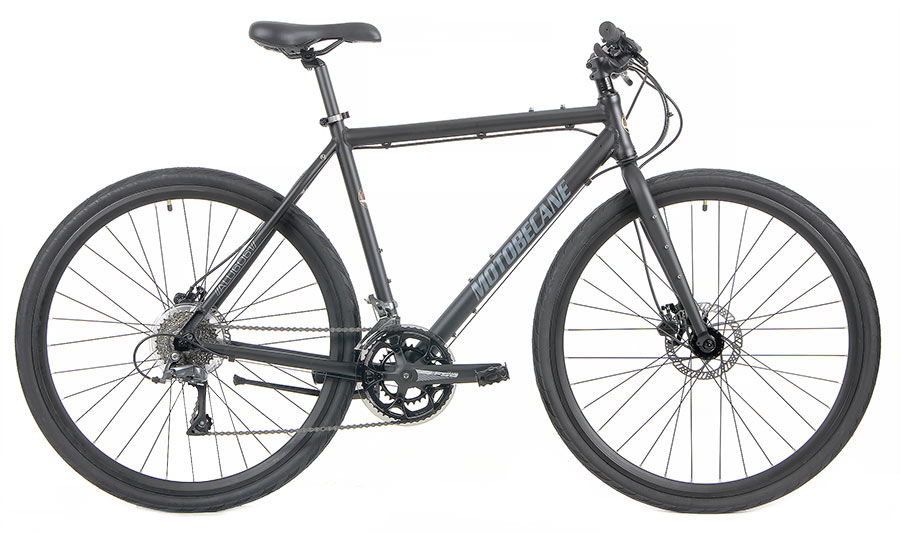
If your goal is staying under $800 for a new drop-bar setup, factory-direct options can open up choices that are simply rare at many storefront price points.
Mercier Galaxy ST / ST Express
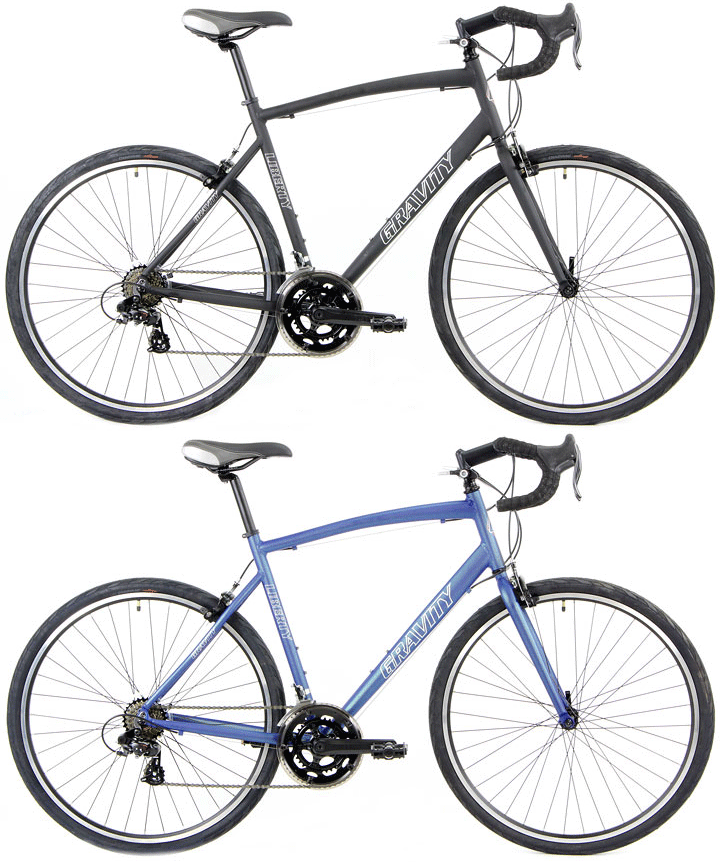
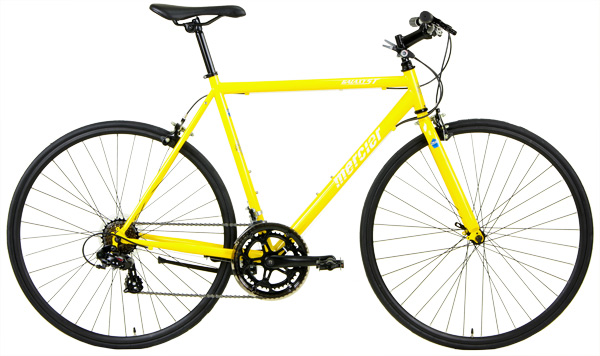
The Mercier Galaxy ST / ST Express has been offered as a budget-friendly road option with a published sale price as low as $229.95 (with a higher list price shown on the same listing). That kind of pricing is exactly why online, factory-direct models stand out in this budget tier—especially for riders who want an affordable starting point and prefer to spend later on essentials like a helmet, lights, and a lock.
Windsor Wellington 2.0 XTL
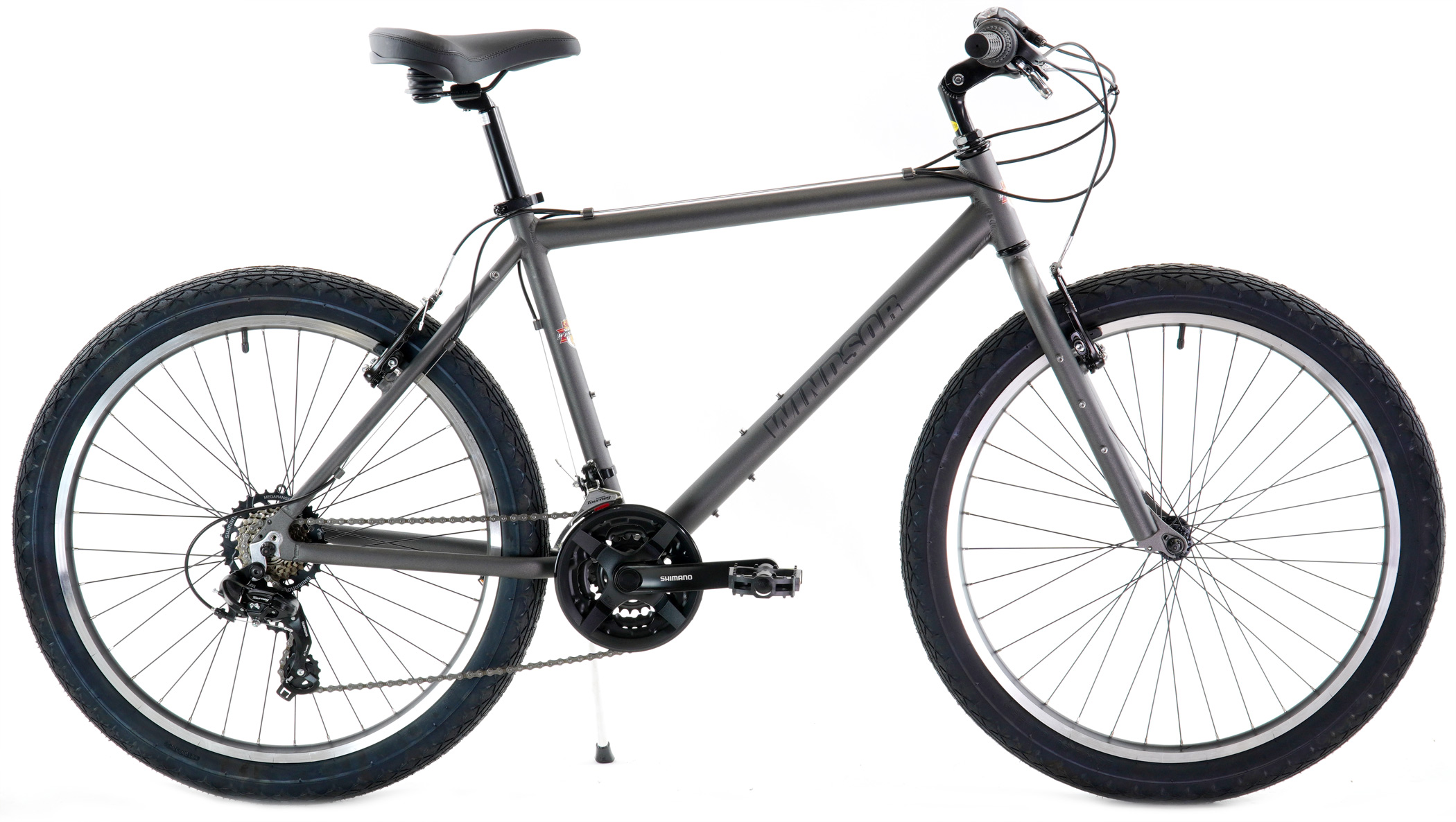
For riders who want an aluminum road bike feel at a low price, the Windsor Wellington 2.0 XTL is listed with a sale price of $349 and “FREE 48 US shipping” on the product page snippet. That’s a meaningful difference versus the $1,000+ range where many big-brand entry road bikes sit.
The Smart Way to Compare Under $800: A 5-Step Checklist
If you want a clean, practical comparison between online and shop options, run every bike through the same checklist:
1) Total out-the-door cost
Include shipping, tax, and any setup cost if you’ll pay a shop to assemble it.
2) Fit confidence
If you’re between sizes or unsure of reach/stack, local shops can be a real advantage. If you’re confident in sizing (or have a bike to compare to), online becomes easier.
3) Your roads
If your pavement is rough, prioritize tire clearance and comfort over “racy” feel. A budget bike with better comfort can be faster in the real world because you’ll ride longer and more consistently.
4) Your maintenance plan
If you love the idea of a shop relationship and service support, factor that in. If you’re comfortable doing basic adjustments—or you already have a shop you trust—online can be a strong fit.
5) Spec priorities that actually matter
At this price, don’t get distracted by “number of gears.” Focus on brakes you trust, gearing that suits your hills, and tires that don’t beat you up.
Under $800 Is Possible—But Only If You Compare the Right Way
A road bike under $800 is absolutely achievable, but the best value often depends on how you buy. Local bike shops can deliver excellent support, fitting help, and peace of mind—benefits that are real, especially for newer riders. At the same time, online factory-direct models can dramatically improve what’s available under $800, especially when many mainstream entry-level road bikes list at $1,000+ from major brands.
If your priority is stretching your budget as far as possible while still getting a capable road bike, BikesDirect is built around that value-driven approach—offering options like the Mercier Galaxy ST / ST Express and Windsor Wellington 2.0 XTL at prices that are difficult to match through many traditional retail channels.
If you want help choosing the right model and size, please contact us.
Most people don’t buy the wrong bike because they picked a bad brand; they buy the wrong bike because they picked the wrong category for their day-to-day riding. A bike that feels amazing on one surface can feel slow, harsh, or unstable on another. And once a bike feels like work instead of fun, it sits.
If you’re here because you searched for the types of bikes, we’ll make this simple and practical. In this guide, we’re going to match bike categories to real riding situations: commuting, fitness, weekend exploring, trails, and casual cruising, so you can choose with confidence.
To keep this easy to shop as you read, we’ll include links to our main categories and talk through what to look for (and what not to overthink). If you already know you want a pavement-focused bike, you can start browsing ourRoad bike category right away and use the sections below to narrow in on the best fit.
A fast decision framework that works for nearly everyone
Before we get into road vs. mountain vs. gravel, let’s zoom out. The best buyer’s guide isn’t a list of features; it’s a way to decide quickly based on your needs.
1) Surface: What will you ride most of the time?
Be honest here. Most of the time, daily surface matters more than the once-a-month adventure ride.
Smooth pavement → efficiency and speed matter; narrower tires usually feel faster.
Rough pavement + paths → comfort and stability move up the priority list.
Dirt, roots, rocks, and real trails → traction and control become the whole game.
Sand/ snow/ very loos terrain → you’ll want serious tire volume for float.
2) Goal: What does a great ride mean to you?
Fitness & speed: you’ll enjoy a bike designed to reward effort.
Comfort & easy miles: upright posture and stable handling keep you riding longer.
Exploration: versatility matters; tire clearance, mounts, and confident handling on mixed surfaces.
Utility: commuting and errands are smoother with practical features and predictable steering.
3) Posture: How upright do you want to sit?
This is one of the biggest differences between categories.
More forward: can be efficient and fast, especially over distance.
More upright: often feels more natural for casual riding, commuting, and city routes.
Neither is better. The best posture is the one you’ll happily ride for an hour.
4) Tolerance for maintenance and tinkering
More complex setups can mean more fine-tuning over time. Many riders love that and enjoy dialing in their bike. Others want simple, reliable, and low-fuss. There’s no right answer; only what fits you.
5) Where your budget makes the biggest difference
If you’re trying to get the best ride quality per dollar, prioritize:
braking confidence
drivetrain feel (shift quality + useful gearing)
wheels and tires (comfort and traction live here)
Now, let’s apply this to the categories you’ll see most often.
Road bikes: fast, efficient, and made for pavement
A road bike is the category built to cover distance efficiently. The geometry is designed to translate your effort into speed. Tires are typically narrower than other categories, and the position is often more forward-leaning for aerodynamic efficiency and power transfer.
If most of your rides revolve around pavement, fitness loops, longer weekend rides, group rides, or distance goals, this is where to start:Road bike.
What to look for in a road bike (without overcomplicating it)
Fit and comfort come first. A road bike that’s a little more relaxed can be a better everyday choice than an ultra-aggressive setup, especially if you’re newer to the category or you’re planning longer rides.
Gearing should match your terrain. If you’ve got hills, you’ll want enough low gears to keep climbs enjoyable. Riders often regret too tall gearing more than they regret a little extra range.
Don’t obsess over tiny weight differences. It’s easy to get pulled into grams. In practice, fit, tire choice, and your route choice matter more.
When a road bike isn’t the best fit
If your local roads are broken up, you ride mixed-use paths a lot, or you want to leave pavement whenever curiosity strikes, you may be happier on a gravel bike or a hybrid. You’ll give up a little pure-road speed, but you’ll often gain comfort and confidence.
Mountain bikes: control, traction, and confidence off-road
Mountain bikes are designed for terrain where traction and stability matter more than aerodynamics. They’re built to handle uneven surfaces; dirt, rocks, roots, and steep grades; and they’re tuned to keep you in control when trails get rough.
If trails, parks, and off-road routes are your main priority, browse here:Mountain bike.
Hardtail vs. full suspension: the difference you’ll feel immediately
Hardtail (front suspension, rigid rear)
Often feels efficient when climbing
Typically simpler and lighter
Great for smoother trails, mixed terrain, and riders who want a responsive ride feel
Full suspension (front + rear suspension)
Often feels more controlled on rough trails
Can reduce fatigue and increase comfort on longer rides
Helps keep traction when the ground gets choppy and unpredictable
If you ride terrain that regularly beats you up, or if you’re building confidence and want a bike that feels more forgiving, full suspension can be a real quality-of-life upgrade.
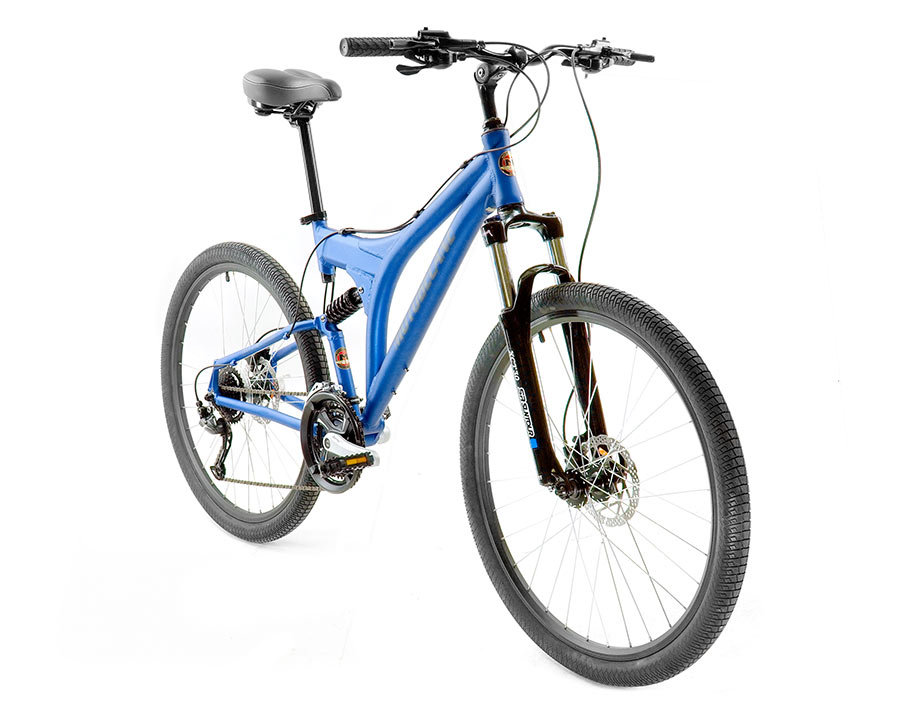
A practical full-suspension example: Gravity FSX 1.0 Advent26 1BY
When riders are trying to understand what full suspension actually changes, we like pointing to a straightforward trail-ready option as a reference point. The Gravity FSX 1.0 Advent26 1BY is a great example of the kind of bike that can make rougher routes feel smoother and more controllable, especially for riders who want more comfort and traction without jumping straight into a premium price bracket.
The key takeaway isn’t that full suspension is always better. It’s that full suspension can make trail riding more approachable and less punishing, which usually means you ride more and progress faster.
Key mountain-bike comparisons that actually matter
Wheel size and stability Larger wheels can feel steadier over obstacles and carry momentum well. Smaller wheels can feel more agile and playful. Neither is a universal win; the best choice depends on your trails and your preferences.
Tire width and tread Tires do a lot of work. If you want more confidence, look at the tire setup before you get lost in marketing terms.
What kind of trails are you riding? Smooth flow trails, rocky technical trails, steep descents, and mixed terrain all ask for different priorities. Choose the bike that matches the riding you’ll do next weekend, not the riding you might do someday.
Gravel bikes: the one-bike answer for mixed surfaces
Gravel bikes are built for riders who want versatility without giving up the ability to cover distance efficiently. They’re designed to feel stable on mixed terrain, accept wider tires than most road bikes, and stay comfortable over longer rides, especially when the pavement turns rough, or you decide to explore a dirt road just to see where it goes.
If your riding includes rough pavement, rail trails, dirt roads, or a blend of everything, start here:Gravel bike.
Why gravel feels different from road (in a good way)
Tire clearance and comfort Wider tires can add comfort and stability on surfaces that would feel harsh on narrower road setups.
Stable handling Many gravel designs prioritize predictable steering and composure on loose terrain.
Practical versatility Gravel bikes are often chosen by riders who want one bike that can handle weekday fitness rides and weekend adventure routes without needing a separate specialized bike for every scenario.
And when riders ask for types of bikes explained, gravel is often the category that unlocks the decision, because it bridges the gap between fast pavement riding and confident mixed-surface exploring.
A comfort-focused option worth knowing about: Windsor Dover 1.0
Not every rider wants a forward-leaning posture. Some riders care most about stable handling, comfort, and day-to-day practicality, and that’s where comfort-leaning builds can shine.
The Windsor Dover 1.0 is a great example of a bike that fits into real-life riding; the kind of routes that mix neighborhoods, paths, and imperfect pavement where comfort and confidence matter more than chasing top speed. If your goal is to ride more often, feel steady, and keep things enjoyable, this style of bike can be an excellent match.
Hybrid bikes: the everyday sweet spot for fitness, commuting, and comfort
If you want one bike that feels natural right away, and doesn’t demand you dress like a cyclist to enjoy it, a hybrid is often the easiest win. Hybrids blend an efficient pedaling position with a more upright posture and stable handling, which is why so many riders end up happiest here long-term.
You can browse our hybrid selection here:Hybrid bike.
Who a hybrid is perfect for
A hybrid is a great fit if your rides look like:
paved paths, greenways, and bike lanes
neighborhood loops and casual fitness rides
commuting to work or school
errands where you want stable handling and easy starts/stops
Hybrids also shine for riders who value comfort and confidence over outright speed. You may not win a sprint against a dedicated road setup, but you’ll likely ride more often and enjoy it more, because the bike feels friendly instead of demanding.
What to look for in a hybrid (the stuff you’ll actually notice)
1) Fit and posture
Hybrids are typically more upright than road bikes, which can be easier on your neck, shoulders, and hands, especially if you’re returning to cycling after a break.
2) Tire width and ride feel
Moderately wider tires can make rough pavement feel smoother. If your routes include bumpy paths or city streets, this matters more than most people expect.
3) Gearing that matches your area
If you’ve got hills, you’ll want low gears you can actually use. If you’re mostly flat, simpler gearing can be perfectly satisfying.
4) Brakes you trust
The best brakes are the ones that feel consistent and predictable for your conditions, especially if you’ll ride in traffic, in wet weather, or on descents.
Two real-world hybrid examples from our lineup
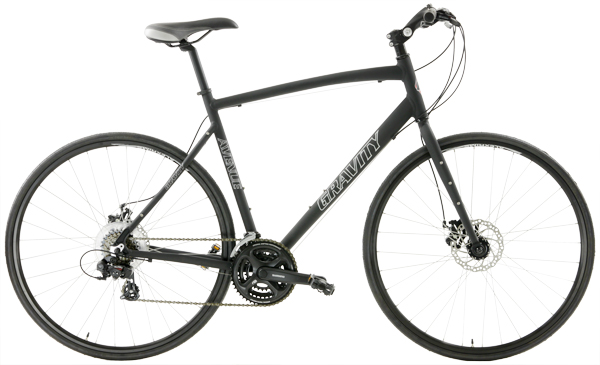
If you want a capable, straightforward bike for paths, commuting, and daily miles, the Gravity Swift DLX24 is an excellent do a bit of everything option. It’s the kind of hybrid we recommend to riders who want a stable ride, practical ergonomics, and an easy setup that supports regular use; fitness rides during the week, longer path rides on the weekend, and the occasional errand without fuss.
If comfort is the priority, and you want a ride that stays calm and steady on imperfect pavement, the Windsor Rover 2.0 is a great match. Riders often gravitate toward this style when they want more upright confidence and a just-feels-right posture for everyday riding.
Hybrid vs. gravel vs. road: choosing the right pavement-plus bike
A lot of riders get stuck here: they mostly ride the pavement, but they don’t want to feel limited. The good news is you don’t need to overthink it; just match the bike to how you actually ride.
Choose a hybrid if…
want upright comfort and predictable handling
ride in traffic, around neighborhoods, or on mixed paths
value ease of use and stability more than top-end speed
want a bike that feels approachable from the first ride
Choose a gravel bike if…
routes regularly include rough pavement, dirt roads, or rail trails
like the idea of exploring beyond the pavement without committing to a mountain bike
want one bike that can do a lot while still feeling efficient
Choose a road bike if…
rides are primarily smooth pavement, and you care about speed and distance efficiency
enjoy a more forward riding position
want a bike built to reward effort over longer miles
The decision often comes down to posture and surface: more upright and practical points toward hybrid; more mixed surfaces and longer distance exploring points toward gravel; smooth pavement and speed goals toward road.
Cruisers: comfort-first riding for relaxed fun
Cruisers are exactly what they sound like: simple, comfortable bikes built for enjoying the ride. They’re ideal when you care more about comfort, style, and easy miles than you care about speed or technical performance.
Upright posture Cruisers typically put you in a relaxed position that feels intuitive; great for sightseeing, neighborhood rides, and short errands.
Stable steering They’re designed to feel calm and steady at casual speeds.
Simplicity Many cruiser setups keep things straightforward, which can be appealing if you’re not looking for a project bike.
When a cruiser is the best choice
Cruisers are a great fit if:
ride mostly flat terrain
ou want short-to-medium casual rides
want something comfortable and easy to hop on
ou’re riding boardwalks, beach paths, and neighborhoods
When a cruiser is not the best choice
If your area is hilly, or you want longer fitness rides where efficiency matters, you may be happier on a hybrid or gravel setup. Cruisers can absolutely be ridden beyond short rides, but they’re happiest when the goal is relaxed comfort.
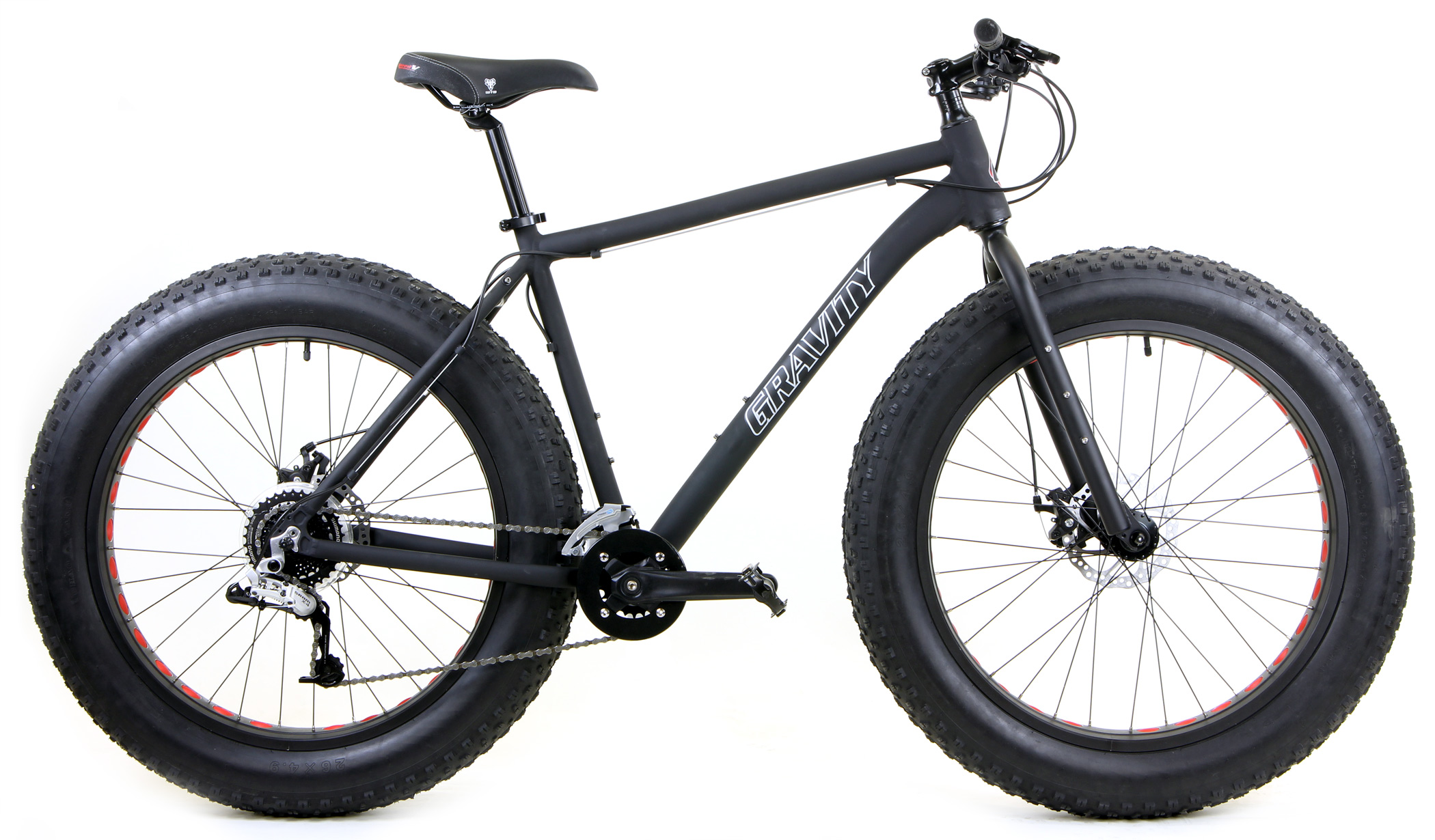
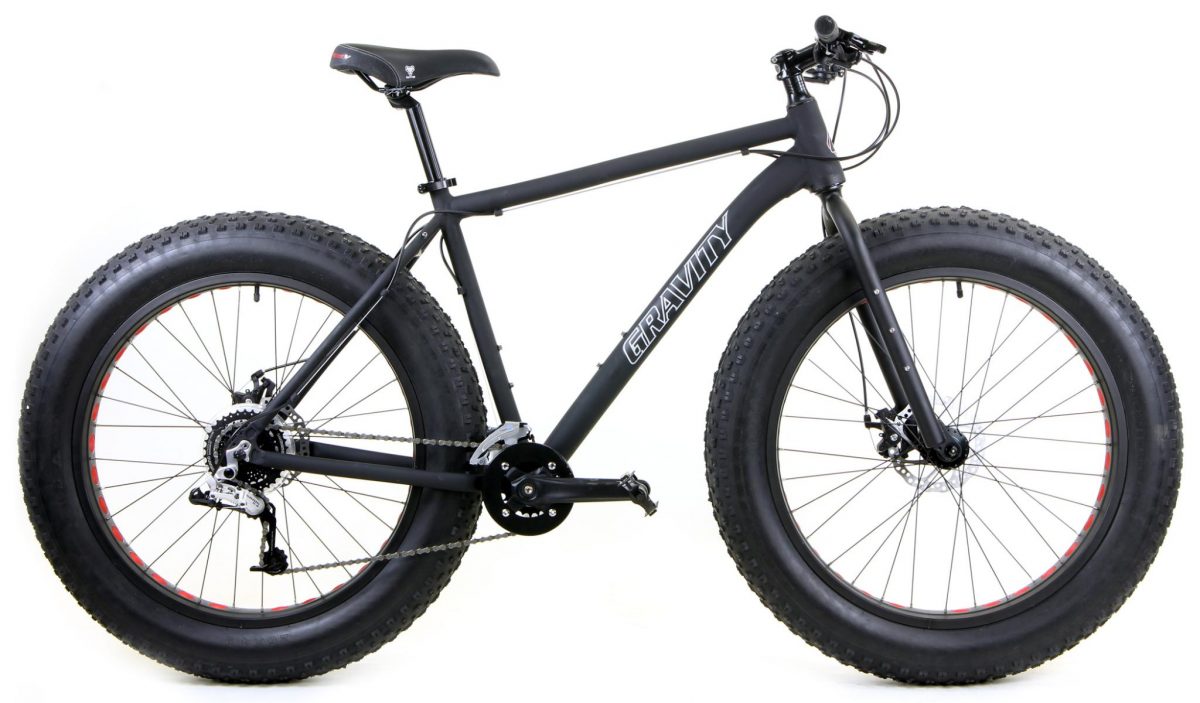
Fat bikes: traction and float for sand, snow, and loose terrain
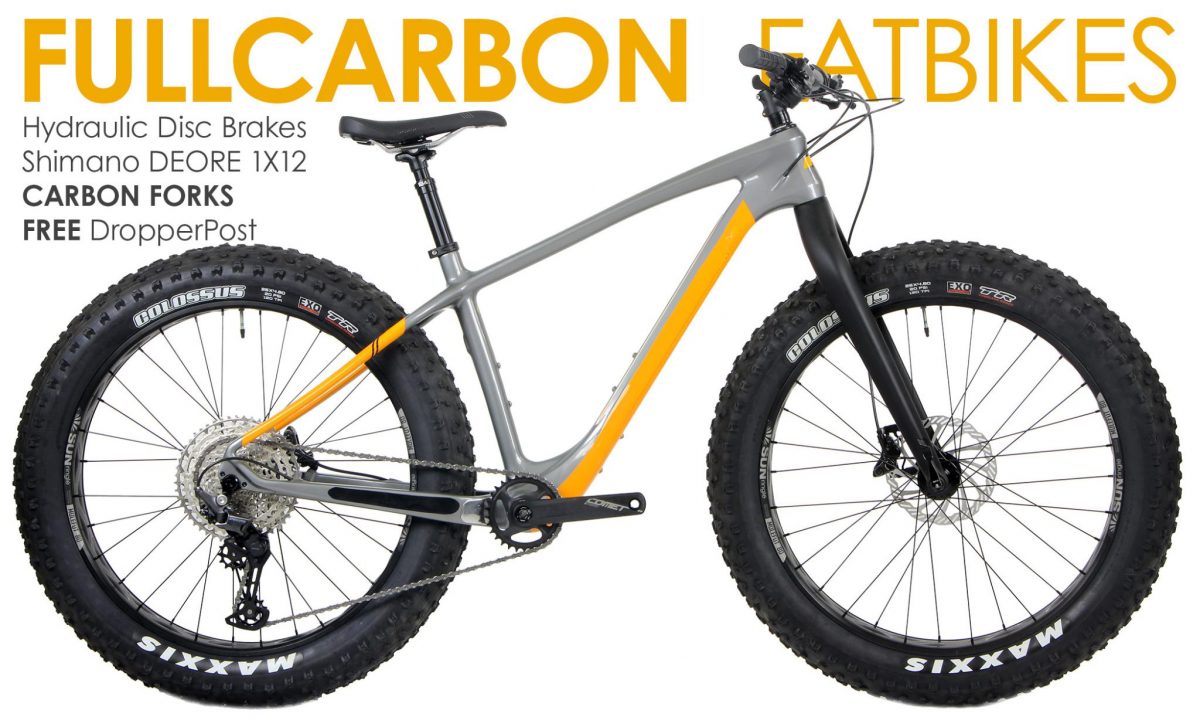
Fat bikes are built for conditions where typical tires struggle. They use very wide tires at relatively low pressures to create float, helping you stay on top of soft, loose surfaces like sand or snow.
Sand and snow This is the classic fat-bike use case. The wide tires help you keep momentum where other bikes sink or spin out.
Loose and rugged terrain They can be extremely confidence-inspiring on unpredictable surfaces.
Comfort through tire volume Even when you’re not on sand or snow, the tire volume can feel cushy and stable; though it’s not the same as suspension, and it comes with tradeoffs (more rolling resistance on pavement).
The tradeoffs to know before you choose one
Fat bikes can be amazing, but they aren’t a universal upgrade.
On pavement, they often feel slower than a hybrid or gravel bike because the tires create more resistance.
They can be heavier and more tractor-like, which many riders love off-road, but not everyone wants them day to day.
If your riding includes true sand/snow seasons or consistently loose terrain, a fat bike can be the perfect tool. If most of your riding is pavement and paths, you’ll usually get more everyday enjoyment from a hybrid or gravel setup.
A quick match your ride cheat sheet
If you want a simple way to sanity-check your choice, use this:
Mostly pavement, fitness goals, longer distances → road bike
Pavement plus mixed-surface exploring → gravel bike
Real trails: dirt, rocks, roots, technical terrain → mountain bike
Relaxed short rides and comfort-first fun → cruiser
Sand/snow/loose terrain priority → fat bike
This cheat sheet is simple on purpose. Most people don’t need more complexity than that to choose well.
Fit, sizing, and a first-ride setup checklist
You can pick the perfect category and still end up frustrated if the fit is off. Fit is what turns good on paper into I can’t wait to ride it again.
Fit basics that matter immediately
1) Standover and confidence
You should be able to stand over the bike comfortably when stopped. Confidence at stops is a big part of how enjoyable a bike feels.
2) Reach (how stretched you feel)
If you feel like you’re reaching too far to the handlebars, you’ll feel it in your shoulders, neck, and hands. A slightly shorter reach often makes riding dramatically more comfortable.
3) Saddle height (the biggest performance/comfort lever)
A too-low saddle can make your knees and quads work harder than they should. A too-high saddle can cause hip rocking and discomfort. Getting this close to right makes a massive difference.
4) Handlebar height and angle
Small adjustments can change wrist comfort and reduce pressure on your hands. If you’ve ever gotten numb hands, this matters.
First-ride setup checklist (simple and practical)
Before your first longer ride, do a quick confidence lap and a few checks:
Tires: Inflate to an appropriate pressure (use the sidewall range as your guide).
Brakes: Test braking at slow speed and confirm the levers feel firm and consistent.
Shifting: Shift through gears on a short ride and confirm it’s smooth.
Bolts: Confirm key areas are snug (handlebar/stem, seatpost, pedals).
Comfort: After 10–15 minutes, reassess: Is the saddle height right? Are you reaching too far? Do your wrists feel natural?
If something feels off, it’s usually fixable with small adjustments. Getting the setup right early makes the whole experience better.
How to avoid the most common category mistakes
A few patterns show up again and again. Avoid these, and you’ll save yourself time and frustration:
Mistake 1: Buying for the someday ride instead of the weekly ride
If you ride paved paths every week and do trails twice a year, buy for the paved paths. The right bike for your weekly ride is the bike that will actually get used.
Mistake 2: Overbuying complexity
You don’t need advanced features to have fun or get fit. In many cases, a simpler, well-matched bike rides better day to day than a more complex bike that doesn’t fit your riding style.
Mistake 3: Ignoring posture preferences
If you want upright comfort, don’t talk yourself into a more aggressive posture because it sounds faster. Comfort is what keeps you riding.
Mistake 4: Underestimating tires
Tires influence comfort and confidence more than most people expect. The right tire for your terrain often matters more than tiny frame differences.
Choose with confidence, and get a bike you’ll actually ride
The best category choice is the one that matches your routes, your comfort preferences, and your goals. When you choose that way, riding becomes easier, more fun, and more consistent, because the bike feels like it belongs in your life.
If you came here looking for types of bikes explained, remember this: road bikes reward efficiency on pavement, mountain bikes deliver control on real trails, gravel bikes bridge surfaces for exploring, hybrids balance comfort and practicality, cruisers prioritize relaxed fun, and fat bikes unlock sand and snow.
At BikesDirect, we’ve built our categories so you can shop clearly, compare real specs, and find the best value for the way you ride. And if you’re still narrowing it down, revisiting types of bikes explained through the lens of your terrain and posture preference is one of the fastest ways to land on the right bike without second-guessing yourself.
If you’d like help choosing a category, picking the right size, or comparing models, pleasecontact us here.
For years, bike fitting worshipped exact angles: knee-over-pedal by the plumb bob, elbows at tidy degrees, stems slammed because pros did it. The result was often a fast-looking bike that felt twitchy after 40 minutes and punishing after 90. Modern bike fit flips the script. Instead of making your body serve a geometry chart, it tunes contact points and posture to your mobility, riding goals, and terrain. Numbers still matter—they’re guardrails, not handcuffs. What counts is whether you can breathe deeply, steer lightly, and put down power without discomfort from the first ten minutes to the last ten miles.
To make this practical, we’ll compare how modern bike fit plays out on three distinct platforms you can buy today—an endurance-leaning carbon road bike, a flat-bar city/fitness bike, and an all-road/gravel bike—so you can see how the same principles adapt to different ride styles.
The new fit priorities: posture, pressure, and predictability
Feel-first fit asks three questions. First, posture: can you see the road easily and breathe without shrugging your shoulders? Second, pressure: are weight and contact pressures spread so hands, sit bones, and feet feel supported rather than pinched? Third, predictability: does the bike steer where your eyes go, without micro-corrections?
On the Le Champion CF LTD, a taller stack and modest reach encourage a chest-open posture with soft elbows. That keeps breathing deep and core engaged on long road rides. The Avenue FXD Disc supports an upright stance for traffic awareness and lower-back ease, ideal for commutes and fitness loops. The Gravel X3 Disc adds tire volume and a slightly longer wheelbase, helping you stay relaxed as surfaces change. Different bikes, same goal: a stable torso with relaxed hands and a pelvis that’s supported—not hunting around the saddle every minute.
Saddle position: where comfort starts (and injury prevention, too)
Classic advice set saddle height by heel-on-pedal or fixed knee angles. Modern bike fit still respects those ranges but refines them by feel. You want a smooth knee path with no hip rock and power that arrives early in the downstroke, not awkwardly late. Most riders land near a 25–40° knee angle at the bottom of the stroke, but adaptation comes first: if your hamstrings or lower back are tight, slightly lowering the saddle (or moving it a touch forward) can stabilize your pelvis and unlock comfortable cadence.
On the Le Champion CF LTD, a millimeter or two can be the difference between all-day calm and creeping hamstring tug. On the Avenue FXD Disc, a hair lower position paired with a slightly more forward saddle often helps starts and stops feel confident in traffic. On the Gravel X3 Disc, keep height conservative to preserve traction when seated over rough patches; stability equals speed on chattery gravel.
Saddle tilt follows the same rule: level is the starting point; micro-tilt by half-degree steps. Numb hands? Your pelvis may be sliding forward—lift the nose a whisper. Pressure at the front? Drop the nose slightly so pelvic tilt is neutral. Small changes, big relief.
Bars and cockpit: breathing room over bravado
A generation ago, “slammed and long” signaled speed. Today, fit prioritizes breathing room and light hands. For drop bars, look for a position where you can spend most time on the hoods with a soft elbow bend and a neutral wrist. If you need to shrug or lock your elbows to reach, the cockpit is too long or too low. On Le Champion CF LTD, adding a spacer or choosing a compact-reach bar can transform comfort without sacrificing pace. On Gravel X3 Disc, shallow-flare bars improve control on loose surfaces while maintaining neutral wrists. The Avenue FXD Disc’s flat bar benefits from a modest rise and gentle backsweep; those few degrees take strain out of wrists and shoulders in start-stop city flow.
Bar width has evolved, too. For road and all-road, many riders now prefer slightly narrower bars to reduce frontal area and shoulder strain, provided the chest still feels open. For flat-bars, avoid overly wide stances that load the wrists; let steering come from the core, not tension in your hands.
Cranks, cleats, and the quiet lower body
Shorter crank trends aren’t fashion—they reduce hip closure at the top of the stroke, improve breathing, and cut knee shear for many riders. If you’ve felt pinched at the top or struggle to spin smoothly, a 2.5–5 mm shorter crank can be a revelation, especially on endurance frames like Le Champion CF LTD. Cleat placement follows comfort and stability: start a bit farther back (toward mid-foot) than you think, align with your natural foot angle, and let your knees track without forcing them “straight.” The goal is quiet knees under load. On the Gravel X3 Disc, a forgiving cleat float helps as terrain tilts and cadence varies. On the Avenue FXD Disc, if you ride in everyday shoes, choose pedals with a broad, grippy platform and set saddle a shade lower for stable starts.
Tire volume and pressure: fit’s secret ally
Fit isn’t only contact points. Tire volume and pressure shape how your body experiences the bike. The Le Champion CF LTD shines with 28–32 mm tires at realistic pressures; that “quiet road” sensation reduces hand clench and shoulder fatigue, which keeps posture tidy. The Avenue FXD Disc thrives on 32–38 mm; calmer feedback lets you steer from your core instead of white-knuckling over cracks and paint. The Gravel X3 Disc is built for 38–45 mm tubeless; lower pressures smooth washboard and let your hips stay still, which stabilizes knee tracking and power.
If a fit feels almost right but not quite, check pressures. Over-inflated tires masquerade as a “cockpit problem” by putting buzz into your hands and lower back. Drop a few PSI and re-assess before chasing stems and spacers.
A feel-first setup plan for each platform
On Le Champion CF LTD, begin with a comfort-endurance posture: hoods as the home base, bar drop that keeps your chest open, and a saddle height that favors a smooth knee path over a maximal extension. Test on real roads with light surges. If hands load up late in rides, raise the bars a touch or rotate them slightly to bring the hoods higher.
On Avenue FXD Disc, aim for heads-up control: a modest bar rise and backsweep, levers set close for easy one-finger braking, and a saddle position that enables calm, seated starts. Keep the reach short enough that shoulder checks are second nature.
On Gravel X3 Disc, bias toward stability: a slightly shorter reach and a hair higher bar than your road position, shallow-flare drops for leverage, and saddle height set for traction and cadence on uneven surfaces. Let the bike absorb chatter so your hips stay quiet.
The ten-minute parking-lot test (modern bike fit in action)
Take an Allen key set and do three short loops. First loop: note any hand pressure or neck craning—if present, raise the bars 5–10 mm or shorten reach 5 mm and ride again. Second loop: watch your knees from above; if they sweep out or you’re rocking, lower the saddle 2–3 mm or slide it slightly forward. Third loop: add a handful of hard efforts; if you scoot on the saddle, fine-tune tilt by half-degree. Lock in the changes, then ride 30–40 minutes on familiar roads and re-check only what still talks back. This is modern bike fit: iterative, simple, guided by feel, with numbers validating comfort rather than dictating it.
When to consider a different size (or bike)
If your fit requires extreme stems, maximum spacers, or saddle rails slammed to one end, the frame-rider match is off. An endurance frame like Le Champion CF LTD will usually accommodate a wide range of riders who want comfort and speed. If traffic visibility and everyday clothes matter more, the Avenue FXD Disc’s geometry may suit your lifestyle better than forcing a road bike upright. If your favorite routes keep detouring onto dirt, the Gravel X3 Disc’s stability will feel “right” with fewer cockpit contortions.
Fit the rider first, then the numbers—BikesDirect can help
The future of road bike fitting isn’t anti-data; it’s pro-rider. Start with how you breathe, steer, and support your weight. Use numbers as sanity checks, not shackles. The Le Champion CF LTD, Gravity Avenue FXD Disc, and gravel bike X3 Disc each make that approach easy in their own way: endurance calm for long road days, upright control for daily miles, and stable versatility for mixed terrain. Tell BikesDirect about your mobility, routes, and ride goals, and they’ll translate “modern bike fit” into a setup you can hold for hours—without numb hands, tight hips, or wandering knees. If you’d like a short list of sizes, stems, bars, saddles, and tire pressures tailored to your body and terrain,contact BikesDirect and get a feel-first configuration that’s fast because it’s comfortable—and comfortable because it fits you.
Most riders remember the exact moment they realized a bicycle could take them farther than expected. For me, it happened on a quiet dirt road at sunset, when a short afternoon ride stretched into an unplanned overnight adventure. With nothing more than a packed lunch, a basic sleeping bag, and my everyday bike, I discovered the simple joy of carrying everything I needed on two wheels.
That experience is what makes bikepacking so powerful—and so accessible. You don’t need a high-end touring setup or a suitcase full of exotic gear. With the right budget bikepacking tips, even a modest bicycle and a few smart packing choices can open the door to multi-day rides through forests, deserts, parks, and backroads.
Bikepacking is for anyone curious enough to roll down a gravel path and see where it leads. And when you approach it with creativity instead of overspending, it becomes one of the most affordable outdoor hobbies you can start.
Starting With the Bike You Already Have
Many new riders assume bikepacking requires a purpose-built adventure machine, but that’s simply not true. Whether you ride a hybrid bike, a rugged mountain bike, or a capable gravel bike, the bike you already own can likely handle your first overnight trip.
What matters most isn’t having the perfect machine—it’s getting your bike into reliable condition. Before heading out, check your tires, brakes, drivetrain health, and fit. Even small adjustments, like fine-tuning your saddle height or replacing worn brake pads, can make long hours in the saddle far more comfortable.
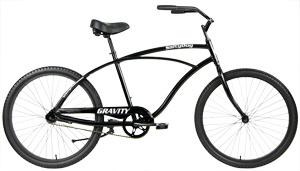
And yes, even a standard road bike can be adapted for light touring when paired with wider tires and a thoughtful route choice. As for softer or sandy terrain, a fat bike can transform loose surfaces into a smooth, confidence-building ride. And if you prefer laid-back coastal routes with overnight stops, a beach cruiser can offer a surprisingly enjoyable bikepacking experience, especially on beachfront campgrounds and boardwalk-accessible paths.
Your bike is your companion, but it doesn’t need to be expensive to be capable.
Budget-Friendly Gear That Works for Real Adventures
One of the biggest misconceptions about bikepacking is that you need sleek, premium bikepacking bags to get started. In reality, riders have been creatively carrying supplies long before those products existed.
Dry bags, small duffel bags, and even repurposed backpacks can be strapped securely to a rear rack or handlebars using simple Voile-style straps. These low-cost solutions are waterproof, lightweight, and extremely durable. The key is balancing your load so the bike feels stable—front-heavy setups may feel twitchy, while rear-heavy loads can affect climbing efficiency.
Sleeping gear doesn’t need to be expensive either. Foam sleeping pads weigh almost nothing and provide invaluable insulation. Affordable synthetic sleeping bags work well in unpredictable conditions. And if you’re camping during warm-season trips, even a lightweight blanket or emergency bivy can get you through the night comfortably.
Navigation also doesn’t require pricey GPS devices. Free route-planning apps and downloadable offline maps work perfectly for most beginner routes. The most important part is knowing your path, understanding bailout options, and planning realistic distances for each day.
With these budget bikepacking tips, beginners save money while learning their preferences before investing in premium gear later on.
Preparing Your Bike for Multi-Day Riding
Before heading out, take time to understand how your bike behaves under load. A few short test rides with packed gear can tell you a lot—how the bike balances, how your steering feels, and whether adjustments are needed.
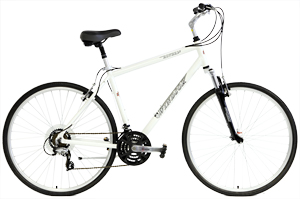
Tire choice makes a massive difference in comfort and control. A gravel bike with 40mm rubber soaks up bumps better than narrow tires. A mountain bike makes technical terrain easier. And even a hybrid bike with semi-slick tires can carry you smoothly along mixed paths.
Lower gearing is helpful when climbing with a loaded bike. If your bike has a wide-range cassette, you’ll appreciate those easier gears on long fire roads or steep stretches. Ensure your brakes are responsive, especially if your route includes descents while carrying gear weight.
A comfortable fit is essential. No amount of gear can make up for numb hands, back soreness, or knee pain. Small changes—tilting the saddle slightly, adjusting bar height, or changing grips—can improve comfort dramatically.
The goal is to feel confident and relaxed on your bike before the trip begins.
Planning a Route Without Overcomplicating It
When starting out, keep your routes simple and enjoyable. Bikepacking is not about speed or performance—it’s about exploration. Forest service roads, state parks, gravel paths, canal trails, and low-traffic rural roads make ideal beginner terrain.
Always consider daily mileage carefully. Carrying gear will slow your pace, especially on climbs or rough surfaces. Your first overnight trip may only be 15–25 miles each way, and that’s more than enough to create an unforgettable experience.
Campsites are abundant and affordable, from public lands to established campgrounds. Reserving sites in advance is wise, but spontaneous riders can often rely on primitive campsites or dispersed camping areas.
Route planning is where budget bikepacking tips matter most—free campsites, public water sources, and easy access points reduce costs while providing a safe, manageable adventure.
Why Bikepacking Is More Accessible Than Ever
Today’s cycling culture embraces creativity, inclusiveness, and adventure over perfection. Riders are redefining what bikepacking looks like—some carry ultralight setups and cover huge distances, while others pack casual gear and wander through local parks.
The barrier to entry has never been lower, and riders are beginning to realize that the experience—not the equipment—creates the memories that last.
When you approach bikepacking with an open mind rather than an open wallet, even the simplest overnight journey feels meaningful.
Ready to Start Your First Adventure?
If you’ve been dreaming about taking your bike farther, bikepacking is your invitation to explore in a new way. Whether you’re riding forest trails, backroads, or sunrise-lit coastal paths, Bikesdirect.com offers the affordable bikes and gear that make your first adventure possible. We encourage you to browse our selection of hybrids, gravel bikes, mountain bikes, and more, so you can begin planning your next overnight escape with confidence and excitement.
A few years ago, the idea of choosing a steel-frame bike sounded almost nostalgic, like rediscovering vinyl records or mechanical watches. Many cyclists were chasing the lightest carbon build or the stiffest aluminum race machine. But as trends cycle — both culturally and in cycling — something interesting happened. Riders began craving durability, comfort, longevity, and a certain soulful riding experience that modern materials could not fully replicate. Suddenly, steel was no longer “old school”; it was the newest rediscovery.
Today, the steel frame bike revival is impossible to ignore. Whether you browse group rides, gravel events, or bikepacking forums, you will find passionate riders swapping carbon for chromoly and Reynolds tubing. Steel bikes are capturing attention for their resilience, repairability, sustainability, and unmistakable ride feel — a combination that appeals to newer cyclists and seasoned riders alike.
Why Steel Is Resurfacing in a Carbon-Dominated World
Modern cyclists face more choices than ever before. With options like an aerodynamic road bike, a rugged mountain bike, an adaptable gravel bike, or a casual beach cruiser, riders often expect advanced materials and high-tech designs. Yet steel persists — and grows — because it fills gaps that lighter materials struggle to address.
Unlike carbon, which can fail suddenly under stress or impact, steel bends rather than breaks. It has a natural resilience that inspires confidence, especially for riders who tackle long distances or unpredictable terrain. Aluminum, while affordable and lightweight, has a harsher ride feel that transfers more vibration into the body. Steel smooths those same vibrations with an elegant, spring-like quality that many cyclists describe as “alive.”
Riders who once overlooked steel now come back to it for a more organic, forgiving ride — something increasingly valuable as cycling shifts toward adventure riding, all-surface exploration, and everyday practicality.
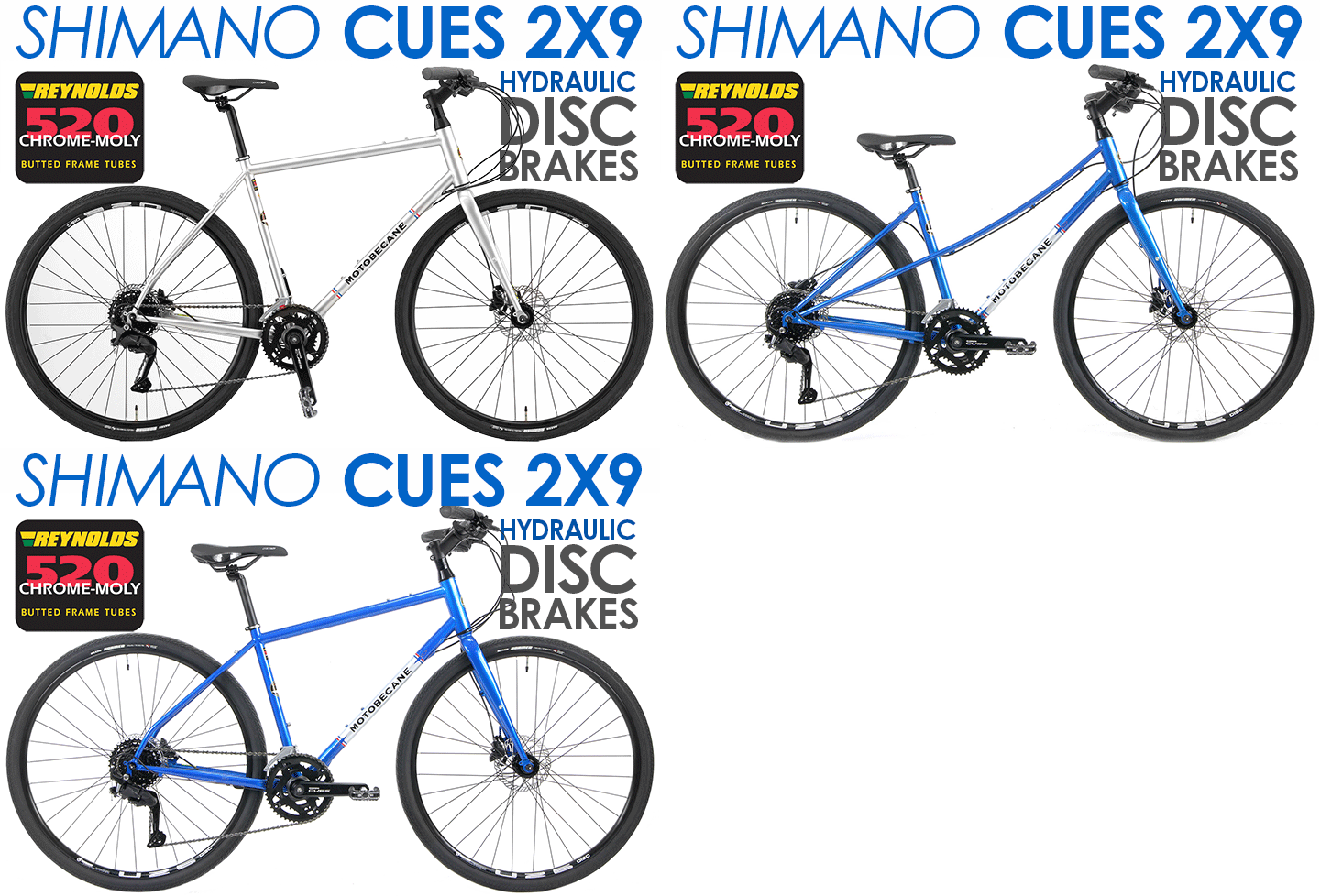
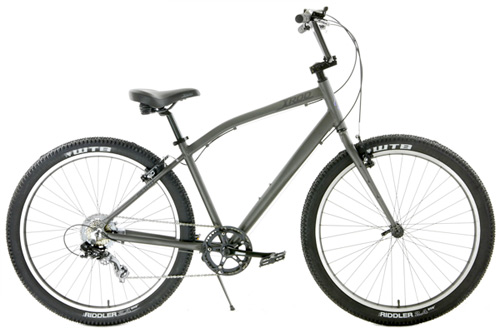
Filename: motobecane-steel-urban-fitness-bike.png Alt-text: Steel-frame Motobecane fitness and urban bike featuring a simple drivetrain and disc brakes for everyday reliability and comfort. Caption: Urban riders drawn to steel appreciate its strength and forgiving ride feel, making bikes like this ideal for daily commutes, fitness loops, and long-lasting value.
Comfort: One of Steel’s Most Valuable Advantages
If you ask riders why they joined the steel frame bike revival, comfort is usually the first reason they mention. Steel’s unique ability to absorb road buzz without feeling dull creates a ride quality that stands apart from carbon or aluminum frames. Over long distances, especially on mixed terrain, the difference becomes especially noticeable.
This is one reason steel thrives in the gravel scene. Cyclists who choose a gravel bike built with steel appreciate how it softens washboard roads, allows stable cornering, and maintains predictable handling when the terrain gets rough. Unlike carbon, which often focuses on stiffness and weight, steel prioritizes feel — the kind of smooth, harmonized ride that encourages exploration instead of exhaustion.
The same comfort benefits appear in other categories. A steel commuter or hybrid bike transforms uneven pavement into a manageable path. Touring riders rely on steel for all-day support, while bikepackers appreciate its ability to maintain composure under heavy gear loads.
Comfort may not be visible on a spec sheet, but riders feel it instantly.
Durability That Outlasts Trends and Terrain
Steel has always been known for its longevity, and that reputation is only strengthening in 2025. When properly cared for, steel frames can last decades. Many riders still cherish steel bikes from the 1980s and ’90s, using them for commuting, training, or restoration projects. Steel’s ability to age gracefully is part of its charm.
For the adventurous cyclist, durability means freedom. A steel mountain bike can withstand impacts, vibrations, and long-term stress that might compromise other materials. A steel adventure or gravel frame can handle demanding multi-day trips, heavy cargo, and unpredictable weather without worry.
In a cycling market that sometimes feels obsessed with the latest model or material, steel provides something refreshing: confidence in the long term.
Repairability: The Practical Rider’s Secret Weapon
One of the most practical advantages steel offers — and a key reason behind the steel frame bike revival — is ease of repair. If a steel frame sustains damage, skilled welders can repair it, often restoring the bike to perfect condition. This level of longevity is something carbon cannot match. Carbon requires specialized treatments, and repairs may never fully regain original strength.
This matters especially for riders who travel or adventure far from home. Touring cyclists, bikepackers, and long-distance commuters know that unexpected mishaps happen. Whether from an accident, transportation damage, or even a dropped bike, steel gives riders peace of mind. Help is often available locally.
Flexibility and repairability make steel not just a nostalgic choice, but a practical and sustainable one.
Modern riders increasingly value sustainability, and steel naturally aligns with that mindset. Steel is one of the most recyclable materials on earth. It can be repurposed and reused without losing structural integrity, making it far more environmentally friendly than carbon composites or aluminum alloys.
Cyclists committed to reducing their environmental footprint — including those who ride fat-tire adventure rigs, mixed-surface explorers, or simple fat bike commuters — appreciate knowing their frame choice supports longevity rather than disposability.
Steel’s long lifespan further contributes to sustainability. A bike that lasts decades requires fewer replacements, fewer resources, and less manufacturing waste. As the world pushes for greener transportation solutions, steel stands as a material that naturally supports those goals.
Aesthetics: The Retro Look Riders Love
Steel frames exude character. Their slim tubes, elegant welds, and classic silhouettes evoke earlier eras of cycling — an era many riders find appealing, even comforting. While carbon frames look futuristic and aluminum bikes often appear industrial, steel blends timeless craftsmanship with modern performance.
This aesthetic charm has helped fuel interest in steel-framed commuters and cruisers. Riders choosing a stylish beach cruiser or a classic touring design often gravitate toward steel for its visual warmth and nostalgic appeal. In a world full of ultra-modern bikes, steel stands out by standing still — and that authenticity resonates.
Filename: gravity-carbon-gravel-bike-apex1x11-contrast.png Alt-text: Carbon gravel bike with SRAM Apex 1×11 drivetrain and wide tire clearance, designed for speed and mixed-terrain versatility. Caption: While carbon bikes excel in lightweight performance, comparing them to steel highlights why many cyclists are rediscovering steel’s comfort, durability, and repairability in the modern era.
Modern Steel Is Better Than Ever
Today’s steel bikes are not the heavy, clunky machines some might remember. With refined tubing like Reynolds 520 or 853, steel offers surprising lightness alongside unmatched resilience. These modern steels provide strength-to-weight ratios that rival many aluminum frames while still maintaining steel’s signature ride feel.
Manufacturers now combine steel with advanced components such as hydraulic disc brakes, wide tire clearance, modern drivetrains, and performance geometries. Whether you are looking for a fast steel road bike, a rugged gravel machine, or a versatile urban hybrid, the options are far more advanced than vintage models.
The revival is not about going back — it is about rediscovering a material that still belongs in the future.
Ready to Experience the Ride That Started It All
If the idea of durability, comfort, sustainability, and timeless style speaks to you, exploring a steel-frame bike might be the perfect next step. You can find exceptional value, proven performance, and modern designs built from high-quality steel at Bikesdirect.com.
Rediscover the feeling that made cycling special in the first place — and see why steel is making a powerful comeback. Your next favorite ride may be made of the material that never truly left.
On a cool fall morning, before traffic builds and engines hum across the city, something remarkable happens. Cyclists glide past stalled intersections, roll through quiet neighborhoods, and arrive downtown calm, energized, and ahead of schedule. That sense of freedom is powerful, but in 2026 and beyond, it is becoming more than a personal benefit — it is a climate solution. As cities worldwide push toward ambitious 2030 environmental targets, bicycles are no longer viewed as recreational tools; they are now essential pillars in sustainable transportation planning.
The rise of sustainable bicycle commuting reflects a cultural and environmental shift. People are recognizing that the simplest machine — two wheels powered by human energy — can dramatically reduce emissions, congestion, and dependence on fossil fuels. With cleaner mobility topping urban agendas, bikes of every kind, from a versatile hybrid bike to a dedicated commuter e-bike, are helping riders rewrite their daily routines and redefine what sustainable living looks like.
Why Bikes Are at the Heart of Urban Climate Strategies
Cities face a pressing challenge: transportation emissions continue to climb, and traffic congestion is eroding both time and air quality. Many municipalities have identified cycling as one of the fastest, most cost-effective solutions to reduce carbon output while improving public health and mobility. Unlike large transit systems, bicycles require no fuel, minimal infrastructure, and virtually no maintenance cost from the city — and yet the impact is enormous.
Every mile traveled by bike instead of a car significantly cuts emissions. Multiply that by thousands of commuters, and entire cities shift toward cleaner air and reduced carbon footprints. This is why many climate action plans center on converting daily short car trips, especially those under five miles, into cycling trips.
A rider who chooses a road bike for weekday commutes or a gravel bike for mixed urban terrain contributes directly to emission reduction without sacrificing mobility. Cycling is not just an alternative; it is a scalable solution that cities can support quickly and affordably.
How Modern Bikes Make Sustainable Commuting More Accessible
Commuting by bike once felt practical only for the dedicated few. Now, thanks to advancements in bicycle design, many riders find themselves genuinely excited to ditch the car. The new generation of commuter-focused models is smoother, easier to ride, and far more adaptable.
A hybrid bike strikes an ideal balance for many commuters, offering upright comfort, efficient rolling, and stability across pavement and light gravel. Riders navigating sections of unpaved greenway paths or shortcut trails appreciate how a gravel bike handles unpredictable surfaces without sacrificing speed. Even a nimble mountain bike becomes an excellent commuter for those riding through hilly terrain or storm-damaged routes where wider tires offer added security.
On the other end of the spectrum, some riders prefer the ease of a beach cruiser for short, relaxed urban travel, proving that sustainable commuting is not limited to performance-minded cyclists. And with the expansion of e-bikes, commuters across age, ability, and fitness levels have more options than ever.
Each category brings something unique to the commuting landscape, making it easier for riders to match their environment, comfort preference, and climate-conscious goals.
The Environmental Impact Riders Create Every Day
Choosing to commute by bike is one of the most effective personal actions an individual can take to reduce their carbon footprint. Studies repeatedly show that replacing even a few car trips per week with cycling slashes emissions significantly. These reductions compound over time and across entire populations.
Car-dependent cities face a challenge: many daily trips are short but still made by vehicle. These short trips often generate the highest per-mile emissions because cars produce more pollution during the first few minutes of operation. Switching these trips to a bicycle delivers immediate environmental benefits.
Even riders using electric-assist bikes contribute meaningfully, since e-bikes operate at a fraction of the energy consumption of cars. When many riders choose options like a hybrid commuter or an all-weather-capable fat bike, the reduction in fuel use, noise pollution, and roadway wear becomes substantial.
Cycling is often described as a small act with a big impact — and that is true. But when thousands participate, it becomes transformative.
Reducing Congestion and Reclaiming Urban Space
Sustainable mobility is not just about emissions; it is also about creating livable, breathable cities. Cars require enormous space — for roads, parking, idling queues, and storage. Bikes require a fraction of that footprint.
When a commuter chooses a road bike instead of a sedan, they instantly reduce congestion on already-strained roads. Multiply that action across thousands of rush-hour riders, and cities can reclaim road lanes, repurpose parking lots, and invest more thoughtfully in green infrastructure.
The ripple effects are profound. Neighborhoods become quieter. Pedestrian safety improves. Small businesses see increased walk-up and bike-up traffic. Urban planners gain flexibility to create more parks, greenways, and cycling corridors.
This is why bikes are considered essential to achieving 2030 climate goals — they reshape urban life in ways that benefit everyone, not just cyclists.
The Human Side of Sustainable Commuting
Beyond environmental metrics and emissions charts, there is a human story unfolding. People who shift to cycling often experience something unexpected: a boost in daily well-being.
Cycling lowers stress, increases cardiovascular health, and turns routine commutes into active moments of clarity and movement. Riders often say they arrive at work more focused, energized, and optimistic compared to sitting in traffic. The ride home becomes a decompression zone — a moving reset button.
Whether you ride a comfortable beach cruiser along waterfront paths or a sturdy mountain bike through uneven shortcuts, the journey becomes a purposeful part of your day.
Sustainable commuting is not only about meeting climate goals. It is also about creating healthier, happier communities. When cities invest in cycling infrastructure, they invest in people.
How to Shift from Car Commuting to Bike Commuting
Making the transition from driving to biking is easier than most people expect. Success begins with choosing the right bike for your terrain and comfort level. For example, a hybrid bike works beautifully for mixed-surface urban routes, while a gravel bike thrives on unpaved shortcuts or park connectors. If your commute has steep climbs, a wider-tire setup like a mountain bike or fat bike adds traction and confidence.
Consistency matters more than speed. Start with one or two bike days per week, gradually building comfort and familiarity. Many riders discover they actually prefer cycling once they experience the reduced stress, predictable travel time, and sense of accomplishment.
Before long, the car begins to feel like the inconvenient option.
Why Bikes Are Key to Reaching 2030 Climate Targets
Cities cannot rely on one solution to solve the climate crisis. They need a combination of improved transit, electric mobility, renewable energy, and meaningful individual action. Cycling ties these efforts together, offering an immediate, scalable, and affordable tool for change.
When commuters embrace sustainable bicycle commuting, they move cities closer to their 2030 climate goals one ride at a time. And as infrastructure grows, encouragement rises, and more people begin riding, the movement strengthens.
Cycling is more than transportation — it is a commitment to the future.
Start Riding Toward a Cleaner Tomorrow
If you are ready to make your commute more sustainable, healthier, and more enjoyable, now is a perfect time to choose the bike that matches your goals. Explore the options at Bikesdirect.com and take the first step toward a cleaner, greener way of moving through your city.
Your ride can be part of the solution — and your journey toward sustainability starts today.
Surveys conducted in 2025 repeat the same themes: junction anxiety, nighttime visibility, unpredictable driver behavior, and trip-chaining with children or groceries. Infrastructure is improving in many cities—more protected lanes, better lighting, safer intersection geometry—but bike choice still shapes how secure you feel today. This comparison looks at three city-ready platforms against the criteria that matter most for women’s cycling safety in 2025: upright posture and sightlines, low-speed stability, wet-weather braking, lighting readiness, and cargo practicality.
The Three Bikes on Test
Motobecane Café Strada 4130 Disc Flatbar (Steel) — relaxed flat-bar posture with disc brakes and a famously smooth ride:Café Strada 4130 Disc Flatbar
Gravity Avenue FXD Disc (Alloy Fitness/Commuter) — quick, upright, rack-ready, and easy to outfit:Avenue FXD Disc
Motobecane Elite eAdventure (E-Assist Utility) — torque-sensing motor that flattens hills and schedules:Elite eAdventure
Posture & Sightlines: See More, Sooner
Café Strada 4130
Steel’s calm personality pairs with a generous stack and modest reach, putting you naturally upright. You glance, not crane, when shoulder-checking, and you stay relaxed at the bars in stop-start traffic.
Avenue FXD Disc
A touch sportier than the steel bike but still heads-up. The cockpit encourages confident scanning in city flow while feeling lively at green lights.
Elite eAdventure
The most upright of the three. Because the motor sustains cadence on rises, you’re not “nose-down” fighting the grade. You keep eyes up, anticipate gaps, and choose clean lines.
Verdict: For maximum heads-up riding, the eAdventure leads; the Café Strada is a close second for riders who prefer analog simplicity.
Low-Speed Stability: Starts, Stops, Tight Spaces
Café Strada 4130
Longer wheelbase and steel’s damping resists twitchy inputs on rough patches. It tracks straight away from the lights and feels composed, threading between parked cars.
Avenue FXD Disc
Neutral steering and a light front end make micro-maneuvers easy—nudging over paint lines, rolling shallow curb cuts, or tip-toeing through taxi ranks.
Elite eAdventure
Torque-sensing assist makes uphill or loaded restarts calm rather than wobbly. With panniers or a child seat, it launches as if the road were flat.
Verdict: eAdventure for hill or cargo restarts; Café Strada for analog poise; Avenue for nimble errands.
Wet-Weather Braking & Control
Disc brakes across all three improve confidence, offering low lever force, linear power, and a consistent feel in the rain.
Café Strada 4130: Smooth, predictable modulation invites earlier, gentler braking—ideal in drizzle.
Avenue FXD Disc: Easy to keep quiet and well-aligned after wheel removal—useful for apartment storage.
Elite eAdventure: Tuned for assisted speeds; braking stays straight even with rack weight.
Verdict: A three-way win—choose based on your other priorities.
Night-Ride Readiness: Lights, Mounts, and Visibility
All three accept compact headlights and pulsing rears cleanly. Aim the beam slightly down to reveal potholes without dazzling; choose reflective sidewalls and ankle bands for motion cues.
Café Strada 4130: Straightforward routing and fork make rattle-free mounting simple.
Avenue FXD Disc: Tidy cockpit leaves space for a headlight bracket.
Elite eAdventure: On some trims, integrated displays/lights; even with battery lights, assistance lets you run brighter modes comfortably.
Cargo & Trip-Chaining: From Shops to School Runs
Café Strada 4130
Steel shrugs off a solid rear rack. With 32–38 mm tires at realistic pressures, two full panniers remain steady, and the bike tracks cleanly in turns.
Avenue FXD Disc
Value standout for everyday loads. It accepts racks and full fenders easily, keeps weight low and tight, and feels perky when you ride home empty.
Elite eAdventure
Normalizes awkward errands. A hill with a child seat or a week’s groceries stops being a scheduling crisis. Time certainty is the hidden super-power.
Comfort Equals Safety: Tires and Pressure
Comfort directly reduces the need for over-correction. On Café Strada and Avenue, 32–38 mm tires at a rider-appropriate PSI quiet chatter over brick, paint, and patches. For eAdventure, keep casing volume generous and add a few PSI for heavy cargo to avoid squirm while preserving wet grip. Set lever reach for one-finger braking so the rest of your hand stays fully wrapped on the bar.
Ownership & Costs: What It’s Like to Live With
Café Strada is the “forever frame”: durable steel, standard parts, discs that don’t fade in rain. Avenue is the lowest-fuss commuter: universal spares, simple upkeep, quick accessorizing. eAdventure asks for a charging habit and slightly earlier drivetrain checks due to higher mileage, but per-trip electricity cost is tiny—and many riders simply ride more often.
Which One Fits Your Week?
Flat routes and value focus? Avenue FXD Disc. Patchy pavement or longer analog commutes? Café Strada 4130. Hills, headwinds, kid seats, or tight schedules? Elite eAdventure.
Build Safety Into the Bike, Then Outfit the Details
Women’s urban cycling confidence grows fastest when posture, stability, braking, and visibility align—and the road bike helps with cargo instead of complicating it. Pick the platform that removes your biggest friction first, then add bright lights, reflective details, full fenders, and sturdy racks. If you want a short list tuned to your streets, loads, and time windows, BikesDirect can help compare sizes, tire clearances, and specs side-by-side. For tailored recommendations and pricing,contact BikesDirect, and we’ll configure a gravel bike setup that feels safe from day one and keeps you riding more often, all year long.
Riding through showers shouldn’t feel like survival mode. With a few smart tweaks to tires, layers, and maintenance, cycling in the rain becomes calm, predictable, and even fun. This guide shows how to choose tread and pressure for wet pavement and dirt, how to stay visible without overheating, and how to keep chains clean and brakes powerful so every stop and start feels confident.
Traction Starts at the Tires
Rain reshapes the road. Oils lift to the surface during the first minutes of a storm, painted lines and metal plates become treacherous, and grit collects along the gutter. On dirt, the top layer turns slick while the bed beneath may stay supportive. The fix begins with the right tread and pressure for the conditions you actually face.
Wet Pavement: Tread and Pressure That Work
For road rides, prioritize a supple tire with a smooth or lightly textured tread and a proven wet-grip compound. You’re not trying to channel water like a car tire; bicycles rely on rubber chemistry and contact patch, not deep channels. The goal is maximizing consistent contact while avoiding hydroplaning—which essentially doesn’t occur at cycling speeds with properly inflated tires.
Run lower pressure than you would on a dry, hot day. Dropping roughly 10–15% below your dry setup increases the footprint and lets the casing conform to microtexture in the asphalt. If you usually ride 85 PSI on a 28 mm tire, try the mid-70s; if you’re on wider 32–35 mm rubber, you can experiment with the 50s–60s depending on rider weight and rim width. Check pressure before the ride; a few PSI make a noticeable difference in the wet.
Wet Dirt and Gravel: Bite Without Bogging
On mixed surfaces, choose an intermediate tread that presents plentiful edges without tall, draggy knobs. Think closely spaced center blocks for rolling, with more pronounced shoulder lugs for off-camber support. Mud will pack tall lugs and turn them into slicks; a mid tread sheds better and remains predictable. Pressure is your main tuning tool: go low enough to find grip over roots and embedded rock, yet high enough to avoid rim impacts when puddles hide holes. Start 2–4 PSI lower than your dry setting, then fine-tune a half PSI at a time after a short test loop.
Smooth Inputs, Clean Lines
Traction is a technique as much as equipment. On wet pavement, straighten the bike before you apply strong braking, and lean your body more than the bike in corners to keep the contact patch planted. On wet dirt, look for the crown of the trail or the firm edges, and treat painted trail markings, roots, and wood bridges as if they’re ice. Soft pedaling across slick sections, then resuming power when traction returns, keeps the bike composed.
Visibility Without the Sauna Effect
Being seen is only half of the problem; the other half is staying dry enough to remain warm while avoiding the personal steam room that kills your motivation. The solution is layered, breathable protection that stays bright from every angle.
Layering That Vents While Staying Bright
Start with a wicking base that won’t saturate. Add a mid layer appropriate to temperature: a light thermal for cool rain, or a simple jersey for warm showers. Top it with a waterproof or highly water-resistant shell that has real vents you can operate while riding—pit zips, back yoke vents, or two-way front zips. Prioritize a high-visibility color or large reflective zones front and back so drivers see shape, not just motion. If your shell is dark, add a reflective gilet over it; a bright, removable layer lets you adapt as clouds thin.
Hands and feet need the same logic. Thin, water-resistant gloves with a fleece or merino liner keep dexterity while shedding spray. Neoprene overshoes or water-resistant socks preserve warmth even if some water sneaks in. A brimmed cap under the helmet keeps rain out of your eyes; clear or lightly tinted lenses protect vision when the light goes flat.
Lights for Daytime Rain
Even in daytime, rain dims contrast. Run a steady headlight aimed low enough to avoid dazzling others and a pulsing taillight to cut through spray. Mount a second rear light higher on a bag or seatpost for redundancy; if one is coated in grime, the other still communicates your presence. On road and city miles, a flat-bar disc road bike like the steel Café Strada keeps you upright and visible in traffic while offering confident braking; explore theMotobecane Café Strada 4130 Disc Flatbar.
Drivetrain Protection: Clean, Lube, Repeat
Rain turns dust into grinding paste. The trick is accepting that a lighter, more frequent ritual beats one big clean every few weeks.
Pre-Ride Prep
Start with a relatively clean chain and a wet-weather lube designed to resist wash-off. Apply a modest amount, backpedal to distribute, then wipe the outer plates thoroughly with a clean rag so you don’t attract extra grit. A thin, even film on the rollers is all you need. If your route includes extended dirt, consider a wax-based wet blend that sheds water yet leaves less sticky residue than classic wet lubes.
Post-Ride Reset
As soon as you’re home, aim a low-pressure hose or a bucket and sponge at the drivetrain and brake calipers. Avoid blasting bearings or directly spraying into calipers. Wipe the chain dry, drip a small refresh of lube on warm metal, and run the gears across the cogs to work it in. Finish with another wipe to remove excess. This five-minute habit transforms how long your cassette and chainrings last, and it keeps shifting crisp for the next storm.
Brakes That Stay Powerful
Disc brakes are your friend when the forecast turns gray, but they still demand attention to stay sharp.
Pads, Rotors, and Technique
Metallic pads tolerate grit and heat, making them ideal for rainy commutes and long descents. Resin pads feel a bit more progressive and quiet but can glaze if contaminated by oil. If you hear a sudden shriek or feel weak bite, inspect pads for glaze or embedded grit and sand lightly if needed.
Keep rotors clean with isopropyl alcohol and lint-free cloth. If you use a bike-mounted lube, shield the rotors during application. In the wet, lightly feather brakes early in a descent or before an intersection to wipe the rotors dry, then increase pressure once bite returns. Practice this on an empty street so the sensation becomes second nature.
Disc-equipped road platforms give you an immediate upgrade in foul-weather control. If you want a fast, racy feel with confident stopping, consider theMotobecane Immortal Disc Team (Di2). For riders who prefer the classic calm of steel with modern discs, theStrada CM Comp Disc delivers steady manners when roads are shiny.
Fenders, Lines, and Little Habits
Full-coverage fenders are the difference between damp and drenched. They keep the rooster tail off your back and, crucially, out of your drivetrain and calipers. Choose sturdy stays and a mudflap that reaches close to the road for maximum effect. On shared paths, fenders also keep the rider behind from wearing your spray.
Pick clean lines through corners and avoid the rainbow sheen after a long dry spell followed by rain; the first hour of precipitation releases the most oil. Cross metal grates and paint upright, not leaned. On dirt, scan for the faint high-traction seams that form where water drains; those slightly darker streaks often hide the best grip.
Three Rain-Ready Bike Personalities
If your rainy miles are mostly city and suburban streets, a flat-bar disc road bike like theCafé Strada 4130 Disc Flatbar gives upright vision, space for fenders, and steel’s calm over rough patches. If you chase spirited group rides regardless of forecast, the carbonImmortal Disc Team Di2 brings precise shifting and confident braking when the sprint line is soaked. If you love the timeless feel of steel with hydraulic discs and all-weather manners, theStrada CM Comp Disc is a reliable partner for twelve-month riding.
A Simple Ten-Minute Post-Ride Routine
Hang the bike and do quick triage: rinse, spin the wheels to watch for wobble or embedded flints, wipe the chain and lube, squeeze the brakes to feel for consistent engagement, and check the pads for grit. Shake out your jacket and gloves, open vents to dry, and charge your lights. The next time you reach for the bike, you’ll start fresh rather than fixing problems on the sidewalk.
Make Rain Days Good Days
The first drops on your top tube don’t have to mean a slog. With the right tire choices and pressures, layers that vent and stay bright, and a simple maintenance loop, cycling in the rain feels controlled and satisfying. And with modern disc-brake road and city platforms, stopping power stays strong long after the asphalt turns glossy.
We ride year-round and design our lineup to make that easy. If you want help matching a rain-friendly bike to your routes, or you’re deciding between steel calm and carbon zip, we’re here to help. Tell us your roads, your weather, and your goals, and we’ll suggest the build, fenders, and small parts that turn gray forecasts into green lights. When you’re ready,contact our team and we’ll get you set up for confident miles in any weather.
If you’ve ever shopped for a new bike, you’ve probably noticed how much emphasis goes into what your frame is made of. And no wonder — your bike frame isn’t just the backbone of your ride; it is your ride. It affects weight, comfort, handling, durability, and even how much joy you feel pedaling down your favorite stretch of road.
But with so many frame materials, like aluminum, steel, carbon, and titanium, how do you choose the one that truly fits your riding style? Let’s dive into this friendly face-off and see what each bike frame material brings to the road (or trail).
1. Aluminum: The Lightweight Workhorse
Ah, aluminum — the crowd favorite and perhaps the most common material you’ll find on bikes today. It’s affordable, light, and gives you plenty of speed for your dollar.
Weight: Aluminum bikes are generally on the lighter side, making them great for quick commutes or zippy rides through the city. You’ll feel that instant responsiveness when you push down on the pedals.
Comfort: Now, let’s bust one of the biggest myths out there: “Aluminum rides harsh.” Nope, not anymore. Modern frame engineering and better tubing designs have made today’s aluminum bikes smoother and more forgiving than ever. Many even rival steel in ride comfort, especially when paired with the right tires and seatpost.
Repairability & Longevity: Aluminum isn’t as easy to repair as steel, but it’s incredibly durable for everyday use. You might not pass it on to your grandkids, but it’ll faithfully get you to work, the café, and weekend rides for years.
Best For: Commuters and budget-conscious riders who want performance without breaking the bank.
2. Steel: The Classic That Keeps on Rolling
There’s a reason people get poetic about steel bikes. They have that unmistakable feel — smooth, solid, and connected to the road. It’s a material that has stood the test of time (and then some).
Weight: Steel bikes are typically heavier than aluminum or carbon, but that added heft translates into stability. You won’t be flying up hills quite as fast, but you’ll glide down them with confidence.
Comfort: Steel has a natural springiness that absorbs vibrations beautifully. That’s why touring cyclists and gravel grinders love it—it smooths out the bumps and keeps you comfortable hour after hour.
Repairability & Longevity: Steel wins hands down in repairability. Got a dent or crack? A skilled welder can bring it back to life. And with proper care, a steel frame can last decades. Think of it as the “forever bike” material.
Best For: Gravel grinders, touring enthusiasts, and anyone who values durability and comfort over shaving a few seconds off their Strava time.
3. Carbon Fiber: The Speed Demon
If aluminum is practical and steel is soulful, carbon fiber is the overachiever. It’s the go-to choice for racers and performance-driven riders for a reason—it’s light, strong, and sleek.
Weight: Carbon frames are often the lightest of the bunch, which makes them ideal for climbing, sprinting, or anyone who simply wants to feel like they’re flying.
Comfort: Another myth alert: “Carbon is fragile.” Nope! High-quality carbon frames are actually tougher than many people realize. And when it comes to comfort, carbon shines because engineers can precisely tune the material to dampen road chatter in specific areas. That means you get stiffness where you need power and softness where you need comfort.
Repairability & Longevity: While carbon can’t be welded like steel, minor cracks can be repaired by specialists. And when properly maintained, a carbon bike can last a very long time—it doesn’t rust or corrode like metal frames.
Best For: Racers, serious cyclists, and anyone who wants the perfect blend of speed, stiffness, and technology-driven comfort.
4. Titanium: The Dream Ride
If there were a “luxury class” in the world of frame materials, titanium would be it. It’s strong, corrosion-resistant, and offers a ride quality many describe as “magic.”
Weight: Titanium splits the difference between steel and aluminum. It’s lighter than steel but not as featherweight as carbon. What you gain, though, is incredible strength-to-weight efficiency and better performance.
Comfort: Titanium frames deliver buttery-smooth rides with excellent vibration damping. They have the smoothness of steel with a hint of liveliness that makes long rides feel effortless.
Repairability & Longevity: Titanium is nearly indestructible—it won’t rust, corrode, or fatigue easily. Though repairs require specialized tools, you’ll rarely need them. Many titanium bikes last a lifetime, and look as good on their 20th ride as they did on their first.
Best For: Riders who want a “forever bike,” one that’s equally at home on mountain passes, gravel trails, or century rides.
5. Head-to-Head Comparison
Feature
Aluminum
Steel
Carbon
Titanium
Weight
Light
Moderate
Very Light
Medium-Light
Comfort
Good (modern designs)
Excellent
Excellent
Exceptional
Repairability
Difficult
Easy
Moderate (specialist)
Longevity
Moderate
High
High
Very High
6. Choosing the Right Frame for You
Your ideal frame material really depends on your lifestyle and priorities:
City Commuter: Aluminum — it’s light, affordable, and efficient for daily rides.
Gravel Grinder or Tourer: Steel — for all-day comfort and durability on rough roads.
Speed Seeker: Carbon — for pure performance and power.
Lifelong Cyclist: Titanium — for that dream bike you’ll never want to sell.
Whatever your choice, the most important part is that the bike feels right when you ride it—balanced, responsive, and fun.
The Frame is Just the Beginning
At BikesDirect, we believe your bike should match your lifestyle. That’s why we offer high-quality aluminum, steel, carbon, and titanium bikes for every rider and every budget.
For decades, the daily commute has been defined by car keys, congested highways, and a cup of coffee balanced precariously in the cupholder. But as Forbes notes, the way we commute is undergoing a seismic shift. With fuel costs rising and eco-consciousness taking center stage, more workers are ditching the gas pump for the saddle. Cycling to work is no longer just for fitness buffs—it’s fast becoming the commuter’s choice.
The reasons? They’re compelling: affordability, sustainability, efficiency, and, quite honestly, the joy of starting the morning with fresh air instead of brake lights. According to Business Insider, bicycles are transforming urban commutes globally, offering a solution that balances cost-effectiveness with environmental responsibility. And at BikesDirect.com, we’ve witnessed this cultural shift firsthand as thousands of new riders join the cycling community each year.
Let’s dive into why the bicycle is replacing the car for so many daily commuters and explore the best commuter bikes—road bikes, hybrids, and e-bikes—that are reshaping the office commute.
The Changing Face of Commuting
When gas prices spike, it’s not just the road trip budget that feels the pinch—it’s the everyday commute. What was once considered the cost of living has become an unsustainable burden for many workers. Parking fees, tolls, and vehicle maintenance only pile onto the expense. Enter the bicycle: an upfront investment that pays dividends every single day you roll to the office without stopping at the gas station.
This shift isn’t just about saving money. It’s also about reclaiming time. In dense cities, cycling often beats traffic. Studies show that for trips under five miles, bikes can be quicker than cars, especially during rush hour. And unlike public transportation, there’s no waiting for delayed trains or squeezing into crowded buses—you set the pace.
Health, Happiness, and Pedals
Commuting by car often means sedentary hours behind the wheel. On the other hand, cycling transforms that same time into exercise. Riding to work daily helps maintain cardiovascular health, strengthens muscles, and boosts mental clarity. It’s multitasking at its finest—fitness while you commute.
The mental health benefits are equally compelling. Instead of starting the day stressed out from traffic, cyclists arrive energized. And when the workday wraps, a ride home becomes a decompression ritual—time to unwind, reflect, and reset before stepping back into home life.
The Rise of Eco-Friendly Commuting
Beyond health and savings, there’s a bigger motivator at play: the environment. With urban areas grappling with air pollution and climate change, bikes offer a sustainable mode of transport that produces zero emissions. For workers who want their commute to align with their values, cycling represents a daily contribution to a greener future.
Cities are responding too. Bike lanes are expanding, and employers are offering incentives like bike storage, showers, and even commuter stipends. It’s a cultural shift that signals cycling isn’t a fringe option anymore—it’s mainstream.
The Best Commuter Bikes: What to Look For
Choosing the best commuter bike depends on lifestyle, terrain, and personal preference. Unlike a one-size-fits-all car purchase, bikes can be tailored to your exact commuting needs. Let’s break down the top categories.
Road Bikes: Speed and Precision
For those with longer commutes or a need for speed, a Road Bike is the ultimate choice. Designed for efficiency, road bikes feature lightweight frames, narrow tires, and aerodynamic geometry. Riders glide effortlessly across pavement, covering distance quickly.
Perfect for:
Suburban-to-city commuters who want to minimize travel time.
Workers with smooth, paved routes.
Cyclists who crave a touch of athletic challenge.
Hybrid Bikes: The Everyday Workhorse
If versatility is the goal, the Hybrid Bike earns the crown. Combining the comfort of flat handlebars with the efficiency of road-inspired design, hybrids are built for the modern commuter. They can handle everything from city pavement to light gravel trails, making them ideal for mixed-route riders.
Perfect for:
Commuters navigating city streets and park paths.
Riders who want comfort without sacrificing efficiency.
Cyclists who need a dependable all-rounder.
E-Bikes: Power Meets Convenience
E-bikes have exploded in popularity, and for good reason. They provide pedal-assist that flattens hills, extends range, and makes commuting accessible for riders of all fitness levels. They’re also a perfect solution for workers who want to avoid arriving at the office drenched in sweat.
Many companies now allow employees to store or even charge e-bikes on-site, further cementing their role in modern commuting.
Perfect for:
Long-distance commuters.
Riders with hilly routes.
Professionals who want effortless, sweat-free travel.
Gravel Bikes: Off-Road Commuting Style
For commuters who prefer flexibility, a Gravel Bike is a smart pick. Gravel bikes feature wider tires for stability, disc brakes for all-weather stopping power, and endurance-focused geometry for comfort on longer rides.
Perfect for:
Riders mixing city streets with unpaved shortcuts.
Those looking for weekend adventure versatility.
Commuters who value stability in all conditions.
Fat Bikes: Year-Round Reliability
Snow, sand, or unpredictable terrain? That’s where a Fat Bike shines. With oversized tires, these bikes float over soft or rough surfaces that would challenge traditional wheels.
Perfect for:
Commuters in snowy regions.
Cyclists who want a rugged, do-anything bike.
Riders embracing year-round commuting.
Beach Cruisers: Comfort with Flair
Sometimes, commuting isn’t about shaving minutes—it’s about enjoying the ride. A Beach Cruiser offers unmatched comfort with upright seating, wide tires, and retro style. They’re perfect for shorter urban commutes where relaxation matters more than speed.
Perfect for:
Short-distance city riders.
Professionals who value comfort and style.
Anyone who wants to feel like they’re on vacation, even en route to work.
Mountain Bikes: Tough Routes, No Problem
For commuters with rugged terrain or a preference for durability, a Mountain Bike handles it all. Suspension absorbs bumps, while wide tires offer grip on uneven surfaces.
Perfect for:
Riders with potholed city streets or dirt trails.
Commuters who want a durable, go-anywhere bike.
Workers blending weekday commuting with weekend adventure.
Accessories That Make the Commute
The bike is just the beginning. To transform commuting into a seamless experience, accessories matter:
Panniers or backpacks: Carry laptops and essentials without breaking a sweat.
Lights and reflectors: Keep visibility high during early or late commutes.
Fenders: Stay clean on rainy days.
Helmet and lock: Non-negotiables for safety and security.
The right setup ensures the daily ride is as smooth as possible.
The Economic Case for Commuting by Bike
Crunch the numbers, and the logic is undeniable. Between fuel, parking, maintenance, and insurance, driving racks up thousands annually. A quality commuter bike costs a fraction of that, often paying for itself within months.
Plus, as The Spruce has highlighted in lifestyle reports, investing in activities that improve both health and finances creates long-term value—a win-win for modern workers.
Why Workers Are Choosing Two Wheels Over Four
It’s tempting to think that the sudden uptick in bike commuting is just about rising gas prices. Sure, the financial relief is part of it, but the story runs deeper. The choice to hop on two wheels rather than slide behind a steering wheel ties into larger lifestyle shifts happening across the globe. Let’s break down the mosaic of reasons behind why more and more workers are choosing bicycles as their main commuting tool.
1. The Economics of Everyday Travel
Driving has always been expensive, but in recent years the cost of ownership has grown downright staggering. Between skyrocketing fuel costs, insurance premiums, car payments, parking fees, and maintenance, the average American spends thousands annually just to get to work. For many younger workers, especially Gen Z and millennials, that math doesn’t add up anymore.
A bicycle, on the other hand, is a one-time purchase with minimal upkeep. Even with upgrades like quality tires, lights, or panniers, the long-term cost pales in comparison to owning and maintaining a car. Workers are realizing that every mile pedaled is essentially money saved. And with inflation pinching household budgets, that savings is more than welcome—it’s necessary.
2. Urban Congestion and the Time Factor
We’ve all been there—creeping along in bumper-to-bumper traffic, staring at the clock, and realizing you’ll be late for work despite leaving “early.” Cars may have been the default choice for generations, but in crowded metropolitan areas, they’re often the least efficient option.
Cycling, by contrast, provides something cars rarely can: consistency. Commute times don’t fluctuate wildly depending on whether there’s a fender bender on the freeway. For short to medium distances—say two to five miles—bikes can be quicker than cars or buses during rush hour. Many commuters have realized that while their neighbors sit trapped in gridlock, they’re already at their desks, coffee in hand.
3. Environmental Awareness and the Climate Connection
We can’t ignore the elephant in the room: climate change. With transportation being one of the largest contributors to carbon emissions, many workers are choosing bikes as a personal solution to a global problem. One less car on the road may feel like a small drop, but multiplied by thousands of commuters, it adds up to cleaner air, reduced noise pollution, and more livable cities.
Employees working for eco-conscious companies are especially motivated. Some businesses even incentivize cycling with commuter stipends, onsite bike storage, or “green travel” recognition programs. It’s not just about how you get to work anymore—it’s about aligning your commute with your values.
4. Health as a Daily Priority
We live in a world that glorifies busyness, where workers struggle to squeeze gym time into packed schedules. Cycling solves this by merging commuting and exercise into one efficient activity. Instead of driving to work and then hitting the gym after, riders are integrating fitness directly into their daily routines.
This isn’t just about toned legs or calorie burning—it’s about holistic health. Commuter cyclists report lower stress levels, improved cardiovascular health, and better overall mood. Riding to work is like building resilience into your day, and that health dividend is one reason why workers are choosing bikes over cars.
5. Mental Clarity and Workday Performance
Car commutes often mean starting the day frazzled—hunting for parking spots, dealing with aggressive drivers, or listening to the same repetitive radio ads. Cycling flips that narrative. The ride in becomes a kind of meditation in motion. The rhythm of pedaling, the fresh air, the ability to notice your surroundings—these all add up to a calmer, more centered start to the day.
There’s also growing evidence that physical activity before work boosts productivity and focus. Workers who bike commute arrive with sharper attention spans and improved problem-solving skills. Instead of stumbling through the first hour with a caffeine IV, they’re already firing on all cylinders.
6. Freedom and Flexibility
Cars may seem to offer freedom, but the reality is they often tether you to traffic patterns, parking headaches, and high costs. Bicycles restore true freedom. You can choose scenic routes, cut through parks, or zip down backstreets that cars can’t access. You can stop on a dime for a coffee or a chat without worrying about where to park.
This flexibility also applies to job location. Workers who cycle aren’t restricted by parking availability or public transportation routes. They can accept jobs in neighborhoods where driving or transit would be impractical, knowing their bike can take them there efficiently.
7. Workplace and Cultural Shifts
Ten years ago, showing up to work in bike gear may have been unusual. Today, it’s increasingly common—and in some circles, even admired. Offices are adapting with showers, lockers, and indoor bike storage. Companies are realizing that promoting cycling fosters a healthier, happier workforce, which reduces healthcare costs and absenteeism in the long run.
There’s also a cultural cachet to bike commuting. It’s become a badge of honor for professionals who value sustainability, wellness, and independence. For many workers, cycling is not just how they get to work—it’s part of their identity.
8. The Boom of E-Bikes
It’s impossible to talk about this shift without mentioning e-bikes. These machines are bridging the gap for workers who want to bike but live farther from the office or dread steep hills. Pedal-assist technology levels the playing field, making cycling accessible to a much broader demographic.
E-bikes are especially appealing to workers who don’t want to arrive sweaty but still want the benefits of cycling. They’ve opened the door for older workers, less experienced riders, and those with longer commutes to confidently choose two wheels over four.
9. Community and Connection
Biking isn’t just a solitary act. Many commuters join local cycling groups or connect with coworkers who ride, creating a sense of camaraderie that’s hard to replicate behind a windshield. Some cities host “bike to work” days or events that celebrate cycling culture.
This sense of community reinforces the habit. When you ride to work alongside others, it feels less like a fringe lifestyle choice and more like being part of a movement. Workers are finding belonging through biking, something driving rarely provides.
10. The Practicality of Multimodal Commuting
Not every worker has the luxury of a straight-line bike commute. But bicycles blend beautifully with other modes of transport. Many riders cycle partway, then hop on a train or bus for the rest. Folding bikes, in particular, make this easier than ever. Workers are discovering that two wheels don’t have to replace four—they can complement them.
This hybrid model allows commuters to bypass the most congested parts of their routes while still enjoying the cost savings and health benefits of cycling.
11. Government Support and Infrastructure
The rise of bike commuting is also fueled by policy changes. Cities across the globe are investing in bike lanes, greenways, and safe intersections. Employers are receiving tax breaks for encouraging cycling. Some municipalities even offer subsidies for bike or e-bike purchases.
For workers, this makes cycling safer, more affordable, and more appealing. Infrastructure is no longer an afterthought—it’s becoming a central part of urban planning.
12. A Generational Shift in Values
Finally, we can’t ignore the generational dynamics. Younger workers entering the labor force place less emphasis on car ownership as a status symbol. For many, cars are viewed as financial burdens rather than necessities. Instead, they value flexibility, sustainability, and experiences. Cycling fits seamlessly into these values.
Workers in their 20s and 30s are also more likely to live in urban areas where car ownership is impractical. Bikes allow them to embrace city life without the hassle of vehicle expenses and storage. For this demographic, riding isn’t just a commute—it’s a lifestyle choice.
Final Thoughts
The bicycle renaissance isn’t a passing trend—it’s a reimagining of how we move through our daily lives. As more workers join the cycling movement, the benefits ripple outward: healthier individuals, greener cities, and lighter wallets. At BikesDirect.com, we’re proud to be part of this shift, helping riders find the best commuter bikes for their unique journeys.
Ride Smarter, Save More with BikesDirect.com
Thank you for choosing BikesDirect.com. BikesDirect.com has been selling high-quality bicycles on the internet for over 20 years—longer than many bike shops near you. We believe in bringing you the best deals possible, and some are almost unbelievable! Over two decades ago, Dr. Mike Spratt combined his passion for bicycles, computers, and the internet to create BikesDirect.com. Since then, more than 100,000 cyclists have trusted us for their rides. From the versatile Hybrid Bike to the adventurous Gravel Bike, the sleek Road Bike, or even a rugged Fat Bike, we’ve got you covered. Looking for leisure? A Beach Cruiser or a durable Mountain Bike might be your match. Explore our full range, learn about our warranty, or call now to speak with our team. Wherever your commute takes you, we’ll help you ride smarter and save more.