On a cool fall morning, before traffic builds and engines hum across the city, something remarkable happens. Cyclists glide past stalled intersections, roll through quiet neighborhoods, and arrive downtown calm, energized, and ahead of schedule. That sense of freedom is powerful, but in 2026 and beyond, it is becoming more than a personal benefit — it is a climate solution. As cities worldwide push toward ambitious 2030 environmental targets, bicycles are no longer viewed as recreational tools; they are now essential pillars in sustainable transportation planning.
The rise of sustainable bicycle commuting reflects a cultural and environmental shift. People are recognizing that the simplest machine — two wheels powered by human energy — can dramatically reduce emissions, congestion, and dependence on fossil fuels. With cleaner mobility topping urban agendas, bikes of every kind, from a versatile hybrid bike to a dedicated commuter e-bike, are helping riders rewrite their daily routines and redefine what sustainable living looks like.
Why Bikes Are at the Heart of Urban Climate Strategies
Cities face a pressing challenge: transportation emissions continue to climb, and traffic congestion is eroding both time and air quality. Many municipalities have identified cycling as one of the fastest, most cost-effective solutions to reduce carbon output while improving public health and mobility. Unlike large transit systems, bicycles require no fuel, minimal infrastructure, and virtually no maintenance cost from the city — and yet the impact is enormous.
Every mile traveled by bike instead of a car significantly cuts emissions. Multiply that by thousands of commuters, and entire cities shift toward cleaner air and reduced carbon footprints. This is why many climate action plans center on converting daily short car trips, especially those under five miles, into cycling trips.
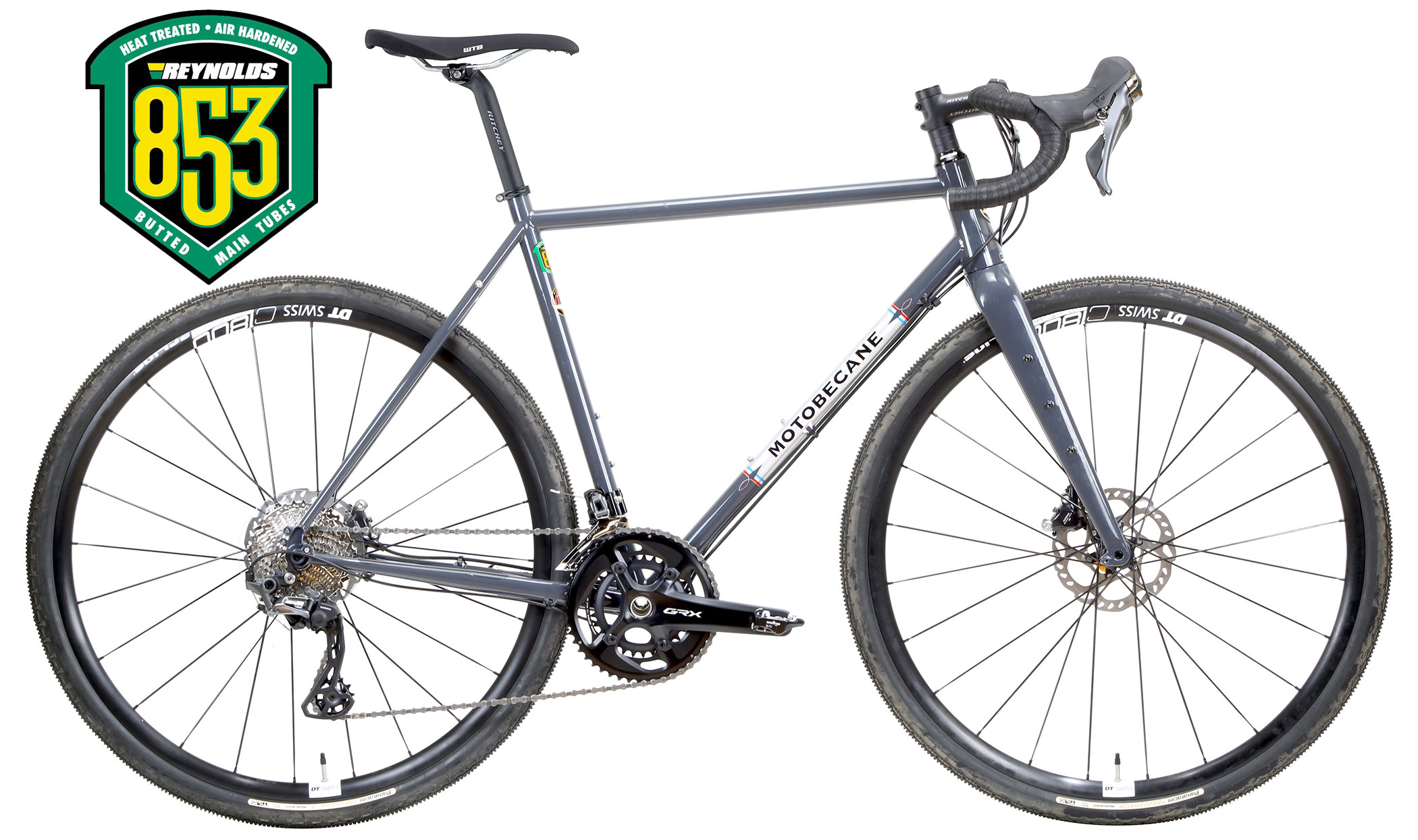
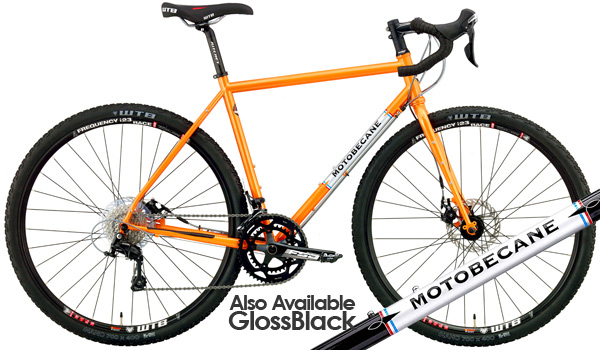
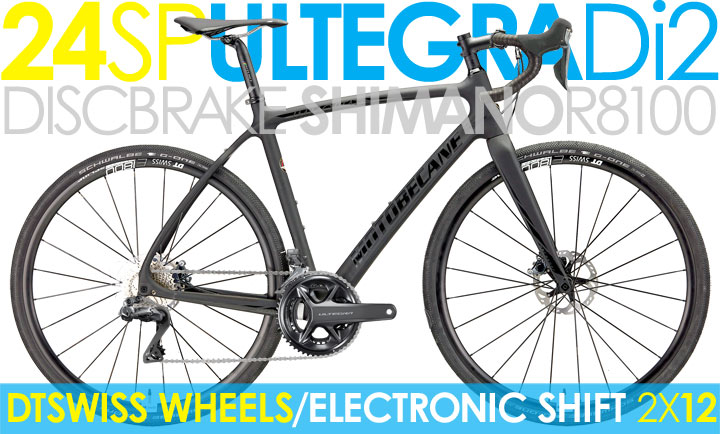
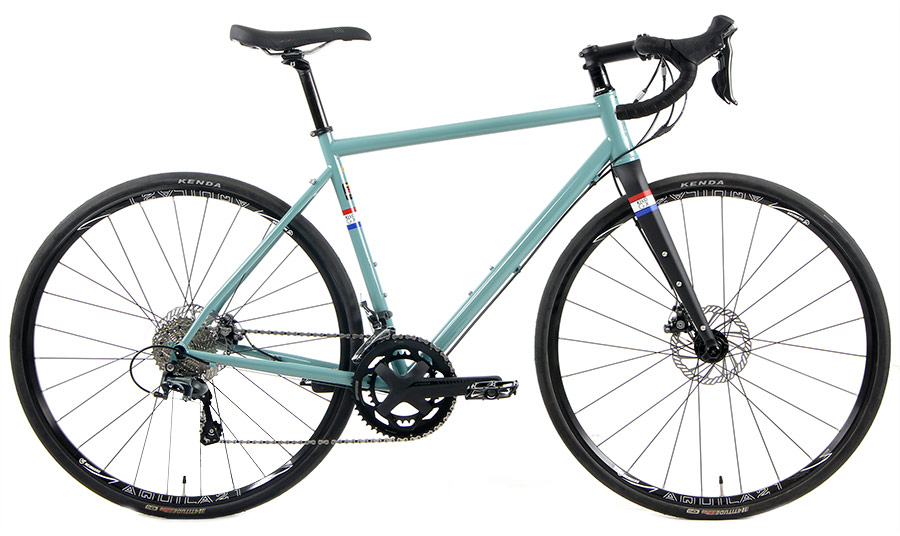
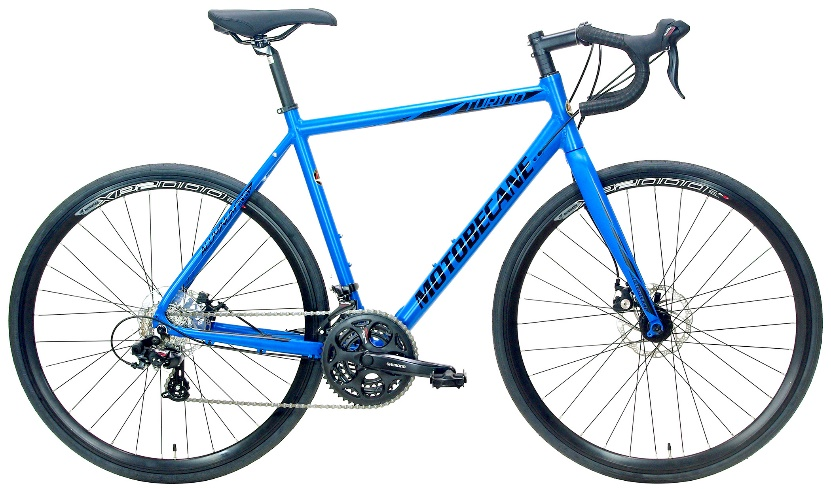
A rider who chooses a road bike for weekday commutes or a gravel bike for mixed urban terrain contributes directly to emission reduction without sacrificing mobility. Cycling is not just an alternative; it is a scalable solution that cities can support quickly and affordably.
How Modern Bikes Make Sustainable Commuting More Accessible
Commuting by bike once felt practical only for the dedicated few. Now, thanks to advancements in bicycle design, many riders find themselves genuinely excited to ditch the car. The new generation of commuter-focused models is smoother, easier to ride, and far more adaptable.
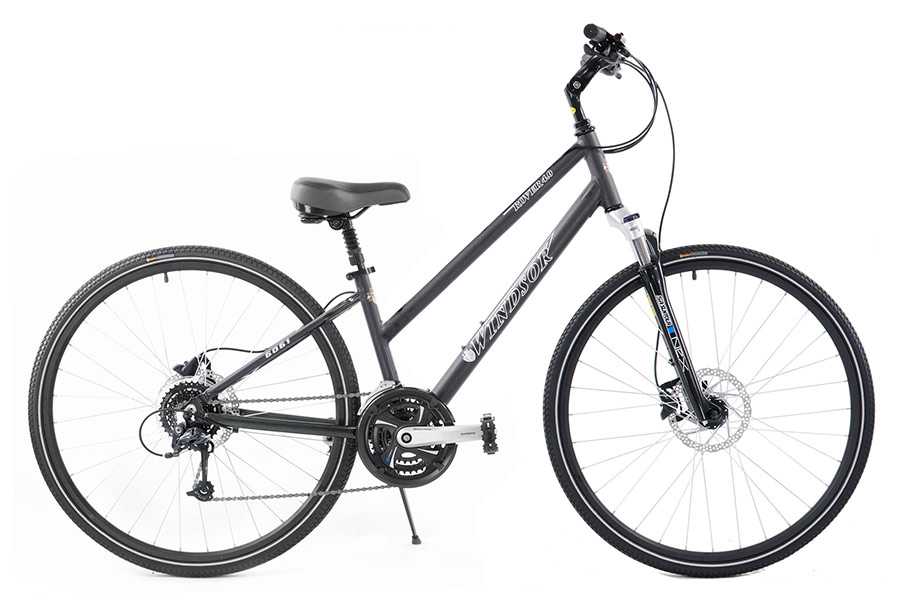
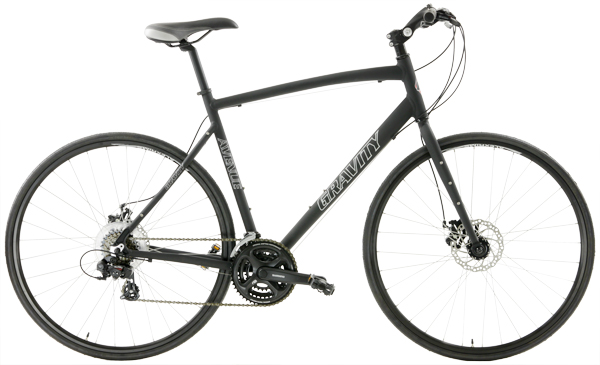
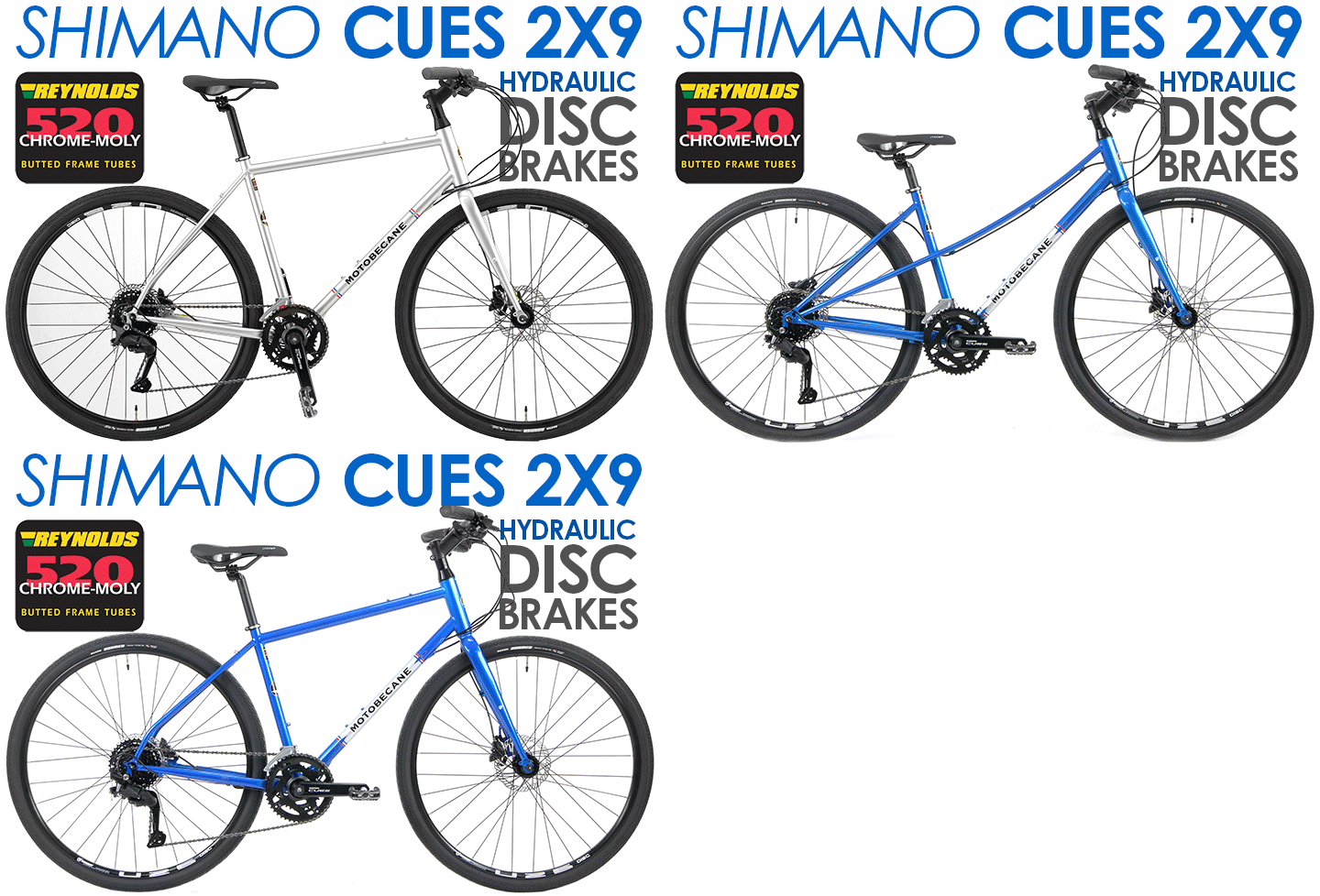
A hybrid bike strikes an ideal balance for many commuters, offering upright comfort, efficient rolling, and stability across pavement and light gravel. Riders navigating sections of unpaved greenway paths or shortcut trails appreciate how a gravel bike handles unpredictable surfaces without sacrificing speed. Even a nimble mountain bike becomes an excellent commuter for those riding through hilly terrain or storm-damaged routes where wider tires offer added security.
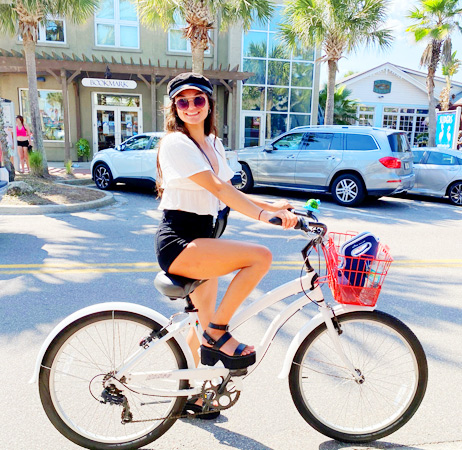
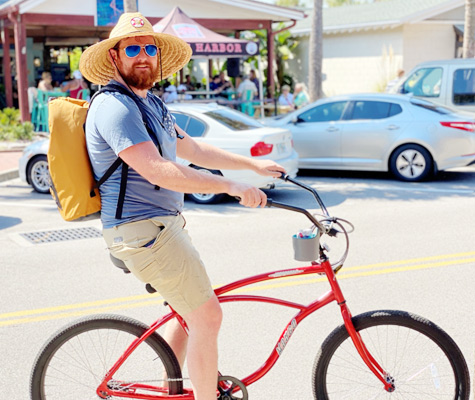
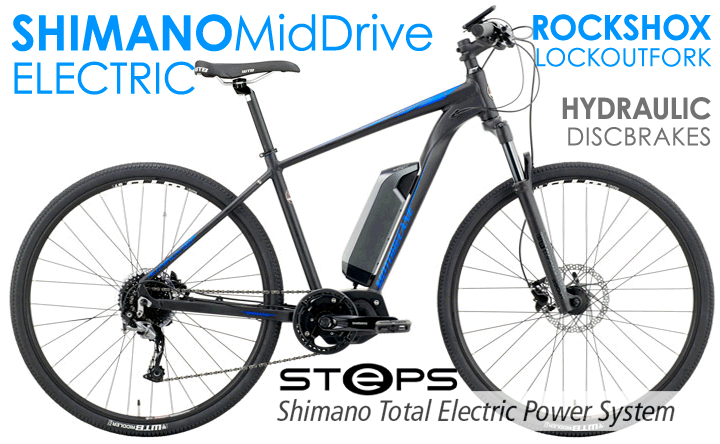
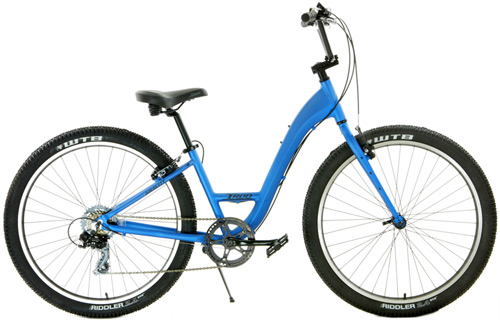
On the other end of the spectrum, some riders prefer the ease of a beach cruiser for short, relaxed urban travel, proving that sustainable commuting is not limited to performance-minded cyclists. And with the expansion of e-bikes, commuters across age, ability, and fitness levels have more options than ever.
Each category brings something unique to the commuting landscape, making it easier for riders to match their environment, comfort preference, and climate-conscious goals.
The Environmental Impact Riders Create Every Day
Choosing to commute by bike is one of the most effective personal actions an individual can take to reduce their carbon footprint. Studies repeatedly show that replacing even a few car trips per week with cycling slashes emissions significantly. These reductions compound over time and across entire populations.
Car-dependent cities face a challenge: many daily trips are short but still made by vehicle. These short trips often generate the highest per-mile emissions because cars produce more pollution during the first few minutes of operation. Switching these trips to a bicycle delivers immediate environmental benefits.
Even riders using electric-assist bikes contribute meaningfully, since e-bikes operate at a fraction of the energy consumption of cars. When many riders choose options like a hybrid commuter or an all-weather-capable fat bike, the reduction in fuel use, noise pollution, and roadway wear becomes substantial.
Cycling is often described as a small act with a big impact — and that is true. But when thousands participate, it becomes transformative.
Reducing Congestion and Reclaiming Urban Space
Sustainable mobility is not just about emissions; it is also about creating livable, breathable cities. Cars require enormous space — for roads, parking, idling queues, and storage. Bikes require a fraction of that footprint.
When a commuter chooses a road bike instead of a sedan, they instantly reduce congestion on already-strained roads. Multiply that action across thousands of rush-hour riders, and cities can reclaim road lanes, repurpose parking lots, and invest more thoughtfully in green infrastructure.
The ripple effects are profound. Neighborhoods become quieter. Pedestrian safety improves. Small businesses see increased walk-up and bike-up traffic. Urban planners gain flexibility to create more parks, greenways, and cycling corridors.
This is why bikes are considered essential to achieving 2030 climate goals — they reshape urban life in ways that benefit everyone, not just cyclists.
The Human Side of Sustainable Commuting
Beyond environmental metrics and emissions charts, there is a human story unfolding. People who shift to cycling often experience something unexpected: a boost in daily well-being.
Cycling lowers stress, increases cardiovascular health, and turns routine commutes into active moments of clarity and movement. Riders often say they arrive at work more focused, energized, and optimistic compared to sitting in traffic. The ride home becomes a decompression zone — a moving reset button.
Whether you ride a comfortable beach cruiser along waterfront paths or a sturdy mountain bike through uneven shortcuts, the journey becomes a purposeful part of your day.
Sustainable commuting is not only about meeting climate goals. It is also about creating healthier, happier communities. When cities invest in cycling infrastructure, they invest in people.
How to Shift from Car Commuting to Bike Commuting
Making the transition from driving to biking is easier than most people expect. Success begins with choosing the right bike for your terrain and comfort level. For example, a hybrid bike works beautifully for mixed-surface urban routes, while a gravel bike thrives on unpaved shortcuts or park connectors. If your commute has steep climbs, a wider-tire setup like a mountain bike or fat bike adds traction and confidence.
Consistency matters more than speed. Start with one or two bike days per week, gradually building comfort and familiarity. Many riders discover they actually prefer cycling once they experience the reduced stress, predictable travel time, and sense of accomplishment.
Before long, the car begins to feel like the inconvenient option.
Why Bikes Are Key to Reaching 2030 Climate Targets
Cities cannot rely on one solution to solve the climate crisis. They need a combination of improved transit, electric mobility, renewable energy, and meaningful individual action. Cycling ties these efforts together, offering an immediate, scalable, and affordable tool for change.
When commuters embrace sustainable bicycle commuting, they move cities closer to their 2030 climate goals one ride at a time. And as infrastructure grows, encouragement rises, and more people begin riding, the movement strengthens.
Cycling is more than transportation — it is a commitment to the future.
Start Riding Toward a Cleaner Tomorrow
If you are ready to make your commute more sustainable, healthier, and more enjoyable, now is a perfect time to choose the bike that matches your goals. Explore the options at Bikesdirect.com and take the first step toward a cleaner, greener way of moving through your city.
Your ride can be part of the solution — and your journey toward sustainability starts today.
Surveys conducted in 2025 repeat the same themes: junction anxiety, nighttime visibility, unpredictable driver behavior, and trip-chaining with children or groceries. Infrastructure is improving in many cities—more protected lanes, better lighting, safer intersection geometry—but bike choice still shapes how secure you feel today. This comparison looks at three city-ready platforms against the criteria that matter most for women’s cycling safety in 2025: upright posture and sightlines, low-speed stability, wet-weather braking, lighting readiness, and cargo practicality.
The Three Bikes on Test
Motobecane Café Strada 4130 Disc Flatbar (Steel) — relaxed flat-bar posture with disc brakes and a famously smooth ride:Café Strada 4130 Disc Flatbar
Gravity Avenue FXD Disc (Alloy Fitness/Commuter) — quick, upright, rack-ready, and easy to outfit:Avenue FXD Disc
Motobecane Elite eAdventure (E-Assist Utility) — torque-sensing motor that flattens hills and schedules:Elite eAdventure
Posture & Sightlines: See More, Sooner
Café Strada 4130
Steel’s calm personality pairs with a generous stack and modest reach, putting you naturally upright. You glance, not crane, when shoulder-checking, and you stay relaxed at the bars in stop-start traffic.
Avenue FXD Disc
A touch sportier than the steel bike but still heads-up. The cockpit encourages confident scanning in city flow while feeling lively at green lights.
Elite eAdventure
The most upright of the three. Because the motor sustains cadence on rises, you’re not “nose-down” fighting the grade. You keep eyes up, anticipate gaps, and choose clean lines.
Verdict: For maximum heads-up riding, the eAdventure leads; the Café Strada is a close second for riders who prefer analog simplicity.
Low-Speed Stability: Starts, Stops, Tight Spaces
Café Strada 4130
Longer wheelbase and steel’s damping resists twitchy inputs on rough patches. It tracks straight away from the lights and feels composed, threading between parked cars.
Avenue FXD Disc
Neutral steering and a light front end make micro-maneuvers easy—nudging over paint lines, rolling shallow curb cuts, or tip-toeing through taxi ranks.
Elite eAdventure
Torque-sensing assist makes uphill or loaded restarts calm rather than wobbly. With panniers or a child seat, it launches as if the road were flat.
Verdict: eAdventure for hill or cargo restarts; Café Strada for analog poise; Avenue for nimble errands.
Wet-Weather Braking & Control
Disc brakes across all three improve confidence, offering low lever force, linear power, and a consistent feel in the rain.
Café Strada 4130: Smooth, predictable modulation invites earlier, gentler braking—ideal in drizzle.
Avenue FXD Disc: Easy to keep quiet and well-aligned after wheel removal—useful for apartment storage.
Elite eAdventure: Tuned for assisted speeds; braking stays straight even with rack weight.
Verdict: A three-way win—choose based on your other priorities.
Night-Ride Readiness: Lights, Mounts, and Visibility
All three accept compact headlights and pulsing rears cleanly. Aim the beam slightly down to reveal potholes without dazzling; choose reflective sidewalls and ankle bands for motion cues.
Café Strada 4130: Straightforward routing and fork make rattle-free mounting simple.
Avenue FXD Disc: Tidy cockpit leaves space for a headlight bracket.
Elite eAdventure: On some trims, integrated displays/lights; even with battery lights, assistance lets you run brighter modes comfortably.
Cargo & Trip-Chaining: From Shops to School Runs
Café Strada 4130
Steel shrugs off a solid rear rack. With 32–38 mm tires at realistic pressures, two full panniers remain steady, and the bike tracks cleanly in turns.
Avenue FXD Disc
Value standout for everyday loads. It accepts racks and full fenders easily, keeps weight low and tight, and feels perky when you ride home empty.
Elite eAdventure
Normalizes awkward errands. A hill with a child seat or a week’s groceries stops being a scheduling crisis. Time certainty is the hidden super-power.
Comfort Equals Safety: Tires and Pressure
Comfort directly reduces the need for over-correction. On Café Strada and Avenue, 32–38 mm tires at a rider-appropriate PSI quiet chatter over brick, paint, and patches. For eAdventure, keep casing volume generous and add a few PSI for heavy cargo to avoid squirm while preserving wet grip. Set lever reach for one-finger braking so the rest of your hand stays fully wrapped on the bar.
Ownership & Costs: What It’s Like to Live With
Café Strada is the “forever frame”: durable steel, standard parts, discs that don’t fade in rain. Avenue is the lowest-fuss commuter: universal spares, simple upkeep, quick accessorizing. eAdventure asks for a charging habit and slightly earlier drivetrain checks due to higher mileage, but per-trip electricity cost is tiny—and many riders simply ride more often.
Which One Fits Your Week?
Flat routes and value focus? Avenue FXD Disc. Patchy pavement or longer analog commutes? Café Strada 4130. Hills, headwinds, kid seats, or tight schedules? Elite eAdventure.
Build Safety Into the Bike, Then Outfit the Details
Women’s urban cycling confidence grows fastest when posture, stability, braking, and visibility align—and the road bike helps with cargo instead of complicating it. Pick the platform that removes your biggest friction first, then add bright lights, reflective details, full fenders, and sturdy racks. If you want a short list tuned to your streets, loads, and time windows, BikesDirect can help compare sizes, tire clearances, and specs side-by-side. For tailored recommendations and pricing,contact BikesDirect, and we’ll configure a gravel bike setup that feels safe from day one and keeps you riding more often, all year long.
Riding through showers shouldn’t feel like survival mode. With a few smart tweaks to tires, layers, and maintenance, cycling in the rain becomes calm, predictable, and even fun. This guide shows how to choose tread and pressure for wet pavement and dirt, how to stay visible without overheating, and how to keep chains clean and brakes powerful so every stop and start feels confident.
Traction Starts at the Tires
Rain reshapes the road. Oils lift to the surface during the first minutes of a storm, painted lines and metal plates become treacherous, and grit collects along the gutter. On dirt, the top layer turns slick while the bed beneath may stay supportive. The fix begins with the right tread and pressure for the conditions you actually face.
Wet Pavement: Tread and Pressure That Work
For road rides, prioritize a supple tire with a smooth or lightly textured tread and a proven wet-grip compound. You’re not trying to channel water like a car tire; bicycles rely on rubber chemistry and contact patch, not deep channels. The goal is maximizing consistent contact while avoiding hydroplaning—which essentially doesn’t occur at cycling speeds with properly inflated tires.
Run lower pressure than you would on a dry, hot day. Dropping roughly 10–15% below your dry setup increases the footprint and lets the casing conform to microtexture in the asphalt. If you usually ride 85 PSI on a 28 mm tire, try the mid-70s; if you’re on wider 32–35 mm rubber, you can experiment with the 50s–60s depending on rider weight and rim width. Check pressure before the ride; a few PSI make a noticeable difference in the wet.
Wet Dirt and Gravel: Bite Without Bogging
On mixed surfaces, choose an intermediate tread that presents plentiful edges without tall, draggy knobs. Think closely spaced center blocks for rolling, with more pronounced shoulder lugs for off-camber support. Mud will pack tall lugs and turn them into slicks; a mid tread sheds better and remains predictable. Pressure is your main tuning tool: go low enough to find grip over roots and embedded rock, yet high enough to avoid rim impacts when puddles hide holes. Start 2–4 PSI lower than your dry setting, then fine-tune a half PSI at a time after a short test loop.
Smooth Inputs, Clean Lines
Traction is a technique as much as equipment. On wet pavement, straighten the bike before you apply strong braking, and lean your body more than the bike in corners to keep the contact patch planted. On wet dirt, look for the crown of the trail or the firm edges, and treat painted trail markings, roots, and wood bridges as if they’re ice. Soft pedaling across slick sections, then resuming power when traction returns, keeps the bike composed.
Visibility Without the Sauna Effect
Being seen is only half of the problem; the other half is staying dry enough to remain warm while avoiding the personal steam room that kills your motivation. The solution is layered, breathable protection that stays bright from every angle.
Layering That Vents While Staying Bright
Start with a wicking base that won’t saturate. Add a mid layer appropriate to temperature: a light thermal for cool rain, or a simple jersey for warm showers. Top it with a waterproof or highly water-resistant shell that has real vents you can operate while riding—pit zips, back yoke vents, or two-way front zips. Prioritize a high-visibility color or large reflective zones front and back so drivers see shape, not just motion. If your shell is dark, add a reflective gilet over it; a bright, removable layer lets you adapt as clouds thin.
Hands and feet need the same logic. Thin, water-resistant gloves with a fleece or merino liner keep dexterity while shedding spray. Neoprene overshoes or water-resistant socks preserve warmth even if some water sneaks in. A brimmed cap under the helmet keeps rain out of your eyes; clear or lightly tinted lenses protect vision when the light goes flat.
Lights for Daytime Rain
Even in daytime, rain dims contrast. Run a steady headlight aimed low enough to avoid dazzling others and a pulsing taillight to cut through spray. Mount a second rear light higher on a bag or seatpost for redundancy; if one is coated in grime, the other still communicates your presence. On road and city miles, a flat-bar disc road bike like the steel Café Strada keeps you upright and visible in traffic while offering confident braking; explore theMotobecane Café Strada 4130 Disc Flatbar.
Drivetrain Protection: Clean, Lube, Repeat
Rain turns dust into grinding paste. The trick is accepting that a lighter, more frequent ritual beats one big clean every few weeks.
Pre-Ride Prep
Start with a relatively clean chain and a wet-weather lube designed to resist wash-off. Apply a modest amount, backpedal to distribute, then wipe the outer plates thoroughly with a clean rag so you don’t attract extra grit. A thin, even film on the rollers is all you need. If your route includes extended dirt, consider a wax-based wet blend that sheds water yet leaves less sticky residue than classic wet lubes.
Post-Ride Reset
As soon as you’re home, aim a low-pressure hose or a bucket and sponge at the drivetrain and brake calipers. Avoid blasting bearings or directly spraying into calipers. Wipe the chain dry, drip a small refresh of lube on warm metal, and run the gears across the cogs to work it in. Finish with another wipe to remove excess. This five-minute habit transforms how long your cassette and chainrings last, and it keeps shifting crisp for the next storm.
Brakes That Stay Powerful
Disc brakes are your friend when the forecast turns gray, but they still demand attention to stay sharp.
Pads, Rotors, and Technique
Metallic pads tolerate grit and heat, making them ideal for rainy commutes and long descents. Resin pads feel a bit more progressive and quiet but can glaze if contaminated by oil. If you hear a sudden shriek or feel weak bite, inspect pads for glaze or embedded grit and sand lightly if needed.
Keep rotors clean with isopropyl alcohol and lint-free cloth. If you use a bike-mounted lube, shield the rotors during application. In the wet, lightly feather brakes early in a descent or before an intersection to wipe the rotors dry, then increase pressure once bite returns. Practice this on an empty street so the sensation becomes second nature.
Disc-equipped road platforms give you an immediate upgrade in foul-weather control. If you want a fast, racy feel with confident stopping, consider theMotobecane Immortal Disc Team (Di2). For riders who prefer the classic calm of steel with modern discs, theStrada CM Comp Disc delivers steady manners when roads are shiny.
Fenders, Lines, and Little Habits
Full-coverage fenders are the difference between damp and drenched. They keep the rooster tail off your back and, crucially, out of your drivetrain and calipers. Choose sturdy stays and a mudflap that reaches close to the road for maximum effect. On shared paths, fenders also keep the rider behind from wearing your spray.
Pick clean lines through corners and avoid the rainbow sheen after a long dry spell followed by rain; the first hour of precipitation releases the most oil. Cross metal grates and paint upright, not leaned. On dirt, scan for the faint high-traction seams that form where water drains; those slightly darker streaks often hide the best grip.
Three Rain-Ready Bike Personalities
If your rainy miles are mostly city and suburban streets, a flat-bar disc road bike like theCafé Strada 4130 Disc Flatbar gives upright vision, space for fenders, and steel’s calm over rough patches. If you chase spirited group rides regardless of forecast, the carbonImmortal Disc Team Di2 brings precise shifting and confident braking when the sprint line is soaked. If you love the timeless feel of steel with hydraulic discs and all-weather manners, theStrada CM Comp Disc is a reliable partner for twelve-month riding.
A Simple Ten-Minute Post-Ride Routine
Hang the bike and do quick triage: rinse, spin the wheels to watch for wobble or embedded flints, wipe the chain and lube, squeeze the brakes to feel for consistent engagement, and check the pads for grit. Shake out your jacket and gloves, open vents to dry, and charge your lights. The next time you reach for the bike, you’ll start fresh rather than fixing problems on the sidewalk.
Make Rain Days Good Days
The first drops on your top tube don’t have to mean a slog. With the right tire choices and pressures, layers that vent and stay bright, and a simple maintenance loop, cycling in the rain feels controlled and satisfying. And with modern disc-brake road and city platforms, stopping power stays strong long after the asphalt turns glossy.
We ride year-round and design our lineup to make that easy. If you want help matching a rain-friendly bike to your routes, or you’re deciding between steel calm and carbon zip, we’re here to help. Tell us your roads, your weather, and your goals, and we’ll suggest the build, fenders, and small parts that turn gray forecasts into green lights. When you’re ready,contact our team and we’ll get you set up for confident miles in any weather.
If you’ve ever shopped for a new bike, you’ve probably noticed how much emphasis goes into what your frame is made of. And no wonder — your bike frame isn’t just the backbone of your ride; it is your ride. It affects weight, comfort, handling, durability, and even how much joy you feel pedaling down your favorite stretch of road.
But with so many frame materials, like aluminum, steel, carbon, and titanium, how do you choose the one that truly fits your riding style? Let’s dive into this friendly face-off and see what each bike frame material brings to the road (or trail).
1. Aluminum: The Lightweight Workhorse
Ah, aluminum — the crowd favorite and perhaps the most common material you’ll find on bikes today. It’s affordable, light, and gives you plenty of speed for your dollar.
Weight: Aluminum bikes are generally on the lighter side, making them great for quick commutes or zippy rides through the city. You’ll feel that instant responsiveness when you push down on the pedals.
Comfort: Now, let’s bust one of the biggest myths out there: “Aluminum rides harsh.” Nope, not anymore. Modern frame engineering and better tubing designs have made today’s aluminum bikes smoother and more forgiving than ever. Many even rival steel in ride comfort, especially when paired with the right tires and seatpost.
Repairability & Longevity: Aluminum isn’t as easy to repair as steel, but it’s incredibly durable for everyday use. You might not pass it on to your grandkids, but it’ll faithfully get you to work, the café, and weekend rides for years.
Best For: Commuters and budget-conscious riders who want performance without breaking the bank.
2. Steel: The Classic That Keeps on Rolling
There’s a reason people get poetic about steel bikes. They have that unmistakable feel — smooth, solid, and connected to the road. It’s a material that has stood the test of time (and then some).
Weight: Steel bikes are typically heavier than aluminum or carbon, but that added heft translates into stability. You won’t be flying up hills quite as fast, but you’ll glide down them with confidence.
Comfort: Steel has a natural springiness that absorbs vibrations beautifully. That’s why touring cyclists and gravel grinders love it—it smooths out the bumps and keeps you comfortable hour after hour.
Repairability & Longevity: Steel wins hands down in repairability. Got a dent or crack? A skilled welder can bring it back to life. And with proper care, a steel frame can last decades. Think of it as the “forever bike” material.
Best For: Gravel grinders, touring enthusiasts, and anyone who values durability and comfort over shaving a few seconds off their Strava time.
3. Carbon Fiber: The Speed Demon
If aluminum is practical and steel is soulful, carbon fiber is the overachiever. It’s the go-to choice for racers and performance-driven riders for a reason—it’s light, strong, and sleek.
Weight: Carbon frames are often the lightest of the bunch, which makes them ideal for climbing, sprinting, or anyone who simply wants to feel like they’re flying.
Comfort: Another myth alert: “Carbon is fragile.” Nope! High-quality carbon frames are actually tougher than many people realize. And when it comes to comfort, carbon shines because engineers can precisely tune the material to dampen road chatter in specific areas. That means you get stiffness where you need power and softness where you need comfort.
Repairability & Longevity: While carbon can’t be welded like steel, minor cracks can be repaired by specialists. And when properly maintained, a carbon bike can last a very long time—it doesn’t rust or corrode like metal frames.
Best For: Racers, serious cyclists, and anyone who wants the perfect blend of speed, stiffness, and technology-driven comfort.
4. Titanium: The Dream Ride
If there were a “luxury class” in the world of frame materials, titanium would be it. It’s strong, corrosion-resistant, and offers a ride quality many describe as “magic.”
Weight: Titanium splits the difference between steel and aluminum. It’s lighter than steel but not as featherweight as carbon. What you gain, though, is incredible strength-to-weight efficiency and better performance.
Comfort: Titanium frames deliver buttery-smooth rides with excellent vibration damping. They have the smoothness of steel with a hint of liveliness that makes long rides feel effortless.
Repairability & Longevity: Titanium is nearly indestructible—it won’t rust, corrode, or fatigue easily. Though repairs require specialized tools, you’ll rarely need them. Many titanium bikes last a lifetime, and look as good on their 20th ride as they did on their first.
Best For: Riders who want a “forever bike,” one that’s equally at home on mountain passes, gravel trails, or century rides.
5. Head-to-Head Comparison
Feature
Aluminum
Steel
Carbon
Titanium
Weight
Light
Moderate
Very Light
Medium-Light
Comfort
Good (modern designs)
Excellent
Excellent
Exceptional
Repairability
Difficult
Easy
Moderate (specialist)
Moderate (specialist)
Longevity
Moderate
High
High
Very High
6. Choosing the Right Frame for You
Your ideal frame material really depends on your lifestyle and priorities:
City Commuter: Aluminum — it’s light, affordable, and efficient for daily rides.
Gravel Grinder or Tourer: Steel — for all-day comfort and durability on rough roads.
Speed Seeker: Carbon — for pure performance and power.
Lifelong Cyclist: Titanium — for that dream bike you’ll never want to sell.
Whatever your choice, the most important part is that the bike feels right when you ride it—balanced, responsive, and fun.
The Frame is Just the Beginning
At BikesDirect, we believe your bike should match your lifestyle. That’s why we offer high-quality aluminum, steel, carbon, and titanium bikes for every rider and every budget.
For decades, the daily commute has been defined by car keys, congested highways, and a cup of coffee balanced precariously in the cupholder. But as Forbes notes, the way we commute is undergoing a seismic shift. With fuel costs rising and eco-consciousness taking center stage, more workers are ditching the gas pump for the saddle. Cycling to work is no longer just for fitness buffs—it’s fast becoming the commuter’s choice.
The reasons? They’re compelling: affordability, sustainability, efficiency, and, quite honestly, the joy of starting the morning with fresh air instead of brake lights. According to Business Insider, bicycles are transforming urban commutes globally, offering a solution that balances cost-effectiveness with environmental responsibility. And at BikesDirect.com, we’ve witnessed this cultural shift firsthand as thousands of new riders join the cycling community each year.
Let’s dive into why the bicycle is replacing the car for so many daily commuters and explore the best commuter bikes—road bikes, hybrids, and e-bikes—that are reshaping the office commute.
The Changing Face of Commuting
When gas prices spike, it’s not just the road trip budget that feels the pinch—it’s the everyday commute. What was once considered the cost of living has become an unsustainable burden for many workers. Parking fees, tolls, and vehicle maintenance only pile onto the expense. Enter the bicycle: an upfront investment that pays dividends every single day you roll to the office without stopping at the gas station.
This shift isn’t just about saving money. It’s also about reclaiming time. In dense cities, cycling often beats traffic. Studies show that for trips under five miles, bikes can be quicker than cars, especially during rush hour. And unlike public transportation, there’s no waiting for delayed trains or squeezing into crowded buses—you set the pace.
Health, Happiness, and Pedals
Commuting by car often means sedentary hours behind the wheel. On the other hand, cycling transforms that same time into exercise. Riding to work daily helps maintain cardiovascular health, strengthens muscles, and boosts mental clarity. It’s multitasking at its finest—fitness while you commute.
The mental health benefits are equally compelling. Instead of starting the day stressed out from traffic, cyclists arrive energized. And when the workday wraps, a ride home becomes a decompression ritual—time to unwind, reflect, and reset before stepping back into home life.
The Rise of Eco-Friendly Commuting
Beyond health and savings, there’s a bigger motivator at play: the environment. With urban areas grappling with air pollution and climate change, bikes offer a sustainable mode of transport that produces zero emissions. For workers who want their commute to align with their values, cycling represents a daily contribution to a greener future.
Cities are responding too. Bike lanes are expanding, and employers are offering incentives like bike storage, showers, and even commuter stipends. It’s a cultural shift that signals cycling isn’t a fringe option anymore—it’s mainstream.
The Best Commuter Bikes: What to Look For
Choosing the best commuter bike depends on lifestyle, terrain, and personal preference. Unlike a one-size-fits-all car purchase, bikes can be tailored to your exact commuting needs. Let’s break down the top categories.
Road Bikes: Speed and Precision
For those with longer commutes or a need for speed, a Road Bike is the ultimate choice. Designed for efficiency, road bikes feature lightweight frames, narrow tires, and aerodynamic geometry. Riders glide effortlessly across pavement, covering distance quickly.
Perfect for:
Suburban-to-city commuters who want to minimize travel time.
Workers with smooth, paved routes.
Cyclists who crave a touch of athletic challenge.
Hybrid Bikes: The Everyday Workhorse
If versatility is the goal, the Hybrid Bike earns the crown. Combining the comfort of flat handlebars with the efficiency of road-inspired design, hybrids are built for the modern commuter. They can handle everything from city pavement to light gravel trails, making them ideal for mixed-route riders.
Perfect for:
Commuters navigating city streets and park paths.
Riders who want comfort without sacrificing efficiency.
Cyclists who need a dependable all-rounder.
E-Bikes: Power Meets Convenience
E-bikes have exploded in popularity, and for good reason. They provide pedal-assist that flattens hills, extends range, and makes commuting accessible for riders of all fitness levels. They’re also a perfect solution for workers who want to avoid arriving at the office drenched in sweat.
Many companies now allow employees to store or even charge e-bikes on-site, further cementing their role in modern commuting.
Perfect for:
Long-distance commuters.
Riders with hilly routes.
Professionals who want effortless, sweat-free travel.
Gravel Bikes: Off-Road Commuting Style
For commuters who prefer flexibility, a Gravel Bike is a smart pick. Gravel bikes feature wider tires for stability, disc brakes for all-weather stopping power, and endurance-focused geometry for comfort on longer rides.
Perfect for:
Riders mixing city streets with unpaved shortcuts.
Those looking for weekend adventure versatility.
Commuters who value stability in all conditions.
Fat Bikes: Year-Round Reliability
Snow, sand, or unpredictable terrain? That’s where a Fat Bike shines. With oversized tires, these bikes float over soft or rough surfaces that would challenge traditional wheels.
Perfect for:
Commuters in snowy regions.
Cyclists who want a rugged, do-anything bike.
Riders embracing year-round commuting.
Beach Cruisers: Comfort with Flair
Sometimes, commuting isn’t about shaving minutes—it’s about enjoying the ride. A Beach Cruiser offers unmatched comfort with upright seating, wide tires, and retro style. They’re perfect for shorter urban commutes where relaxation matters more than speed.
Perfect for:
Short-distance city riders.
Professionals who value comfort and style.
Anyone who wants to feel like they’re on vacation, even en route to work.
Mountain Bikes: Tough Routes, No Problem
For commuters with rugged terrain or a preference for durability, a Mountain Bike handles it all. Suspension absorbs bumps, while wide tires offer grip on uneven surfaces.
Perfect for:
Riders with potholed city streets or dirt trails.
Commuters who want a durable, go-anywhere bike.
Workers blending weekday commuting with weekend adventure.
Accessories That Make the Commute
The bike is just the beginning. To transform commuting into a seamless experience, accessories matter:
Panniers or backpacks: Carry laptops and essentials without breaking a sweat.
Lights and reflectors: Keep visibility high during early or late commutes.
Fenders: Stay clean on rainy days.
Helmet and lock: Non-negotiables for safety and security.
The right setup ensures the daily ride is as smooth as possible.
The Economic Case for Commuting by Bike
Crunch the numbers, and the logic is undeniable. Between fuel, parking, maintenance, and insurance, driving racks up thousands annually. A quality commuter bike costs a fraction of that, often paying for itself within months.
Plus, as The Spruce has highlighted in lifestyle reports, investing in activities that improve both health and finances creates long-term value—a win-win for modern workers.
Why Workers Are Choosing Two Wheels Over Four
It’s tempting to think that the sudden uptick in bike commuting is just about rising gas prices. Sure, the financial relief is part of it, but the story runs deeper. The choice to hop on two wheels rather than slide behind a steering wheel ties into larger lifestyle shifts happening across the globe. Let’s break down the mosaic of reasons behind why more and more workers are choosing bicycles as their main commuting tool.
1. The Economics of Everyday Travel
Driving has always been expensive, but in recent years the cost of ownership has grown downright staggering. Between skyrocketing fuel costs, insurance premiums, car payments, parking fees, and maintenance, the average American spends thousands annually just to get to work. For many younger workers, especially Gen Z and millennials, that math doesn’t add up anymore.
A bicycle, on the other hand, is a one-time purchase with minimal upkeep. Even with upgrades like quality tires, lights, or panniers, the long-term cost pales in comparison to owning and maintaining a car. Workers are realizing that every mile pedaled is essentially money saved. And with inflation pinching household budgets, that savings is more than welcome—it’s necessary.
2. Urban Congestion and the Time Factor
We’ve all been there—creeping along in bumper-to-bumper traffic, staring at the clock, and realizing you’ll be late for work despite leaving “early.” Cars may have been the default choice for generations, but in crowded metropolitan areas, they’re often the least efficient option.
Cycling, by contrast, provides something cars rarely can: consistency. Commute times don’t fluctuate wildly depending on whether there’s a fender bender on the freeway. For short to medium distances—say two to five miles—bikes can be quicker than cars or buses during rush hour. Many commuters have realized that while their neighbors sit trapped in gridlock, they’re already at their desks, coffee in hand.
3. Environmental Awareness and the Climate Connection
We can’t ignore the elephant in the room: climate change. With transportation being one of the largest contributors to carbon emissions, many workers are choosing bikes as a personal solution to a global problem. One less car on the road may feel like a small drop, but multiplied by thousands of commuters, it adds up to cleaner air, reduced noise pollution, and more livable cities.
Employees working for eco-conscious companies are especially motivated. Some businesses even incentivize cycling with commuter stipends, onsite bike storage, or “green travel” recognition programs. It’s not just about how you get to work anymore—it’s about aligning your commute with your values.
4. Health as a Daily Priority
We live in a world that glorifies busyness, where workers struggle to squeeze gym time into packed schedules. Cycling solves this by merging commuting and exercise into one efficient activity. Instead of driving to work and then hitting the gym after, riders are integrating fitness directly into their daily routines.
This isn’t just about toned legs or calorie burning—it’s about holistic health. Commuter cyclists report lower stress levels, improved cardiovascular health, and better overall mood. Riding to work is like building resilience into your day, and that health dividend is one reason why workers are choosing bikes over cars.
5. Mental Clarity and Workday Performance
Car commutes often mean starting the day frazzled—hunting for parking spots, dealing with aggressive drivers, or listening to the same repetitive radio ads. Cycling flips that narrative. The ride in becomes a kind of meditation in motion. The rhythm of pedaling, the fresh air, the ability to notice your surroundings—these all add up to a calmer, more centered start to the day.
There’s also growing evidence that physical activity before work boosts productivity and focus. Workers who bike commute arrive with sharper attention spans and improved problem-solving skills. Instead of stumbling through the first hour with a caffeine IV, they’re already firing on all cylinders.
6. Freedom and Flexibility
Cars may seem to offer freedom, but the reality is they often tether you to traffic patterns, parking headaches, and high costs. Bicycles restore true freedom. You can choose scenic routes, cut through parks, or zip down backstreets that cars can’t access. You can stop on a dime for a coffee or a chat without worrying about where to park.
This flexibility also applies to job location. Workers who cycle aren’t restricted by parking availability or public transportation routes. They can accept jobs in neighborhoods where driving or transit would be impractical, knowing their bike can take them there efficiently.
7. Workplace and Cultural Shifts
Ten years ago, showing up to work in bike gear may have been unusual. Today, it’s increasingly common—and in some circles, even admired. Offices are adapting with showers, lockers, and indoor bike storage. Companies are realizing that promoting cycling fosters a healthier, happier workforce, which reduces healthcare costs and absenteeism in the long run.
There’s also a cultural cachet to bike commuting. It’s become a badge of honor for professionals who value sustainability, wellness, and independence. For many workers, cycling is not just how they get to work—it’s part of their identity.
8. The Boom of E-Bikes
It’s impossible to talk about this shift without mentioning e-bikes. These machines are bridging the gap for workers who want to bike but live farther from the office or dread steep hills. Pedal-assist technology levels the playing field, making cycling accessible to a much broader demographic.
E-bikes are especially appealing to workers who don’t want to arrive sweaty but still want the benefits of cycling. They’ve opened the door for older workers, less experienced riders, and those with longer commutes to confidently choose two wheels over four.
9. Community and Connection
Biking isn’t just a solitary act. Many commuters join local cycling groups or connect with coworkers who ride, creating a sense of camaraderie that’s hard to replicate behind a windshield. Some cities host “bike to work” days or events that celebrate cycling culture.
This sense of community reinforces the habit. When you ride to work alongside others, it feels less like a fringe lifestyle choice and more like being part of a movement. Workers are finding belonging through biking, something driving rarely provides.
10. The Practicality of Multimodal Commuting
Not every worker has the luxury of a straight-line bike commute. But bicycles blend beautifully with other modes of transport. Many riders cycle partway, then hop on a train or bus for the rest. Folding bikes, in particular, make this easier than ever. Workers are discovering that two wheels don’t have to replace four—they can complement them.
This hybrid model allows commuters to bypass the most congested parts of their routes while still enjoying the cost savings and health benefits of cycling.
11. Government Support and Infrastructure
The rise of bike commuting is also fueled by policy changes. Cities across the globe are investing in bike lanes, greenways, and safe intersections. Employers are receiving tax breaks for encouraging cycling. Some municipalities even offer subsidies for bike or e-bike purchases.
For workers, this makes cycling safer, more affordable, and more appealing. Infrastructure is no longer an afterthought—it’s becoming a central part of urban planning.
12. A Generational Shift in Values
Finally, we can’t ignore the generational dynamics. Younger workers entering the labor force place less emphasis on car ownership as a status symbol. For many, cars are viewed as financial burdens rather than necessities. Instead, they value flexibility, sustainability, and experiences. Cycling fits seamlessly into these values.
Workers in their 20s and 30s are also more likely to live in urban areas where car ownership is impractical. Bikes allow them to embrace city life without the hassle of vehicle expenses and storage. For this demographic, riding isn’t just a commute—it’s a lifestyle choice.
Final Thoughts
The bicycle renaissance isn’t a passing trend—it’s a reimagining of how we move through our daily lives. As more workers join the cycling movement, the benefits ripple outward: healthier individuals, greener cities, and lighter wallets. At BikesDirect.com, we’re proud to be part of this shift, helping riders find the best commuter bikes for their unique journeys.
Ride Smarter, Save More with BikesDirect.com
Thank you for choosing BikesDirect.com. BikesDirect.com has been selling high-quality bicycles on the internet for over 20 years—longer than many bike shops near you. We believe in bringing you the best deals possible, and some are almost unbelievable! Over two decades ago, Dr. Mike Spratt combined his passion for bicycles, computers, and the internet to create BikesDirect.com. Since then, more than 100,000 cyclists have trusted us for their rides. From the versatile Hybrid Bike to the adventurous Gravel Bike, the sleek Road Bike, or even a rugged Fat Bike, we’ve got you covered. Looking for leisure? A Beach Cruiser or a durable Mountain Bike might be your match. Explore our full range, learn about our warranty, or call now to speak with our team. Wherever your commute takes you, we’ll help you ride smarter and save more.
Late nights, early lectures, packed schedules, and a tight budget — college life comes with plenty of challenges. For many students, finding reliable and affordable bikes is more than a convenience; it’s a necessity. Whether you’re commuting across campus, exploring local trails, or running errands around town, choosing the right bike can save you time, money, and stress.
Bikesdirect makes this decision simpler by offering high-quality, budget-friendly options without sacrificing performance or style. From lightweight road bikes for quick commutes to durable mountain bikes for weekend adventures, there’s a perfect ride for every student lifestyle.
What Makes an Affordable Bike Perfect for Students?
A student-friendly bike has to balance price, durability, and versatility. You need something low-maintenance and comfortable but capable of handling daily use and occasional fun rides. Bikesdirect offers direct-to-consumer pricing, making premium bikes more accessible than traditional retail shops.
Unlike heavy department store models that may compromise quality, Bikesdirect focuses on delivering options built to last. Whether you prefer the sleek speed of a road bike, the all-terrain comfort of a hybrid bike, or the rugged handling of a mountain bike, affordability doesn’t mean giving up performance.
Best Budget-Friendly Bikes for College Students
Let’s explore six top-performing bikes from Bikesdirect designed for student lifestyles, keeping affordability, quality, and comfort in mind.
1. Motobecane Café 21 — The Ultimate Hybrid Bike for Campus Commuters
If you want an efficient and stylish hybrid bike for riding around campus and the city, the Café 21 is a top choice. Its lightweight frame makes it easy to maneuver between crowded pathways, while upright geometry ensures all-day comfort. With 21 speeds, you can tackle hills effortlessly and cruise through flat roads without breaking a sweat.
This model is also low-maintenance, making it perfect for students who don’t have time for constant tune-ups.
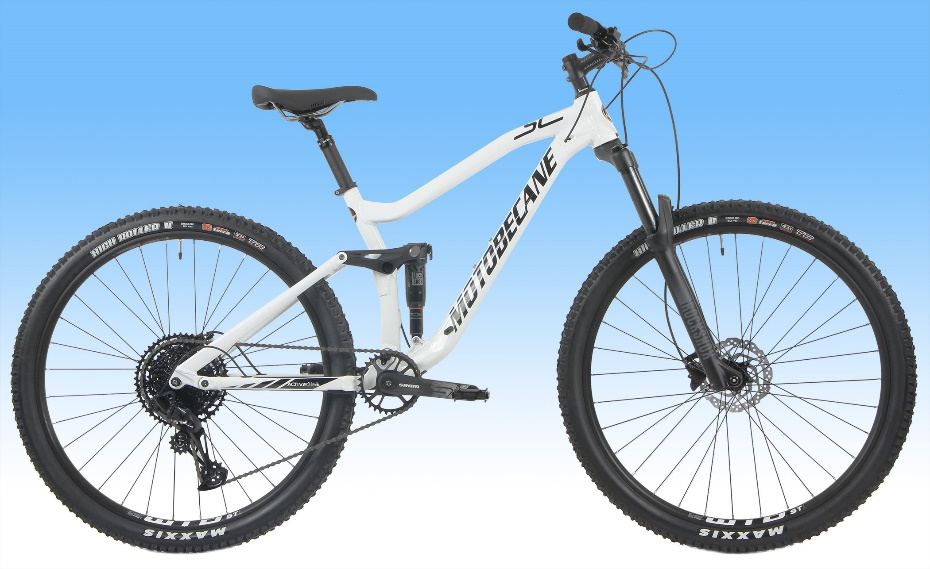
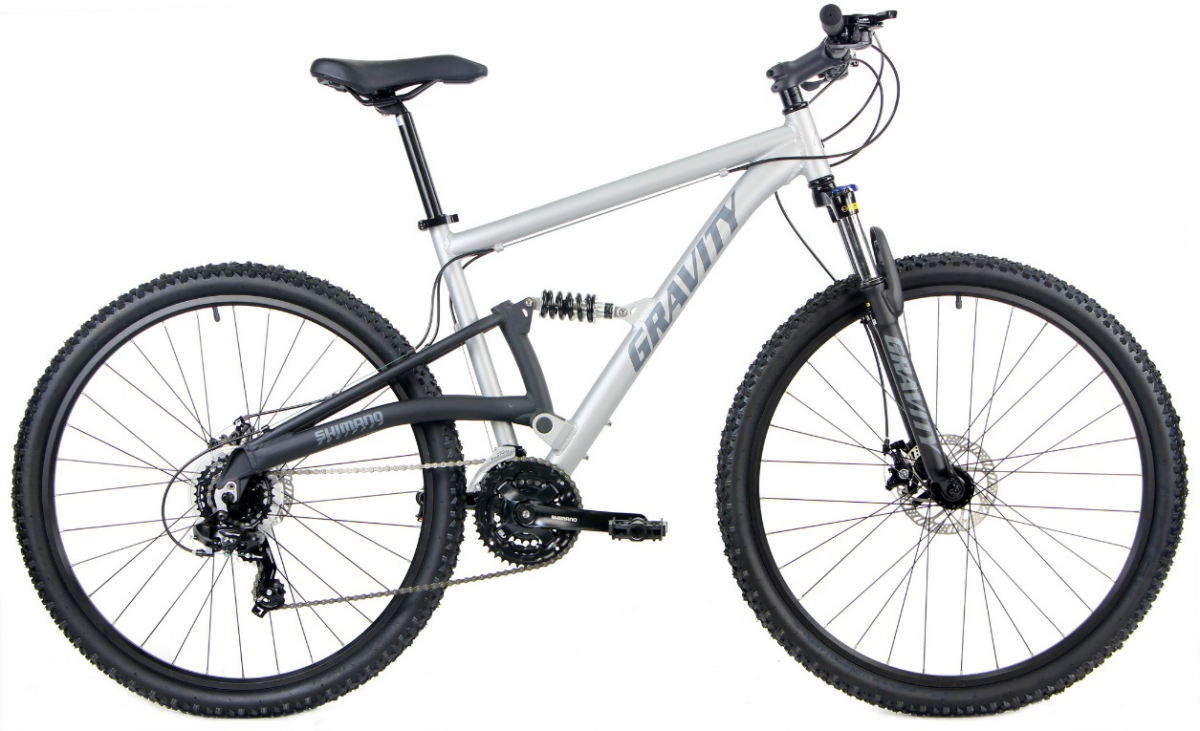
For students who love weekend trail rides, this mountain bike delivers excellent performance without the premium price tag. Its full-suspension design absorbs bumps and rough terrain, giving you better control and comfort on off-road adventures.
The hydraulic disc brakes provide reliable stopping power, while its aluminum frame keeps weight manageable for commuting. It’s an excellent choice for students balancing campus commuting with a passion for outdoor exploration.
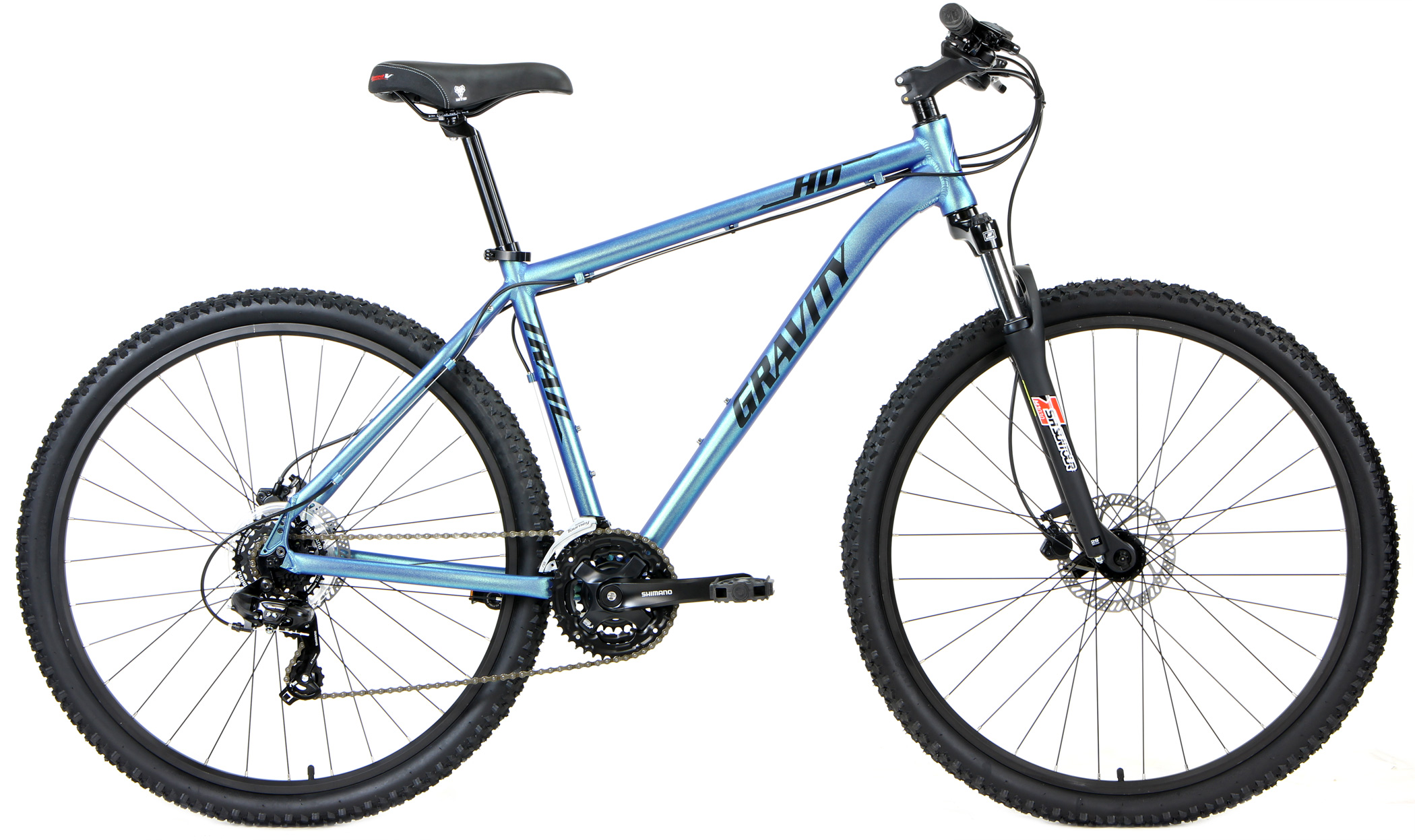
3. Gravity HD29 DLX24 — Built for Durability and Versatility
If you need a tough, go-anywhere bike that works equally well on campus and the trails, the HD29 DLX24 is worth considering. Equipped with hydraulic disc brakes and a sturdy alloy frame, it offers durability without compromising handling.
This mountain bike works great for students who want one bike that can handle both weekday commutes and weekend rides, making it one of the most versatile budget picks from Bikesdirect.
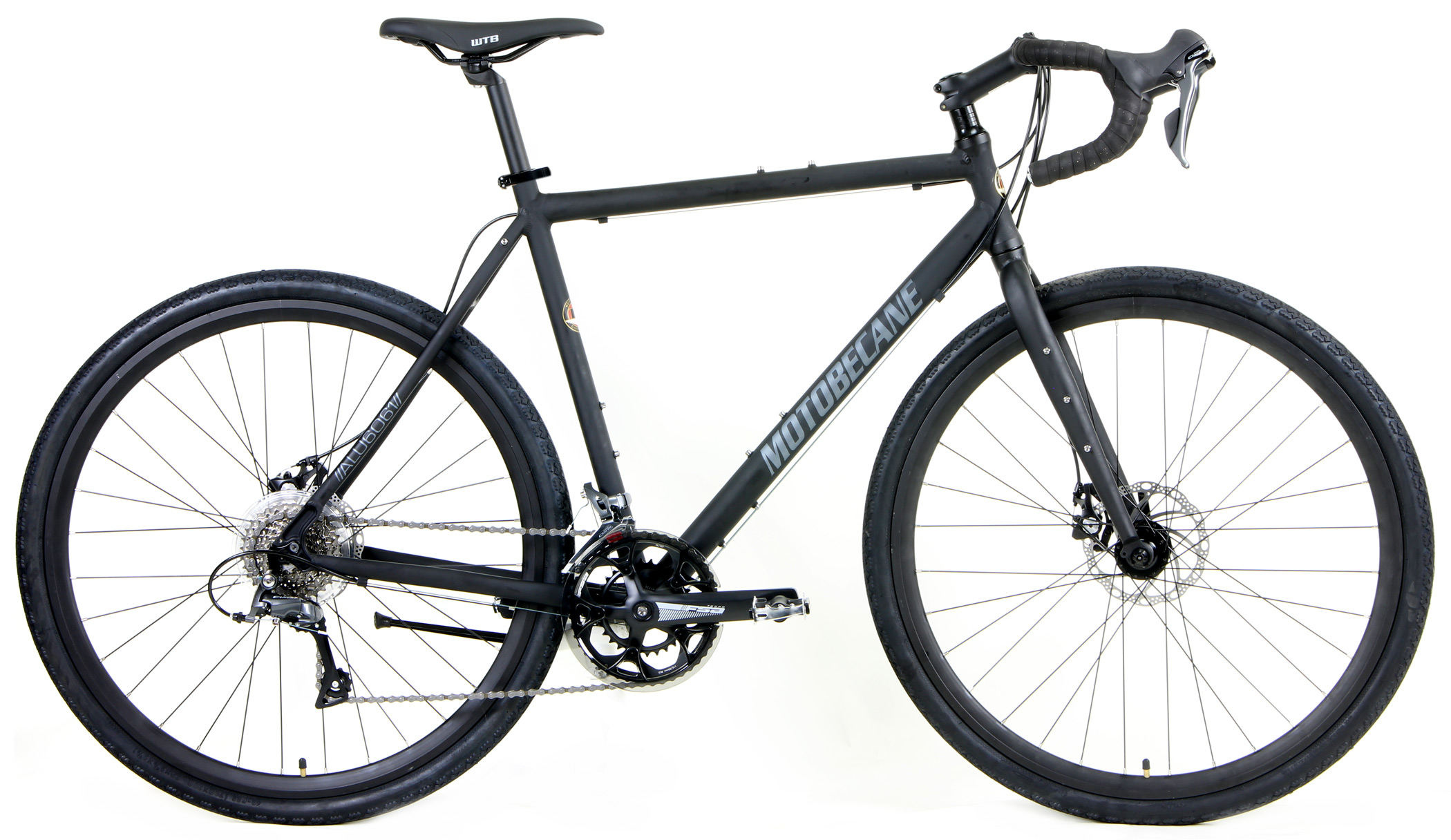
4. Motobecane Gravel X3 — Affordable Gravel Adventure Bike
If your campus commute includes mixed surfaces — pavement, dirt paths, and light trails — the Gravel X3 is your ideal match. Built for adventure, this gravel bike combines speed, comfort, and off-road versatility.
The disc brakes ensure consistent stopping power, while wider tires give you confidence on loose surfaces. Plus, its modern design and lightweight frame make it a stylish yet practical option for everyday student use.
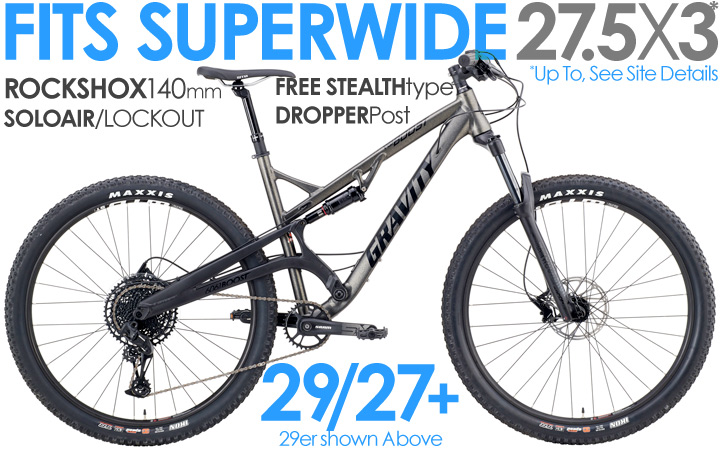
5. Motobecane HAL29 SLX — Premium Full-Suspension Performance for Less
For riders who want next-level handling without overspending, the HAL29 SLX is a fantastic choice. This full-suspension mountain bike is built for rugged terrains and steep climbs, making it ideal for students who love outdoor challenges.
Despite its advanced specs, Bikesdirect’s direct pricing makes it surprisingly affordable compared to similar retail options. It’s a top pick for adventure-seeking students who want pro-level performance on a student-friendly budget.
6. Windsor Rover 2 — Comfortable and Stylish City Commuter
Sometimes simple is best, and the Windsor Rover 2 delivers exactly that. This beach cruiser-style bike is perfect for smooth campus rides, weekend coffee shop trips, and relaxed cruising. Its upright handlebars keep you comfortable during long rides, and its lightweight frame makes it easy to store in dorm rooms or apartments.
If you value comfort and style in an affordable bike, the Rover 2 is a go-to option for students looking for something practical and low-maintenance.
Why Bikesdirect Is Perfect for Students
Bikesdirect has built its reputation on offering high-quality bikes at factory-direct pricing, meaning you get premium components without the retail markup. Students benefit from:
Access to a wide variety of bikes for different terrains and lifestyles
Durable, low-maintenance options designed for long-term use
Savings that make investing in higher-quality bikes possible
Whether you’re interested in a versatile hybrid bike, a reliable gravel bike, or a rugged fat bike for winter riding, Bikesdirect provides an affordable path to owning a better-quality ride.
Final Thoughts: Finding Your Perfect Ride
Your college years are busy enough — commuting shouldn’t add to the stress. Choosing the right bike is about striking a balance between cost, comfort, and performance. The options from Bikesdirect make it easy to find a model that fits your lifestyle and budget without compromising on quality.
From smooth city cruisers to powerful mountain-ready machines, there’s something here for every type of student rider. Investing in affordable bike now means less hassle, more mobility, and the freedom to explore your campus and beyond.
Ready to upgrade your commute or weekend rides? At Bikesdirect.com, you’ll find affordable bikes packed with premium features designed to fit your lifestyle and budget. Whether you’re looking for a lightweight road bike, a versatile hybrid, or a durable mountain bike, we’ve got you covered. Browse our latest deals today and get the perfect ride delivered straight to your door — because riding smarter starts with choosing the right bike.