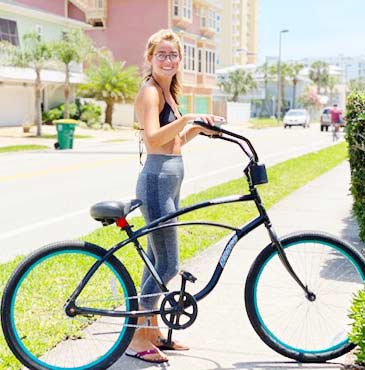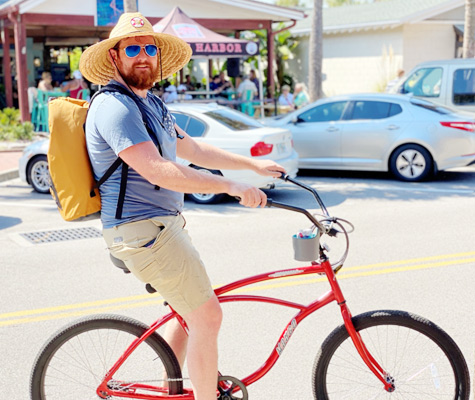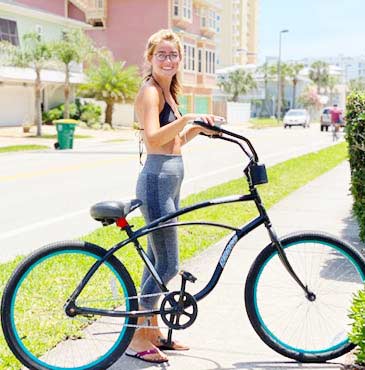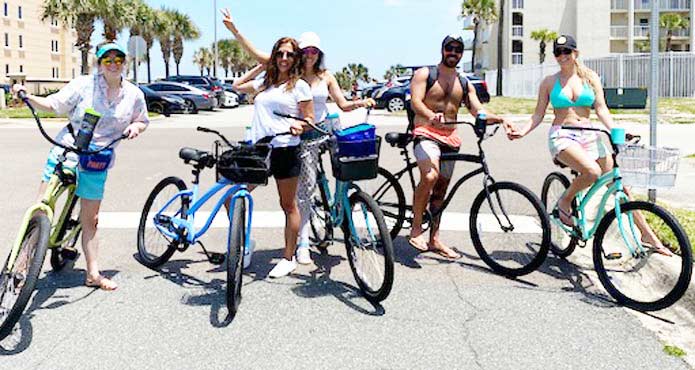

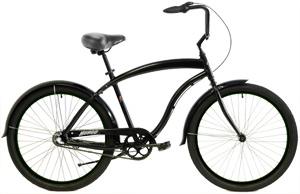
Not every ride needs to be fast. Sometimes the best bike is the one that makes you want to ride more often because it feels effortless, comfortable, and relaxed. That’s why the beach cruiser for everyday use has stayed popular for so long, even far from the coast.
Cruisers are built around simplicity and comfort. They’re ideal for neighborhood loops, quick errands, riding to a friend’s place, or an easy commute where you’d rather arrive relaxed than sweaty. And when you pick the right cruiser setup, it becomes the bike you grab without thinking, because it fits into everyday life without demanding special clothes, special routes, or special motivation.
Why Cruisers Make Sense for Real-Life Riding
A lot of bikes are designed around performance goals: speed, climbing, off-road capability, endurance, and efficiency. Cruisers are designed around something else entirely: the experience of riding.
That experience is defined by a few key traits:
- An upright posture that feels natural and comfortable
- Stable, relaxed steering that’s easy at low speeds
- A comfort-oriented saddle and handlebar setup
- A design that suits short trips and casual mileage
If most of your riding is within a few miles of home, with errands, a café stop, local paths, or a slow evening ride, this style of bike can be the most practical option you’ll ever own.
Cruisers also remove a barrier that stops many people from cycling consistently: the feeling that riding has to be an activity. With a cruiser, riding can just be transportation or a quick mental reset. You hop on and go.
What Makes a Cruiser Different (In a Good Way)
The biggest difference is posture. Cruisers are built for an upright riding position that keeps your shoulders relaxed and your head up. That makes a noticeable difference if you’re riding in neighborhoods, crossing intersections, or simply want to look around while you ride.
Comfort-first geometry
The frame design typically puts you in a position that feels intuitive, especially for riders who don’t want to lean forward aggressively. It’s the kind of setup that works well in normal clothes and normal shoes.
Simpler, calmer handling
Cruisers are designed to feel stable and forgiving. You’re not trying to carve corners at speed. You’re trying to feel in control while you start, stop, and roll through everyday streets.
Practical everyday vibes
A cruiser suits the kinds of trips people actually take. Add a lock, lights, and a basket, and it becomes a useful daily driver bike that can replace short car journeys in a way that feels enjoyable.
In other words, a cruiser is less about performance and more about making riding feel accessible and pleasant.
Where Cruisers Excel Off the Boardwalk
It’s easy to picture cruisers on beachfront promenades, but they’re just as useful in normal neighborhoods and towns. Here are the situations where they shine.
Errands and short trips
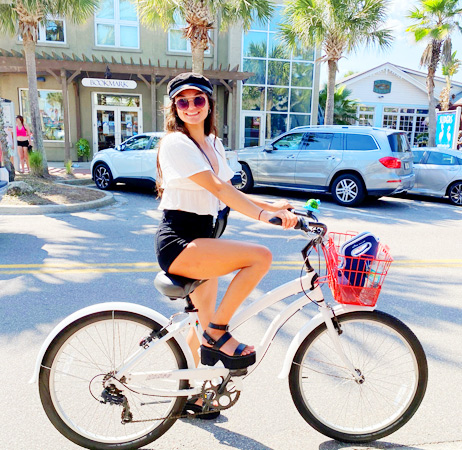
A beach cruiser is excellent for quick local rides: grabbing a few items from a shop, heading to a café, meeting a friend, or riding to a park. The upright posture makes stop-and-go riding comfortable, and the stable feel is great when you’re carrying a small bag or riding at a relaxed pace.
Neighborhood riding and casual commuting
If your commute is short and you don’t want to arrive feeling like you’ve done a workout, a cruiser can be ideal. It’s also great for riders who want to keep cycling in their routine without turning every ride into a training session.
Weekend reset rides
There’s a type of ride that’s purely for mood: a slow roll to clear your head. Cruisers are built for that. You’re not checking speed. You’re just enjoying being outside.
Setting Up Your Cruiser for Daily Use
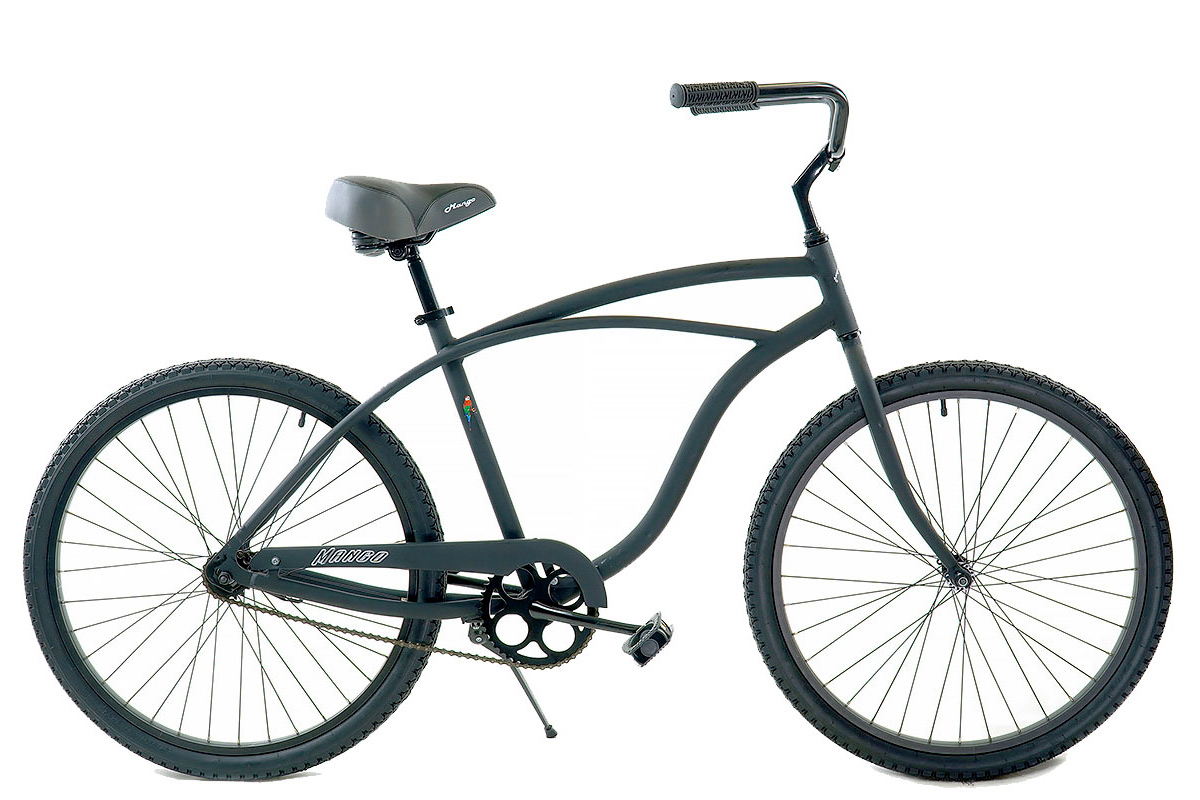
A cruiser can be incredibly practical with a few simple choices. You don’t need a complicated setup; just the basics that make riding safer and more convenient.
Fit and comfort adjustments
Start with saddle height. You should be able to pedal smoothly without rocking your hips. Then adjust the bars so your shoulders feel relaxed and your wrists sit naturally. Cruisers are meant to feel easy; if you feel stretched or cramped, a small adjustment can make a big difference.
Accessories that actually help
For everyday riding, the most useful add-ons are simple:
- A solid lock
- Front and rear lights
- A bell (especially on shared paths)
- A basket or rear rack if you’ll run errands
These small additions turn a cruiser from nice to ride into useful for life.
Tires and pressure
Cruiser tires often lean toward comfort. A slightly lower pressure can make the ride smoother over rough pavement, while a bit higher pressure can help the bike feel more efficient. It’s worth experimenting within the recommended range to find what feels best for your roads.
If you want a bike you’ll use often, this is the type of setup that makes riding feel frictionless.
Our Mango Cruiser Picks for Relaxed, Practical Riding
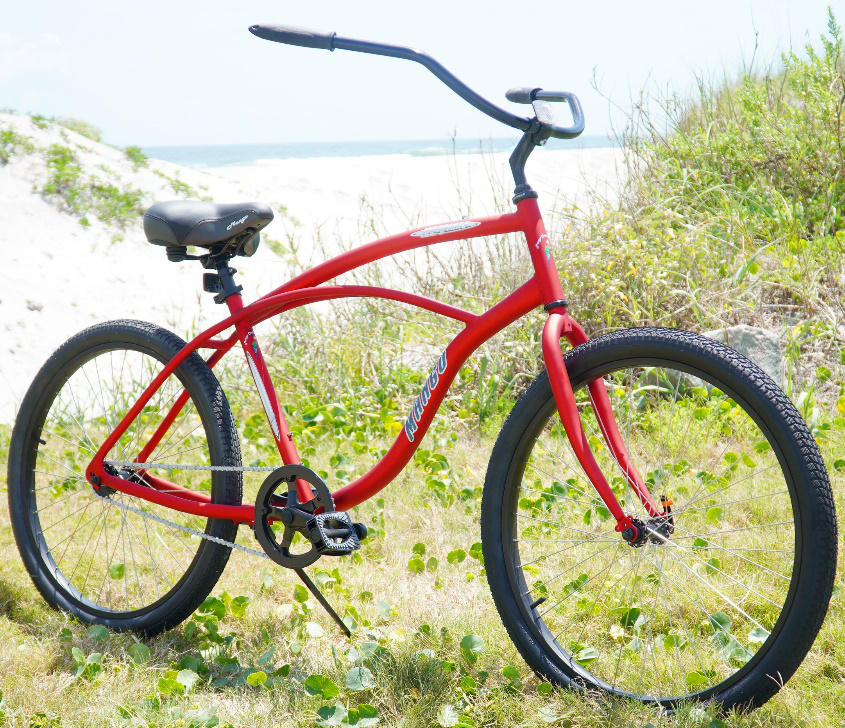
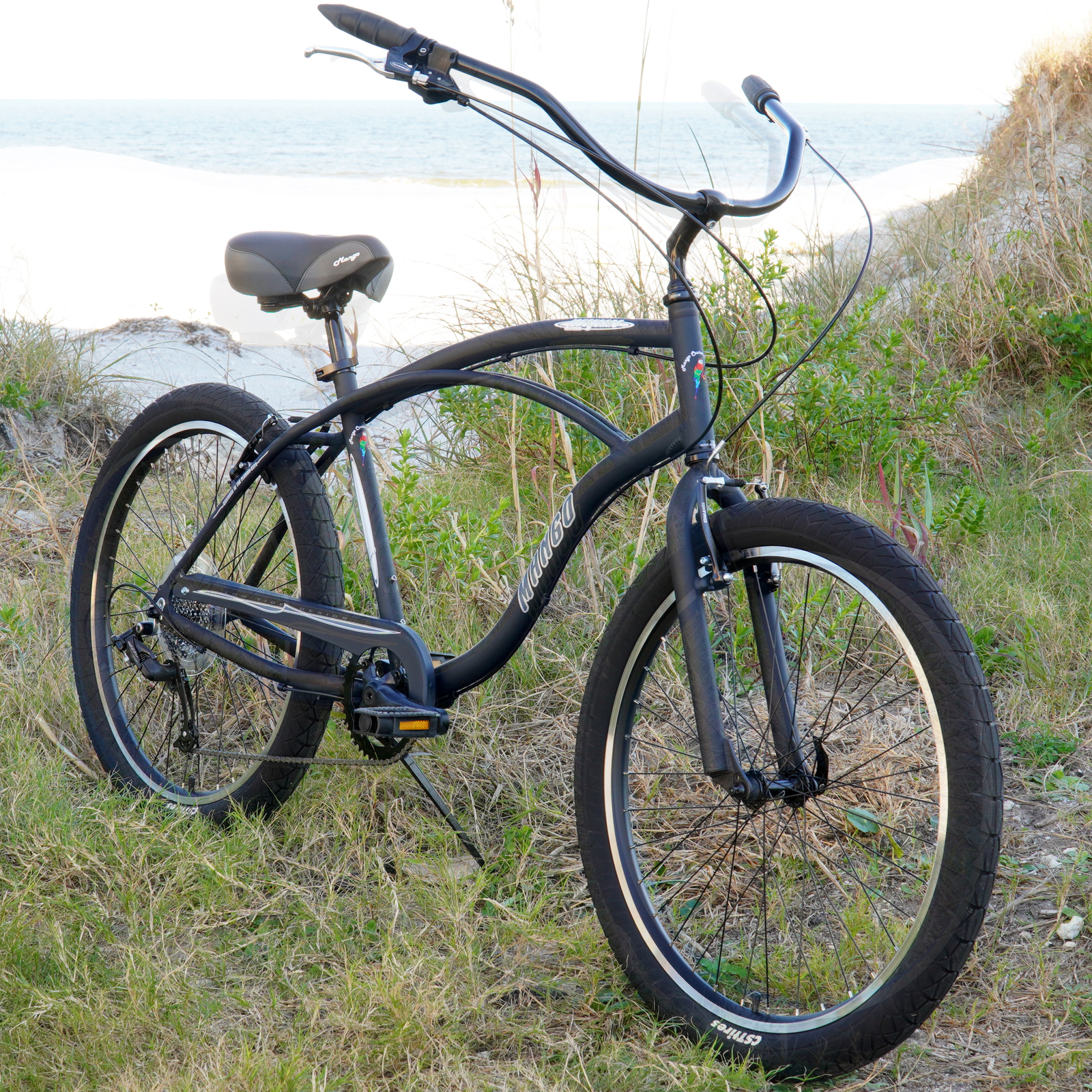
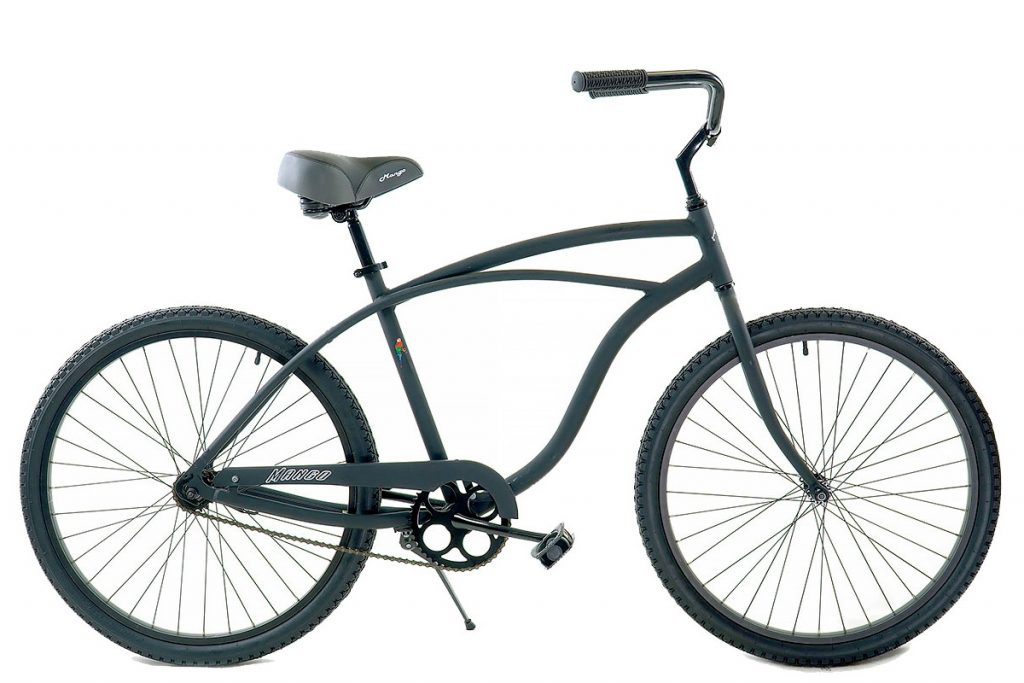
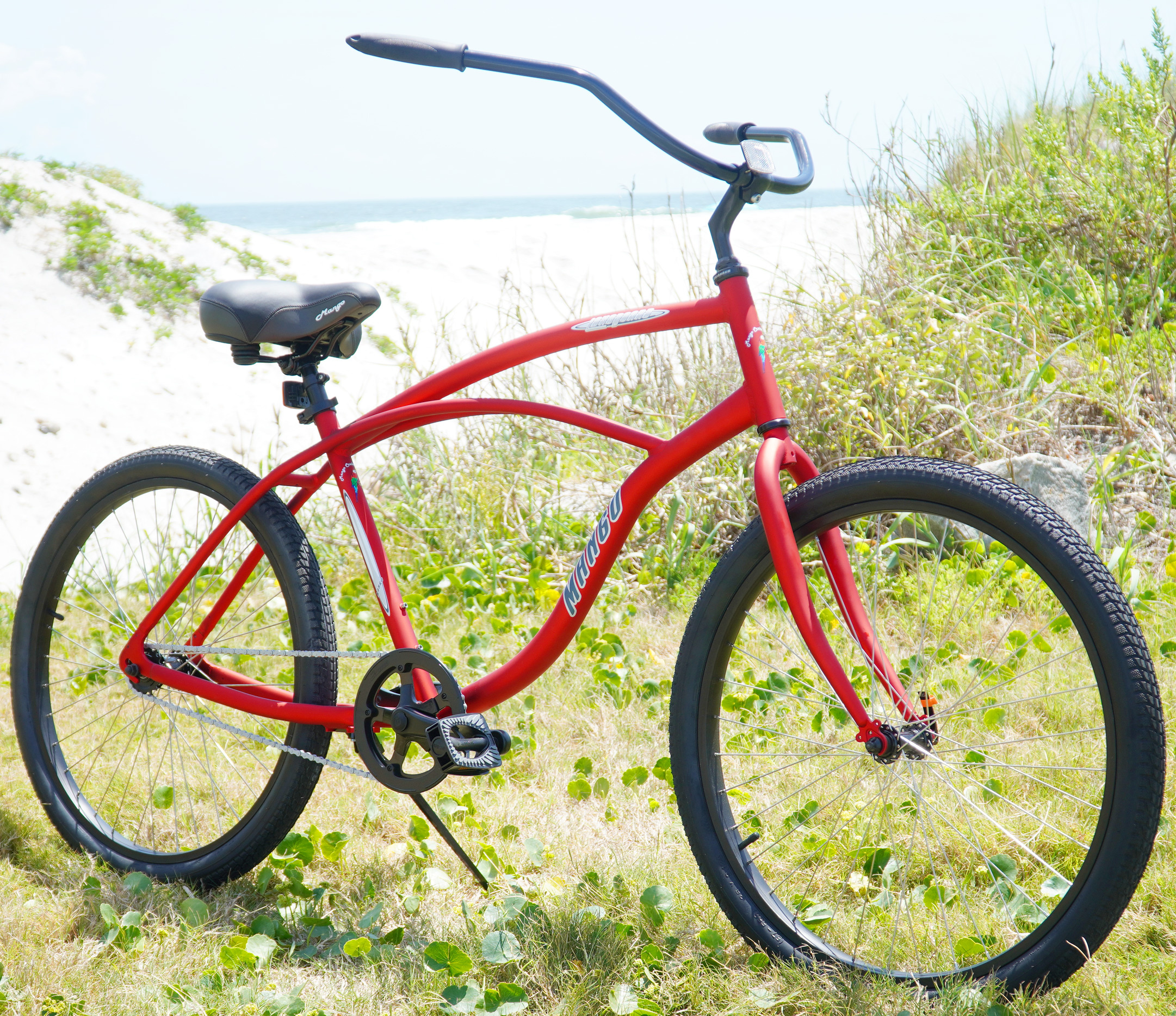
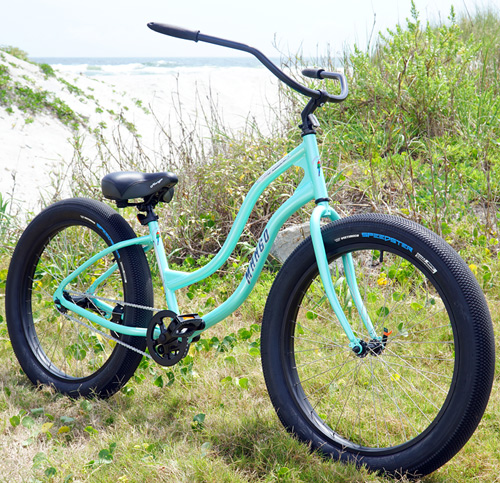
At BikesDirect, our Mango cruiser lineup is built around that classic cruiser experience: comfortable geometry, fun styling, and a practical feel for everyday riding. Here are three standout options, each with a slightly different angle depending on what you want from your ride.
Mango Toucan Cruiser: classic comfort for neighborhood miles
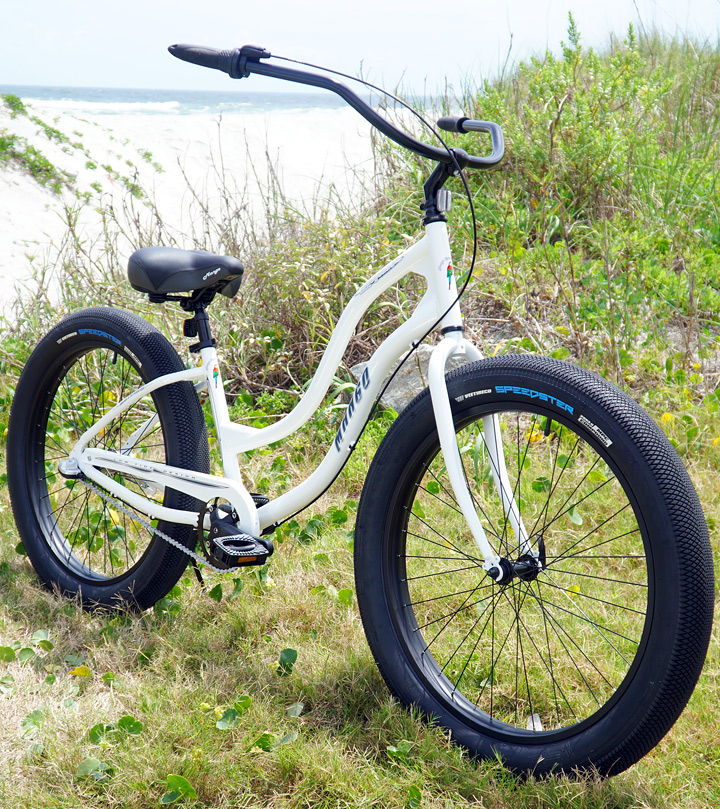
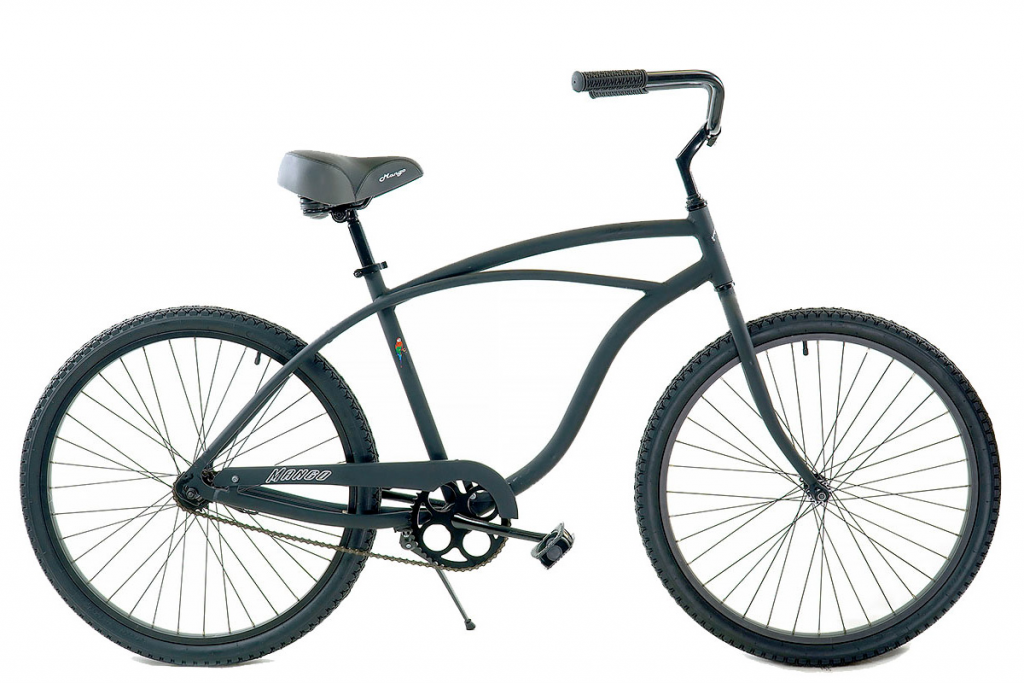
The Mango Toucan Cruiser is a great fit if you want a traditional cruiser feel: relaxed posture, easy handling, and an overall ride that feels calm and comfortable. This is the kind of bike that’s perfect for neighborhood rides, casual trips, and short commutes where comfort matters more than speed. If you want a simple, enjoyable bike that encourages you to ride more often, this is a strong place to start.
Mango Sand Piper Aluminum Cruiser: lighter feel, great for frequent short trips
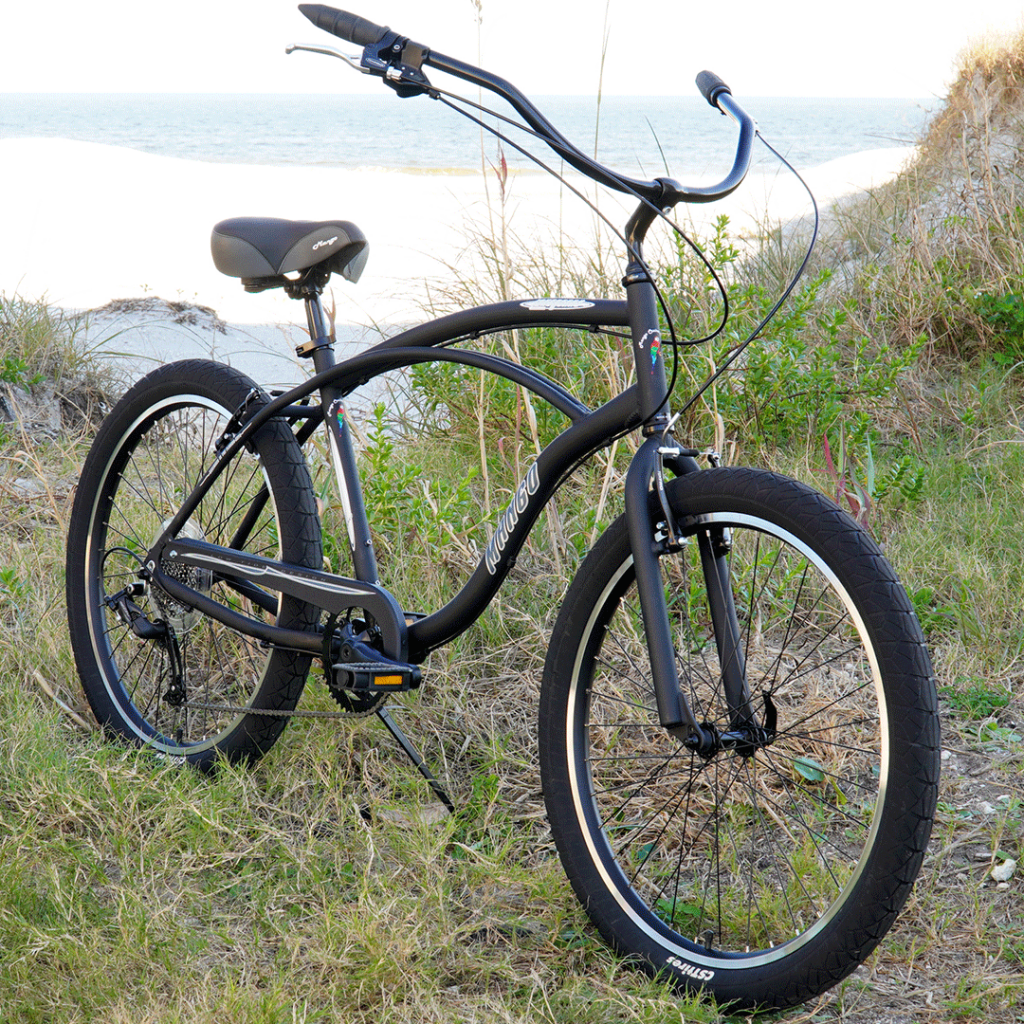
If you expect to ride often and want something that feels a bit lighter and easy to maneuver, the Mango Sand Piper Aluminum Cruiser is worth considering. Aluminum cruisers can offer that easy-to-handle feeling that’s helpful for stop-and-go neighborhood riding, errands, and frequent short trips. It’s a practical choice if you want the comfort of a cruiser with a ride feel that stays responsive.
Mango Macaw 3 Aluminum Cruisers: comfort-focused everyday cruiser
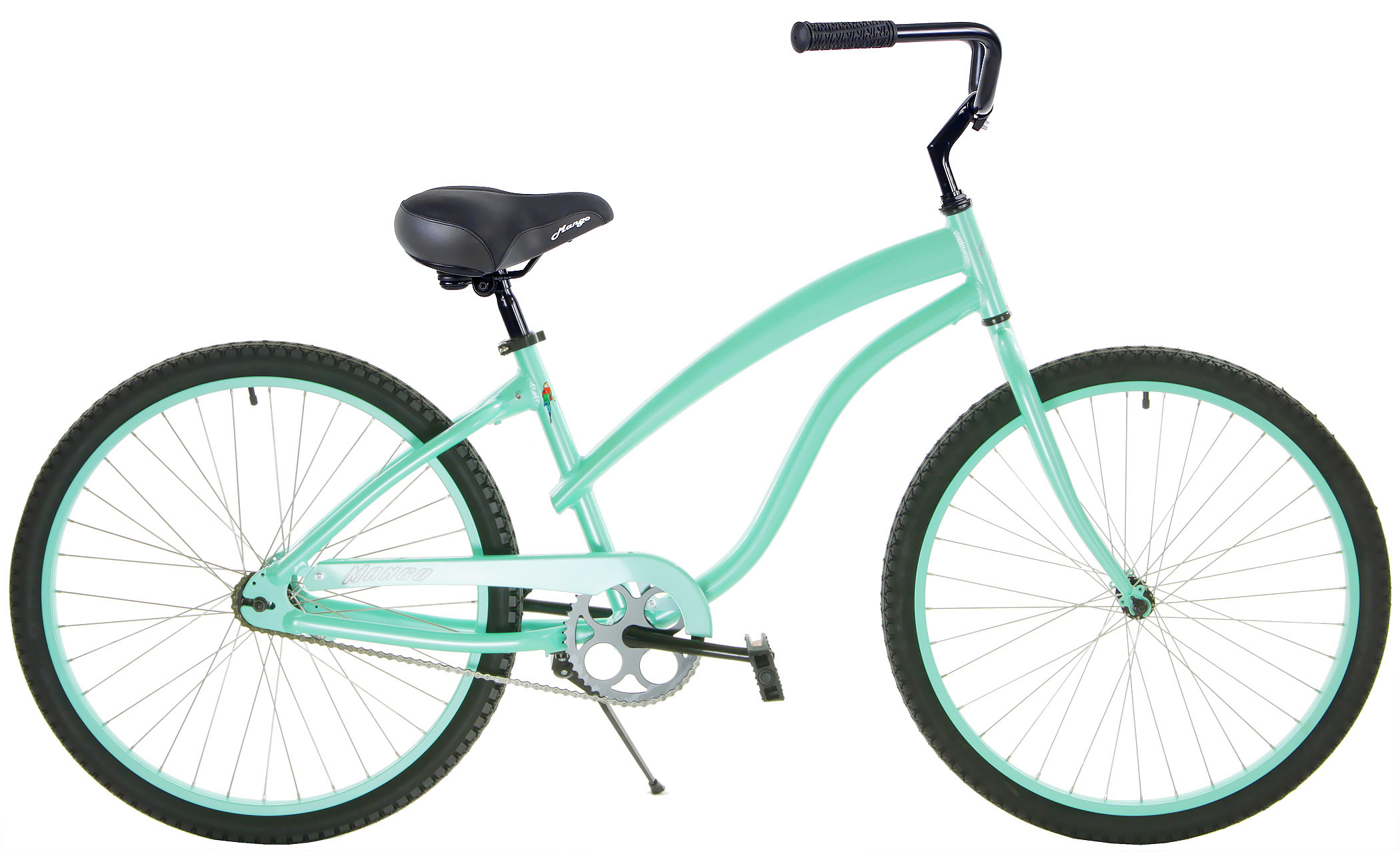
For riders who want a reliable, comfortable cruiser setup for daily riding, the Mango Macaw 3 Aluminum Cruisers fits the bill. It’s designed for that relaxed, upright ride that works beautifully for casual commuting, neighborhood loops, and low-stress trips around town. If you want a cruiser that feels like a natural part of your routine, this is the kind of bike that tends to get used again and again.
The Bike You’ll Actually Want to Ride
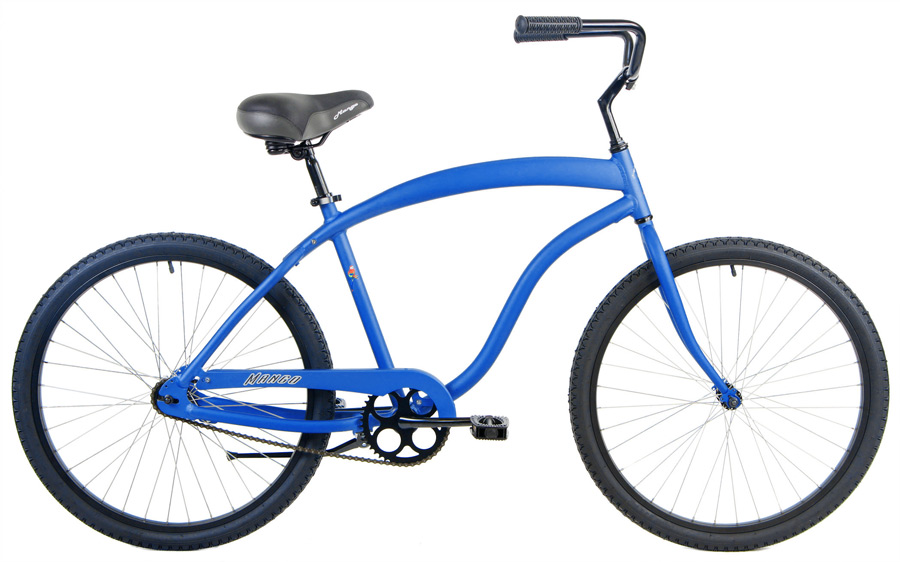
The reason a beach cruiser works so well beyond the boardwalk is simple: it matches everyday life. It’s comfortable, stable, and easy to ride in normal clothes on normal routes. For errands, neighborhood rides, and relaxed commutes, it’s often the most realistic way to make cycling a consistent habit.
At BikesDirect, we carry cruisers that balance comfort, practicality, and value, so you can choose a setup that feels right for how you actually ride. If you want a bike that keeps things simple and enjoyable, a beach cruiser is a smart choice; our Mango lineup makes it easy to find a style and ride feel that fits your routine.
If you’d like help choosing the right model and size, please contact us.