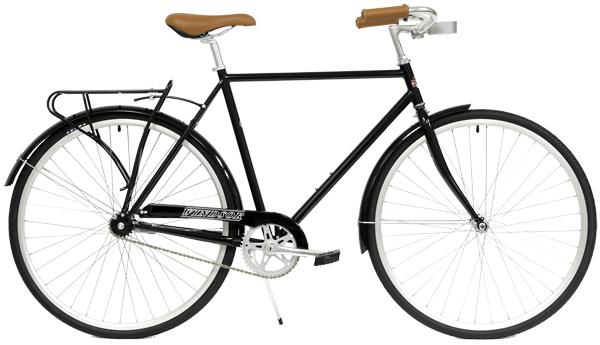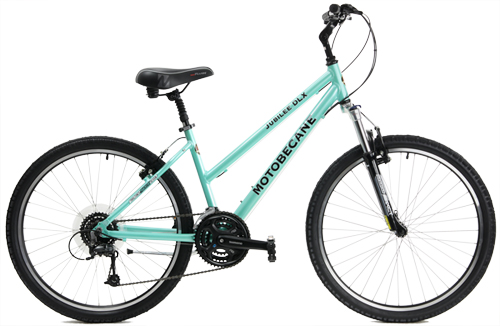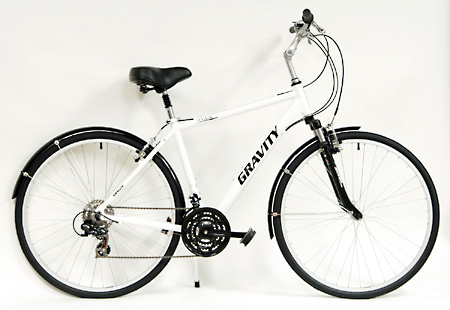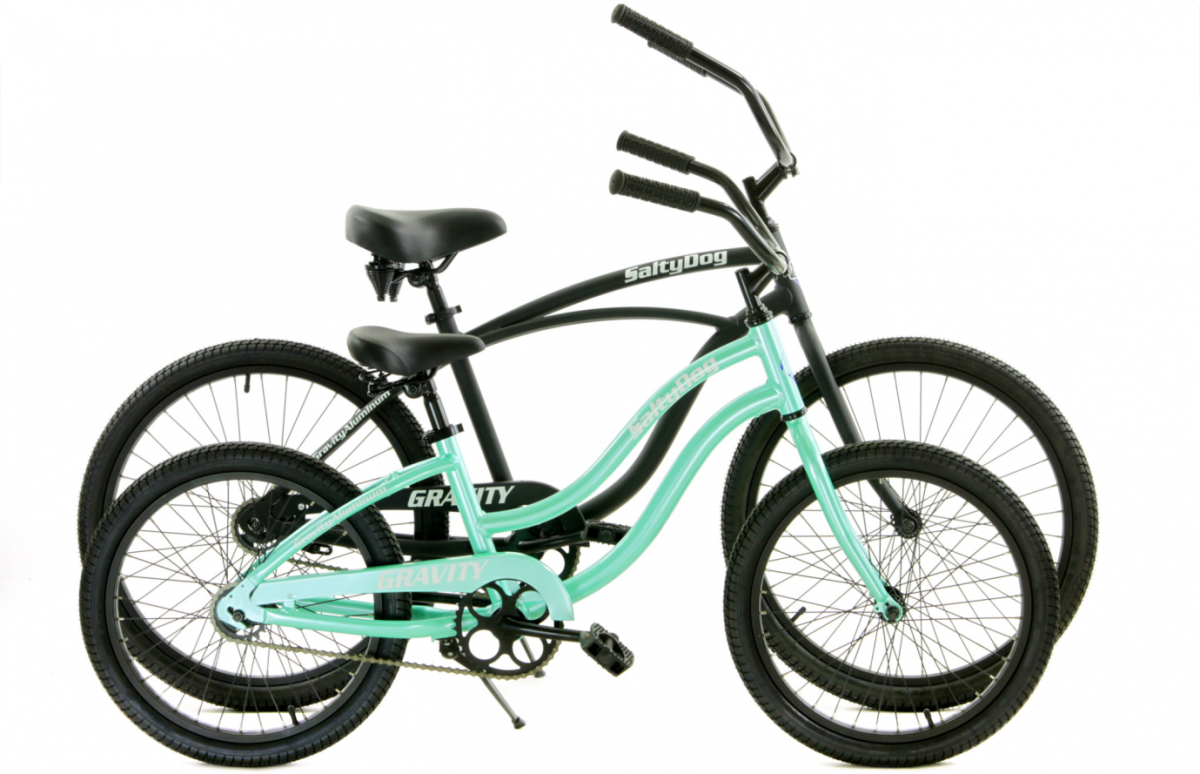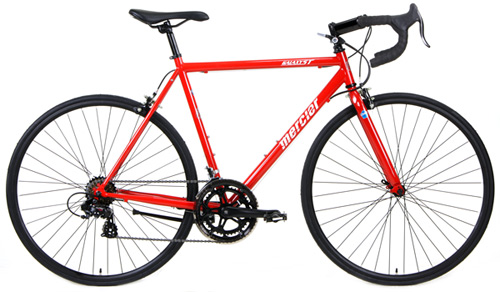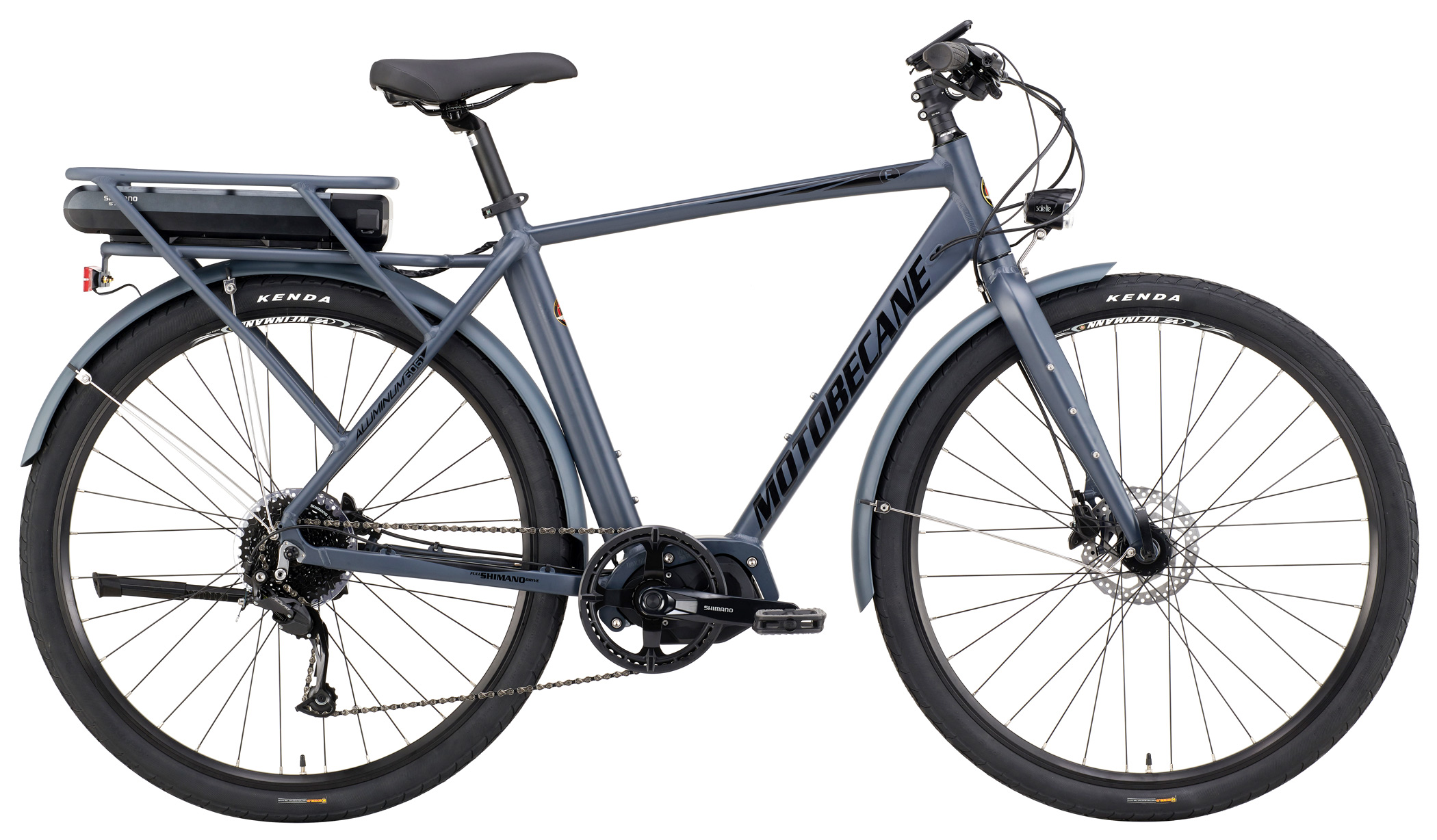

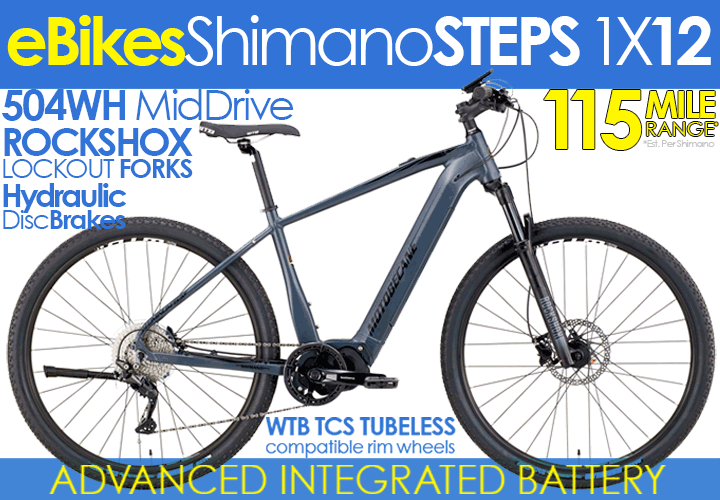
For many riders, the idea of buying bikes online feels uncertain. After all, a bike is not just a product—it’s a piece of precision engineering, custom-fit to your body, riding style, and terrain preferences.
Traditionally, cycling enthusiasts have relied on local bike shops to “test-ride” and inspect bikes before making a purchase. However, modern direct-to-consumer (DTC) bike platforms like BikesDirect have transformed the way riders can shop, providing greater transparency, detailed specifications, and unbiased reviews—all from the comfort of home.
The first misconception about buying a bike online is that sizing and fit are impossible to verify without a physical ride. In reality, most online bike retailers provide comprehensive size charts, geometry diagrams, and detailed measurements that often exceed what a local store can offer. These tools allow riders to compare multiple models and determine which frames and geometries will suit their body and riding style.
Additionally, many platforms include step-by-step assembly instructions, video tutorials, and even online customer support, ensuring the bike is properly set up and ready for a comfortable ride.
Another advantage of buying bikes online is value transparency. Traditional bike shops must balance overhead costs, showroom space, and brand partnerships, which can inflate pricing and limit options. Online retailers pass these savings directly to customers, often offering a wider variety of models at competitive prices. This approach also encourages honest customer reviews.
Unlike in-store environments, where sales pressure can cloud judgment, online reviews from real riders highlight performance, comfort, and potential issues, giving buyers a data-driven perspective on their purchase.
Finally, direct-to-consumer purchasing allows riders to research beyond brand hype. Rather than relying solely on salesperson recommendations, riders can cross-reference specifications, compare component quality, and check expert or user feedback.
This transparency equips buyers to make informed choices tailored to their personal needs—whether it’s commuting, weekend gravel adventures, urban cruising, or high-speed road performance.
Bike Sizing and Geometry Clues for Online Buyers
One of the biggest challenges of buying bikes online is determining the correct size. Unlike visiting a physical store where you can sit on a bike and test it, online shopping requires interpreting geometry charts, frame measurements, and sizing recommendations to ensure the bike fits your body and riding style. Understanding these clues not only eliminates guesswork but also ensures a comfortable and efficient ride from day one.
The first place to start is frame size, usually measured in centimeters for road and gravel bikes or inches for mountain and hybrid models. While size charts provide a starting point, geometry diagrams are far more insightful.
Look for the top tube length, seat tube length, and head tube angle. The top tube length determines your reach to the handlebars, affecting posture and comfort. A too-long top tube can strain your back and shoulders, while a too-short one may feel cramped.
Standover height is another critical measurement, especially for hybrids, mountain bikes, and fat bikes. This is the distance from the ground to the top tube. Riders should have at least one to two inches of clearance when standing over the bike to allow easy mounting and dismounting, as well as increased safety on uneven terrain. For road and gravel bikes, clearance may be less, but it’s still important to avoid excessive stretching or compression of the knees when pedaling.
Reach and stack provide a complete picture of posture. Reach is the horizontal distance from the bottom bracket to the top of the head tube, influencing how stretched out you will be. Stack measures vertical distance to the same point, which determines how upright your torso will sit.
Riders who prefer long commutes or leisure rides may want higher stack and shorter reach for a more upright position, while racers often choose lower stack and longer reach for aerodynamic efficiency.
Beyond measurements, pay attention to the geometry style of the bike. Comfort-oriented bikes, like hybrids and cruisers, tend to have slacker head tube angles and longer wheelbases, increasing stability and smoothing out vibrations.
Road and gravel bikes often feature steeper angles and shorter wheelbases, prioritizing responsiveness and handling precision. When comparing bikes online, examine the manufacturer’s geometry charts, cross-reference your body measurements, and even use online calculators or fitting guides to determine the best match.
Finally, reviews can provide real-world clues about fit. Riders frequently note whether a bike feels smaller or larger than the stated size, whether the seat height adjustment is sufficient, or if handlebar reach feels stretched. These insights can compensate for what you cannot feel physically, making online sizing as reliable, if not more so, than in-store guesses.
Component Cues That Reveal Quality and Comfort Online
When buying bikes online, evaluating the frame alone isn’t enough. Components—brakes, drivetrains, tires, and suspension—directly affect ride comfort, control, and longevity. Even without physically testing a bike, careful attention to component specifications and quality clues ensures you select a bike that performs reliably and feels comfortable from the first ride.
Brakes: Stopping Power and Control
Look for clear indications of brake type and quality. Disc brakes, whether mechanical or hydraulic, provide superior stopping power in all weather conditions and on varied terrain, which is crucial for gravel bikes, mountain bikes, and hybrids.
Rim brakes are lighter and simpler but may require more frequent adjustments. Online listings usually specify the brake model, rotor size, and brake type—details that indicate real-world stopping performance.
Drivetrain: Smooth Shifting and Efficiency
The drivetrain determines pedaling efficiency and gear versatility. High-quality derailleurs, shifters, and cassettes from reputable brands often indicate a bike designed for smooth, reliable performance. Online buyers should check gear range, the number of speeds, and the material of cranks and chains. Reviews often mention whether shifts are crisp or sluggish, helping you anticipate ride experience before delivery.
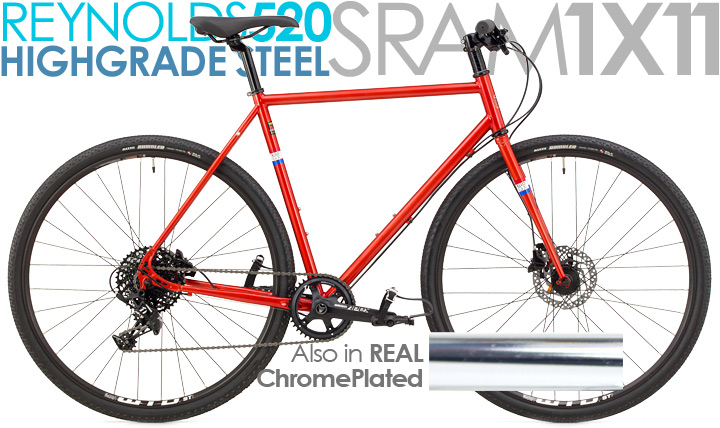
Tires: Traction and Ride Quality
Tire width, tread pattern, and material affect comfort, grip, and stability. Wider tires with appropriate tread absorb shocks and vibrations, especially on hybrids, cruisers, and fat bikes. Gravel bikes benefit from slightly knobby tires for mixed terrain. Always check online specifications for recommended tire pressure ranges, width, and compatibility, as well as user feedback on comfort and rolling efficiency.
Suspension: Absorbing Bumps Without Compromising Control
Suspension, whether in the fork, seatpost, or full suspension setup, reduces vibration and fatigue. Even subtle compliance in a carbon fork or suspension seatpost can transform comfort on longer rides. Online listings often describe travel distance, spring type, and damping features. Combined with reviews, this information reveals how well the bike handles uneven surfaces.
Other Comfort-Enhancing Components
Ergonomic saddles, adjustable handlebars, padded grips, and wider pedals can dramatically improve ride experience. Many online listings include specifications for these items, allowing riders to assess whether the bike will suit their posture and personal riding style. Component details often provide early clues about whether a bike will feel comfortable during extended rides, without needing a showroom test ride.
Decoding Reviews and Ratings for Smart Online Bike Purchases
One of the greatest advantages of buying bikes online is access to a wealth of user feedback. Reviews and ratings provide real-world insights into fit, comfort, durability, and performance that go beyond the specifications listed by manufacturers. Learning to interpret these signals is a critical step in making an informed purchase.
Look for Consistent Patterns
While individual opinions vary, repeated comments about specific aspects are highly informative. For example, if multiple riders mention that a saddle is too narrow or a handlebar feels short, it’s likely a genuine fit issue rather than a personal preference.
Conversely, repeated praise for smooth shifting, stable handling, or comfortable geometry reinforces the bike’s quality claims. Patterns in reviews often reveal strengths and weaknesses that aren’t obvious in technical specs.
Pay Attention to Ride Type and Rider Profile
Many reviews include information about the rider’s height, weight, and typical riding style. This context helps online buyers determine if the bike will suit them. For instance, a mountain bike praised for stability by a 6-foot rider may feel different for someone shorter. Matching your profile with reviewer experiences reduces the guesswork in selecting the right model.
Check for Detailed Feedback on Components
High-value reviews often mention the performance of key components: brakes, drivetrain, suspension, and tires. Users may report squeaky brakes, stiff shifting, or tire durability concerns. These details help buyers anticipate maintenance needs and evaluate whether the bike’s components meet their expectations for comfort and longevity.
Spot Red Flags
Beware of vague or overly positive reviews that provide no specifics, as they may be less reliable. Multiple complaints about shipping damage, difficult assembly, or missing parts can indicate logistical or quality control issues. Paying attention to the nature and frequency of negative reviews gives you a realistic picture of what to expect when buying a bike online.
Leverage Verified Purchases
Many online platforms highlight reviews from verified buyers. These are often the most trustworthy, as they confirm the reviewer actually received and used the product. Combining verified feedback with unverified reviews provides a balanced perspective.
By systematically decoding reviews and ratings, online buyers can gain confidence in their choice, mitigate risks, and ensure the bike they select meets comfort, fit, and performance expectations—all without stepping into a store.
Step-by-Step Guide for Buying Bikes Online
Buying a bike online can feel intimidating at first, but with a structured approach, it becomes a streamlined, confidence-building process. This step-by-step guide helps riders move from research to purchase while ensuring the bike fits, performs, and delivers long-term comfort. Platforms like BikesDirect make this process even easier by providing detailed specs, geometry charts, and real customer reviews.
Step 1: Define Your Riding Goals
Before browsing, clarify how you plan to use your bike. Are you commuting through city streets, tackling gravel trails, cruising along the beach, or hitting mountain trails? Understanding your terrain and frequency of use helps narrow your options. This focus ensures you select a bike with geometry, components, and comfort features suited to your specific needs. BikesDirect’s website lets riders filter by bike type and intended use, saving time while narrowing down suitable models.
Step 2: Check Size and Geometry Charts
Once you’ve identified the type of bike, carefully study the size charts and geometry diagrams provided online. Measure your inseam, height, and reach, and compare them to top tube length, standover height, reach, and stack. Reputable online bike shops provide comprehensive charts for every model, making it simple to determine the correct size without visiting a store.
Step 3: Evaluate Components for Comfort and Performance
Examine the brakes, drivetrain, tires, and suspension to ensure they match your riding style and terrain. High-quality components reduce maintenance, improve ride feel, and enhance safety. Look for ergonomic handlebars, padded saddles, and wide tires that promote stability and comfort. At BikesDirect, we list all component specifications clearly, helping buyers make confident choices without guessing.
Step 4: Study Reviews and Ratings
Read reviews from riders with similar heights, weights, and riding styles. Focus on repeated mentions of comfort, fit, durability, and performance. Verified reviews and detailed feedback about assembly or ride quality can save you from unpleasant surprises. BikesDirect prominently features verified customer reviews, providing transparent insights into how bikes perform in real-world conditions.
Step 5: Compare Options and Features
Compare multiple models side by side. Look beyond brand names and flashy graphics—focus on geometry, component quality, ride experience, and value. Direct-to-consumer retailers like BikesDirect provide more transparent specifications and competitive pricing than traditional bike shops, allowing you to make informed comparisons from home.
Step 6: Confirm Shipping, Assembly, and Warranty
Check the seller’s shipping policies, assembly instructions, and warranty coverage. Many bikes arrive partially assembled with detailed video instructions or optional professional assembly services. BikesDirect offers shipping guidance and support to ensure your bike arrives safely and is ready for the road.
Step 7: Complete Your Purchase with Confidence
Once all steps are checked—fit, components, reviews, and logistics—you can purchase your bike with full confidence. Using BikesDirect to buy bikes online not only saves money but also provides detailed specifications, reliable customer support, and transparent reviews, making the online buying experience more trustworthy than ever. Following this roadmap ensures your new bike fits perfectly, rides comfortably, and lasts for years.
And don’t forget to benefit from our ongoing cyber week deals.
The Best Types of Bikes to Buy Online and Why
Buying a bike online opens up access to a wide range of models that suit different riding styles, terrains, and comfort preferences. Our platform makes it easy to explore detailed specifications, customer reviews, and geometry charts for every type of bike. Understanding which bike type fits your needs helps streamline your online purchase while ensuring comfort, performance, and long-term satisfaction.
Hybrid Bikes
Hybrid bikes combine the efficiency of road bikes with the comfort of cruisers. They are ideal for commuting, casual rides, and light trail use. Buying a hybrid online allows you to compare frame sizes, handlebar types, and gear configurations without feeling rushed in a store. With transparent specifications on BikesDirect, you can confidently choose a bike that balances speed, comfort, and stability.
Gravel Bikes
Gravel bikes are versatile machines designed for mixed surfaces, from paved roads to dirt trails. They feature geometry that supports longer rides with comfort-focused posture, plus wide gear ranges and durable tires. When buying bikes online, you can study geometry charts, read reviews from riders on similar terrain, and select models with components suited for off-road performance—all from home.
Road Bikes
Road bikes prioritize speed and efficiency but can also be comfortable when chosen carefully. Online shopping allows riders to evaluate frame material, geometry, and component quality, ensuring the bike matches their riding goals. BikesDirect provides detailed measurements and review insights, helping buyers select the right road bike for commuting, racing, or weekend adventures.
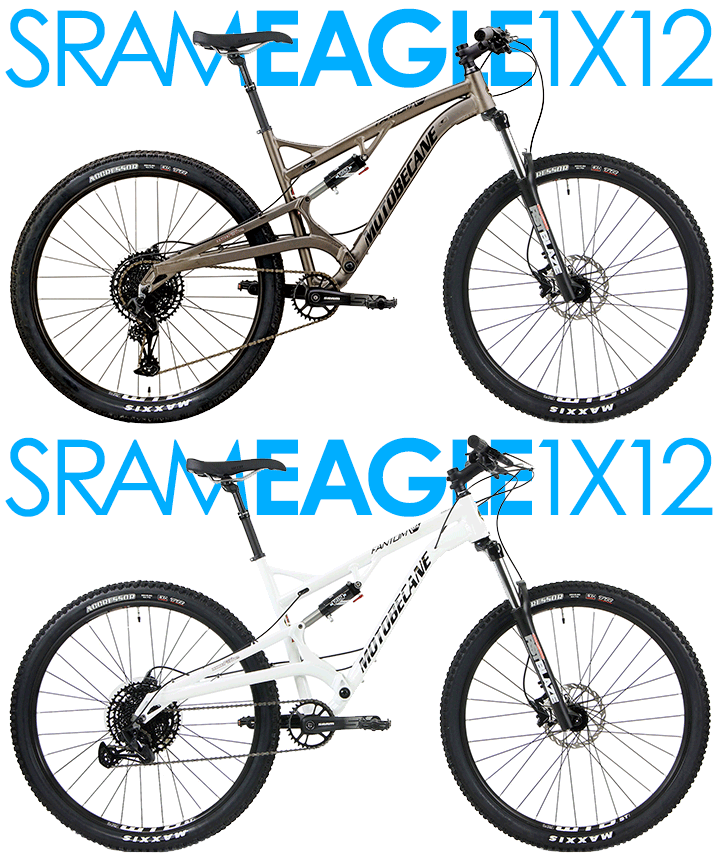
Fat Bikes
Fat bikes excel in sand, snow, and rugged trails thanks to wide tires that absorb shocks and enhance stability. Choosing a fat bike online means examining tire width, frame clearance, suspension features, and brake systems. Customer reviews on BikesDirect reveal how well a model performs in challenging conditions, allowing you to make an informed choice without test riding.
Beach Cruisers
Beach cruisers are all about leisurely rides with a relaxed posture. They often include wide, cushioned saddles, upright handlebars, and simple drivetrains. Buying a cruiser online gives riders access to detailed specs on comfort features, frame size, and aesthetics, ensuring a fun, smooth, and stylish ride along streets, parks, or boardwalks.
Mountain Bikes
Mountain bikes are engineered for off-road trails, steep climbs, and technical terrain. Online listings allow buyers to compare suspension travel, frame geometry, brake systems, and wheel sizes, all while reading firsthand reviews of trail performance. Platforms like BikesDirect provide in-depth details that make choosing a mountain bike online as reliable as trying it in-store.
Ride Smarter with BikesDirect
Buying a bike online doesn’t have to be stressful or uncertain. By focusing on fit, geometry, components, and trusted reviews, riders gain control over their purchase and often enjoy better transparency and value than traditional stores.
Platforms like BikesDirect make the process simple, providing detailed specifications, verified customer feedback, and a wide selection of bikes for every rider.
Whether you’re looking for a versatile Hybrid Bike for commuting, a durable Gravel Bike for mixed terrain, or a high-performance Road Bike for speed, BikesDirect has the right option. For challenging trails, explore their stable Mountain Bikes, or enjoy relaxed rides on a cushioned Beach Cruiser. If you want to tackle snow, sand, or rough terrain with confidence, check out their powerful Fat Bikes.
No matter your style, buying bikes online with BikesDirect ensures you ride with comfort, confidence, and long-term satisfaction. From sizing and geometry to components and reviews, the platform provides all the tools you need to make an informed choice from the comfort of home.
Start your smart ride today—explore BikesDirect’s full range of bikes and find the perfect match for your next adventure.