This visual guide compares Carbon Frame and Aluminum Frame bikes, highlighting speed, comfort, durability, and real-world performance. It explains how each frame type affects ride feel—from lightweight precision to everyday strength—helping riders choose the best option for road, gravel, or mountain adventures.
Choosing a frame material is like selecting the voice for your entire ride. The tubes, joints, and layups you can’t see shape the sensations you can’t ignore—how eagerly a bike leaps when you stand on the pedals, how calmly it tracks across broken pavement or washboard, and how gracefully it survives the little mishaps of real‑world riding.
When riders ask us about the best bike frame materials, they are rarely chasing metallurgy trivia; they’re asking how to turn watts into speed without beating up their hands and back, how to keep maintenance sane over years of adventures, and how to get real value from a purchase that has to satisfy road bike ambitions, mountain bike weekends, gravel expeditions, beach cruiser sunsets, hybrid bike commutes, or fat bike snow days. In this guide, we’ll translate aluminum, carbon, and steel from buzzwords into ride feel, highlight where each material shines, and point to specific Bikes Direct models so you can see these principles alive in bikes you can ride today.
Why Material Matters—And Why It Isn’t Everything
Frame material sets the character of your ride by determining stiffness‑to‑weight and how the structure handles tiny vibrations and big hits. Stiff tubes transfer energy quickly, which feels fast under a sprint and crisp through a climb. Different alloys and fiber layups also manage vibration differently; some pass it along with ruthless honesty, some round off the edges so you arrive fresher after hours in the saddle.
Durability plays a third role: aluminum shrugs off corrosion and keeps weight low; carbon fiber, when engineered well, pairs precise stiffness with standout damping; steel offers resilience and repairability that give confidence when the route gets remote. Yet material is only part of the story. Geometry is the blueprint that governs fit and handling. Tire volume and pressure are the secret sauce for comfort and traction. Components—from wheels to bars to seatposts—fine‑tune the last five percent. Think of material as the foundation; get it right and everything else you bolt on can sing.
Aluminum: The Everyday Performance Champ
Speed and Efficiency
Aluminum earned its reputation because it packs a great stiffness‑to‑price ratio into frames that feel energetic the moment you turn the cranks. That liveliness is obvious on a road bike when you stand to bridge a gap and the bike surges forward instead of squirming. It’s just as clear on a mountain bike when you pump through rollers and feel momentum carry you to the next corner without an extra pedal stroke. Modern aluminum tubing lets designers put stiffness where power paths need it—down tube, chainstays, bottom bracket—while trimming grams everywhere else. The net effect is a bike that responds now, not after a polite delay.
Comfort and Damping
Aluminum’s ride used to be described as “harsh.” Two things changed that story. First, tire volume exploded. Where 23mm road tires at high pressure were once the norm, most riders now run 28–32mm for pavement, 35–50mm for mixed surfaces, and even bigger for a gravel bike. Secondly, modern tube shapes and carbon seatposts help tame buzz. Put those developments together and the aluminum “zing” becomes a crisp, communicative feel rather than a dentist appointment for your fillings. If you plan to split your time between paved routes and the unkempt edges—city seams, chipseal, the gravel lane that gets you to the quiet loop—aluminum gives you comfort by way of tires and smart builds while preserving the punch that makes bikes exciting.
Durability and Care
Aluminum resists corrosion, which is a relief for riders in wet climates or by the coast. Impacts that would bend steel often dent aluminum, so a quick visual inspection after a crash is wise. Treat interfaces with assembly paste, mind torque on clamps, and wash away grit after bad‑weather rides. Do those simple things and an aluminum frame can happily carry you for years.
Where Aluminum Fits Across Bike Types
If your heart is set on drop‑bar speed without a premium price tag, aluminum remains a brilliant road bike option. Riders who are new to trail riding appreciate how aluminum mountain bikes feel trustworthy and eager without threatening their bank account. On a gravel bike, aluminum makes a lively, value‑rich platform that can be tuned plush with tires. Hybrid bike commuters love the low weight and low fuss, especially when they lock up outside every day. For a beach cruiser, aluminum’s corrosion resistance is a practical bonus. Even for a fat bike, aluminum can be an excellent way to trim weight from an otherwise burly setup while keeping costs sensible.
Real‑World Examples From Our Garage
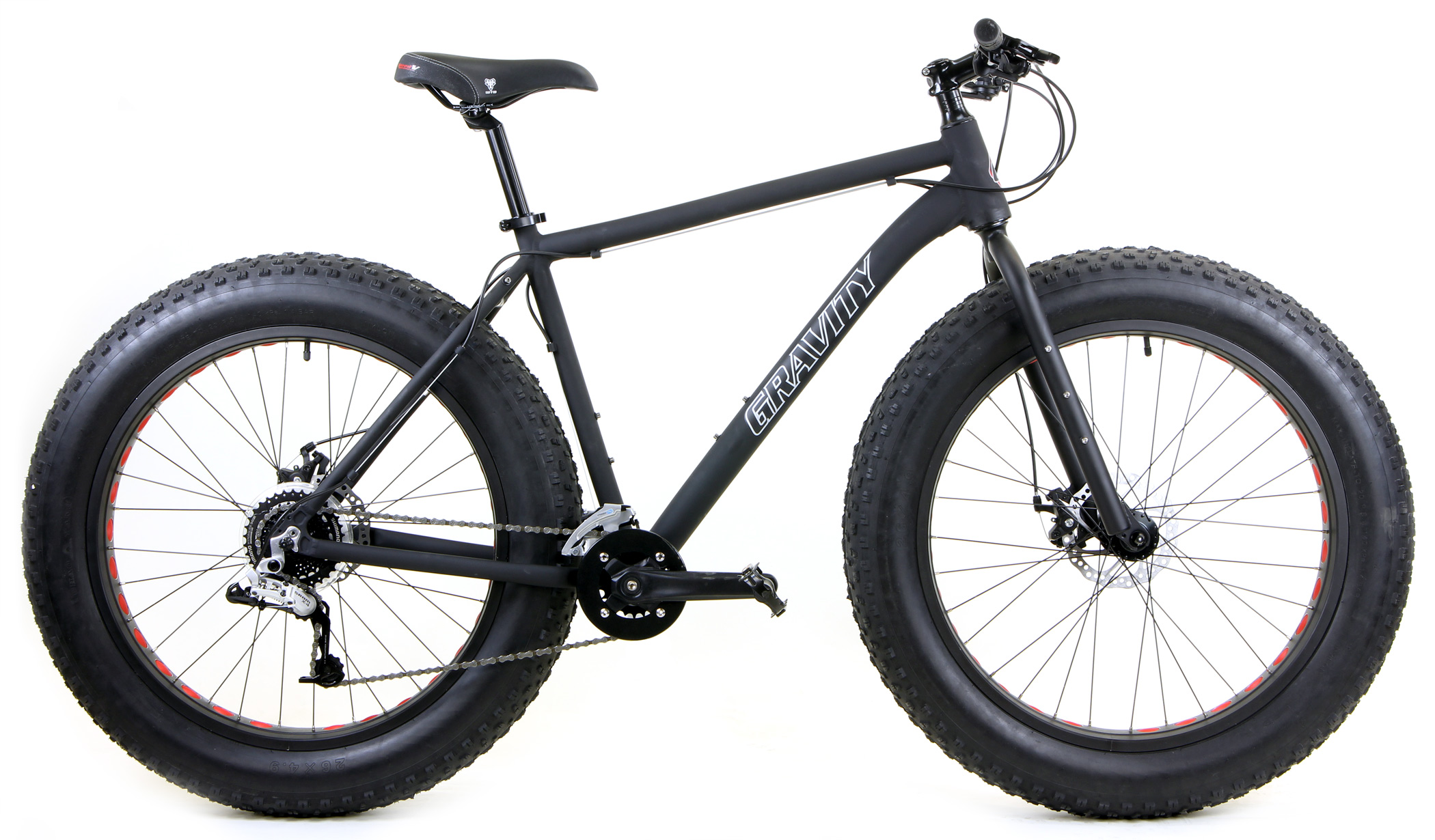
To see how aluminum’s strengths translate into familiar categories, look at three models that anchor our value‑to‑performance story. TheGravity HD29 1x front suspension 29er channels the stability and rollover of big wheels into a trail‑ready hardtail that makes climbs feel efficient and descents feel composed. If you want the added comfort and traction of suspension at both ends without surrendering the straightforward ownership that brings riders to aluminum, the long‑runningGravity FSX series shows how smart design and proven parts can turn budget into trail smiles. Craving big‑tire traction for sand, snow, or soft trail? TheGravity Bullseye 3‑inch fat bikes offer float and stability at a price that leaves room for lights, fenders, and the tubeless conversion you’ve wanted to try.
Carbon: Tailored Precision and Lightweight Smoothness
Why Carbon Feels “Fast”
Carbon isn’t magic, but it can feel that way when designers shape the layup to be stiff in planes that matter for power transfer and forgiving in directions that affect comfort. Compared at equal stiffness, carbon typically weighs less than metal. That matters for accelerations and for the countless micro‑accelerations you do every ride without thinking—nudging the pace over a rise, snapping to hold a wheel, or floating up a short climb on a gravel bike. The sensation is smooth speed, not a sledgehammer; the bike seems to climb out from under you.
Damping That Saves Energy
Carbon’s other party trick is damping. While tires do the heavy lifting for comfort, carbon frames and forks can reduce the buzz that would otherwise accumulate as low‑grade fatigue. On a long endurance road ride, that translates into arriving with shoulders and hands that still feel fresh. On a mixed‑surface adventure, it means fewer micro‑shocks sneaking through every time you roll across washboard or shallow corrugations. Because layups are so tunable, two carbon bikes can feel very different: one racy and taut, one more forgiving and all‑day oriented. That tunability is why carbon is common on premium road, gravel, and high‑end mountain builds.
Durability, Stewardship, and Peace of Mind
Carbon is strong relative to weight, but its failure mode is different from metal. A sharp point load or crush from an overtightened clamp can be more problematic than a similar insult to aluminum or steel. The solution is simple owner habits: use a torque wrench, apply carbon assembly paste where appropriate, add frame protection tape at bag and cable rub zones, and inspect after crashes. Many riders log thousands of hours on carbon frames without drama, appreciating how little they have to think about the material once it’s set up right.
Who Should Choose Carbon
If you count grams, love the sensation of effortless speed, or want a bike that feels composed and quiet across rough surfaces, carbon puts a big check in those boxes. An endurance‑oriented road bike becomes a magic carpet. A performance‑focused gravel bike becomes an efficiency machine that still feels friendly. A carbon mountain bike can shed meaningful weight for long climbs without giving up the stiffness that makes technical lines precise. Carbon fat bikes exist too, where the weight savings are especially noticeable the first time you lift the bike onto a rack or thread through deep snow at low cadence; more on those in our fat‑bike‑focused article.
Steel: The Timeless Workhorse With Soul
The Spring in Its Step
Steel’s secret is its elasticity. When you push into pedals or roll across rough edges, a quality steel frame stores a whisper of energy and returns it in a way riders describe as “lively” or “springy.” That doesn’t mean mushy. A well‑designed steel frame tracks true and invites you to settle into a rhythm. On long mixed rides, the sensation is of a bike that hums along with you rather than chattering constantly for attention.
Strength, Repairability, and Real‑World Toughness
For riders who equate durability with confidence, steel remains compelling. It tolerates small dents without a tantrum and can be repaired by skilled hands if the worst happens. The tradeoff is weight compared to high‑end carbon. The maintenance ask is simple: keep paint chips touched up, dry the frame after soggy rides, and, if you live where roads get salted or sea air is a daily companion, consider interior frame treatment. For many riders—especially those loading racks and bags for a gravel bike adventure or taking a fat bike into winter—steel’s resilience is a feature, not a compromise.
Where Steel Shines
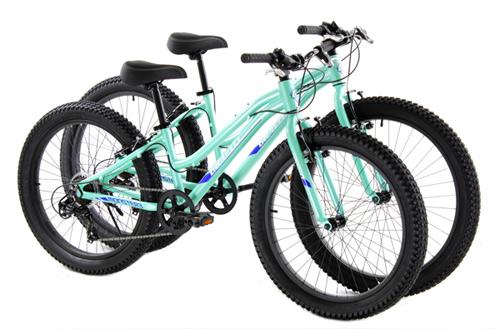
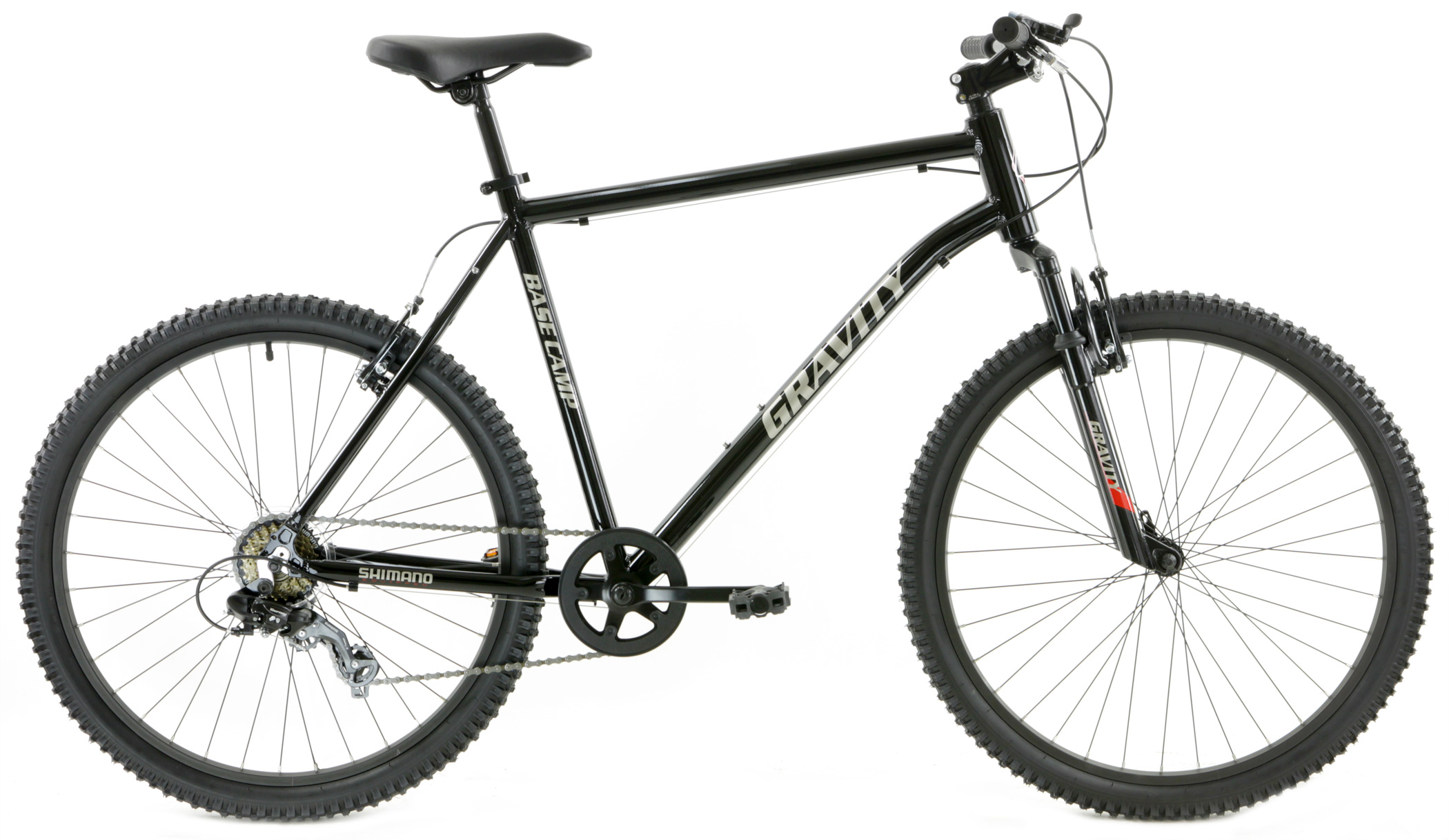
Steel is the quiet hero for terrain that punishes equipment and for riders who value feel over trophies. Adventure and touring riders love how predictably steel handles with bags. Trail riders who prefer hardtails appreciate the muted sting on chattery singletrack. Even urban riders on hybrid bike builds enjoy the calm ride. For fat bike life, steel pairs beautifully with the massive damping from tires. In our catalog, you’ll see steel DNA in models built for toughness and utility—youth fat bikes made to laugh off learning spills and burly platforms destined for snow and sand. For example, theGravity Monster 3 7‑speed 26×3 kids’ fat bike gives young riders confident geometry and serious rubber, while theGravity Bullseye Monster five‑inch demonstrates how big‑volume tires and a tough chassis create unstoppable float. And if you’re building a straightforward trail companion that emphasizes reliability and value, theGravity BaseCamp V7 is a smart foundation for years of local loops.
Geometry Versus Material: Which Matters More?
If material sets the mood, geometry decides the conversation. Stack, reach, head and seat angles, wheelbase, and bottom bracket height govern how you fit and how the bike steers. A road bike with endurance geometry will feel relaxed and stable across long miles regardless of material; an aero racer will feel taut and quick. A mountain bike with slack head angle and longer reach invites aggressive descending; a quick XC layout emphasizes climbing and laser handling. Start by getting the geometry that matches your goals and body; then let material refine the flavor. The happiest riders begin with bikes that fit their posture and terrain and use the best bike frame materials to season the ride.
Tire Volume: The Great Equalizer
You can transform ride quality with tires and pressure alone. A gravel bike on 45mm rubber at sane pressures will often feel smoother than a carbon road bike on skinny tires at high PSI. A fat bike running single‑digit PSI floats across rutted snow where any other bike would flounder. Even a beach cruiser becomes all‑day comfortable when you size tires generously and trim pressure to match the sand. That doesn’t make material irrelevant, but it does remind us that comfort and traction are mostly pneumatic. Put real thought into tires, then choose the frame that complements the surfaces you love.
Rider Profiles: Putting Material to Work
Imagine the sprinter who loves short, sharp efforts and wants a bike that answers immediately; aluminum or carbon both deliver, with aluminum offering that electric snap at a welcoming price and carbon layering on low weight and refined damping. Picture the century rider who wants to feel fresh at mile ninety; carbon’s smoothness is a gift here, but steel’s calm, springy stride is a delight too, especially on a route that slips onto farm lanes and gravel. The weekend mountain bike warrior who splits time between trail centers and local loops will feel right at home on an aluminum full‑suspension like theGravity FSX, while a rider who prefers simple ownership might choose an aluminum 29er like theGravity HD29 1x. For family adventures on sand or snow, a kids’ fat bike such as theMonster 3 26×3 builds confidence fast; adults can match with aBullseye 3‑inch for mixed‑surface fun or step up to theBullseye Monster five‑inch for maximum float.
Ownership, Upgrades, and Value Over Time
Material influences not only how a bike rides but how you’ll live with it. Aluminum is easygoing and cost‑effective, which makes it ideal for riders who want performance without fuss. Carbon rewards care with a sublime ride that can feel like a cheat code for long days and steep climbs; the up‑front investment is higher, but so is the sense of occasion every time you roll out. Steel offers longevity and the option of repairs—practical for riders who thrash gear in harsh seasons or load heavy for bikepacking. Regardless of frame, smart upgrades multiply your joy. Wheels influence feel more than almost any component. Tires are transformative. Contact points—bars, tape, saddle—decide whether mile forty feels like a conversation or a complaint. Think of your budget as a story told in chapters: get the right frame now, then refine it with parts that match your favorite rides.
Sample Build Paths Using Bikes Direct Models
Start with a value‑forward trail build anchored by theGravity FSX. Add wider tires for your local dirt, dial cockpit length to your reach, and you’ve got a mountain bike that climbs reliably and forgives mistakes. If you want big‑wheel rollover and crisp power transfer, theGravity HD29 1x is an excellent base; set it up tubeless, fit a grippy front tire, and you’ll unlock speed everywhere. Riders who chase four‑season traction should consider starting with theBullseye 3‑inch for mixed surfaces, then graduate to theBullseye Monster five‑inch if your winters demand low‑PSI float. Families can let younger riders lead the way on theMonster 3 26×3 while parents build a straightforward trail companion around theBaseCamp V7, which brings gears, stability, and the kind of value that leaves room for lights, racks, or studded winter tires.
Myths, Busted Gently
It’s tempting to reduce materials to clichés. Aluminum is not inherently harsh; modern setups are remarkably comfortable. Carbon is not fragile china; used properly, it’s durable and confidence‑inspiring. Steel is not automatically heavy; many builds land at practical weights that feel lively all day. The real art is matching material to the way you ride, the surfaces you love, and the budget you actually have. We help riders do that every day.
Final Thoughts and How We Can Help
There’s no universal winner among the best bike frame materials. There’s the right choice for your roads, your trails, your body, and your plans. Aluminum rewards effort with lively speed and no‑drama ownership. Carbon layers in low weight and refined damping that make long rides fly by. Steel brings quiet control, resilience, and a feeling of connection that never goes out of style. If you’re still torn between a road bike and a gravel bike, if you’re debating mountain bike travel numbers, if you want a hybrid bike that doesn’t feel like a compromise, or if a fat bike is calling your name but you’re not sure which tire width you’ll love, that’s exactly what we’re here for. At Bikes Direct, we ride what we sell, and we love pairing riders with frames that make sense for their terrain and goals. Reach out and tell us what you want your bike to do. We’ll help you trade buzzwords for real‑world decisions, and we’ll point you to bikes—from theGravity HD29 1x andGravity FSX to theBullseye 3‑inch,Bullseye Monster five‑inch,BaseCamp V7, andMonster 3 26×3—that fit your life. When you’re ready,contact our team and we’ll get you rolling on the right frame, set up for the season ahead.