This infographic breaks down what really matters about disc brakes for everyday cyclists. Learn how disc brakes deliver consistent stopping power, better wet-weather performance, and lower long-term maintenance compared to rim brakes. Designed for daily riding, commuting, and city streets, disc brakes provide confidence, control, and reliable braking in real-world conditions.
You finally decide it’s time for a serious bike. You open a few tabs, land on a sleek road bike, then a tough-looking mountain bike, and pretty soon every spec sheet is shouting the same phrase: mechanical vs hydraulic disc brakes.
If you are like most new riders, you know disc brakes are “better” than old-school rim brakes, but the difference between mechanical and hydraulic feels like alphabet soup. One system seems cheaper and simpler. The other sounds more advanced and powerful. Which do you actually need for your riding, your budget, and your confidence on the road or trail?
Let’s slow things down, just like a good brake should. This guide breaks the technology into plain language, then connects it to real-world riding on everything from a commuter hybrid bike to a snow-ready fat bike.
The Basics: What Disc Brakes Actually Do Differently
Both mechanical and hydraulic disc brakes use a metal rotor attached to the wheel hub and brake pads mounted in a caliper. When you squeeze the lever, the pads clamp the rotor and slow the wheel.
Compared with rim brakes, disc systems move the braking surface away from the tire sidewall. That simple shift gives you more consistent braking in wet weather, better control on long descents, and less wear on your rims. For riders who push a gravel bike down washboard dirt or hammer a mountain bike through rock gardens, that consistency is a big deal.
Where things get interesting is how the lever force travels from your hand to the rotor. That’s where the mechanical vs hydraulic disc brakes question really starts.
How Mechanical Disc Brakes Work
Mechanical disc brakes use a steel cable, just like rim brakes. When you pull the lever, the cable moves and the caliper squeezes the pads onto the rotor.
Because the whole system is mechanical, you can see and understand nearly every part at a glance. Cable tension is easy to adjust with barrel adjusters. Swap in new pads, tighten a bolt, re-center the caliper, and you are usually good to go.
For many riders starting out on a hybrid bike or entry-level road bike, mechanical discs hit a sweet spot: disc-brake performance without a big jump in price. They are especially attractive if you enjoy doing your own basic maintenance or live far from a bike shop.
How Hydraulic Disc Brakes Work
Hydraulic systems replace the cable with a sealed hose filled with mineral oil or brake fluid. When you squeeze the lever, a piston pushes the fluid, which transfers force to pistons in the caliper, clamping the pads against the rotor.
The key advantage is leverage. A small squeeze at the lever can generate a lot of pressure at the caliper, giving you strong braking with much less hand effort. The fluid also self-adjusts as pads wear, keeping the lever feel consistent over time.
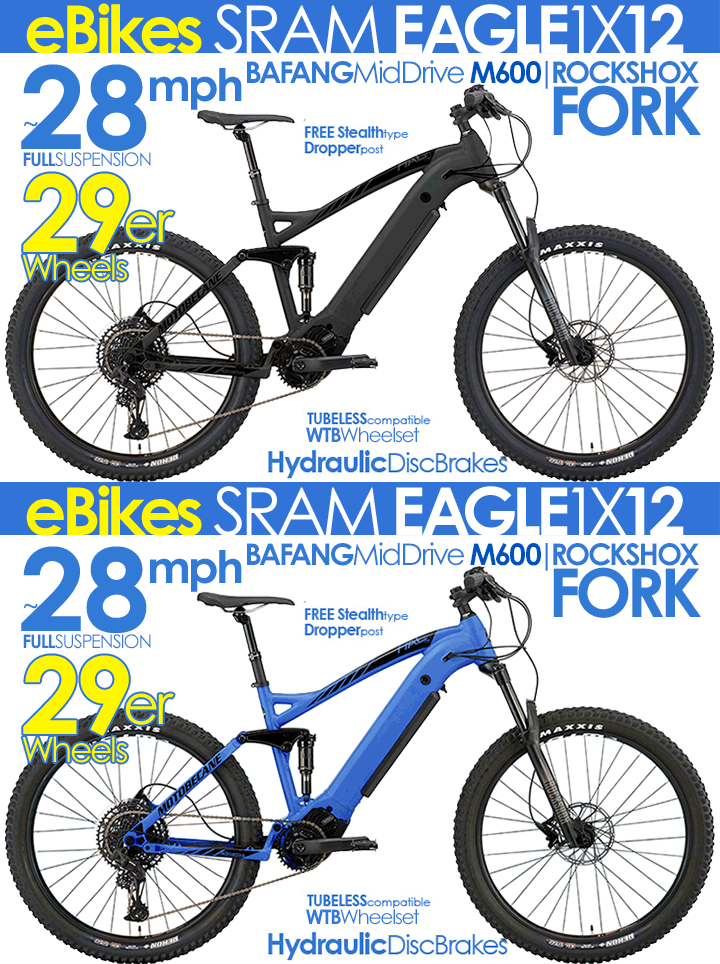
Hydraulics shine in demanding riding: aggressive trail runs on a mountain bike, loaded bikepacking on a gravel bike, or steep winter descents on a studded fat bike. That stronger, more predictable braking translates directly into confidence when conditions are sketchy.
Stopping Power and Modulation: How They Feel On The Trail
When riders compare mechanical vs hydraulic disc brakes, they usually care about two things: raw stopping power and modulation.
Stopping power is how quickly the system can bring you to a halt. Hydraulics usually win here. Because of the fluid leverage and multiple pistons, hydraulic calipers can clamp the rotor harder for the same hand input. It is like having more “gears” in your braking.
Modulation is the control between full-speed and locked-up. Imagine feathering the brakes on a loose descent, adding just enough pressure to scrub speed without skidding. Hydraulic systems tend to offer a smoother ramp of power as you pull the lever, so you can fine-tune grip on gravel, wet pavement, or roots.
Mechanical brakes can still deliver strong stopping power, especially paired with good rotors and quality pads. On an all-round hybrid bike or casual beach cruiser, they feel more than adequate. You just have to pull the lever a bit harder, and small changes in power can feel less precise than on hydraulics.
Maintenance and Reliability: Who Wants To Wrench?
Maintenance is where the decision often flips, especially for new riders.
Mechanical disc brakes are straightforward. The cable stretches over time, so you occasionally adjust tension or turn a barrel adjuster to bring the pads closer. When the cable housing corrodes or frays, you replace it with basic tools. On a commuter road bike or family mountain bike, a confident home mechanic can handle nearly everything.
Hydraulics demand a bit more precision. Because the system is sealed, there are no exposed cables to rust, but the fluid can absorb air or moisture. Every so often, the system needs a bleed: you connect hoses, push fresh fluid through, and expel bubbles. Once you understand the process, it is not mysterious, but it does require the right kit and a bit of patience. Many riders prefer to have a shop do this service.
In terms of reliability, both systems are tough when properly set up. Mechanical brakes are easier to limp home if something goes wrong; worst case, a cable can be tied off or replaced on the side of the trail. Hydraulic hoses, once damaged, are harder to fix mid-ride. That is why some long-distance touring riders still favor mechanical discs, even on rugged routes that would otherwise benefit from hydraulic feel.
Cost And Value: Where Your Money Actually Goes
On entry-level and midrange bikes, brake type is often a good shorthand for how the manufacturer allocated the budget.
Because mechanical components cost less to produce, bikes with cable-actuated discs often invest savings elsewhere: a lighter frame, better drivetrain, or upgraded wheels. A starter hybrid bike with mechanical discs might come in under a similar big-box model while still offering name-brand components and a more thoughtfully designed frame.
Hydraulic disc brakes raise the price, but you are paying for more than just power. You are buying a lighter lever action, better modulation, and a consistent feel in all conditions. On a performance-oriented mountain bike or fast endurance road bike, those differences add up on long rides and challenging terrain.
When you compare individual models side by side, it helps to think about where you will notice the upgrade most. If your longest ride is a relaxed cruise along the boardwalk on a beach cruiser, mechanical discs make a lot of financial sense. If you dream of technical descents or long gravel epics, hydraulics start to look like cheap insurance.
Weather, Terrain, And Riding Style: Matching Brakes To Real Life
Brakes do not exist in isolation; they work together with tire choice, frame design, and the surfaces you ride.
If your reality is wet commutes, gravel shoulders, and surprise potholes, you care about consistent engagement more than sheer downhill power. A well-set mechanical disc on a gravel bike or upright hybrid bike will feel predictable in rain and grit, especially with wider tires to smooth the ride.
If you plan to push the limits on singletrack or bike park features, hydraulic discs on a capable mountain bike come into their own. You can brake later into corners, control speed with one-finger inputs, and stay relaxed on long descents instead of death-gripping the bar.
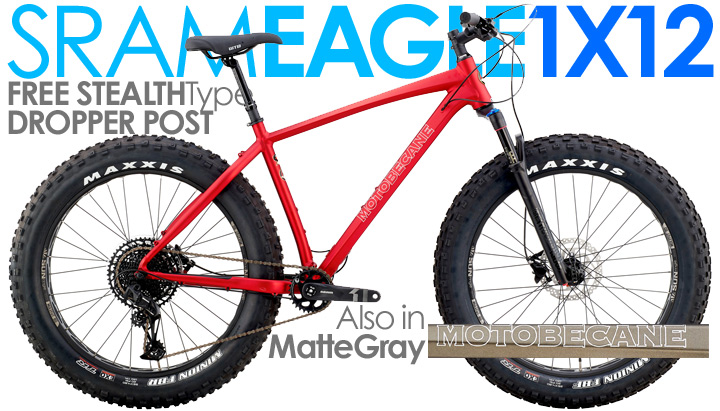
Winter riders and sandy-beach explorers often choose a fat bike. Those huge tires already create massive grip, but add in hydraulic discs, and you have a setup that can brake confidently even when rims are coated in slush or salt. For milder climates and mixed-use paths, mechanical discs on a fat bike still offer plenty of control without overcomplicating the build.
The Learning Curve: Feel, Setup, And Confidence
Another overlooked aspect of mechanical vs hydraulic disc brakes is how they help a new rider grow skills.
Mechanical systems encourage you to learn the basics of setup. You become familiar with pad alignment, cable tension, and rotor rub. That knowledge pays off every time you hear a faint scraping sound and know exactly what to tweak. For riders who enjoy understanding their machine, mechanical discs are a great classroom.
Hydraulics teach a different lesson: subtle braking. Because small lever inputs produce noticeable changes in deceleration, you quickly learn to modulate with one finger and shift your weight rather than grabbing a handful. Off-road, that translates into fewer skids and more balanced, controlled riding. On pavement, it means smoother stops and better traction in panic situations.
Neither learning curve is “better,” but one may fit your personality. If you love the idea of wrenching in the garage on a rainy evening, mechanical discs might make you happy. If you just want the bike to disappear beneath you and perform flawlessly, hydraulics will feel like a gift.
Long-Term Ownership: Upgrades And Future-Proofing
When you buy your first serious bike, you are not just buying the next six months. You are buying a platform for years of riding and upgrades.
Mechanical disc brake bikes are easy to upgrade incrementally. You can swap to compressionless housing for a firmer feel, move to larger rotors for more stopping power, or upgrade calipers while keeping the same levers. Parts are widely compatible and relatively inexpensive.
Hydraulic systems can also be upgraded, but it is usually more efficient to choose a higher-level group from the start. Once you have integrated shifters and levers on a drop-bar road bike or gravel bike, changing brake brands later can mean a bigger overhaul. The flip side is that a good hydraulic system can feel “future-proof” for many riders; you simply replace pads and rotors as they wear and enjoy consistent performance year after year.
So, Which System Should New Riders Choose?
Here is the honest answer: there is no single winner in the mechanical vs hydraulic disc brakes debate. There is only the system that matches your riding life right now.
If your focus is value, simplicity, and all-weather reliability for commuting, fitness rides, or casual family outings, cable-actuated discs are hard to beat. On a quality hybrid bike, beach cruiser, or entry-level mountain bike, they give you modern stopping power without stretching your budget. You learn basic maintenance, stay in control, and still enjoy a huge upgrade over rim brakes.
If your heart is set on technical trails, fast descents, or long mixed-terrain adventures, hydraulics earn their keep quickly. The added power and modulation let you ride harder with less fatigue. On performance-oriented models built for aggressive riding, the entire frame, fork, and wheel package is usually designed around the expectation of hydraulic braking.
Whichever option you lean toward, remember that good braking is about the whole system: quality rotors, fresh pads, and properly bedded-in surfaces. A well-maintained mechanical setup can outperform a neglected hydraulic system, and vice versa. Take the time to set your brakes up correctly, and they will reward you every ride.
Ready To Choose Your First Disc-Brake Bike?
If you are still weighing mechanical vs hydraulic disc brakes, the best next step is to connect the theory to specific bikes. Look at how brake choice interacts with frame material, tire clearance, and your preferred riding style.
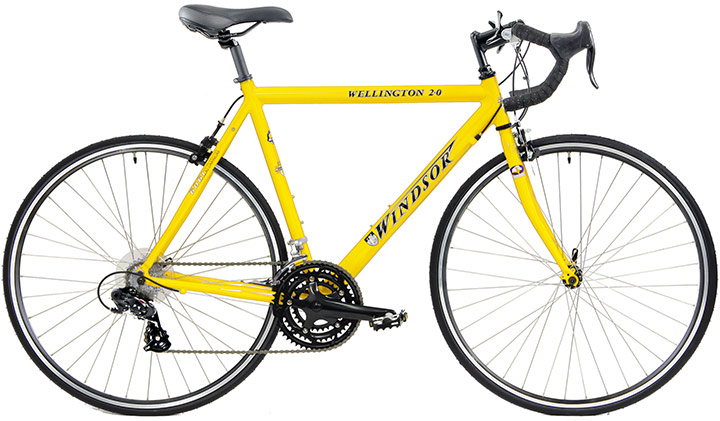
Maybe you picture yourself cruising rail trails and neighborhood streets on a comfortable hybrid bike. Maybe you cannot stop daydreaming about exploring forest roads on a gravel bike, hammering club rides on a sleek road bike, or floating over winter trails on a fat bike. Whatever your vision, there is a disc-brake setup that fits it.
When you are ready to turn that vision into a real bike in your garage, browse the full selection of disc-equipped models at Bikesdirect.com. By selling straight to riders, we skip the retail markup and pack more performance into every price point, from entry-level commuters to advanced trail machines. As you compare specs, pay close attention to the brake type on each model, then match it to the kind of rides you actually plan to take: daily commutes, weekend group rides, family boardwalk spins, or big adventure missions. That way, you are not just buying brakes; you are buying confidence every time you roll out of the driveway.
Take your time, explore the options, and imagine how solid, predictable braking will feel on your very first ride. When you find the bike that fits your budget, your terrain, and your goals, you will know you chose the right side in the mechanical vs hydraulic disc brakes debate—not because someone told you which was best, but because you understand how the system works for you.
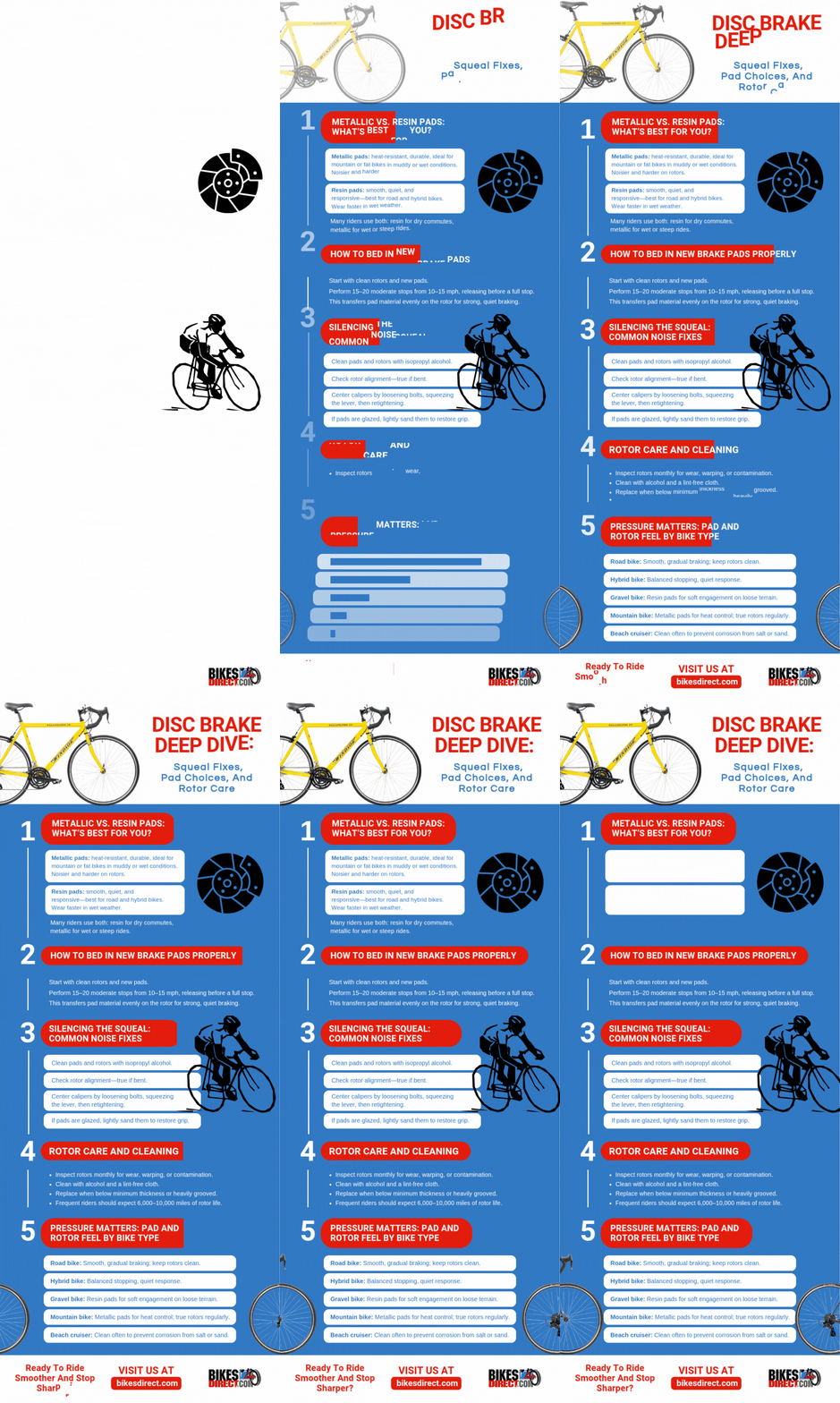
This Disc Brake guide explains pad choices, noise fixes, rotor care, and braking performance for different bikes. It highlights how proper setup improves stopping power and safety, especially for a Hybrid Bike, offering smoother, quieter, and more controlled braking on every ride.
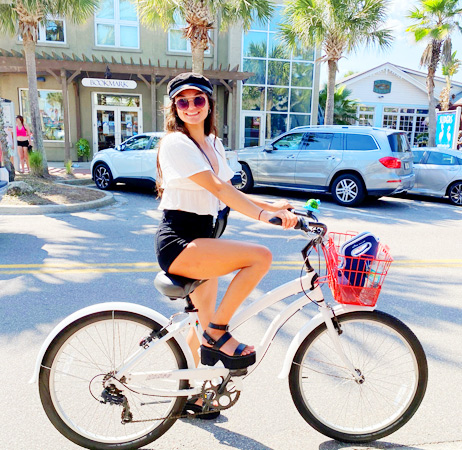
There’s nothing like the sharp, confident feel of a perfectly tuned set of disc brakes. But that smooth silence can turn into a screeching symphony the moment dust, heat, or worn pads join the mix. Whether you’re coasting through city streets on a hybrid bike, shredding downhill trails on a mountain bike, or cruising along the boardwalk on a beach cruiser, your brakes are the difference between confident control and unwanted chaos.
If your ride’s stopping power feels off—or sounds like a banshee—this disc brake maintenance guide is your fast track to quieter rides and better performance.
The Science Behind Disc Brakes
Disc brakes work by pressing brake pads against a rotor attached to your wheel hub. The friction between the pad and rotor slows the wheel, giving you control and stopping power in all conditions. What makes them superior to rim brakes is consistency: they perform well in wet, muddy, or dusty environments—making them ideal for a gravel bike or fat bike that sees mixed terrain.
But that performance depends on precision. Dirt, oil, or misalignment can cause rubbing, vibration, or that infamous squeal. Understanding your pads, rotors, and setup will keep your braking smooth, silent, and strong.
Metallic vs. Resin Pads: What’s Best for You?
Choosing the right pad material is one of the most overlooked parts of disc brake maintenance, yet it completely changes how your brakes feel.
Metallic pads (also called sintered pads) are made from metal particles fused together under pressure. They’re the workhorses—resistant to heat, long-lasting, and great for aggressive riders who brake hard and often. If you ride a mountain bike or a fat bike, metallic pads thrive in demanding, muddy, or wet conditions. However, they can be noisier and wear rotors faster.
Resin pads, on the other hand, are made from organic compounds bonded with resin. They offer smoother modulation, whisper-quiet braking, and better feel at lower speeds—ideal for road bike and hybrid bike riders. The downside? They wear faster in wet weather or under heavy braking loads.
The best option? Many riders keep a set of each. Resin for daily commutes and dry trails, metallic for wet, steep, or endurance rides.
How to Bed In New Brake Pads Properly
The first ride after installing new pads is more important than most people realize. Properly bedding in your brakes ensures maximum friction and minimal noise.
Start with a clean rotor and new pads. Ride in a safe, open space where you can perform multiple moderate stops. Gradually apply your brakes from about 10–15 mph to a near stop—then release before fully halting. Repeat this 15–20 times. This process transfers an even layer of pad material onto the rotor, creating a perfect mating surface that delivers consistent braking.
Think of it like seasoning a cast-iron pan—it’s a ritual that pays off every time you ride.
Silencing the Squeal: Common Noise Fixes
A high-pitched squeal can come from contamination, misalignment, or pad glazing. The first step is cleaning—use isopropyl alcohol to wipe both rotor and pad surfaces. Never touch them with your bare hands afterward; even a small trace of oil can undo your work.
If the noise persists, check rotor alignment. Spin your wheel and look for any side-to-side wobble. A small bend can be gently trued using a rotor tool or an adjustable wrench. If rubbing continues, loosen the caliper bolts, squeeze the brake lever to center the caliper, and retighten.
Finally, if your pads are glazed (shiny and hard), sand them lightly with fine-grit paper to restore their surface. A quiet brake is a happy brake.
Rotor Care and Cleaning
Rotors endure constant heat and pressure, and even minor contamination can affect braking power. Inspect them monthly for scoring, discoloration, or warping. A light polish with alcohol and a lint-free cloth removes buildup effectively.
Replace rotors once they drop below the manufacturer’s minimum thickness or show deep grooves. For frequent riders—especially those tackling rough terrain on a gravel bike or mountain bike—rotors might last around 6,000–10,000 miles, depending on conditions and braking intensity.
Pressure Matters: Pad and Rotor Feel by Bike Type
Your braking feel and setup should match your ride style and bike type.
For a road bike, consistent modulation is key. Aim for smooth, gradual braking rather than abrupt stops, and check your rotor cleanliness frequently to prevent squeal from high-speed heat buildup.
A hybrid bike requires balanced stopping power—enough bite for sudden stops, but not so much that you skid on urban pavement. Keep your brakes lightly tuned for responsive, low-noise performance.
If you ride a gravel bike, adjust your braking to control speed on loose descents. Resin pads are often preferred for their softer engagement on mixed terrain.
On a mountain bike, especially with full-suspension systems, your brakes do heavy work on descents. Metallic pads handle heat better, while rotors may need regular truing.
And for the leisurely beach cruiser rider? Regular cleaning keeps your ride peaceful along sandy paths where salt and moisture can corrode metal components.
Your Five-Minute Disc Brake Maintenance Calendar
Keeping brakes in peak condition doesn’t need to be complicated. Here’s a quick, five-minute monthly routine you can easily follow:
Wipe down rotors with alcohol to remove dirt and oil. Check pad thickness—replace if below 1 mm. Spin your wheels and listen for rubbing; if present, realign your caliper. Inspect for leaks if you have hydraulic brakes. Finally, test your lever feel—if it feels spongy, it may be time to bleed your system.
These small habits prevent bigger problems later and ensure consistent braking every time you ride.
A Final Word: Ride with Confidence
Disc brake maintenance isn’t just about preventing squeaks—it’s about safety, control, and confidence. Once you’ve tuned your brakes, every descent feels smoother, every stop more precise, and every mile a little freer from worry. Whether you’re cruising beach paths, tackling rugged climbs, or commuting downtown, properly maintained disc brakes transform your ride.
So grab that Allen wrench, pour yourself a cup of motivation, and give your bike five minutes of care today. Because when your brakes are dialed in, the ride ahead feels unstoppable.
Ready to Ride Smoother and Stop Sharper?
Your next upgrade could be the difference between average and extraordinary. From disc brake–equipped mountain bikes to all-weather gravel bikes and sleek road bikes, BikesDirect offers premium builds without the retail markup. Browse factory-direct savings, expert-approved gear, and bikes engineered for real riders—like you. Tune up, level up, and roll out stronger today at BikesDirect.com.