
Disc Brakes for Everyday Cyclists: What Actually Matters

The ride usually starts the same way. You roll out early, the pavement still damp from last night’s rain, traffic just beginning to wake up. A car slows suddenly ahead, a corner tightens more than expected, or a hill drops away faster than planned. In those moments, braking isn’t theoretical—it’s personal. That’s where the conversation around disc brakes on bikes becomes less about trends and more about trust.

For everyday cyclists, disc brakes aren’t about downhill racing or extreme terrain. They’re about consistency, confidence, and knowing your bike will respond the same way every single time, regardless of weather, speed, or load. Understanding what actually matters helps riders decide whether disc brakes make sense for their daily riding style.

Why Braking Matters More Than You Think

Most riders focus on frames, gears, and tires first. Brakes often come last—until they’re needed. Good brakes disappear into the background. Bad brakes demand attention at the worst possible moments.

Disc brakes changed everyday cycling because they deliver predictable stopping power. Instead of relying on rim contact, they clamp a rotor near the hub, away from road grime and water. That design difference reshapes how bikes behave in real-world conditions, not just ideal ones.
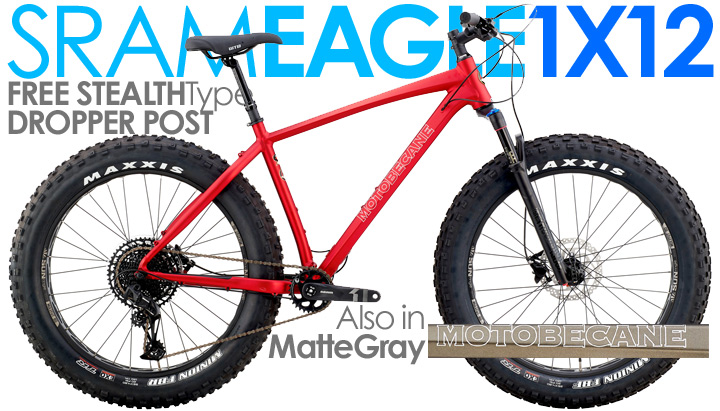
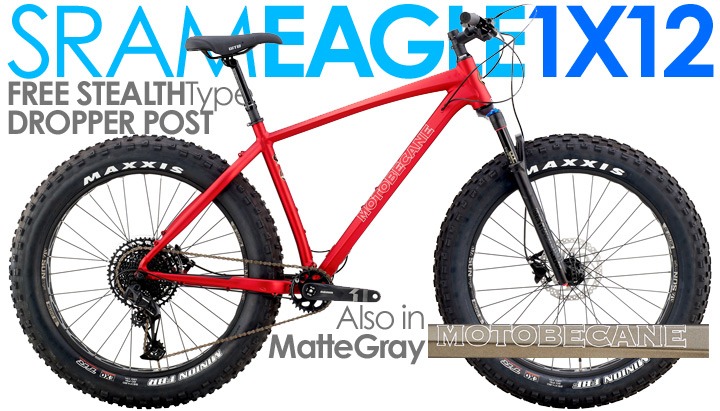
Fat bike with disc brakes designed for stable, controlled braking on sand, snow, and uneven terrain

Consistency Is the Real Advantage

The biggest benefit of disc brakes on bikes isn’t raw stopping power. It’s consistency. Whether you’re riding dry pavement, wet roads, or gritty city streets, disc brakes perform the same way. That reliability reduces mental load. You stop thinking about whether your brakes will work and focus on the ride itself.

This matters enormously on a hybrid bike used for commuting or fitness riding. Traffic, intersections, and changing surfaces demand predictable braking. Disc brakes deliver that predictability without requiring perfect conditions.

Wet Weather Confidence Changes Everything

Rim brakes lose efficiency when rims get wet. Riders feel the delay immediately. Disc brakes don’t suffer the same drawback. Because the rotor stays cleaner and dries faster, braking response remains immediate.

For riders on a gravel bike, wet-weather performance is a game-changer. Gravel riding often means dust one minute and puddles the next. Disc brakes keep braking smoothly and controlled, even when surfaces change mid-ride.

Low Maintenance for Real Life Riding

Daily cyclists don’t want complicated upkeep. Disc brakes simplify maintenance in ways many riders don’t realize. Rim brakes wear down rims over time, gradually compromising wheel lifespan. Disc brakes remove that wear entirely.

Brake pads are easy to replace, and rotors last a long time under normal use. Cable-actuated mechanical disc brakes, common on value-focused bikes, offer straightforward adjustments without specialized tools. For everyday riders, that translates to fewer surprises and longer component life.
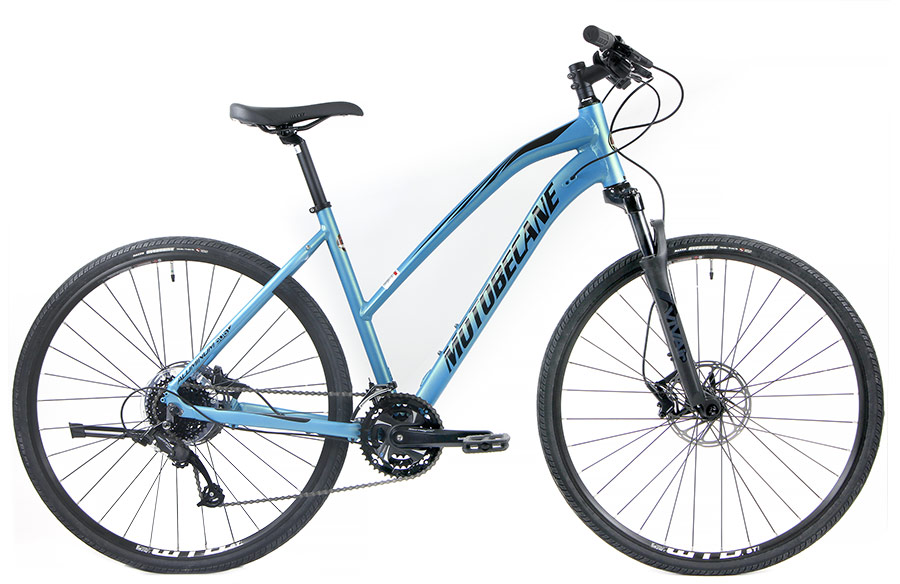
Step-through hybrid bike with disc brakes built for safe, low-maintenance daily commuting

How Disc Brakes Fit Different Bike Styles

Disc brakes aren’t limited to one category. They’ve become common across nearly every type of bike because their advantages scale with riding conditions.

On a road bike, disc brakes offer controlled braking at higher speeds, especially on descents. Riders gain confidence knowing braking performance won’t fade during long rides or sudden weather changes.

A mountain bike almost demands disc brakes. Dirt, mud, and uneven terrain overwhelm rim brakes quickly. Disc brakes maintain modulation and power where it matters most.

Even relaxed categories benefit. A beach cruiser ridden near coastal environments faces moisture and corrosion. Disc brakes resist those elements better, keeping braking reliable with minimal attention.

For extreme conditions, a fat bike relies on disc brakes to manage oversized tires and loose surfaces like snow or sand. Rim brakes simply can’t deliver consistent performance in those environments.

Mechanical vs Hydraulic: What Everyday Riders Should Know

Hydraulic disc brakes often dominate discussions, but mechanical disc brakes deserve credit. Mechanical systems use cables instead of fluid, making them easier to service and adjust. For many everyday cyclists, that simplicity outweighs the slight performance difference.

Hydraulic brakes offer smoother modulation and a lighter lever feel, but they also introduce complexity. Daily riders who prioritize reliability and easy maintenance often find mechanical disc brakes strike the right balance.
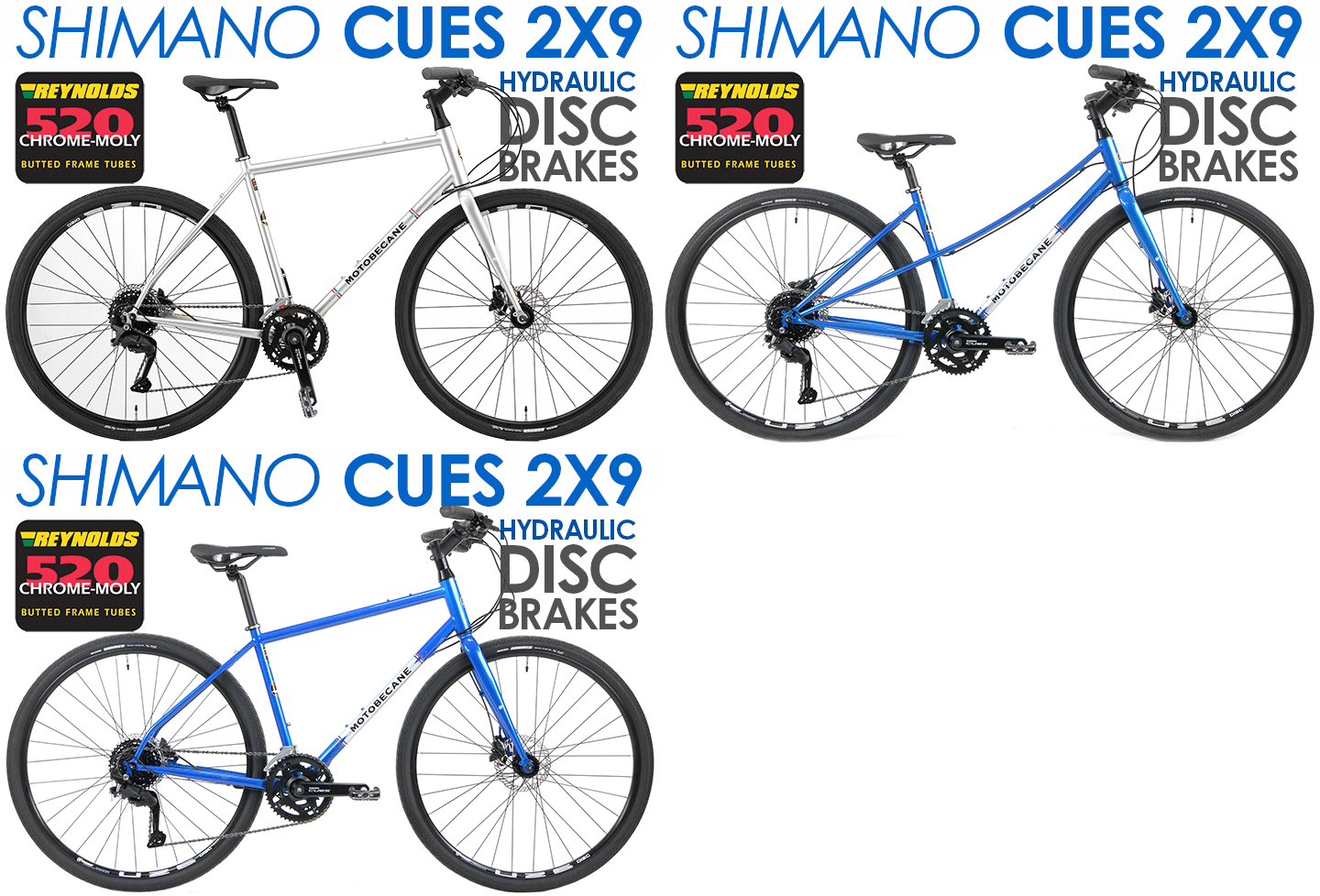
Commuter bike with hydraulic disc brakes providing dependable stopping power and reduced maintenance

Weight Isn’t the Dealbreaker It Once Was

Some riders hesitate because disc brakes add weight. While true in theory, the difference is small in practice. Modern disc-equipped bikes offset weight through improved frame design and components.

For everyday riding, that slight weight increase rarely matters. What matters more is control, especially when carrying bags, riding in traffic, or navigating unpredictable surfaces. Disc brakes deliver control without demanding athletic tradeoffs.

Rim Brakes Still Work—But Context Matters

Rim brakes haven’t disappeared because they’re bad. They remain effective in dry conditions and on lighter bikes. For riders who ride occasionally, avoid wet weather, and prefer simplicity, rim brakes still function well.

The shift toward disc brakes reflects changing riding habits. More people ride year-round, commute in mixed conditions, and expect consistent performance without constant adjustment. In that context, disc brakes simply make sense.

Disc brakes aren’t about pushing limits. They’re about removing uncertainty. For daily riders, that reliability transforms how a bike feels and how often it gets used. When brakes work the same way every time, riding becomes easier, safer, and more enjoyable.

Ready to Ride With Confidence?

Choose a bike that stops as confidently as it rolls. At Bikesdirect.com, you’ll find disc brake–equipped bikes across road, hybrid, gravel, mountain, and more—built for real-world riding, not ideal conditions. Ride through traffic, weather changes, and everyday challenges knowing your brakes respond instantly and predictably. Explore options that prioritize safety, consistency, and low maintenance so every ride feels smoother, calmer, and more controlled from start to stop.

The Benefits of Disc Brakes Over Rim Brakes for Every Rider

Upgrade your cycling experience with disc-equipped bikes from BikesDirect.com. Offering stronger stopping power, better control, and reliable performance in all weather conditions, disc systems provide confidence and safety on every ride. Perfect for road, mountain, gravel, and hybrid bikes, they deliver smooth handling and consistent braking across any terrain.

The Benefits of Disc Brakes Over Rim Brakes for Every Rider

The Benefits of Disc Brakes Over Rim Brakes for Every Rider

Picture this: you’re descending a winding mountain road, the air rushing past as your speed builds. Suddenly, a sharp turn appears. You squeeze your brakes, and in that split second, the difference between disc brakes and rim brakes becomes clear.

One delivers precise, confident stopping power regardless of the weather or terrain, while the other can leave you second-guessing. This moment of truth is why disc brakes are no longer reserved for professional cyclists—they are fast becoming the standard across modern road bikes, gravel bikes, mountainbikes, fat bikes, hybrid bikes, and even stylish beach cruisers.

In this article, we’ll explore why disc brakes are transforming cycling, what makes them superior to rim brakes in performance and reliability, and how they are shaping the future of Bikesdirect’s lineup.

A Quick Look at How Brakes Work

For decades, rim brakes ruled the cycling world. Simple and lightweight, they apply friction directly to the wheel’s rim to slow down the bike. For everyday use, rim brakes did the job, which is why they dominated road bikes and commuter bikes for years.

Disc brakes, however, take their cue from the motorcycle industry. Instead of relying on the rim, a disc rotor is mounted to the hub, and calipers clamp onto it to create braking force. This design moves the braking surface away from road grime, water, and mud, which immediately improves consistency and reliability.

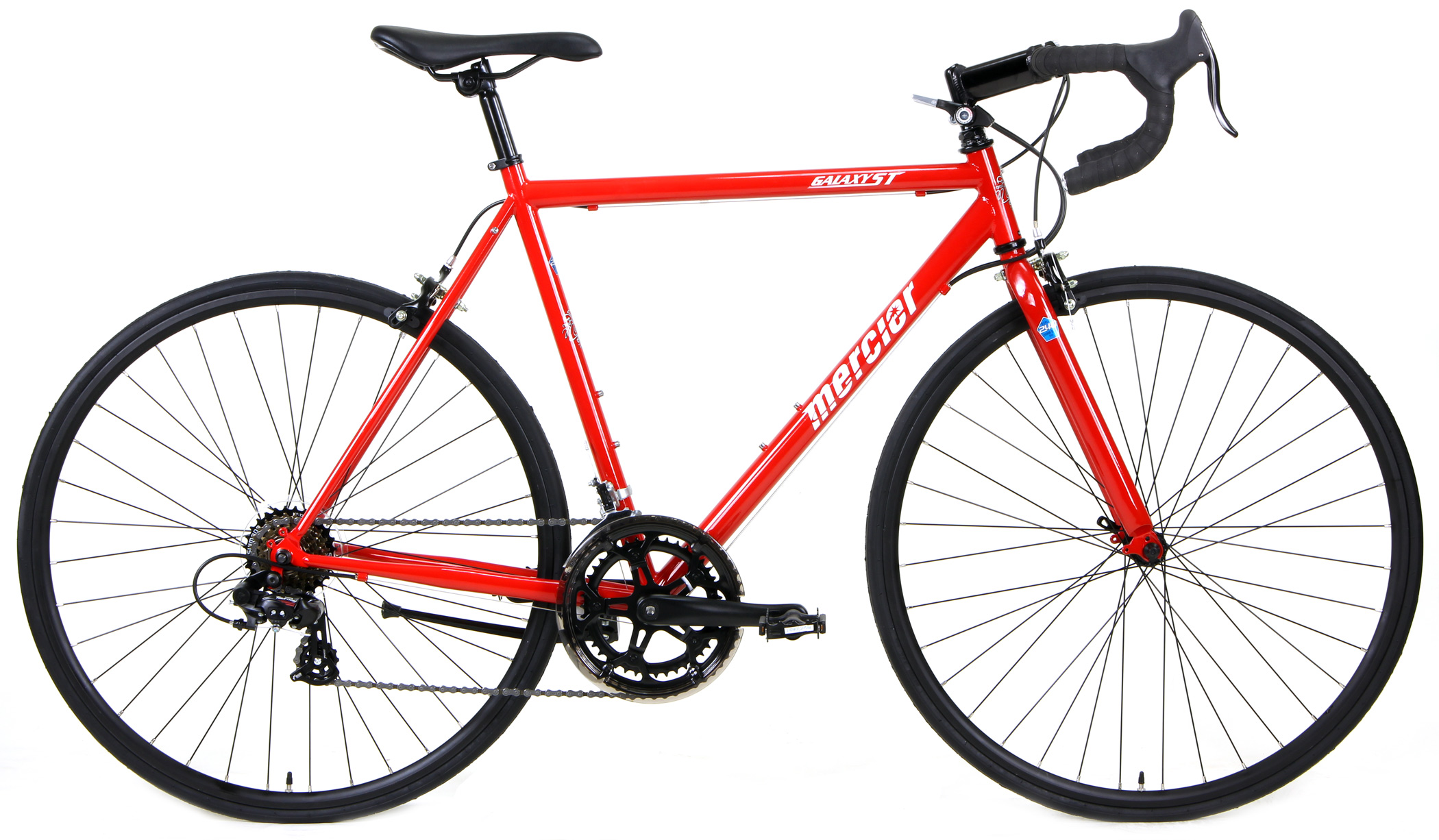
Mercier road bike in red with a lightweight frame and rim brake setup

Why Disc Brakes Offer Superior Stopping Power

The biggest advantage of disc brakes is stopping power. Riders who switch often remark on how much more control they feel, especially at higher speeds or in wet conditions. Whether you’re descending an alpine pass on a road bike or navigating loose gravel trails, disc brakes allow you to stop faster and with less force at the lever.

This added power is especially noticeable for riders who carry extra weight, such as commuters with panniers or adventurers loading up a gravel bike for bikepacking. With rim brakes, heavy loads can strain braking performance, while disc brakes maintain consistent stopping efficiency.

All-Weather Performance: Rain, Mud, and Beyond

If you’ve ever tried to brake in the rain with rim brakes, you know the unnerving delay before the pads bite into the wet rim. That lag can feel like an eternity. Disc brakes eliminate this issue because the braking surface is higher up, away from splashes, and designed to clear water quickly.

On a mountain bike or fat bike, this difference is even more important. Mud, snow, and grit wreak havoc on rims, but discs keep working regardless of what the trail throws at you. That’s why riders in diverse climates—from snowy Minnesota winters to sandy Florida trails—see disc brakes as a must-have, not a luxury.

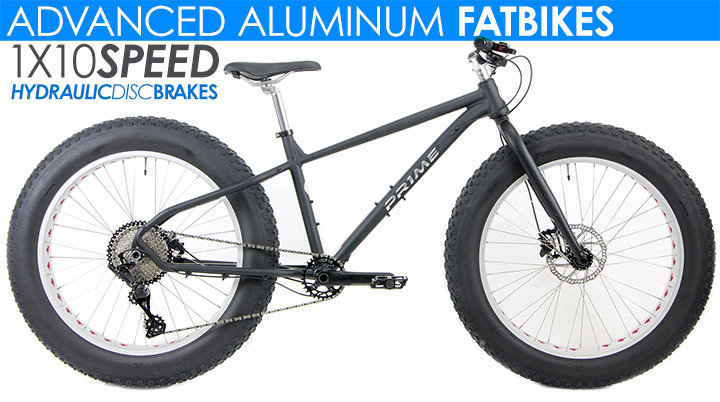
Prime aluminum fat bike with hydraulic disc brakes and wide tires

Control and Modulation: It’s Not Just About Power

Braking isn’t only about raw stopping force—it’s also about control. Rim brakes tend to feel more “all or nothing,” while disc brakes excel in modulation. This means you can feather your brakes to apply just the right amount of force, whether you’re slowing gradually or making an emergency stop.

Cyclists on gravel bikes especially appreciate this finesse. Loose gravel demands subtle braking inputs, and discs provide the fine-tuned control needed to stay upright. Similarly, on technical descents, mountain bike riders can modulate speed without locking up the wheels, leading to smoother and safer rides.

Maintenance: Rim Wear vs Rotor Longevity

One often overlooked advantage of disc brakes is how they protect your wheels. With rim brakes, every stop slowly wears down the rim’s braking surface. Over time, this can lead to costly wheel replacements. Disc brakes, on the other hand, use replaceable rotors. Not only are these cheaper to replace than rims, but they also last longer when maintained properly.

For the everyday rider on a hybrid bike or beach cruiser, this translates to fewer long-term expenses and more reliable performance. And for competitive cyclists, it means preserving expensive carbon rims from unnecessary wear.

Weight and Cost: Are Rim Brakes Still Relevant?

Of course, rim brakes still have their place. They’re lighter, cheaper, and simpler to maintain, which appeals to certain riders. If you’re racing in dry conditions on a lightweight road bike, rim brakes can shave precious grams and still perform adequately.

However, the industry trend is clear: disc brakes are now standard on almost all high-end road bikes, gravel bikes, and mountain bikes. Even fat bikes and hybrid bikes are increasingly disc-equipped. The slight weight penalty and extra cost are more than offset by the safety, performance, and durability benefits.

Disc Brakes Across Bike Categories

At Bikesdirect, the shift toward disc brakes is evident in nearly every category.

  • On road bikes, disc brakes provide the confidence to descend at speed and stop reliably in unpredictable city traffic.
  • On gravel bikes, they’re essential for managing variable terrain and long-distance endurance rides.
  • On mountain bikes, discs are the gold standard for tackling steep, technical trails.
  • On fat bikes, they handle snow, sand, and mud with ease.
  • Even hybrid bikes and beach cruisers are adopting disc setups, offering casual riders and commuters the same safety and control once reserved for elite athletes.

This universal adoption underscores one point: disc brakes are no longer just an upgrade—they’re the expectation.

Conclusion: Why Disc Brakes Make Sense for Every Rider

At the end of the day, cycling is about freedom, and that freedom feels best when it’s paired with safety and control. Disc brakes deliver both. They make steep descents less intimidating, wet commutes more predictable, and off-road exploration more exciting. While rim brakes still have a niche, the overwhelming trend in performance, reliability, and long-term value makes disc brakes the smarter choice for most riders.

If you’re ready to experience the difference, explore the growing lineup of disc-equipped road bikes, gravel bikes, mountain bikes, fat bikes, hybrid bikes, and even beach cruisers at Bikesdirect. The ride ahead will feel smoother, safer, and far more rewarding.

Now is the time to upgrade your ride. Don’t settle for outdated braking systems that limit your control and confidence. At Bikesdirect, you’ll find incredible deals on disc-equipped road bikes, gravel bikes, mountain bikes, fat bikes, hybrid bikes, and beach cruiser designed to perform in every condition. Explore the options, compare models, and see how much better your ride can be when you choose the braking technology that’s shaping the future of cycling.