
Wheel Size Choices That Affect Comfort More Than Speed

Most riders remember the first time a bike surprised them—not with speed, but with how smooth it felt. The road was rough, the pavement imperfect, yet the bike seemed to float instead of rattle. That experience rarely comes down to frame material or fancy components. More often, it’s wheel size quietly doing the heavy lifting. When it comes to bike wheel size comfort, diameter matters far more than many cyclists realize, especially for everyday riding across mixed surfaces.

Speed tends to dominate conversations about wheels, but comfort is what keeps riders pedaling longer, riding more often, and enjoying the journey. Understanding how wheel size affects ride quality can help cyclists choose bikes that feel right instead of just looking right on paper.

Why Wheel Size Influences Comfort So Much

At its core, wheel diameter determines how easily a bike rolls over imperfections. Larger wheels approach bumps at a shallower angle, which reduces the jolt transferred to the rider. Smaller wheels hit those same bumps more abruptly, sending sharper feedback through the frame.

This isn’t theory—it’s physics at work on every crack, curb edge, and patch of gravel. Tire volume and pressure matter too, but wheel size sets the foundation for how forgiving a bike feels before suspension or tire width even enters the conversation.

The Comfort Advantage of Larger Diameter Wheels

Larger wheels maintain momentum more easily and smooth out uneven surfaces. That’s why many riders describe bikes with bigger wheels as calmer or more stable, even at moderate speeds.

On a road bike, 700c wheels dominate not because they’re trendy, but because they balance efficiency and comfort. They roll cleanly over small imperfections and reduce fatigue during long rides. Even though road bikes prioritize speed, riders often notice comfort benefits first.

This same principle carries into other categories where ride quality matters more than outright acceleration.

How Wheel Size Shapes Everyday Hybrid Comfort

Hybrid bikes are designed for versatility, so comfort plays a central role. Most modern hybrid bike models use 700c wheels similar to road bikes, but with wider tires and lower pressures. That combination creates a forgiving ride that absorbs cracks, expansion joints, and light gravel without feeling sluggish.

For commuters and fitness riders, this wheel size strikes an ideal balance. The bike feels stable and predictable, reducing strain on hands, wrists, and lower back over repeated rides. In daily use, this comfort advantage often matters more than minor speed differences.
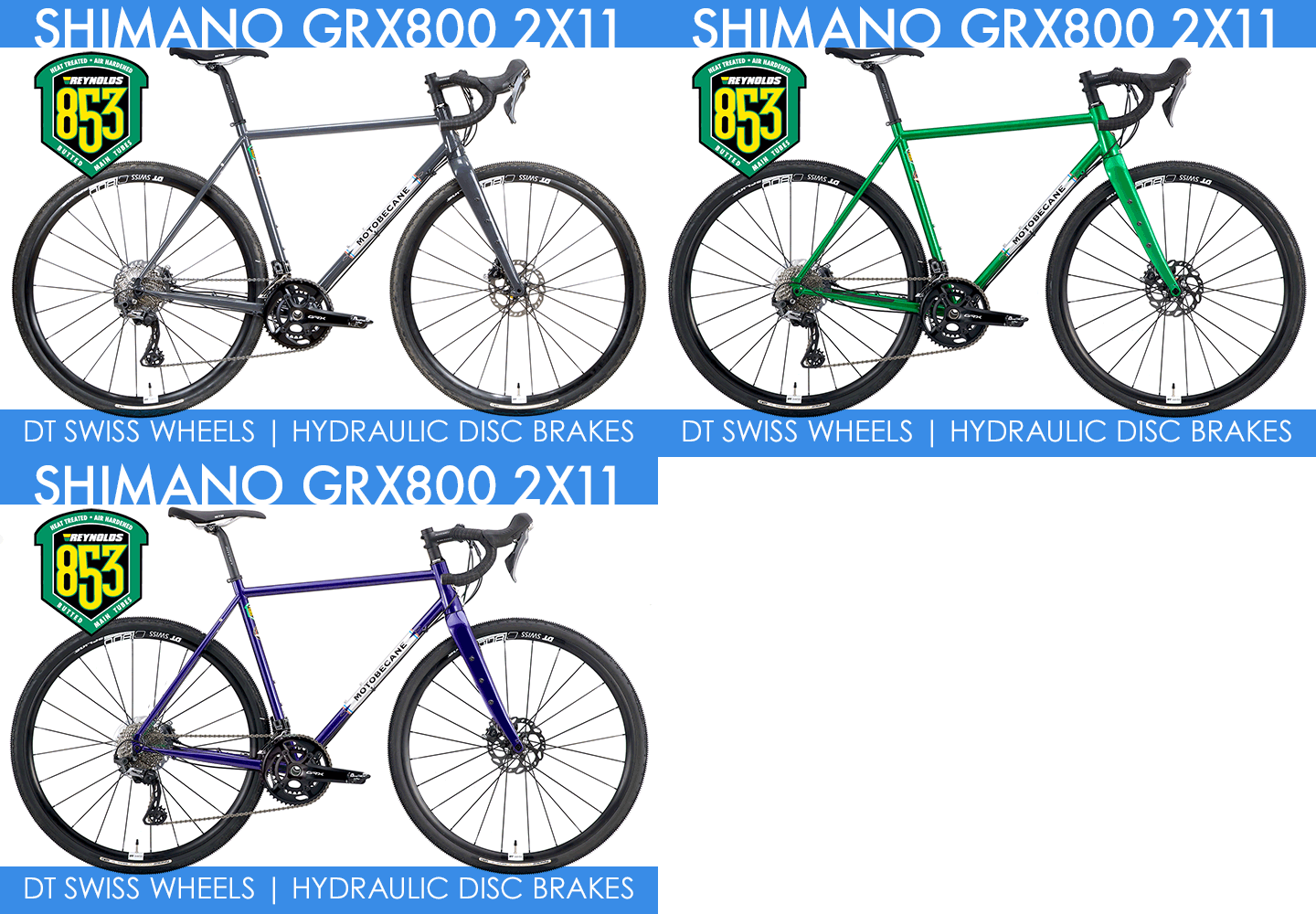
Gravel bike with 700c wheels built to roll smoothly over rough roads and mixed terrain

Gravel Bikes and the Comfort of Rolling Over Chaos

Gravel riding exposes wheel size benefits immediately. Loose surfaces, washboard roads, and unpredictable terrain punish small wheels. A gravel bike typically uses 700c or slightly smaller 650b wheels, depending on design intent.

Here, comfort becomes adjustable. Larger 700c wheels excel at smoothing long stretches of rough gravel, while 650b wheels paired with wider tires add cushioning and traction. Both prioritize comfort over speed, but they do so in slightly different ways. Riders often choose based on terrain rather than fitness level.

Mountain Bikes: When Diameter Dictates Confidence

Mountain biking may seem like a suspension-first conversation, but wheel size still plays a massive role. The shift from 26-inch wheels to 27.5 and 29-inch wheels transformed how trail bikes feel.

A mountain bike with 29-inch wheels rolls over roots and rocks with less drama, offering smoother momentum and improved stability. Riders feel less pitched forward on obstacles, which reduces fatigue and builds confidence.

Smaller wheels remain popular for maneuverability, but for comfort-focused trail riders, larger diameters often win. The ride feels calmer, especially on longer or rougher routes.

Fat Bikes and the Ultimate Comfort Formula

If comfort had a visual representation, it would probably look like a fat bike. While tire width steals the spotlight, wheel diameter still contributes significantly to ride feel.

Fat bikes use large-diameter wheels combined with massive tires run at low pressure. This setup creates unmatched shock absorption on sand, snow, and broken terrain. The wheel size helps maintain forward motion while the tires smooth out everything beneath them.

Speed takes a back seat here, but comfort and control take center stage—exactly what many riders want in extreme conditions.
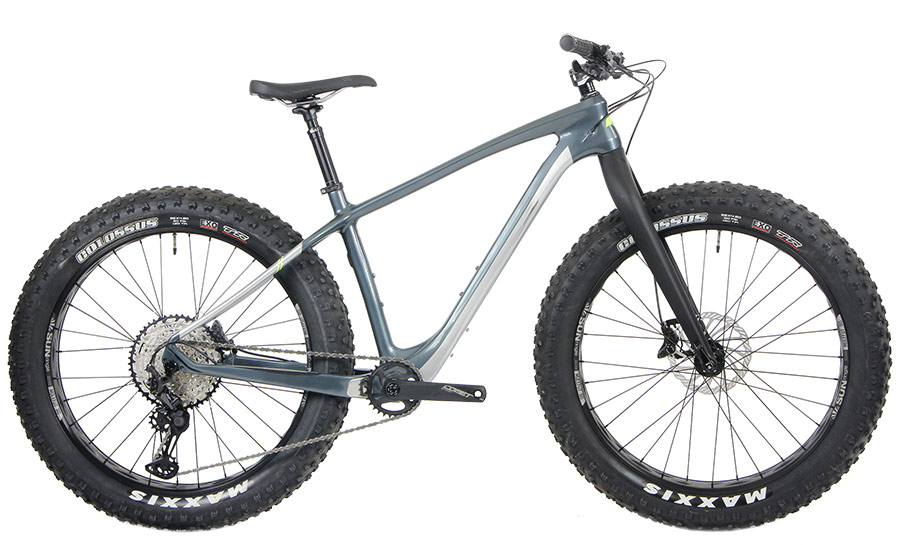
Fat bike with oversized wheels and wide tires designed for maximum comfort on sand and snow

Beach Cruisers and the Comfort-First Mindset

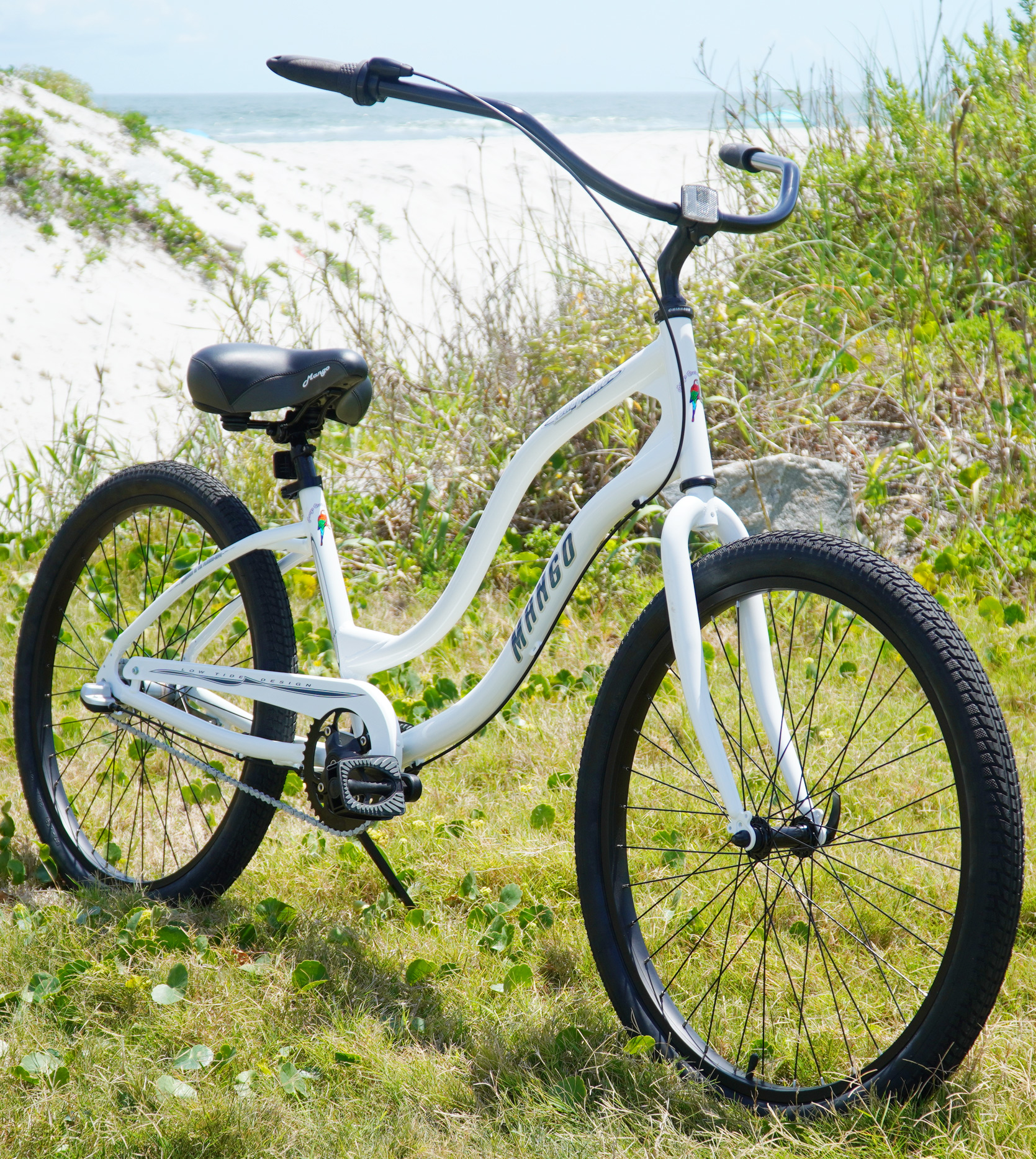
Comfort doesn’t always involve technical terrain. A beach cruiser is built around relaxed geometry and forgiving wheels. Many cruisers use 26-inch wheels, which may be smaller than modern road or hybrid wheels but are paired with wide, cushioned tires.

This combination softens bumps at low speeds and keeps handling predictable. For casual riding along boardwalks or neighborhood streets, the comfort equation prioritizes ease and stability over efficiency.

Smaller Wheels Aren’t Always Uncomfortable—Context Matters

Smaller wheels respond more quickly to steering input, which can feel lively and fun. In urban environments with frequent stops and tight turns, that responsiveness has value.

Comfort suffers only when the wheel size doesn’t match the terrain or usage. A smaller wheel on rough pavement transmits more vibration. On smooth surfaces, it can feel perfectly fine. This is why wheel size choices should reflect where and how the bike will be ridden, not just rider height or trends.
Tire Size and Pressure Complete the Comfort Picture

Wheel diameter sets the stage, but tires finish the performance. Wider tires at lower pressure amplify the comfort benefits of larger wheels. Narrow, high-pressure tires reduce comfort regardless of diameter.

The key takeaway for bike wheel size comfort is synergy. Wheel size, tire width, and pressure work together. Choosing a bike with the right wheel diameter allows riders to fine-tune comfort later through tires without changing the entire setup.

Comfort Keeps Riders Riding

Speed impresses on short rides. Comfort determines longevity. Riders who feel less beaten up ride farther, more often, and with greater confidence. Wheel size quietly shapes that experience every mile.

When bikes feel forgiving instead of punishing, cycling becomes part of daily life rather than an occasional challenge.

The Bottom Line on Wheel Size and Comfort

Wheel size isn’t about chasing marginal gains. It’s about shaping how a bike feels beneath you. Larger wheels smooth the ride, reduce fatigue, and increase confidence across most riding styles. Smaller wheels offer agility but demand smoother surfaces to stay comfortable.

Choosing the right diameter ensures the bike supports your body instead of fighting it. That’s the real advantage of understanding bike wheel size comfort.

Find Your Smoothest Ride at Bikesdirect.com

Comfort starts with the right foundation. At Bikesdirect.com, explore bikes designed with wheel sizes that match how you actually ride—whether that’s long pavement miles, mixed gravel routes, relaxed cruising, or trail adventures. Choose a bike that absorbs bumps, reduces fatigue, and keeps every ride enjoyable instead of exhausting. When your wheels work with the terrain, comfort follows naturally, mile after mile.
Tubeless vs Tubed Tires: Which Setup Makes Sense for You?

Choosing between tubeless and traditional (tubed) tires is one of those classic cycling debates that never seems to settle. Some riders swear by the sealing magic of tubeless, others by the simplicity and reliability of tubes. But the real question is: which setup makes sense for you? That depends on your terrain, riding frequency, comfort threshold, and how much tinkering you’re willing to do.

In this post, we’ll take you through the nitty-gritty: puncture resistance, weight, ride quality, and practical trade-offs so you can make a choice that feels right for your riding style. And yes—we looked far and wide to make sure this is grounded in real-world facts and recent tests.

Also, if you want a deeper technical read, check out this piece at Forbes on innovations in bike tech, or this breakdown at Business Insider on how cycling gear evolution matters in everyday riding.

The Basics: What Do “Tubeless” and “Tubed (clincher)” Mean?

Before we dive deeper, a quick refresher:

  • Tubed (Clincher with inner tube): The classic setup. A tire sits on the rim, and an inner tube holds the air. If a sharp object slices the tube, you typically get a flat.
  • Tubeless (or “tubeless-ready” clincher): No inner tube. Instead, the tire + rim interface seals airtight. You generally add a bit of liquid sealant inside, which can automatically seal small punctures.

Tubeless technology is borrowed heavily from tires in the auto industry (and mountain biking), but to work well on bicycle rims it requires good rim/tire compatibility, strong bead walls, and reliable sealing surfaces.

Nowadays, many performance tires sold via sites like ours are “tubeless-ready” (meaning they can run tubeless if your rims support it). For example, we list the Panaracer GravelKing SK TLC as tubeless-compatible on our site.

One caveat: not every rim is tubeless-compatible, and converting older rims can require special tape, sealant, or rim strips. So your wheelset is a key constraint.

Puncture Resistance: Who Stands Taller?

If you ride through thorn-strewn paths, rough roads, or gravel, puncture resistance will likely be one of your top concerns.

Tubed Systems – Pros & Weaknesses

  • Pros:
    • If you get a puncture, it’s typically easier to fix on the roadside: pull the tire, patch or replace the tube, reinstall.
    • Spare inner tubes are cheap, light, and ubiquitous.
    • In many parts of the world, tubes and patches are the fallback—no need to worry about sealant or rim tape.
  • Weaknesses:
    • The classic “pinch flat” (tube gets pinched between rim and obstacle) is a common issue, especially if you hit sharp edges or potholes at low pressures.
    • The friction between tube and tire can contribute to rolling resistance losses.
    • Tubes don’t self-seal; a puncture means flat unless patched or replaced.

Tubeless Systems – Pros & Weaknesses

  • Pros:
    • Self-sealing: One of the biggest advantages. The sealant inside can automatically close many small punctures (nails, glass shards, etc.).
    • No pinch flats: Because there’s no tube to pinch, running lower pressures is safer against rim-tube pinch incidents.
    • More forgiving in rough terrain: Especially advantageous in gravel, mixed-surface, or less-than-perfect roads, where sealing ability and lower pressure capability help.
  • Weaknesses:
    • Sealant can dry out over time, requiring periodic topping up (say every few months or based on use).
    • Larger punctures, big cuts, or sidewall rips may defeat the sealant; you’ll need a plug or fallback tube option.
    • Setting up tubeless (mounting, sealing, getting initial “pop” of bead) can be finicky, especially on older rims.
    • Adds complexity if you’re not mechanically inclined.
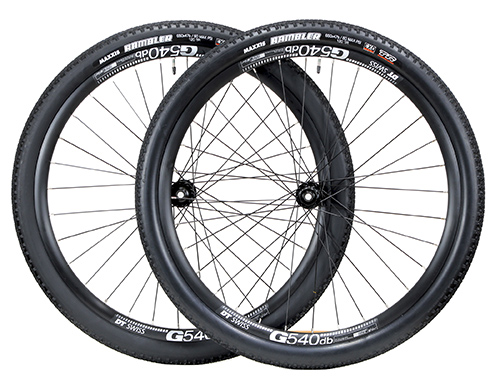
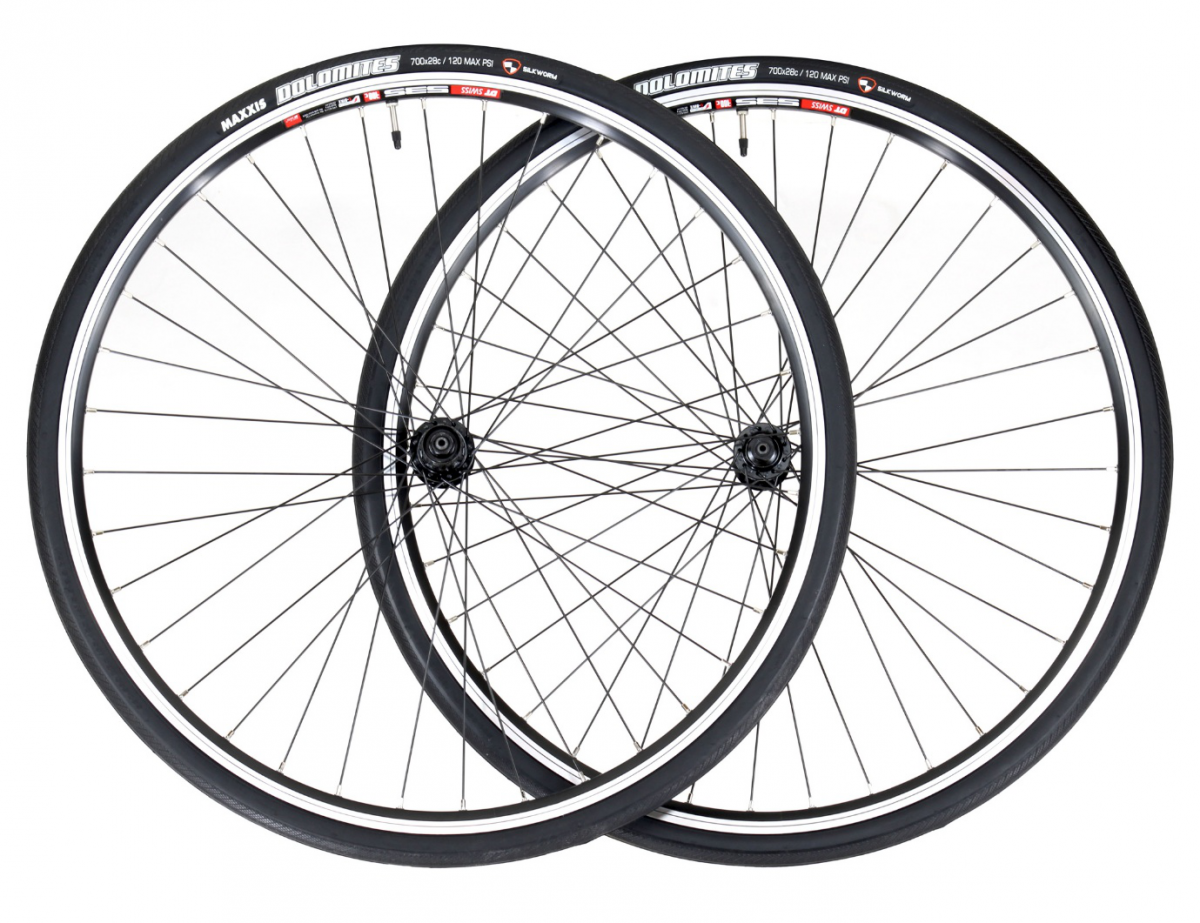
a wheelset by Bikesdirect.com

The Bottom Line on Puncture Resistance: If you ride regularly in rough terrain, debris, gravel, or you want peace of mind, tubeless gives a real edge. But if your way is smooth pavement, and you’d rather rely on the simplicity of patches or spare tubes, tubed is still a solid fallback.

Weight & Rolling Resistance: Which Setup Is Lighter or Faster?

Weight and efficiency are often the first things performance-focused riders harp on.

Weight Considerations

  • On face value, a tube + standard clincher setup might look lighter (no sealant, no special beads).
  • But in practice, you often add sealant (~20–60 ml depending on tire size), tubeless valves, rim tape, etc. Those bits add weight.
  • Also, many tubeless-ready tires are built sturdier (stronger casings, reinforced beads), potentially offsetting weight gains.

Rolling Resistance & Efficiency

This is where the data can get interesting—and sometimes surprising.

  • No tube = less hysteresis loss: Because there’s no tube being stretched/compressed inside, some of the energy losses (especially in real-world roughness) are reduced.
  • Lab tests: Some sources assert that a tubeless setup can save 2–5 watts per tire when compared to a clincher + butyl tube.
  • Gravel and larger tires: The advantage of tubeless grows in lower pressure, larger-volume setups (gravel, cyclocross) where tubes are heavier and less efficient. For example, Bicycle Rolling Resistance finds tubeless has better rolling resistance in those contexts.
  • Latex tubes are tricky competition: If you use a latex inner tube (rather than butyl), the gap narrows (latex is quite efficient).
  • The sealant swirl penalty: Some riders note that the moving sealant inside can slightly reduce efficiency. Others say it’s negligible in most setups.

In real-world riding, the differences might be subtle—but over long distances or racing, those watts count.

Ride Quality & Comfort: Feel the Difference

One of the biggest subjective benefits many riders report switching to tubeless is improved ride comfort. Why?

  • Lower pressure without pinching risk: You can run a lower PSI and absorb bumps, grit, and small irregularities more smoothly without risking pinch flats.
  • The tire can conform more to road texture, improving grip and reducing harshness.
  • Many riders note a “silkier,” more forgiving feel.
  • If your routes include chipseal, cobbles, farm tracks, or imperfect roads, that comfort edge might be the tiebreaker.

Setup, Maintenance & Practical Realities

We’d be kidding ourselves if we ignored the real-world frustrations (and joys) of setup and upkeep.

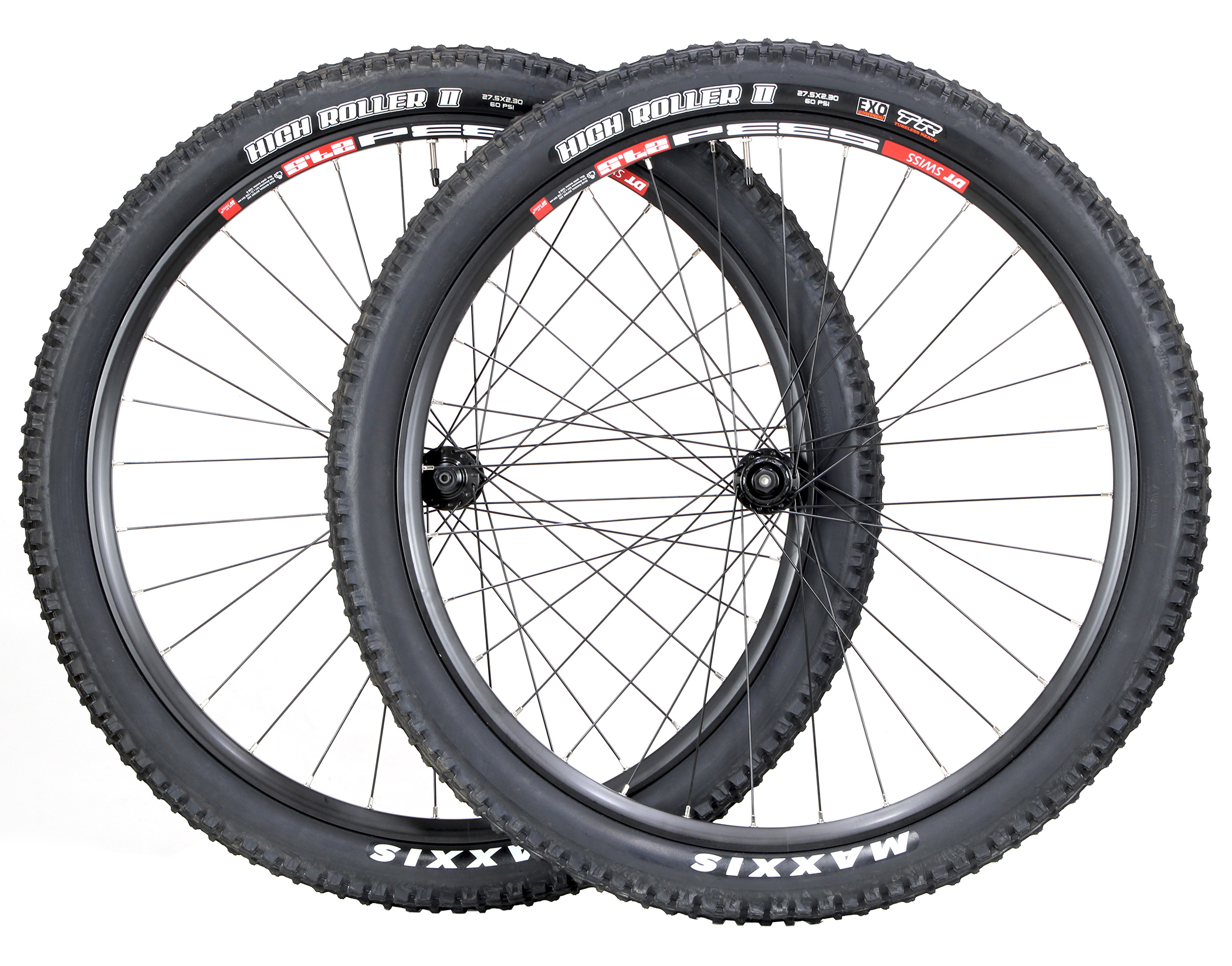
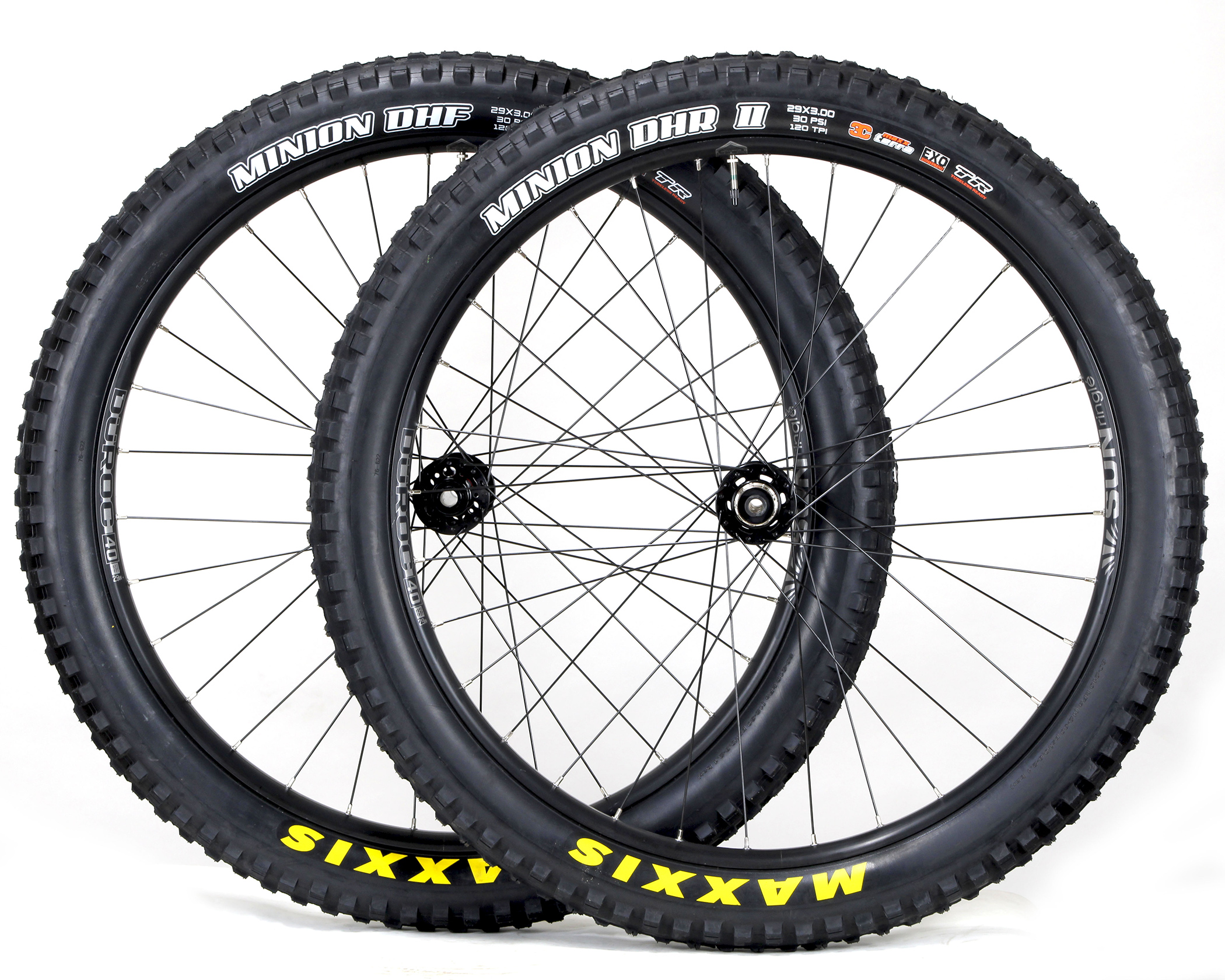
a wheelset by Bikesdirect.com

Tubed Setup

  • Very simple: mount tire, insert tube, inflate.
  • If flat, remove, patch or replace tube, remount.
  • Spare tubes are cheap; patch kits are small.
  • Virtually no sealant or tape issues.

Tubeless Setup & Maintenance

  • Mounting / initial inflation: Getting the bead to “pop” and seal can be fiddly. Some rims/tires need an air blast or compressor.
  • Sealant upkeep: The sealant dries over time; you’ll need to replenish periodically (every few months, depending on temperature/use).
  • Plug kits / sealant in the field: Carrying a plug kit helps if the sealant doesn’t fully seal a cut.
  • Fallback tubes: Many tubeless riders still carry a tube in case of a catastrophic cut or failure.
  • Rim tape and valve care: You need high-quality rim tape (to cover spoke holes), secure tubeless valves, and ensure everything stays airtight.

In short: tubeless demands more occasional love—but many argue it’s worth the effort for the long-term gains.

Terrain & Riding Frequency: Which Setup for Which Use?

Let’s get scenario-specific so you can match setup to your reality.

Smooth Pavement & Commuting (Road, City, Tarmac)

  • Tubed systems are still totally valid. Reliability and ease of repair tend to matter more than every last watt.
  • But if your roads are imperfect (e.g. potholed, gravel patches) and you ride often, the comfort and puncture resilience of tubeless make sense.
  • On road bikes, many of the latest tubeless road tires now approach the classic clincher feel and speed.

Gravel, Mixed Surface, Bikepacking, Cyclocross

  • This is where tubeless shines. The ability to run lower pressure, self-seal small punctures, and reduce flats is a game-changer.
  • Many gravel and cross tires (including ones sold via us) support tubeless setups. For instance, we list the Challenge Chicane TLR33 as a tubeless-ready tire.
  • The rolling resistance benefit increases in this domain.

Mountain & Off-road

  • Tubeless is already dominant in mountain biking for good reason: higher risk of punctures, rough terrain, and the need for lower pressures all favor tubeless setups.
  • But tubed setups still exist (e.g., in certain trail or lower-cost builds), especially if the rider wants simpler maintenance.

Occasional / Low-Mileage Riders

  • If your bike sits a lot or sees occasional use (commuter, weekend rides), tubes can be lower-maintenance overall (no dried sealant worries).
  • Tubed setups also tolerate periods of low pressure better without sealant drying issues.

Performance / Racing Riders

  • Marginal gains matter: every watt counts. Tubeless efficiency, lower rolling resistance, and fewer flats can tilt things in its favor.
  • But ease and confidence under pressure matter, and some racers still prefer tube systems for consistency and predictability.

Pros & Cons Summary

Here’s a side-by-side to help you see the trade-offs clearly:

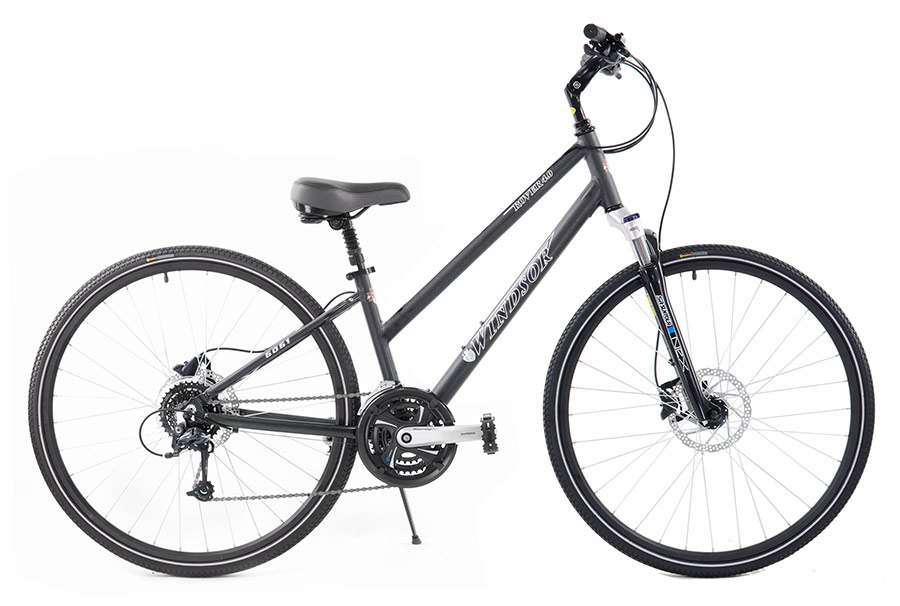
a wheelset by Bikesdirect.com
Feature / MetricTubed (Inner Tube)Tubeless
Ease of setup / repairVery simple, few partsMore fiddly, requires sealant & tape
Puncture casesTube puncture → flatMany small punctures auto-seal
Pinch flats riskHigh at low pressureEssentially eliminated
Rolling resistanceHigher, especially with butyl tubesLower; especially at low pressure / high volume setups
Weight (practical)Lightweight spare tubes, no sealantValve + sealant + stronger casings offset weight gain
Ride comfortGood (depends on tire)Usually better due to lower pressures
Maintenance demandsMinimal (patch + tube changes)Moderate (sealant, tape, plugs)
Best forCasual riders, commuters, simplicity loversGravel, mixed surfaces, frequent riders, performance-focused

How to Decide What Fits You

Pulling all of this together, here’s how you can decide what works best for you:

  1. Ask your terrain
    1. Mostly smooth roads and commuting? Tubed is safe, simple, and proven.
    1. Mix of rough roads, gravel segments, or remote routes? Tubeless gives more margin.
  2. Check your rims & tires
    1. If your rims are tubeless-ready (or adaptable), the barrier to entry is lower.
    1. If your tires (or your preferred models) don’t support tubeless, you’d need to replace them.
  3. Consider riding frequency & maintenance comfort
    1. If you ride often and don’t mind tinkering, tubeless is attractive.
    1. If you want minimal fuss, a tubed system wins for low overhead.
  4. Weigh benefits against trade-offs
    1. Do you value every watt saved? Then tubeless may justify the effort.
    1. Do you value reliability and ease in the field more than marginal gains? Tubed is still reliable.
  5. Be ready to hybridize
    1. Many riders run tubeless but still carry a spare tube (just in case).
    1. Some use tubeless on rear wheel and tube on front, or vice versa, depending on conditions.

Tips for Transitioning to Tubeless (If You Choose That Route)

If you decide to go tubeless, here are a few helpful pointers:

  • Use good quality rim tape to prevent leaks from spoke holes.
  • Choose sealant rated for your temperature range.
  • Use a high-volume pump or compressor to get the bead to snap into place.
  • After mounting, spin and shake the wheel to distribute sealant evenly.
  • Check for leaks (listen or spray soapy water).
  • Keep a plug kit or slim spare tube in your saddlebag.
  • Replenish sealant periodically (often every 2–6 months, depending on climate and use).
  • If a cut is too big, sometimes you can “fault-tube” it: insert a tube anyway as a backup.

Final Thoughts

There’s no one-size-fits-all answer between tubeless and tubed. If you want simplicity, easy repairs, and low overhead, tubed systems remain valid—even today. But if you ride frequently, crave fewer flats, and want that smoother, more confident ride across mixed surfaces, tubeless often delivers meaningful advantages.

At BikesDirect.com, we’re proud to carry a broad selection of tubeless-ready tires (like the GravelKing SK) as well as classic clinchers, so whatever your path, you can build a setup that reflects how you ride.

Your optimal choice depends on your roads, your patience for maintenance, and how much you value ride feel vs. ease. Take your time, test things out, and don’t be afraid to swap or tweak as your riding evolves.

Let’s Ride Smarter Together

Ready to Choose Your Setup?

Whether you’re eyeing a Hybrid Bike or pushing limits on a Road Bike, dreaming of adventures on a Gravel Bike or carving trails with a Mountain Bike, we’ve got your back. Browse our lineup at BikesDirect.com, check out our warranty policy, and learn our story.
Need help picking the right tire or setup? Call now—we’re ready to help.