

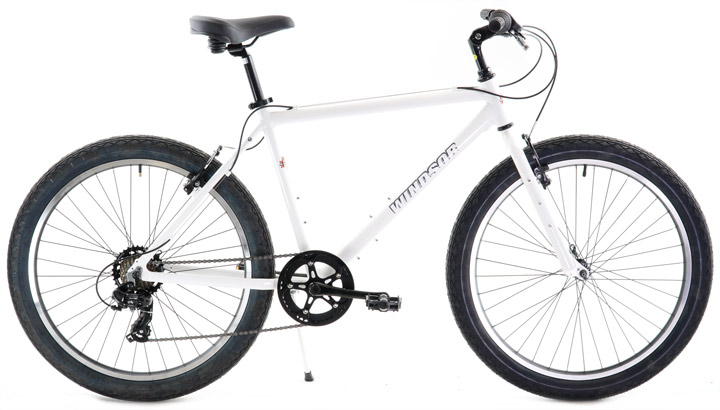
Cycling technology evolves constantly, but few debates remain as persistent as disc brakes vs rim brakes. Both braking systems have decades of real-world use behind them, and both continue to appear on modern bikes across multiple categories—from entry-level commuters to high-performance racing machines.
For riders trying to choose the right bike, understanding braking systems is essential. Brakes directly affect control, safety, riding confidence, and maintenance requirements. A braking system that works well for one rider may not be ideal for another, depending on terrain, riding style, and the type of bicycle involved.
Today, you will find disc brakes and rim brakes across many bicycle categories, including the hybrid bike, gravel bike, road bike, fat bike, beach cruiser, and mountain bike. Each system offers advantages and trade-offs that influence how the bike behaves in real-world riding conditions.
This guide explores both braking systems in depth. Instead of oversimplifying the comparison, we will examine how each system works, where it performs best, how it affects bike design, and what riders should realistically expect over time.
By the end, you will have a clear understanding of which braking system makes the most sense for your riding needs.
Understanding How Bicycle Braking Systems Work
Before comparing disc brakes vs rim brakes, it helps to understand how each system generates stopping power.
Bicycle braking works through friction. When the rider pulls a brake lever, force is transmitted through a cable or hydraulic line that presses brake pads against a rotating surface. That friction slows the wheel until the bike stops.
The key difference between braking systems lies in where that friction is applied.
Rim Brake Operation
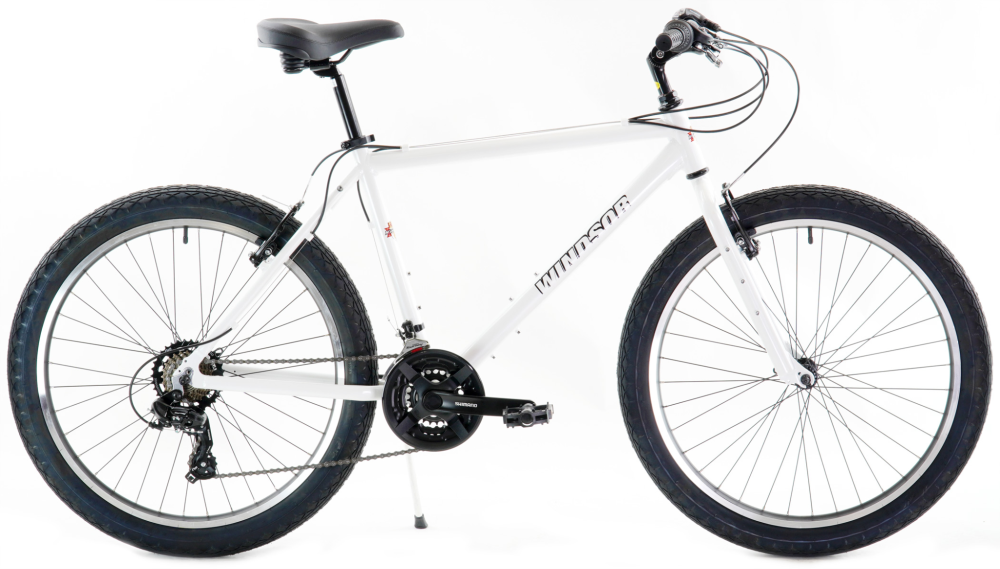
Rim brakes apply braking force directly to the outer rim of the wheel. When the rider pulls the brake lever, two brake pads squeeze the metal rim from both sides.
Because the rim itself becomes the braking surface, the wheel plays a direct role in the braking system. This design has been used for decades and remains common on many road bikes, hybrid bikes, and beach cruisers.
Common types of rim brakes include:
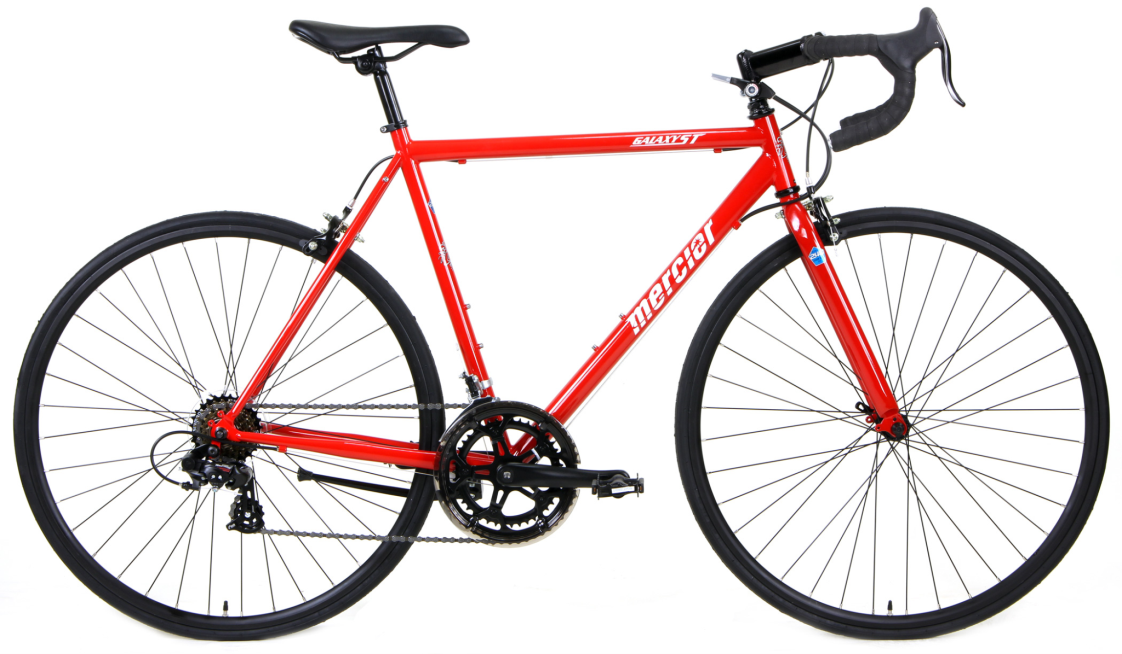
- Caliper brakes (common on road bikes)
- V-brakes or linear pull brakes (common on mountain bikes and hybrids)
- Cantilever brakes (historically common on cyclocross and touring bikes)
The system is mechanically simple and easy to maintain, which has helped it remain relevant even as disc brakes become more common.
Disc Brake Operation
Disc brakes work differently. Instead of using the wheel rim as the braking surface, a separate metal rotor attached to the wheel hub provides the braking surface.
When the rider pulls the brake lever, brake pads clamp onto the rotor mounted near the center of the wheel.
This design separates braking performance from the wheel rim, allowing manufacturers to optimize both components independently.
Disc brakes are now widely used across:
- Mountain bikes
- Gravel bikes
- Fat bikes
- Hybrid bikes
- Increasingly on modern road bikes
Disc brake systems are available in two types:
- Mechanical disc brakes, which use cables
- Hydraulic disc brakes, which use fluid for stronger and more consistent braking
Each system has advantages that influence where it performs best.
Stopping Power: How Much Braking Force Do You Really Need?
One of the most commonly discussed aspects of disc brakes vs rim brakes is stopping power.
Many riders assume that stronger braking automatically means better braking, but the reality is more nuanced. Braking performance depends on control, consistency, and modulation, not simply maximum force.
Rim Brake Stopping Performance
Rim brakes can generate significant stopping power under normal riding conditions.
On lightweight road bikes and hybrid bikes, rim brakes often provide more than enough braking force for everyday riding. Because the braking surface is large and positioned far from the wheel hub, rim brakes can generate strong stopping leverage.
For riders on paved surfaces and moderate terrain, rim brakes often feel responsive and predictable.
However, rim brakes do have limitations. Performance can decrease in situations where the rim surface becomes contaminated with water, dirt, or debris.
Disc Brake Stopping Performance
Disc brakes excel in consistent braking across varying conditions.
Because the rotor sits near the hub and is isolated from the ground surface, it stays cleaner and more protected than the rim. This helps maintain consistent braking performance in rain, mud, and dust.
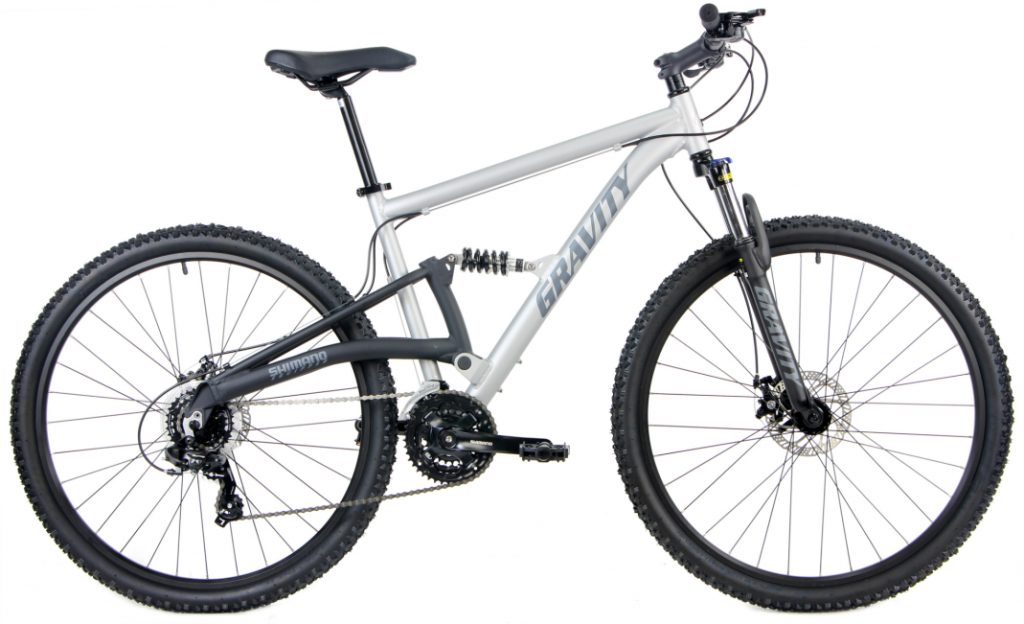
For bikes that frequently encounter rough conditions—such as a mountain bike, gravel bike, or fat bike—disc brakes provide a noticeable advantage.
Hydraulic disc brakes also provide superior modulation, meaning riders can precisely control braking pressure instead of abruptly locking the wheel.
For technical riding situations, this extra control significantly improves safety and confidence.
Performance in Wet and Dirty Conditions
Braking performance in bad weather is often where the differences between systems become most obvious.
Rim Brakes in Wet Weather
When riding in rain or through puddles, water coats the rim surface. Before braking begins effectively, the brake pads must first wipe water off the rim.
This creates a short delay in braking performance.
On road bikes used primarily in dry conditions, this delay may not be noticeable. However, riders who frequently ride in rain or muddy environments may find the performance less consistent.
In extremely muddy conditions, debris can accumulate on the rim, accelerating rim wear and reducing braking efficiency.
Disc Brakes in Wet Conditions
Disc brakes perform far better in wet or dirty environments.
Because the rotor sits closer to the center of the wheel and farther away from ground spray, it remains cleaner during rides.
This is particularly important for bikes designed for rough terrain:
- Mountain bikes frequently encounter mud and dust.
- Gravel bikes often ride on dirt roads and loose surfaces.
- Fat bikes are commonly used on sand or snow.
In these situations, disc brakes maintain reliable stopping power even when conditions deteriorate.
Heat Management and Long Descents
Braking generates heat. During extended downhill riding, the braking system must dissipate that heat effectively to avoid performance loss.
Rim Brake Heat Characteristics
With rim brakes, the wheel rim absorbs the heat generated by braking.
On moderate terrain, this works well. However, during long mountain descents, rim heating can become a concern.
Excessive heat can lead to:
- Reduced braking performance
- Tire pressure changes
- Rim wear over time
This is one reason many modern mountain bikes and gravel bikes use disc brakes instead.
Disc Brake Heat Management
Disc brakes manage heat differently. The rotor absorbs and dissipates heat without affecting the wheel rim.
Because rotors are designed specifically for braking, they can handle higher temperatures more efficiently.
This improves performance during long descents and aggressive riding situations. For riders tackling steep hills or off-road terrain, disc brakes provide more reliable thermal performance.
Maintenance and Ease of Repair
Maintenance requirements also play an important role when comparing disc brakes vs rim brakes.
Rim Brake Maintenance
Rim brakes are known for their simplicity and accessibility.
Maintenance typically includes:
- Replacing brake pads
- Adjusting cable tension
- Aligning brake arms
Most riders can learn to perform these tasks with minimal tools and basic mechanical knowledge.
Replacement parts are inexpensive, and repairs can often be completed quickly.
This simplicity makes rim brakes attractive for commuter bikes, beach cruisers, and budget-friendly hybrid bikes.
Disc Brake Maintenance
Disc brakes require slightly more attention, especially hydraulic systems.
Common maintenance tasks include:
- Replacing brake pads
- Aligning calipers
- Bleeding hydraulic lines (for hydraulic systems)
While these tasks are manageable, they often require specialized tools and knowledge.
However, disc brake pads generally last longer because they are less exposed to debris compared to rim brake pads.
Over time, the maintenance difference between systems tends to balance out.
Wheel Durability and Long-Term Wear
Another important factor in the disc brakes vs rim brakes discussion is how each system affects wheel durability.
Rim Brake Wheel Wear
Because rim brakes press directly on the wheel rim, braking gradually wears the rim surface down.
Over many thousands of miles, this wear can eventually weaken the rim structure. Riders who frequently ride in gritty or muddy environments may see faster rim wear.
This is particularly relevant for riders who log high mileage on road bikes or hybrid bikes.
Eventually, the wheel rim must be replaced when the braking surface becomes too thin.
Disc Brake Wheel Longevity
Disc brakes remove this issue entirely because the braking surface is separate from the wheel.
The rotor absorbs braking wear instead of the rim.
This means the wheel itself lasts longer, especially in harsh environments such as off-road riding or winter commuting.
For riders who prioritize durability and long-term reliability, disc brakes offer a meaningful advantage.
Weight and Simplicity
Weight used to be one of the biggest arguments in favor of rim brakes.
Rim Brake Weight Advantage
Traditional rim brake systems are lighter and mechanically simpler.
Because they do not require rotors, calipers, and reinforced frames, rim brake bikes historically weighed less.
This mattered especially for competitive road bike riders, where every gram mattered.
However, advances in materials and design have reduced the weight difference significantly in modern bikes.
Disc Brake Weight Considerations
Disc brake systems add several components:
- Rotors
- Calipers
- Hydraulic lines or cables
- Reinforced frame and fork mounts
These additions slightly increase overall weight.
For everyday riders, the weight difference is usually negligible. The additional control and braking consistency often outweigh the small increase in mass.
How Different Bike Types Use Each Brake System
The braking system used often reflects how a bike is intended to be ridden.
Road Bike
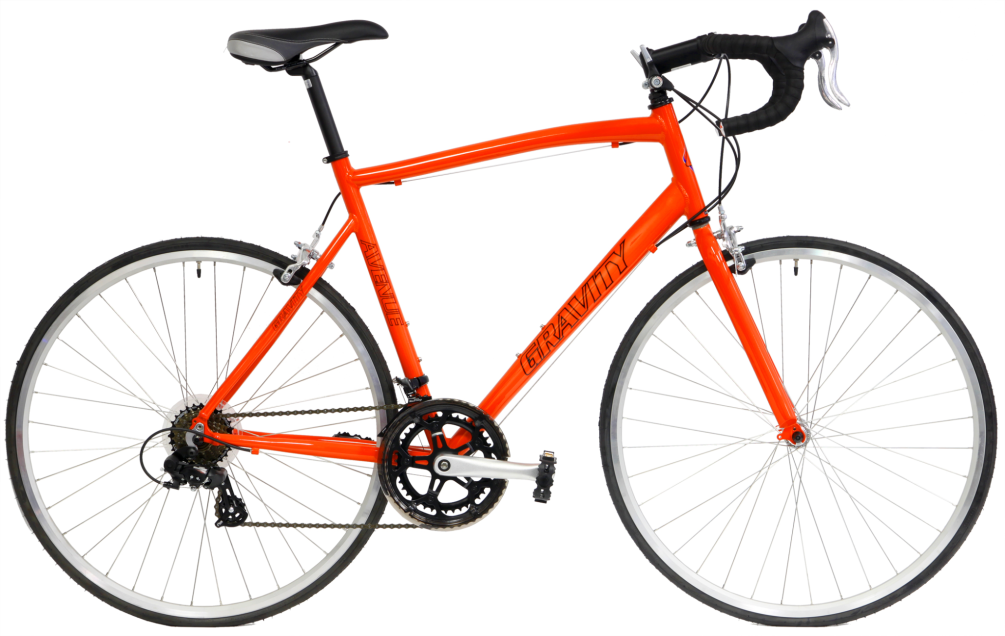
Traditional road bikes historically relied on rim brakes because of their simplicity and low weight.
However, many modern road bikes now use disc brakes to provide better braking control during high-speed descents and wet-weather riding.
Mountain Bike
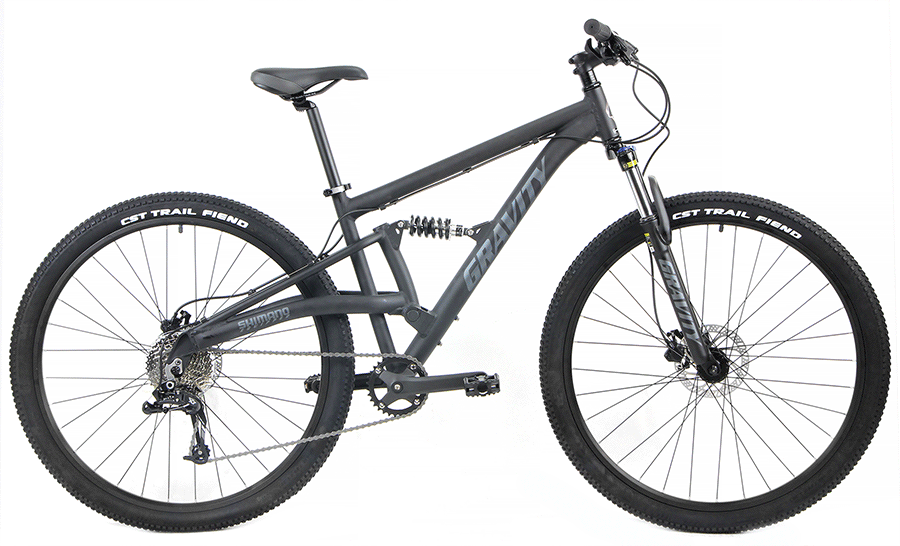
A mountain bike almost always uses disc brakes today.
The terrain demands powerful and consistent braking across mud, rocks, and steep descents.
Gravel Bike
A gravel bike is designed for mixed terrain, including dirt roads and rough pavement. Disc brakes dominate this category because they handle variable conditions far better.
Hybrid Bike
The hybrid bike sits between road and mountain bikes. Many entry-level hybrids still use rim brakes for affordability, while higher-end models often use disc brakes for improved control.
Fat Bike
A fat bike is designed for snow, sand, and loose terrain. Disc brakes are standard here because rim brakes would struggle in such environments.
Beach Cruiser
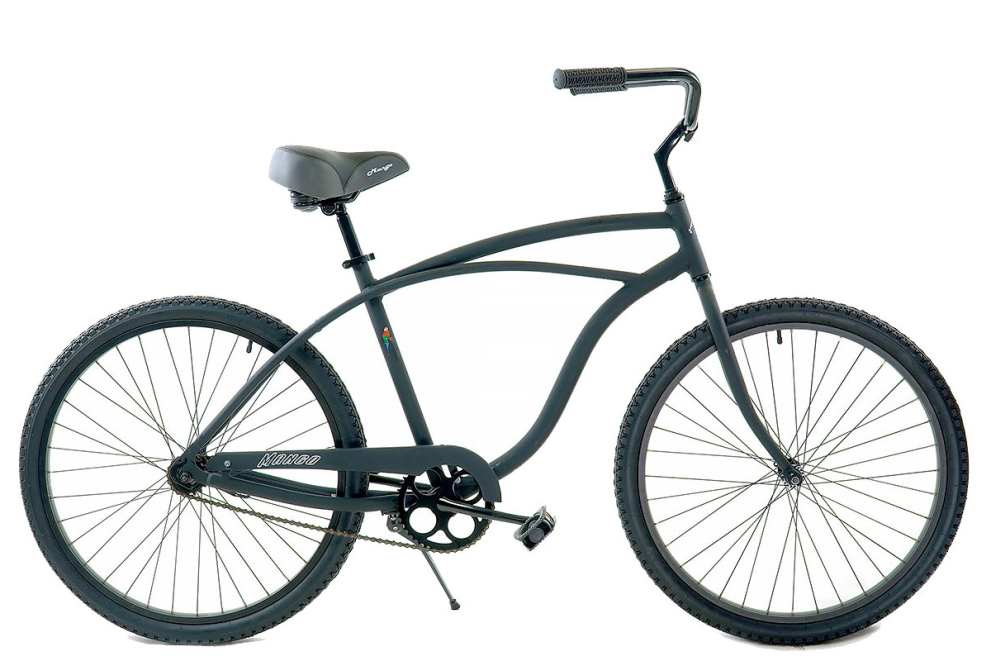
A beach cruiser often uses simple braking systems such as coaster brakes or rim brakes. These bikes prioritize relaxed riding rather than aggressive stopping power.
Cost Differences Between Brake Systems
Cost can also influence the decision between disc brakes vs rim brakes.
Rim Brake Cost
Rim brake systems are generally less expensive.
Because the design is simpler and parts are widely available, rim brake bikes often cost less at entry-level price points.
This makes them attractive for budget-conscious riders looking for dependable transportation or recreational bikes.
Disc Brake Cost
Disc brake systems increase the manufacturing complexity of the bike.
Frames and forks require reinforcement to support the braking forces, and additional components increase overall cost.
However, as disc brakes become more common across the industry, price differences have become smaller.
Many affordable bikes now include mechanical disc brakes without dramatically increasing cost.
Which Brake System Should You Choose?
Choosing between disc brakes and rim brakes depends on how and where you ride.
Rim brakes work well for riders who:
- Ride mostly on paved roads
- Prefer simple maintenance
- Want a lightweight bike
- Ride in mostly dry conditions
Disc brakes work best for riders who:
- Ride off-road or mixed terrain
- Frequently ride in wet conditions
- Descend steep hills regularly
- Want consistent braking performance
Both systems remain viable options depending on riding style and priorities.
Finding the Right Bike for Your Riding Style
When choosing a bike, the braking system is only one piece of the puzzle. Frame geometry, tire clearance, drive train quality, and comfort features all influence how enjoyable the bike will be over time.
At BikesDirect, we focus on helping riders find high-quality bikes with practical components at exceptional value. Our selection includes everything from beginner-friendly hybrid bikes and beach cruisers to performance-focused road bikes, gravel bikes, fat bikes, and mountain bikes.
Because we sell bikes direct from the factory, riders can often access better components and stronger specifications for the same budget compared to traditional retail models.
If you’re exploring your next bike and trying to decide which braking system fits your riding style, browsing real-world bike categories can make the decision easier.
Explore our selection of road, gravel, hybrid, and mountain bikes and see how different braking systems pair with different riding styles.
The right bike should feel comfortable, capable, and ready for the way you actually ride.