

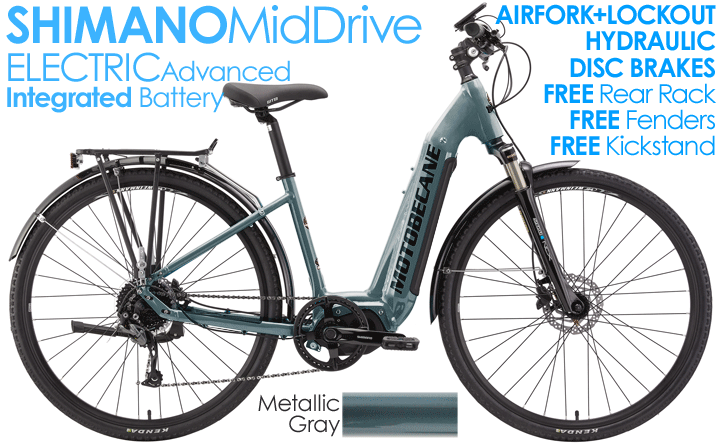
The first time you ride a truly smart e-bike, it feels like the moment cycling steps into the future. Instead of simply providing assist when you pedal, the bike responds to how you ride, learns your habits, monitors energy use, and connects seamlessly to your phone. For many cyclists, that moment turns an ordinary ride into something intuitive and almost alive. In 2026, this feeling becomes mainstream as the industry moves toward a new era of connected, adaptive, and intelligent riding.
With rapid advancements in sensors, onboard computers, and app-based integration, smart e-bikes in 2026 represent more than a trend. They signal a fundamental shift for commuters, fitness riders, and adventure cyclists who want precision, convenience, and performance built into every mile. These e-bikes take what riders love about a traditional hybrid bike, road bike, or mountain bike and amplify it with real intelligence.
This year marks a turning point, and here is what riders should know.
Smart Technology Is Becoming the Standard for New Riders
A smart e-bike is more than an electric bike with an app attached. It is a machine designed to interact with your riding style through sensors, connectivity, and data-driven performance enhancements. Riders can monitor battery health, track maintenance intervals, customize motor output, and even activate anti-theft systems directly from their phones.
These features do not just add convenience. They fundamentally reshape how cyclists plan, ride, and evaluate their performance. Commuters gain confidence through real-time route tracking and predictive battery ranges. Fitness riders enjoy detailed analytics similar to high-end cycling computers. Off-road riders can fine-tune assistance levels for climbs, loose gravel, and rough terrain.
Cyclists transitioning from a traditional gravel bike or hybrid bike often describe the shift as going from analog to smart. The feel remains familiar, but the responsiveness becomes more refined.
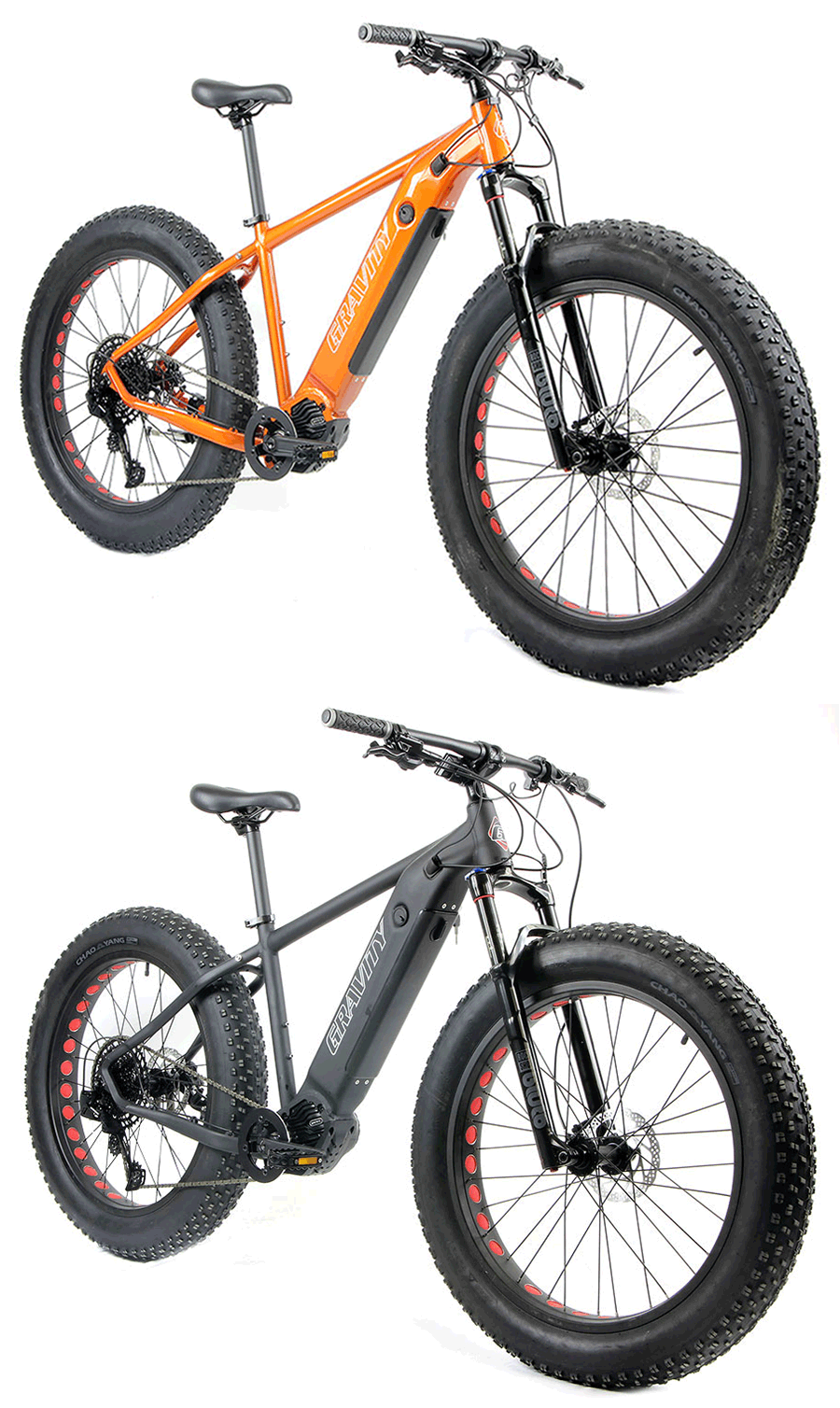
Battery Intelligence Is Eliminating Range Anxiety
One of the biggest reasons riders hesitated with earlier e-bikes was uncertainty about range. Smart e-bikes eliminate that fear. Today’s systems use real-time data to analyze speed, incline, wind resistance, rider weight, and motor usage to predict exactly how far you can go before a charge is needed.
This evolution is transforming how riders explore. Instead of guessing, cyclists receive dynamic range projections that adjust instantly as conditions change. Improved thermal management prevents overheating, and adaptive power output provides smoother, more consistent assistance on difficult climbs.
For riders who take their mountain bike deep into wooded trails or push their gravel bike across mixed terrain, these battery improvements bring new freedom. The ability to ride farther with confidence opens routes that were once too unpredictable for e-assist bikes.
Regenerative braking, better energy cells, and faster charging complete the picture, making 2026 the most advanced year for e-bike battery design.
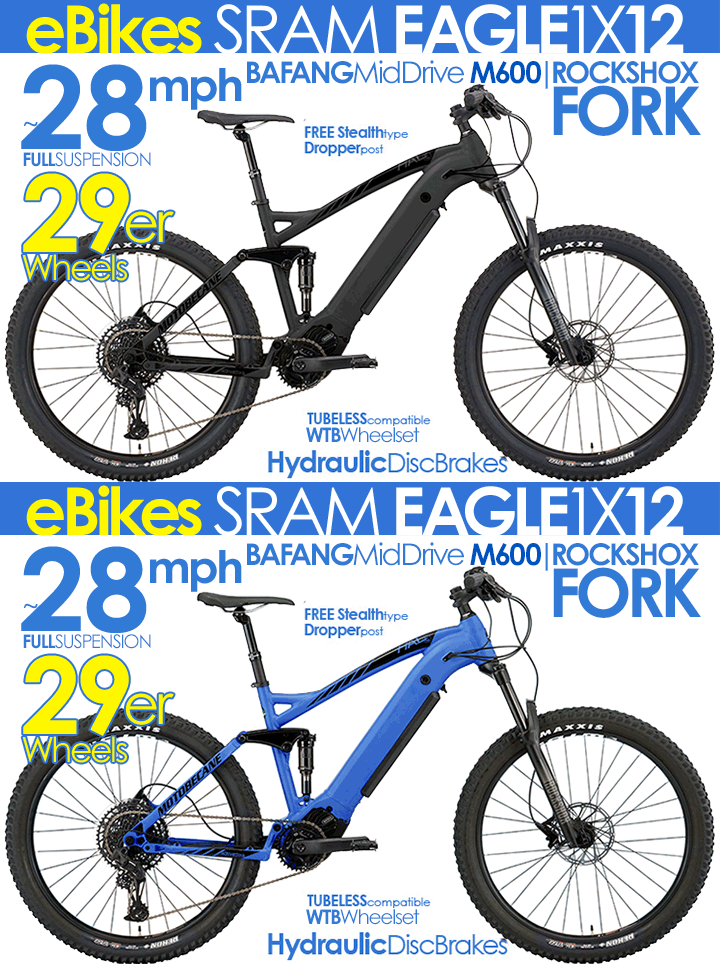
Integrated GPS Is Transforming Navigation and Safety
GPS integration has quietly become one of the most powerful features driving the adoption of smart e-bikes in 2026. Instead of relying solely on external devices, riders now access built-in mapping and navigation that syncs directly with the bike’s onboard system.
These tools help with route planning, performance tracking, and energy management. Riders can plan a scenic coastal route for a beach cruiser ride, a scenic ridge climb for a mountain bike, or a smooth commute using real-time efficiency data.
Beyond navigation, safety innovations are becoming even more impressive. Smart e-bikes now offer crash detection, automated emergency alerts, integrated lights that respond to speed or braking, and anti-theft GPS beacons that notify riders instantly if the bike moves unexpectedly.
For urban riders, these upgrades deliver peace of mind. For adventure riders—especially those who take a fat bike into remote environments—these tools offer added security during long excursions.
Connectivity Creates a More Personalized Riding Experience
Connectivity is the defining characteristic of smart cycling in 2026. The ability to pair your bike with apps, smartwatches, and training platforms turns every ride into a personalized experience.
Riders can customize pedal assist levels, acceleration curves, and even motor feel. Performance data such as cadence, heart rate zone tracking, elevation gain, and power output help cyclists build targeted training plans.
This level of personalization appeals to riders across all categories. Commuters optimize efficiency on their daily routes, fitness riders push performance goals, and adventurers gain clarity on how their bikes react across varying terrains.
A smart e-bike still feels like cycling. The difference is that the bike works with you. Whether coasting along the beach on a beach cruiser, climbing hills on a mountain bike, or cruising city paths on a hybrid bike, every moment becomes more intuitive.
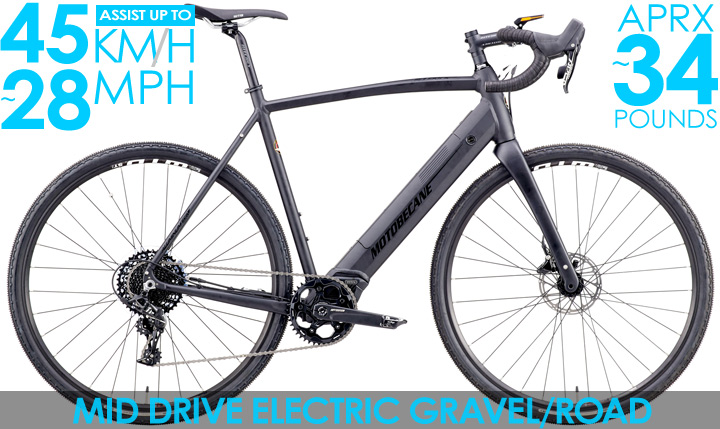
Commuters Benefit the Most from the Smart Bike Revolution
Commuting has always been one of the strongest cases for e-bikes, and smart technology elevates that experience dramatically. With advanced navigation, improved security, and intelligent energy use, smart e-bikes simplify day-to-day travel.
Riders can check battery status while drinking morning coffee, load their ideal commute route, and receive alerts about optimal charging habits. Software updates improve bike performance over time, and maintenance reminders ensure reliability throughout the year.
For cyclists currently commuting on a traditional road bike or hybrid bike, this shift can be transformative. Smart e-bikes reduce stress, shorten travel times, and turn daily rides into smooth, predictable experiences.
Adventure Cyclists Gain New Tools for Exploration
While commuters benefit daily, adventure cyclists experience the most dramatic performance upgrades. Riders using a gravel bike, fat bike, or mountain bike equipped with smart systems can access route-specific assistance, elevation forecasts, and terrain-adaptive power control.
Offline GPS mode makes backcountry navigation safer. Intelligent motor output ensures riders conserve energy on long climbs. Enhanced waterproofing expands the range of conditions these bikes can handle.
The combination of electric assist and smart navigation is fueling the rise of e-bike packing, a hybrid of adventure cycling and lightweight touring. Riders explore deeper, ride longer, and experience trails once out of reach.
Why 2026 Is the Tipping Point
Technology, affordability, and rider expectations are converging. Manufacturers are prioritizing connectivity and intelligence as baseline features rather than luxury add-ons. More cyclists—from casual riders to explorers—are demanding bikes that adapt, communicate, and optimize performance.
Cycling will always be about movement, rhythm, and freedom. Smart technology does not replace that feeling; it enhances it. It helps riders discover new routes, track progress, and ride with confidence in any environment.
2026 is simply the year when the bike truly becomes part of the journey.
Start Your Next Ride with Confidence
If you are ready to explore the next generation of riding, now is the perfect time to discover how smart technology can elevate your experience. Visit Bikesdirect.com today to compare models, explore performance options, and find a bike that matches your goals for adventure or commuting.
Your smartest ride yet is waiting.