

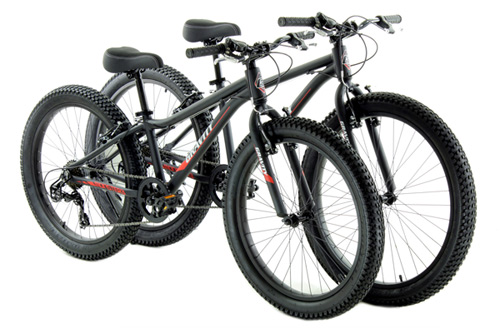
The first time most riders see a fat bike in person, they react the same way: a quick laugh, a double-take, and then a hand reaches out to squeeze the tire like it’s a novelty. Those massive wheels look overbuilt for “just riding.” Then the rider points it toward soft sand, a rutted trail, or a snowy side street and something clicks. Suddenly, the bike doesn’t feel like a gimmick. It feels like permission. Permission to roll past the point where traction usually quits. Permission to stay relaxed when the surface turns unpredictable. Permission to ride more days of the year, on more types of terrain, with less second-guessing.
That’s the real story behind the fat bike advantages: stability, comfort, and confidence that show up in the moments when a standard setup would have you dabbing a foot down or walking.
What Exactly Is A Fat Bike?
A fat bike is built around oversized tires—typically around 3.8 inches wide and up, often mounted on wide rims. That width changes everything. Instead of cutting into soft surfaces, the tire “floats.” Instead of bouncing off roots and ripples, it smooths them out. And instead of feeling twitchy on loose gravel or slush, it plants you in a steady, predictable line.
Fat bikes also tend to have frame geometry designed to handle those big tires and keep the ride stable. Many use mountain-bike-inspired frames and components, but the experience is its own category. You can think of a fat bike as the all-terrain specialist that makes low-traction riding feel surprisingly approachable.
If you’re browsing options, start with Bikesdirect’s fat bike category to see the range of builds and tire setups.
The Traction Advantage: Why “More Rubber” Matters
Traction is the foundation of control. It determines how confidently you can steer, brake, and climb. Fat tires increase traction in two important ways: contact patch and pressure.
A wider tire naturally creates a larger contact patch—the portion of rubber actually touching the ground. That contact patch gets even more impressive when you lower tire pressure. With lower PSI, the tire conforms to the surface instead of fighting it. It wraps around small bumps, sinks slightly into sand or snow for grip, and stays engaged on loose gravel where narrower tires can skate.
That’s why one of the biggest fat bike advantages is how calm the bike feels when the terrain is chaotic. Instead of feeling like you’re balancing on a knife-edge, you feel like you’re rolling on rails.
Comfort Is Not A Luxury—It’s A Performance Feature
A lot of riders shop based on components first. Better drivetrain, better brakes, better suspension. But on varied terrain, comfort can be the biggest performance unlock because it keeps you riding smoothly and longer.
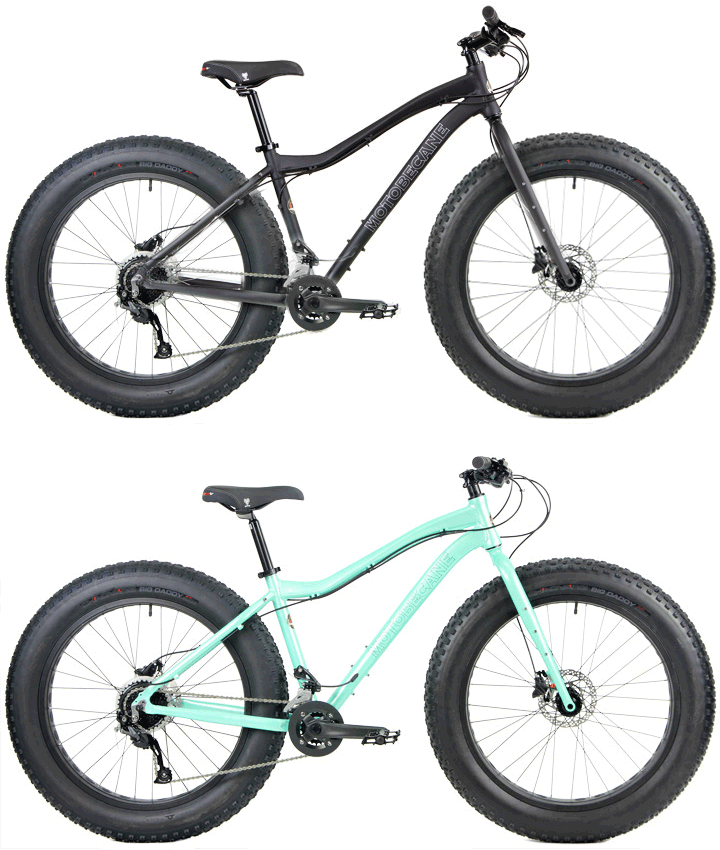
Fat tires act like natural suspension. When you run them at appropriate pressure, they absorb vibrations and soften sharp impacts. That matters on washboard gravel, chunky trails, pothole-riddled streets, or frozen ruts where a rigid setup would rattle your hands and shoulders. Less chatter means less fatigue. Less fatigue means better control. Better control means you ride more confidently—and confidence is the difference between enjoying the ride and simply surviving it.
If you’ve ever finished a ride thinking, “My body tapped out before my legs did,” there’s a good chance you’d appreciate how forgiving a fat bike feels.
Stability You Can Feel: Why Fat Bikes Boost Confidence
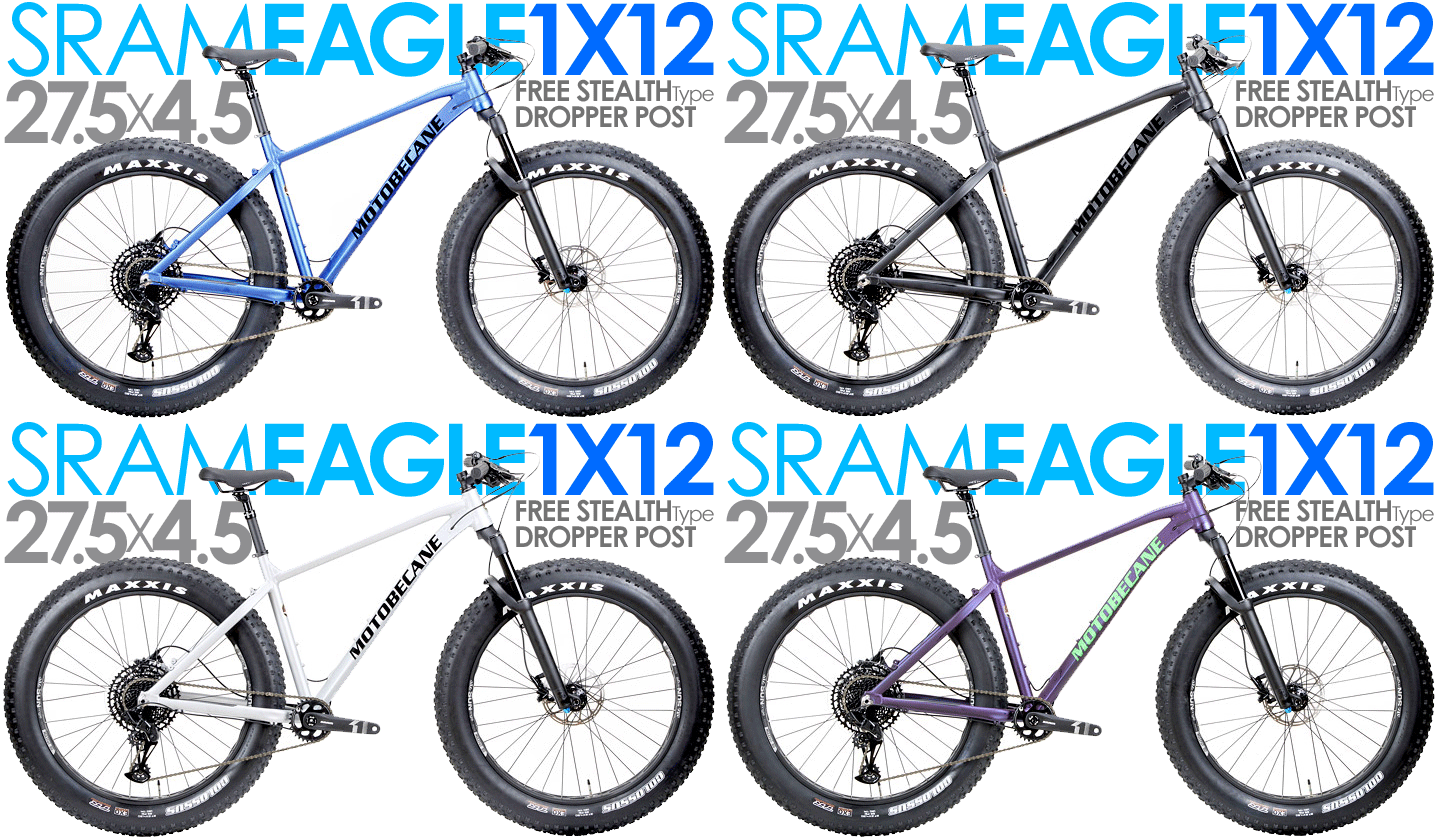
Confidence isn’t just mental. It’s physical feedback. A stable bike gives you time to react and makes small mistakes feel recoverable. Fat bikes tend to deliver that stability through a few traits: wide tires, steady steering, and predictable grip at lower speeds.
This makes fat bikes especially appealing to riders who want to explore without feeling pressured to “perform.” Not every ride needs to be a speed test. Sometimes you want to wander, take a new route, cross a sandy shoulder, or roll down a rough trail that looked intimidating on a narrower setup.
And here’s the underrated part: fat bikes can make learning off-pavement riding less stressful. If you’re new to loose surfaces, a fat bike’s grip and stability can feel like training wheels for terrain—except you’re still having a real adventure.
Where Fat Bikes Shine: Sand, Snow, And Everything In Between
Fat bikes earned their reputation on snow and sand, and those are still the headline surfaces for good reason. Wide tires at lower pressure float and grip where other bikes bog down. If you live near beaches, dunes, snowy paths, or winter-packed trails, a fat bike isn’t just “nice to have.” It can be the difference between riding year-round and storing the bike half the year.
But fat bikes also excel on mixed terrain. Think forest service roads, chunky gravel, rooty trails, muddy connectors, and urban routes with rough pavement. They’re not limited to extreme conditions. They’re simply better than most bikes when the surface stops cooperating.
If your typical ride includes surprises—construction detours, gravel shortcuts, sandy shoulders, or icy patches—a fat bike turns those “maybe not” moments into “let’s go.”
Fat Bike Vs. Mountain Bike: What’s The Real Difference?
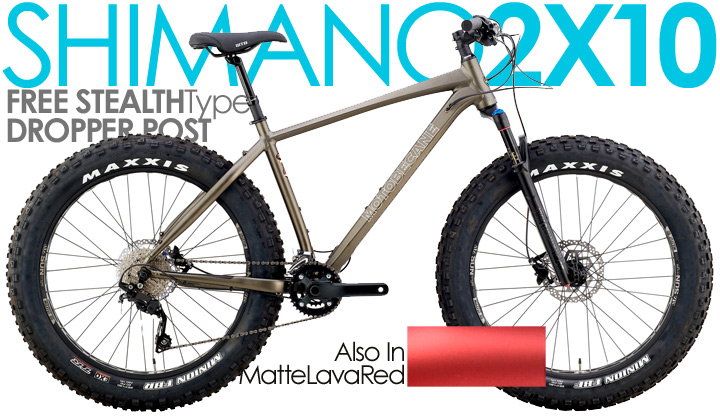
A mountain bike is typically designed for technical trails, offering faster handling and improved climbing efficiency, often with suspension systems optimized for absorbing impacts at high speeds. Fat bikes can overlap with that world, but their specialty is traction and float, especially at lower speeds and on soft terrain.
If you ride mostly hard-packed singletrack and want quick acceleration and nimble cornering, a traditional mountain bike might feel more responsive. If you ride in loose, soft, or inconsistent conditions—and want maximum stability—fat bikes often win.
Many riders keep both, but if you’re choosing one for “worst-case terrain,” fat bikes are hard to beat.
Fat Bike Vs. Gravel Bike: Comfort And Confidence Vs. Speed
A gravel bike is great when you want efficiency on pavement, plus the ability to handle dirt roads. It’s faster, lighter, and more aerodynamic for long mixed-surface miles. But gravel bikes typically run much narrower tires than fat bikes, which means they demand more precision when the surface gets loose or soft.
Fat bikes are the opposite: they trade some speed for comfort and traction. If your rides are about exploring, stability, and low-traction confidence, fat bikes feel like the safer, more forgiving choice. If your rides are about covering distance quickly on predictable surfaces, gravel bikes may make more sense.
Fat Bike Vs. Road Bike: Different Goals, Different Joy
A road bike is all about speed and efficiency on smooth pavement. If you want fast group rides and clean asphalt performance, road bikes are the tool. But if your environment includes broken roads, grit, snow, sand, or uneven paths, a fat bike delivers a different kind of freedom—less about pace, more about possibility.
Think of it as choosing between a sports car and a 4×4. Both are fun. They’re just fun in different places.
Are Fat Bikes Only For Winter?
Not at all. Winter is simply when the advantages become obvious. But plenty of riders use fat bikes year-round because they prefer the ride quality and stability. Summer trail riding, beach cruising, gravel exploring, and urban pothole dodging all benefit from the plushness and traction.
If you want a more casual, comfort-forward experience on flatter terrain, you might also look at a beach cruiser or a hybrid bike—both are approachable, comfortable choices for relaxed rides. The difference is that fat bikes keep that comfort while expanding where you can ride.
If you’re ready to experience the stability, comfort, and confidence that make fat bikes so addictive, start exploring options at Bikesdirect. Explore our full fat bike selection, compare tire setups and frame styles, and select the build that best suits your terrain and goals. Whether you want to keep riding through winter, explore sand and loose trails, or simply enjoy a smoother, more forgiving ride, you’ll find a bike that fits your budget and your curiosity. Your next favorite route might be the one you used to avoid.