

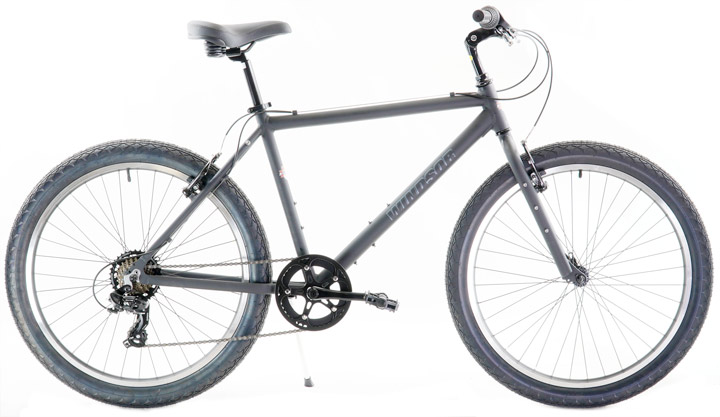
Gravel cycling has rapidly grown in popularity because it offers something many riders crave—freedom. With a gravel bike, you’re not limited to paved roads or strictly off-road trails. Instead, you can explore country roads, dirt paths, forest routes, and even urban streets on one versatile machine.
For beginners, however, choosing the right gravel bike can feel overwhelming. With different frame designs, tire widths, and drivetrain setups available, understanding which features actually matter is essential before making a purchase.
This beginner gravel bike guide will walk you through the most important elements to consider, from frame geometry to tire clearance. By the end, you’ll have a clearer understanding of how to choose a gravel bike that matches your riding goals, comfort preferences, and terrain.
What Is a Gravel Bike?
A gravel bike is designed to handle a wide range of surfaces, from paved roads to gravel paths and light off-road terrain. It blends features from several types of bicycles to create a versatile riding experience.
Compared with other bikes, gravel bikes typically include:
- Wider tires for better traction and stability
- Relaxed frame geometry for long-distance comfort
- Strong frames built for rough terrain
- Drop handlebars similar to those found on a road bike
This combination allows riders to travel comfortably over different surfaces without needing multiple bikes. That flexibility is one of the main reasons gravel bikes have become so popular among both new and experienced cyclists.
Why Gravel Bikes Are Perfect for Beginners
For new riders, gravel bikes provide a balanced riding experience that isn’t too specialized. Unlike a road bike, which is optimized for speed on smooth pavement, gravel bikes can handle bumps, dirt roads, and rough patches without sacrificing efficiency.
They are also more adaptable than many off-road bicycles. While a mountain bike is designed for technical trails and steep descents, a gravel bike performs well on both pavement and moderate trails.
This versatility means beginners can explore different types of riding without worrying about having the wrong bike for the terrain.
Understanding Gravel Bike Frame Geometry
Frame geometry refers to the angles and proportions of a bike’s frame, which directly affect comfort, handling, and stability.
Gravel bikes usually feature a slightly more relaxed geometry compared to road bikes. This means:
- A longer wheelbase for improved stability
- A slightly upright riding position for comfort
- Better control on uneven terrain
For beginners, this design makes gravel bikes easier to ride over long distances and rough roads. The stable handling reduces fatigue and helps riders feel more confident when navigating gravel paths or uneven surfaces.
Many riders find this geometry more comfortable than the aggressive position of a road bike, especially for recreational or adventure cycling.
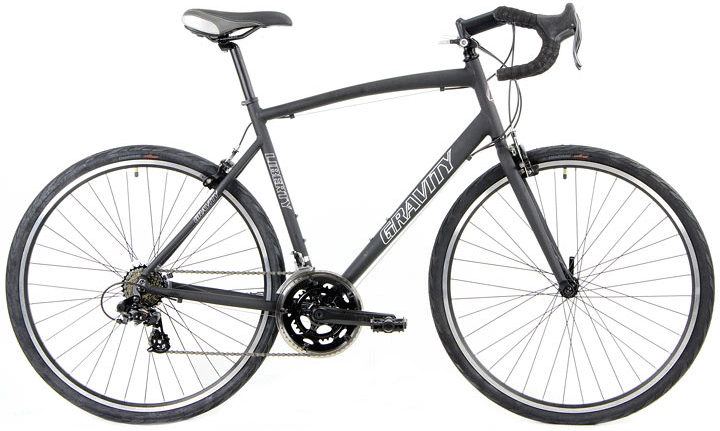
Tire Clearance and Why It Matters
One of the defining features of a gravel bike is its ability to accommodate wider tires.
Wider tires offer several advantages:
- Better grip on loose surfaces
- Increased stability on gravel roads
- Improved shock absorption over bumps and rocks
Most gravel bikes allow tires between 35mm and 50mm wide. This range provides a balance between speed and traction.
By comparison, a road bike typically uses narrower tires designed for smooth pavement, while a mountain bike uses extremely wide tires built for technical trails.
Some riders even explore extreme terrain with specialized bikes like a fat bike, which features oversized tires designed for sand or snow. However, for everyday adventure riding, gravel bikes provide the ideal middle ground.
Drivetrain Options: 1x vs 2x Systems
Another important factor to consider when selecting a gravel bike is the drivetrain configuration.
Gravel bikes typically use either a 1x drivetrain or a 2x drivetrain.
1x Drivetrain
A 1x system uses a single front chainring paired with a wide-range cassette in the rear.
Benefits include:
- Simpler shifting
- Fewer mechanical parts
- Lower maintenance
This setup is popular among riders who frequently tackle rough terrain or steep climbs.
2x Drivetrain
A 2x drivetrain uses two chainrings in the front.
Advantages include:
- Wider gear range
- Smaller gaps between gears
- Better efficiency on long rides
For beginners who plan to ride a mix of roads and gravel paths, both options can work well. The best choice depends on your riding style and terrain.
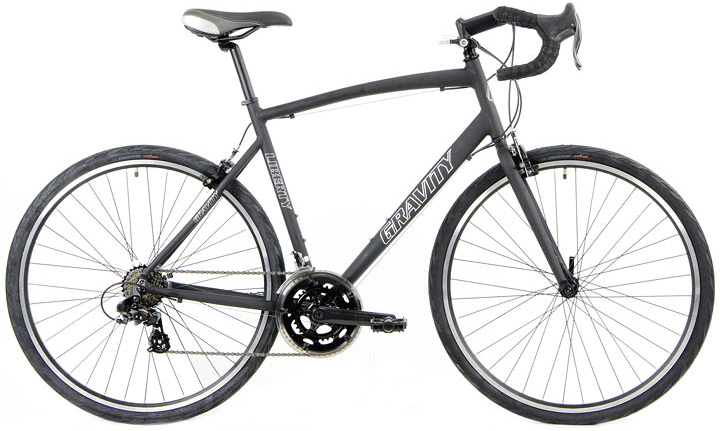
Choosing the Right Tire Width
Tire width can dramatically affect how a bike rides on different surfaces.
For beginners, these guidelines can help:
- 35–40mm tires: Best for mixed road and gravel riding
- 40–45mm tires: Ideal for rougher gravel paths
- 45mm+ tires: Great for adventure riding and rough terrain
Wider tires improve comfort and traction but may slightly reduce speed on smooth pavement.
This is why gravel bikes often strike a balance between the narrow tires of a road bike and the aggressive tires found on a mountain bike.
Comparing Gravel Bikes to Other Bike Types
Understanding how gravel bikes compare to other bicycles can help beginners choose the best option for their riding style.
A hybrid bike is designed primarily for urban commuting and recreational riding. While hybrids are comfortable and versatile, they usually lack the rugged durability and tire clearance needed for long gravel adventures.
A beach cruiser focuses on relaxed riding along flat paths and coastal areas. These bikes emphasize comfort but are not designed for long distances or varied terrain.
Meanwhile, riders who regularly tackle steep trails, rocky climbs, or downhill terrain may benefit from the suspension and aggressive design of a mountain bike.
For riders who want a balance between speed, comfort, and off-road capability, gravel bikes often provide the best overall solution.
How to Choose the Best Gravel Bike for Your Goals
When selecting your first gravel bike, consider these key factors:
- Terrain: Think about where you’ll ride most often. Smooth gravel roads require different tires and gearing than rough backcountry trails.
- Comfort: Look for a frame geometry that supports longer rides without excessive strain on your back or shoulders.
- Durability: A quality frame and reliable components ensure your bike can handle varied conditions.
- Versatility: Many gravel bikes include mounts for racks, bags, and water bottles, making them excellent for bikepacking or long-distance adventures.
Taking the time to match your bike to your riding goals will make every ride more enjoyable.
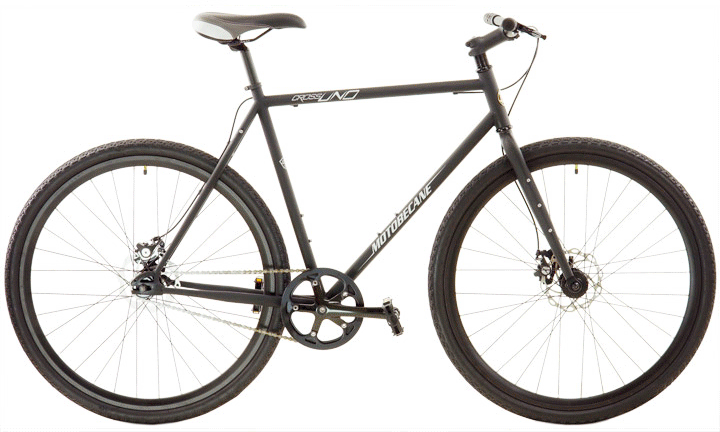
Find Your Perfect Gravel Bike
Choosing the right bike is the first step toward unforgettable adventures on two wheels. Whether you’re planning weekend trail rides, long-distance touring, or mixed-surface commuting, a high-quality gravel bike can open up a whole new world of cycling possibilities.
At BikesDirect, riders can explore a wide selection of bikes designed for performance, durability, and value. From beginner-friendly models to advanced adventure bikes, BikesDirect offers exceptional options for every skill level.
Browse their full lineup today and discover why thousands of cyclists trust BikesDirect for high-quality bikes at competitive prices. Your next great ride could be just a few clicks away.