

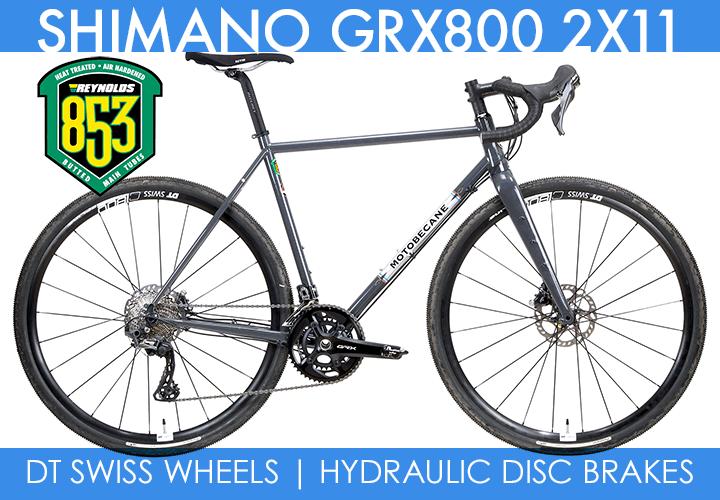
You’re twenty miles into a backroad loop when the pavement disappears. The washboard starts, the gravel gets chunkier, and your arms begin to buzz. Your friend on a steel frame looks relaxed, almost floating over the chatter, while you’re feeling every ripple. Later, on a long climb, you return the favor, dancing up the hill on a lighter carbon rig while they grind behind you.
If you’ve ever had that moment of envy looking at someone else’s bike, you already understand why the steel vs carbon gravel bike debate matters. Frame material isn’t just marketing—it shapes how your bike rides, how long it lasts, and how much value you get from every dollar.
In this guide, we’ll unpack what really changes when you choose steel or carbon for your next gravel bike, and how to match that choice to the way you ride.
What Makes Gravel Different From Road, Hybrid, And MTB?
Before zooming in on frame materials, it helps to remember what makes a gravel bike unique.
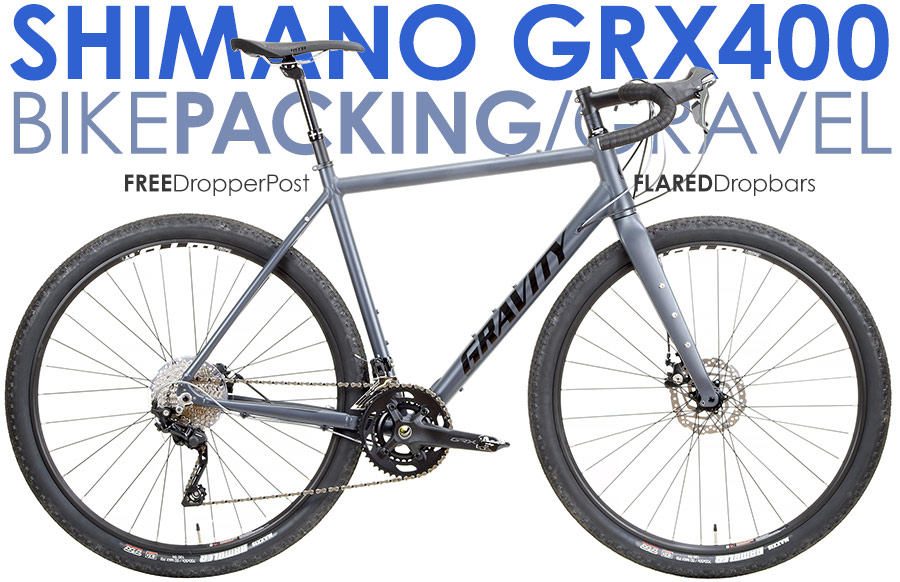
Compared to a road bike, a gravel rig has more tire clearance, more relaxed geometry, and usually more mounting points for bags and bottles. It’s built to be fast on tarmac but steady when the surface gets loose and unpredictable.
Compared to a mountain bike, a gravel machine feels quicker and more efficient on smooth sections. You usually don’t get a suspension fork and huge tires; instead, you get a lighter frame, drop bars, and a position that encourages all-day cruising rather than full-send descents.
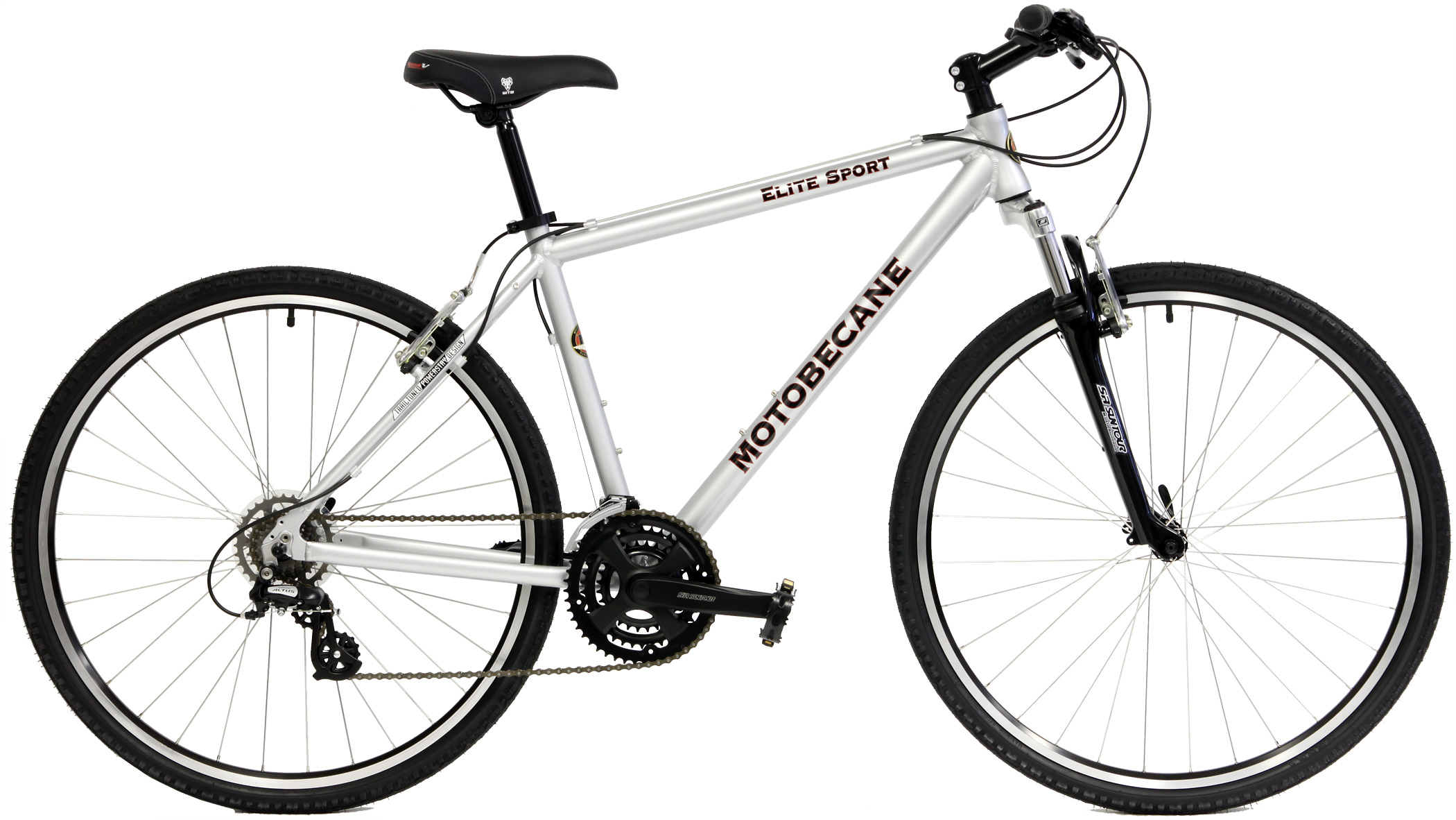
In a way, a gravel bike is like the adventurous cousin of a hybrid bike: it still has versatility and comfort in mind, but it’s tuned for rougher terrain, longer distances, and bigger adventures.
All of that means the frame material has a big job. On gravel, your bike must balance three things at once: comfort over rough ground, efficiency on smoother stretches, and resilience when the route takes you far away from help.
Steel In The Wild: Ride Feel, Durability, And Real-World Benefits
Steel has a certain mythology around it. Riders talk about “steel is real” in the same tone people reserve for vinyl records and manual transmissions. But what does that actually mean for a gravel bike?
First, steel is naturally strong and somewhat forgiving. A well-designed steel gravel frame can smooth out small bumps and high-frequency chatter, especially when paired with wider tubeless tires at lower pressures. On broken farm roads, washboard descents, or long days loaded with bags, that smoother ride can translate directly into less fatigue and more control.
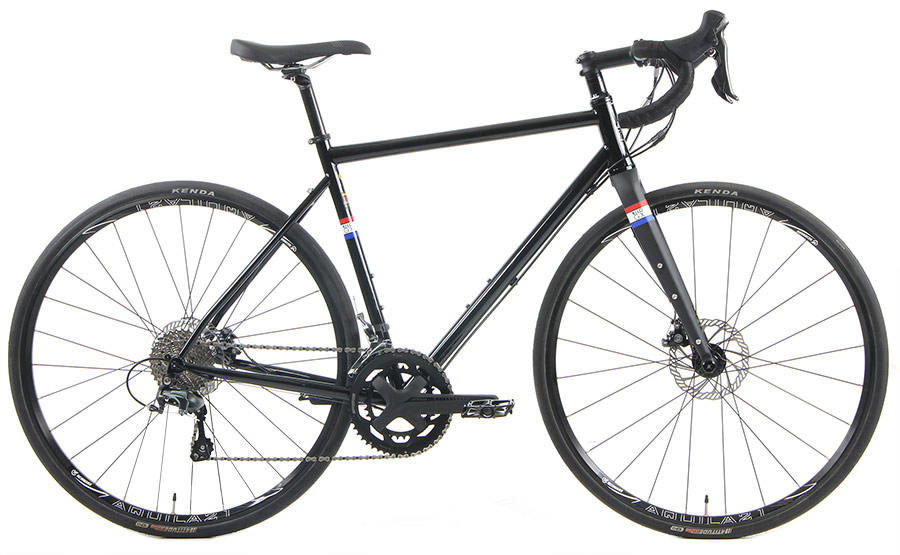
Second, steel has a track record for durability. If you crash or somehow dent a steel tube, it’s often repairable by a skilled frame builder. You might not ever need that option, but for riders who dream of multi-day bikepacking or year-after-year abuse, it can be comforting to know the frame is built to last.
Third, modern steel isn’t automatically heavy. But, compared to a comparable carbon gravel frame, steel will almost always weigh a bit more. You’ll feel that extra mass on steep climbs and during hard accelerations, especially if you’re used to a featherweight road bike.
So, in the steel vs carbon gravel bike equation, steel tends to lean toward comfort, confidence, and long-term ruggedness rather than pure speed. If your riding involves loaded trips, unpredictable weather, and plenty of remote backroads, steel starts to look very appealing.
Carbon On Gravel: Light, Fast, And Surprisingly Comfortable
Carbon fiber, on the other hand, is often associated with race bikes and podiums. But it isn’t just about chasing KOMs. On a gravel bike, carbon brings a different flavor to the experience.
Carbon’s magic trick is tunability. Designers can shape the layup so certain parts of the frame flex to absorb vibration while other sections remain stiff for efficient power transfer. That means a carbon gravel frame can feel smooth over rough surfaces while staying responsive when you get out of the saddle and sprint.
The most obvious benefit is weight. A carbon gravel frame usually weighs significantly less than its steel counterpart. If your rides include big climbs, long distances, or fast group rides, that lower weight can make the bike feel livelier and more playful.
There is, of course, the question of durability. Good carbon frames are tougher than many people think, but when carbon fails, it tends to do so more dramatically. Repair is possible in some cases, but it isn’t as straightforward as a steel tube repair. For most riders, that’s more of a theoretical risk than an everyday problem, but it’s worth keeping in mind if you’re pushing the bike hard on rocky, technical tracks or loading it heavily for extended trips.

In terms of the steel vs carbon gravel bike decision, carbon leans toward speed, efficiency, and performance. If you think of gravel less as “bikepacking forever” and more as “fast mixed-surface loops and events,” carbon starts to make an excellent case for itself.
Ride Quality: How Steel And Carbon Really Feel On Rough Roads
If you gathered a group of riders and stripped all decals off the frames, most could still tell the difference between steel and carbon after a few minutes on washboard gravel.
On steel, you typically feel a more muted, “grounded” sensation. The frame has a little spring to it, rounding off sharp hits and blending the road noise into more of a hum. This character is especially noticeable on long, steady rides. You don’t always realize how comfortable it is until you climb off after hours in the saddle and discover you’re not as beat up as you expected.
On carbon, the sensations are slightly different. A well-built carbon gravel bike can be very smooth, but the way it absorbs bumps feels more targeted. You get stiffness where you need it—around the bottom bracket and head tube—while seatstays and fork legs flex just enough to tame vibration. The result can feel like the bike is eager to accelerate and respond instantly, yet still forgiving on rough patches.
Between steel vs carbon gravel bike options, your personal preference matters a lot. Some riders love that planted, classic feel of steel. Others fall in love with the snappy, responsive feeling of carbon and never look back.
One useful strategy is to compare it to the other bikes you enjoy. If you love the soft, relaxed ride of a beach cruiser, steel may resonate with you. If you’re more excited by the quick response of a performance road bike or lightweight mountain bike, carbon might feel more “right” under you.
Longevity: How Long Do Steel And Carbon Gravel Frames Really Last?
Many riders ask which frame material “lasts longer,” but the real answer is more nuanced than just steel vs carbon.
A quality steel gravel frame, ridden in all seasons and cared for properly, can last decades. The main enemy is corrosion. If you live in a wet or salty environment, you’ll want to be extra diligent about keeping the frame clean, inspecting any chips in the paint, and possibly using rust-inhibiting products inside the tubes. Do that, and steel will often outlive the components you bolt onto it.
Carbon, on the other hand, doesn’t rust. As long as it doesn’t suffer a serious impact or crush damage, a good carbon frame can also last many years. The concern is less about slow decay and more about hidden damage if you crash hard or clamp the frame incorrectly in a work stand. For riders who push the bike in rocky terrain or travel frequently with it, regular inspections are important.
In the steel vs carbon gravel bike context, longevity depends as much on how and where you ride as on the material itself. A steel frame that lives on salted winter roads and never gets cleaned will age quickly. A carbon frame that you crash repeatedly into rock gardens will also have a shorter life. Cared for properly, both can be long-term partners.
Cost And Value: Where Does Your Money Go?
This is where BikesDirect.com comes into the conversation in a big way. Because of the factory-direct model, the price difference between a steel gravel bike and a carbon gravel bike might not be as massive as you’d expect from traditional retail—but there will still be a gap.
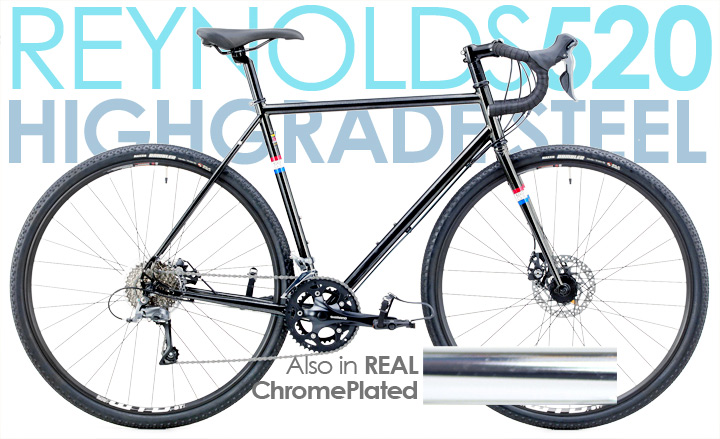
Steel gravel bikes usually come in at a more accessible price point. You get a durable, comfortable frame and solid components without a scary sticker shock. That makes steel attractive if you’re building your first serious gravel bike or if you want a reliable all-rounder in addition to a dedicated road bike, fat bike, or hybrid bike.
Carbon gravel bikes usually cost more, but you’re paying for lower weight, tuned ride characteristics, and often upgraded components. If you’re entering events, riding long distances, or simply want a bike that feels as light and responsive as your best road machine, the extra investment can be worth it every time you clip in.
Best value is personal. For a rider who loves long, loaded tours and wants one bike to do everything, a reasonably priced steel build offers incredible bang for the buck. For a rider chasing ambitious goals and big miles, a carbon frame with quality parts might deliver more satisfaction per dollar over the life of the bike.
The important thing is that both sides of the steel vs carbon gravel bike equation can offer excellent value if you choose the right model for your style and budget.
Matching Material To Your Riding Style
The most useful question isn’t “Which is better, steel or carbon?” It’s: “Which one fits the way I actually ride?”
If your ideal day involves exploring unmarked farm roads, stringing together dirt connectors between small towns, and occasionally strapping on bags for an overnighter, steel provides a sense of reliability and calm that’s hard to beat. The slightly higher weight matters less when your priority is comfort and toughness over endless miles.
If your rides look more like fast weekend loops, mixed-surface fondos, and competitive gravel events where you’re trying to hang with a quick group, carbon starts to shine. You’ll enjoy the lower weight on climbs, the responsive handling, and the sense that every watt you put in goes straight into forward motion.
Of course, many riders split the difference and own multiple bikes. That’s where other categories at BikesDirect become handy. Maybe you pick a steel gravel bike for adventure duty and keep a carbon road bike for dedicated tarmac rides. Maybe you pair a carbon gravel bike with a relaxed beach cruiser for truly effortless spins.
There is no one correct answer. The best choice is simply the one that makes you want to ride more.
Practical Tips When Choosing Your Next Gravel Bike
Once you’ve narrowed your preference in the steel vs carbon gravel bike debate, it helps to look at the finer details.
Pay attention to tire clearance, especially if you plan to ride in muddy conditions or want the option to run bigger tires for rough terrain. Check mounting points for racks, fenders, and extra bottles if you’re leaning toward bikepacking or year-round commuting.
Consider the drivetrain and braking. Modern gravel bikes—steel and carbon alike—often come with wide-range gearing and disc brakes that give you confidence on steep, loose descents. In many cases, the frame material choice will matter less than the overall build when it comes to how the bike feels day to day.
Don’t forget your other bikes. If you already own a lightweight road bike and a tough mountain bike, you might choose a gravel machine that fills a different niche rather than duplicating what you have.
Most of all, be honest about the kind of riding that leaves you smiling. A “perfect” carbon race rig is wasted if you secretly want to meander down quiet gravel lanes with bags and a camera. A beautifully built steel tourer won’t feel as magical if what really inspires you is the feeling of flying up climbs and chasing friends on hard, fast rides.
So, Steel Or Carbon: Which One Wins?
When you boil it all down, there’s no universal winner in the steel vs carbon gravel bike debate—only a better fit for you.
Steel offers warmth, durability, and a classic ride feel that shines on long days, heavy loads, and unpredictable routes. It’s the frame material many riders trust for “forever bikes” and big adventures.
Carbon delivers light weight, sharp responsiveness, and refined comfort that shines when you want speed, efficiency, and a performance edge. It turns mixed-surface riding into something that feels closer to flying than grinding.
Both can be fantastic. Both can last for years. Both can carry you to the same horizon in very different ways.
Ready To Find Your Next Gravel Partner?
Choosing between steel and carbon isn’t just a spec sheet decision—it’s about the kind of rides you want to remember a year from now. If you’re curious how each material feels in the real world, dive into the gravel line-up at BikesDirect, compare builds side by side, and think about where you actually ride most.
You can start with an affordable steel option to test the waters or jump straight into a lighter carbon setup if you know you love that snappy feel. Either way, we are here to help you stretch your budget as far as your adventures. Explore the current gravel bike deals, check out the specs, and get ready to say yes to a lot more dirt in your life.