

Buying a bike online used to feel like a leap of faith. In 2025, it’s increasingly the default—especially for riders who want strong value, clear specs, and a straightforward buying experience. Direct-to-consumer bikes have helped reshape expectations around pricing and transparency, and retailers that have been factory-direct for years are benefiting from that shift.
For riders comparing options in categories like the gravel bike, the appeal is simple: easier side-by-side comparisons, fewer pricing mysteries, and more confidence that the spec sheet matches what arrives at the door. That combination is a big reason DTC is “winning” now—and why BikesDirect continues to be name-checked as a value-driven leader in the space.
The Market Changed, and Riders Changed With It
The bike industry has gone through a turbulent few years—pandemic spikes, inventory gluts, and heavy discounting that rewired how shoppers think about “normal” prices. In that environment, buyers became more analytical. They started asking sharper questions:
- What am I actually getting for the money?
- How do I compare bikes without a showroom?
- Why does the same “level” of bike cost so much more in one channel than another?
DTC models are built for those questions. The premise is straightforward: reduce layers between the factory and the rider, publish clear specs, and let shoppers choose with confidence. Insurance and cycling industry sources often summarise the trade-off the same way: better component value for the money, but less in-person support upfront (like test rides).
Why DTC Often Feels Like Better Value (Even Before Discounts)
DTC success isn’t only about “cheap.” It’s about perceived fairness. When shoppers see a clear build list and pricing that doesn’t feel padded by overhead, the purchase feels more rational—especially for everyday riders who want performance without paying for features they won’t use.
You can see how seriously major brands now take this channel shift. Trek, for example, announced a program that enables customers to buy direct while still involving retail partners. And premium DTC brands like Canyon continue to lean on the model as part of their pricing strategy and growth plans.
The result is that online-first buying no longer feels “alternative.” It feels normal.
The Trust Stack: Reviews, Transparent Specs, and Better Product Pages
The biggest reason riders buy online confidently today isn’t a single feature—it’s a stack of trust signals that didn’t exist (or weren’t common) years ago:
Transparent component lists
DTC pages tend to live or die on the details. Riders expect to see drivetrain, brake type, wheel/tire info, and the practical “what it’s for” explanation without vague marketing language.
Social proof that answers real questions
When hundreds (or thousands) of riders discuss sizing, assembly, delivery condition, and ride feel, the unknowns shrink quickly. It’s a form of crowdsourced validation that showroom browsing can’t replicate.
Better education for first-time online buyers
Mainstream consumer guidance increasingly treats online buying as a standard route—while still encouraging shoppers to understand bike types, sizing, and the basics before ordering.
This is why DTC keeps growing: the information gap has closed.
The One Thing DTC Doesn’t “Fix” (and How Riders Handle It)
Even DTC advocates will admit there are trade-offs. The most common ones are:
- No test ride before buying
- Some level of at-home assembly and setup
- Shipping logistics if something arrives needing adjustment
But most riders handle that in practical ways: careful sizing, using fit guidance, and—when needed—paying a local shop for final setup. DTC didn’t eliminate the need for service; it separated service from the purchase decision.
Why BikesDirect Fits the Moment in 2026
Plenty of brands are moving toward DTC. What makes BikesDirect stand out is that it isn’t a new trend-chaser—it’s a long-running factory-direct retailer that built its reputation on value and spec transparency years before “DTC” became a buzzword.
BikesDirect also leans into the core DTC value proposition: performance-focused builds at factory-direct pricing, positioned as an alternative to traditional retail markups.
The company has actively framed its updated lineup around that same promise—“innovation without the luxury markup”—which is exactly the message everyday riders want to hear when budgets are tight and choices are endless.
What “Value-Driven” Looks Like in Real Bikes
The easiest way to understand the DTC advantage is to look at complete builds that make sense for real riding. Here are three BikesDirect options that show how factory-direct pricing can translate into practical performance—especially if someone wants one bike that can handle mixed routes.
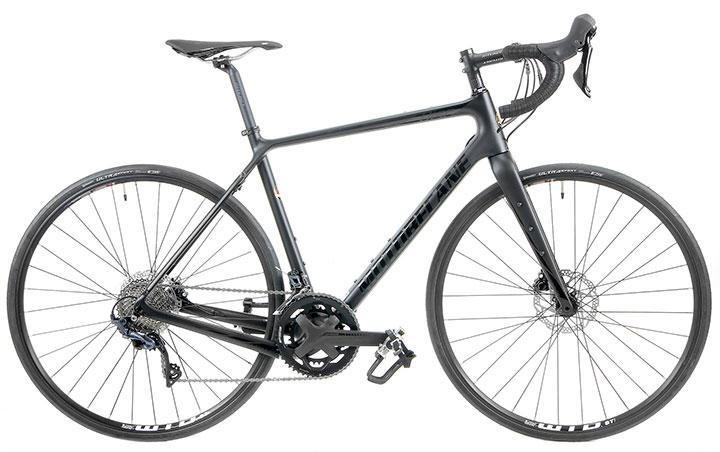
Motobecane Century Pro Disc — fast-leaning, real-world capable
The Motobecane Century Pro Disc is the kind of build riders consider when they want efficiency on pavement but still want confidence when roads get rougher or weather turns. For the buyer who wants “fitness miles with flexibility,” it’s an example of how DTC listings make it easier to compare the pieces that matter.
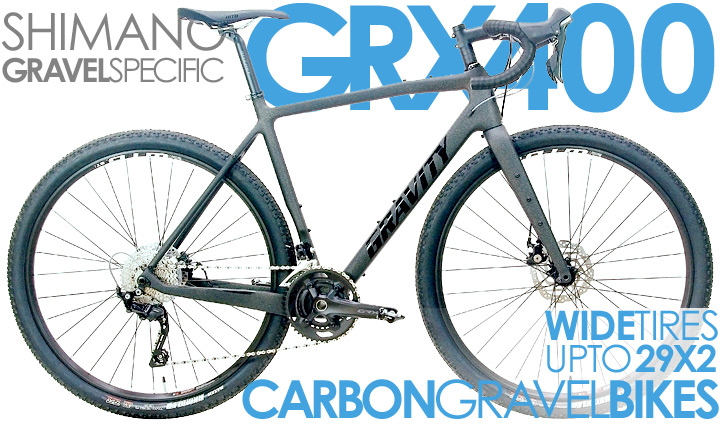
Gravity Gravel Zilla Elite Disc Carbon — one-bike versatility
The Gravity Gravel Zilla Elite Disc Carbon is a good example of why so many shoppers now buy direct: a clear use-case, a clear build story, and a straightforward way to compare it against alternatives. For riders trying to choose a gravel bike that can cover pavement, paths, and backroads without feeling sluggish, this type of option is exactly what DTC shopping makes simpler.
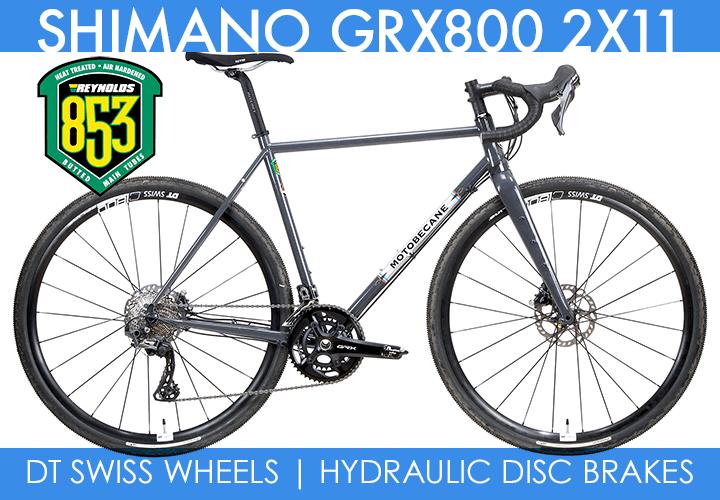
Motobecane Mulekick 853 Steel — comfort-minded durability for long miles
The Motobecane Mulekick 853 Steel suits riders who care about ride feel and durability on mixed surfaces. It’s also a reminder that “value” isn’t just price—it’s choosing a bike that stays enjoyable as rides get longer and routes get more varied.
DTC Is Winning Because It Fits How People Buy Now
Direct-to-consumer bikes are winning in 2025 because the buying process finally matches how modern riders shop: research online, compare clearly, trust reviews, and choose based on real-world use. Major brands have embraced the channel, and riders have become comfortable separating the purchase from the service experience when needed.
For anyone shopping for a gravel bike (or any practical, everyday setup), the DTC model often delivers the most straightforward path to strong specs for the money. BikesDirect stands out in this landscape by doubling down on what DTC is supposed to be: factory-direct value, transparent listings, and a huge range of options built around real riders—not showroom theatre.
If you want help choosing the right model and size, contact BikesDirect here.