


The question usually starts small. Someone walks into cycling, curious but unsure. They want to ride more, maybe commute a few days a week, explore trails on weekends, or simply get fitter without feeling locked into one style of riding. They look at two bikes that seem similar at first glance and ask the question that has become increasingly common: Should I get a hybrid or a gravel bike?
The hybrid vs gravel bike debate isn’t about which bike is better overall. It’s about which bike fits your life better. Both categories were created to escape the limitations of traditional bikes. Both promise versatility. But they approach that goal in very different ways, and those differences matter more than most riders realize.
This guide breaks down speed, comfort, terrain handling, maintenance, and real-world use so you can make a confident, informed decision.
Why This Comparison Matters More Than Ever
Cycling has changed. Riders no longer fit neatly into categories like “road cyclist” or “mountain biker.” Today’s riders commute during the week, ride paths after work, and chase dirt roads on the weekend. They want a bike that adapts to life, not the other way around.
That shift is why hybrid and gravel bikes have exploded in popularity. Each offers freedom from specialization, but they serve different types of freedom. Understanding the difference between a hybrid bike and a gravel bike starts with understanding how you actually ride, not how you imagine riding someday.

What a Hybrid Bike Is Designed to Do
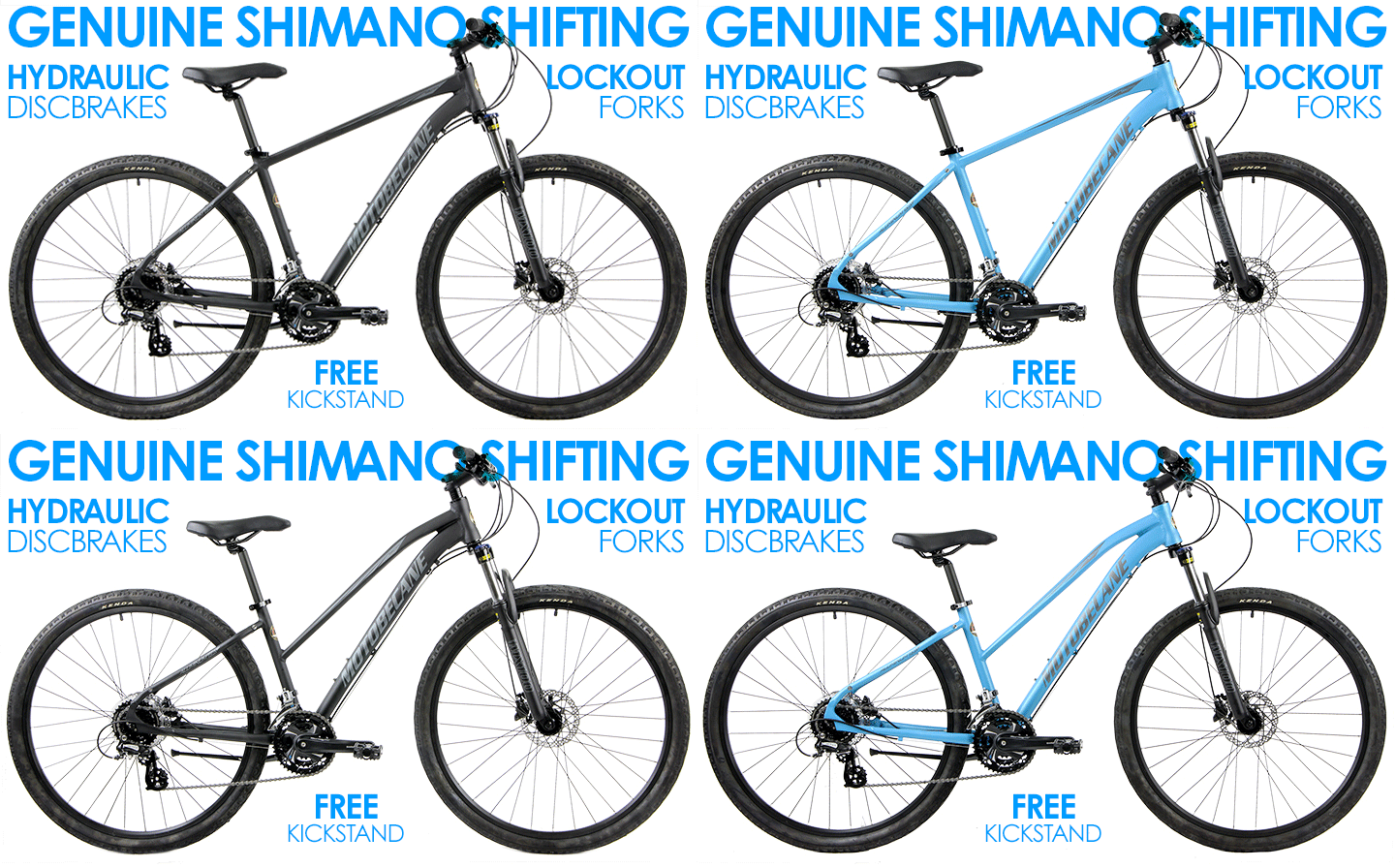
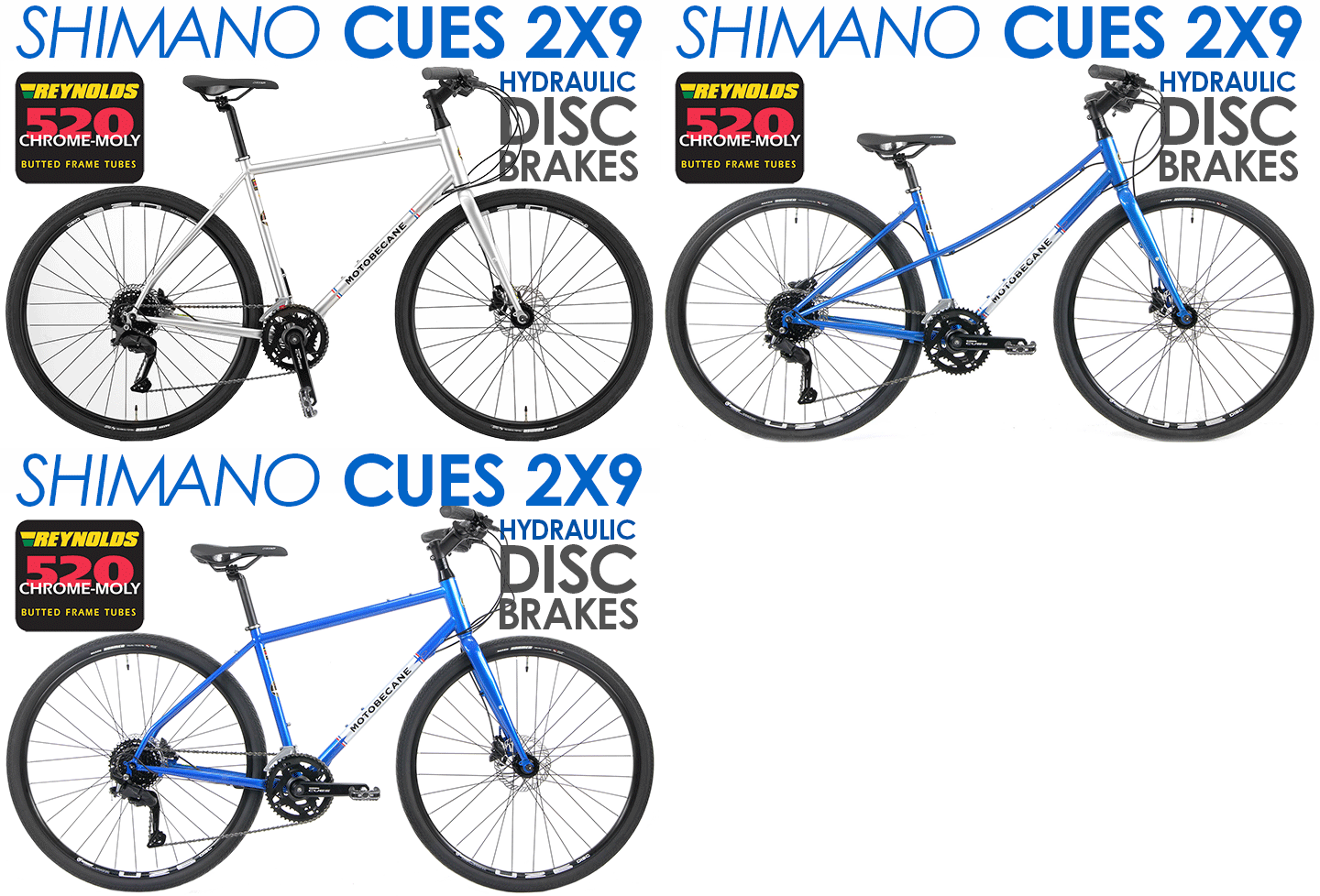
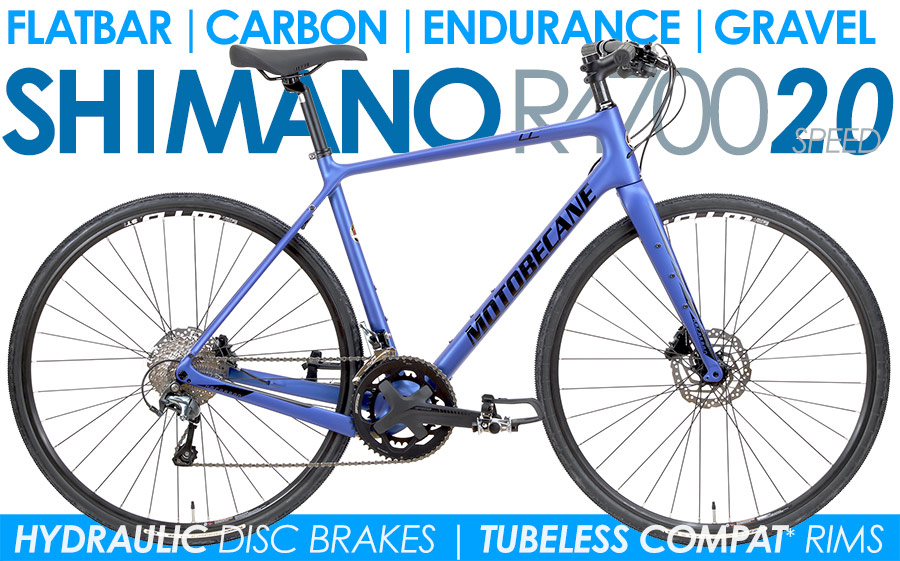
A Bikesdirect hybrid bike is built around approachability. It blends elements of road and mountain bikes but prioritizes comfort, ease of use, and everyday practicality. Upright geometry reduces strain on the back and neck. Flat handlebars offer intuitive control. Tires are wide enough to smooth rough pavement and light trails without slowing you down.
Hybrid bikes are often chosen by riders who value comfort and versatility over outright speed. They excel at commuting, fitness riding, neighborhood cruising, bike paths, and light gravel or dirt. If your riding includes errands, casual rides, or mixed urban terrain, a hybrid feels natural almost immediately.
Many riders transitioning from a beach cruiser or returning to cycling after a long break find hybrids welcoming. They feel stable at low speeds and forgiving when stopping or starting frequently.
What a Gravel Bike Is Designed to Do
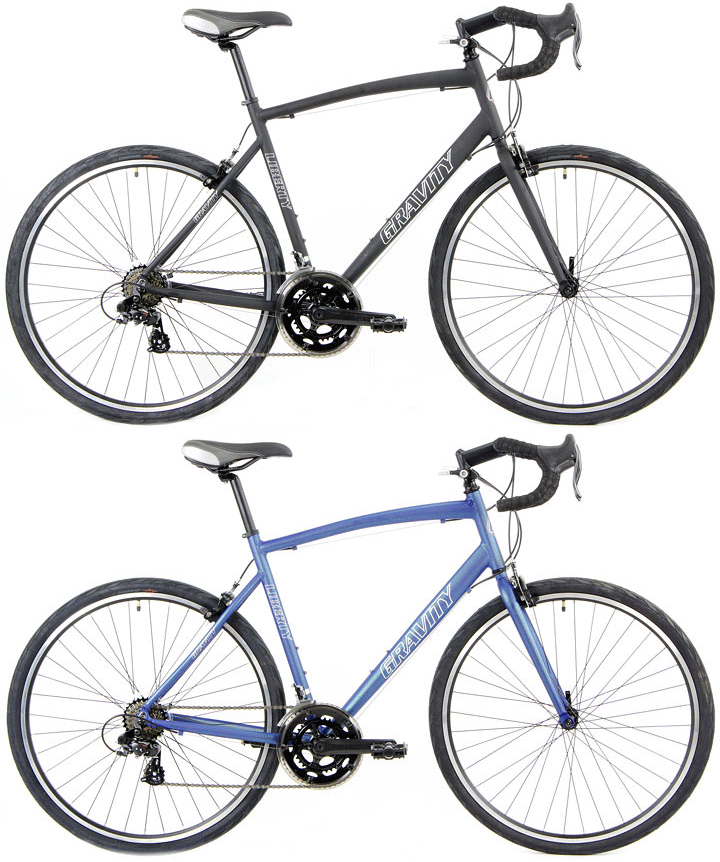
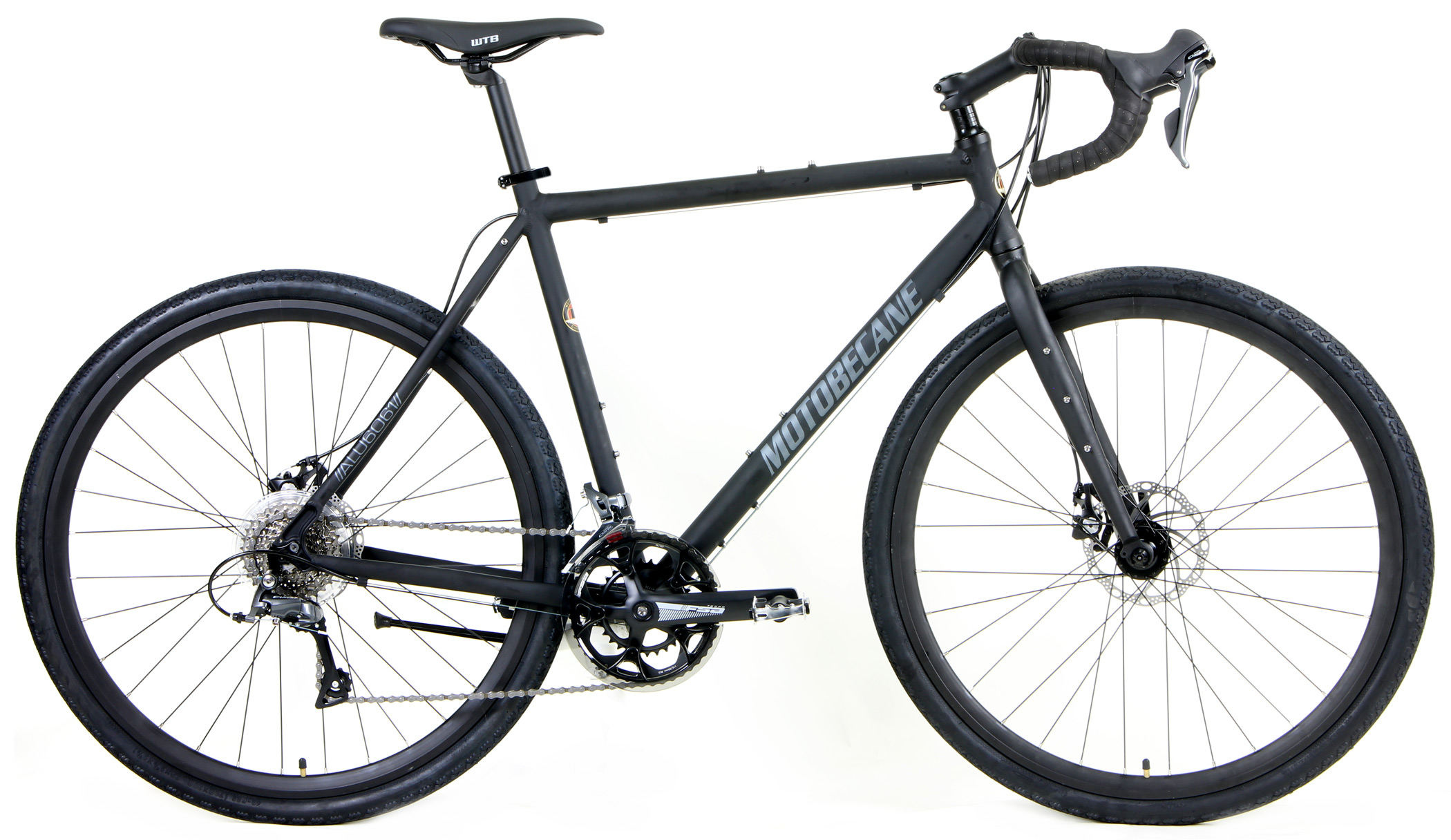
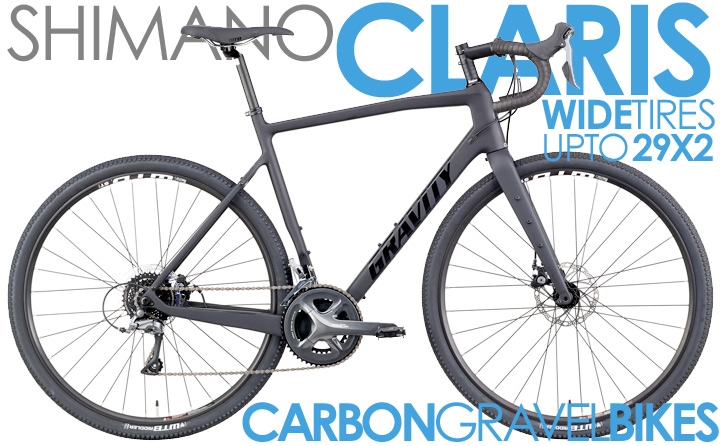
A gravel bike takes a different approach. Instead of prioritizing upright comfort, gravel bikes prioritize efficiency across unpredictable terrain. They borrow speed and geometry cues from the road bike world while adding stability, tire clearance, and durability inspired by off-road riding.
Drop handlebars allow multiple hand positions, which matters on longer rides. Frames are shaped for stability when surfaces change quickly. Tires are wider and often more aggressive than road tires, but narrower and faster than most mountain bike tires.
Gravel bikes are designed for riders who want to cover distance. They shine on long mixed-terrain routes, gravel roads, forest service paths, and endurance-style adventures. If you enjoy riding for hours, exploring unfamiliar routes, or linking pavement with dirt seamlessly, gravel bikes feel purpose-built.
Hybrid vs Gravel Bike: Speed Differences That Matter
Speed is often misunderstood in the hybrid vs gravel bike discussion. On paper, gravel bikes are faster. Their geometry is more aerodynamic, their wheels roll efficiently, and their drivetrain choices favor sustained momentum. On open pavement or packed gravel, a gravel bike will usually outpace a hybrid ridden at the same effort.
However, speed isn’t just about top-end velocity. It’s also about how easily you can maintain your pace. Hybrids trade raw speed for relaxed efficiency. Their upright posture makes breathing easier for many riders. Acceleration feels less demanding. For short trips, stop-and-go riding, or casual fitness loops, hybrids often feel “fast enough” without feeling demanding.
If you’re coming from a road bike, a hybrid may feel slower but more forgiving. If you’re coming from a mountain bike, a gravel bike will feel dramatically faster while still handling rough surfaces.
Comfort: Where the Two Bikes Truly Diverge
Comfort is where the choice becomes personal. Hybrid bikes win immediate comfort. Upright positioning reduces pressure on wrists and lower back. Flat bars feel intuitive. Wider saddles and forgiving frames absorb vibration well.
Gravel bikes approach comfort differently. They distribute weight more evenly between hands, saddle, and pedals. Drop bars allow position changes, which reduces fatigue over long rides. While the posture is more forward, many riders find gravel bikes more comfortable over distance once they adapt.
If your rides are under an hour and include frequent stops, hybrids often feel more relaxed. If your rides stretch into multiple hours, gravel bikes often feel better as fatigue builds.
Terrain Handling: Matching the Bike to the Surface
This is the heart of the hybrid vs gravel bike decision.
Hybrid bikes handle pavement, bike paths, and smooth dirt extremely well. They tolerate gravel, but deep or loose surfaces can feel sketchy at speed. They are not built for aggressive off-road riding, but they don’t need to be.
Gravel bikes are designed for uncertainty. Loose gravel, washboard roads, hard-packed dirt, and mixed pavement transitions are exactly where they excel. Wider tires, longer wheelbases, and stable geometry allow riders to maintain control without slowing dramatically.
For truly rough terrain, roots, rocks, or steep technical trails, a mountain bike or fat bike is still the better tool. Gravel bikes are not mountain bikes. But for everything between smooth pavement and technical trails, gravel bikes dominate.
Handling and Confidence for New Riders
New riders often feel more confident on hybrids initially. The upright stance improves visibility. Flat bars feel familiar. Putting a foot down at stops feels natural.
Gravel bikes require a short learning curve, especially for riders unfamiliar with drop bars. Once that adjustment happens, many riders find gravel bikes incredibly confidence-inspiring at speed, especially on mixed surfaces.
If you prioritize immediate ease and confidence, hybrids have the edge. If you’re willing to learn and grow into your bike, gravel bikes reward you over time.
Maintenance and Ownership Considerations
Maintenance is often overlooked, but it matters.
Hybrid bikes are generally simpler. Flat-bar controls are straightforward. Replacement parts are common and affordable. Adjustments are easy for beginners to understand. If you plan to do basic maintenance yourself, hybrids feel less intimidating.
Gravel bikes often use road-style components. While still reliable, they can be slightly more complex to adjust. Drop-bar shifters combine braking and shifting into one unit, which can increase replacement cost.
Neither bike is high-maintenance by nature, but hybrids tend to be slightly easier and cheaper to own long-term, especially for casual riders.
Fitness Goals and Riding Style
Your goals matter more than marketing.
If fitness means moderate rides, steady effort, and enjoying the process, hybrids align well. They encourage consistency. They don’t punish casual riding.
If fitness means endurance, distance, and progression, gravel bikes often feel more motivating. They encourage exploration and longer routes, which naturally build fitness over time.
Many riders who start on hybrids eventually move to gravel bikes as their confidence and ambition grow. Very few move in the opposite direction unless their priorities change.
Versatility Compared to Other Bike Types
When comparing hybrids and gravel bikes to other popular categories, their versatility becomes clearer. Against a traditional road bike, both hybrids and gravel bikes offer a more forgiving ride. Road bikes prioritize speed and efficiency on smooth pavement, but that focus often comes at the cost of comfort and flexibility. Hybrids and gravel bikes soften the ride with wider tires and more relaxed geometry, allowing riders to move confidently beyond perfect asphalt and onto varied surfaces without feeling restricted.
When placed next to a mountain bike, hybrids and gravel bikes stand out for efficiency. Mountain bikes excel on technical trails, roots, and steep descents, but their weight, suspension, and aggressive tires can feel sluggish on pavement and bike paths. Hybrids and gravel bikes roll faster, accelerate more easily, and feel better suited for everyday riding when smooth surfaces make up most of the route.
Compared to a beach cruiser, both bikes dramatically expand how far and how long you can ride. Cruisers shine in relaxed, short-distance scenarios, but they sacrifice efficiency and adaptability. Hybrids and gravel bikes maintain comfort while adding gearing, responsiveness, and terrain flexibility that open the door to longer rides and broader exploration. Between the two, gravel bikes cover a wider performance envelope, while hybrids cover a wider lifestyle envelope, blending cycling into daily routines with minimal friction.
Which One Fits Your Lifestyle Better
A hybrid bike is a natural fit if your riding includes commuting, errands, fitness loops, bike paths, and casual exploration. Comfort, ease of use, and practicality define the hybrid experience. Riders who prefer upright positioning, frequent stops, and the ability to ride in everyday clothes often find hybrids seamlessly fit into their lives.
A gravel bike suits riders drawn to longer distances, mixed terrain, backroads, and adventure. If speed, efficiency, and exploration motivate you, gravel bikes feel equally at home on pavement and dirt, encouraging curiosity beyond familiar routes. The hybrid vs gravel bike choice is not about right or wrong. It is about alignment with how you want to ride.
The Long-Term Perspective
Think beyond your first month of riding. Think about where you want to ride six months from now. Think about whether your curiosity leans toward comfort or adventure. Hybrids often become lifelong companions for practical riders. Gravel bikes often become gateways into endurance cycling, bikepacking, and exploration. Both bikes can change how you experience cycling. The best one is the one that makes you want to ride tomorrow.
The beauty of modern cycling is choice. You no longer have to fit into a rigid category. Both hybrid and gravel bikes represent freedom from limitation, just expressed differently. If you understand how you ride, where you ride, and why you ride, the answer becomes clear.
Ready to Choose the Bike That Fits Your Life
Explore the full range of hybrid and gravel options at Bikesdirect.com and find the bike that matches your goals, terrain, and riding style. Compare features, pricing, and designs all in one place, and get more performance for your investment. Whether you lean toward comfort or adventure, we make it easy to choose confidently and start riding the way you want—today.