

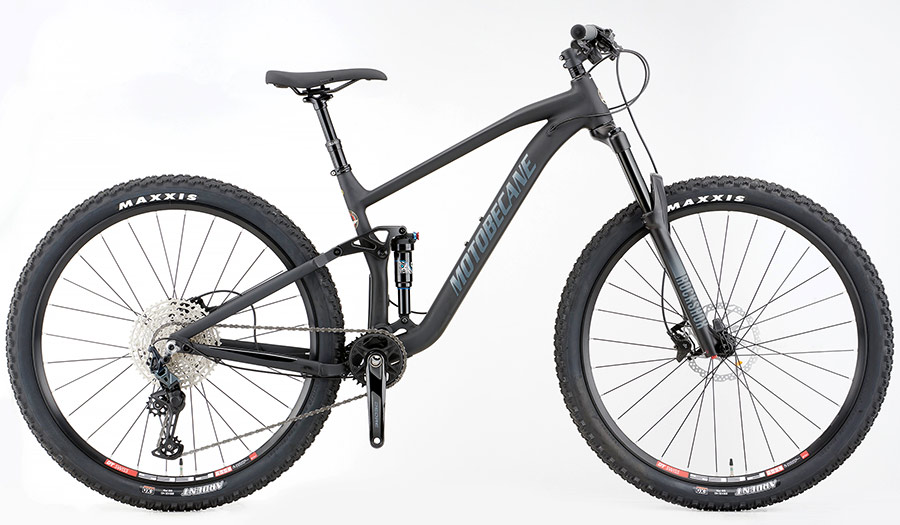
Choosing the right mountain bike often comes down to understanding one key design difference: suspension. Riders frequently debate the advantages of a hard tail vs full suspension mountain bike, especially when deciding what will perform best on trails, climbs, and long rides. While both types of bikes fall under the same category of off-road cycling machines, the way they handle terrain, absorb impacts, and respond to rider input can vary significantly.
For beginners and experienced riders alike, the decision between these two styles affects comfort, efficiency, maintenance, and overall trail experience. Some cyclists prioritize speed and simplicity, while others want maximum control and shock absorption on rugged terrain. Suspension design directly influences those factors.
A modern mountain bike is engineered to handle everything from packed dirt paths to rocky downhill routes. However, the frame structure, shock system, and geometry determine how the bike behaves under those conditions. Understanding how each suspension design works—and where it excels—helps riders choose equipment that matches their riding style, skill level, and preferred trails.
This guide explores the differences between a hardtail vs full suspension mountain bike in detail. By looking at comfort, climbing performance, trail control, maintenance, durability, and cost, riders can better determine which option fits their needs.
Understanding Mountain Bike Suspension Systems
Before comparing the two options, it helps to understand what suspension actually does on a mountain bike. Suspension systems are designed to absorb impacts from uneven terrain. Rocks, roots, drops, and rough surfaces create vibrations and shocks that travel through the bike frame and into the rider’s body. Suspension components reduce those forces, improving control and comfort.
Suspension typically comes in two forms: front suspension and rear suspension.
Front suspension is handled by a suspension fork located between the handlebars and the front wheel. The fork compresses when the wheel encounters obstacles, reducing the impact felt by the rider.
Rear suspension involves a shock absorber integrated into the frame. This shock compresses when the rear wheel hits bumps, allowing the rear triangle of the frame to move independently from the main frame.
The core difference in the hard tail vs full suspension mountain bike comparison lies in whether the bike includes rear suspension. Hardtails have suspension only in the front fork, while full suspension bikes include both front and rear shock systems.
That structural difference shapes how each bike performs on trails.
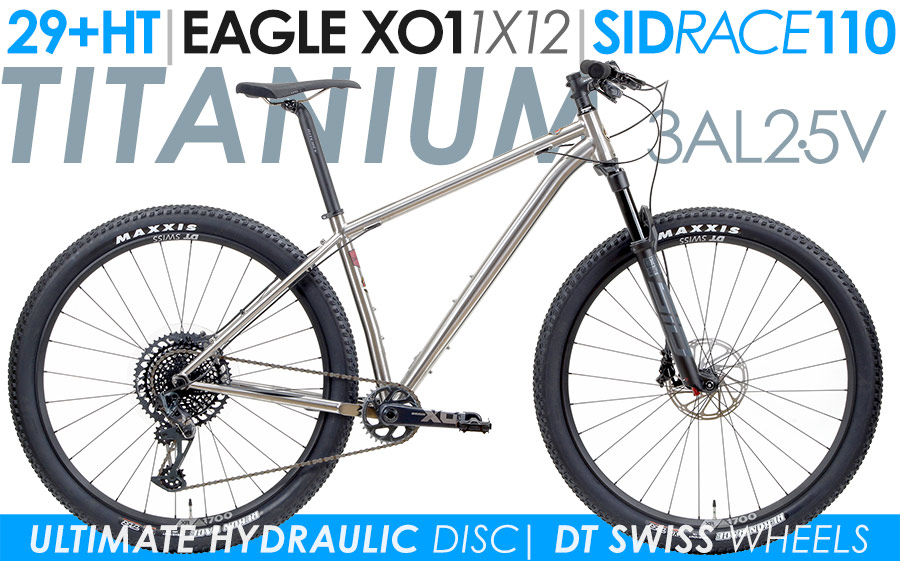
What Is a Hardtail Mountain Bike?
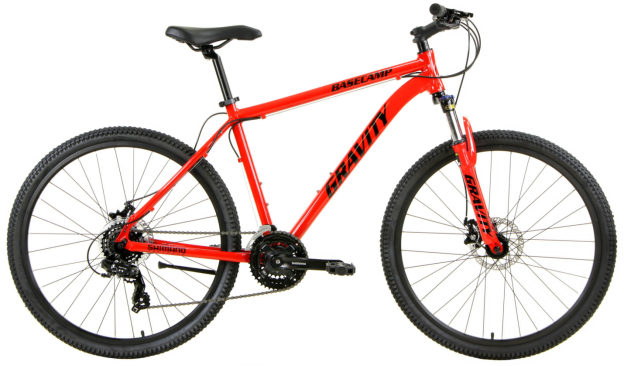
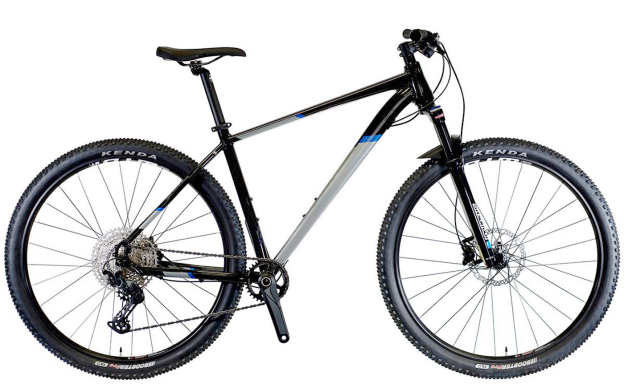
A hardtail mountain bike features a suspension fork in the front but a rigid frame in the rear. The rear triangle of the bike is fixed and does not move independently when encountering bumps.
This design makes hardtails mechanically simpler than full suspension bikes. Because the rear of the bike is rigid, the rider feels more of the trail directly through the frame and rear wheel. While that might sound uncomfortable, it actually provides advantages in efficiency and responsiveness.
Hardtails are widely used for cross-country riding, beginner trail riding, and situations where pedaling efficiency matters more than shock absorption. The direct power transfer from the rider to the rear wheel allows for efficient climbing and acceleration.
Another advantage of hardtail frames is reduced weight. Without rear suspension components such as pivots, linkages, and shock absorbers, hardtails typically weigh less than full suspension bikes. That lighter frame often translates into faster climbing and easier maneuverability.
However, the lack of rear suspension means the rider must absorb more trail impact with their legs and body. On smoother trails, this may not be noticeable, but on technical terrain, the difference becomes more obvious.
Understanding these characteristics is important when evaluating a hardtail vs full suspension mountain bike.
What Is a Full Suspension Mountain Bike?
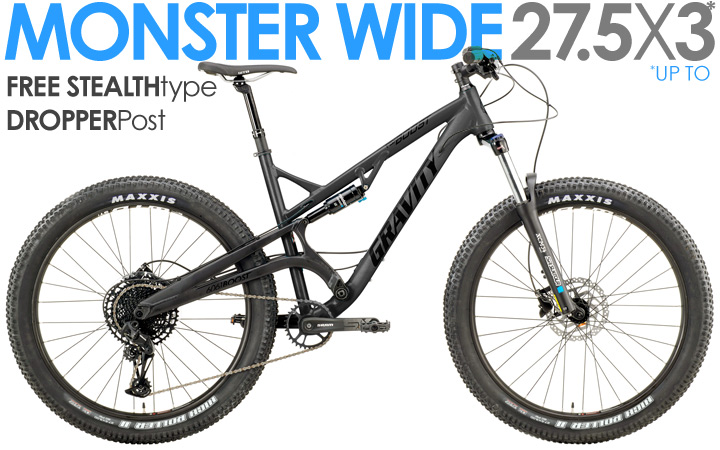
A full suspension mountain bike includes both front suspension and rear suspension. The rear shock system allows the rear triangle of the frame to move independently from the main frame, absorbing impacts from the ground.
This design significantly improves comfort and traction on rough terrain. When the rear wheel encounters rocks, roots, or drops, the suspension compresses and maintains contact with the ground. That consistent tire contact improves grip, braking performance, and overall control.
Full suspension bikes are commonly used for trail riding, enduro riding, and downhill riding where the terrain is more aggressive. Riders tackling steep descents, rock gardens, and technical trails often benefit from the added stability and impact absorption.
However, the extra suspension components add complexity and weight. Rear shocks, linkage systems, pivot bearings, and frame reinforcements all contribute to the bike’s overall weight and maintenance requirements.
Despite those factors, modern full suspension designs have improved dramatically in efficiency. Advanced suspension tuning and frame geometry now allow many bikes to climb effectively while still offering excellent downhill performance.
In the hardtail vs full suspension mountain bike debate, full suspension bikes tend to dominate on rough terrain where control and comfort are priorities.
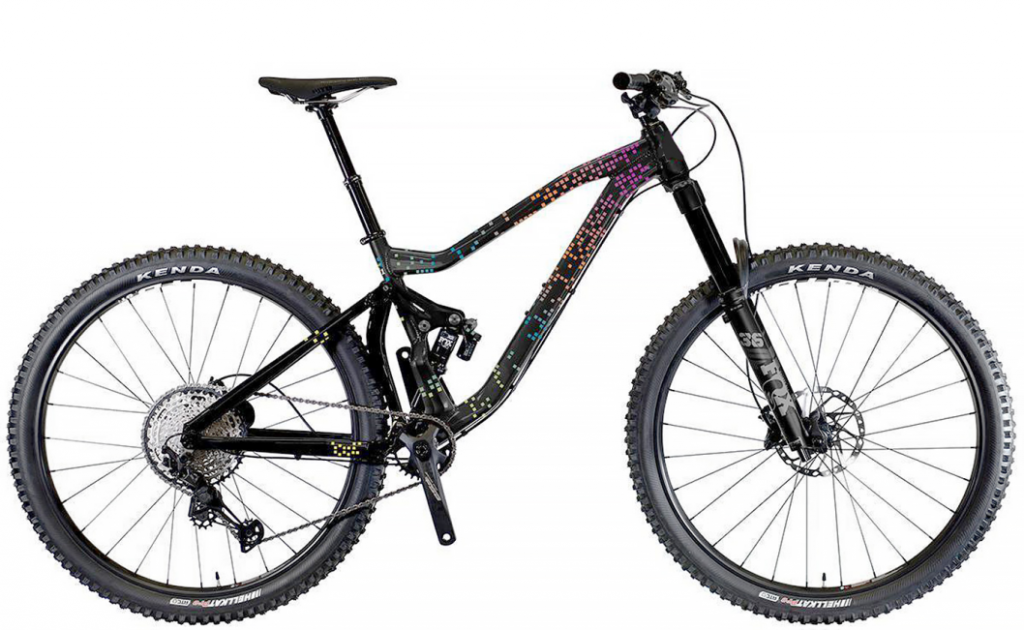
Comfort and Shock Absorption
Comfort is one of the most noticeable differences between a hardtail vs full suspension mountain bike. Suspension directly influences how much vibration and impact the rider experiences while riding.
Hardtail bikes rely solely on the front suspension fork to absorb impacts. While the fork helps smooth out bumps hitting the front wheel, the rear wheel transmits most of the terrain feedback directly into the frame and rider. On rough trails, this can lead to fatigue over longer rides.
Riders on hardtails often rely on technique to manage rough terrain. Standing on the pedals, bending the knees, and shifting body weight can help absorb impacts that the bike itself does not cushion.
Full suspension bikes distribute impact absorption between the front fork and the rear shock. When both wheels encounter obstacles, the suspension compresses and reduces the force transmitted to the rider. This creates a smoother ride, especially over repeated bumps or technical features.
The difference becomes particularly noticeable on long descents or rocky terrain. Riders using full suspension bikes often experience less fatigue because the bike absorbs a larger portion of the trail vibration.
While hardtails can still be comfortable on moderate trails, riders who frequently tackle rough terrain often prefer the added cushioning provided by full suspension systems.
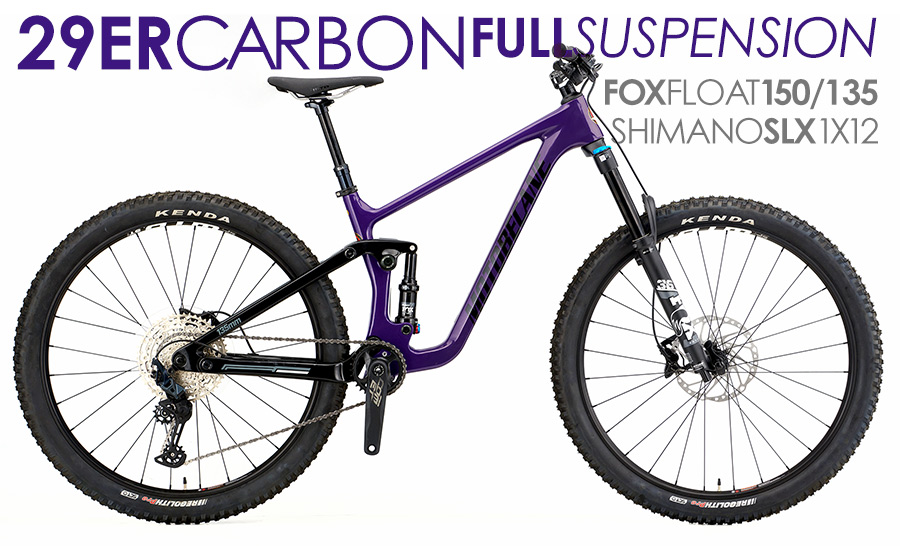
Climbing Efficiency and Pedaling Performance
Climbing efficiency is another critical factor when comparing a hardtail vs full suspension mountain bike. The design of the rear suspension can influence how efficiently power is transferred from the pedals to the rear wheel.
Hardtails excel in this area because the rear frame is rigid. Every pedal stroke transfers directly into forward motion without energy being absorbed by suspension movement. This direct power transfer often makes hardtails feel faster on climbs and flat terrain.
Because of this efficiency, many cross-country riders prefer hardtails for racing and long-distance trail rides where climbing speed matters.
Full suspension bikes historically struggled with pedaling efficiency due to what riders call “pedal bob.” This occurs when the rear suspension compresses slightly during pedaling, absorbing some of the rider’s energy.
Modern suspension designs have largely minimized this issue. Many bikes now include suspension lockout features or advanced linkage systems that reduce unwanted suspension movement while pedaling.
Even with these improvements, hardtails still tend to offer the most efficient climbing performance due to their simpler structure and lighter weight.
When evaluating a hardtail vs full suspension mountain bike, riders who prioritize climbing speed often lean toward hardtails.
Control and Handling on Technical Trails
Trail control is where full suspension bikes often stand out. When riding technical terrain filled with obstacles, maintaining traction and stability becomes critical.
Hardtail bikes require precise handling because the rear wheel cannot absorb impacts independently. On rocky trails or root-filled paths, the rear wheel may bounce or lose traction more easily.
Experienced riders can compensate for this by carefully choosing lines and adjusting body positioning. However, beginners may find technical terrain more challenging on a hardtail.
Full suspension bikes maintain better ground contact because the rear suspension allows the wheel to move vertically when encountering obstacles. Instead of bouncing off rocks or roots, the rear wheel stays planted on the trail.
This improved traction allows riders to maintain control during descents, cornering, and braking on uneven terrain.
In the hardtail vs full suspension mountain bike comparison, full suspension designs generally offer better control and confidence on difficult trails.
Weight and Bike Agility
Weight plays an important role in how a mountain bike feels on the trail. A lighter bike can accelerate faster, climb more easily, and feel more responsive during quick maneuvers.
Hardtail bikes usually weigh less because they lack rear suspension components. Without additional shocks, linkages, and reinforced frame structures, hardtails maintain a simpler design.
This lighter weight can make hardtails feel lively and agile, particularly on smoother trails where suspension travel is less necessary.
Full suspension bikes, on the other hand, include additional components that add weight. The rear shock, suspension pivots, and stronger frame construction required to support those systems all contribute to increased mass.
Although the weight difference has decreased as materials and engineering improve, hardtails still tend to be lighter overall.
When riders compare a hardtail vs full suspension mountain bike, those seeking maximum agility often appreciate the responsiveness of hardtail frames.
Maintenance and Long-Term Durability
Maintenance requirements can vary significantly between these two bike types. A hardtail vs full suspension mountain bike comparison often highlights the simplicity of hardtail designs.
Hardtail bikes contain fewer moving parts. Without rear shocks or linkage systems, there are fewer components that require servicing. Routine maintenance usually involves the suspension fork, drivetrain, brakes, and tires.
This simplicity often translates to lower long-term maintenance costs and easier repairs.
Full suspension bikes contain multiple pivot points, bearings, and suspension components that require periodic servicing. Rear shocks may need tuning, seals may require replacement, and linkage bearings may wear over time.
While modern designs are highly durable, maintaining a full suspension bike typically requires more attention.
For riders who prefer mechanical simplicity and lower maintenance, hardtails often provide a practical advantage.
Cost Differences
Cost is often one of the biggest deciding factors when choosing a hardtail vs full suspension mountain bike.
Hardtail bikes generally cost less because they use fewer components and simpler frame designs. This makes them a popular option for beginners entering the sport or riders seeking a reliable mountain bike without a large investment.
Full suspension bikes typically cost more due to the complexity of their frames and suspension systems. High-quality rear shocks, engineered linkage systems, and reinforced frames all contribute to higher manufacturing costs.
While full suspension bikes offer significant performance advantages in certain conditions, riders should consider whether those benefits align with their riding style and trail preferences.
Budget often plays a key role in determining which option makes the most sense.
Choosing the Right Mountain Bike for Your Riding Style
Selecting the right mountain bike depends on how and where the bike will be used.
Riders who primarily ride smooth trails, gravel paths, or moderate cross-country terrain often find hardtails perfectly suited for their needs. The efficiency, simplicity, and lower cost make hardtails appealing for riders who value speed and climbing performance.
On the other hand, riders who frequently encounter rocky trails, steep descents, or technical terrain often benefit from the additional control and comfort of full suspension bikes.
Skill level also plays a role. Beginners sometimes appreciate full suspension bikes because they provide greater stability and forgiveness when navigating obstacles.
Experienced riders may enjoy the direct feedback and efficiency of hardtails, especially when riding less technical trails.
Understanding personal riding goals is essential when deciding between a hardtail vs full suspension mountain bike.
Final Thoughts on Hardtail vs Full Suspension Mountain Bikes
The debate between a hardtail vs full suspension mountain bike continues because both designs offer legitimate advantages depending on how the bike is used. Hardtails provide efficiency, simplicity, and lighter weight, making them excellent for cross-country riding and riders who prioritize climbing performance.
Full suspension bikes deliver superior comfort, traction, and control on challenging trails. Riders tackling rough terrain, long descents, or technical routes often appreciate the added stability these bikes provide.
Ultimately, the right choice depends on riding style, terrain, experience level, and budget.
Find the Right Mountain Bike for Your Riding Style
At BikesDirect, we believe every rider deserves a mountain bike that matches their riding style and trail goals. Whether you prefer the efficiency of a hardtail or the advanced control of a full suspension design, our lineup includes options engineered for performance, durability, and real trail capability.
Explore our collection of mountain bikes to compare frames, suspension systems, and trail-ready designs built for riders at every level. The right bike can transform how you ride, making climbs easier, descents smoother, and every trail more enjoyable.