

Fear stops more new cyclists than fitness ever will. It’s not speed. It’s not distance. It’s instability. Wobbly steering. Harsh bumps. Unpredictable braking. Those sensations create hesitation. The right beginner-friendly bikes are engineered to remove that fear before it grows. Confidence on a bike is not accidental. It’s designed.
Stability Begins With Geometry
Frame geometry determines how a bike behaves before you pedal a single stroke.
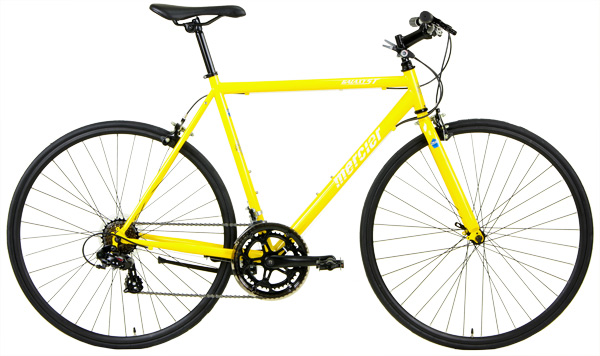
Beginner-focused designs prioritize stability over aggression. A relaxed head tube angle slows steering slightly. A longer wheelbase increases balance. A higher handlebar keeps posture upright. That upright position reduces strain on wrists and neck. It also improves visibility in traffic. Many new riders find that a hybrid bike offers this exact balance of comfort and control. It feels steady at low speeds and predictable when turning.
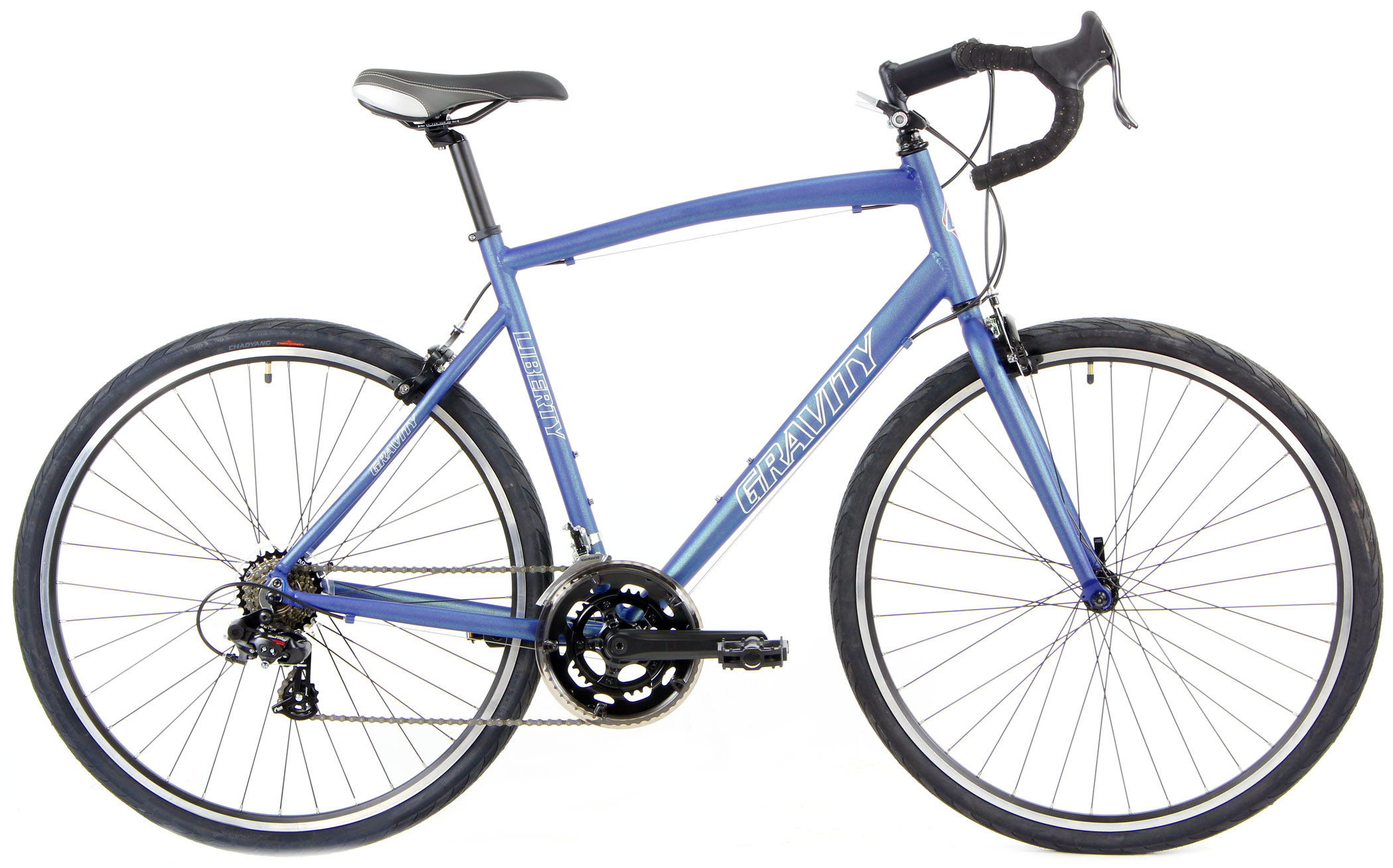
Contrast that with a performance-focused road bike. It’s lighter and faster. But its forward-leaning position and quick steering can feel twitchy for someone just starting out. That doesn’t make it bad. It just means the rider must adapt faster. Beginner-friendly bikes reduce that learning curve.
Tire Width Changes Everything
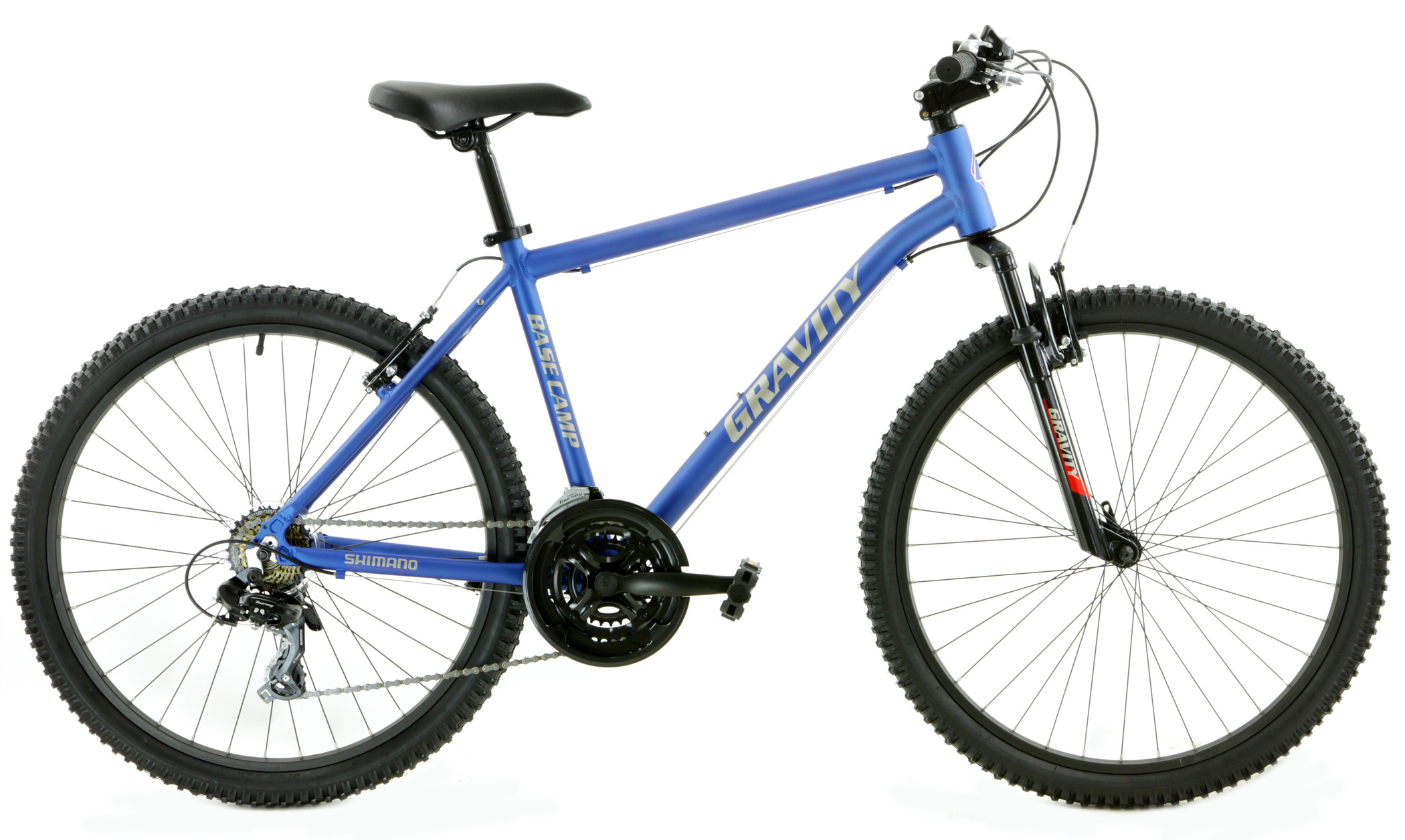
Tires influence confidence more than most riders realize. Wider tires increase contact with the ground. That adds grip and stability. On a mountain bike, larger-volume tires cushion small bumps automatically. The rider feels less vibration and less surprise from uneven pavement. Even when used on city streets, those tires provide reassurance. A gravel bike balances width with efficiency. It rolls smoothly on pavement yet grips loose surfaces. For new riders unsure where they’ll ride, this versatility reduces anxiety. Wider tires also allow lower pressure. That softens impact. The result is a calmer, more forgiving ride.
Predictable Handling Reduces Panic
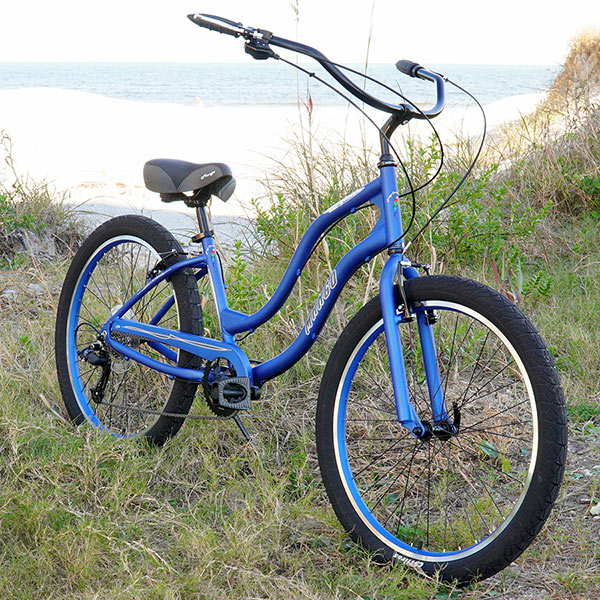
New riders fear sudden movements. Fast steering or abrupt shifts in balance create tension. A beach cruiser is a strong example of comfort-first handling. Its relaxed geometry and wide tires promote slow, stable turns. There’s no urgency in the design. Everything feels easy. That ease matters. When a bike responds gradually instead of sharply, the rider stays relaxed. Relaxed riders make smoother decisions.
The same principle applies to entry-level hybrid bike models. They blend moderate steering speed with stability. The bike tracks straight without constant correction. That predictability builds trust.
Braking Confidence Is Psychological
Stopping power influences fear as much as balance. Reliable brakes allow new riders to explore without anxiety. Modern bikes often include disc brakes. These systems provide consistent stopping performance in varied conditions. When a rider knows they can slow down smoothly, hesitation fades. On a road bike, braking is sharp and efficient. On a mountain bike, braking is controlled and powerful. Both can inspire confidence when properly adjusted. Beginner-friendly bikes don’t just stop quickly. They stop predictably. That distinction matters.
The Role of Wheel Size
Wheel size affects how a bike rolls over obstacles. Larger wheels maintain momentum and smooth imperfections. A gravel bike with 700c wheels glides over cracks that might jar smaller wheels. A fat bike takes cushioning further, combining large diameter wheels with oversized tires. The result is exceptional shock absorption. For riders intimidated by rough pavement or loose paths, that comfort removes hesitation.
Low Standover Height Matters
Many new riders worry about falling at stops. Frame design addresses this directly. Lower top tubes make mounting and dismounting easier. Riders can plant their feet quickly. That immediate security builds confidence. Step-through designs, often found on comfort-focused hybrid bike options and certain cruiser styles, remove intimidation entirely. There’s no awkward swing-over motion. Just simple access. This design detail alone prevents countless beginner fears.
Speed Is Not the Goal
Fear often stems from pressure to ride fast. Beginner-friendly bikes reject that premise. A beach cruiser emphasizes smooth rolling and relaxed cadence. A fat bike focuses on traction and float. Neither prioritizes speed. Both prioritize control. Even an entry-level road bike can feel comfortable when fitted properly and ridden at moderate pace. The key is matching design intent to rider expectation. When riders stop chasing speed, they start enjoying motion.
Weight and Balance
Lightweight frames feel responsive but too much responsiveness can overwhelm beginners. A slightly heavier mountain bike can feel planted. The bike tracks straight and resists sudden deflection from small obstacles. That planted sensation translates to emotional stability. Balance is more important than minimal weight for first rides.
Confidence grows from steadiness, not grams saved.
Environment Shapes Fear
New riders often start on pavement, while others try gravel paths or park trails. Choosing the wrong bike for terrain increases stress. A narrow-tire road bike on loose gravel feels unstable. A heavy fat bike on smooth pavement may feel sluggish but when terrain and bike align, anxiety drops.
- A gravel bike for mixed paths.
- A hybrid bike for commuting and fitness.
- A mountain bike for uneven surfaces.
- A beach cruiser for relaxed neighborhood rides.
- A fat bike for sand or snow.
Fit the tool to the environment. Fear fades quickly.
The Importance of Value Transparency
New riders also fear making the wrong purchase. That’s where clear specs and honest pricing matter. A straightforward price comparison helps buyers understand what they’re paying for. Frame materials, tire width, brake type, these are practical factors, not marketing noise. When customers see transparent specifications and competitive pricing, uncertainty declines. Informed riders feel empowered. Confidence starts before the first ride.
Small Design Choices, Big Emotional Impact
Beginner-friendly bikes focus on:
- Upright posture
- Stable steering angles
- Wider tires
- Lower standover heights
- Predictable braking
- Balanced wheel size
Each element reduces cognitive load. Less tension means better focus. Better focus means safer riding. Confidence is engineered detail by detail.
Fear rarely comes from inability. It comes from unpredictability. When geometry feels stable, tires grip consistently, and braking responds smoothly, new riders relax. That relaxation unlocks enjoyment. Beginner-friendly bikes are not slower or lesser. They are intentionally designed to support early confidence and confidence is what keeps riders coming back.
Find Your Confidence at BikesDirect.com
The right bike removes hesitation before it starts. At BikesDirect.com, explore stable, confidence-building options designed for real-world riding. Compare features, review specs, and make an informed price comparison before you buy.
At BikesDirect.com, you’ll find thoughtfully engineered aluminum options across every major category. Compare specifications confidently, review assembly guidance in the FAQ, and reach out directly through the Contact page for expert support.
Ready to ride lighter? Browse the full collections:
Ride with confidence from day one.