Most riders remember the first time a bike surprised them—not with speed, but with how smooth it felt. The road was rough, the pavement imperfect, yet the bike seemed to float instead of rattle. That experience rarely comes down to frame material or fancy components. More often, it’s wheel size quietly doing the heavy lifting. When it comes to bike wheel size comfort, diameter matters far more than many cyclists realize, especially for everyday riding across mixed surfaces.
Speed tends to dominate conversations about wheels, but comfort is what keeps riders pedaling longer, riding more often, and enjoying the journey. Understanding how wheel size affects ride quality can help cyclists choose bikes that feel right instead of just looking right on paper.
Why Wheel Size Influences Comfort So Much
At its core, wheel diameter determines how easily a bike rolls over imperfections. Larger wheels approach bumps at a shallower angle, which reduces the jolt transferred to the rider. Smaller wheels hit those same bumps more abruptly, sending sharper feedback through the frame.
This isn’t theory—it’s physics at work on every crack, curb edge, and patch of gravel. Tire volume and pressure matter too, but wheel size sets the foundation for how forgiving a bike feels before suspension or tire width even enters the conversation.
The Comfort Advantage of Larger Diameter Wheels
Larger wheels maintain momentum more easily and smooth out uneven surfaces. That’s why many riders describe bikes with bigger wheels as calmer or more stable, even at moderate speeds.
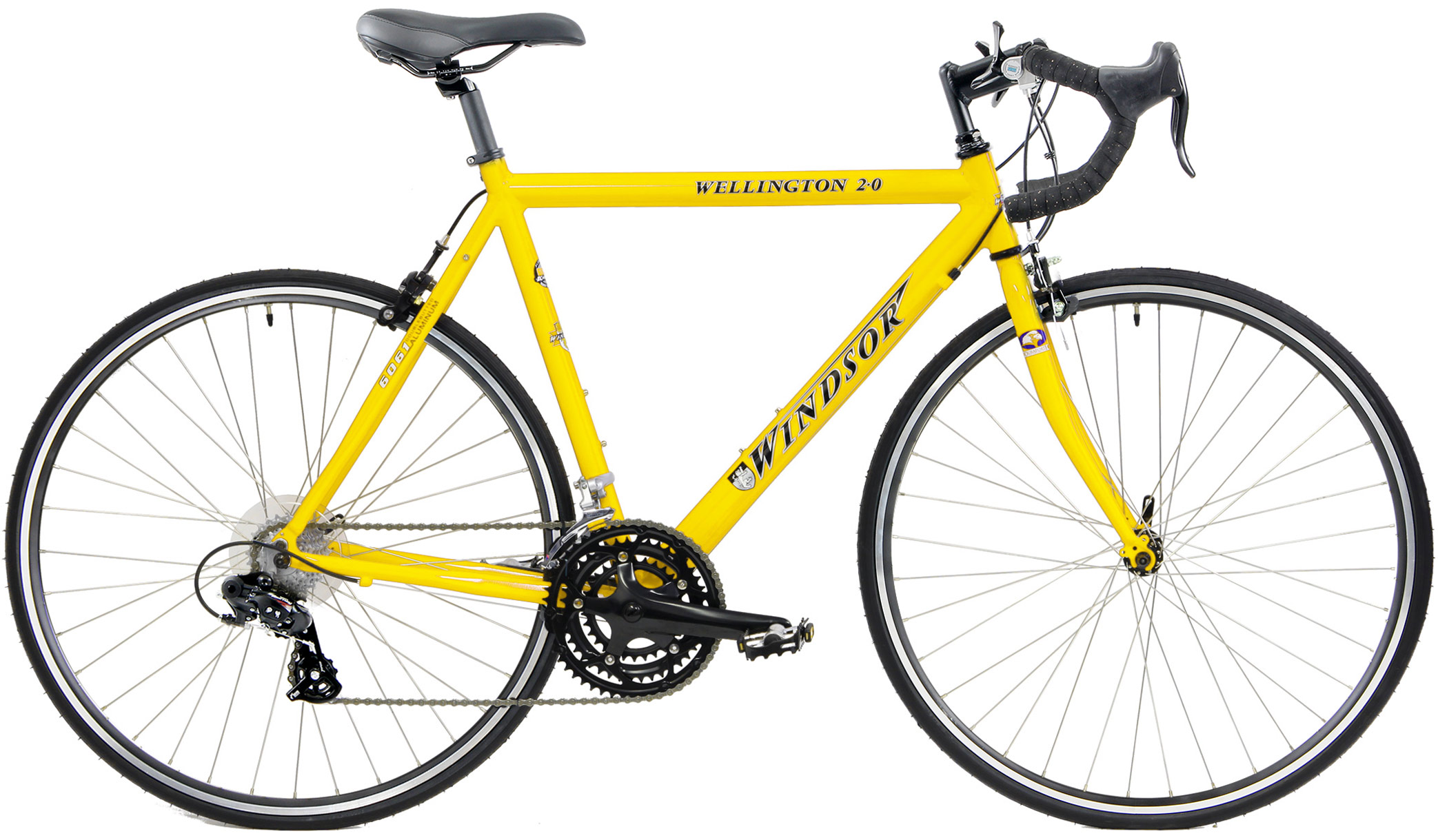
On a road bike, 700c wheels dominate not because they’re trendy, but because they balance efficiency and comfort. They roll cleanly over small imperfections and reduce fatigue during long rides. Even though road bikes prioritize speed, riders often notice comfort benefits first.
This same principle carries into other categories where ride quality matters more than outright acceleration.
How Wheel Size Shapes Everyday Hybrid Comfort
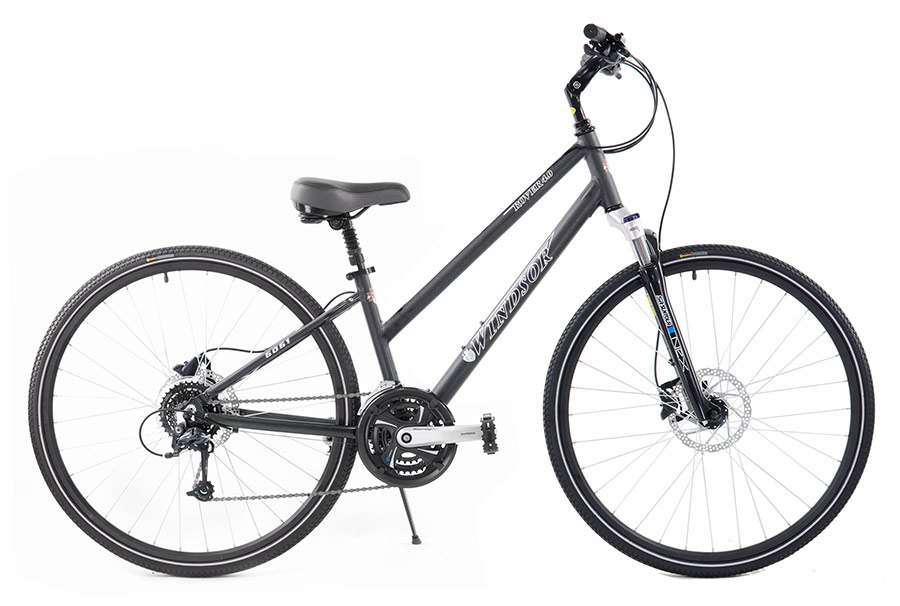
Hybrid bikes are designed for versatility, so comfort plays a central role. Most modern hybrid bike models use 700c wheels similar to road bikes, but with wider tires and lower pressures. That combination creates a forgiving ride that absorbs cracks, expansion joints, and light gravel without feeling sluggish.
For commuters and fitness riders, this wheel size strikes an ideal balance. The bike feels stable and predictable, reducing strain on hands, wrists, and lower back over repeated rides. In daily use, this comfort advantage often matters more than minor speed differences.
Gravel Bikes and the Comfort of Rolling Over Chaos
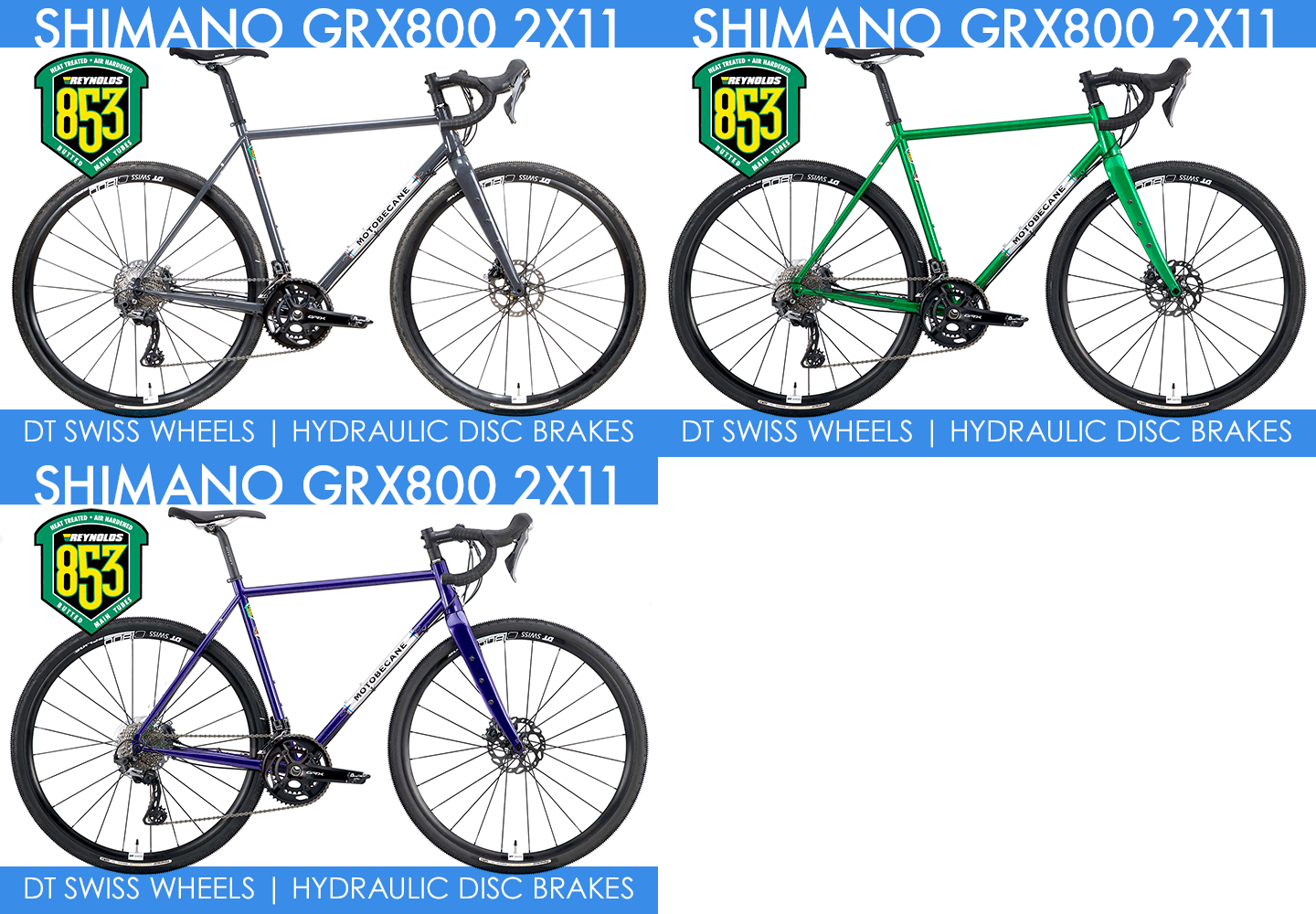
Gravel riding exposes wheel size benefits immediately. Loose surfaces, washboard roads, and unpredictable terrain punish small wheels. A gravel bike typically uses 700c or slightly smaller 650b wheels, depending on design intent.
Here, comfort becomes adjustable. Larger 700c wheels excel at smoothing long stretches of rough gravel, while 650b wheels paired with wider tires add cushioning and traction. Both prioritize comfort over speed, but they do so in slightly different ways. Riders often choose based on terrain rather than fitness level.
Mountain Bikes: When Diameter Dictates Confidence
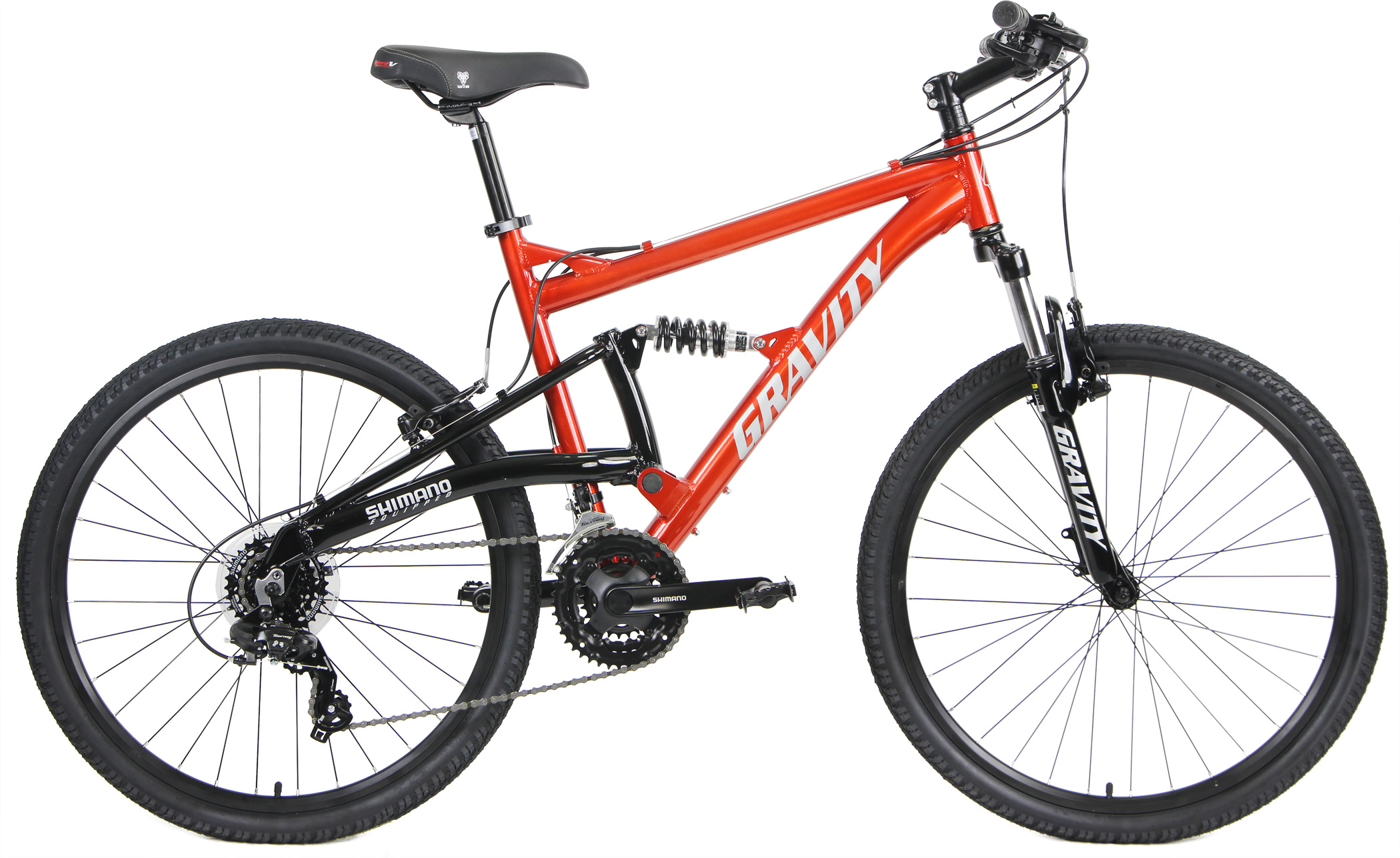
Mountain biking may seem like a suspension-first conversation, but wheel size still plays a massive role. The shift from 26-inch wheels to 27.5 and 29-inch wheels transformed how trail bikes feel.
A mountain bike with 29-inch wheels rolls over roots and rocks with less drama, offering smoother momentum and improved stability. Riders feel less pitched forward on obstacles, which reduces fatigue and builds confidence.
Smaller wheels remain popular for maneuverability, but for comfort-focused trail riders, larger diameters often win. The ride feels calmer, especially on longer or rougher routes.
Fat Bikes and the Ultimate Comfort Formula
If comfort had a visual representation, it would probably look like a fat bike. While tire width steals the spotlight, wheel diameter still contributes significantly to ride feel.
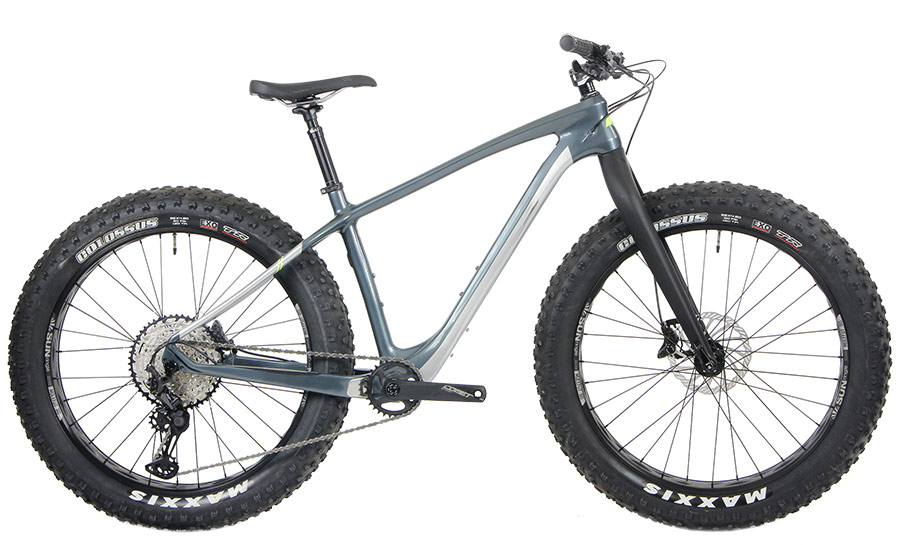
Fat bikes use large-diameter wheels combined with massive tires run at low pressure. This setup creates unmatched shock absorption on sand, snow, and broken terrain. The wheel size helps maintain forward motion while the tires smooth out everything beneath them.
Speed takes a back seat here, but comfort and control take center stage—exactly what many riders want in extreme conditions.
Beach Cruisers and the Comfort-First Mindset
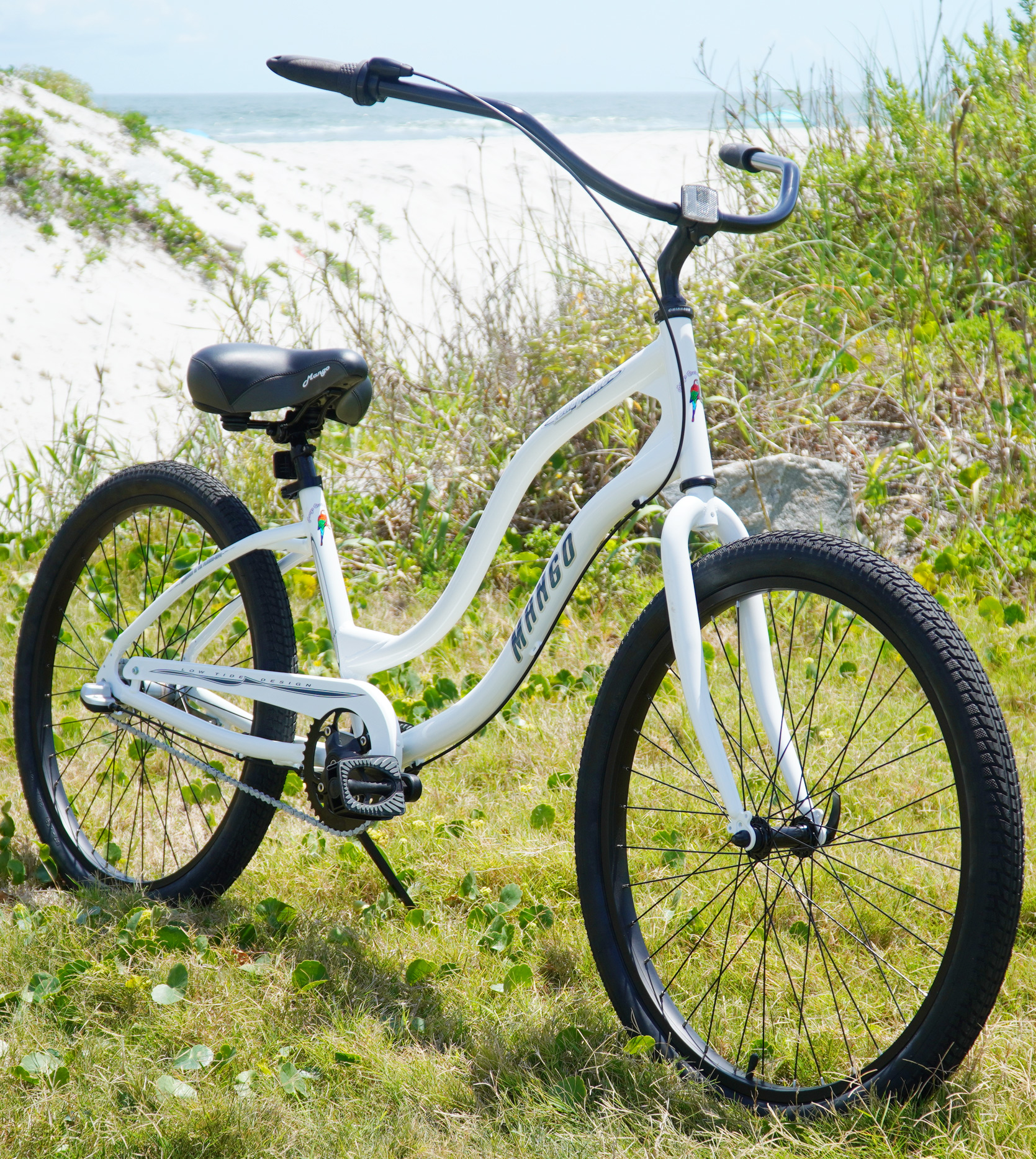
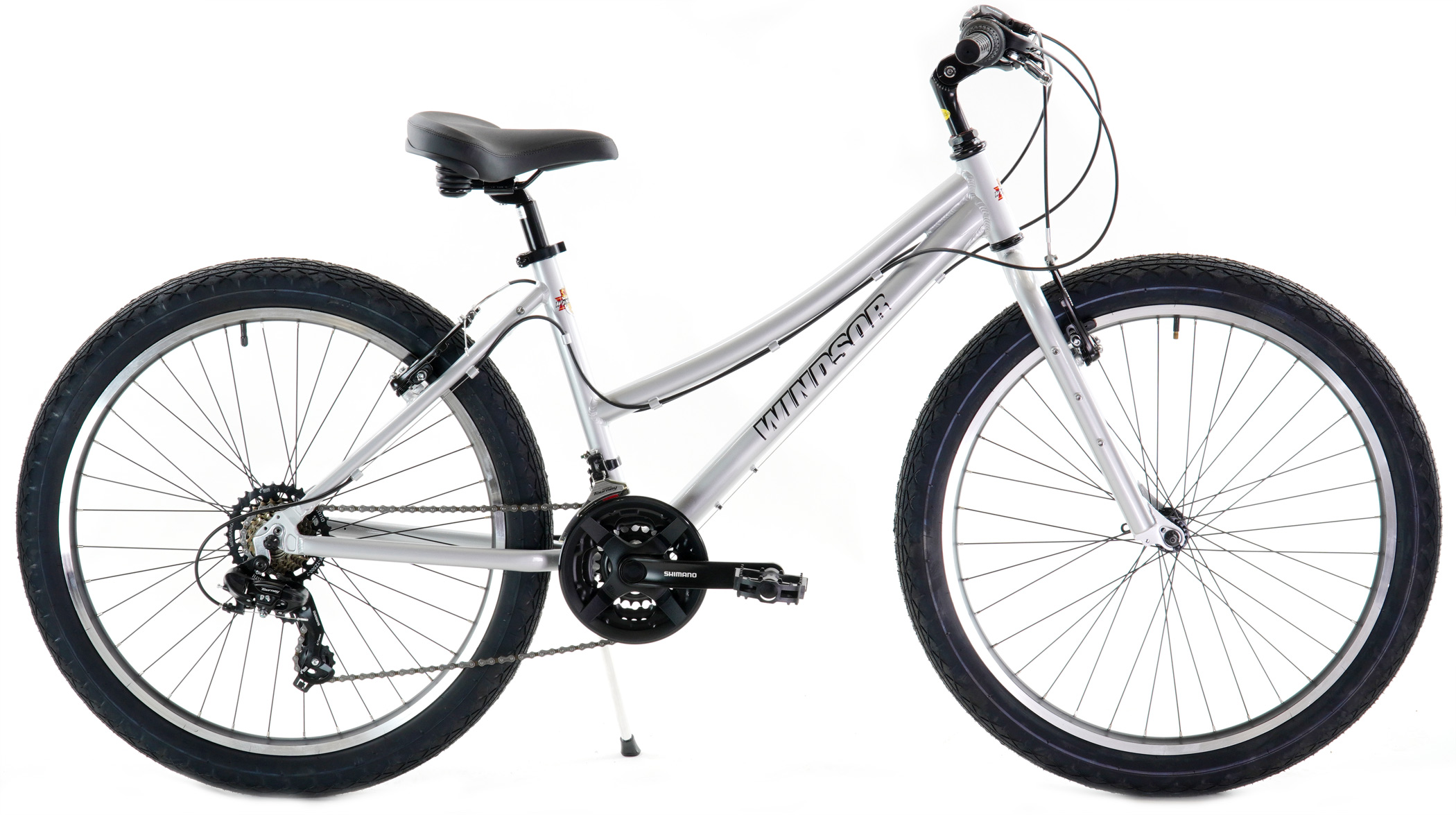
Comfort doesn’t always involve technical terrain. A beach cruiser is built around relaxed geometry and forgiving wheels. Many cruisers use 26-inch wheels, which may be smaller than modern road or hybrid wheels but are paired with wide, cushioned tires.
This combination softens bumps at low speeds and keeps handling predictable. For casual riding along boardwalks or neighborhood streets, the comfort equation prioritizes ease and stability over efficiency.
Smaller wheels respond more quickly to steering input, which can feel lively and fun. In urban environments with frequent stops and tight turns, that responsiveness has value.
Comfort suffers only when the wheel size doesn’t match the terrain or usage. A smaller wheel on rough pavement transmits more vibration. On smooth surfaces, it can feel perfectly fine. This is why wheel size choices should reflect where and how the bike will be ridden, not just rider height or trends.
Tire Size and Pressure Complete the Comfort Picture
Wheel diameter sets the stage, but tires finish the performance. Wider tires at lower pressure amplify the comfort benefits of larger wheels. Narrow, high-pressure tires reduce comfort regardless of diameter.
The key takeaway for bike wheel size comfort is synergy. Wheel size, tire width, and pressure work together. Choosing a bike with the right wheel diameter allows riders to fine-tune comfort later through tires without changing the entire setup.
Comfort Keeps Riders Riding
Speed impresses on short rides. Comfort determines longevity. Riders who feel less beaten up ride farther, more often, and with greater confidence. Wheel size quietly shapes that experience every mile.
When bikes feel forgiving instead of punishing, cycling becomes part of daily life rather than an occasional challenge.
The Bottom Line on Wheel Size and Comfort
Wheel size isn’t about chasing marginal gains. It’s about shaping how a bike feels beneath you. Larger wheels smooth the ride, reduce fatigue, and increase confidence across most riding styles. Smaller wheels offer agility but demand smoother surfaces to stay comfortable.
Choosing the right diameter ensures the bike supports your body instead of fighting it. That’s the real advantage of understanding bike wheel size comfort.
Find Your Smoothest Ride at Bikesdirect.com
Comfort starts with the right foundation. At Bikesdirect.com, explore bikes designed with wheel sizes that match how you actually ride—whether that’s long pavement miles, mixed gravel routes, relaxed cruising, or trail adventures. Choose a bike that absorbs bumps, reduces fatigue, and keeps every ride enjoyable instead of exhausting. When your wheels work with the terrain, comfort follows naturally, mile after mile.
If riders argue about one number more than gear inches or rim depth, it’s tire width. In 2025, the “right” width isn’t just fashion, it’s physics you can feel. Wider casings at honest pressures can roll faster on real roads, corner with more security, and reduce fatigue, while too-wide or too-narrow pairings can sabotage handling and speed. In this guide we break down what 28 mm, 32 mm, and 40 mm actually do beneath you; how rim width, casing construction, and tubeless pressure interact; why your routes and body weight matter; and how to choose a width that transforms your everyday rides. We’ll ground the advice in real bikes from our lineup, from road to gravel to flat-bar fitness, so you can see how the numbers translate on the path, the lane, and the long Sunday loop.
We’ll use “road” to mean primarily paved rides, “all-road” for pavement plus light gravel, and “gravel” for mixed surfaces where unpaved miles are a feature, not a surprise. The headline: 28 mm is still the aero-friendly racer’s friend, 32 mm is the modern endurance sweet spot for many riders, and 40 mm is the control-and-comfort king for mixed terrain. But the best choice depends on your roads, your speed, and your frame and rim.
Why Width Matters More Than Ever
Three changes reshaped the tire discussion:
Rough real-world surfaces. Chipseal, patched lanes, brick, and frost cracks dominate everyday routes. On these surfaces, “impedance losses”, energy absorbed by your body and bike, often exceed pure hysteretic rolling losses inside the tire. A wider tire at lower pressure reduces those losses and can be faster than a narrow, high-pressure tire.
Wider rims. Modern internal rim widths support larger casings in a rounder profile. A round profile keeps the contact patch centered and the sidewalls working efficiently, improving grip and predictable cornering.
Tubeless. Removing inner tubes reduces friction inside the tire and allows lower pressures with less risk of pinch flats. Sealant quietly closes micro punctures so you keep rolling.
Put together, these make 28–40 mm tires viable and quick across far more bikes and routes than even a few years ago.
The Feel of 28 vs 32 vs 40, In Plain Language
28 mm: snappy, aero-friendly, and precise. On good pavement at moderate-to-high speeds, 28s feel lively. They still benefit from lower pressures than “old school” norms, but their smaller air volume gives a firmer ride over rough patches. On long, smooth rides or fast group efforts, 28s hold speed without feeling sluggish, especially on aero-leaning road bikes that pair with mid-depth wheels.
32 mm: calm speed. The extra air volume softens chatter, keeps traction over broken surfaces, and reduces fatigue without feeling slow. For most endurance road riders and commuters on imperfect tarmac, 32s hit the best balance: fast enough in a paceline, forgiving enough at 6 p.m. into a headwind, and confidence-boosting in rain.
40 mm: control and comfort unlocked. On chipseal, rough shoulders, towpaths, and light gravel, 40s maintain momentum where narrow tires ping and skip. Cornering feels planted, braking distances shrink in the wet, and you can explore cut-throughs and backroads without route anxiety. They’re not just for gravel bikes; many “all-road” and even some endurance frames now clear 40s.
Real Bikes That Bring the Width Debate to Life
We design our complete bikes around modern tire reality, so the frame and wheel choices you make keep options open:
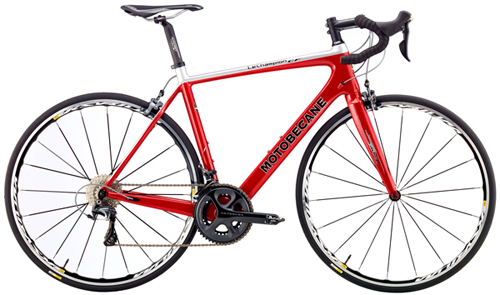
A carbon endurance road platform like the Motobecane Le Champion CF LTD accepts modern tire sizes that make 28s and 32s both viable depending on your routes and priorities. Check it here:Le Champion CF LTD.
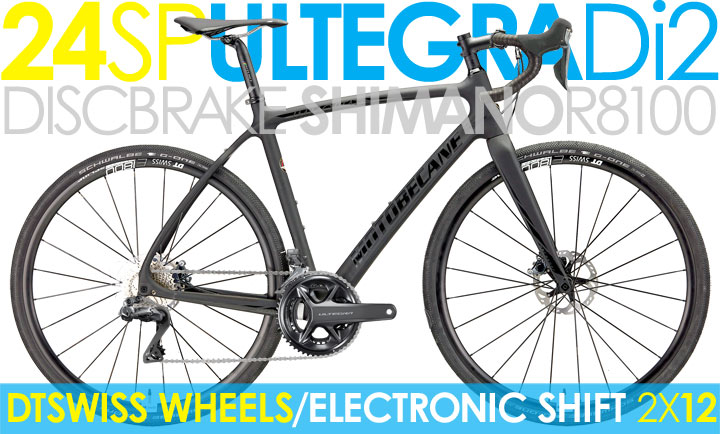
If you want carbon smoothness plus electronic precision on wet or rolling routes, the Immortal Disc Team Di2 is a natural home for 28s in summer and 32s for shoulder seasons:Immortal Disc Team Di2.
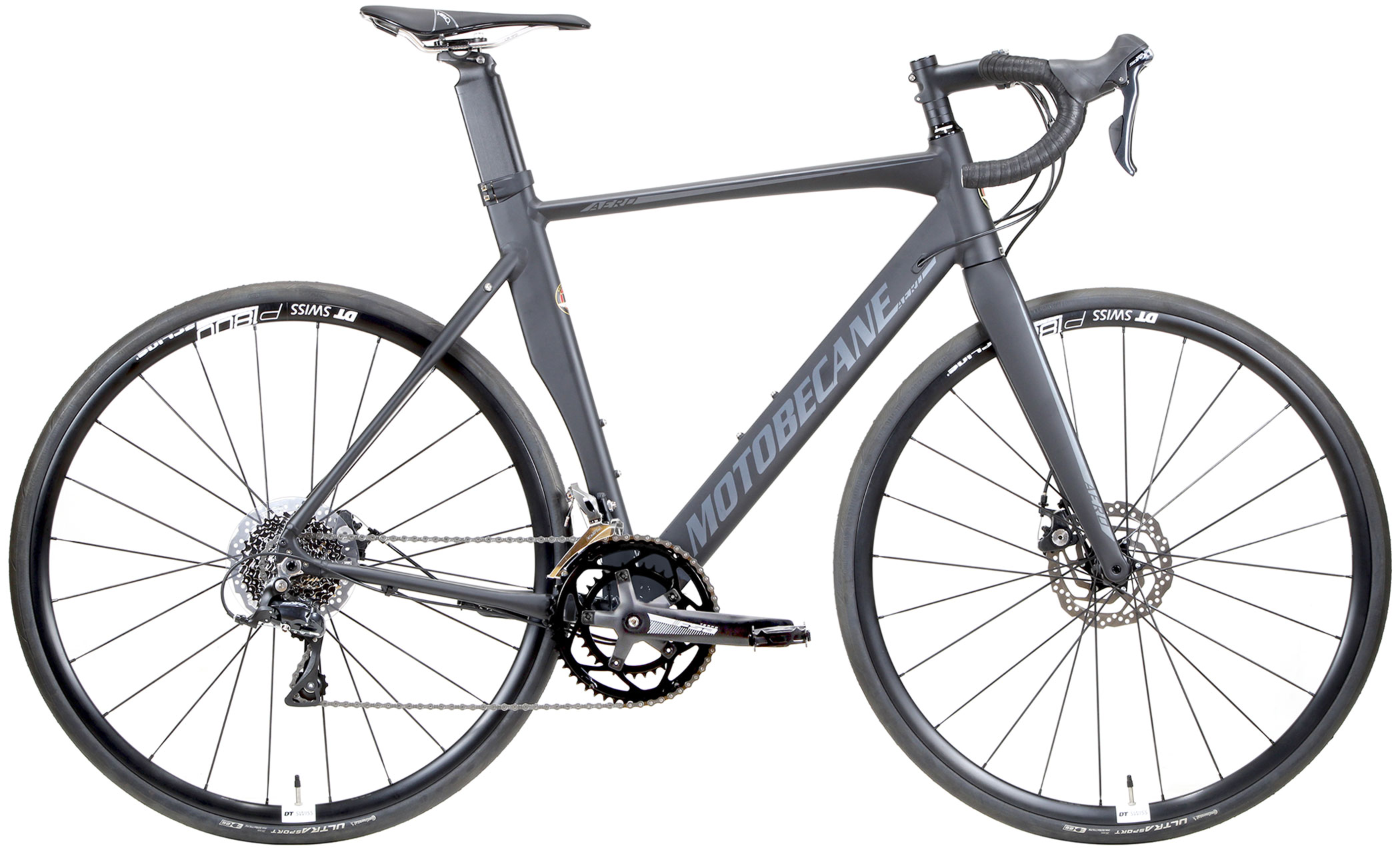
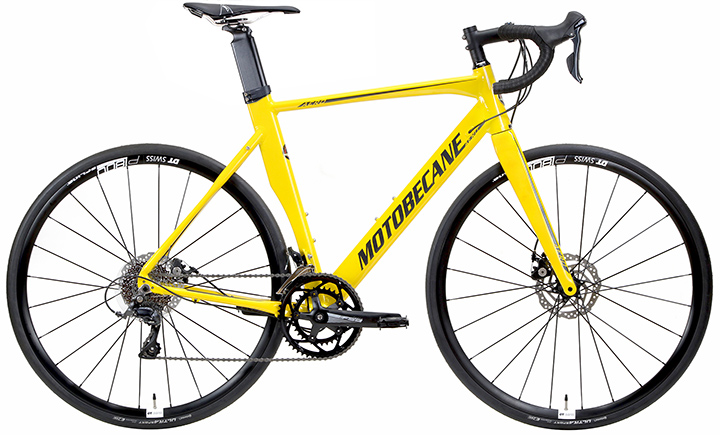
Riders who live on flatter terrain or love “hold speed” efforts can enjoy 28s on a fast platform such as the Fast Aero Road Elite Disc, while still stepping up to 30–32 mm for rougher centuries:Fast Aero Road Elite Disc.
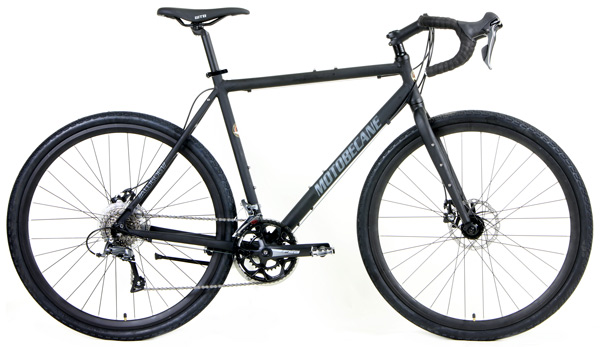
For mixed-surface curiosity or outright gravel bike fun, the Gravel X3 Disc is built to make 38–45 mm shine on wider rims at tubeless pressures:Gravel X3 Disc.
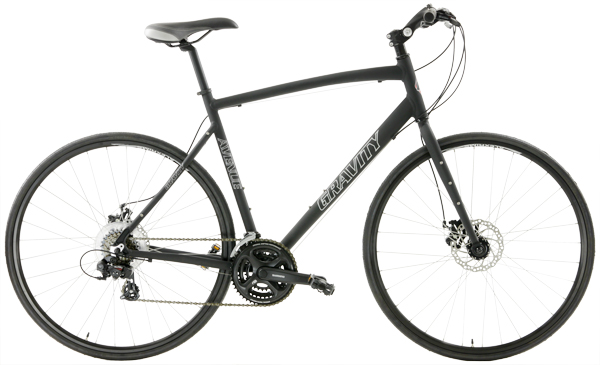
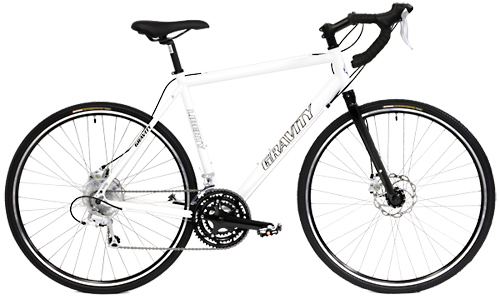
Prefer flat-bar comfort with fitness pace and commuter practicality? The Gravity Avenue FXD Disc pairs brilliantly with 32–38 mm for city calm and weekend loops:Avenue FXD Disc.
These frames accept sensible width ranges, so you can change character by swapping tires rather than whole bikes.
Rim Pairing: Why Internal Width and Tire Width Must Get Along
The tire’s shape decides much of its feel. On too-narrow rims, a wide tire “lightbulbs,” making cornering vague. On too-wide rims, a narrow tire can square off, losing comfort and risking pinch at realistic pressures.
As a rule of thumb:
Road tires 28–32 mm are happiest on rims with ~19–23 mm internal width.
All-road/gravel tires 38–45 mm shine on ~23–25+ mm internal width.
That range yields a round profile, consistent sidewall support, and a contact patch that stays centered when you lean. If you’re unsure, match the middle: a 21–23 mm internal road rim plays well with 28–32; a 23–25 mm internal gravel rim loves 38–45.
Pressure: The Number That Makes or Breaks Your Choice
Pressure is where width pays off, or gets wasted. The goal is to run the lowest pressure that still supports cornering and protects rims. Too high, and the bike chatters, skips on painted lines, and beats you up; too low, and it wallows in turns or risks rim strikes.
Because pumps and gauges vary, treat these as starting points for tubeless setups, adjusting by 1–2 PSI at a time:
28 mm road: • ~60–70 PSI (riders ~55–70 kg) • ~65–80 PSI (riders ~70–85 kg) • ~75–90 PSI (riders ~85–100 kg)
32 mm endurance: • ~45–55 PSI (55–70 kg) • ~50–65 PSI (70–85 kg) • ~60–75 PSI (85–100 kg)
40 mm all-road/gravel: • ~28–34 PSI (55–70 kg) • ~32–38 PSI (70–85 kg) • ~36–44 PSI (85–100 kg)
Run tubes? Add ~5–8 PSI. Ride smoother roads? You might creep 2–3 PSI higher; ride coarse chipseal or light gravel? Drop a touch. The correct pressure is the one that makes the ride quiet in your hands while staying composed in corners.
Rain and cold adjustments
Lower grip in wet conditions isn’t about magic compounds alone. Drop 2–3 PSI to improve conformity on slick paint and manhole covers. Cold weather stiffens casings; check pressure immediately before rolling, not the night before.
Rolling Resistance vs. “Suspension” Losses: Why Wider Can Be Faster
Classic rolling resistance tests on glass-smooth drums favored narrow, high-pressure tires. Real roads aren’t drums. When the surface is rough, energy gets lost in you, your muscles and soft tissues, because the bike is shaking you. Wider tires at lower pressures reduce that shake, lowering total losses. That’s why riders often see equal or better speeds on 32s compared to 25s on rough pavement at the same effort. Similarly, 40s on hardpack gravel can roll astonishingly well because they keep momentum through washboard instead of bouncing on top.
The caveat: at very high speeds on truly smooth pavement, narrower can still win aerodynamically. That’s where 28s paired to mid-depth rims on a fast bike still make perfect sense, particularly for race-leaning riders.
Cornering and Braking Confidence
Width shapes the size and stability of the contact patch. With correct pressure, a 32 will feel more forgiving mid-corner than a 28, letting you carry speed through imperfect lines. A 40 at proper PSI gives remarkable bite on dusty shoulders and wet chipseal, and it shortens braking distances by keeping the tire keyed into the surface rather than skittering. If you’ve ever flinched over a surprise patch of fresh gravel in a turn, you’ll appreciate the extra margin of wider casings.
Aerodynamics: Matching Tire and Rim
A tire wider than the external rim can disturb clean airflow, eroding some of the aero benefit of deep wheels. Modern rims often aim for an external width slightly wider than the tire’s true measured width to maintain a smooth shape. On many mid-depth road rims, a labeled 28 measures ~29–30 mm, still a good match. On very wide, modern aero rims, a 30–32 can pair acceptably, especially for endurance priorities. For 40 on gravel, aero is secondary to control and stability, but some gravel rims are now shaped to keep airflow polite at mixed speeds.
If your routine is 18–22 mph in the wind, we’ll help you pick a rim-tire combo that keeps aero honest. If your routine is multi-surface exploration, we’ll keep the focus on stability and comfort first.
Frame Clearance and Reality Checks
Not every frame clears every width. Measure with your wheels. A safe rule is at least 3–4 mm of clearance each side under load, more if you ride mud or gravel. Brakes, stays, seat tube cutouts, and fenders all constrain choices. The good news: many endurance road frames now clear 32 easily, and all-road/gravel frames take 40 without drama. Our product pages list clearances so you can match the width you want to the bike that makes it simple, whether that’s the Le Champion CF LTD for 28/32 flexibility, the Fast Aero Road Elite Disc for aero with modern tire room, the Immortal Disc Team Di2 for foul-weather precision, the Gravel X3 Disc for 40+ ease, or the Avenue FXD Disc for comfy, quick flat-bar commuting.
Tubeless vs. Tubes: Which Suits Which Width?
Wider, lower-pressure tires benefit the most from tubeless: fewer pinch flats, lower pressures with security, and automatic sealing of small punctures. For 28 at higher pressures, tubeless still brings comfort and puncture benefits, but quality latex tubes can be fine for riders who prefer simplicity. For 32 and 40, tubeless is our default recommendation for daily calm and fewer roadside delays.
Hooked vs. hookless rims matter here. Hookless road setups require compatible tires and careful pressure discipline. We’ll help you interpret the labels and select a combo that’s both quick and safe.
Use-Case Playbook: Which Width Wins Where?
Fast group rides on decent pavement (road race vibe). Choose 28 mm for aero alignment and lively feel, especially on a platform like the Fast Aero Road Elite Disc. If your roads are rougher, a fast 30–32 can match speed with more stamina.
Endurance centuries, gran fondos, mixed pavement quality. Choose 32 mm tubeless on a calm endurance bike such as the Le Champion CF LTD or Immortal Disc Team Di2. You’ll descend with less tension and finish fresher.
Commute on patched city streets with surprise grit. Choose 32–38 mm on a flat-bar fitness bike like the Avenue FXD Disc. Lower pressure takes the sting out of seams; disc brakes and volume improve wet safety.
All-road exploration, pavement, towpaths, light gravel. Choose 38–40 mm on an all-road frame like the Gravel X3 Disc. Start around 34–38 PSI tubeless and adjust. Your world of route options expands.
Gravel with loose corners and washboard. Choose 40–45 mm if the frame clears it. Stability and traction outweigh notional drag. Keep pressures low enough to hook up, high enough to avoid rim strikes.
Wet Weather and Winter: Width as a Safety Feature
When roads glisten, a wider contact patch pays immediate dividends. 32s at slightly reduced PSI stick better over paint and steel. 40s at gravel-appropriate pressures make damp hardpack manageable. Pair width with good rubber compounds and clean braking surfaces. In winter, check pressure at the door, cold air shrinks PSI, and consider a hair lower pressure for grip.
Common Mistakes, and How We Fix Them
Over-inflation. The most frequent culprit behind harsh rides and “mystery” slipping on paint. If your bike chatters over pebbly tarmac, drop 3–5 PSI and test the same section.
Mismatched rim and tire widths. A 40 on a very narrow rim can feel vague; a 28 on an extra-wide rim can feel wooden. We’ll match your tire to your rim so the profile stays round and predictable.
Ignoring clearance. That “it almost fits” rub becomes a crisis in mud or under hard cornering. We’ll confirm clearance with your real wheels and preferred pressures.
Choosing width by fashion. Start with routes and comfort goals. If your “problem” is fatigue after 90 minutes, 32 might fix it better than chasing deeper rims or a lighter frame. If your “problem” is explorability, 40 is a key that unlocks new loops.
How Width Interacts with Wheels and Frames You Already Own
Upgrading tires can feel like upgrading the bike. On a mid-depth carbon wheelset, moving from 28 → 32 may boost comfort and confidence with negligible speed loss on ordinary roads. On a stout alloy wheelset, moving from 32 → 40 on an all-road frame changes your world of routes more than any drivetrain tweak. And on a fast road frame, staying at 28 but dialing pressure realistically can be the cheapest speed you ever buy.
If you’re picking a complete bike with width flexibility baked in, we built the Le Champion CF LTD to run 28s for club rides and 32s for late-season centuries. The Immortal Disc Team Di2 thrives with both widths when conditions turn wet. The Fast Aero Road Elite Disc stays honest with aero but accepts modern rubber. The Gravel X3 Disc wears 40 like a uniform. The Avenue FXD Disc makes 32–38 the city-friendly default.
A Simple, Repeatable Setup Routine
Measure your rims’ internal width so you choose a tire that forms a round profile.
Start pressures from our band and adjust in 1–2 PSI steps. Ten minutes of A/B riding beats guessing.
Go tubeless for 32–40 mm if possible; refresh sealant every few months.
Align brakes and check clearances with wheels under load. Spin through the gears, stand, and rock the bike to confirm no rub.
Log your “golden numbers.” When a combo feels magic, write down front/rear PSI, temperature, and route. Replicate it next time.
Decision Framework: Choose by Route, Feel, and Flexibility
If your average ride is paved, brisk, and you prize aero sharpness, choose 28, especially on a fast bike like Fast Aero Road Elite Disc, and commit to pressure discipline.
If your average ride mixes good and mediocre pavement, or you value finishing fresh as much as top speed, choose 32, the sweet spot on Le Champion CF LTD or Immortal Disc Team Di2.
If your average ride includes rough shoulders, backroads, or purposeful gravel, choose 40, the happy place on Gravel X3 Disc, and enjoy new lines on familiar maps.
If commuting and fitness share calendar space, a flat-bar platform like Avenue FXD Disc with 32–38 makes every errand calmer and every loop more inviting.
Tire width isn’t a personality test; it’s a tool. 28 mm rewards aero-honest speed on smooth roads. 32 mm delivers calm, efficient pace across the imperfect realities most of us ride. 40 mm unlocks control and route freedom far beyond pavement. All three can be fast when paired with the right rim and pressure, but only one will be fast for you on your roads with your goals.
Tell us about your surfaces, your typical speeds, and how you want your bike to feel in the first ten minutes and the last ten miles. We’ll match width, rim, and pressure to your reality, and point you to the complete bike that keeps your options open as seasons and routes change, whether that’s the Le Champion CF LTD, Immortal Disc Team Di2, Fast Aero Road Elite Disc, Gravel Bike X3 Disc, or Avenue FXD Disc road bikes.
Ready to dial your ride with the right width?Contact our team and we’ll turn numbers on a sidewall into everyday speed, comfort, and confidence.
Carbon wheels used to be pro-only, an exotic upgrade reserved for WorldTour budgets and wind tunnel daydreams. In 2025, prices and technology have moved the goalposts. What used to be a rarefied leap is now an achievable, high-impact upgrade for many riders, if you understand what carbon actually changes on the road, path, or gravel loop. We’ll translate lab concepts into felt improvements, address the biggest myths around durability and braking, explain how tire width and pressure tie the whole system together, and give clear scenarios where the value adds up, or doesn’t.
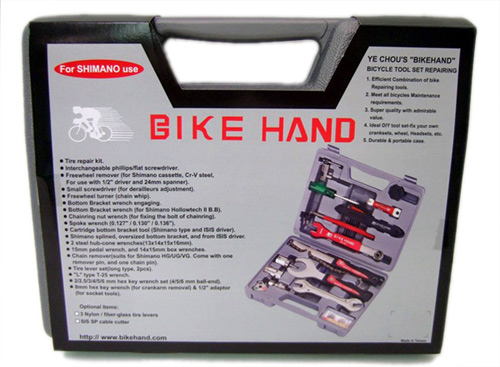
Along the way, we’ll point to complete bikes in our range that show how carbon rims, wide tubeless tires, and modern frames amplify one another: the quick, all-day smoothLe Champion CF LTD, the push-button precision of theImmortal Disc Team Di2, the speed-holdingFast Aero Road Elite Disc, and the classically versatileGravel X3 Disc. We’ll also flag a simple toolkit that makes owning nicer wheels painless, the compact, do-it-rightEssential Tool Kit.
What Carbon Wheels Change, In Plain Language
On the bike, you feel four main things when you swap from basic alloy to well-designed carbon: how easily the wheel holds speed, how calm it feels over rough surfaces, how predictably it behaves in crosswinds, and how precisely it corners and tracks under load. The physics behind each sensation has a jargon term, aerodynamics, vertical compliance, side-force stability, lateral stiffness, but your body translates them as steadier speed at lower effort, fewer “buzz” fatigue signals from your hands and shoulders, less twitchiness when wind hits, and sharper lines through turns.
Holding speed. Deep-section carbon rims, even in moderate depths, reduce the energy you lose to disturbed air. The effect is most obvious in the 18–25 mph range on open roads, but commuters and fitness riders feel it, too, because real-world riding strings together hundreds of short accelerations from 12 to 20 mph. Better aero doesn’t just make a fast section faster, it makes the whole ride quieter in your legs. That means you start the last miles with more charge in the battery, whether your finish line is a café, office, or town-line sprint.
Calming rough surfaces. Carbon’s internal layup lets designers tune how the rim flexes vertically. Paired with modern 28–32 mm road tires or 38–45 mm gravel tires at sensible pressures, a good carbon wheel takes the harsh edges off chipseal, seams, and washboard. You don’t float like on a suspension fork, but your nervous system stops bracing for chatter. You feel fresh longer and corner with less white-knuckle grip because the tire stays planted.
Crosswind manners. Old deep wheels shoved you around. Modern rim shapes aim to turn gusts into gentle nudges instead of yanks by controlling how air reattaches around the rim. You still feel wind, physics hasn’t retired, but the steering inputs are smaller and slower. Riders who once swore off deep rims for windy corridors often discover they can run a moderate depth daily with zero drama.
Tracking and cornering. Lateral stiffness keeps the bike feeling laser-guided when you load the front through a sweeping bend or stand to punch over a rise. The front wheel, especially, steers where your eyes go. With carbon, that connection tightens without turning harsh. Confidence goes up, micro-corrections go down, and speed sneaks higher with no extra risk.
Weight and Inertia: Why “Lighter” Isn’t the Whole Story
Everyone knows carbon can be lighter, but the bigger everyday gain comes from where you save weight: the rotating mass at the rim and tire. Reducing mass far from the hub lowers rotational inertia, so the wheel spins up with less effort and changes speed more willingly. The effect is clear in stop-start riding, short hills, and rolling terrain. Paradoxically, a slightly heavier but more aerodynamic carbon wheel can still beat a lighter shallow alloy wheel on most real routes, because air drag dominates once you’re moving. It’s not a binary; the best modern carbon sets find a sweet spot of low inertia and useful aero with strong side-wind manners.
Tires, Pressure, and Tubeless: The System That Makes Carbon Sing
Wheels don’t roll in isolation. The rim profile, internal width, and tire choice form a system. Mount a too-narrow, overinflated tire on a deep rim and you’ll lose much of the comfort and traction you paid for; mount a good-volume tire at realistic pressure and everything clicks.
Road and endurance. On the road, 28–32 mm tires at lower pressures than you’d have run five years ago provide lower rolling resistance on imperfect pavement and far better comfort. A bike like ourLe Champion CF LTD is built around that reality: carbon frame calmness, disc braking for wet-weather control, and room for modern tire sizes that turn carbon wheels from “race day only” to “every ride.” If you prefer a more race-adjacent posture and tempo-friendly geometry, theFast Aero Road Elite Disc shows how an aero-leaning platform pairs with deep carbon to hold speed between turns.
Gravel and mixed surfaces. For gravel, internal rim widths that let a 38–45 mm tire take a round, supported shape at 30–45 PSI transform washboard and marbles from “hang on” into “choose your line.” That’s why a capable all-road like theGravel X3 Disc is such a natural stepping stone; even with alloy wheels out of the box, its geometry and clearance make it carbon-upgrade ready when you want to add snap without sacrificing comfort.
Tubeless. Going tubeless is the single best complement to carbon wheels. You can run safer, lower pressures without pinch flats, and sealant quietly saves your ride by closing micro punctures you’d never even notice. The “speed + calm” combination is addictive in the best way.
Braking and Heat: Disc Brakes Changed the Conversation
Rim-brake carbon once had a real weakness: heat build-up under prolonged braking on long descents. Modern resins improved things, but disc brakes largely solve the problem by moving braking away from the rim entirely. Heat goes into a rotor designed to shed it, pad compounds are consistent in wet and dry, and carbon rims are free to focus on aero, stiffness, and compliance rather than brake heat. For riders in rainy cities, this is a quiet revolution; you get predictable stops and a much bigger wheel design envelope. That’s part of why bikes like theImmortal Disc Team Di2 feel so composed in foul weather: carbon frame smoothness, disc brake control, and the option to pair with deep, well-mannered carbon rims without brake-track compromises.
Durability Myths vs. Reality
Two myths dominate: that carbon shatters easily, and that one pothole will write off an expensive wheel. The reality is more nuanced. Quality carbon rims are engineered to survive substantial impacts and loads. They fail differently than alloy, often either fine or clearly damaged rather than “bent but rideable”, but day-to-day robustness is excellent when pressures are appropriate and spokes are correctly tensioned. The common real-world “wheel killer” isn’t material; it’s under-inflation for the hit you took, or slamming square-edge obstacles with locked elbows and no unweighting. Good riding habits and realistic tire pressures protect any wheel, and carbon is no exception.
Hookless vs. hooked rim beds enter the durability conversation, too. Hookless road/gravel rims can be safe and fast when paired with compatible tires at the right pressures. The benefit is manufacturing precision and weight savings; the requirement is reading the tire label and not inflating well beyond recommended limits. If you prefer maximal tire compatibility and the option to run higher pressures on narrower tires, a hooked carbon rim remains an excellent choice.
Crosswinds and Handling Confidence
Deep rims are no longer a binary choice between speed and terror in gusts. Rounded, blunted leading edges and careful sidewall curvature broaden the “stable yaw” window, the angles at which the wheel feels neutral or gently self-correcting. For everyday riders, that means you can pick a depth for your terrain instead of your nerves. On exposed flats and rolling roads, 40–50 mm can be a set-and-forget daily depth. In mountainous areas with gusty canyons, 35–45 mm front with 45–55 mm rear balances calm steering and strong speed retention. On gravel, mid-depth rims with generous internal width keep handling neutral without the sail effect of very deep sections.
The Commuter’s Case: Are Carbon Wheels Worth It for City Miles?
If your commute is flat, short, and full of stops, the gains are subtler, but still real. Reduced rotational inertia helps you leave every light with less effort. Better compliance at realistic tire pressures reduces fatigue from broken pavement. Aero benefits are smaller at commuter speeds, but holding 16–18 mph into a headwind with a fairing-like rim shape feels kinder than muscling shallow, boxy rims. The value hinges on how often you ride and the surfaces you face. If you’re daily year-round, carbon can be a quality-of-life upgrade: fewer rattles, calmer steering, easier pace. If you roll twice a week for three miles each way, you might prioritize lights, fenders, and puncture protection before chasing carbon.
The Weekend Warrior’s Case: Fitness, Group Rides, and “Fast Feels”
Weekend group rides reveal the best of carbon wheels. You get lower effort to stay glued in the draft, faster recovery between pulls, and extra free speed on rolling terrain. If you love the sensation of speed and smoothness, a mid-deep set turns any spirited loop into a highlight reel. This is where an aero-honest bike like theFast Aero Road Elite Disc pairs beautifully with a 40–50 mm wheel: good manners in varied wind, solid momentum between corners, and a cockpit that stays composed under braking.
The Long-Distance Rider’s Case: Comfort Is Speed
Century riders and randonneurs know the truth: comfort compounding over hours becomes speed. Carbon’s tuned compliance plus wide tubeless tires at lower pressures keeps micro-trauma away from hands, shoulders, and low back. You eat better, drink more regularly, and end fresher because your nervous system isn’t fried. The upgrade pays you back in the last hour, when many rides are decided by who has “just enough” left. On a carbon endurance platform like theLe Champion CF LTD, mid-depth rims with 30–32 mm tires hit a sweet spot: meaningful aero, confident grip, and a velvety feel over patchy pavement.
Gravel Reality: Carbon Wheels Beyond the Pavement
Some riders worry carbon wheels on gravel are fragile. The lived experience with the right setup says otherwise. Generous internal widths support 40–45 mm tires so you can run pressures that absorb square-edge hits. Compliance tuned into the rim shelves off high-frequency buzz that makes washboard so taxing. The main caution is pressure discipline: don’t chase ultra-low pressures without testing for rim strikes. Start conservatively, drop a few PSI at a time, and learn where your combo feels plush but protected. When you’re ready, a bike like ourGravel X3 Disc is built around these principles, so a carbon wheelset later feels like a natural extension rather than a splurge that fights the frame.
Cost, Value, and “Where Will I Feel It First?”
Every upgrade decision is a budget equation. The honest way to judge value is to ask: how often will I feel this, and for how long? Carbon wheels answer with “on every acceleration and across most of the ride.” Contrast that with a boutique cockpit you notice when you look down, or superlight tires you notice until the first flat. If you ride three to five days a week for fitness or commute year-round, carbon wheels often return more joy-per-dollar than chasing marginal frame weight savings. If you’re fitting out your first serious road bike, it can make sense to buy a great complete bike first, something like theImmortal Disc Team Di2, and schedule wheels as your year-two gift to yourself. You’ll get the baseline sorted (fit, gearing, braking), then amplify it with a wheelset that matches your riding personality.
How to Choose Depth, Width, and Spokes, Without a PhD
Pick depth for wind and speed, width for tire choice, and spoke count for your use case. In windy, rolling regions or for lighter riders, a ~40 mm front / 45–50 mm rear balances stability and speed. For flatter, steadier routes or bigger riders comfortable in gusts, 50–60 mm can be a satisfying daily choice. For road tires at 28–32 mm, look for internal widths in the ~19–23 mm range; for gravel 38–45 mm, 23–25+ mm internal widths shape the tire well. Spoke counts around 24 front / 24–28 rear cover most road and all-road needs; heavier cargo or rough gravel may push you to 28 rear for extra margin.
Installation, Care, and the “New Wheel” Checklist
Great wheels deserve a deliberate setup. Measure your frame and brake caliper clearances with your actual tires. Tape tubeless rims carefully; valve seating matters. Use a torque wrench on rotor bolts and through-axles to avoid over-tightening and creaks. Align calipers anew, carbon rims may change rotor position by a fraction. Set tire pressures with a reliable gauge; don’t guess. Then ride a short shakedown before your big day, listening for spoke ping (normal first rides), checking rotor rub, and confirming sealant did its job. The little things you do in the first ten minutes produce months of silence. Our compactEssential Tool Kit is designed for exactly this: the right hexes, a torque tool, and the small stuff that turns “hope” into “done right.”
Common Mistakes, And the Fastest Fixes
Overinflation is the number one performance killer. If your bike chatters and skips on tiny bumps, your pressure is too high for your volume and weight. Drop 5–8 PSI, ride the same section, then add back 1–2 PSI if turn-in feels vague. Mismatched tire and rim widths create lightbulb shapes that corner weirdly; choose a tire that fills the rim without bulging. Neglecting rotor realignment after a wheel swap causes “mystery rub”, loosen caliper bolts, squeeze the brake to center, and re-torque. Skipping a post-install re-check after 50–100 miles lets early spoke stretch turn into long-term ping; a quick stress-relief and tension balance by a shop or skilled home mechanic keeps the set silent and true.
Who Should Upgrade Now, and Who Can Wait
If you ride group rides and care about sustainable speed, carbon wheels are the most noticeable upgrade you can make after proper fit. If you’re an endurance rider who values feeling strong in hour four, the comfort-at-speed dividend is real. If you’re a commuter on broken tarmac who wants fewer rattles and easier launches from lights, the “everyday calm” may be worth it. If you’re new to drop bars and still sorting fit, shoes, and tire pressure, lock those in first. The best wheel in the world can’t outrun a too-long cockpit or under-padded hands. Think sequence: fit and tires first, then wheels, then marginal flourishes.
Putting It All Together on Real Bikes
Our lineup reflects the system reality. TheLe Champion CF LTD is a carbon endurance platform that turns mid-depth wheels and 30–32 mm tubeless tires into a magic-carpet feel over imperfect roads. TheFast Aero Road Elite Disc is the speed-keeper, translating aero rims into relaxed, high-tempo cruising between corners. TheImmortal Disc Team Di2 layers in electronic shifting, press, shift, done, so you can stay in the wind for longer without cognitive load. And theGravel X3 Disc is a reminder that all-road frames with real tire clearance and stable geometry are carbon-wheel naturals when you want comfort and snap in one package. Keep a tidy setup with theEssential Tool Kit, and your “upgrade” becomes your new normal.
A Simple Decision Framework
Picture your three most common rides. If at least two of them would benefit from steadier speed at moderate effort, calmer feel over rough surfaces, and more decisive turn-in, carbon wheels make sense. If your rides are short, flat, and gear-heavy, lots of stops, heavy cargo, you might invest first in lights, fenders, and puncture-proof tires, then revisit wheels. If you’re on a great alloy set already, consider where the bottleneck is. If wind pushes you around, choose a moderate depth with modern crosswind stability. If you’re beat up by chipseal, choose a rim that supports wider tires at lower pressures. If you love the idea of gliding, choose both.
The Bottom Line
Carbon wheels in 2025 aren’t just about looking fast; they’re about feeling fast in a sustainable, repeatable way. They hold momentum with less effort, smooth the ride so you arrive fresher, behave politely in wind, and turn where you look without fuss. They shine for weekend warriors and endurance riders and still make sense for committed commuters who want daily calm. They’re not a Band-Aid for poor fit or rock-hard tires, but when you pair them with realistic pressures and a frame that supports modern rubber, they become the upgrade you notice on every ride.
If you want help matching rim depth to your wind and terrain, pairing tire sizes to rim widths, or simply deciding whether now is the moment to leap on your road bike, we’re happy to talk through the options. Tell us about your routes, your speeds, and what you want to feel different in the first ten minutes and the last ten miles. We’ll point you to the right setup, and the right bike to make the most of it.
When you’re ready to tailor wheels to your ride,contact our team and we’ll turn “are carbon wheels worth it?” on your gravel bike into a confident yes or an informed “not yet”, based on your roads, your goals, and your budget.
When most cyclists think about upgrading their ride, they imagine a lighter frame, a new groupset, or a more comfortable saddle. Yet one of the simplest upgrades—and one of the most impactful—is often overlooked: the tires. The choice of tires shapes every pedal stroke, every turn, and every descent. The difference between a smooth, efficient ride and a sluggish, jarring one often comes down to what’s wrapped around your wheels. Understanding how to choose the best bike tires for performance is key to unlocking speed, comfort, and control across any terrain.
The Role Tires Play in Performance
Tires are the single point of contact between a bike and the ground, which means they influence rolling resistance, grip, and shock absorption. Riders often underestimate how dramatically tires can alter a bike’s feel. For example, swapping narrow slick tires for wider, more treaded ones can transform a nimble road bike into a tool for rougher roads, while switching to low-pressure, oversized rubber can turn a fat bike into a snow- or sand-crushing machine. The right tire choice is not about fashion—it’s about function.
Road Cycling: Speed Depends on Precision
For road bike enthusiasts, tire selection is all about speed and efficiency. Narrower tires, often in the 23–28mm range, reduce rolling resistance, allowing the rider to cover more ground with less effort. However, the recent trend has shifted toward slightly wider tires, such as 28–32mm. These provide better grip and comfort without dramatically sacrificing speed. Modern rims and frames now accommodate this size, giving riders the best of both worlds: speed and smoother handling.
On a road bike, smooth tread patterns are essential for minimizing friction against pavement. High-pressure inflation keeps the contact patch small, maximizing speed. Yet too much pressure can cause harsh rides and reduced traction, especially in wet conditions. The takeaway is balance—choosing tires that let you glide efficiently while still gripping enough for confident cornering.
If the pavement ends and adventure calls, the gravel bike demands tires built for unpredictability. Gravel riders need versatility: tires wide enough to handle loose terrain but efficient enough not to feel like an anchor on smoother roads. Typical widths range from 35–45mm, with semi-slick tread down the center for speed and knobbier edges for grip.
Tubeless setups are increasingly popular for gravel because they allow lower pressures without risking pinch flats. Lower pressure means better traction and comfort on rough ground. The gravel bike tire is the perfect example of performance being context-specific—what works on a crit circuit won’t work in the backcountry, and gravel tires bridge the gap between speed and security.
On a mountain bike, tire choice directly affects confidence and control. Wider tires with aggressive tread provide the grip needed to tackle loose dirt, roots, and rocks. Downhill riders often choose widths of 2.4 inches or more, while cross-country riders might stick to 2.2 inches for lighter rolling resistance.
Mountain biking also highlights the importance of casing and sidewall protection. Trails punish tires, and flimsy rubber can leave you stranded with a puncture. Many riders opt for reinforced sidewalls or tubeless-ready designs to avoid flats. Pressure is equally critical—too much air, and the ride feels bouncy; too little, and traction suffers. Dialing in mountain bike tire pressure can mean the difference between skidding out or carving a perfect line.
Few cycling experiences are as unique as riding a fat bike. With tires often 4–5 inches wide, fat bikes thrive on surfaces where traditional bikes fail: snow, sand, and mud. Their massive footprint allows them to “float” over unstable ground, spreading the rider’s weight and preventing sinkage.
The key to fat bike tire performance lies in pressure. Riders often run as low as 5–8 psi in soft conditions, which dramatically increases traction. However, this comes at the cost of rolling efficiency, making fat tires sluggish on pavement. Fat bike riders must carefully consider where they’ll be riding most to find the sweet spot between flotation and resistance.
For riders who want one bike for multiple uses, the hybrid bike offers flexibility. Hybrid tires usually fall between 32–38mm wide, with semi-slick tread that balances pavement efficiency with light gravel capability. They aren’t as fast as pure road tires or as grippy as mountain treads, but they are dependable all-rounders.
Tire choice for hybrids is about matching lifestyle. A commuter who rides mostly on city streets might lean toward narrower, smoother tires for speed. Someone using their hybrid on park trails may opt for wider, more treaded options. In every case, the hybrid tire reflects compromise, making it an approachable choice for recreational riders.
For relaxed rides by the water or around the neighborhood, nothing beats the smooth roll of a beach cruiser. These bikes often sport balloon-style tires—wide, cushy, and low-pressure. The extra air volume soaks up bumps and creates a plush ride that matches the cruiser’s laid-back spirit.
Cruiser tires aren’t built for speed or technical performance, but they excel at what they’re designed for: comfort. Their width adds stability, making them beginner-friendly, while their retro style appeals to riders who care as much about aesthetics as functionality.
The critical question for cyclists is not “What’s the best tire?” but rather, “What’s the best tire for my riding?” The best bike tires for performance depend on the rider’s goals, terrain, and style. A competitive racer will have very different needs than a weekend beach cruiser enthusiast. Even within categories, preferences vary: some road cyclists swear by narrower high-pressure tires, while others prioritize comfort with slightly wider setups.
What unites all riders is the undeniable impact of tires. A fresh set can make an old bike feel new again, while worn or ill-suited tires can make even the best frame feel sluggish. Investing in the right tires is not an accessory choice—it’s a performance decision.
The Bottom Line: Tires Define the Ride
Cycling is full of gear debates, but few components rival tires in their influence on the riding experience. Whether you’re chasing podiums on a road bike, exploring backroads on a gravel bike, shredding singletrack on a mountain bike, floating over snow with a fat bike, commuting with a hybrid bike, or cruising the boardwalk on a beach cruiser, your tire choice is a performance-defining decision.
The next time your ride feels sluggish, uncomfortable, or less controlled than you’d like, don’t immediately think about upgrading your bike. Instead, take a closer look at what’s under you—the tires might just be the secret weapon you’ve been missing.
Ready to upgrade your ride? Explore Bikesdirect.com for the best selection of road, gravel, mountain, hybrid, fat, and cruiser bikes—because the right tires deserve the right bike.