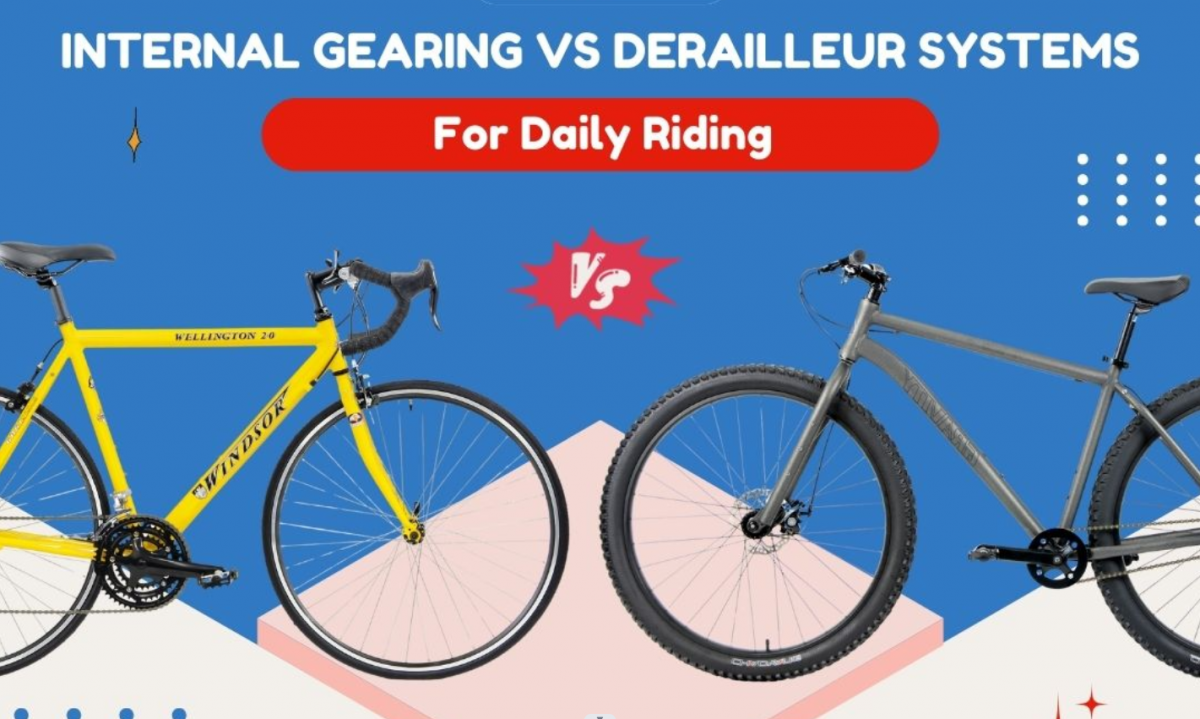
This infographic compares internal gear hubs and derailleur systems for daily riding. Learn how each option differs in maintenance, reliability, ride feel, and performance across terrain, load, and commuting conditions. Designed for everyday cyclists, it helps riders understand which gearing system fits their lifestyle, riding habits, and long-term maintenance expectations.
The morning commute rarely goes exactly as planned. A sudden red light forces a stop you didn’t expect. A hill sneaks up just as your coffee starts to slosh. You reach for a gear change and—if you’ve ridden long enough—you’ve probably wondered whether your drivetrain is helping you or quietly working against you. For daily riders, the debate around internal gear hub vs derailleur isn’t about racing or bragging rights. It’s about reliability, simplicity, and how a bike fits into real life.
Both systems have loyal fans for good reason. But understanding how they behave day in and day out can make the difference between loving your ride and merely tolerating it.
Understanding the Two Drivetrain Philosophies
At a glance, the difference seems obvious. A derailleur system shifts gears by moving a chain across multiple sprockets. An internal gear hub hides its gearing inside the rear hub, keeping everything sealed and compact. What’s less obvious is how those designs affect daily riding.
Derailleurs dominate the cycling world because they’re light, efficient, and versatile. Internal gear hubs exist for a different purpose: consistency, cleanliness, and ease of use. Neither approach is inherently better. The right choice depends on how, where, and how often you ride.
How Derailleur Systems Perform in Everyday Use
Derailleur drivetrains feel familiar to most riders. They offer a wide range of gears and crisp feedback when shifting under load. If your commute includes steep climbs or fast descents, that range matters.
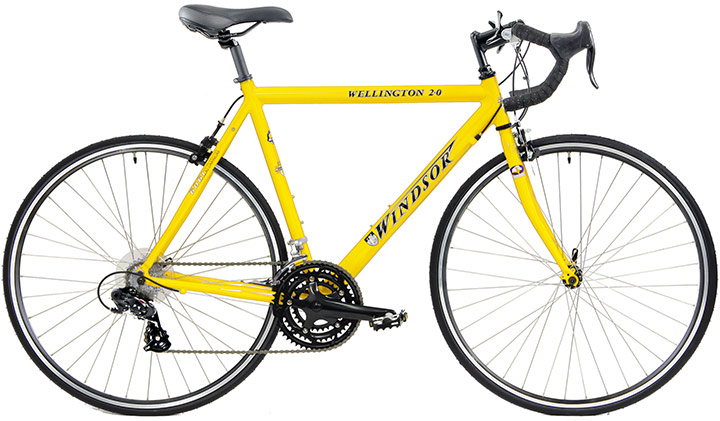
On a road bike, derailleur systems excel because efficiency and cadence control are critical. Every watt feels direct. The same applies to a gravel bike, where mixed terrain demands quick, precise gear changes.
However, daily riding exposes derailleurs to their weak spots. Open components attract dirt, water, and road grime. Miss a cleaning or ride through winter weather, and performance can fade. Shifting while stopped is also impossible, which commuters notice immediately at traffic lights.
Why Internal Gear Hubs Appeal to Daily Riders
Internal gear hubs feel almost invisible when they work well. Shifting happens inside a sealed unit, protected from weather and debris. That makes them remarkably low maintenance.
One standout advantage is the ability to shift while stationary. When a light changes unexpectedly, you can downshift without pedaling. That alone can transform stop-and-go commuting.
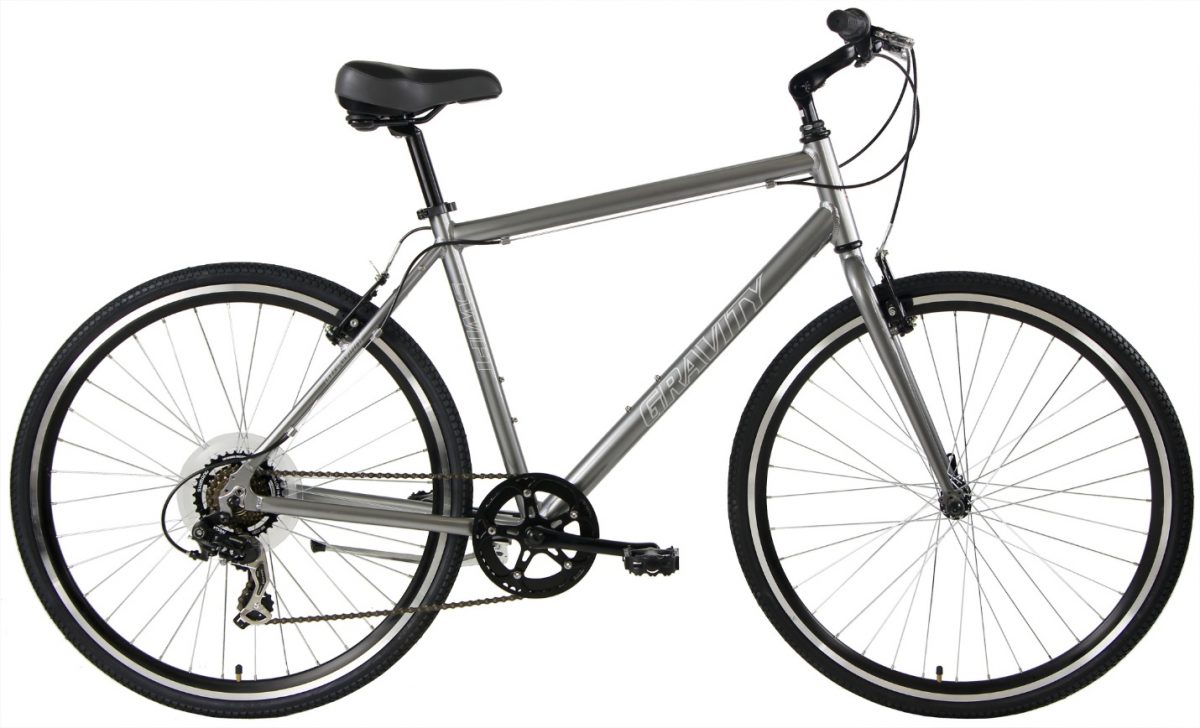
Internal gearing pairs naturally with upright, comfort-focused bikes like a hybrid bike or a beach cruiser. These bikes prioritize smooth starts, relaxed cadence, and minimal fuss. Riders who want their bike to “just work” often gravitate here.
The tradeoff comes in weight and gear range. Internal hubs are heavier, and most offer fewer gears than modern derailleur systems. For flat or gently rolling routes, that limitation rarely matters. On steeper terrain, it can.
Maintenance: The Quiet Deciding Factor
Maintenance doesn’t sound exciting, but it defines daily riding satisfaction. Derailleurs reward attention. Clean chains, aligned hangers, and fresh cables keep them running beautifully. Ignore them, and performance degrades quickly.
Internal gear hubs demand far less routine care. Chains last longer because they stay aligned. The hub itself rarely needs attention beyond occasional servicing. For riders who commute year-round or store bikes outdoors, that reliability becomes priceless.
This difference often matters more than gear count or weight. Daily riders don’t want to think about their drivetrain every morning. They want confidence.
Terrain, Load, and Riding Style Matter More Than You Think
Choosing between an internal gear hub and a derailleur isn’t just about the drivetrain itself. It’s about how the bike is used.
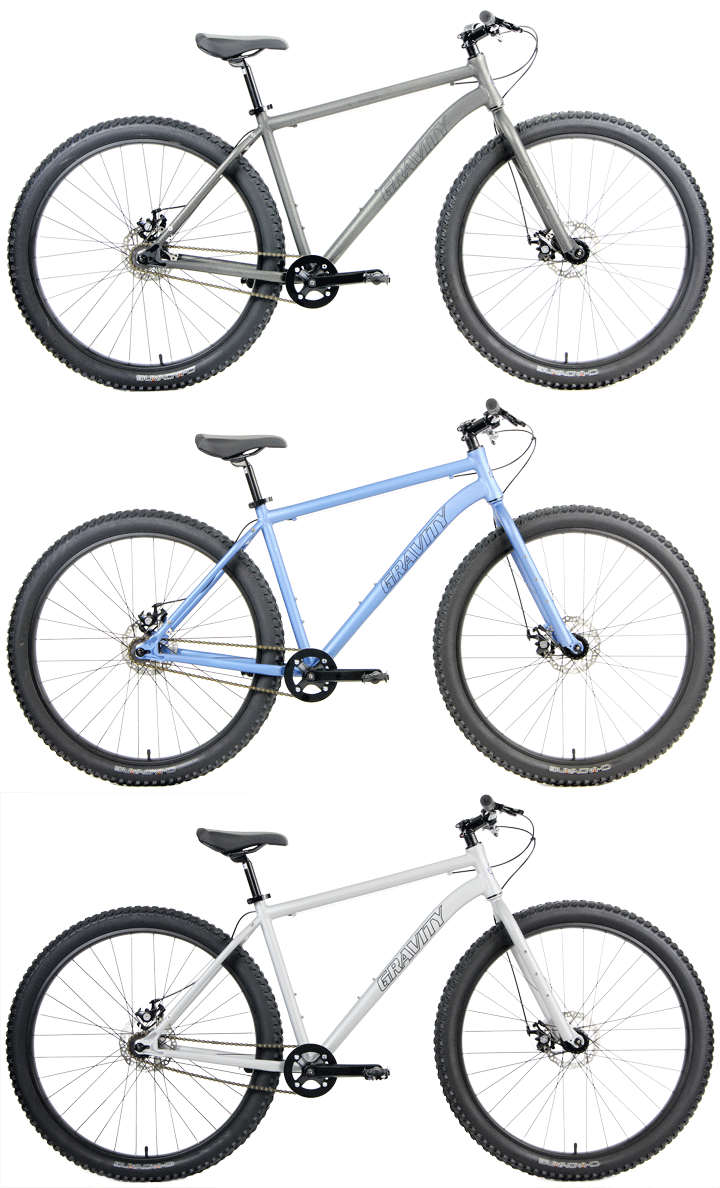
A mountain bike almost always uses a derailleur for good reason. Trails demand quick changes and wide gear ranges. Internal hubs struggle under repeated high torque and aggressive riding.
On the opposite end, a fat bike used for snow or sand often benefits from the simplicity of a derailleur because weight and gear flexibility matter in extreme conditions.
Daily urban riding sits in the middle. If your route is predictable and moderate, internal gearing feels elegant. If it’s varied and demanding, derailleurs offer adaptability.
Ride Feel and Shifting Experience
Derailleur shifts feel mechanical and immediate. Riders feel the chain move and engage. Many enjoy that connection.
Internal gear hubs feel smoother but slightly muted. Some riders notice a momentary pause during shifts. For casual riding, that pause fades into the background. For performance-focused riders, it can feel unfamiliar.
Neither sensation is wrong. It’s about preference and expectations.
Cost and Long-Term Value
Upfront cost often favors derailleur systems, especially at entry and mid levels. Internal hubs tend to cost more initially. Over time, though, lower maintenance can offset that difference.
Value-focused riders often discover that paying slightly more upfront saves frustration later. This long-term perspective aligns perfectly with daily riding needs.
Which System Fits Your Daily Ride?
Ask how often you ride, where you ride, and how much maintenance you’re willing to do. A daily commuter who values simplicity may fall in love with internal gearing. A rider who enjoys tuning and wants maximum versatility may prefer a derailleur.
There’s no universal answer. There’s only the system that disappears beneath you and lets the ride take over.
Daily riding isn’t about extremes. It’s about consistency. The internal gear hub vs derailleur debate matters because your drivetrain shapes how your bike fits into your routine. Choose the system that supports your habits, not someone else’s riding style.
Ready to Choose the Right Drivetrain?
Find the drivetrain that matches how you actually ride. At Bikesdirect.com, explore commuter-friendly internal gear hub bikes and versatile derailleur-equipped options across road, hybrid, gravel, and more. Choose a bike that starts smoothly, shifts confidently, and fits your daily routine instead of fighting it. Ride to work, run errands, or cruise the neighborhood with confidence knowing your drivetrain works as hard as you do, mile after mile, season after season.