
Cycling and Sustainability: How Bikes Reduce Your Carbon Footprint

Picture this: a congested downtown at rush hour. Cars idle, horns blare, and exhaust fumes linger in the air. Then, a cyclist glides past the traffic, calm and efficient, covering ground without burning a drop of gasoline. That moment captures the essence of cycling and sustainability—a simple act of choosing a bike over a car becomes a powerful step toward reducing pollution, improving public health, and reshaping our cities for the better.

With climate change concerns growing louder, more people are rediscovering bikes not just as a pastime, but as a daily tool for sustainable living. From the adaptable hybrid bike to the rugged mountain bike, cycling provides options for every lifestyle while cutting down your carbon footprint in measurable ways.

Why Cycling Matters in the Fight Against Climate Change

Transportation is one of the largest contributors to greenhouse gas emissions worldwide. Cars and trucks, powered primarily by fossil fuels, account for a significant percentage of CO₂ emissions. Every time you replace a short car trip with a bike ride, you’re actively reducing the demand for fuel and lowering the number of pollutants entering the atmosphere.

The beauty of cycling and sustainability lies in its accessibility. Unlike large-scale infrastructure changes or expensive technology shifts, riding a bike is a change almost anyone can make today. Commuting with a road bike or using a beach cruiser for neighborhood errands helps cut back on emissions, while also improving individual health and reducing traffic congestion.

Hybrid Bikes: The Everyday Eco-Friendly Hero

For many riders, the hybrid bike has become the go-to option for sustainable commuting. Combining the speed of a road bike with the comfort of a casual cruiser, hybrid bikes make it easy to replace car trips with pedal power. They’re efficient on city streets yet versatile enough for park trails, making them the perfect balance between practicality and fun.

Imagine replacing your daily five-mile commute with a hybrid bike. In just a year, that switch can save hundreds of pounds of carbon emissions, while also keeping your wallet fuller by avoiding fuel and parking costs.
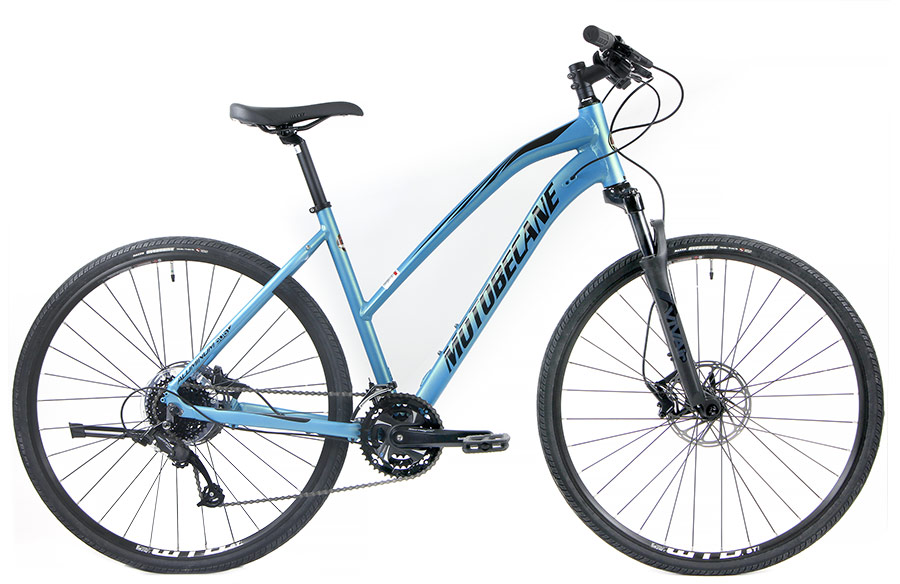
Blue Motobecane hybrid bike perfect for sustainable urban commuting.

Gravel and Road Bikes: Redefining Longer Rides

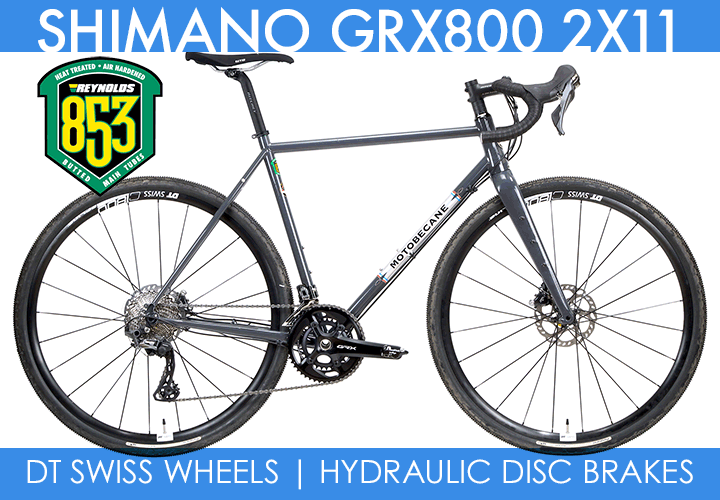
Sustainability isn’t limited to short commutes. Adventure seekers are embracing the gravel bike for weekend rides and long-distance journeys. Gravel bikes thrive on mixed terrain—roads, trails, and everything in between—making them ideal for eco-conscious travelers who want to explore without relying on cars or buses.

Similarly, the streamlined road bike remains a classic choice for those who value speed and efficiency. Swapping even one or two longer car trips a week for a road ride can have a compounding effect on your personal carbon reduction. And unlike cars, bikes don’t just get you from point A to B—they boost your fitness and mental health along the way.

Fat Bikes and Mountain Bikes: Eco-Friendly Adventure

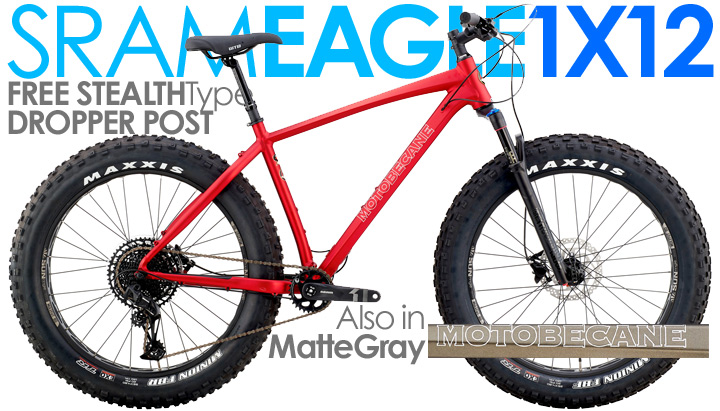
Eco-friendly living doesn’t mean giving up adventure. The fat bike, with its oversized tires, makes riding possible on sand, snow, and rugged trails. Instead of taking a fuel-powered ATV for outdoor exploration, a fat bike lets you tread lightly—literally and figuratively—on the environment.

For those drawn to forest trails and mountain paths, a mountain bike offers the thrill of off-road riding without the environmental cost of gas-powered recreation. By choosing pedal-powered exploration, riders preserve fragile ecosystems while still getting their adrenaline fix.
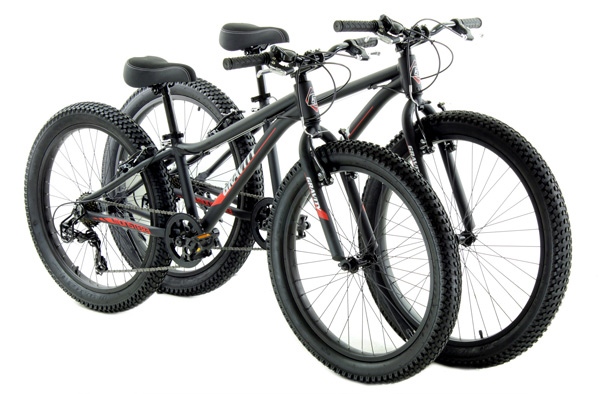
Pair of fat bikes designed for stability, durability, and low-carbon outdoor exploration.

Beach Cruisers: Sustainable Simplicity

The beach cruiser may seem casual, but it embodies sustainability in its purest form. Perfect for flat terrain and short trips, cruisers are often used for errands, neighborhood rides, and leisurely commutes. Each trip taken on a cruiser instead of a car adds up—fewer emissions, less road congestion, and more time spent outdoors.

What makes cruisers particularly sustainable is their simplicity. With fewer complex components, they require less frequent maintenance and have a longer lifespan compared to more intricate vehicles, adding durability to their eco-friendly appeal.

E-Bikes: The Future of Green Commuting

While not on the original list, e-bikes deserve mention in any discussion of cycling and sustainability. They bridge the gap between traditional bikes and cars, offering electric assistance that makes longer commutes or hilly routes accessible to more people. E-bikes drastically reduce the barriers to choosing cycling over driving, especially in urban environments.

An e-bike trip produces a fraction of the carbon emissions of a car journey—even when factoring in battery charging. By making cycling practical for more riders, e-bikes accelerate the shift toward sustainable transportation.
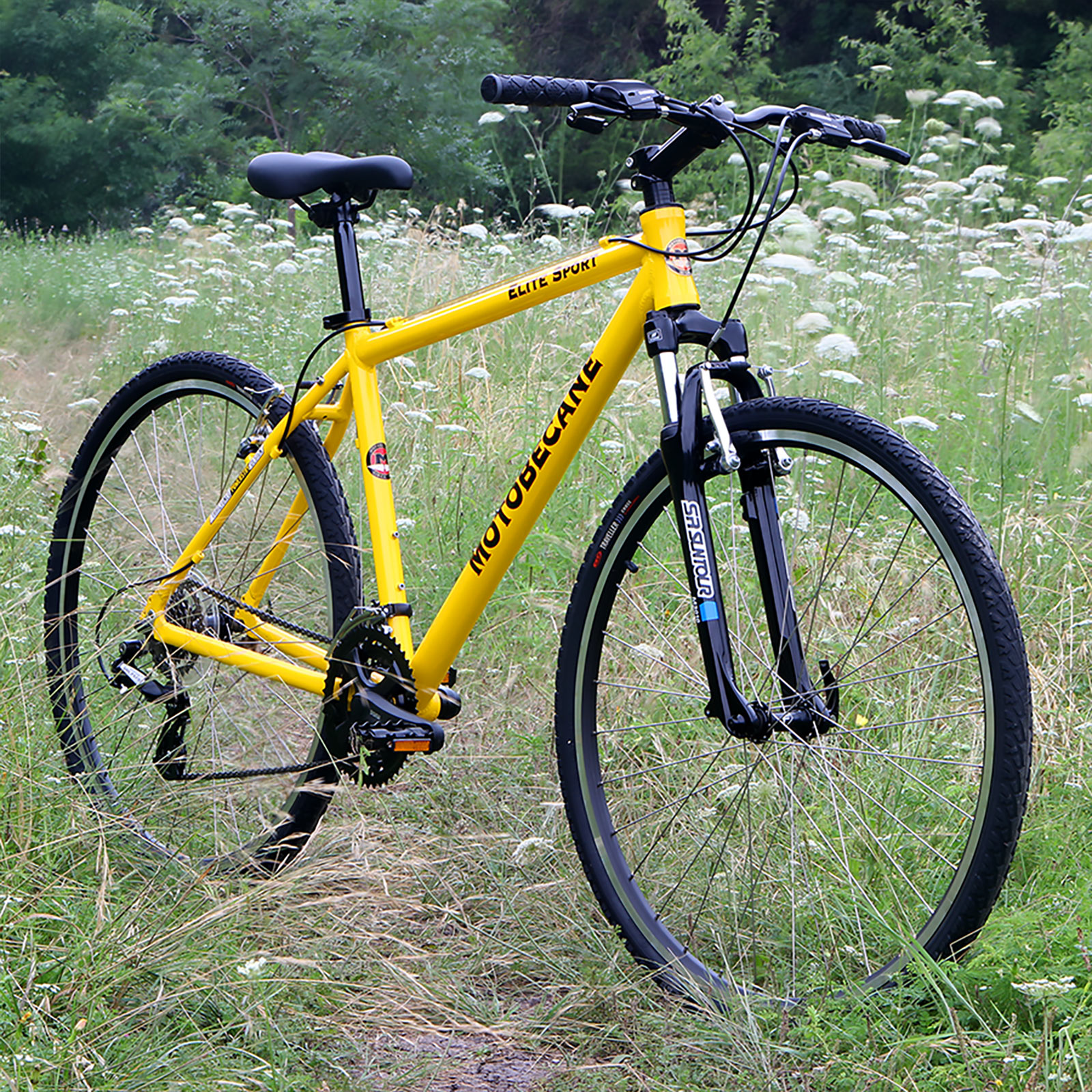
Yellow Motobecane gravel bike in a green meadow, representing eco-friendly cycling adventures.

The Ripple Effect: How One Choice Inspires Many

Choosing cycling over driving doesn’t just impact your personal carbon footprint—it influences those around you. When friends, family, or coworkers see you regularly commuting on a hybrid bike or hitting the trails on a fat bike, it normalizes cycling as a practical alternative.

Communities with more cyclists often advocate for better infrastructure, such as bike lanes and greenways, which in turn encourage even more people to ride. The ripple effect of one cyclist can grow into a cultural shift that transforms entire neighborhoods into more sustainable, livable spaces.

Beyond Emissions: Other Environmental Benefits

While lowering carbon emissions is the most obvious environmental impact of cycling, it’s far from the only one. Biking reduces noise pollution, eases traffic congestion, and lessens the need for sprawling parking lots. Fewer cars on the road mean fewer resources used to build and maintain road infrastructure.

Even small daily changes—like taking your beach cruiser for groceries instead of your car—add up over time. Multiply that by millions of cyclists worldwide, and the potential for global impact becomes clear.

How to Start Living More Sustainably Through Cycling

Making cycling part of your sustainable lifestyle doesn’t require a dramatic change. Start small: replace one short car trip per week with a bike ride. As you gain confidence and enjoyment, expand your riding routine.

Invest in the right bike for your lifestyle. A hybrid bike works well for city commutes, while gravel or road bikes suit longer rides. Fat bikes and mountain bikes are excellent for eco-friendly adventures, and beach cruisers provide casual, everyday options. The key is consistency—sustainability thrives on habits repeated over time.

Conclusion: Pedal Toward a Greener Future

In a world where every action matters, choosing a bike ride over a car trip is a tangible way to fight climate change and embrace a more sustainable lifestyle. Whether it’s commuting on a hybrid bike, exploring trails on a mountain bike, or cruising the neighborhood on a beach cruiser, cycling transforms the way we move, live, and care for the planet.

Ready to make your rides matter—for your health and the planet? Explore the wide selection of hybrid, gravel, road, fat, mountain, and beach cruiser bikes at Bikesdirect.com. With factory-direct pricing and an unbeatable range of options, there’s never been a better time to choose a bike that saves money, reduces emissions, and supports a greener future.
Long-Term Value: Why Proper Bike Maintenance Saves You Money

Cyclists often fall in love with the freedom of the ride—the wind against their face, the rhythm of the pedals, and the way the road opens endless possibilities. But all too often, that romance is cut short by a squeaky chain, worn-out tires, or a costly repair that could have been avoided with simple upkeep. The truth is, the bike maintenance value goes far beyond convenience. Regular care is the difference between a smooth, dependable ride and an expensive repair bill down the road.

Imagine investing in a brand-new gravel bike for weekend adventures, or a rugged fat bike to conquer sand and snow, only to see it deteriorate prematurely because of skipped maintenance. That’s like buying a car and never changing the oil—it simply doesn’t last. In this blog, we’ll explore why taking care of your bike not only extends its lifespan but also maximizes your investment.

The Economics of Bike Ownership

When most riders calculate the cost of cycling, they focus on the upfront purchase. Whether it’s a versatile hybrid bike for city commutes or a high-performance road bike, the initial price tag feels like the biggest expense. Yet, the hidden cost of ownership often lies in neglect.

A chain left unlubricated wears out faster, which then prematurely damages the cassette and chainrings. What could have been solved with a few drops of oil turns into a $200–$400 repair. Tires that are underinflated not only reduce efficiency but also wear unevenly, forcing replacements far sooner than necessary. These examples highlight why the bike maintenance value is undeniable: regular upkeep keeps small issues from snowballing into wallet-draining problems.

Preventative Care Adds Years to Your Ride

One of the most overlooked aspects of bike ownership is just how much preventative maintenance matters. Think about a mountain bike built to handle rocky trails and steep descents. Its suspension, brakes, and drivetrain are designed for abuse, but without cleaning, tuning, and inspections, those parts degrade quickly. Riders who skip maintenance may find themselves replacing shocks or disc brake rotors long before their expected lifespan.

By contrast, riders who wash their bikes regularly, keep drivetrains clean, and check bolts before each ride see years of reliable performance. It’s not about spending hours in a workshop—it’s about small, consistent steps that protect your investment.

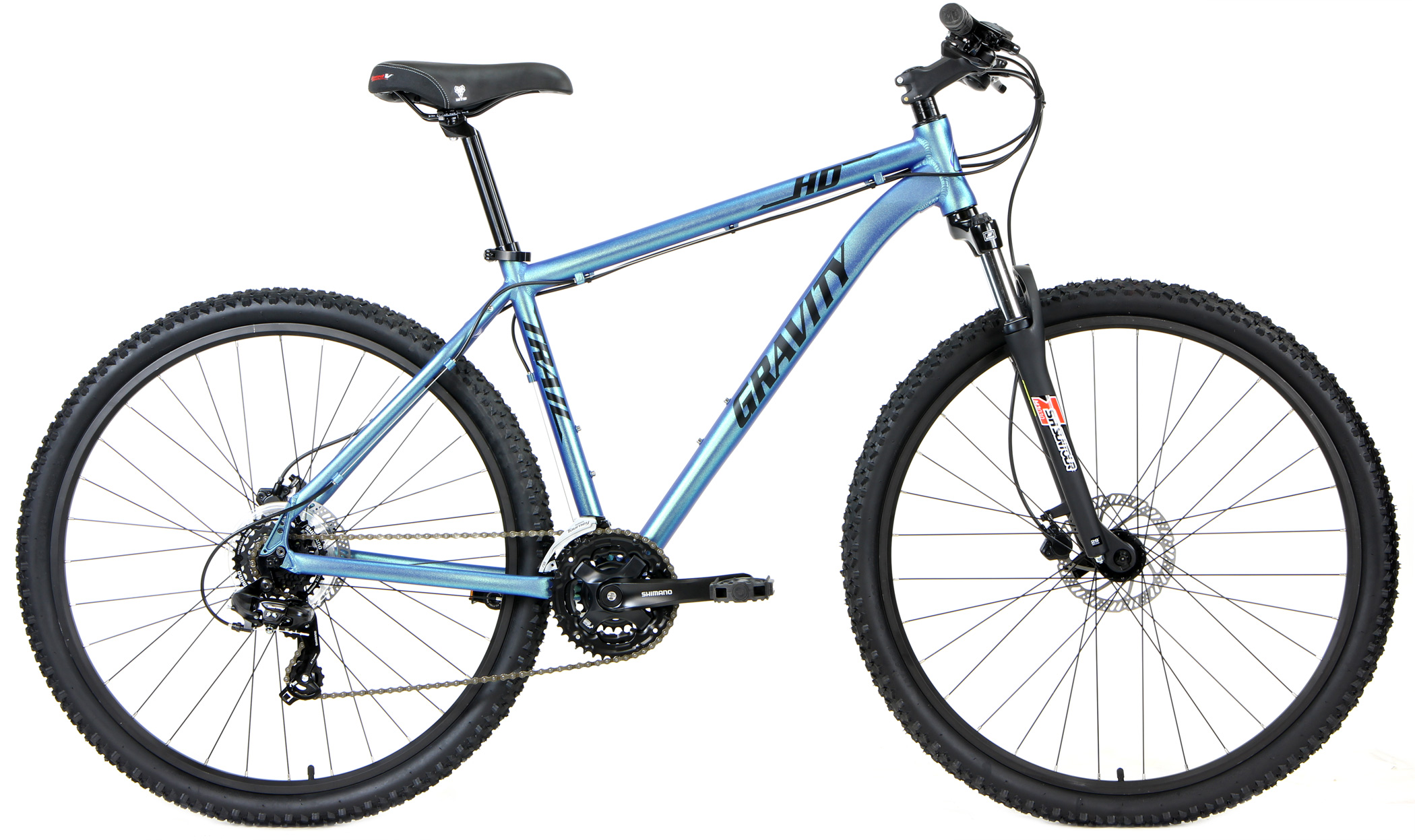
Blue Gravity HD mountain bike showcasing strong components built to last with routine upkeep.

Comfort and Safety: Two Hidden Dividends

The bike maintenance value isn’t only measured in dollars—it’s also measured in peace of mind. Picture a sunny weekend ride on a beach cruiser. If the brakes are poorly adjusted, every stop feels uncertain. If the saddle or handlebars are loose, every bump becomes uncomfortable. Neglected bikes chip away at both safety and enjoyment, making riders less likely to use them.

On the other hand, a well-maintained bike offers reliability and comfort. You trust your brakes on a steep hill. You glide smoothly without unnecessary creaks or rattles. The psychological impact is enormous—confidence in your equipment directly translates to better riding experiences.

Motobecane fat bike with SRAM Eagle drivetrain, emphasizing longevity with proper maintenance.

Maintenance as an Investment, Not a Chore

Many riders hesitate to spend money on bike tools, lubricants, or professional tune-ups. But reframing this cost as an investment changes everything. The average tune-up may cost $75–$150, depending on location, but it can prevent $500 worth of component replacements. A $15 floor pump with a pressure gauge can double the lifespan of your tires. Even something as simple as replacing brake pads early can protect more expensive rotors from unnecessary wear.

Every dollar spent on preventative care often saves three to five dollars in future repairs. That’s the true essence of bike maintenance value: small investments now create significant savings later.

Environmental and Lifestyle Benefits

There’s also a bigger picture to consider. Extending the life of your bike through maintenance means fewer discarded parts, less manufacturing waste, and a lighter footprint on the environment. By keeping your current bike in top condition, you reduce the need for frequent replacements and align with cycling’s sustainable ethos.

From a lifestyle perspective, maintenance keeps your riding habit consistent. Nothing disrupts a training plan for a road bike rider or a commuter’s daily routine on a hybrid bike like a breakdown. Regular care ensures your bike is always ready, which in turn keeps you active, healthy, and stress-free.

DIY vs. Professional Care

The balance between do-it-yourself maintenance and professional servicing is another factor in the equation. Basic upkeep, like cleaning, lubrication, and tire checks are simple task any rider can learn. They take minutes but yield massive returns in performance and longevity.

More advanced tasks—wheel truing, suspension servicing, or bottom bracket replacements—are often best left to professionals. Paying for expertise may feel like an expense, but it ensures the job is done correctly, avoiding costly mistakes. Smart riders know when to handle their own care and when to bring in reinforcements. Together, these approaches amplify the bike maintenance value and keep your ride performing like new.

Yellow Motobecane gravel bike positioned on a grassy trail, ideal for versatile adventures with regular maintenance.

Why Different Bikes Require Different Care

Not all bikes are created equal, and neither are their maintenance needs. A gravel bike that sees dusty backroads will need more frequent chain cleaning than a beach cruiser that rolls along the boardwalk. A fat bike tackling winter trails will need extra attention to bearings and drivetrain, as salt and snow accelerate corrosion.

Understanding your bike’s unique needs ensures you aren’t just maintaining it—you’re maintaining it correctly. That knowledge protects not only your wallet but also your enjoyment of the ride.

Final Thoughts

Cycling is about freedom, but freedom doesn’t come free if you neglect your ride. Proper care transforms your bike from a short-term purchase into a long-term partner. The bike maintenance value lies in extending the life of your components, improving your safety, and keeping money in your pocket. Whether you ride a mountain bike through rugged trails, a road bike for speed, or a hybrid bike for everyday commutes, maintenance protects both your investment and your joy of riding.

If you’re ready to maximize your bike’s potential and save money over the long haul, start with the basics: clean it, tune it, and give it the care it deserves. And when you’re ready to explore your next upgrade, shop Bikesdirect.com for high-quality bikes at unbeatable prices—you’ll find your next ride waiting, built to last.

Essential Bike Maintenance Tips to Keep Your Ride in Top Shape

There’s nothing quite like the smooth hum of tires on pavement, the crunch of gravel under wheels, or the freedom of pedaling down a winding trail. Whether you’re rolling through city streets on a hybrid bike, cruising the boardwalk on a beach cruiser, or tackling steep singletrack on a mountain bike, one truth unites all cyclists: a well-maintained bike makes every ride safer, smoother, and more enjoyable.

Yet, far too often, riders overlook the importance of regular upkeep. A skipped chain lube here, a delayed brake adjustment there—it all adds up. Suddenly, your shifting feels sluggish, your stopping power weakens, and those creaks and squeaks become constant companions. The good news is that with the right bike maintenance tips, you can extend the life of your components, reduce repair costs, and ensure every ride feels as good as the first spin out of the box.

This guide will walk you through essential practices to keep your road bike, gravel bike, fat bike, or everyday commuter in peak condition.

Why Regular Maintenance Matters

Think of your bike as a high-performance machine. Every part, from the chain and cassette to the tires and bearings, works together under stress. Over time, dirt, weather, and repeated use wear things down. Neglecting maintenance doesn’t just impact performance—it can lead to safety hazards. A poorly adjusted brake can double your stopping distance, while a stretched chain can ruin an entire drivetrain.

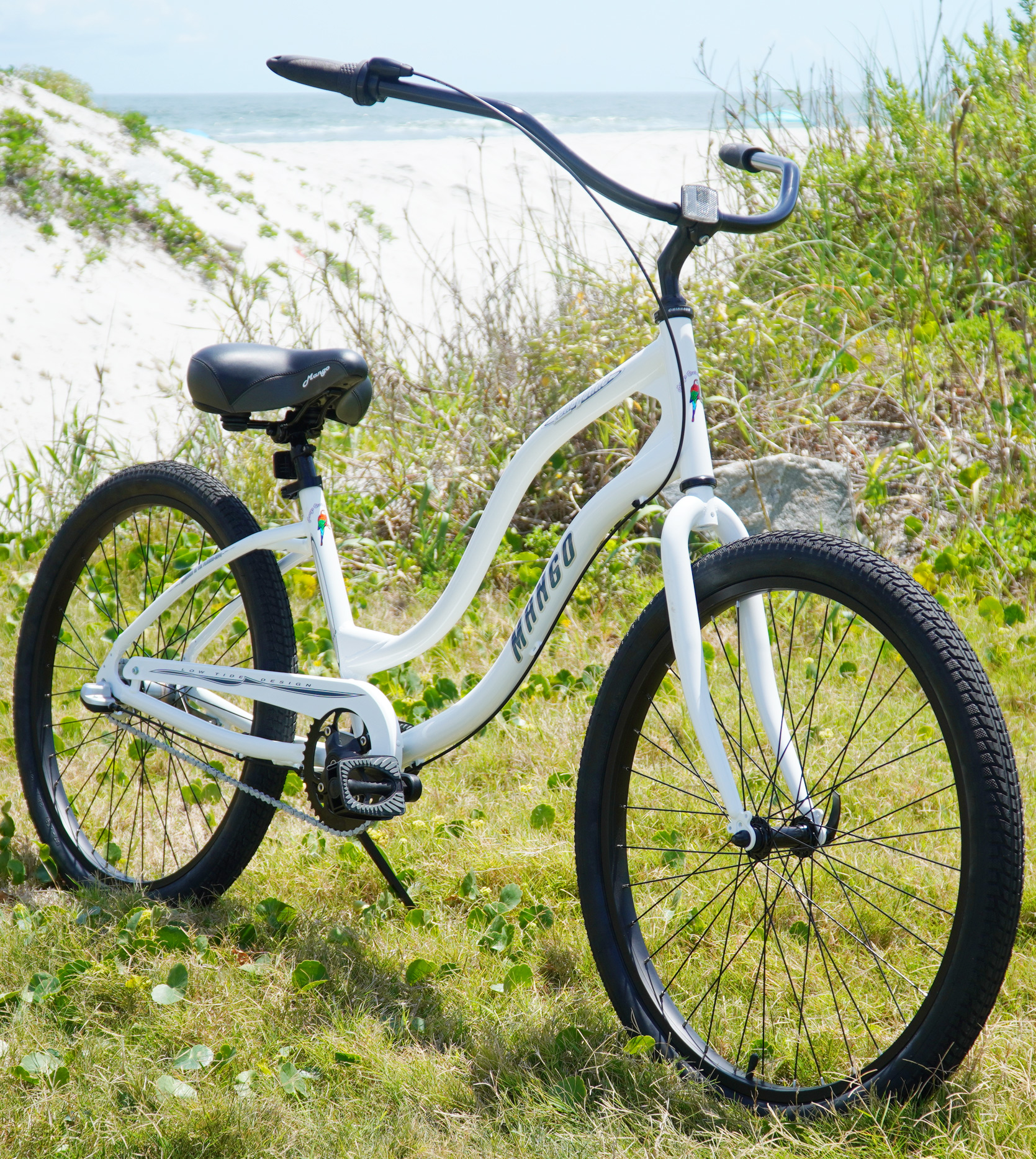
White beach cruiser bike parked near the shoreline

Whether you’re pedaling casually on a beach cruiser or pushing limits on a road bike, consistent care makes the difference between confidence and uncertainty. More importantly, a little attention now saves a lot of money later. Replacing a chain at the right time costs far less than replacing the cassette and chainrings it might otherwise damage.

Cleaning: The Foundation of Longevity

The simplest and most effective habit is keeping your bike clean. Dirt, mud, and road grime act like sandpaper, wearing down parts faster than you might realize. For a mountain bike that sees muddy trails or a gravel bike that gets coated in dust, rinsing after rides is crucial. Use a gentle spray of water, a mild bike-specific cleaner, and a soft brush to remove buildup from the frame, drivetrain, and wheels.

Drying your bike afterward is equally important. Moisture left behind can corrode bolts and bearings. A quick wipe with a microfiber cloth and a few drops of chain lube keeps things running quietly and efficiently. Riders who skip this step often find themselves with creaky bottom brackets or stiff derailleurs.

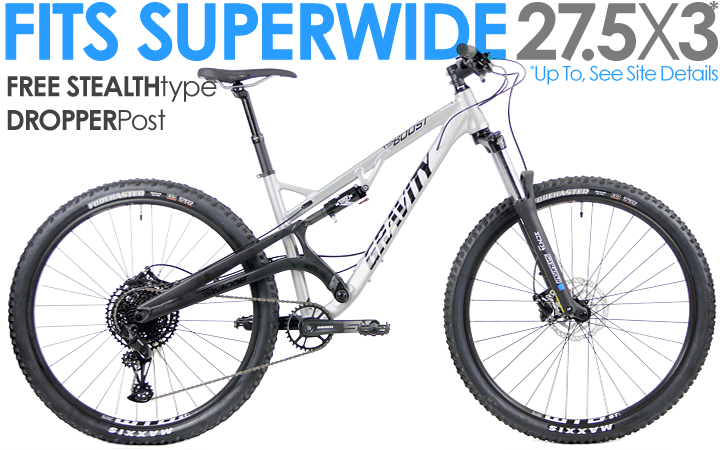
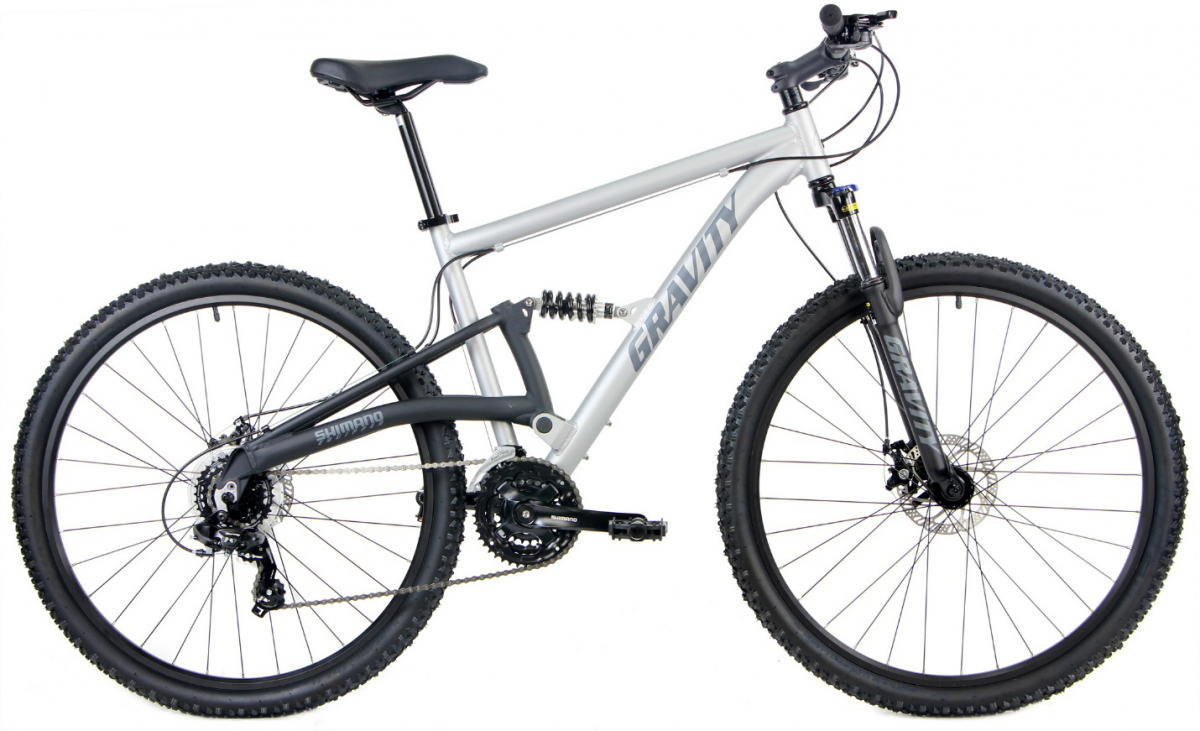
Gravity full suspension mountain bike with dropper post and wide tires

Drivetrain Care: The Heart of Smooth Riding

If the frame is your bike’s skeleton, the drivetrain is its heartbeat. The chain, cassette, and chainrings transfer your energy into forward motion. Keeping this system clean and lubricated is essential.

Chains should be wiped down after wet or dirty rides, then lubed with a quality oil designed for the conditions. Dry lubes are great for dusty summer gravel rides, while wet lubes hold up against winter rain and snow. Riders on fat bikes, who often face snowy or sandy conditions, especially benefit from proper lubrication because grit can wreak havoc on components.

Check the chain stretch regularly with a simple tool. Replacing a worn chain early prevents damage to more expensive drivetrain parts. Shifting should feel crisp, not sluggish or jumpy—if it does, it’s time to clean, tune, or replace.

Brake Checks: Confidence in Every Stop

Few things matter more than stopping power. Traditional rim brakes still appear on many budget road bikes and hybrid bikes, but disc brakes are quickly becoming standard across categories for their superior performance in all weather conditions. Regardless of type, brakes need consistent attention.

Inspect brake pads for wear, and replace them before they’re paper-thin. For disc brakes, listen for squealing or rubbing, signs that the rotors need cleaning or realignment. Hydraulic systems may require the occasional bleed to keep the lever feel strong.

Whether cruising the boardwalk on a beach cruiser or charging downhill on a mountain bike, properly tuned brakes give you the confidence to enjoy the ride without fear.

Tires and Wheels: Your Connection to the Ground

Tires are often overlooked until a flat ends a ride, but they’re your most direct connection to the road or trail. Check tire pressure before every outing—low pressure increases rolling resistance and risks pinch flats, while overinflation reduces grip.

Worn tread means less control, particularly on a gravel bike or mountain bike that relies on traction in loose conditions. Fatigue cracks on the sidewalls or bulges signal it’s time for replacements. For fat bikes, with their wide tires designed for snow and sand, tire pressure plays an even greater role in performance. Just a few PSI can transform handling from sluggish to smooth.

Don’t forget wheels. Spin them freely to check for wobbles, which indicate the need for truing. A properly tensioned wheel not only feels smoother but also lasts longer under stress.

Bolts, Bearings, and Cables: The Details That Matter

Small details often make the biggest difference. Loose bolts on stems, handlebars, or crank arms can quickly escalate into dangerous failures. A torque wrench ensures every bolt is tightened to manufacturer specifications—no guesswork required.

Bearings in the headset, bottom bracket, and wheel hubs should move smoothly, without grinding or play. If you feel resistance or hear creaking, it’s time for service or replacement.

Cables and housing, especially on rim brake and mechanical shifting systems, wear down with time. Sticky cables make shifting clunky and braking less responsive. Replacing them is inexpensive but pays huge dividends in performance.

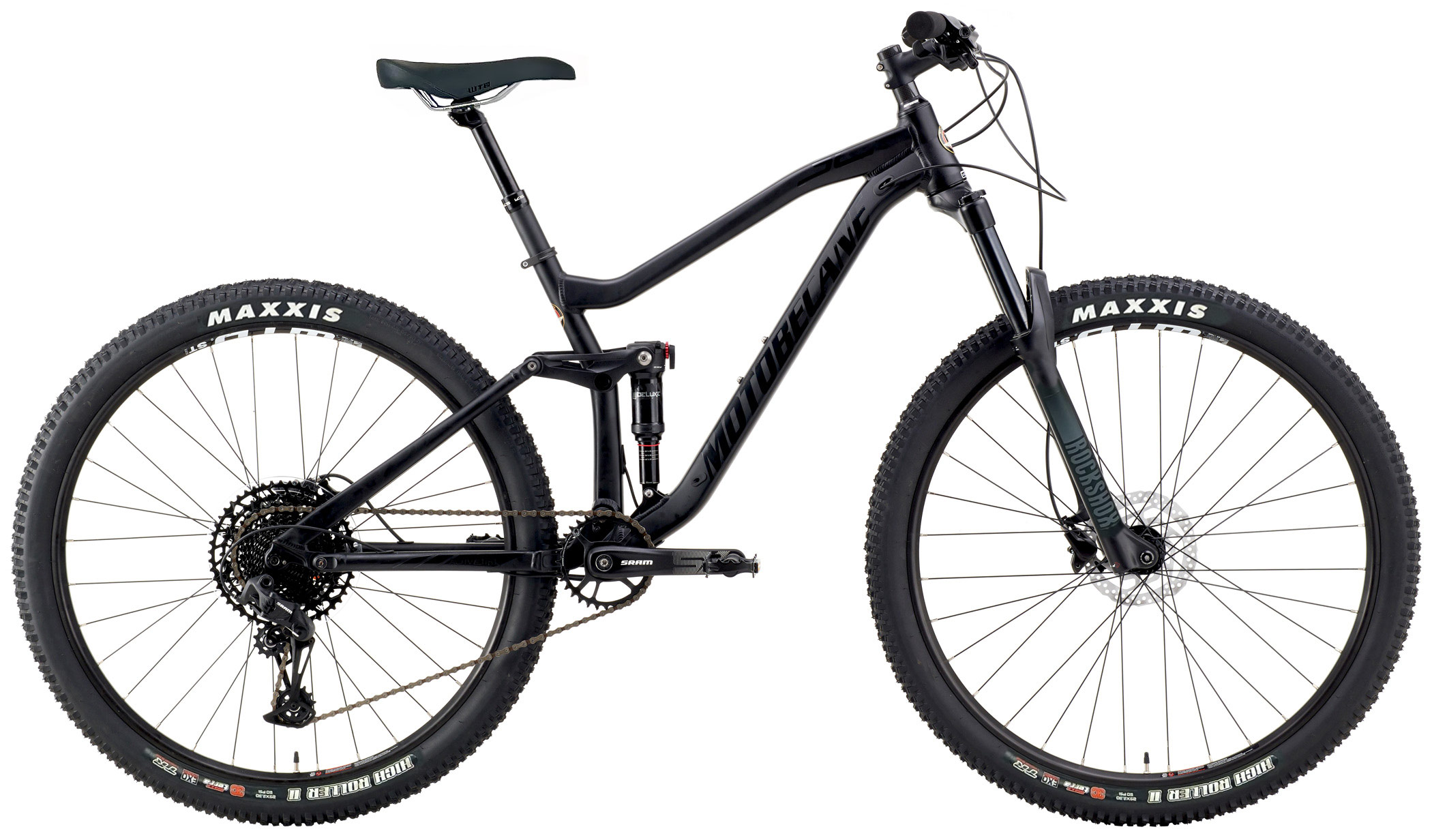
Motobecane full suspension mountain bike with Maxxis tires

Seasonal Maintenance: Riding Through Every Condition

Just as your riding changes with the seasons, so should your maintenance. Winter brings salt, moisture, and grit—tough on steel parts and drive systems. Summer introduces dust and heat that dry out lubricants faster. Fat bike riders know the toll of winter salt, while beach cruiser enthusiasts see firsthand how ocean air accelerates corrosion.

Building seasonal checkups into your routine keeps surprises to a minimum. A spring overhaul, including drivetrain cleaning, wheel truing, and bearing checks, prepares you for a season of riding. Before winter, consider adding extra frame protection or fenders to extend component life.

At Bikesdirect.com, the goal isn’t just helping you find the perfect road bike, gravel bike, fat bike, beach cruiser, mountain bike, or hybrid bike—it’s ensuring you love every mile you ride. Take pride in your bike, care for it, and it will return the favor with countless adventures ahead.

Explore our collection today.