

Fuel strategy isn’t one-size-fits-all. Your position, rolling resistance, and terrain dictate power output—and that dictates what, when, and how much to eat and drink. To turn advice into something practical, we’re comparing cycling nutrition guides across three distinct long-ride bikes: an endurance-calm carbon road bike, an aero-leaning road setup, and a gravel/all-road machine for mixed surfaces. You’ll see how we adjust carbs, fluids, and electrolytes to match the effort each platform invites.
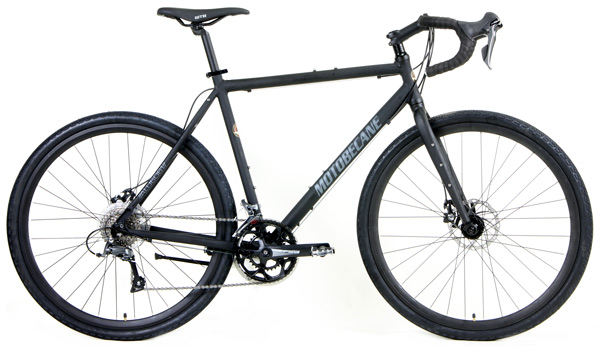
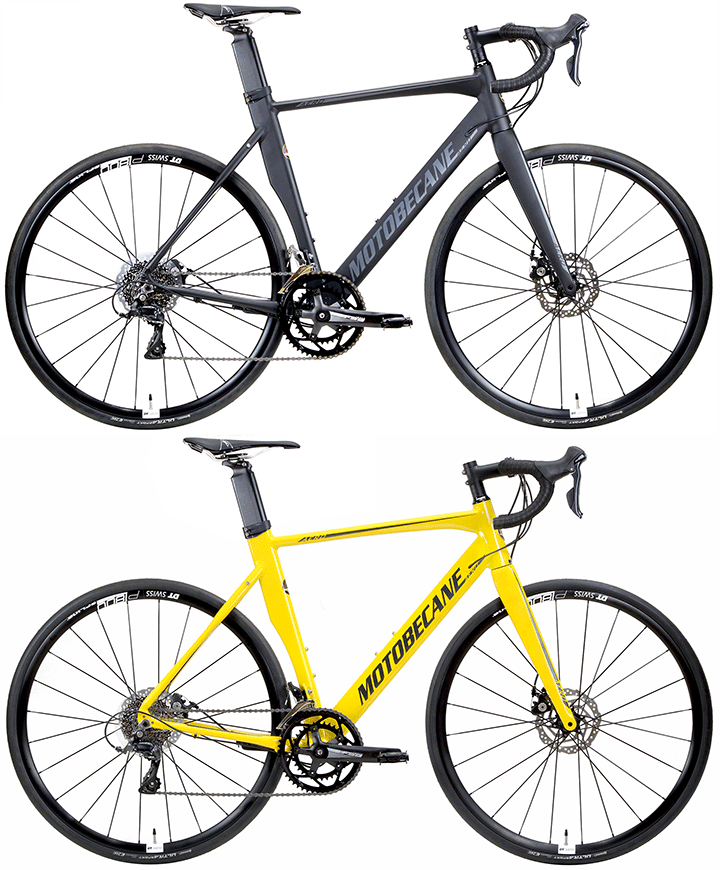
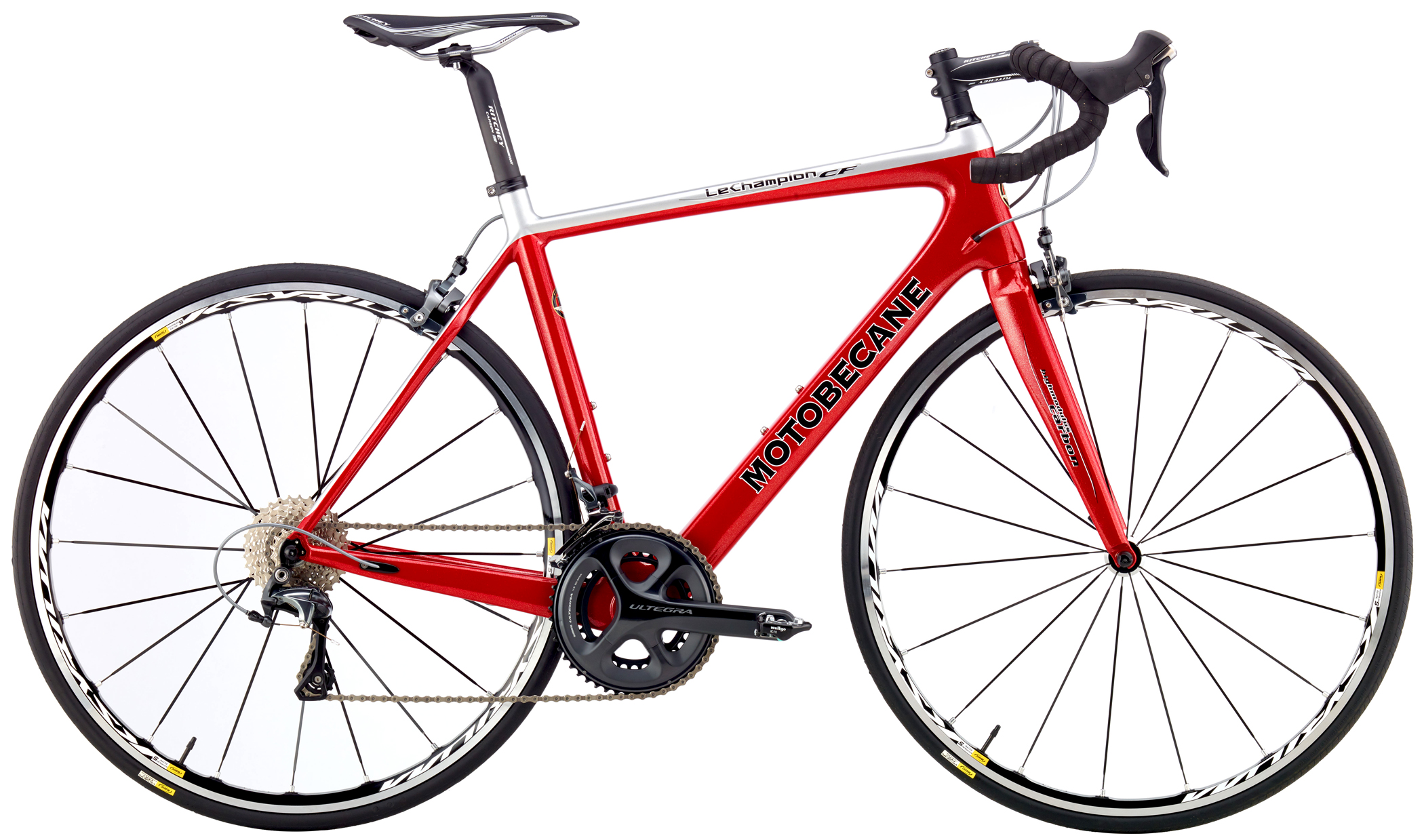
The reference bikes are the Motobecane Le Champion CF LTD (endurance carbon), the Motobecane Fast Aero Road Elite Disc (aero road), and the Motobecane Gravel X3 Disc (all-road/gravel). You can explore them here: Le Champion CF LTD, Fast Aero Road Elite Disc, and Gravel X3 Disc.
The big picture: simple rules that actually work
Three principles anchor this guide. First, carbs power performance; most weekend riders under-fuel early and fade late. Second, hydration and sodium guard the engine; cramps and brain fog are often fluid/electrolyte problems, not fitness problems. Third, timing beats tinkering; set a schedule that’s easy to remember and stick to it even when you “feel fine.”
We’ll keep numbers conservative and easy to implement, then show how to tweak for pace and terrain.
Plan A: Endurance carbon (Le Champion CF LTD) — steady, aerobic centuries
The Le Champion CF LTD positions you a touch taller, accepts 28–32 mm tires, and encourages smooth pedaling. That “calm speed” profile means fewer spikes and a heart rate that hovers in aerobic zones. For most riders, this supports a straightforward fueling plan.
Night before: Aim for a normal dinner with balanced carbs—pasta, rice, potatoes—plus protein and veg. Skip experiments. Hydrate until urine runs pale, not clear.
Pre-ride (90–30 minutes out): 60–90 g carbs total, split however you tolerate—toast and banana, rice cakes with honey, or a simple drink mix. Sip 300–500 ml fluid.
On the bike: Target 40–60 g carbs per hour and 400–600 ml fluid per hour, adjusting up in heat. Use simple, repeatable units: one bottle with 20–30 g carbs plus one small chew or half a bar every 30 minutes. Include 300–600 mg sodium per hour via mix or tablets when it’s warm.
Why it works here: The bike’s smoothness reduces surges, so your stomach cooperates. Tire volume and posture lower overall stress, which means your gut stays online for digestion. If you finish with gas in the tank, step up to 60–75 g/h on future rides.
After: Within 30–60 minutes, add 20–30 g protein and 60–90 g carbs—yogurt and granola, a rice bowl, or chocolate milk plus a sandwich. Rehydrate to normal thirst and include some salt.
Plan B: Aero road (Fast Aero Road Elite Disc) — higher tempo, more surges
An aero-leaning setup invites faster group riding and sharper power spikes. You’ll burn more glycogen per hour at the same perceived effort. That demands earlier and more frequent fueling.
Pre-ride: Bump carbs to the higher end—80–100 g in the 90 minutes before rollout. A low-fiber option reduces gut friction at speed.
On the bike: Start early—within the first 15 minutes. Target 60–90 g carbs per hour, ideally as mixed sources (glucose + fructose blends) to increase absorption. Keep fluids 500–750 ml per hour with 500–800 mg sodium in heat or if you see salt streaks on kit. If you hate eating at pace, push more carbs into bottles with isotonic mixes and top up with small chews every 20–30 minutes.
Why it works here: The aero bike encourages “pulls” and surges out of corners; fueling early prevents the downward spiral where you under-eat, slow down, and then struggle to catch up.
After: Same protein target (20–30 g), but prioritize carbs quickly—fruit + cereal + milk, or rice with eggs and soy. Keep sipping electrolytes if the ride was hot.
Plan C: Gravel/all-road (Gravel X3 Disc) — variable surfaces and cadence
Mixed terrain changes cadence and body position constantly. You may stand more, absorb bumps with your core, and fight washboard. That raises overall cost even at modest speeds and can reduce appetite.
Pre-ride: Choose easy, low-fiber carbs and arrive with a bottle already half-finished. Consider a small, salty snack to kickstart thirst.
On the bike: Use an alarm every 15 minutes as a nudge. Aim 50–70 g carbs per hour and 500–700 ml fluid per hour with 600–900 mg sodium when it’s hot or dusty. Carry a mix of textures: soft chews for rough sections, a gel near climbs when chewing is awkward, and a small, real-food bite (rice bar, fig bar) each hour to keep the stomach happy. Lower tire pressure reduces whole-body shake and helps digestion—comfort is nutrition.
After: Rehydrate more deliberately; dust and dry air hide sweat loss. Protein stays 20–30 g, carbs 60–90 g, plus a salty element to speed recovery.
Troubleshooting: what goes wrong and how to fix it
You bonk despite eating. You started too late or under-hydrated. Front-load the first hour next time and put carbs in bottles if chewing at speed fails you.
Cramps mid-ride. Increase sodium and fluids per hour, and check that your bottles actually match your plan. Don’t rely on sips “when thirsty” in heat.
Gut slosh. Slow down for five minutes, switch to smaller, more frequent sips, and avoid stacking a bar and a full-strength bottle at once. On future rides, reduce fiber the morning of.
No appetite after. Liquid calories count—smoothies with yogurt, fruit, and oats fit easily when solids don’t.
How the bike influences fueling logistics
On the Le Champion CF LTD, upright comfort and calm handling make it easy to unwrap food and drink regularly. Mount two bottles and stash a top-tube bag to keep reach short. On the Fast Aero Road Elite Disc, your head is down more often. Pre-open wrappers, favor bottle-based carbs, and use shallow, frequent sips to avoid big gulps before corners. On the Gravel X3 Disc, bars and bags are your friends: a small frame bag prevents dropped snacks on bumpy sectors, and wider tires at realistic pressures keep your hands steady enough to eat.
A simple, repeatable weekend template
- Friday evening: Normal dinner; pack the bike; fill bottles and label them “Hour 1 / Hour 2 / Water.”
- Ride day: Eat 60–100 g carbs in the 90 minutes before, depending on the bike/pace. Start fueling within 15 minutes. Keep to your per-hour plan even when you “don’t feel hungry yet.”
- Post-ride hour: Protein 20–30 g, carbs 60–90 g, electrolytes if it was hot. Later, a balanced meal. Log what worked.
Match fueling to your bike and route, then make it a habit
The right nutrition plan is the one you’ll follow automatically. Endurance carbon rewards steady, early fueling; aero road needs higher hourly carbs and bottle-based calories; gravel asks for alarms, variety, and a comfort-first setup so your gut stays online. Tell us your weekend routes, speeds, and where fueling usually falls apart—first climbs, mid-ride lulls, or hot finishes—and we’ll help you choose the bike setup and storage that makes your nutrition plan effortless. To compare the Le Champion CF LTD, Fast Aero Road Bike Elite Disc, and gravel bike X3 Disc—and to get a simple checklist for bottles, bags, and mixes—contact our team and we’ll tailor a long-ride kit that keeps you strong from mile one to the last turn home.