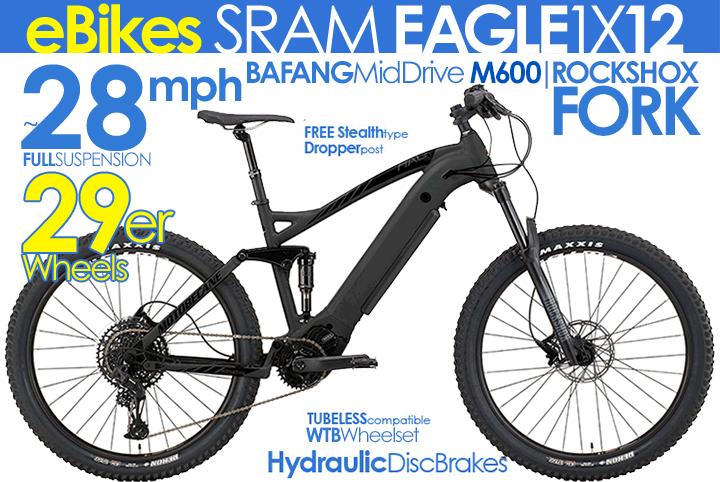
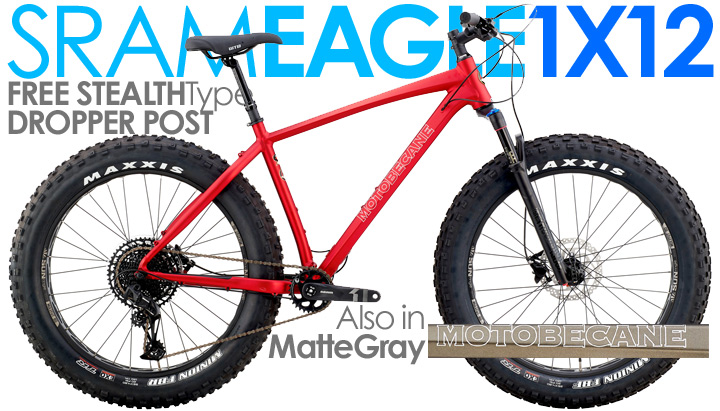
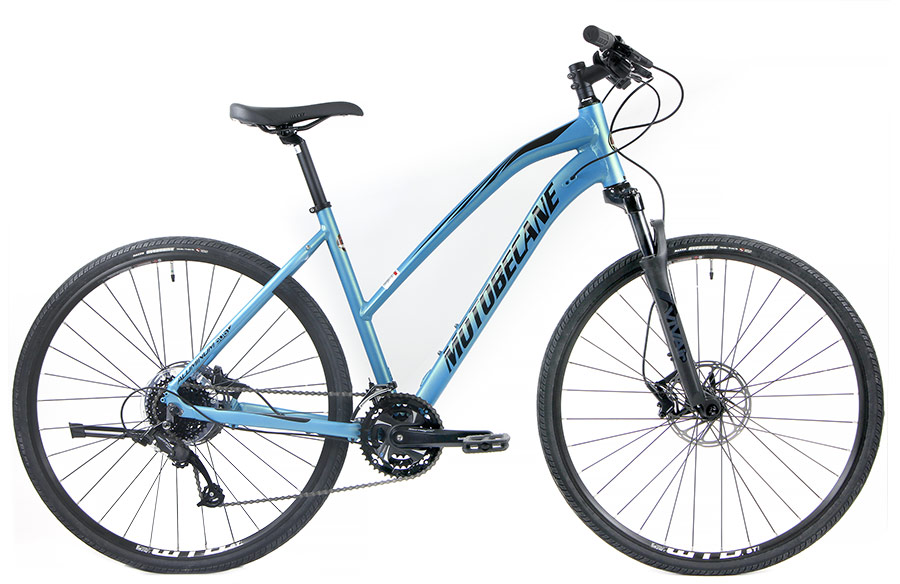
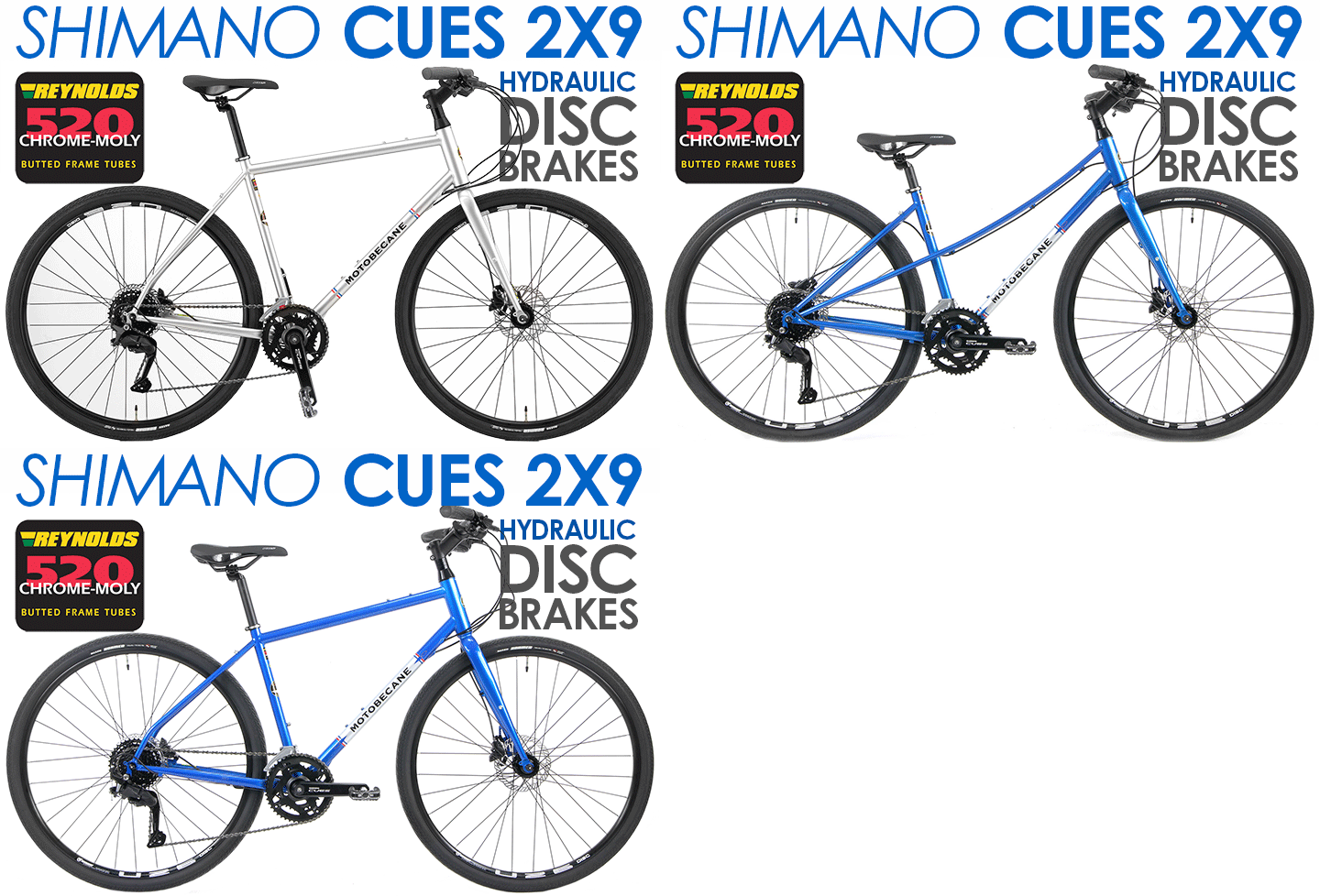
The ride usually starts the same way. You roll out early, the pavement still damp from last night’s rain, traffic just beginning to wake up. A car slows suddenly ahead, a corner tightens more than expected, or a hill drops away faster than planned. In those moments, braking isn’t theoretical—it’s personal. That’s where the conversation around disc brakes on bikes becomes less about trends and more about trust.
For everyday cyclists, disc brakes aren’t about downhill racing or extreme terrain. They’re about consistency, confidence, and knowing your bike will respond the same way every single time, regardless of weather, speed, or load. Understanding what actually matters helps riders decide whether disc brakes make sense for their daily riding style.
Why Braking Matters More Than You Think
Most riders focus on frames, gears, and tires first. Brakes often come last—until they’re needed. Good brakes disappear into the background. Bad brakes demand attention at the worst possible moments.
Disc brakes changed everyday cycling because they deliver predictable stopping power. Instead of relying on rim contact, they clamp a rotor near the hub, away from road grime and water. That design difference reshapes how bikes behave in real-world conditions, not just ideal ones.
Consistency Is the Real Advantage
The biggest benefit of disc brakes on bikes isn’t raw stopping power. It’s consistency. Whether you’re riding dry pavement, wet roads, or gritty city streets, disc brakes perform the same way. That reliability reduces mental load. You stop thinking about whether your brakes will work and focus on the ride itself.
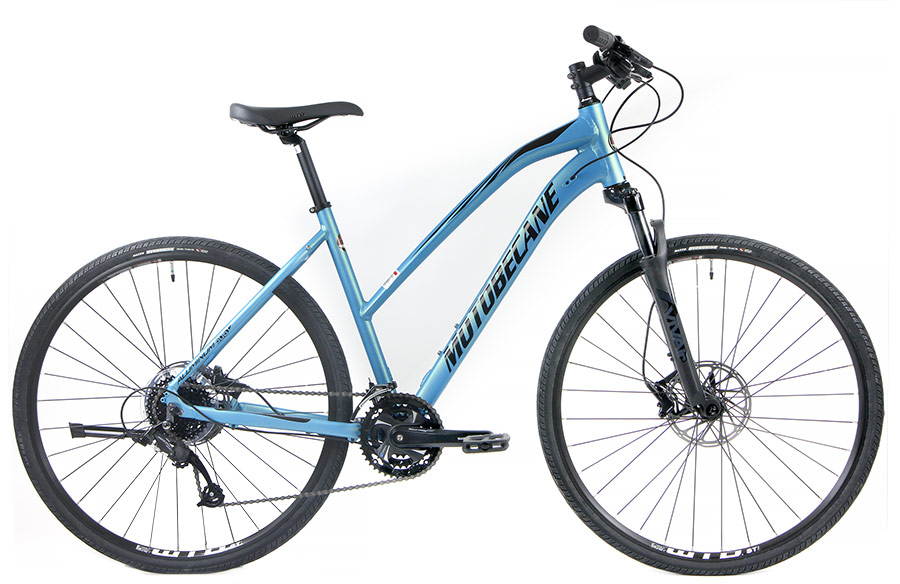
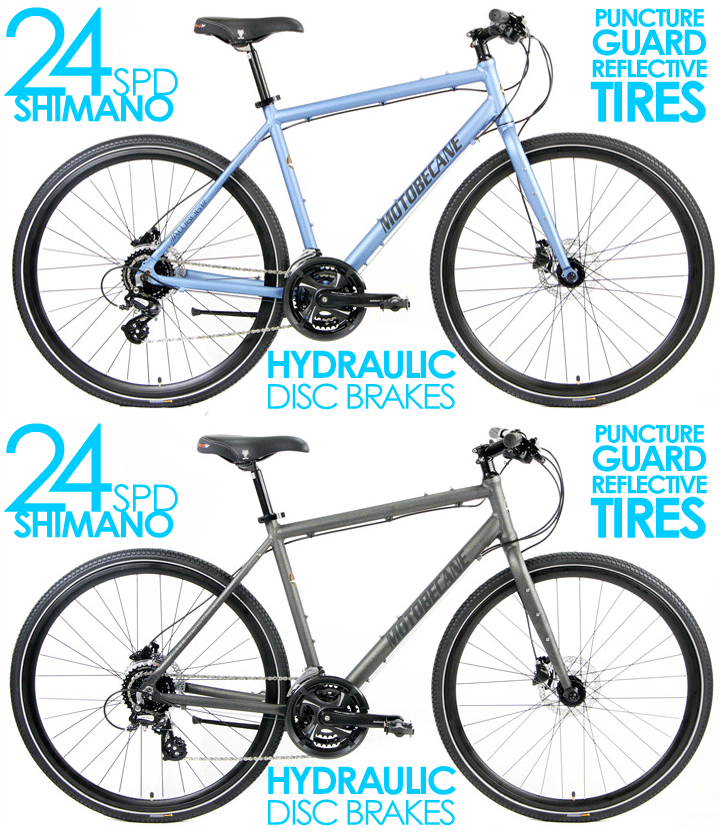
This matters enormously on a hybrid bike used for commuting or fitness riding. Traffic, intersections, and changing surfaces demand predictable braking. Disc brakes deliver that predictability without requiring perfect conditions.
Wet Weather Confidence Changes Everything
Rim brakes lose efficiency when rims get wet. Riders feel the delay immediately. Disc brakes don’t suffer the same drawback. Because the rotor stays cleaner and dries faster, braking response remains immediate.
For riders on a gravel bike, wet-weather performance is a game-changer. Gravel riding often means dust one minute and puddles the next. Disc brakes keep braking smoothly and controlled, even when surfaces change mid-ride.
Low Maintenance for Real Life Riding
Daily cyclists don’t want complicated upkeep. Disc brakes simplify maintenance in ways many riders don’t realize. Rim brakes wear down rims over time, gradually compromising wheel lifespan. Disc brakes remove that wear entirely.
Brake pads are easy to replace, and rotors last a long time under normal use. Cable-actuated mechanical disc brakes, common on value-focused bikes, offer straightforward adjustments without specialized tools. For everyday riders, that translates to fewer surprises and longer component life.
How Disc Brakes Fit Different Bike Styles
Disc brakes aren’t limited to one category. They’ve become common across nearly every type of bike because their advantages scale with riding conditions.
On a road bike, disc brakes offer controlled braking at higher speeds, especially on descents. Riders gain confidence knowing braking performance won’t fade during long rides or sudden weather changes.
A mountain bike almost demands disc brakes. Dirt, mud, and uneven terrain overwhelm rim brakes quickly. Disc brakes maintain modulation and power where it matters most.
Even relaxed categories benefit. A beach cruiser ridden near coastal environments faces moisture and corrosion. Disc brakes resist those elements better, keeping braking reliable with minimal attention.
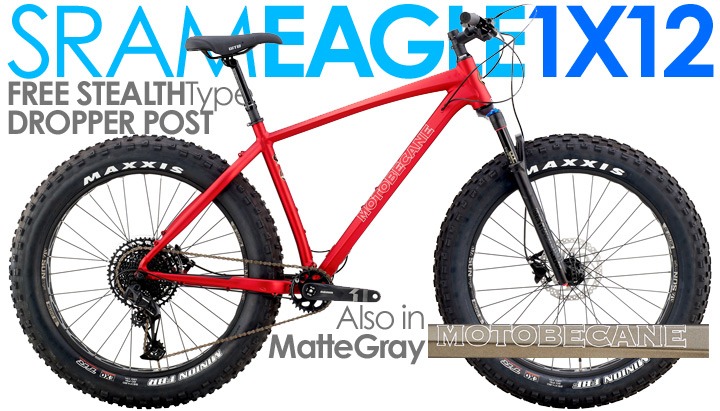
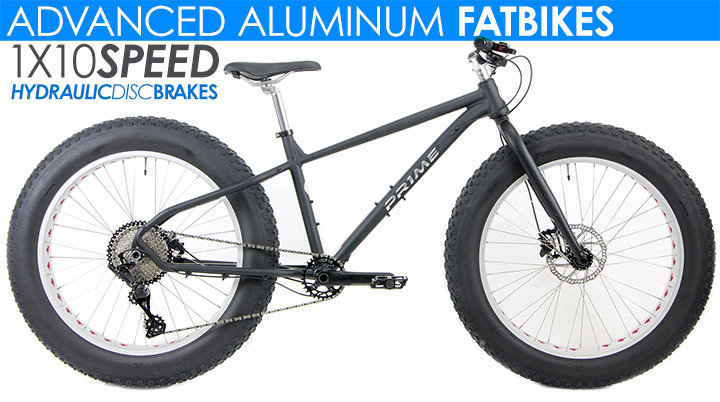
For extreme conditions, a fat bike relies on disc brakes to manage oversized tires and loose surfaces like snow or sand. Rim brakes simply can’t deliver consistent performance in those environments.
Mechanical vs Hydraulic: What Everyday Riders Should Know
Hydraulic disc brakes often dominate discussions, but mechanical disc brakes deserve credit. Mechanical systems use cables instead of fluid, making them easier to service and adjust. For many everyday cyclists, that simplicity outweighs the slight performance difference.
Hydraulic brakes offer smoother modulation and a lighter lever feel, but they also introduce complexity. Daily riders who prioritize reliability and easy maintenance often find mechanical disc brakes strike the right balance.
Weight Isn’t the Dealbreaker It Once Was
Some riders hesitate because disc brakes add weight. While true in theory, the difference is small in practice. Modern disc-equipped bikes offset weight through improved frame design and components.
For everyday riding, that slight weight increase rarely matters. What matters more is control, especially when carrying bags, riding in traffic, or navigating unpredictable surfaces. Disc brakes deliver control without demanding athletic tradeoffs.
Rim Brakes Still Work—But Context Matters
Rim brakes haven’t disappeared because they’re bad. They remain effective in dry conditions and on lighter bikes. For riders who ride occasionally, avoid wet weather, and prefer simplicity, rim brakes still function well.
The shift toward disc brakes reflects changing riding habits. More people ride year-round, commute in mixed conditions, and expect consistent performance without constant adjustment. In that context, disc brakes simply make sense.
Disc brakes aren’t about pushing limits. They’re about removing uncertainty. For daily riders, that reliability transforms how a bike feels and how often it gets used. When brakes work the same way every time, riding becomes easier, safer, and more enjoyable.
Ready to Ride With Confidence?
Choose a bike that stops as confidently as it rolls. At Bikesdirect.com, you’ll find disc brake–equipped bikes across road, hybrid, gravel, mountain, and more—built for real-world riding, not ideal conditions. Ride through traffic, weather changes, and everyday challenges knowing your brakes respond instantly and predictably. Explore options that prioritize safety, consistency, and low maintenance so every ride feels smoother, calmer, and more controlled from start to stop.
This infographic breaks down what really matters about disc brakes for everyday cyclists. Learn how disc brakes deliver consistent stopping power, better wet-weather performance, and lower long-term maintenance compared to rim brakes. Designed for daily riding, commuting, and city streets, disc brakes provide confidence, control, and reliable braking in real-world conditions.
You finally decide it’s time for a serious bike. You open a few tabs, land on a sleek road bike, then a tough-looking mountain bike, and pretty soon every spec sheet is shouting the same phrase: mechanical vs hydraulic disc brakes.
If you are like most new riders, you know disc brakes are “better” than old-school rim brakes, but the difference between mechanical and hydraulic feels like alphabet soup. One system seems cheaper and simpler. The other sounds more advanced and powerful. Which do you actually need for your riding, your budget, and your confidence on the road or trail?
Let’s slow things down, just like a good brake should. This guide breaks the technology into plain language, then connects it to real-world riding on everything from a commuter hybrid bike to a snow-ready fat bike.
The Basics: What Disc Brakes Actually Do Differently
Both mechanical and hydraulic disc brakes use a metal rotor attached to the wheel hub and brake pads mounted in a caliper. When you squeeze the lever, the pads clamp the rotor and slow the wheel.
Compared with rim brakes, disc systems move the braking surface away from the tire sidewall. That simple shift gives you more consistent braking in wet weather, better control on long descents, and less wear on your rims. For riders who push a gravel bike down washboard dirt or hammer a mountain bike through rock gardens, that consistency is a big deal.
Where things get interesting is how the lever force travels from your hand to the rotor. That’s where the mechanical vs hydraulic disc brakes question really starts.
How Mechanical Disc Brakes Work
Mechanical disc brakes use a steel cable, just like rim brakes. When you pull the lever, the cable moves and the caliper squeezes the pads onto the rotor.
Because the whole system is mechanical, you can see and understand nearly every part at a glance. Cable tension is easy to adjust with barrel adjusters. Swap in new pads, tighten a bolt, re-center the caliper, and you are usually good to go.
For many riders starting out on a hybrid bike or entry-level road bike, mechanical discs hit a sweet spot: disc-brake performance without a big jump in price. They are especially attractive if you enjoy doing your own basic maintenance or live far from a bike shop.
How Hydraulic Disc Brakes Work
Hydraulic systems replace the cable with a sealed hose filled with mineral oil or brake fluid. When you squeeze the lever, a piston pushes the fluid, which transfers force to pistons in the caliper, clamping the pads against the rotor.
The key advantage is leverage. A small squeeze at the lever can generate a lot of pressure at the caliper, giving you strong braking with much less hand effort. The fluid also self-adjusts as pads wear, keeping the lever feel consistent over time.
Hydraulics shine in demanding riding: aggressive trail runs on a mountain bike, loaded bikepacking on a gravel bike, or steep winter descents on a studded fat bike. That stronger, more predictable braking translates directly into confidence when conditions are sketchy.
Stopping Power and Modulation: How They Feel On The Trail
When riders compare mechanical vs hydraulic disc brakes, they usually care about two things: raw stopping power and modulation.
Stopping power is how quickly the system can bring you to a halt. Hydraulics usually win here. Because of the fluid leverage and multiple pistons, hydraulic calipers can clamp the rotor harder for the same hand input. It is like having more “gears” in your braking.
Modulation is the control between full-speed and locked-up. Imagine feathering the brakes on a loose descent, adding just enough pressure to scrub speed without skidding. Hydraulic systems tend to offer a smoother ramp of power as you pull the lever, so you can fine-tune grip on gravel, wet pavement, or roots.
Mechanical brakes can still deliver strong stopping power, especially paired with good rotors and quality pads. On an all-round hybrid bike or casual beach cruiser, they feel more than adequate. You just have to pull the lever a bit harder, and small changes in power can feel less precise than on hydraulics.
Maintenance and Reliability: Who Wants To Wrench?
Maintenance is where the decision often flips, especially for new riders.
Mechanical disc brakes are straightforward. The cable stretches over time, so you occasionally adjust tension or turn a barrel adjuster to bring the pads closer. When the cable housing corrodes or frays, you replace it with basic tools. On a commuter road bike or family mountain bike, a confident home mechanic can handle nearly everything.
Hydraulics demand a bit more precision. Because the system is sealed, there are no exposed cables to rust, but the fluid can absorb air or moisture. Every so often, the system needs a bleed: you connect hoses, push fresh fluid through, and expel bubbles. Once you understand the process, it is not mysterious, but it does require the right kit and a bit of patience. Many riders prefer to have a shop do this service.
In terms of reliability, both systems are tough when properly set up. Mechanical brakes are easier to limp home if something goes wrong; worst case, a cable can be tied off or replaced on the side of the trail. Hydraulic hoses, once damaged, are harder to fix mid-ride. That is why some long-distance touring riders still favor mechanical discs, even on rugged routes that would otherwise benefit from hydraulic feel.
Cost And Value: Where Your Money Actually Goes
On entry-level and midrange bikes, brake type is often a good shorthand for how the manufacturer allocated the budget.
Because mechanical components cost less to produce, bikes with cable-actuated discs often invest savings elsewhere: a lighter frame, better drivetrain, or upgraded wheels. A starter hybrid bike with mechanical discs might come in under a similar big-box model while still offering name-brand components and a more thoughtfully designed frame.
Hydraulic disc brakes raise the price, but you are paying for more than just power. You are buying a lighter lever action, better modulation, and a consistent feel in all conditions. On a performance-oriented mountain bike or fast endurance road bike, those differences add up on long rides and challenging terrain.
When you compare individual models side by side, it helps to think about where you will notice the upgrade most. If your longest ride is a relaxed cruise along the boardwalk on a beach cruiser, mechanical discs make a lot of financial sense. If you dream of technical descents or long gravel epics, hydraulics start to look like cheap insurance.
Weather, Terrain, And Riding Style: Matching Brakes To Real Life
Brakes do not exist in isolation; they work together with tire choice, frame design, and the surfaces you ride.
If your reality is wet commutes, gravel shoulders, and surprise potholes, you care about consistent engagement more than sheer downhill power. A well-set mechanical disc on a gravel bike or upright hybrid bike will feel predictable in rain and grit, especially with wider tires to smooth the ride.
If you plan to push the limits on singletrack or bike park features, hydraulic discs on a capable mountain bike come into their own. You can brake later into corners, control speed with one-finger inputs, and stay relaxed on long descents instead of death-gripping the bar.
Winter riders and sandy-beach explorers often choose a fat bike. Those huge tires already create massive grip, but add in hydraulic discs, and you have a setup that can brake confidently even when rims are coated in slush or salt. For milder climates and mixed-use paths, mechanical discs on a fat bike still offer plenty of control without overcomplicating the build.
The Learning Curve: Feel, Setup, And Confidence
Another overlooked aspect of mechanical vs hydraulic disc brakes is how they help a new rider grow skills.
Mechanical systems encourage you to learn the basics of setup. You become familiar with pad alignment, cable tension, and rotor rub. That knowledge pays off every time you hear a faint scraping sound and know exactly what to tweak. For riders who enjoy understanding their machine, mechanical discs are a great classroom.
Hydraulics teach a different lesson: subtle braking. Because small lever inputs produce noticeable changes in deceleration, you quickly learn to modulate with one finger and shift your weight rather than grabbing a handful. Off-road, that translates into fewer skids and more balanced, controlled riding. On pavement, it means smoother stops and better traction in panic situations.
Neither learning curve is “better,” but one may fit your personality. If you love the idea of wrenching in the garage on a rainy evening, mechanical discs might make you happy. If you just want the bike to disappear beneath you and perform flawlessly, hydraulics will feel like a gift.
Long-Term Ownership: Upgrades And Future-Proofing
When you buy your first serious bike, you are not just buying the next six months. You are buying a platform for years of riding and upgrades.
Mechanical disc brake bikes are easy to upgrade incrementally. You can swap to compressionless housing for a firmer feel, move to larger rotors for more stopping power, or upgrade calipers while keeping the same levers. Parts are widely compatible and relatively inexpensive.
Hydraulic systems can also be upgraded, but it is usually more efficient to choose a higher-level group from the start. Once you have integrated shifters and levers on a drop-bar road bike or gravel bike, changing brake brands later can mean a bigger overhaul. The flip side is that a good hydraulic system can feel “future-proof” for many riders; you simply replace pads and rotors as they wear and enjoy consistent performance year after year.
So, Which System Should New Riders Choose?
Here is the honest answer: there is no single winner in the mechanical vs hydraulic disc brakes debate. There is only the system that matches your riding life right now.
If your focus is value, simplicity, and all-weather reliability for commuting, fitness rides, or casual family outings, cable-actuated discs are hard to beat. On a quality hybrid bike, beach cruiser, or entry-level mountain bike, they give you modern stopping power without stretching your budget. You learn basic maintenance, stay in control, and still enjoy a huge upgrade over rim brakes.
If your heart is set on technical trails, fast descents, or long mixed-terrain adventures, hydraulics earn their keep quickly. The added power and modulation let you ride harder with less fatigue. On performance-oriented models built for aggressive riding, the entire frame, fork, and wheel package is usually designed around the expectation of hydraulic braking.
Whichever option you lean toward, remember that good braking is about the whole system: quality rotors, fresh pads, and properly bedded-in surfaces. A well-maintained mechanical setup can outperform a neglected hydraulic system, and vice versa. Take the time to set your brakes up correctly, and they will reward you every ride.
Ready To Choose Your First Disc-Brake Bike?
If you are still weighing mechanical vs hydraulic disc brakes, the best next step is to connect the theory to specific bikes. Look at how brake choice interacts with frame material, tire clearance, and your preferred riding style.
Maybe you picture yourself cruising rail trails and neighborhood streets on a comfortable hybrid bike. Maybe you cannot stop daydreaming about exploring forest roads on a gravel bike, hammering club rides on a sleek road bike, or floating over winter trails on a fat bike. Whatever your vision, there is a disc-brake setup that fits it.
When you are ready to turn that vision into a real bike in your garage, browse the full selection of disc-equipped models at Bikesdirect.com. By selling straight to riders, we skip the retail markup and pack more performance into every price point, from entry-level commuters to advanced trail machines. As you compare specs, pay close attention to the brake type on each model, then match it to the kind of rides you actually plan to take: daily commutes, weekend group rides, family boardwalk spins, or big adventure missions. That way, you are not just buying brakes; you are buying confidence every time you roll out of the driveway.
Take your time, explore the options, and imagine how solid, predictable braking will feel on your very first ride. When you find the bike that fits your budget, your terrain, and your goals, you will know you chose the right side in the mechanical vs hydraulic disc brakes debate—not because someone told you which was best, but because you understand how the system works for you.
This Disc Brake guide explains pad choices, noise fixes, rotor care, and braking performance for different bikes. It highlights how proper setup improves stopping power and safety, especially for a Hybrid Bike, offering smoother, quieter, and more controlled braking on every ride.
Upgrade your cycling experience with disc-equipped bikes from BikesDirect.com. Offering stronger stopping power, better control, and reliable performance in all weather conditions, disc systems provide confidence and safety on every ride. Perfect for road, mountain, gravel, and hybrid bikes, they deliver smooth handling and consistent braking across any terrain.
Picture this: you’re descending a winding mountain road, the air rushing past as your speed builds. Suddenly, a sharp turn appears. You squeeze your brakes, and in that split second, the difference between disc brakes and rim brakes becomes clear.
One delivers precise, confident stopping power regardless of the weather or terrain, while the other can leave you second-guessing. This moment of truth is why disc brakes are no longer reserved for professional cyclists—they are fast becoming the standard across modern road bikes, gravel bikes, mountainbikes, fat bikes, hybrid bikes, and even stylish beach cruisers.
In this article, we’ll explore why disc brakes are transforming cycling, what makes them superior to rim brakes in performance and reliability, and how they are shaping the future of Bikesdirect’s lineup.
A Quick Look at How Brakes Work
For decades, rim brakes ruled the cycling world. Simple and lightweight, they apply friction directly to the wheel’s rim to slow down the bike. For everyday use, rim brakes did the job, which is why they dominated road bikes and commuter bikes for years.
Disc brakes, however, take their cue from the motorcycle industry. Instead of relying on the rim, a disc rotor is mounted to the hub, and calipers clamp onto it to create braking force. This design moves the braking surface away from road grime, water, and mud, which immediately improves consistency and reliability.
Why Disc Brakes Offer Superior Stopping Power
The biggest advantage of disc brakes is stopping power. Riders who switch often remark on how much more control they feel, especially at higher speeds or in wet conditions. Whether you’re descending an alpine pass on a road bike or navigating loose gravel trails, disc brakes allow you to stop faster and with less force at the lever.
This added power is especially noticeable for riders who carry extra weight, such as commuters with panniers or adventurers loading up a gravel bike for bikepacking. With rim brakes, heavy loads can strain braking performance, while disc brakes maintain consistent stopping efficiency.
All-Weather Performance: Rain, Mud, and Beyond
If you’ve ever tried to brake in the rain with rim brakes, you know the unnerving delay before the pads bite into the wet rim. That lag can feel like an eternity. Disc brakes eliminate this issue because the braking surface is higher up, away from splashes, and designed to clear water quickly.
On a mountain bike or fat bike, this difference is even more important. Mud, snow, and grit wreak havoc on rims, but discs keep working regardless of what the trail throws at you. That’s why riders in diverse climates—from snowy Minnesota winters to sandy Florida trails—see disc brakes as a must-have, not a luxury.
Control and Modulation: It’s Not Just About Power
Braking isn’t only about rawstopping force—it’s also about control. Rim brakes tend to feel more “all or nothing,” while disc brakes excel in modulation. This means you can feather your brakes to apply just the right amount of force, whether you’re slowing gradually or making an emergency stop.
Cyclists on gravel bikes especially appreciate this finesse. Loose gravel demands subtle braking inputs, and discs provide the fine-tuned control needed to stay upright. Similarly, on technical descents, mountain bike riders can modulate speed without locking up the wheels, leading to smoother and safer rides.
Maintenance: Rim Wear vs Rotor Longevity
One often overlooked advantage of disc brakes is how they protect your wheels. With rim brakes, every stop slowly wears down the rim’s braking surface. Over time, this can lead to costly wheel replacements. Disc brakes, on the other hand, use replaceable rotors. Not only are these cheaper to replace than rims, but they also last longer when maintained properly.
For the everyday rider on a hybrid bike or beach cruiser, this translates to fewer long-term expenses and more reliable performance. And for competitive cyclists, it means preserving expensive carbon rims from unnecessary wear.
Weight and Cost: Are Rim Brakes Still Relevant?
Of course, rim brakes still have their place. They’re lighter, cheaper, and simpler to maintain, which appeals to certain riders. If you’re racing in dry conditions on a lightweight road bike, rim brakes can shave precious grams and still perform adequately.
However, the industry trend is clear: disc brakes are now standard on almost all high-end road bikes, gravel bikes, and mountain bikes. Even fat bikes and hybrid bikes are increasingly disc-equipped. The slight weight penalty and extra cost are more than offset by the safety, performance, and durability benefits.
On road bikes, disc brakes provide the confidence to descend at speed and stop reliably in unpredictable city traffic.
On gravel bikes, they’re essential for managing variable terrain and long-distance endurance rides.
On mountain bikes, discs are the gold standard for tackling steep, technical trails.
On fat bikes, they handle snow, sand, and mud with ease.
Even hybrid bikes and beach cruisers are adopting disc setups, offering casual riders and commuters the same safety and control once reserved for elite athletes.
This universal adoption underscores one point: disc brakes are no longer just an upgrade—they’re the expectation.
Conclusion: Why Disc Brakes Make Sense for Every Rider
At the end of the day, cycling is about freedom, and that freedom feels best when it’s paired with safety and control. Disc brakes deliver both. They make steep descents less intimidating, wet commutes more predictable, and off-road exploration more exciting. While rim brakes still have a niche, the overwhelming trend in performance, reliability, and long-term value makes disc brakes the smarter choice for most riders.
If you’re ready to experience the difference, explore the growing lineup of disc-equipped road bikes, gravel bikes, mountain bikes, fat bikes, hybrid bikes, and even beach cruisers at Bikesdirect. The ride ahead will feel smoother, safer, and far more rewarding.
Now is the time to upgrade your ride. Don’t settle for outdated braking systems that limit your control and confidence. At Bikesdirect, you’ll find incredible deals on disc-equipped road bikes, gravel bikes, mountain bikes, fat bikes, hybrid bikes, and beach cruiser designed to perform in every condition. Explore the options, compare models, and see how much better your ride can be when you choose the braking technology that’s shaping the future of cycling.
It was a damp Saturday morning when Evan rolled his road bike out of the garage. He had been riding with the same group for years, tackling long routes that wound through rolling hills and open highways. But today, something felt different. As the rain started to fall, he watched his friends with disc brakes descend confidently, slowing smoothly even on slick pavement, while his traditional rim brakes squealed and struggled to grip. By the bottom of the hill, Evan knew what many cyclists have debated for years: when it comes to braking technology, the battle between disc brakes vs rim brakes is far from simple.
This debate is one of the most important decisions a rider makes when buying a new bike. Your braking system determines not only how safely you stop but also how your bike feels, handles, and performs over the long haul. Whether you ride a mountain bike, a sleek road bike, a versatile gravel bike, or even a laid-back beach cruiser, understanding the differences between rim and disc brakes can help you choose the system that best matches your style.
In this guide, we’ll break down braking performance, maintenance, reliability, and long-term considerations to help you decide which option suits your riding.
The Basics: How Rim Brakes and Disc Brakes Work
For decades, rim brakes were the universal standard on bicycles, from casual beach cruisers to high-performance road bikes. The principle is simple: when the rider pulls the brake lever, brake pads press directly against the wheel’s rim. This friction slows the wheel’s rotation, bringing the bike to a stop. Rim brakes are light, inexpensive, and easy to maintain. A quick pad replacement or minor cable adjustment can often be done at home with basic tools. Their simplicity explains why they dominated the cycling market for so long, becoming the go-to braking system across nearly every category of bike in modern history.
Disc brakes, by contrast, represent a different approach. Instead of the rim acting as the braking surface, a small rotor is attached to the wheel hub. Calipers, often with hydraulic or mechanical actuation, squeeze brake pads onto this rotor to generate stopping power. By moving braking away from the rim, discs create a more centralized and efficient system. This design was first popularized in motorcycles before mountain bikers adopted it to gain control on steep, technical trails. Over time, the advantages became undeniable, and disc brakes spread into other segments, including gravel bikes, hybrid bikes, and even performance-focused road bikes.
Braking Power: The Core of the Debate
When it comes to sheer stopping power, disc brakes vs rim brakes is not a close contest. Disc brakes consistently provide stronger, more reliable braking in all conditions.
On a sunny day with dry pavement, rim brakes do an adequate job, especially on lightweight road bikes designed for speed. But add rain, mud, or dust, and their performance quickly declines. The pads struggle to grip wet rims, leading to longer stopping distances and less predictable control.
Disc brakes shine in these moments. Because the rotor is located away from the tire and road debris, it stays cleaner and maintains consistent grip. On a mountain bike, where steep descents and rocky terrain demand absolute control, disc brakes can mean the difference between riding a trail smoothly or skidding out of control. Gravel riders, too, appreciate the confidence disc brakes provide when navigating unpredictable surfaces.
Modulation and Control
Stopping power is only part of the story. How smoothly you can apply that power—known as modulation—is equally important.
Rim brakes can feel on-off, with less nuance in how force is applied. Disc brakes, on the other hand, allow for precise control. You can feather the brakes to slow gradually, or squeeze firmly for a strong stop, all with a smoother feel.
This modulation is particularly useful on fat bikes, where wide tires roll over snow or sand, and sudden braking could cause loss of traction. Disc brakes let riders apply just enough stopping power to stay in control without sliding.
Weight and Efficiency
One of the few areas where rim brakes still hold an edge is weight. Because they rely on fewer components, rim brakes are lighter overall. Competitive road cyclists, where every gram counts, often point to this advantage. A bike with rim brakes can also feel slightly more aerodynamic since it lacks the added rotor and caliper drag.
For riders who prioritize climbing speed or pure efficiency, rim brakes remain attractive. A road bike designed for racing might still use them in certain cases, though the industry trend continues to move toward disc.
Maintenance Needs
Maintenance is where disc brakes vs rim brakes becomes a nuanced conversation.
Rim brakes are simpler to maintain. Pads are inexpensive and easy to replace, and adjustments require only basic tools. However, the rim itself serves as the braking surface, which means long-term wear on the wheel. Over time, constant braking can erode the rim wall, eventually requiring replacement.
Disc brakes shift wear to the rotor, preserving the wheel’s lifespan. They also require more technical maintenance. Hydraulic disc systems need occasional bleeding to remove air bubbles, and rotors must be checked for trueness. While not difficult once you learn, it can be intimidating for new riders.
For hybrid bike riders using their bike for daily commuting, rim brakes may feel easier to service at home. But for adventure cyclists logging serious miles on gravel bikes or mountain bikes, the long-term reliability of discs often outweighs the added complexity.
Performance in Weather Conditions
Ask any commuter caught in a downpour or any mountain biker tackling muddy trails, and the verdict is clear: disc brakes rule in bad weather.
Rim brakes rely on a clean, dry surface to grip effectively. In the rain, they lose efficiency until water clears from the rim, which can add valuable seconds to stopping time. Disc brakes maintain performance regardless of weather, giving riders confidence in unpredictable conditions.
For riders living near the coast who often cruise on a beach cruiser, weather resistance may not be as critical since speeds are lower and riding is more leisurely. But for high-speed descents or unpredictable gravel paths, discs are unmatched.
Longevity and Reliability
Over the long term, disc brakes protect your wheels from wear. Since braking happens on the rotor, the rims stay intact. This matters for high-mileage riders who do not want to replace expensive wheelsets prematurely.
Rim brakes, while simpler, place stress on the rim. Over thousands of miles, particularly in wet or gritty conditions, this wear can become a safety issue. Still, many touring riders appreciate rim brakes because of their mechanical simplicity and global serviceability—finding replacement pads is easier in remote areas than sourcing disc components.
Cost Considerations
Price is often a deciding factor. Rim brake systems are generally less expensive upfront and cheaper to maintain. For budget-conscious riders or those just entering cycling, they remain a solid choice.
Disc brakes add to the cost, not only of the braking system itself but also of compatible wheels and frames. However, the performance benefits often justify the investment for riders who value safety, reliability, and versatility.
For example, an entry-level road bike with rim brakes might be more affordable, while a mid-range gravel bike or mountain bike with disc brakes provides the kind of performance upgrade that grows with your riding ambitions.
The Industry Shift
The cycling industry has always been shaped by technology. From steel frames to carbon fiber, from narrow tires to tubeless setups, innovations eventually become standards. The same is happening with braking systems. Over the last decade, manufacturers have been steadily moving toward disc brakes, and today that shift is nearly complete in several categories.
Nearly all high-end road bikes now ship exclusively with disc brakes. Riders who once clung to rim brakes for their lighter weight are finding that the advantages of discs—particularly in stopping power and control—outweigh the extra grams. Meanwhile, gravel bikes, which thrive on unpredictable surfaces and endurance rides, have almost universally adopted discs because riders demand consistency over long hours and varied terrain. In the world of mountain bikes, discs are not just common; they are essential. Navigating technical descents and sharp switchbacks without them would feel unthinkable for most riders today. Even fat bikes, built for snow and sand, rely on disc brakes for reliable performance in the most demanding conditions.
Interestingly, the shift has not stopped at performance-focused categories. Everyday bikes are changing too. Hybrid bikes, popular among commuters and fitness riders, are increasingly built with disc brakes because they offer peace of mind in traffic and on wet city streets. Even the classic beach cruiser, once known for simplicity and laid-back design, is starting to feature disc-equipped models. Riders may not need the same power as a mountain biker on a downhill trail, but the confidence of smooth, consistent braking appeals to casual cyclists as much as it does to seasoned enthusiasts.
This shift reflects more than engineering—it reflects consumer expectations. Riders want bikes that are safe, versatile, and future-proof. As disc brakes become the new standard, choosing them often feels like making a long-term investment, not only in performance but also in compatibility with the direction the industry is heading.
Personal Preference Still Matters
Despite the growing dominance of discs, the choice between disc brakes vs rim brakes is not absolute. Some cyclists still prefer the tried-and-true simplicity of rim brakes. They are lighter, less expensive, and easier to maintain. For riders who spend most of their time on smooth, dry roads, rim brakes remain perfectly capable. A lightweight road bike with rim brakes can still be the right tool for someone focused on speed, weight savings, and straightforward upkeep.
Others, however, embrace disc brakes for their superior stopping power, modulation, and all-weather reliability. A rider on a gravel bike descending a rain-slicked dirt road or a mountain bike tackling a rocky descent will feel the difference instantly. For them, discs are not a luxury but a necessity.
The key is understanding where and how you ride. If your cycling revolves around dry climates, short rides, or competitive weight-conscious events, rim brakes may still suit you well. But if you push into adventure riding, commute in unpredictable weather, or crave maximum confidence on technical trails, disc brakes quickly become indispensable.
In the end, technology shapes the industry, but the rider’s needs shape the choice. What matters most is that your braking system matches your style, your terrain, and your goals on the bike.
Conclusion
The debate over disc brakes vs rim brakes is not about declaring one a winner for all riders. It is about matching technology to your riding needs. Rim brakes remain lighter, simpler, and more affordable, while disc brakes deliver unmatched stopping power, modulation, and reliability in all conditions.
Whether you are eyeing a fast road bike, a rugged mountain bike, a versatile gravel bike, or even a fat bike for year-round adventures, your braking system will shape your riding experience. And with BikesDirect.com offering both rim and disc brake options across categories, you can find the setup that aligns with your priorities.
Choosing the right braking system is about more than components—it is about confidence, control, and comfort every time you ride. Explore the wide selection of rim and disc brake bikes at BikesDirect.com to see which system matches your style.
Whether you lean toward the lightweight simplicity of rim brakes or the all-weather stopping power of discs, you will find a bike that fits your budget and riding goals. Do not settle for less stopping power than you deserve—shop today and ride with total confidence.