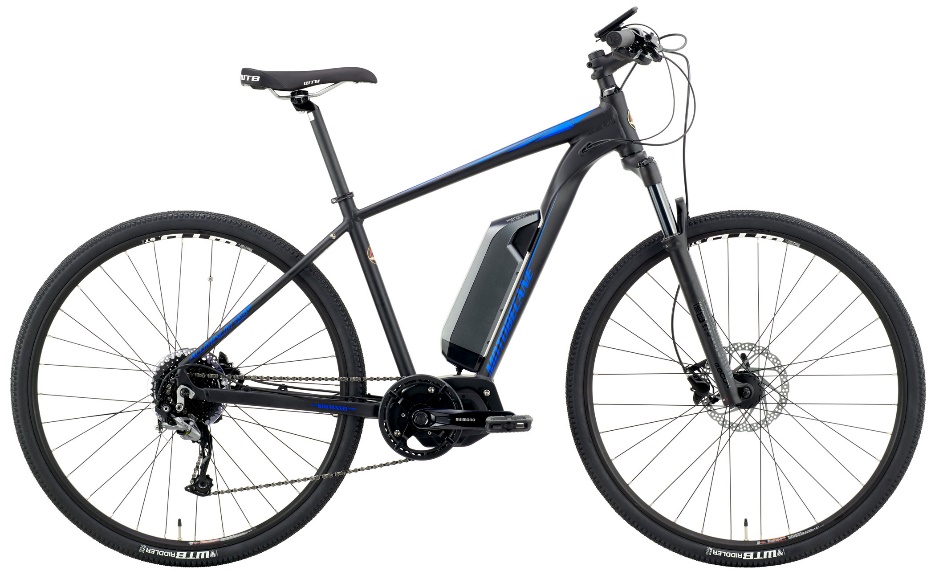
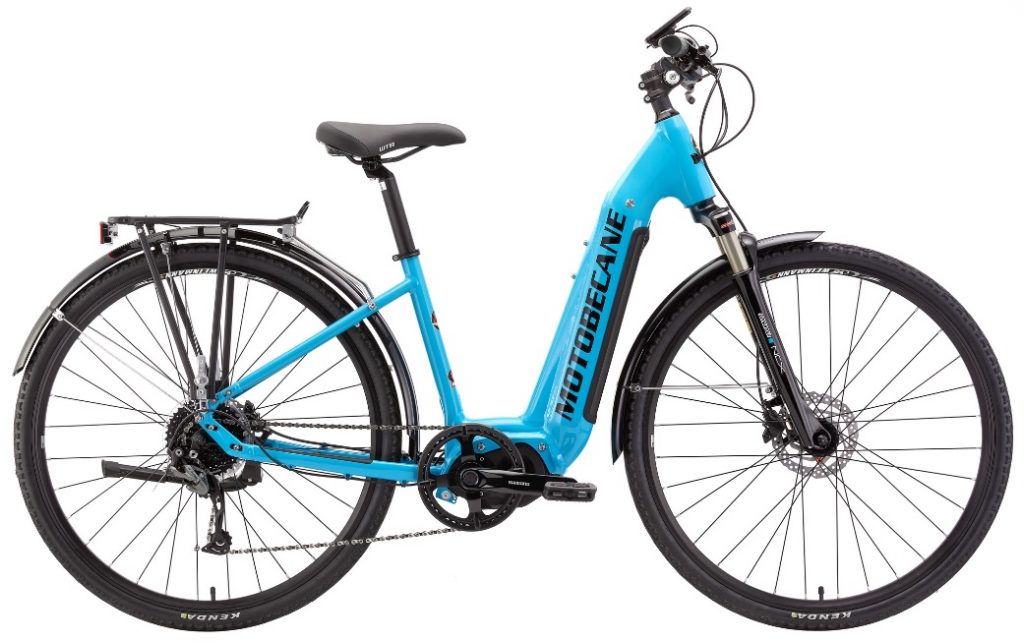
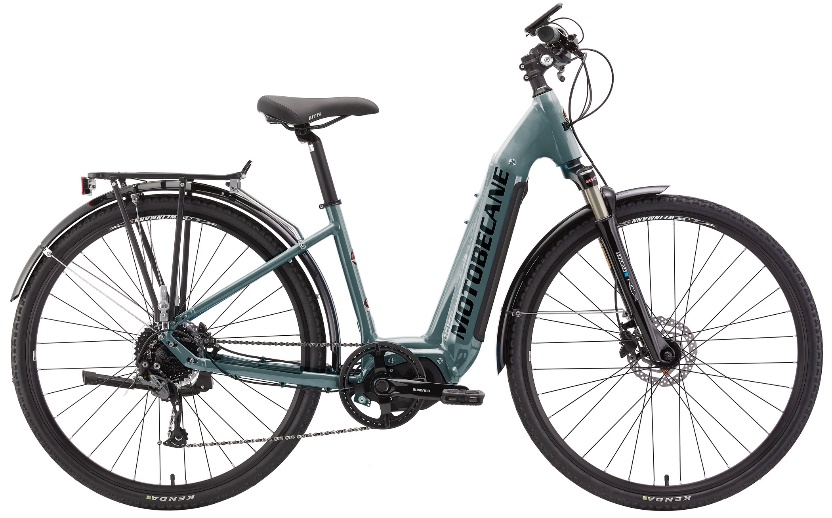
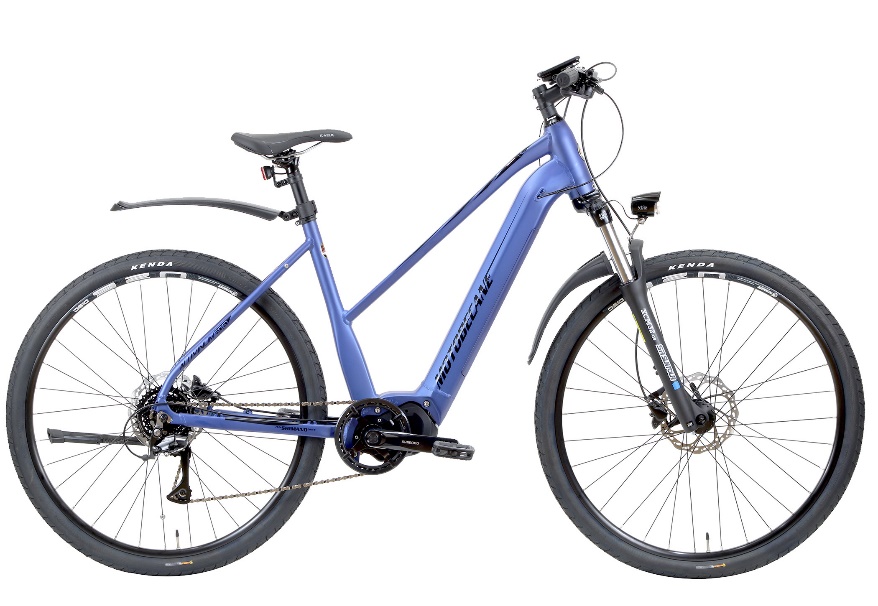
Discover why 2026 is shaping up to be the year of smart E-bikes. This infographic explains how battery intelligence, built-in GPS, and advanced connectivity are transforming navigation, safety, and personalization. Learn how commuters and riders benefit from smarter energy use, reduced range anxiety, and a more confident, connected riding experience.
The first time you ride a truly smart e-bike, it feels like the moment cycling steps into the future. Instead of simply providing assist when you pedal, the bike responds to how you ride, learns your habits, monitors energy use, and connects seamlessly to your phone. For many cyclists, that moment turns an ordinary ride into something intuitive and almost alive. In 2026, this feeling becomes mainstream as the industry moves toward a new era of connected, adaptive, and intelligent riding.
With rapid advancements in sensors, onboard computers, and app-based integration, smart e-bikes in 2026 represent more than a trend. They signal a fundamental shift for commuters, fitness riders, and adventure cyclists who want precision, convenience, and performance built into every mile. These e-bikes take what riders love about a traditional hybrid bike, road bike, or mountain bike and amplify it with real intelligence.
This year marks a turning point, and here is what riders should know.
Smart Technology Is Becoming the Standard for New Riders
A smart e-bike is more than an electric bike with an app attached. It is a machine designed to interact with your riding style through sensors, connectivity, and data-driven performance enhancements. Riders can monitor battery health, track maintenance intervals, customize motor output, and even activate anti-theft systems directly from their phones.
These features do not just add convenience. They fundamentally reshape how cyclists plan, ride, and evaluate their performance. Commuters gain confidence through real-time route tracking and predictive battery ranges. Fitness riders enjoy detailed analytics similar to high-end cycling computers. Off-road riders can fine-tune assistance levels for climbs, loose gravel, and rough terrain.
Cyclists transitioning from a traditional gravel bike or hybrid bike often describe the shift as going from analog to smart. The feel remains familiar, but the responsiveness becomes more refined.
Battery Intelligence Is Eliminating Range Anxiety
One of the biggest reasons riders hesitated with earlier e-bikes was uncertainty about range. Smart e-bikes eliminate that fear. Today’s systems use real-time data to analyze speed, incline, wind resistance, rider weight, and motor usage to predict exactly how far you can go before a charge is needed.
This evolution is transforming how riders explore. Instead of guessing, cyclists receive dynamic range projections that adjust instantly as conditions change. Improved thermal management prevents overheating, and adaptive power output provides smoother, more consistent assistance on difficult climbs.
For riders who take their mountain bike deep into wooded trails or push their gravel bike across mixed terrain, these battery improvements bring new freedom. The ability to ride farther with confidence opens routes that were once too unpredictable for e-assist bikes.
Regenerative braking, better energy cells, and faster charging complete the picture, making 2026 the most advanced year for e-bike battery design.
Integrated GPS Is Transforming Navigation and Safety
GPS integration has quietly become one of the most powerful features driving the adoption of smart e-bikes in 2026. Instead of relying solely on external devices, riders now access built-in mapping and navigation that syncs directly with the bike’s onboard system.
These tools help with route planning, performance tracking, and energy management. Riders can plan a scenic coastal route for a beach cruiser ride, a scenic ridge climb for a mountain bike, or a smooth commute using real-time efficiency data.
Beyond navigation, safety innovations are becoming even more impressive. Smart e-bikes now offer crash detection, automated emergency alerts, integrated lights that respond to speed or braking, and anti-theft GPS beacons that notify riders instantly if the bike moves unexpectedly.
For urban riders, these upgrades deliver peace of mind. For adventure riders—especially those who take a fat bike into remote environments—these tools offer added security during long excursions.
Connectivity Creates a More Personalized Riding Experience
Connectivity is the defining characteristic of smart cycling in 2026. The ability to pair your bike with apps, smartwatches, and training platforms turns every ride into a personalized experience.
Riders can customize pedal assist levels, acceleration curves, and even motor feel. Performance data such as cadence, heart rate zone tracking, elevation gain, and power output help cyclists build targeted training plans.
This level of personalization appeals to riders across all categories. Commuters optimize efficiency on their daily routes, fitness riders push performance goals, and adventurers gain clarity on how their bikes react across varying terrains.
A smart e-bike still feels like cycling. The difference is that the bike works with you. Whether coasting along the beach on a beach cruiser, climbing hills on a mountain bike, or cruising city paths on a hybrid bike, every moment becomes more intuitive.
Commuters Benefit the Most from the Smart Bike Revolution
Commuting has always been one of the strongest cases for e-bikes, and smart technology elevates that experience dramatically. With advanced navigation, improved security, and intelligent energy use, smart e-bikes simplify day-to-day travel.
Riders can check battery status while drinking morning coffee, load their ideal commute route, and receive alerts about optimal charging habits. Software updates improve bike performance over time, and maintenance reminders ensure reliability throughout the year.
For cyclists currently commuting on a traditional road bike or hybrid bike, this shift can be transformative. Smart e-bikes reduce stress, shorten travel times, and turn daily rides into smooth, predictable experiences.
Adventure Cyclists Gain New Tools for Exploration
While commuters benefit daily, adventure cyclists experience the most dramatic performance upgrades. Riders using a gravel bike, fat bike, or mountain bike equipped with smart systems can access route-specific assistance, elevation forecasts, and terrain-adaptive power control.
Offline GPS mode makes backcountry navigation safer. Intelligent motor output ensures riders conserve energy on long climbs. Enhanced waterproofing expands the range of conditions these bikes can handle.
The combination of electric assist and smart navigation is fueling the rise of e-bike packing, a hybrid of adventure cycling and lightweight touring. Riders explore deeper, ride longer, and experience trails once out of reach.
Why 2026 Is the Tipping Point
Technology, affordability, and rider expectations are converging. Manufacturers are prioritizing connectivity and intelligence as baseline features rather than luxury add-ons. More cyclists—from casual riders to explorers—are demanding bikes that adapt, communicate, and optimize performance.
Cycling will always be about movement, rhythm, and freedom. Smart technology does not replace that feeling; it enhances it. It helps riders discover new routes, track progress, and ride with confidence in any environment.
2026 is simply the year when the bike truly becomes part of the journey.
Start Your Next Ride with Confidence
If you are ready to explore the next generation of riding, now is the perfect time to discover how smart technology can elevate your experience. Visit Bikesdirect.com today to compare models, explore performance options, and find a bike that matches your goals for adventure or commuting.
There’s something undeniably satisfying about cruising past rush-hour traffic with the breeze in your face and not a hint of car exhaust clouding your morning. That’s the magic of electric bike commuting, offering freedom, fitness, and financial savvy.
Whether you’re switching from four wheels to two or just curious about how far those batteries can take you, this guide breaks down everything you need to know about e-bike range, batteries, and the real costs of commuting on electric power.
Let’s dive in and get you rolling smarter, faster, and cheaper.
1. What Powers an E-Bike, Anyway?
At the heart of every e-bike lies its battery and motor, your silent partners in conquering hills and headwinds. While it might seem simple (“just charge it and go”), understanding what makes an e-bike tick helps you get more range, performance, and life out of your ride.
An e-bike battery stores energy in watt-hours (Wh). Think of watt-hours as your “fuel tank” — the higher the number, the farther you can ride before needing a recharge. For example, a 500Wh battery can power a 250-watt motor for about two hours (500 ÷ 250 = 2). But real-world factors like terrain, rider weight, and pedal assist level also come into play, and we’ll get into that next.
2. Range 101: How Far Can You Really Go?
Manufacturers might promise “up to 60 miles per charge,” but anyone who’s ridden an e-bike knows that number can swing dramatically. The real range depends on how and where you ride.
Here’s what affects your e-bike’s range the most:
Terrain: Hills drain your battery faster than flat city streets. Expect a shorter range if your commute includes steep climbs.
Riding Mode: Crank up pedal assist or throttle-only mode, and your range drops. Keep it moderate for longer trips.
Tire Type: Wide, knobby tires = more rolling resistance. Smooth, narrow tires = more miles per charge.
Weather and Wind: Cold temps and strong headwinds can sap your battery faster than you’d expect.
Rider Weight & Load: Carrying groceries or a backpack? That extra weight means your motor works harder.
Pro tip: If you ride 10–15 miles daily, a 500–700Wh battery should comfortably handle your commute without midweek charging anxiety.
3. Motor Classes: Which One Fits Your Commute?
E-bikes aren’t one-size-fits-all — they’re classified by how their motors assist you. Knowing the difference helps you choose the right ride for your daily grind.
Class 1 (Pedal Assist): The motor kicks in only when you pedal, helping up to 20 mph. Great for bike paths and commuters who like to get a little workout.
Class 2 (Throttle Assist): Includes a throttle that propels you up to 20 mph without pedaling — perfect for stop-and-go city traffic.
Class 3 (Speed Pedelec): Pedal-assist up to 28 mph. Fast, efficient, and ideal for longer-distance commuters or suburban riders.
If your route mixes city streets and bike lanes, a Class 1 or 3 e-bike offers the best blend of speed, legality, and exercise.
4. Battery Breakdown: Charging Time, Lifespan, and Cost
E-bike batteries might feel like high-tech wizardry, but they’re surprisingly straightforward once you know the basics.
Charging Time: Most e-bike batteries take 3–6 hours for a full charge. Plug in overnight or during work hours, and you’re set for the next day.
Lifespan: A quality lithium-ion battery lasts 500–1,000 charge cycles, roughly 3 to 5 years of daily use.
Replacement Cost: A new battery can run $300–$800, depending on capacity and brand. While that might sound steep, it’s peanuts compared to gas and maintenance costs.
Treat your battery kindly — avoid storing it fully drained, keep it out of extreme heat, and charge it halfway for long-term storage. Your e-bike will thank you with years of reliable rides.
5. The Real Costs: E-Bike vs. Car vs. Transit
Now for the fun part — let’s talk numbers. E-bikes aren’t just eco-friendly; they’re budget-friendly too. Here’s how commuting costs stack up per month:
Commute Method
Monthly Cost (Approx.)
What You’re Paying For
E-Bike
$5–$15
Electricity + minimal maintenance
Car
$200–$400
Gas, insurance, parking, maintenance
Rideshare
$300–$600
Daily fares + surge pricing
Public Transit
$80–$150
Bus/train passes + time delays
Even if you splurge on a high-end e-bike, it typically pays for itself within a year or two compared to car commuting — and you’ll still arrive fresh, awake, and stress-free.
6. Terrain Tales: Why Your Route Matters
Before you buy, take a hard look at your route. Is it flat city terrain or a rollercoaster of hills?
If your daily commute includes steep climbs, opt for a mid-drive motor, which distributes power through your bike’s gears for better efficiency on inclines. For mostly flat commutes, a hub motor is more than enough and usually more affordable.
Think of it this way — your terrain determines your power needs, and your power needs determine your ideal battery size. It’s a balancing act that ensures you’re not overpaying for watt-hours you’ll never use.
7. Real-World Example: The 20-Mile Round Trip
Let’s say you commute 10 miles each way, five days a week. That’s 100 miles total.
With a 600Wh battery, you’ll average 30–50 miles per charge.
You’ll likely recharge twice a week, costing you around $0.10–$0.20 total in electricity.
Compare that to filling up your gas tank twice a week — it’s not even close.
The result? You save hundreds every month, skip traffic, and still get your heart rate up.
Ready to Ditch the Car Commute?
Discover a smarter, cleaner, and more affordable way to commute with BikesDirect. Our wide selection of high-performance electric bikes delivers the perfect mix of power, range, and comfort.
Whether you’re tackling city streets, steep hills, or long suburban commutes, we have an e-bike built to keep up with your lifestyle and your budget. Say goodbye to gas prices and traffic jams — and hello to electric freedom.
Ten years ago, cycling looked very different. Riders still debated whether disc brakes belonged on road bikes, carbon fiber frames were viewed as a luxury, and “gravel riding” was a niche activity. Fast forward to today, and modern bike technology has transformed nearly every aspect of the ride. From the way bikes are built to how they handle diverse terrain, innovations over the last decade have reshaped what’s possible for both weekend riders and elite athletes.
Cycling has always blended tradition with innovation, but the last decade stands out as a period of rapid change. Let’s take a closer look at the biggest advancements and why they matter for anyone considering a new road bike, gravel bike, or even a laid-back beach cruiser.
The Rise of Disc Brakes Across All Bike Types
One of the most talked-about shifts in modern bike technology is the widespread adoption of disc brakes. Once reserved for mountain bikes and extreme conditions, disc brakes are now standard on most categories, from road bikes to hybrid bikes.
Disc brakes offer better stopping power, especially in wet conditions, and allow for greater modulation, meaning you can fine-tune your braking rather than relying on an all-or-nothing squeeze. For commuters, they provide peace of mind in city traffic. For gravel riders, they’re a game-changer on loose or uneven surfaces. And for racers, they deliver consistent performance at high speeds.
Carbon Frames: From Luxury to Mainstream
A decade ago, carbon fiber frames were considered cutting-edge and often carried hefty price tags. Today, carbon is widely available, even on mid-tier bikes. Advances in manufacturing have made it more affordable, while design improvements have created frames that balance stiffness and comfort.
On a road bike, this means smoother rides and better energy transfer during sprints. On a mountain bike, carbon frames reduce weight while withstanding the rigors of rough trails. Even some fat bikes now incorporate carbon elements to shave off pounds and improve handling.
This democratization of carbon has given riders access to pro-level performance without pro-level costs.
Gravel Bikes and the Birth of a Movement
If one category embodies the last decade’s transformation, it’s the gravel bike. Ten years ago, the idea of a dedicated bike for mixed terrain was still emerging. Today, gravel riding has become one of the fastest-growing segments in cycling.
A gravel bike blends the speed of a road bike with the toughness of a mountain bike, making it perfect for riders who want versatility. Larger tire clearance, stable geometry, and mounts for gear have turned gravel bikes into adventure machines. Their popularity reflects a cultural shift as well—riders no longer want to be confined to paved roads but crave exploration and freedom.
Electric Assist and the Growth of E-Bikes
No discussion of modern bike technology is complete without mentioning e-bikes. Electric assist has moved from novelty to mainstream, with commuters, recreational riders, and even mountain bikers embracing the boost.
For city dwellers, an e-hybrid bike provides a sweat-free commute. For older riders or those recovering from injuries, e-assist makes cycling more accessible. And for adventure seekers, e-mountain bikes expand the possibilities of long-distance rides and steep climbs.
This technology hasn’t replaced traditional cycling—it has broadened the definition of who can ride and where they can go.
Fat Bikes: From Niche to Year-Round Utility
Originally designed for snow and sand, the fat bike has found a surprising role as a year-round machine. With ultra-wide tires providing traction and stability, fat bikes thrive in conditions that would sideline traditional models.
Over the past decade, lighter frames and tubeless tire systems have made fat bikes more efficient. Many riders now use them for trail riding, commuting in icy climates, or even bikepacking adventures. Once considered a quirky niche, fat bikes now symbolize versatility and toughness.
The Comfort Revolution: Geometry and Components
Bikes are no longer designed solely for speed or performance. Modern geometry emphasizes comfort without sacrificing efficiency. Shorter top tubes, taller head tubes, and wider handlebars have made today’s bikes more accommodating for long rides.
Take the beach cruiser—while its timeless appeal remains, advancements in saddles, grips, and gearing options make it more enjoyable for everyday neighborhood rides. Similarly, hybrid bikes now offer ergonomic touches like suspension seat posts and adjustable stems, tailoring the experience to riders of all ages and skill levels.
Tubeless Tires and Wider Rims
Another quiet revolution has been the shift to tubeless tires. By eliminating inner tubes, riders enjoy fewer flats, lower rolling resistance, and the ability to run lower tire pressures. This technology, once exclusive to mountain biking, now dominates gravel and road cycling as well.
Wider rims and tires also reflect how riding styles have evolved. Riders now prioritize stability and comfort, especially on mixed terrain. Whether you’re rolling on a mountain bike trail or cruising through the city on a hybrid bike, tubeless setups deliver smoother rides and more confidence.
Tech Meets Tradition: Smart Features and Connectivity
The digital age has touched cycling in more ways than one. Power meters, integrated GPS systems, and smartphone connectivity have moved from professional racing into the mainstream. Riders can now track performance metrics in real time, optimize training, and share their adventures online.
Even entry-level bikes now accommodate mounts for smart accessories, making it easier for everyday riders to benefit from this wave of innovation.
Looking Ahead: The Next Decade of Cycling
If the last decade has taught us anything, it’s that cycling technology evolves quickly. Sustainability will likely play a bigger role, with eco-friendly materials and manufacturing practices shaping the future. Expect even more integration between traditional bikes and digital platforms, plus continued growth in categories like gravel and e-bikes.
But amid all the innovation, one thing remains constant: the joy of pedaling. Whether you ride a sleek road bike, a sturdy mountain bike, or a comfortable beach cruiser, today’s bikes combine tradition with cutting-edge technology in ways that make every ride more enjoyable.
Conclusion: Embracing Modern Bike Technology
The past decade has been nothing short of revolutionary for cyclists. From the rise of the gravel bike to the comfort-focused design of the hybrid bike, innovations have made cycling more accessible, versatile, and exciting than ever before. Whether you’re a casual rider or a seasoned enthusiast, there’s never been a better time to embrace the advancements in modern bike technology.
BikesDirect.com explores the evolution of modern cycling, showcasing how innovations like disc brakes, carbon frames, the versatile gravel bike, and the powerful e-bike have transformed riding experiences. These advancements redefine performance, comfort, and adventure, helping every rider find the perfect balance of speed, freedom, and technology.
The first time you see someone effortlessly glide past you on a hill, barely breaking a sweat, there is a good chance they are riding an electric bike. At first, it feels like cheating—after all, isn’t cycling supposed to be about grit and power? But then you try one, and suddenly the game changes. You are still pedaling, still getting a workout, but with a boost that turns daunting climbs into joyful spins and long commutes into manageable rides.
That is the magic of e-bikes. They are not replacing traditional bikes; they are opening doors for more people to ride farther, longer, and with greater ease. Today, electric bikes are one of the fastest-growing segments in cycling, reshaping what it means to get around on two wheels.
Why Electric Bikes Are Exploding in Popularity
The rise of e-bikes is no accident. As cities become busier, fuel prices climb, and people look for greener ways to commute, riders are discovering that e-bikes solve multiple problems at once. They make cycling accessible to those who might be intimidated by distance or steep terrain. They help daily commuters arrive without being drenched in sweat. And they empower older riders or those with injuries to continue enjoying the freedom of cycling.
What sets electric bikes apart is that they keep the spirit of cycling intact. Unlike scooters or motorcycles, e-bikes still rely on pedaling—you just get an extra push when you need it. This unique balance of human power and electric assistance makes them versatile across different categories, from city commutes to rugged mountain trails.
How Electric Assistance Works
At their core, e-bikes combine a motor, battery, and pedal-assist system. When you pedal, sensors detect your effort and add a smooth boost of power. This can be subtle—just enough to flatten a hill—or powerful enough to make a long ride feel effortless.
Battery life continues to improve, with many models offering ranges of 40–80 miles on a single charge, depending on terrain and assistance levels. That is more than enough for most commuters, fitness riders, and weekend adventurers. And because the motor only activates when you pedal, you always feel connected to the ride rather than detached from it.
Electric Bikes Across Different Categories
Not all e-bikes are built the same. Just as traditional bikes are tailored to specific uses, e-bikes come in variations that cater to different riding styles.
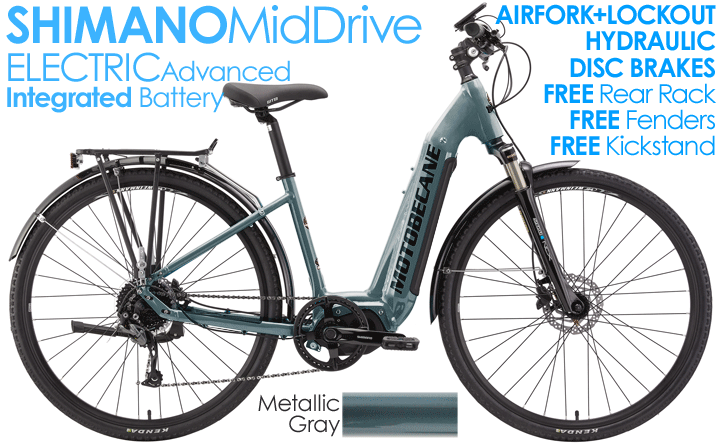
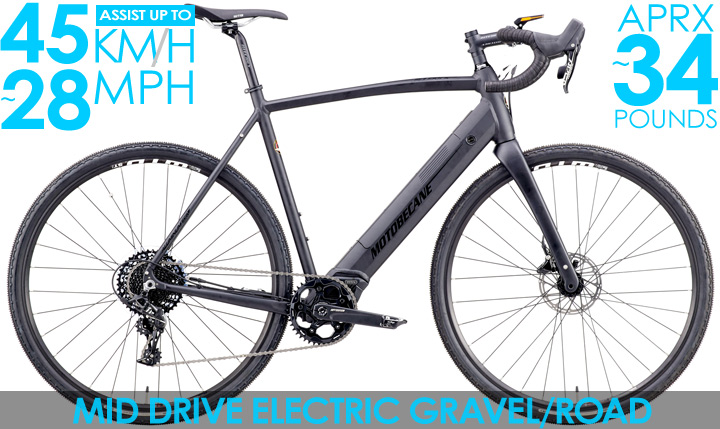
A hybrid bike with electric assist is ideal for city commuters who want upright comfort and practical features like racks and fenders. A gravel bike with electric power gives adventure seekers the ability to push into longer, more rugged routes without fear of burning out too soon.
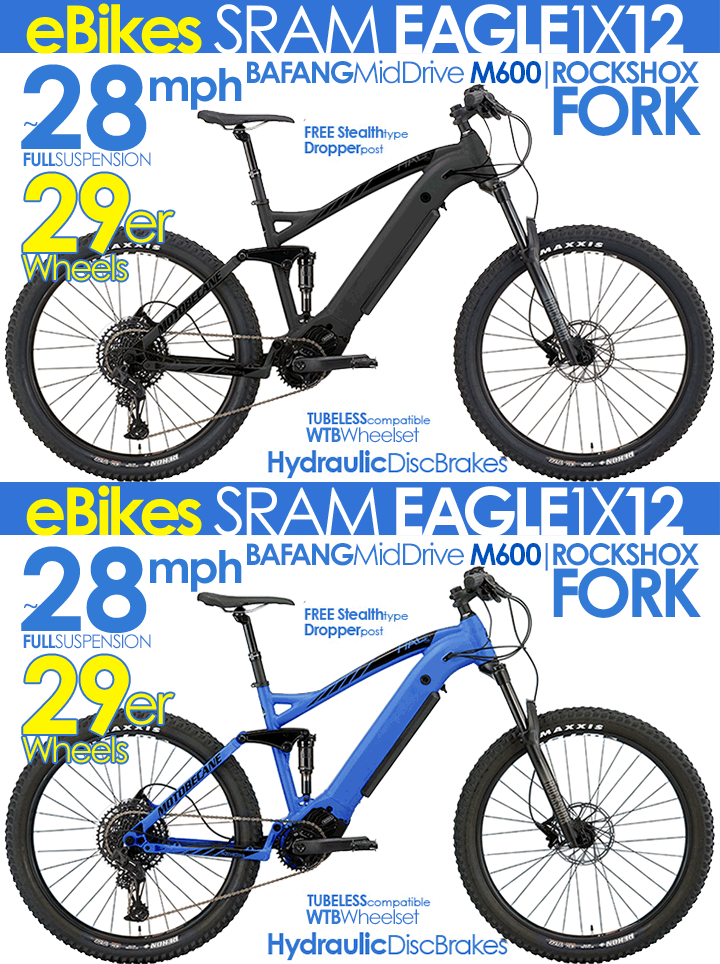
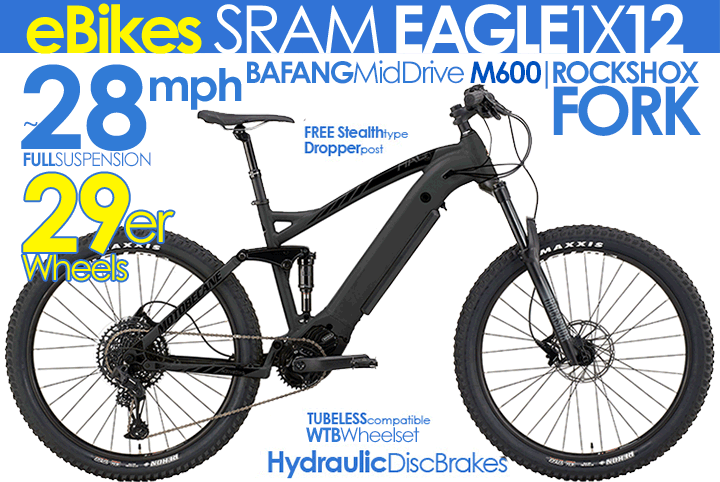
On the performance side, an electric road bike keeps you in the fast lane with an aerodynamic design while making long distances more manageable. Riders who crave off-road thrills can turn to an electric mountain bike, which combines suspension with motor assistance to tackle steep climbs and technical descents.
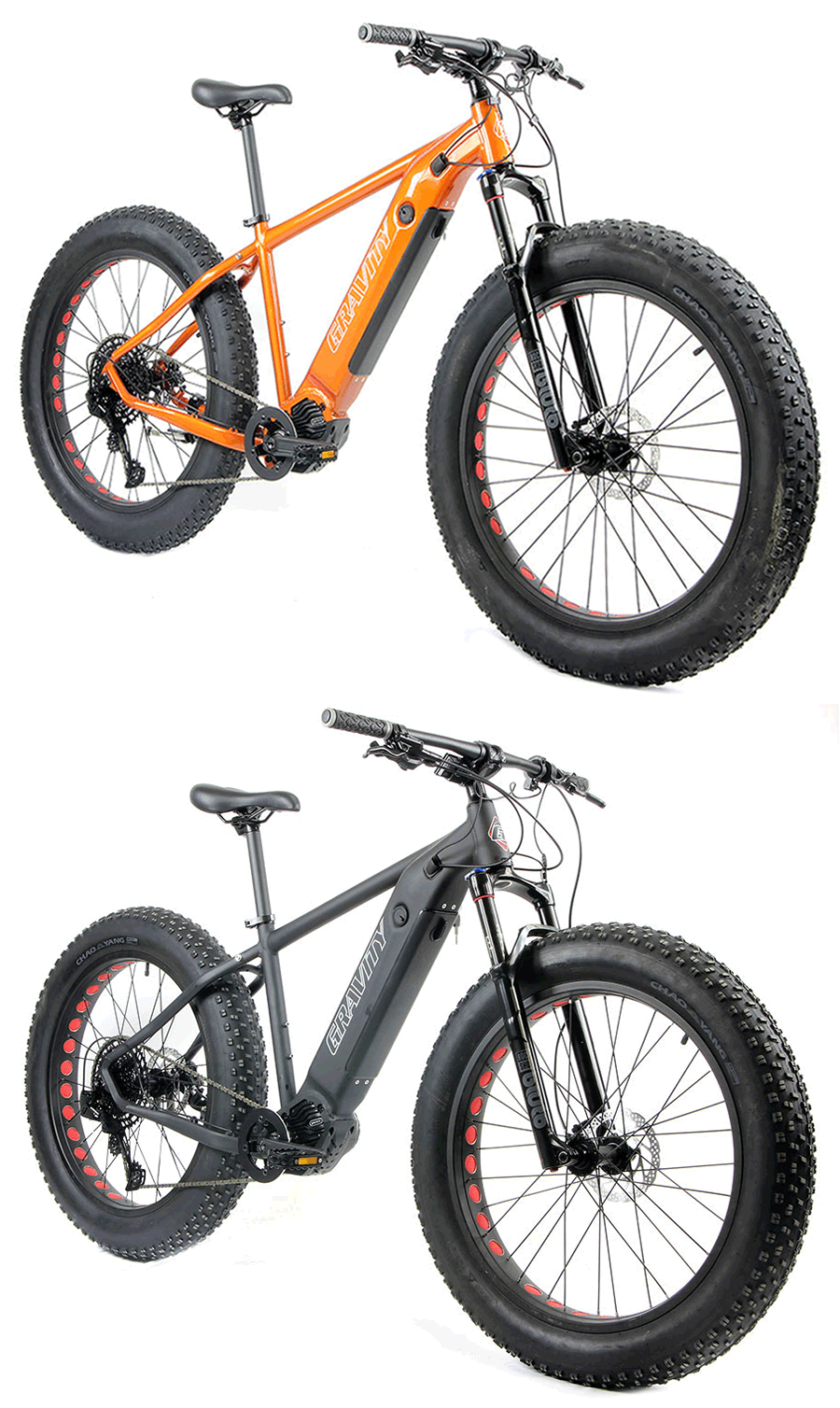
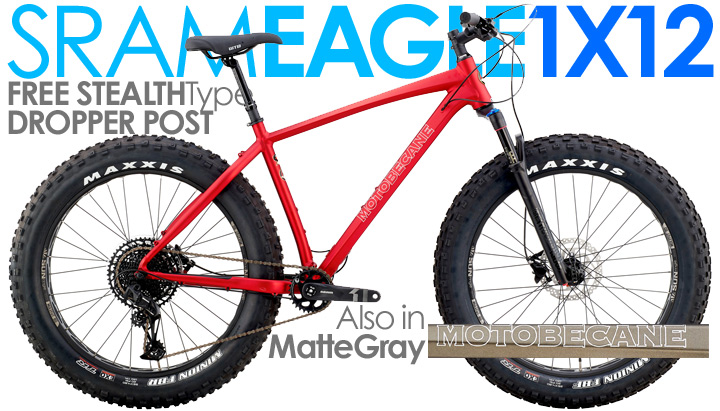
Even niche categories are going electric. There are fat bikes with motors to help riders power through snow and sand, as well as beach cruisers that blend style with effortless pedaling along coastal boardwalks. The variety means there is now an e-bike for nearly every rider, regardless of preference or terrain.
The Benefits That Keep Riders Coming Back
Once people try e-bikes, they rarely look back. The benefits go beyond simply riding faster.
First, they expand accessibility. A rider who might have avoided long commutes due to fatigue suddenly finds them enjoyable. Families can plan longer weekend rides knowing everyone can keep up. Older cyclists often describe e-bikes as giving them a “second life” on two wheels.
Second, they save time and money. Commuters can skip traffic, reduce parking costs, and arrive at work without needing a full wardrobe change. In many cities, e-bikes are proving faster than cars during rush hour.
Third, they encourage fitness. Contrary to the myth that e-bikes eliminate exercise, research shows that e-bike riders often cycle more frequently than traditional riders because the assistance removes barriers that might discourage them.
Features to Look for in Electric Bikes
As with any bike purchase, the details matter. Motors come in different wattages, influencing how much power they can provide. Batteries vary in capacity, affecting range. Integrated displays and smart controls allow riders to monitor speed, battery life, and assist levels.
Frame material also plays a role. Aluminum remains common for its balance of weight and cost, while carbon fiber options push the high-performance end of the spectrum. Suspension systems differ by category—an electric mountain bike may have full suspension for off-road control, while an electric road bike emphasizes stiffness and efficiency.
The good news is that e-bike technology is maturing rapidly, which means reliable options are available at increasingly affordable price points.
Trends Shaping the Future of E-Bikes
The e-bike boom shows no sign of slowing down. Several trends are shaping their future:
Integration is becoming seamless, with motors and batteries blending into frames so that many e-bikes are indistinguishable from traditional bikes at first glance. Range continues to improve, making all-day adventures more practical. Urban planners are investing in cycling infrastructure, which further encourages adoption.
There is also growing crossover appeal. Riders who once swore by their traditional road bikes or gravel bikes are now adding an e-bike to their collection as a complement rather than a replacement. It is no longer an either/or choice—it is about choosing the right tool for the right ride.
Top Electric Models at BikesDirect
At BikesDirect, the selection of electric bikes reflects these trends and caters to every kind of rider. From sleek commuter hybrids equipped with fenders and racks to rugged electric mountain bikes built for adventure, the lineup is designed to make e-bikes accessible without the premium markup often seen elsewhere.
Whether you are looking for a fitness-focused hybrid, a long-range gravel explorer, or a fat-tire model for year-round versatility, there is an e-bike that matches your lifestyle. The variety ensures that you can find an option that fits both your riding style and your budget.
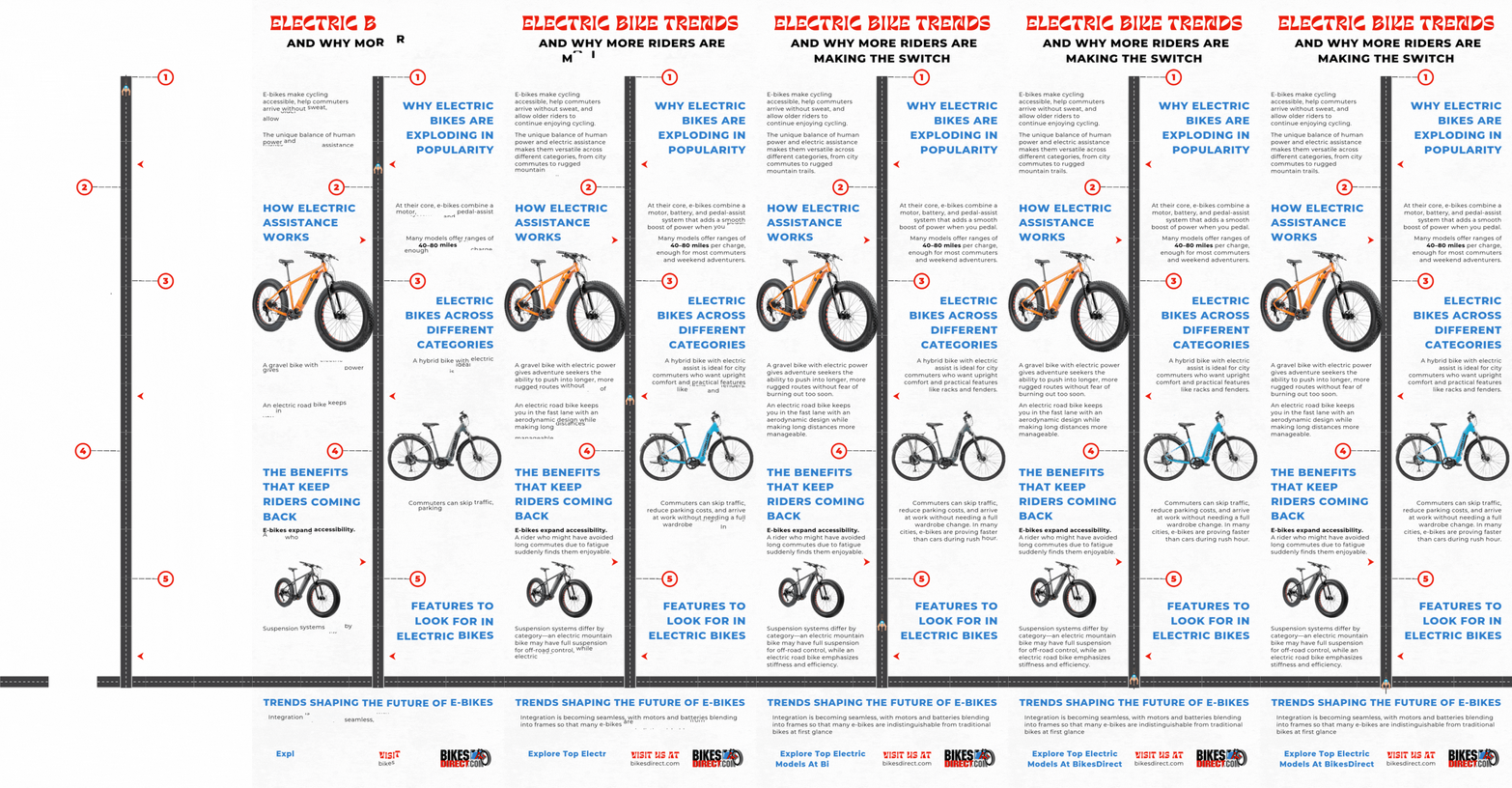
This infographic breaks down why e-bikes are becoming so popular, highlighting how they work, the different types available, and the key benefits they offer. From commuting ease to enhanced accessibility, it shows why more riders are making the switch to electric bikes.