
The first time you roll onto gravel with a bike built for today’s standards, the difference feels almost unbelievable. The bike floats over loose stones you once tiptoed across, stays planted on washboard sections that used to rattle your teeth, and corners with a confidence you never knew gravel could offer. For many riders, that moment is the spark that turns curiosity into obsession. In 2026, gravel cycling is not just growing — it is evolving faster than any other category in the cycling world.
What began as an experimental blend of road efficiency and off-road capability has now matured into a discipline with purpose-built design. The rise of modern gravel bike trends reflects a new era defined by wider tires, progressive geometry, increased stability, and comfort engineered for hours of adventure. Whether you come from a road bike background or have spent years riding singletrack on a mountain bike, gravel is becoming the space where all styles meet — and expand.
This is the story of how gravel riding is being reshaped, and how these innovations can redefine your next adventure.
Why Gravel Bikes Are Getting Wider, Softer, and More Capable
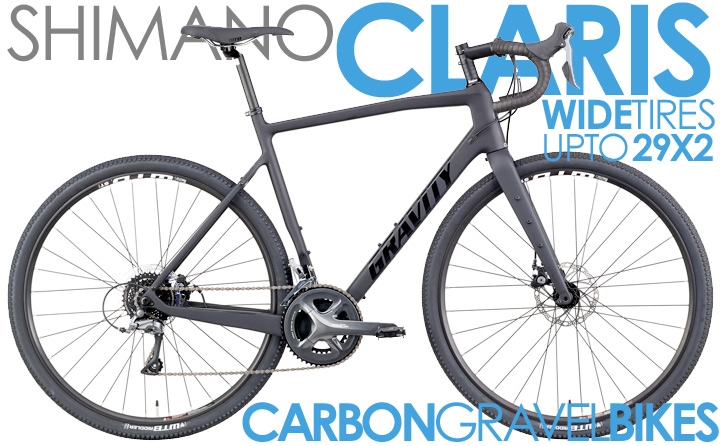
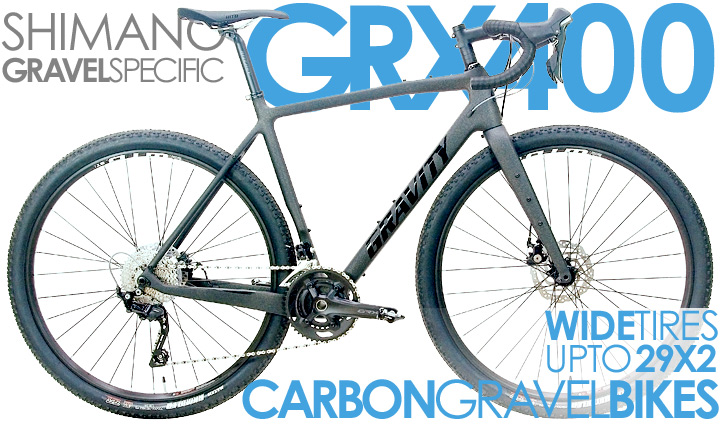
A decade ago, the idea of putting 47mm or 50mm tires on a gravel frame would have raised eyebrows. Today, it is quickly becoming the norm. Wider tires are at the center of modern gravel bike trends because they dramatically improve ride quality, stability, and versatility across unpredictable terrain.
On rough gravel, the added width increases traction and absorbs bumps before they reach your hands or lower back. Riders who once swapped between a road bike and a mountain bike for different surfaces now find that a single well-equipped gravel setup can replace both. When the trail gets loose, rocky, or steep, the confidence boost from larger volume tires is unmistakable.
Yet the magic of wider tires goes beyond comfort. With lower pressure and improved surface contact, riders gain control during fast descents and tight corners. Technical gravel feels less intimidating, long rides feel smoother, and the overall experience becomes far more predictable.
For riders transitioning from a hybrid bike or beach cruiser, the cushioned ride helps bridge the gap between casual comfort and performance-oriented cycling. And for cyclists who enjoy the rugged feel of a fat bike, the concept of using tire width as a comfort and stability tool feels familiar.

How Modern Geometry Changes the Way Gravel Bikes Handle
If wider tires are the heart of gravel’s evolution, updated geometry is the backbone. Designers are reshaping gravel frames to improve stability at speed, increase comfort on long rides, and help riders maintain control when terrain becomes unpredictable.
One of the biggest updates is the movement toward longer wheelbases and slacker head angles. These changes stabilize handling, especially on fast descents where traditional gravel bikes once felt twitchy. The new geometry takes a cue from progressive mountain designs, giving riders a more grounded and centered feel.
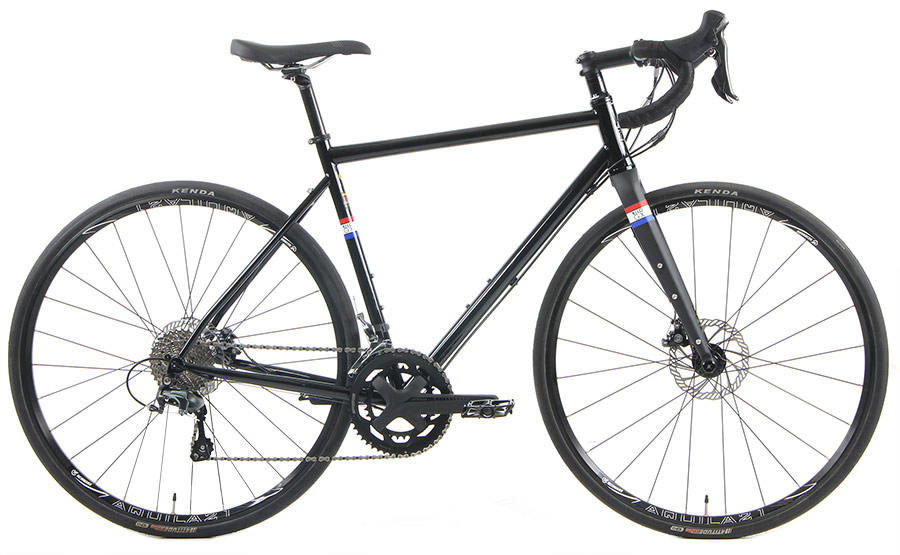
Lower bottom brackets provide even more stability when navigating sand, loose gravel, or technical paths. Meanwhile, shorter stems paired with wider bars improve steering precision, making it easier to correct your line or push through rough sections without hesitation.
The result is a gravel bike that feels planted and assured, whether you are rolling smooth dirt roads or exploring deep forest routes. These updates reflect a key theme behind modern gravel bike trends: versatility with a focus on confidence.
Riders coming from a road bike experience make an interesting observation. The new geometry feels more relaxed and forgiving, yet does not sacrifice efficiency on long distances. Meanwhile, off-road cyclists see familiar stability cues from the world of mountain bike-inspired design.
Longer Adventures Are Redefining What Riders Expect from Comfort
Gravel riding is not just about speed or technical ability — it’s about endurance and adventure. With rides often stretching into multi-hour or multi-day territory, comfort has moved from a bonus to a requirement.
Wider tires naturally reduce fatigue, but modern gravel bikes take comfort even further. With vibration-damping carbon layups, flexible seatstays, dropped chainstays, and ergonomic cockpit designs, the newest frames absorb chatter more efficiently than ever. Riders stay fresher, maintain control longer, and recover more easily after demanding rides.
Comfort also influences how riders choose between different categories. For some, a more upright stance reminiscent of a hybrid bike feels ideal for long tours. Others prefer a stretched-out position closer to a performance road bike. With today’s diversity in gravel geometry, both riding styles have a place.
These innovations reflect the deeper purpose behind gravel cycling: freedom. Whether your adventure is a two-hour sunset ride or a weekend expedition, the bike should support you from start to finish.
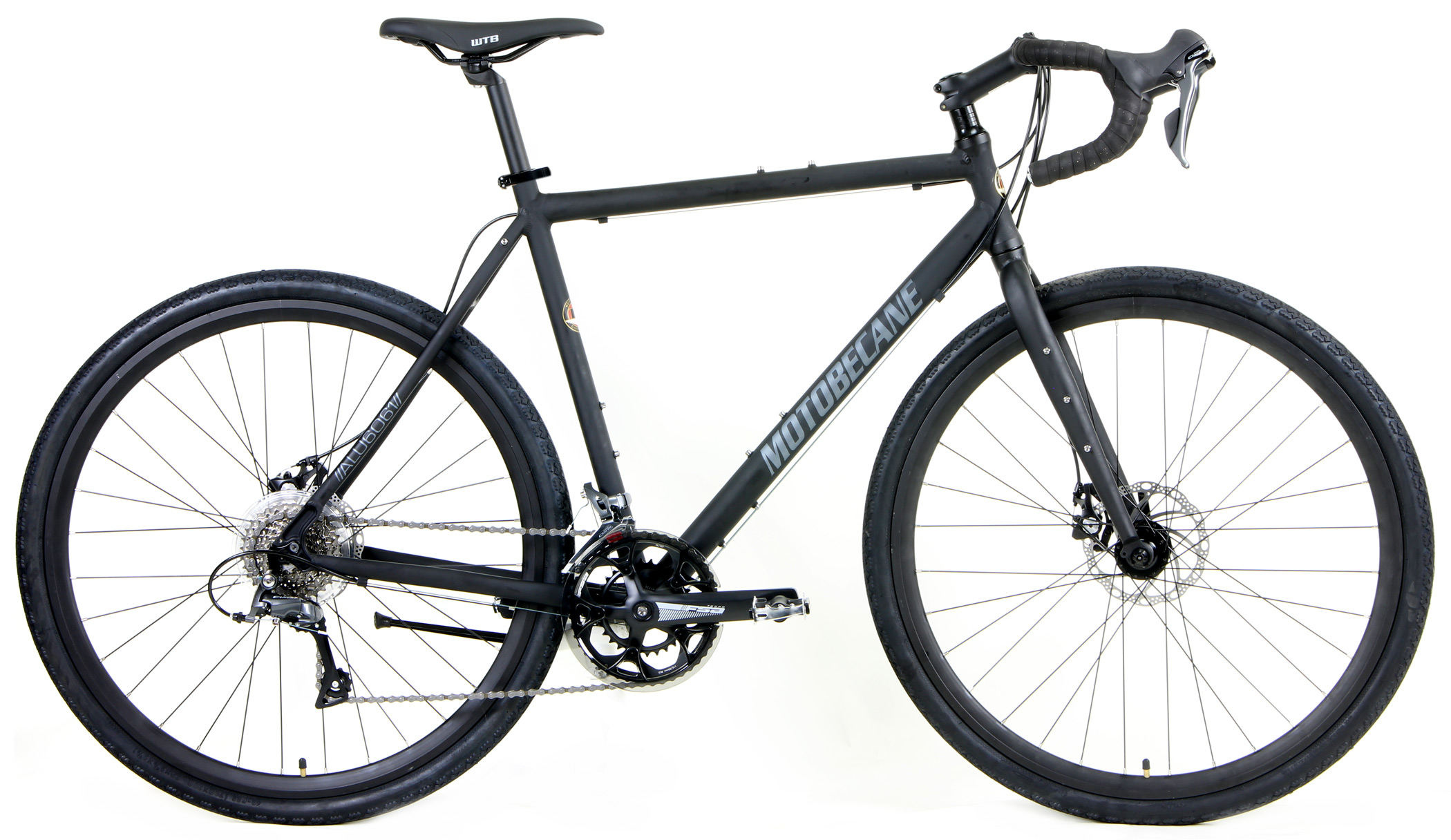
Terrain-Specific Setups Are Becoming More Popular
As gravel becomes more diverse, riders are tailoring setups to match their specific goals. Smooth crushed limestone paths feel fast and efficient with 38–45mm tires, while chunky desert routes demand the added volume of 50mm or more. The shift toward personalized setups is one of the most exciting aspects of modern gravel bike trends.
Some riders even treat their gravel machine as a multi-purpose transformer. With two wheelsets — one optimized for speed, the other for rugged adventure — a single gravel bike becomes a versatile tool for nearly any situation. Swapping wheels can make the difference between a fast-paced training ride and a fun-soaked weekend exploration.
As adventure cycling grows, the line between gravel and other categories blurs. Cyclists once loyal to a sturdy mountain bike now experiment with lightweight gravel frames. Riders who enjoy coastal paths may discover that gravel offers a level of engagement beyond their comfortable beach cruiser. And fans of the ultra-wide feel of a fat bike find that modern gravel setups provide a middle ground with surprising versatility.
Gravel Is Becoming a Gateway to Every Kind of Ride
Gravel’s biggest strength has always been its openness. No rules. No pressure. Just exploration. The latest designs expand this identity by welcoming more riders into the category.
Cyclists who feel intimidated by traffic on paved roads discover freedom on gravel paths. Riders looking for more challenge than a basic hybrid bike provides find excitement without the intensity of full mountain courses. And lifelong road cyclists discover comfort and stability they never expected.
These innovations help gravel bikes become the do-everything machines of 2026 — fast enough for pavement, capable enough for trails, and comfortable enough for big adventures. The evolution of gravel is not making other categories obsolete; it is simply giving riders more ways to enjoy the sport.
Ready to Explore New Gravel Horizons
If you are excited about where gravel cycling is heading, now is the perfect time to explore new setups, new geometry, and new possibilities. Bikesdirect.com offers a wide range of gravel-ready options that match your comfort, performance, and adventure goals.
Your next journey starts with the right gravel bike — and the freedom to ride wherever curiosity takes you.