

Most riders do not stop cycling because they are too slow. They stop because the bike feels harsh, twitchy, or demanding. The wrong fit or geometry can turn a relaxing ride into something tense and uncomfortable.
That is where the discussion around gravel vs. road bike comfort becomes important. On paper, road bikes look fast and efficient. Gravel bikes look versatile and rugged. But for casual riders logging miles on cracked pavement, bike paths, and occasional mixed-surface shortcuts, the real question is simpler: which one feels better week after week?
A modern gravel bike is built to handle imperfect surfaces with wider tire clearance, stable geometry, and predictable handling. A traditional road bike is designed for smooth pavement, efficient power transfer, and quick responsiveness.
Both are excellent tools. They just prioritize different sensations. This guide breaks down how each performs through the lens that matters most to everyday riders: comfort, control, and confidence.
Understanding the Core Design Differences
At a glance, gravel and road bikes look similar. Both use drop handlebars. Both prioritize pedaling efficiency. But the experience shifts once you start riding.
Road bikes typically feature:
- Narrow tires
- Aggressive geometry
- Stiffer frames
- Quick steering response
- Lower front-end positioning
Gravel bikes typically feature:
- Wider tire clearance
- More relaxed geometry
- Slightly longer wheelbase
- Increased stability
- Clearance for varied surfaces
Those differences directly influence how forgiving or demanding the ride feels.
Tire Clearance and Vibration Control
Tire width plays a major role in comfort. Wider tires allow lower air pressure, which absorbs road chatter and small impacts.
Road bikes commonly run tires between 25mm and 28mm. They feel fast and responsive on smooth asphalt but can transmit vibration on rough pavement.
Gravel bikes often accommodate 35mm to 45mm tires or more. That extra air volume smooths cracked pavement and uneven bike paths. Riders often describe gravel setups as less fatiguing over longer distances.
If your routes include patched asphalt, expansion joints, and occasional gravel connectors, tire clearance alone may tip the balance in favor of gravel.
Riding Position: Aggressive vs. Relaxed
Comfort is not just about tires. It is also about posture.
Road bikes encourage a more aerodynamic position. The lower front end shifts weight forward, which improves speed but can feel demanding on the neck, shoulders, and wrists for newer riders.
Gravel geometry tends to be slightly more upright and stable. The longer wheelbase slows steering just enough to feel predictable rather than twitchy.
For riders transitioning from a hybrid bike, gravel bikes often feel more natural than road bikes because the body position is less extreme.
Steering Feel and Stability
Road bikes are designed to respond quickly. That responsiveness translates into sharp handling at speed, especially in group rides or smooth descents. However, quick steering can feel nervous on rough pavement or loose surfaces.
Gravel bikes trade a bit of agility for stability. The longer geometry and tire footprint create a planted sensation. For casual riders, that stability often builds confidence, especially when navigating imperfect surfaces.
Braking Confidence
Both modern gravel and road bikes typically use disc brakes. Stopping power is strong in both categories.
The difference lies more in surface adaptability. Gravel tires grip better on loose terrain, which increases braking control when conditions are unpredictable.
On clean pavement, both perform well. On mixed terrain, gravel setups feel more forgiving.
Terrain Comparison
Smooth Pavement
If your riding is exclusively smooth asphalt, road bikes feel efficient and lively. They accelerate quickly and maintain speed with less rolling resistance.
Gravel bikes still perform well on pavement, but the wider tires create slightly more drag. The tradeoff is comfort.
If smooth pavement is 90 percent of your riding, road bikes maintain an edge in efficiency.
Cracked Roads and Urban Surfaces
This is where comfort becomes noticeable.
Road bikes transmit more vibration on broken pavement. Riders may feel the road through their hands and saddle.
Gravel bikes soften that experience. The wider tires and slightly relaxed geometry absorb imperfections. Over 20 miles, that difference can reduce fatigue.
Bike Paths and Light Gravel
Packed dirt paths and crushed stone connectors are common in many cities. Gravel bikes are designed for exactly this environment. They remain stable and predictable. Road bikes can handle short gravel sections, but narrower tires may feel skittish if the surface becomes loose. For riders who enjoy mixing pavement with short gravel stretches, gravel bikes feel less limiting.
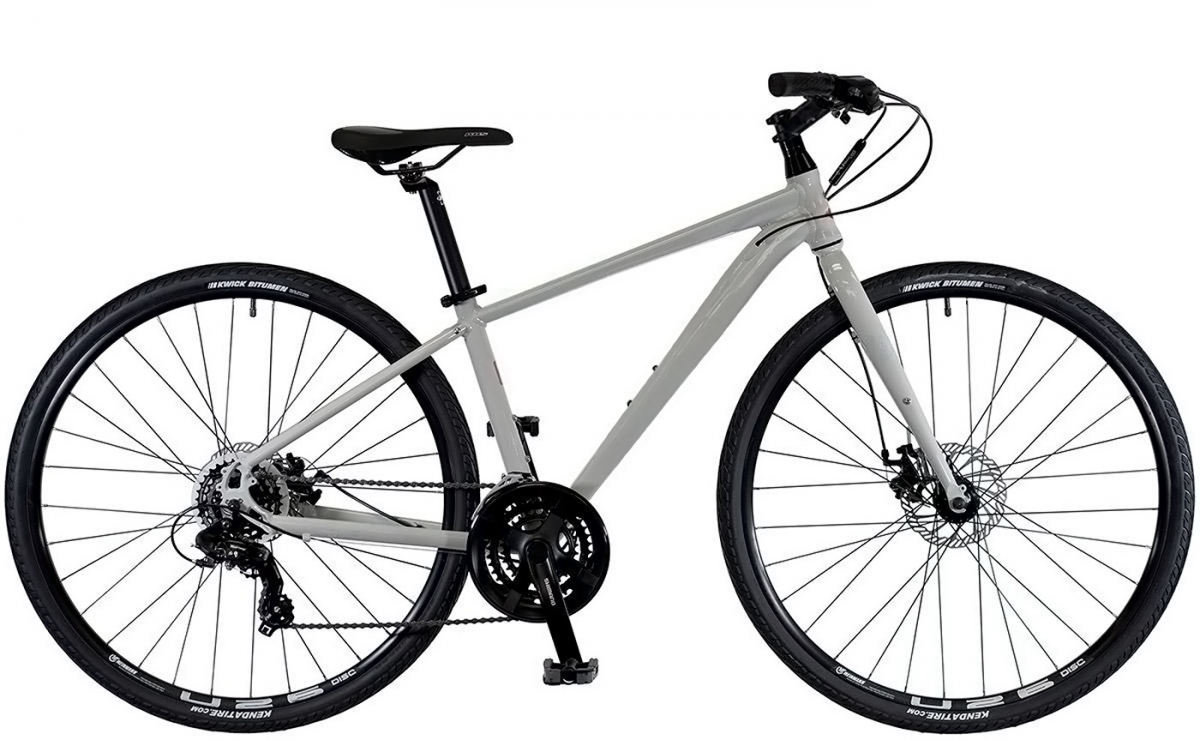
The WFB Urban Elite represents the practical side of modern gravel design. Built around 29-inch wheels with generous tire clearance, it bridges pavement efficiency and mixed-surface confidence. The larger wheel diameter helps maintain momentum over rough patches, while wider tire compatibility reduces vibration on cracked asphalt and light gravel. For riders concerned about gravel vs. road bike comfort on imperfect surfaces, this style of build shows how gravel platforms maintain stability without feeling sluggish on pavement. It handles bike paths and uneven city streets with composure, making it well suited for riders who mix commuting with recreational detours.
True Trails
Neither road nor gravel bikes are designed for technical singletrack. That is the domain of a mountain bike, which includes suspension and wide knobby tires for control over roots and rocks.
If your riding extends into actual trail systems, neither road nor gravel geometry will replace a purpose-built mountain setup.
Sand and Snow
Deep sand and snow require specialized flotation.
A fat bike uses extra-wide tires to distribute weight and maintain traction on soft surfaces.
For occasional sand patches, gravel bikes manage better than road bikes. But neither category replaces a true fat bike for consistent soft-surface riding.
Casual Cruising
For relaxed, upright neighborhood spins, a beach cruiser is designed purely for comfort.
Between gravel and road, gravel geometry feels less aggressive for casual cruising. Road bikes can feel performance-focused even at slower speeds.
Rider Goal Comparison
Fitness Riding
Road bikes excel when your primary goal is maximizing speed on pavement. Their lighter overall build, narrower tires, and more aerodynamic riding position make it easier to sustain higher average speeds over longer distances. On smooth roads, they convert pedaling effort directly into forward motion with minimal energy lost to tire deformation or frame flex. For riders training by tracking cadence, heart rate, or average speed, road bikes create a predictable platform for structured workouts.
Gravel bikes support fitness differently. They allow slightly lower tire pressures, which reduce vibration and muscle fatigue over longer sessions. While they may not feel as fast on clean pavement, they make it easier to extend rides onto rougher connectors or lightly broken roads without discomfort. For riders who measure fitness by consistency rather than top speed, gravel bikes can encourage longer weekly mileage because they reduce the physical strain caused by harsh surfaces.
If your fitness routine includes mixed routes, cracked asphalt, or occasional gravel detours, gravel setups often help maintain comfort and motivation over time. If your training is strictly road-based and speed-focused, the efficiency of a road platform remains advantageous.
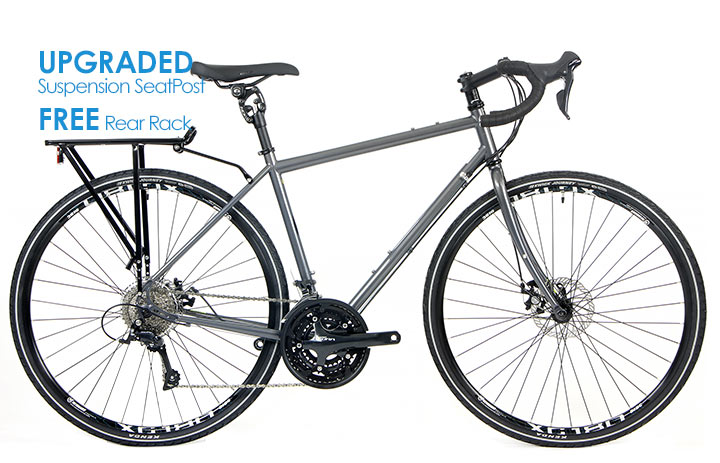
The Windsor Tourist XTL demonstrates how road-oriented design balances efficiency with longer-distance comfort. Its drop-bar setup encourages steady cadence and aerodynamic positioning, while a stable frame geometry keeps handling predictable at higher speeds. For riders focused on fitness miles on pavement, this type of road platform rewards consistent effort and smooth surfaces. While it is capable of longer outings, it remains best suited for riders who primarily stay on paved routes and value forward momentum over surface versatility.
Commuting
For commuting on varied city streets, gravel bikes provide durability and tire clearance that handle potholes, debris, and uneven pavement with more forgiveness. Wider tires absorb curb transitions, sewer grates, and expansion joints with less jarring feedback. The slightly more relaxed geometry also improves low-speed stability, which matters when navigating traffic lights, tight bike lanes, or stop-and-go conditions.
Gravel frames often include mounting points for racks and fenders, which adds practicality for daily use. The broader tire clearance allows riders to adapt to seasonal conditions without sacrificing ride quality.
Road bikes commute efficiently, especially on smoother urban corridors. Their lighter weight and responsive handling make them quick off the line and agile in traffic. However, on rough pavement or poorly maintained roads, narrower tires can feel harsh and less forgiving. Riders commuting longer distances on mixed-quality streets may notice more hand and shoulder fatigue on a road setup compared to gravel.
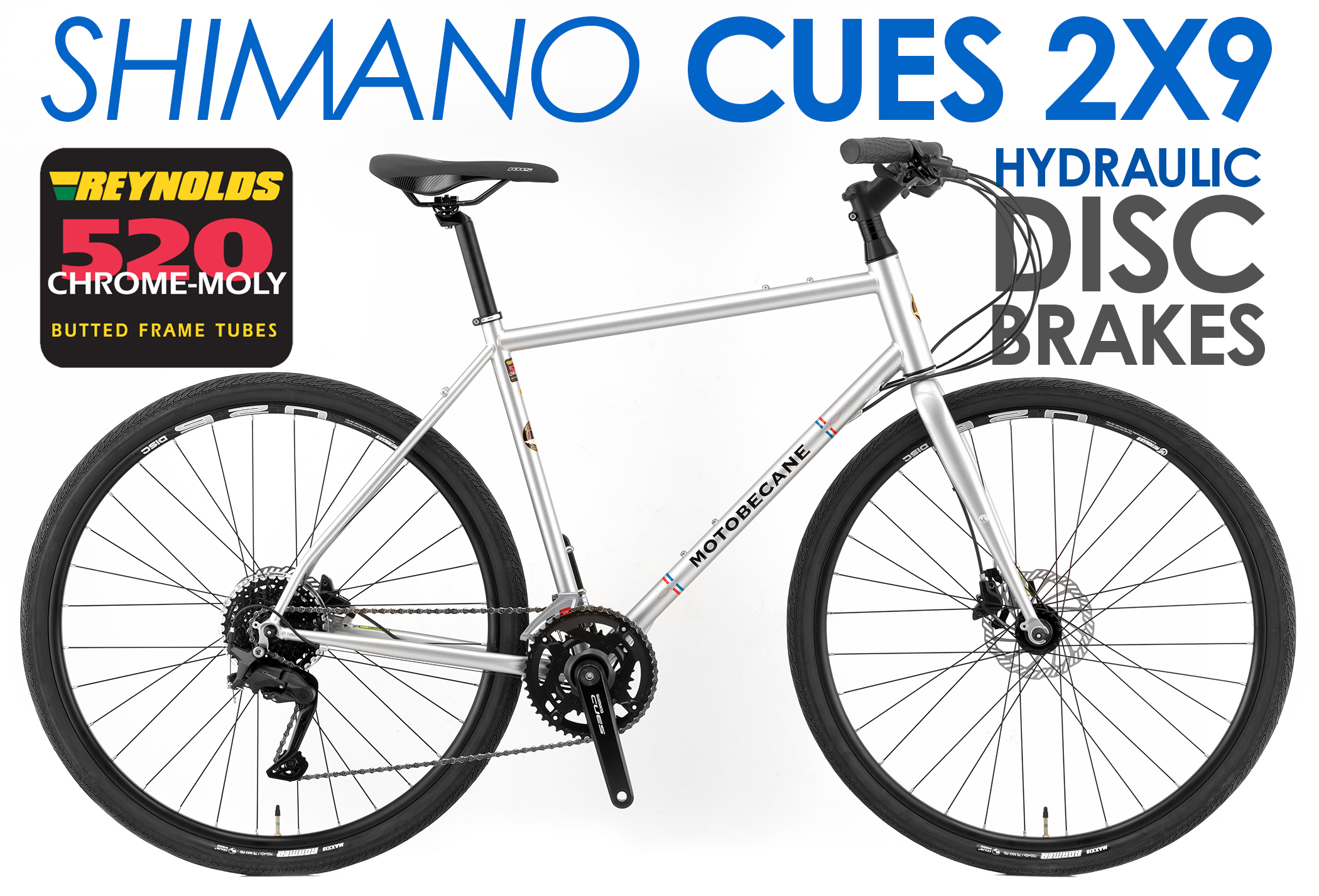
The Motobecane Cafe STRADA highlights how gravel-oriented geometry can feel comfortable in everyday city riding. With a durable steel frame and disc brakes, it prioritizes ride quality and braking confidence across varied surfaces. Steel construction naturally dampens road vibration, which matters on patched pavement and older urban roads. The flat-bar configuration also creates a more upright, intuitive posture for riders transitioning from hybrids. For commuters evaluating gravel vs road bike comfort, this type of setup emphasizes control and surface forgiveness rather than pure aerodynamic speed.
Recreation
Weekend riders often combine pavement with park paths, greenways, and light gravel connectors. Gravel bikes support that spontaneity. You can take a shortcut through a dirt path or transition from road to crushed stone without second-guessing traction or stability. The wider tire footprint improves cornering confidence on uneven surfaces, and the stable steering geometry reduces the sense of twitchiness when the terrain changes unexpectedly.
Road bikes reward smooth, consistent routes. On well-maintained bike paths or suburban loops, they feel quick and responsive. For riders who prefer steady pacing and clean surfaces, that efficiency enhances the recreational experience.
Adventure
Gravel bikes expand your accessible terrain. You can connect roads with dirt, explore backroads, and maintain comfort. Road bikes keep adventure focused on paved loops and longer mileage efficiency.
Performance
If racing, pace-line riding, or maximizing average speed on smooth roads is your priority, road bikes remain unmatched. Their aerodynamic positioning, lightweight frames, and narrow tires minimize rolling resistance and wind drag. At higher speeds, small efficiency gains compound over distance, which is why road geometry is designed around power transfer and responsiveness.
Gravel bikes are not slow, but they trade marginal speed advantages for stability and versatility. Wider tires introduce slightly more rolling resistance, and relaxed geometry reduces the aggressive aerodynamic posture typical of road setups. However, for many riders, the difference in speed is less important than the improvement in comfort and handling confidence.
For riders who value predictable handling, reduced vibration, and the ability to transition across surface types without hesitation, gravel platforms offer a broader performance envelope. For riders chasing peak pavement efficiency, road bikes remain the focused choice. The WFB Tourist Deluxe reflects the endurance-focused side of road cycling. Designed for longer pavement miles, it combines efficient rolling characteristics with geometry intended for sustained seated riding. Compared to gravel setups, it maintains a lighter, more pavement-optimized feel that supports higher average speeds on smooth roads. For riders prioritizing structured training, distance riding, or consistent surface conditions, this style of road bike reinforces why road geometry remains the benchmark for pure asphalt performance.
A Practical Decision Framework
When evaluating gravel vs road bike comfort, ask:
- How smooth are my typical routes?
- Do I avoid certain roads because they feel harsh?
- How important is speed compared to stability?
- Do I want flexibility for gravel connectors?
- Will a slightly more upright position improve long-term comfort?
If your riding environment is imperfect, gravel geometry often feels forgiving. If your routes are consistently smooth and speed matters most, road design delivers efficiency. The key is honesty about where you ride most often.
Choose the Bike That Keeps You Riding
The best bike is not the fastest on paper. It is the one that feels stable, predictable, and enjoyable on your real routes. Gravel bikes soften rough surfaces and expand your options. Road bikes reward smooth pavement and efficient cadence. Neither is universally better. Each serves a different kind of rider comfort.
Explore the Right Category for Your Riding Style
Whether you prefer the versatility of a gravel bike, the efficiency of a road bike, the everyday practicality of a hybrid bike, the traction of a fat bike, the relaxed feel of a beach cruiser, or the trail capability of a mountain bike, choosing the right fit starts with understanding how and where you ride.
Explore the category that aligns with your comfort priorities and terrain, and select the bike that makes you confident rolling out the door every week.