

If you’ve ever compared two bikes online, similar-looking frames, similar category, similar promises, and then felt your eyebrows lift at the price difference, you’re not alone. The bike industry has a long history of pricing that can feel opaque from the outside. MSRP tags, seasonal sales, and brand positioning can make it hard to tell whether you’re paying for performance… or paying for layers.
At BikesDirect, we’ve built our business around a different approach; one that puts more of your money into the bike itself. Understanding factory-direct bikes isn’t about learning industry jargon; it’s about learning how pricing works so you can shop smarter, compare more confidently, and end up with a bike you genuinely enjoy riding.
In this deep dive, we’ll break down:
- traditional bike pricing is built
- here costs stack up (even when specs don’t)
- to evaluate the real component value quickly
- our model changes the math in your favor
By the end, you’ll have a practical checklist you can use in minutes, whether you’re shopping for a performance setup or a reliable everyday ride.
The traditional bike pricing pipeline
Most bikes sold through classic retail channels move through several layers before they reach the rider. The exact path varies by brand and region, but the underlying structure is typically similar:
- Brand and product development
A brand designs a lineup, forecasts demand, and sets pricing strategy (including MSRP, promotions, and dealer margins). - Distribution and logistics
Inventory is moved through warehouses, shipping networks, and regional distribution channels. - Retail overhead
Bikes are stocked on showroom floors, assembled, serviced, and supported by staff. Retailers also carry inventory risk, especially with seasonal demand swings. - Consumer purchase
The buyer ultimately pays for the bike and the system that brought it to the shop floor.
None of this is bad. Bike shops provide valuable services, community, fit help, and support. The point is simply that this structure carries costs that exist even when they don’t directly improve the ride experience. Two bikes can share a similar purpose, but the pricing can diverge dramatically based on how many layers are involved and how each layer needs to be funded.
Where the cost layers show up
Even before we talk about components, consider what gets priced in:
- warehousing and freight handling
- showroom space and staffing
- inventory financing and seasonal risk
- promotions and markdown cycles
- brand marketing overhead (which can be significant)
When you see a higher price, it may reflect higher-end components and engineering. But it may also reflect the economics of the pipeline.
The spec gap problem: why price doesn’t always track performance
If we could give every buyer one simple shopping habit, it would be this:
Compare specs and purpose first; then compare price.
The most common trap is assuming that a higher price automatically means a higher-performing bike in real-world use. Sometimes it does. But often, pricing reflects brand positioning, distribution layers, and retail overhead rather than measurable performance gains.
What actually changes the way a bike rides
If you want to understand value, focus on the parts that directly change feel, control, and long-term satisfaction:
Drivetrain (gearing + shifting quality)
This isn’t just about having more gears. It’s about:
- having a gear range that matches your terrain
- shifting that feels consistent under load
- durability and tune stability over time
A drivetrain that matches your routes can make riding more enjoyable immediately, especially if you have hills or long rides where cadence matters.
Brakes (confidence and control)
Braking is one of the most underappreciated value indicators for new buyers. Better braking consistency makes:
- descents feel safer
- wet conditions less stressful
- stop-and-go riding more predictable
It’s hard to overstate how much brakes you trust can improve the overall experience.
Wheels and tires (comfort and traction live here)
Wheels affect durability and responsiveness. Tires affect comfort, grip, and rolling feel. Two bikes can have similar frames and totally different ride personalities based on tire width and quality alone.
Suspension (if you actually need it)
If you ride trails or rough terrain, suspension can be transformative. If you ride smooth pavement, suspension can be unnecessary complexity. The key is choosing what matches your riding; no more, no less.
A practical way to compare bikes without getting overwhelmed
If you’ve ever clicked into a product page and felt like you needed a translator, here’s a simpler approach. You don’t need to become a mechanic; you just need a short list of high-impact comparisons.
Step 1: Identify the bike’s true job
Before you compare parts, define the bike’s job:
- commuting and errands
- paved fitness rides
- mixed-surface exploring
- real trail riding
- comfort-first casual riding
Once you know the job, it’s easier to know which specs matter and which are just noise.
Step 2: Look at the big four value indicators
- drivetrain level and range
- braking type and feel
- wheel durability and tire quality
- suspension type (only if relevant)
Step 3: Don’t overpay for the wrong kind of upgrade
A bike can have a premium price tag and still be the wrong tool for you. And the reverse is also true: a well-chosen, value-focused bike can feel better in daily use because it matches your routes and comfort preferences.
How our approach changes the value equation
At BikesDirect, our model is built to put more value into the bike itself. When you strip away unnecessary layers and keep the focus on specs and purpose, you create room for stronger component value at a given price point.
That’s the real advantage of factory-direct bikes: you’re not paying extra for a longer pipeline; you’re paying for the product.
We also know that value isn’t just a low number. Value is:
- the right bike category for your routes
- components that perform where it matters
- durability and ride enjoyment over time
- clear, honest specs that let you compare confidently
Our goal is to make it easier for you to understand what you’re getting, so your budget goes into ride quality rather than into layers you never asked for.
Real-world value is easier to see when you anchor it to purpose
To make this practical, let’s talk about how value looks in common buying scenarios, because the best deal means different things depending on how you ride.
Scenario A: You want a capable trail bike without paying for fluff
If your rides include real off-road terrain, you’ll feel the most value in:
- suspension performance and suitability
- braking confidence on descents
- drivetrain range for climbing
- wheel/tire setup for traction
This is where full-suspension mountain bikes can deliver huge ride-quality differences compared to budget setups that look similar but don’t perform as confidently when trails get rough.
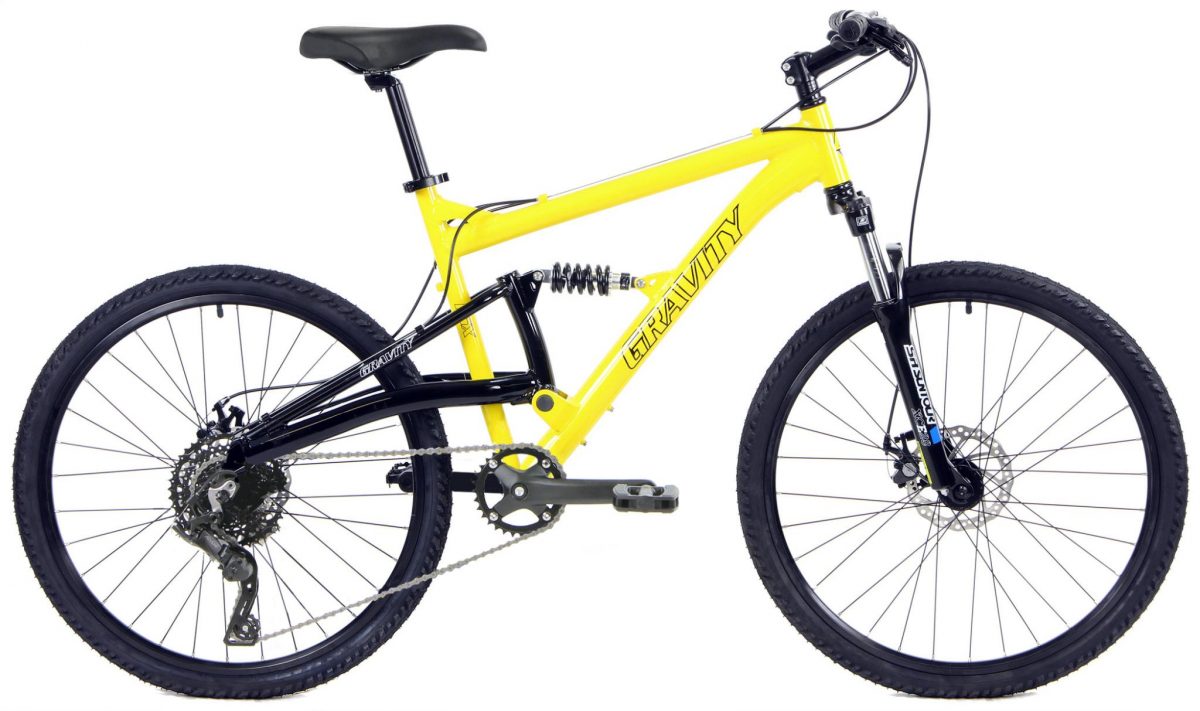
A great example of a value-focused full-suspension starting point is the Gravity FSX 1.0 Advent26 1BY. The reason bikes like this matter in a pricing discussion is simple: full suspension can be a major comfort and control upgrade, and value often shows up in how accessible that upgrade becomes when the pricing model is efficient.
Scenario B: You want stability and confidence from bigger wheels
Wheel size can change ride feel, especially on rougher surfaces. Riders who want a more stable roll-over feel often gravitate toward 29er setups for trail and mixed off-road routes.
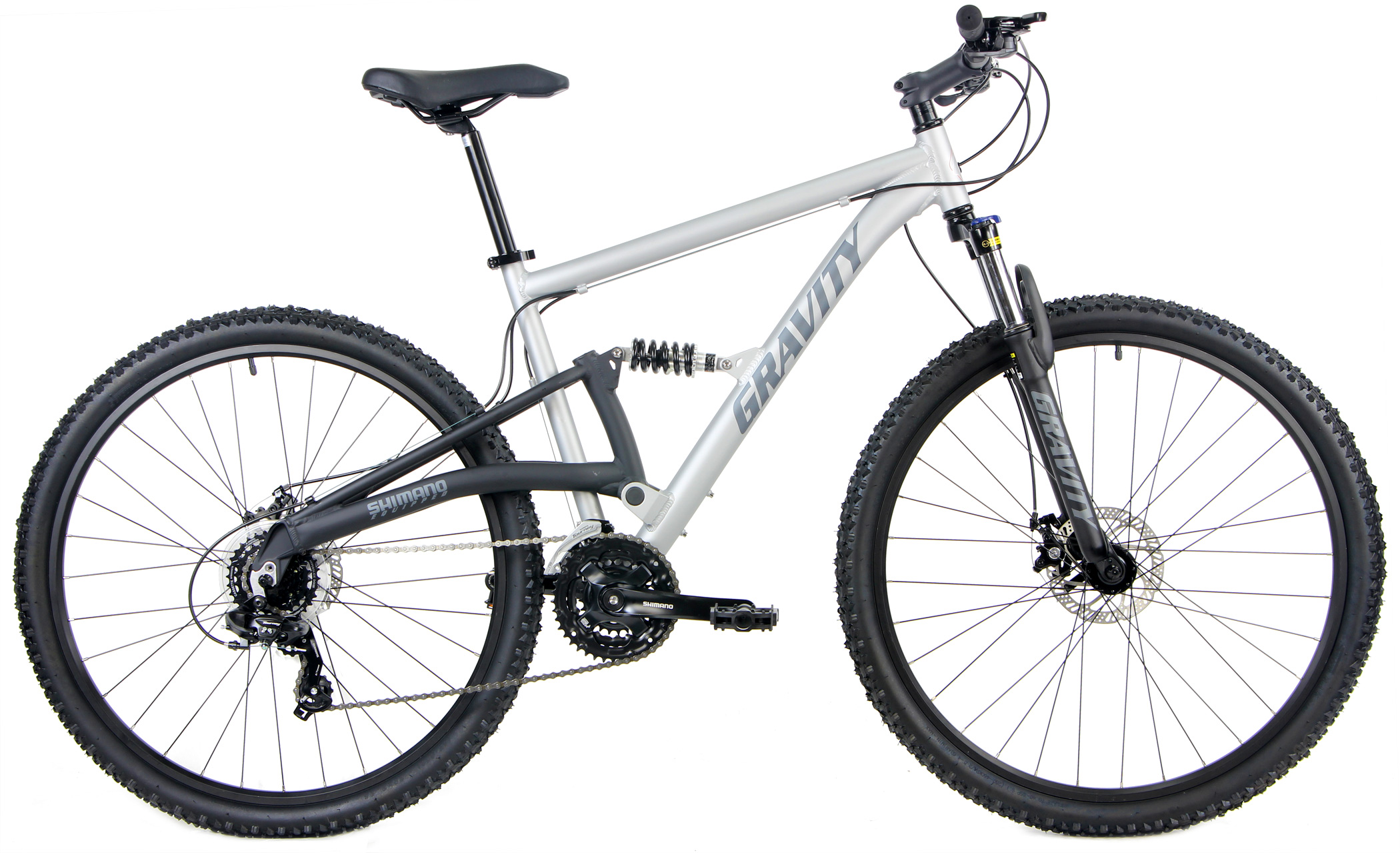
A model like the Gravity FSX 29LTDX is a useful reference point when you’re comparing what I get for the money, because it highlights a common shopper priority: stability and confidence, not just looks or branding.
A quick component-value checklist (the short version)
Here’s a simplified checklist you can use while shopping; no deep technical background required.
Drivetrain: ask Will this feel good where I ride?
- Do you have hills? Make sure you have low gears you’ll actually use.
- Do you want simplicity? A streamlined setup can be easier to live with.
Brakes: ask Will I feel confident stopping?
- Consistency matters more than marketing terms.
- If you ride in traffic or variable weather, don’t treat brakes as an afterthought.
Wheels and tires: ask Will this be comfortable and grippy?
- Tire width and quality influence comfort and traction immediately.
- If your roads are rough, tire volume can be a bigger upgrade than a tiny weight reduction.
Suspension: ask Do I need this, and will I use it?
- Trails and rough terrain: suspension can be a major benefit.
- Smooth pavement: You may prefer simplicity and efficiency.
The component-value checklist (the deeper version you can actually use)
When pricing feels confusing, it helps to stop asking Why is this bike cheaper? and start asking What am I getting for the money? Value becomes much clearer when you evaluate the parts that change ride feel, control, and long-term satisfaction.
Below is the same checklist we use internally when we’re helping riders compare options across brands, price points, and categories.
Drivetrain value: range, reliability, and real-world shifting
A drivetrain isn’t better just because it has more gears. What matters is how well it matches your terrain and how consistently it performs.
What to look for:
- A range you’ll actually use: If your routes include hills, you’ll want low gears that keep climbing comfortable. If you ride mostly flat, you may prefer simplicity and clean shifting rather than chasing extremes.
- Consistency under effort: Shifting that stays dependable when you’re pedaling hard is a quality-of-life upgrade you notice every ride.
- Adjustment stability: Some drivetrains hold tune better over time, which means fewer little annoyances between rides.
Smart buyer move: Compare drivetrain level, gear range, and real-world intent; not just the number of gears. A well-matched setup often feels faster because you’re riding at your preferred cadence more of the time.
Braking value: confidence is the upgrade
Brakes are one of the most underrated value indicators in bike shopping. When brakes feel predictable, everything gets easier: traffic, descents, wet conditions, and tight turns.
What to look for:
- Modulation: Smooth control matters more than instant grab.
- Consistency: You want the same lever feel from the first mile to the last.
- Confidence at speed: Better brakes don’t just stop you faster; they make you feel calmer.
Smart buyer move: If two bikes are close in price, braking quality is often the better tie-breaker than minor frame differences.
Wheels and tires: where comfort and traction really come from
If you want a bike that feels better than expected, wheels and tires are a huge part of that. The frame sets the foundation, but tires and wheels shape the day-to-day experience.
Tires:
- Width and volume = comfort and control. Wider tires (within reason for your category) can reduce harshness and improve grip on imperfect surfaces.
- Tread and casing quality matter. Two tires that look similar can ride very differently.
Wheels:
- Durability is value. Especially for heavier riders, rough roads, or off-road use, a durable wheelset is worth more than a small weight drop.
- Ride character changes here. Wheels can influence responsiveness and stability; subtle on paper, obvious on the road.
Smart buyer move: Choose the tire setup that matches your routes. If your city streets are rough, tire volume can be more meaningful than a lightweight frame upgrade.
Suspension value (when it’s relevant): comfort, traction, and control
Suspension is not a universal benefit. If you ride trails or consistently rough terrain, suspension can increase traction and reduce fatigue. If you ride smooth pavement, it can be unnecessary complexity.
What to look for (trail riders):
- Appropriate travel for your terrain: More isn’t always better; match it to the trails you ride.
- A balanced build: Suspension only shines when the rest of the bike supports it (brakes, wheels, tires, drivetrain range).
Smart buyer move: Buy suspension because it improves the rides you do weekly, not because it sounds like a premium feature.
Frame and fit value: the part that keeps you riding
We’re spec-forward for a reason, but fit is still the foundation. A bike that fits well and matches your posture preference can feel higher-end than a more expensive bike that doesn’t suit you.
What to look for:
- Reach and posture that feel natural
- Stable handling for your skill level
- Mounting points if you need utility (commuting, racks, fenders, bags)
Smart buyer move: If you’re torn between two options, prioritize the one that fits your comfort and your routes. Most riders ride more when the bike feels easy to live with.
Where pricing gets distorted (and why it matters to your wallet)
If you’ve ever wondered why pricing feels inconsistent across the industry, you’re not imagining it. A lot of pricing isn’t just cost + fair margin. It’s influenced by how bikes are sold, stocked, and marketed.
MSRP signaling and sale cycles
In traditional retail, pricing often revolves around MSRP and promotions. That can make comparisons tricky:
- model may look discounted heavily, but still be priced around what the pipeline requires
- model may hold closer to MSRP because the brand strategy is to protect price perception
- nd-of-season markdowns can be more about inventory and floor space than about the intrinsic value of the bike
Inventory risk and overhead
Stocking bikes costs money. Warehousing, shipping, showroom space, staffing, and seasonal swings all create pressure to build margin into the retail price. That doesn’t automatically mean a retail-priced bike is bad, but it does mean you’re often paying for the system that supports that in-store experience.
Why spec-first shopping protects you
When you shop based on specs and purpose, you protect yourself from pricing noise. You don’t get pulled into paying more for paint, brand aura, or marketing language that doesn’t change the ride.
This is also why factory-direct bikes tend to shine in spec-to-price comparisons: when fewer cost layers sit between production and the rider, it becomes easier for your budget to show up where it matters: drivetrain level, braking confidence, and ride-ready capability.
Value looks different by bike category (so shop the right way for your riding)
One mistake we see often is comparing value across the wrong category. A bike can be a great value and still be the wrong tool for your rides. So here’s how to think about value depending on what you ride, and where it makes sense to start browsing.
Road: value is efficiency, gearing, and braking feel
If your riding is mostly pavement and you want speed and distance efficiency, value comes from a build that feels smooth, fast, and reliable over long miles. Start here: Road bike.
Value cues: gearing that matches your terrain, confident braking, wheels/tires that feel lively without beating you up.
Mountain: value is control, traction, and durability
Off-road riding puts real demands on a bike. Value shows up in control on descents, traction in loose corners, and reliability after repeated hits. Start here: Mountain bike.
Value cues: a balanced build (brakes + drivetrain range + tires), wheels that hold up, suspension that matches your trails.
Gravel: value is versatility and comfort on mixed surfaces
Gravel riders often want one bike that can do a lot. Value is stability, tire clearance, and comfort across changing surfaces. Start here: Gravel bike.
Value cues: tire volume potential, confident handling, useful gearing for rolling routes, practical mounting options if you want adventure or commuting capability.
Hybrid: value is practicality, comfort, and easy daily use
Hybrids win because they fit real life: commuting, fitness, errands, paths, and imperfect pavement. Start here: Hybrid bike.
Value cues: upright comfort, stable handling, brakes you trust in stop-and-go riding, and a build that doesn’t demand constant tinkering.
Cruiser: value is comfort and simplicity
Cruisers are about easy fun. Value is a relaxed ride feel that makes you want to hop on more often. Start here: Beach cruiser.
Value cues: comfort-first geometry, straightforward components, easy miles posture.
Fat: value is traction and float, where other bikes struggle
If you ride sand, snow, or consistently loose terrain, fat bikes can unlock rides that other categories can’t handle comfortably. Start here: Fat bike.
Value cues: tire setup that matches your conditions and a build that stays stable and confident on soft surfaces.
Spec-to-price spotlights from our lineup (how to compare with purpose)
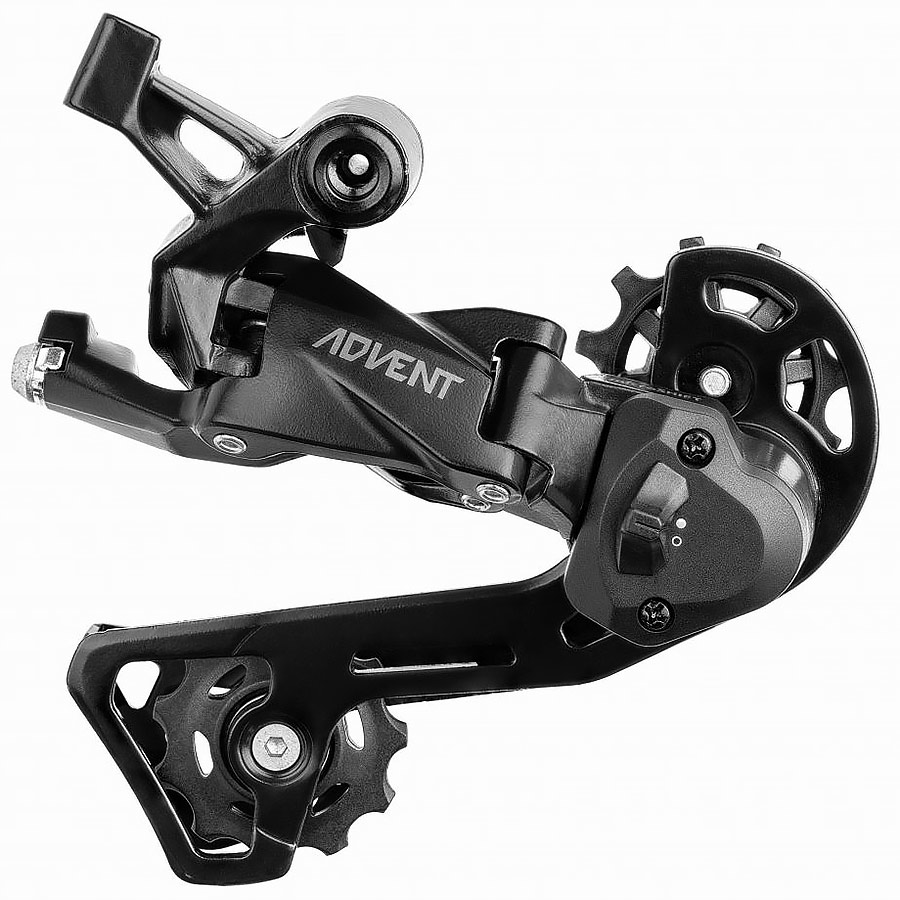
To make the pricing discussion real, let’s look at two performance-focused examples and how we recommend comparing them to similarly positioned bikes elsewhere. The goal here isn’t to overwhelm you with jargon; it’s to show you how to identify value with a clear process.
Motobecane HAL29 SLX: a practical benchmark for trail/XC value
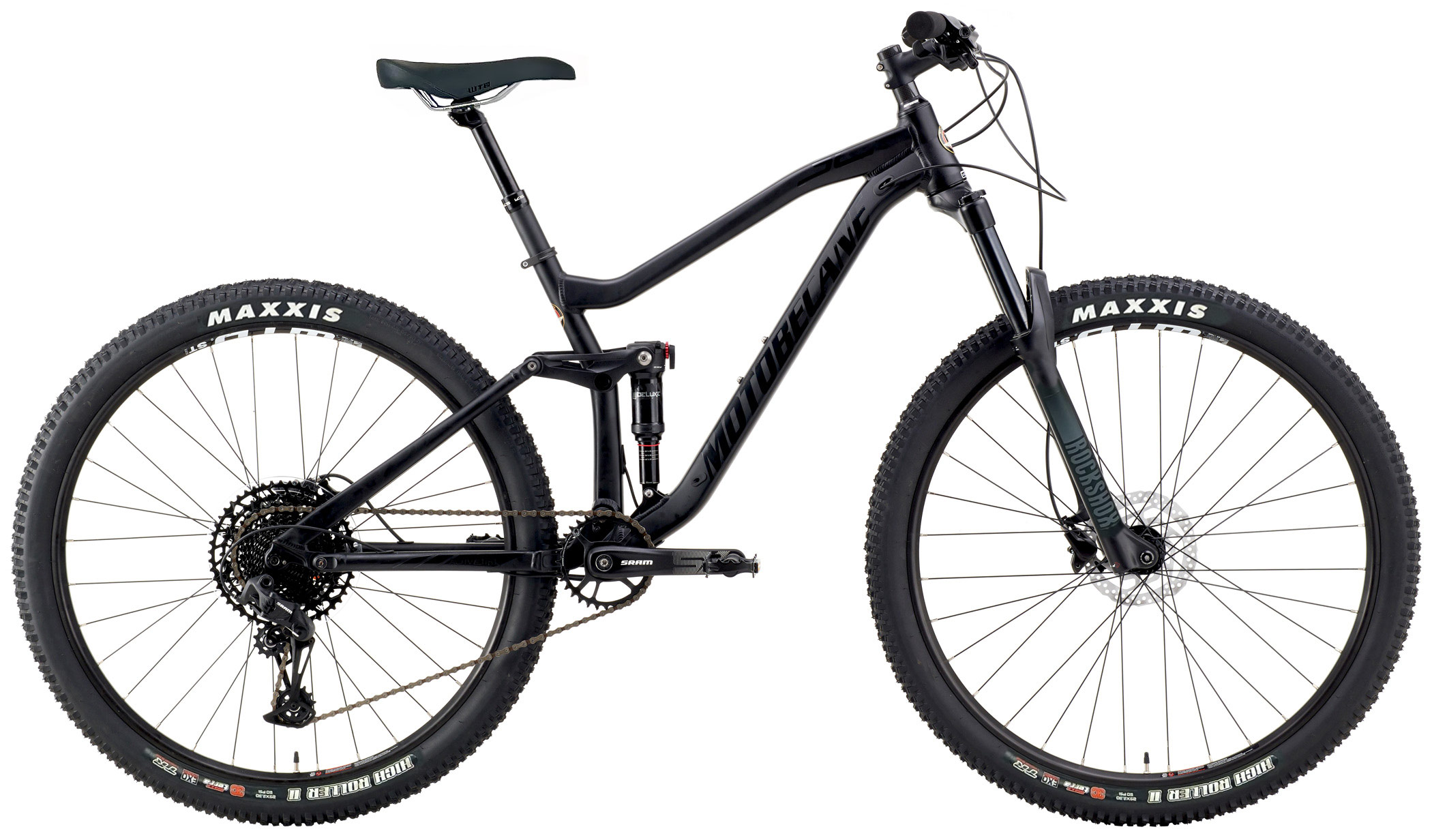
The Motobecane HAL29 SLX is a great reference point for riders who want a bike that’s ready for real off-road riding and meaningful trail mileage.
How we suggest evaluating it:
- Look at the intent: This is designed for riders who want confident trail capability and efficiency, not a toy bike that looks the part but fades when terrain gets demanding.
- Compare drivetrain and braking level at the same price: This is where value often shows up most clearly. A bike can look similar at a glance, but the ride experience changes dramatically when the component level steps up.
- Check the whole package, not a single highlight: A good value bike feels balanced. If one competitor has a flashy headline spec but compromises on wheels or tires, it may not deliver the same real-world satisfaction.
Who it tends to fit best: Riders who want to progress; longer trail rides, more technical terrain over time, and a bike that won’t immediately feel outgrown as skills improve.
Motobecane HAL29 Comp Eagle LTD: when drivetrain range and ride-readiness matter
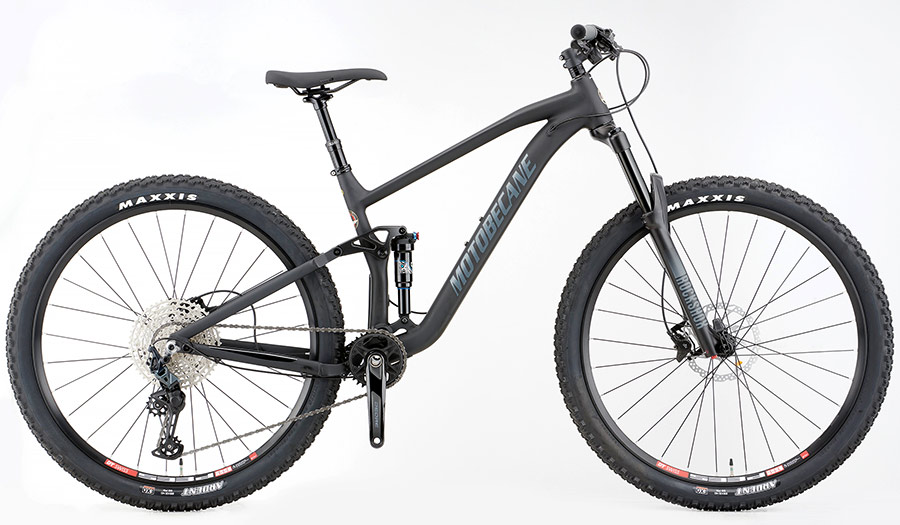
The Motobecane HAL29 Comp Eagle LTD is a strong example of why spec-to-price shopping beats brand-to-price shopping. When you’re comparing bikes in the same category, drivetrain range and consistency can be the difference between that climb being miserable and that climb being part of the fun.
How we suggest comparing it:
- Focus on climbing comfort: Useful low gearing is one of the biggest ride-quality advantages, especially on longer routes or steeper terrain.
- Evaluate braking confidence as a priority, not a footnote: Mountain riding rewards control. If you’re choosing between two similarly priced bikes, brakes are often the wiser place to prioritize.
- Think about fatigue: A build that stays composed and predictable tends to keep you riding longer, and that’s where value becomes obvious over months, not just minutes.
Who it tends to fit best: Riders who want a bike that feels ready for bigger rides; more elevation, more distance, and a wider range of terrain without feeling underbiked.
How do these relate to the earlier examples
We used the Gravity FSX 1.0 Advent26 1BY and the Gravity FSX 29LTDX to illustrate another side of value: making full-suspension comfort and confidence more accessible. That’s important because many riders don’t need a top-tier build to have a great experience; they need a bike that matches their routes and skill level and delivers real comfort/control for the money.
Taken together, these four bikes show the two most common value paths:
- Accessible capability: get the category advantage (like full suspension) without a price leap that stops you from riding now
- Spec-forward performance: get meaningful component-level information where it impacts ride feel long-term
What you trade off in a direct-to-rider model (and how we make it a win)
No value model is magic. It’s worth being honest about what changes when you buy online and how to make the experience smooth.
Assembly and initial setup
Most bikes require some assembly and adjustment. For many riders, it’s straightforward with basic tools and a little patience. If you’d rather not handle it yourself, a local shop can do a quick build and safety check, especially if that gives you peace of mind.
How we recommend approaching it:
- plan for a short first ride and a quick follow-up adjustment (this is normal)
- prioritize the basics: brakes, tire pressure, shifting, and saddle height
Sizing confidence
Fit matters. If you’re between sizes or unsure, the right move is to choose based on your comfort preference and intended posture. A slightly more comfortable fit often leads to more consistent riding, especially for new riders or returning riders.
Support and clarity
We focus on clear specs and clear positioning so you can compare intelligently. The goal is to make it easier to choose with confidence, not to bury you in fluff. When you shop spec-first, you end up with a bike that feels like a smart buy every time you ride it.
How to shop smarter (and why our pricing model changes the outcome)
If you want to cut through the noise, here’s the simplest framework:
- Pick the right category for your routes
- Compare the ride-feel parts first: drivetrain, brakes, wheels/tires, and (if relevant) suspension
- Then compare prices only after you’ve matched purpose and specs
When you do that, the differences between pricing models become obvious. You stop paying extra for layers that don’t improve the ride, and you start paying for the parts that make every mile smoother, safer, and more enjoyable.
That’s why factory-direct bikes are such a strong option for riders who care about value in a practical sense, not just the lowest number, but the most ride quality per dollar. And it’s exactly why we’ve built BikesDirect around spec-forward choices, clear comparisons, and a lineup designed to deliver real capability at prices that make sense.
If you’re ready to shop with confidence, factory-direct bikes give you a clear advantage: less noise, more substance, and a bike that feels like you spent wisely long after the checkout screen is gone.
If you’d like help comparing models or choosing the right size, please contact us here.